Wooden Duster and Marker Holder for Classrooms
by arnavyad in Workshop > Woodworking
35 Views, 0 Favorites, 0 Comments
Wooden Duster and Marker Holder for Classrooms
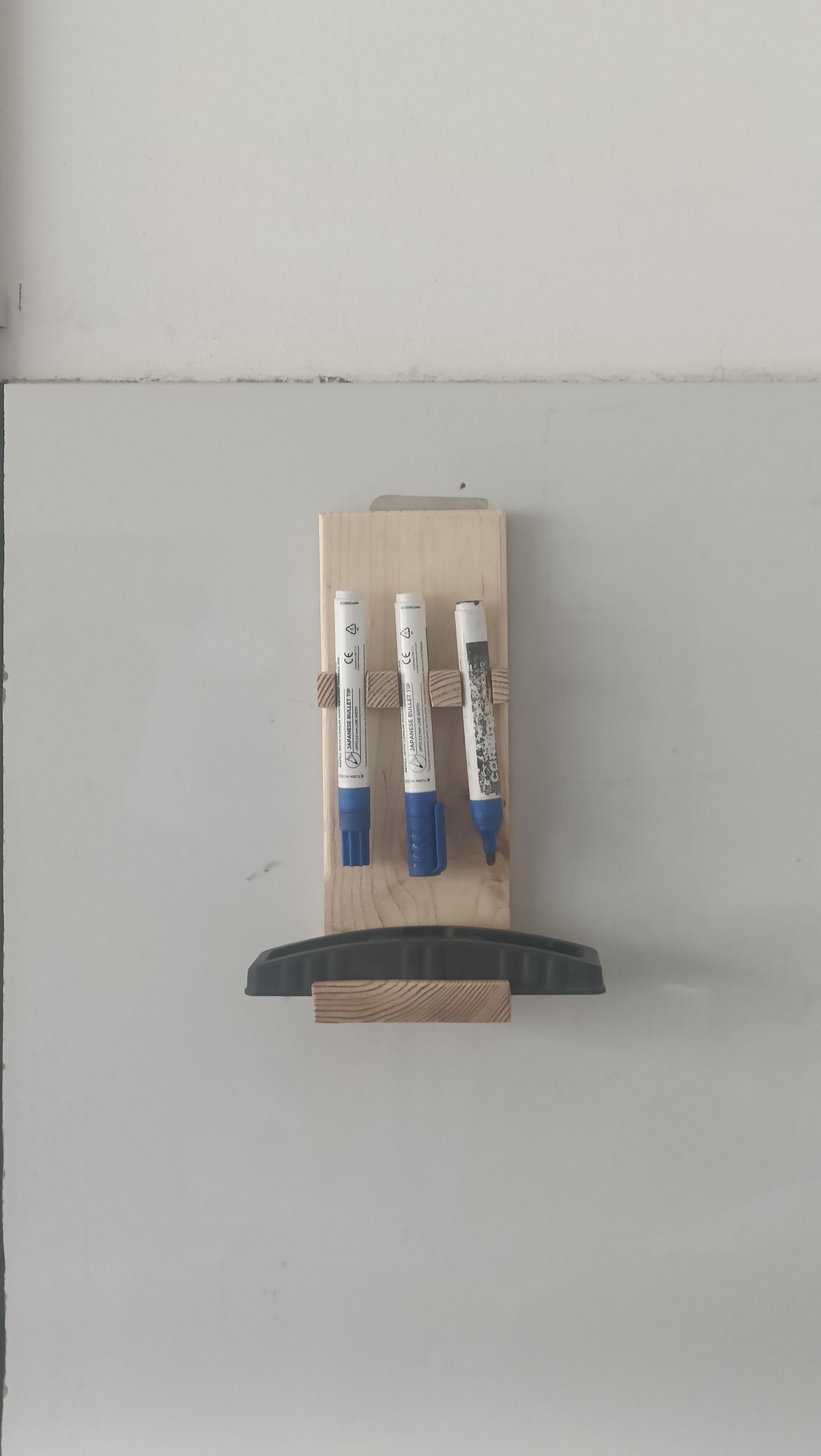
All classrooms have a set of markers and a duster for the teacher’s use. However, they can easily be lost due to negligence (or the students throwing them around for fun...) and the absence of a designated place to keep them. This can cause discomfort to the teacher, who won’t have the instruments handy for him/her to start teaching and has to waste valuable school time to fetch a marker and a duster.
A good solution to this problem can be to create a easy to use storage where the duster and markers can be kept, that too, within convenient reach for anyone wanting to use the board.
Supplies
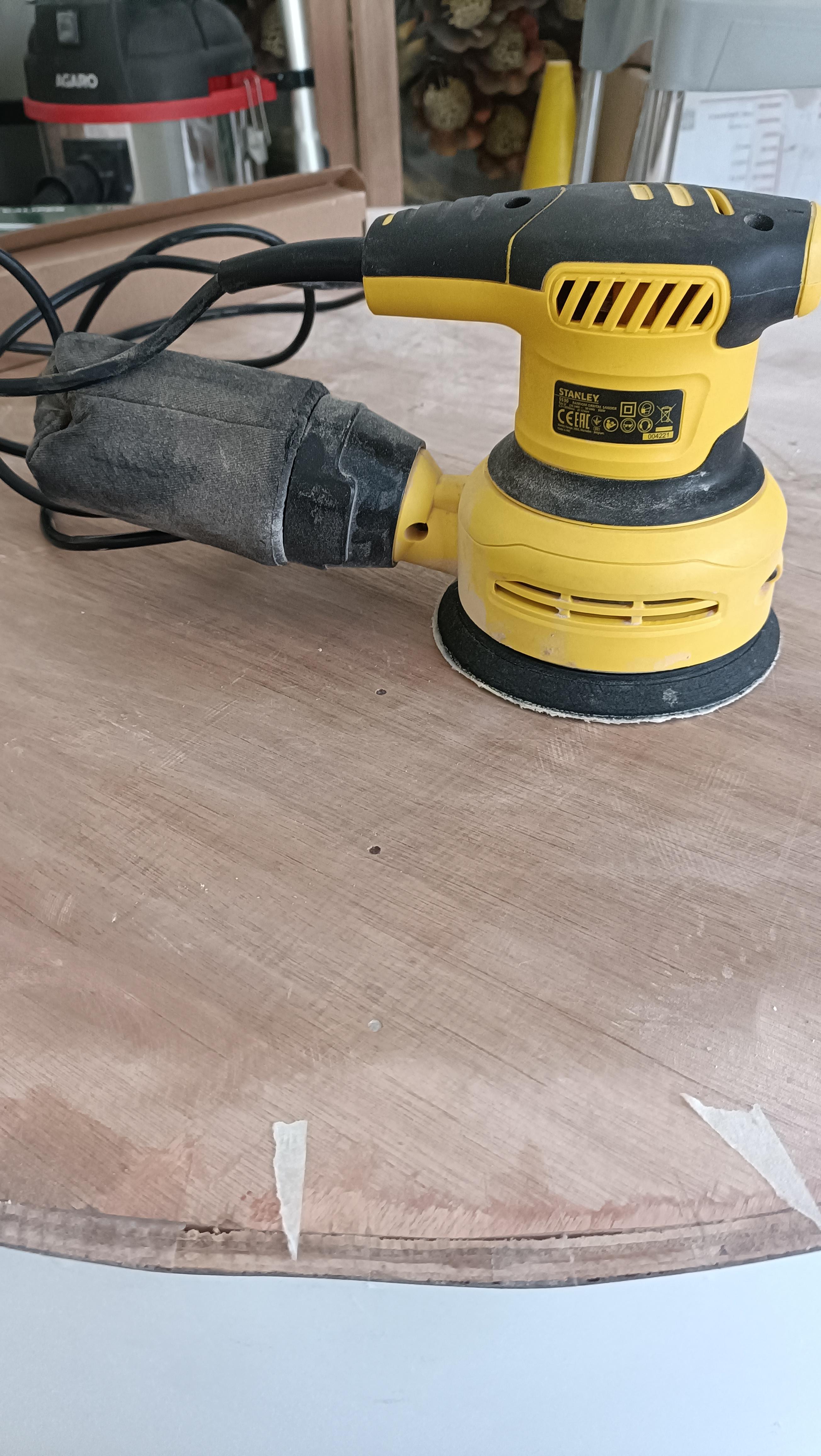
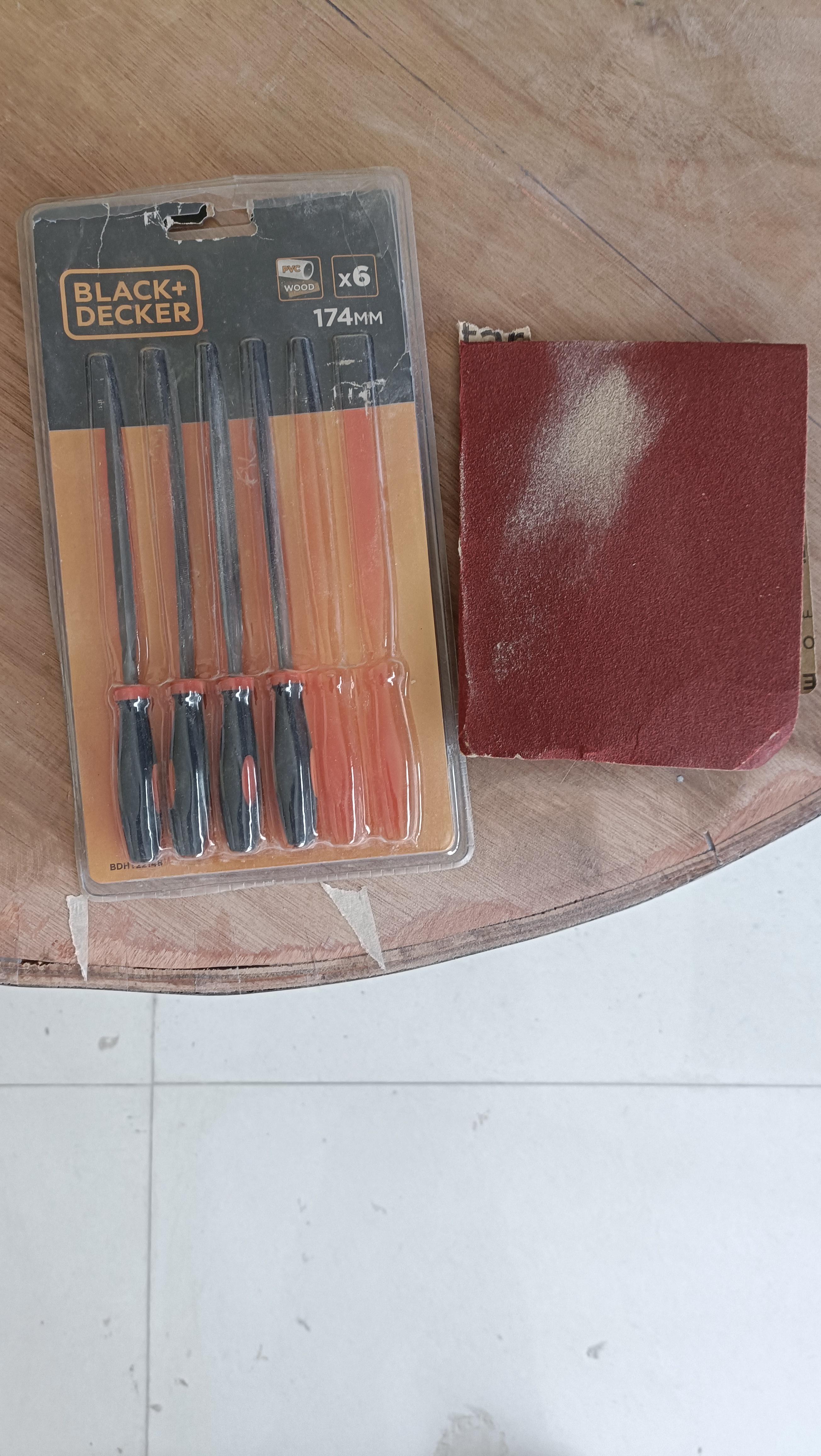
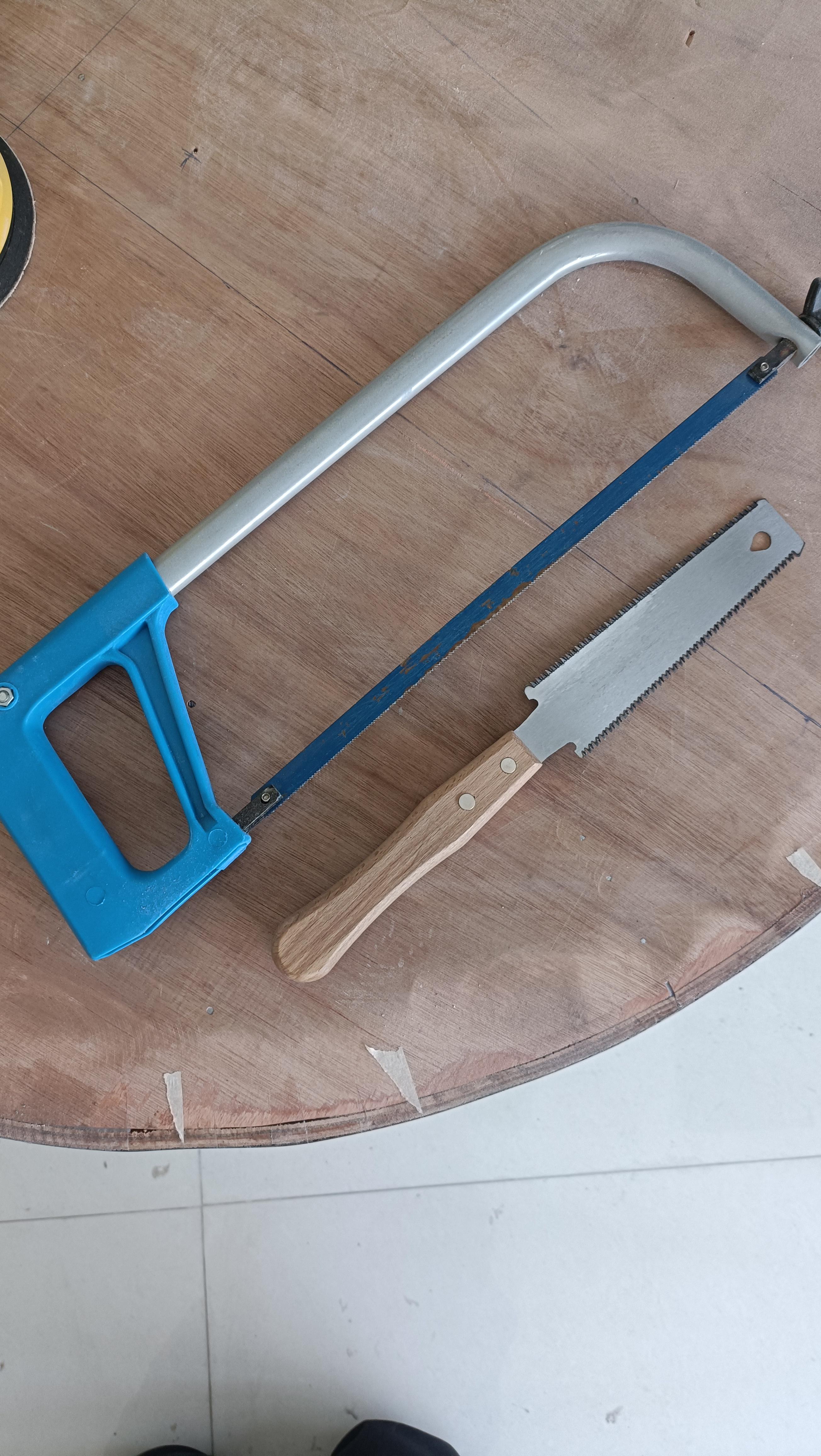
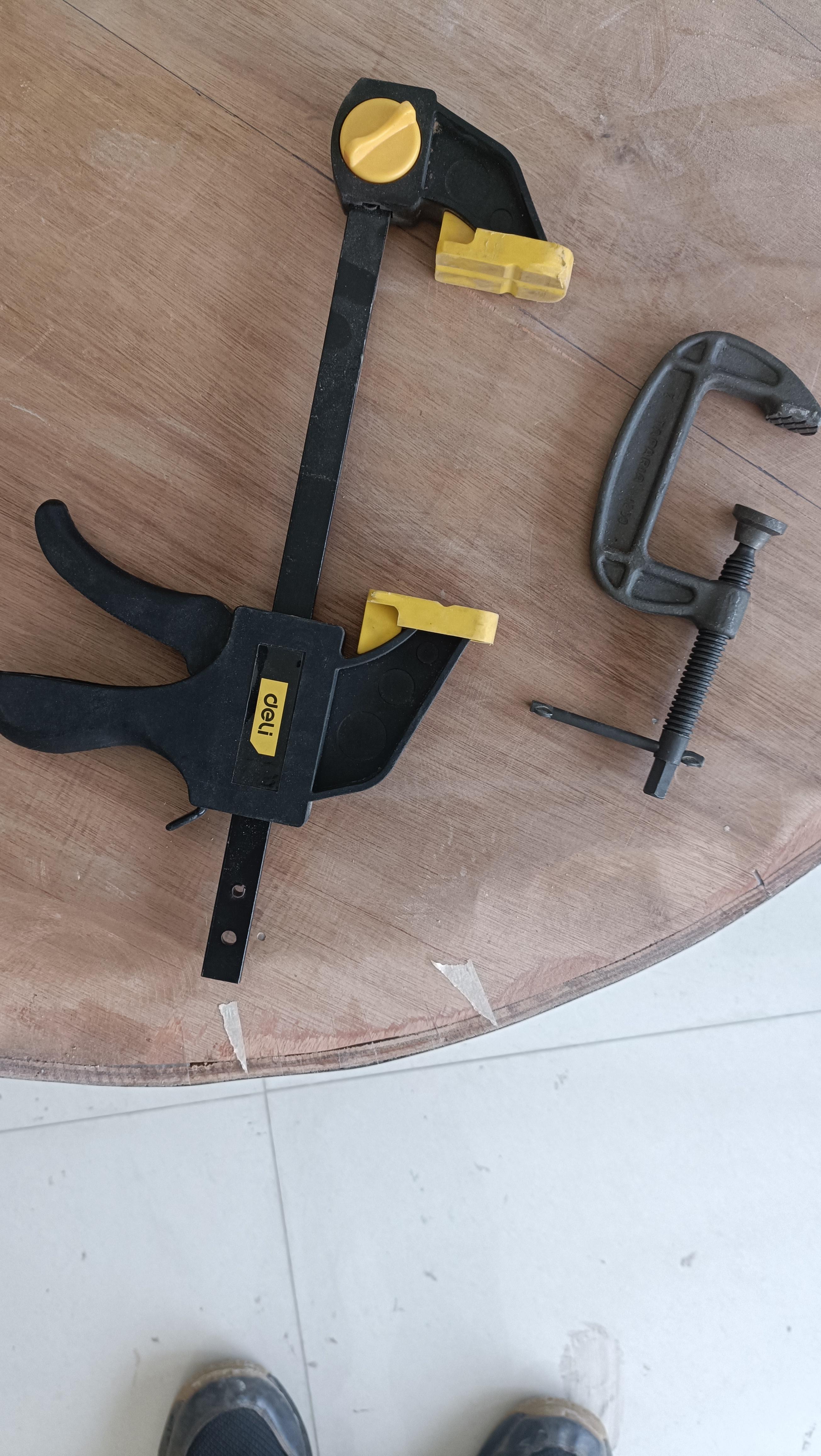


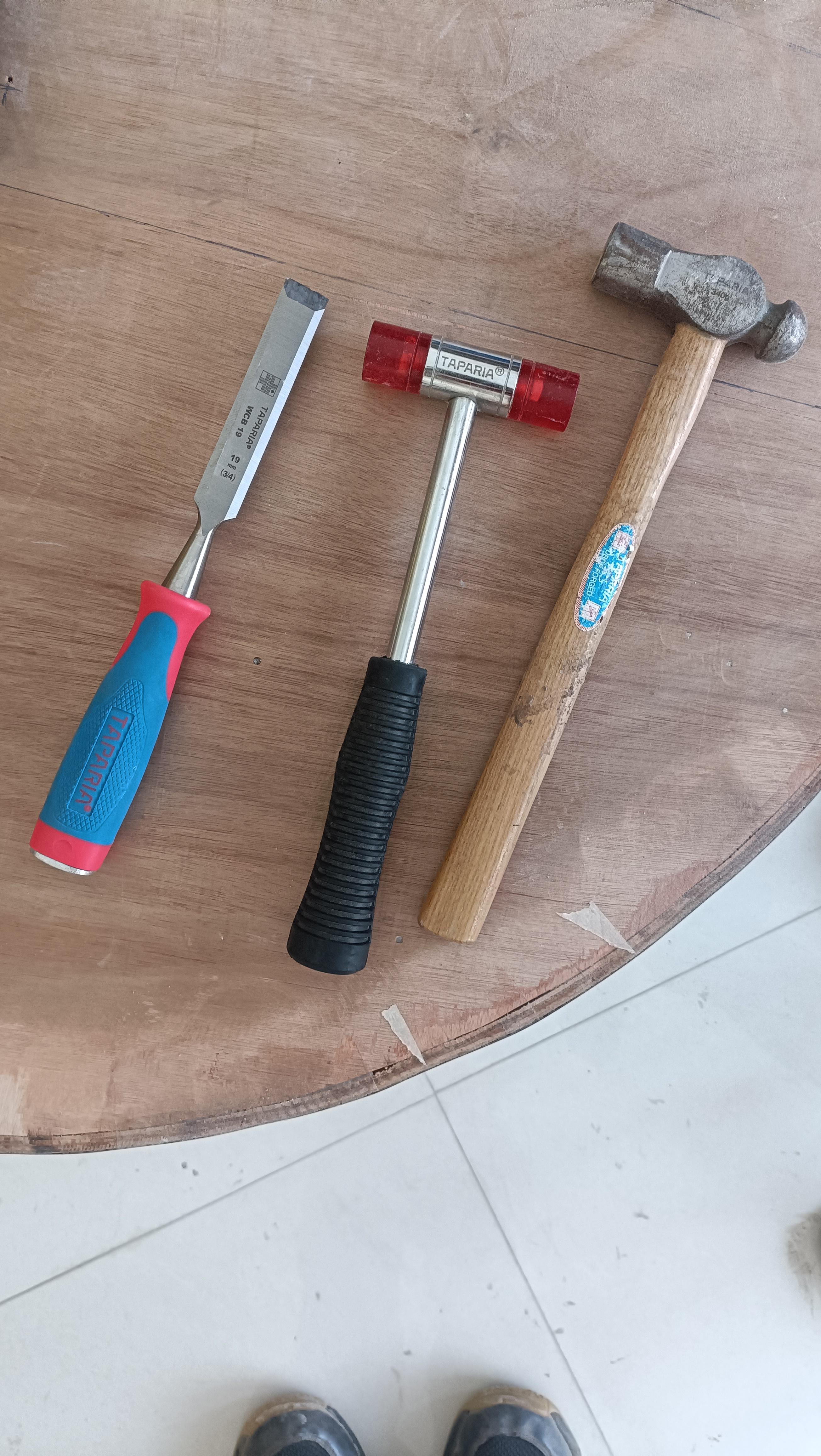

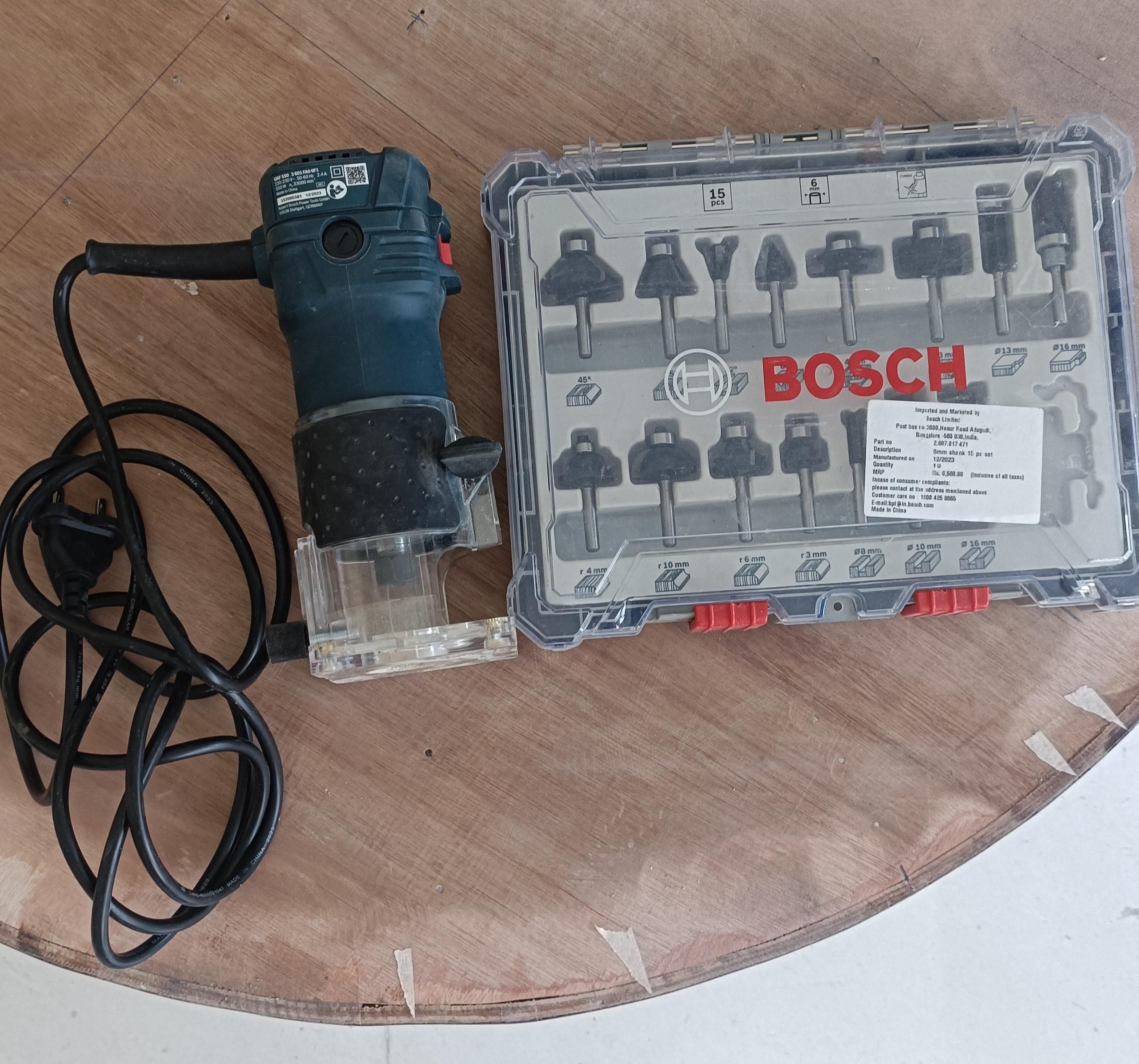

- Wood (Very Important)
- Random Orbital Sander
- Hand File set and Sandpaper
- Hacksaw
- C-Clamps/ Jigs
- Measuring equipment (Ruler, Digital caliper)
- Chisel
- Hammer/Mallet
- Table Saw
- Hand Router
- Drill
Design

One piece of wood (in this case: 34cm long, 9cm wide, 1.9cm thick). Some of it is then cut into one 8cm long piece. A 6.4cm rectangular crater in the 8cm piece is created as a slot for the duster. The 8cm piece, and the remaining 24.1cm piece are joined together in a 90-degree angle.
Then, from a different piece of wood, another piece (in this case: 1.7cm long, 9cm wide, 2cm thick) is cut. This will be used to store the markers. Rectangular C-shaped holes (1.45cm long, 1.1cm wide, 2cm thick) are cut out. Markers can slot right into these holes.
Use of Supplies
- Most cutting was done with the hacksaw.
- The wood pieces were sanded using the orbital sander to smoothen them out.
- The slot for the duster was made by cutting small (roughly 0.5cm) sections into the 8cm piece using a table saw. The remaining chunks were then chiseled off and the surface was sanded using sandpaper.
- The edges of the 24.1cm piece of wood were made smoother and slightly curved using the hand router to reduce the risk of getting cut by the wood. The circular hole for the mounting nail was also made using the hand router.
- The rectangular C-shaped holes were made using the hacksaw.
Safety
Before continuing to make something like this, you must carry out all the processes safely.
- The power tools (Drill, Hand Router, Table Saw, Orbital Sander) and the cutting tools (Hacksaw) must be handled with care, and if the project is being made by people under the age of 18, having an adult around with knowledge about operating power tools is advised.
- Use safety equipment such as goggles and gloves to protect your hands and eyes.
- Make sure to clean your workbench before and after the project.
- HAVE FUN and remember to learn a few things along the way ;)