Waterproof Tactile Maps for Visually Impaired
by ELEVATE_ErasmusPlus in Living > Life Hacks
55 Views, 1 Favorites, 0 Comments
Waterproof Tactile Maps for Visually Impaired
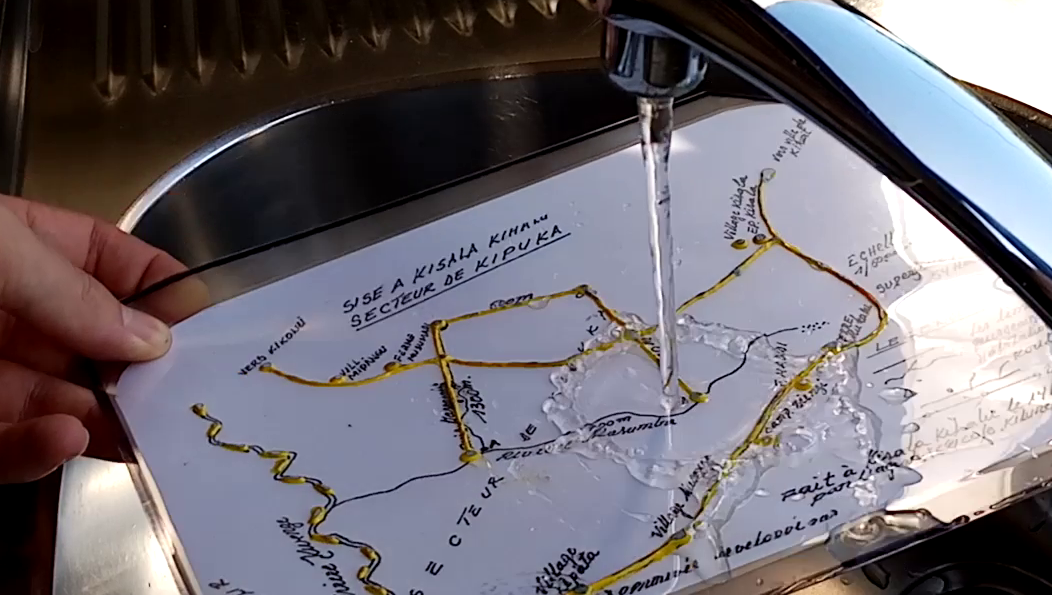
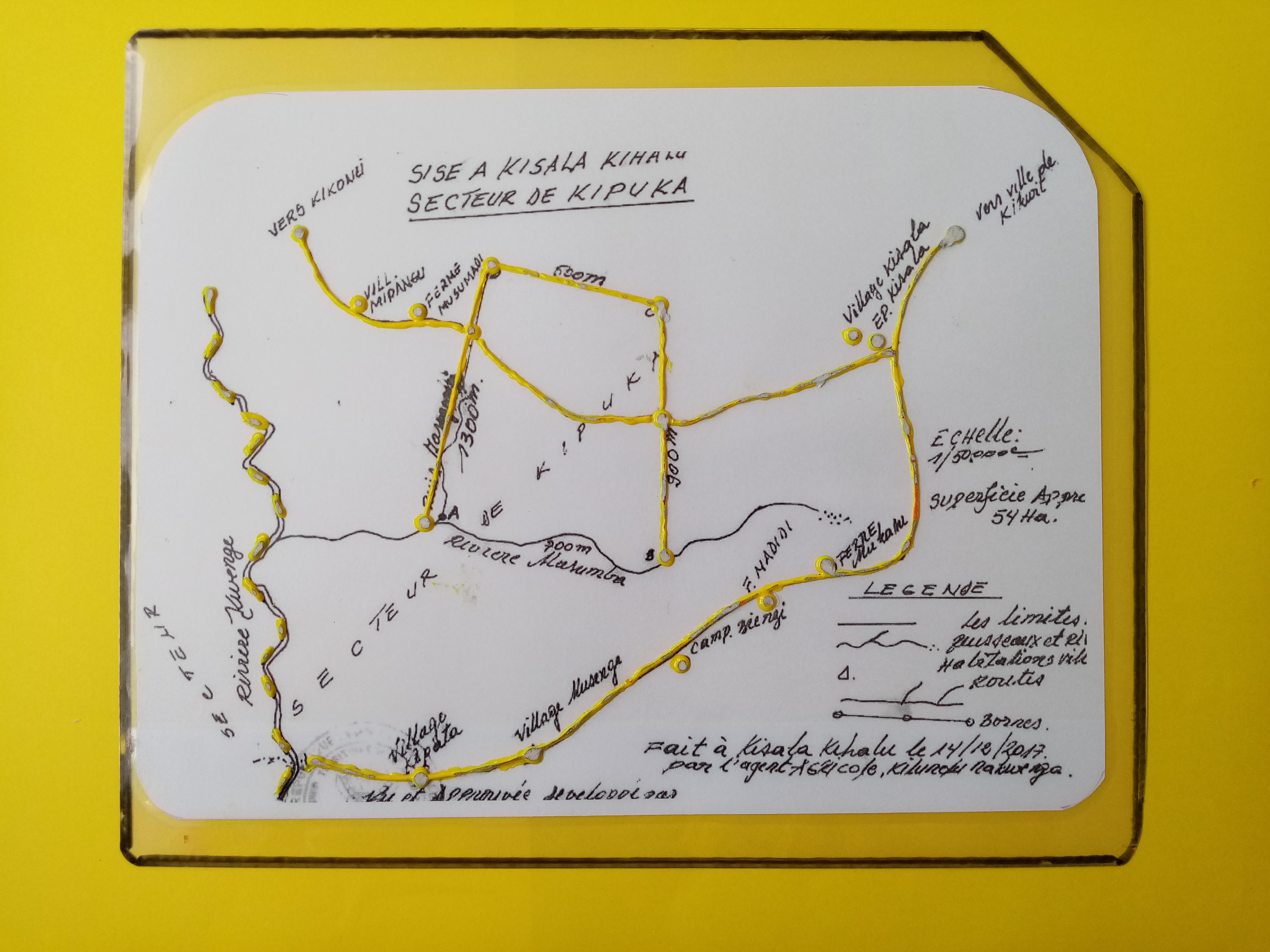
We recommend that you start with our first Instructable, 'Design with visually impaired users, Not for them'
Through a colleague a question arrived at our makerspace. A blind client wants to revisit the area where she grew up in the near future. We’ll refer to this person as the user.
To help her understand the physical changes in the area during conversations with locals, she wants a tactile version of a hand drawn map as an aid. The map is not for navigation purposes.
Supplies
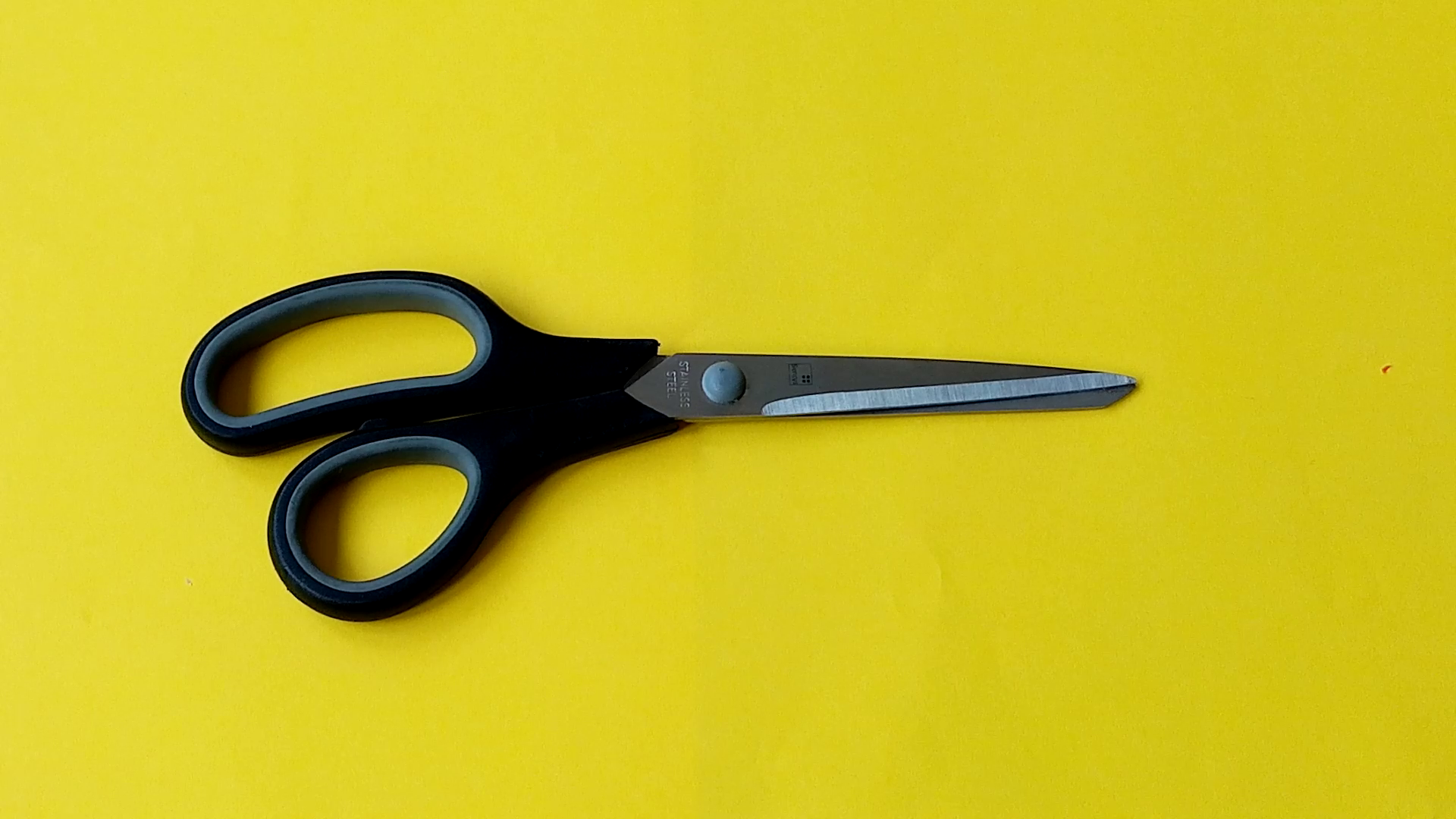
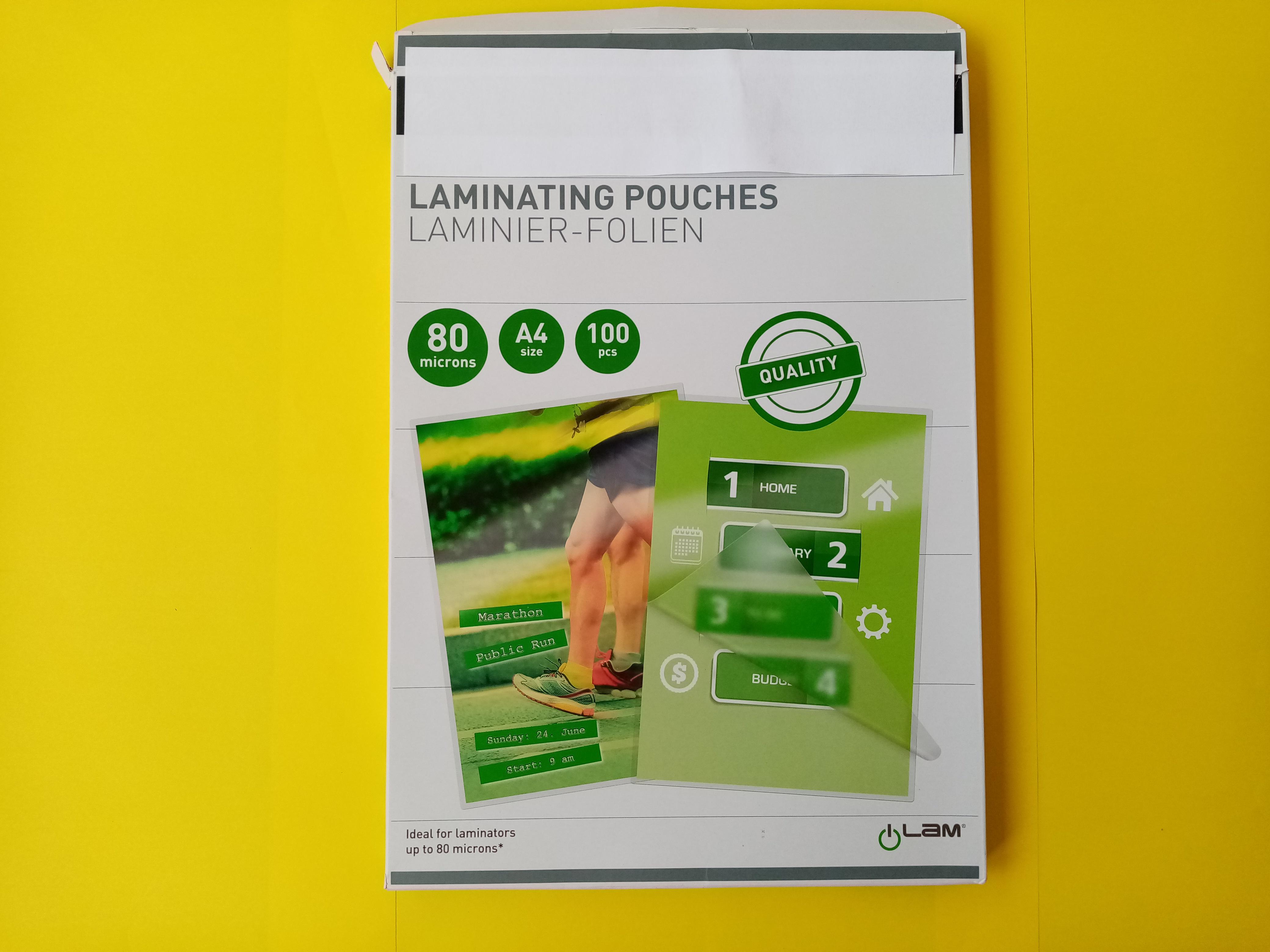
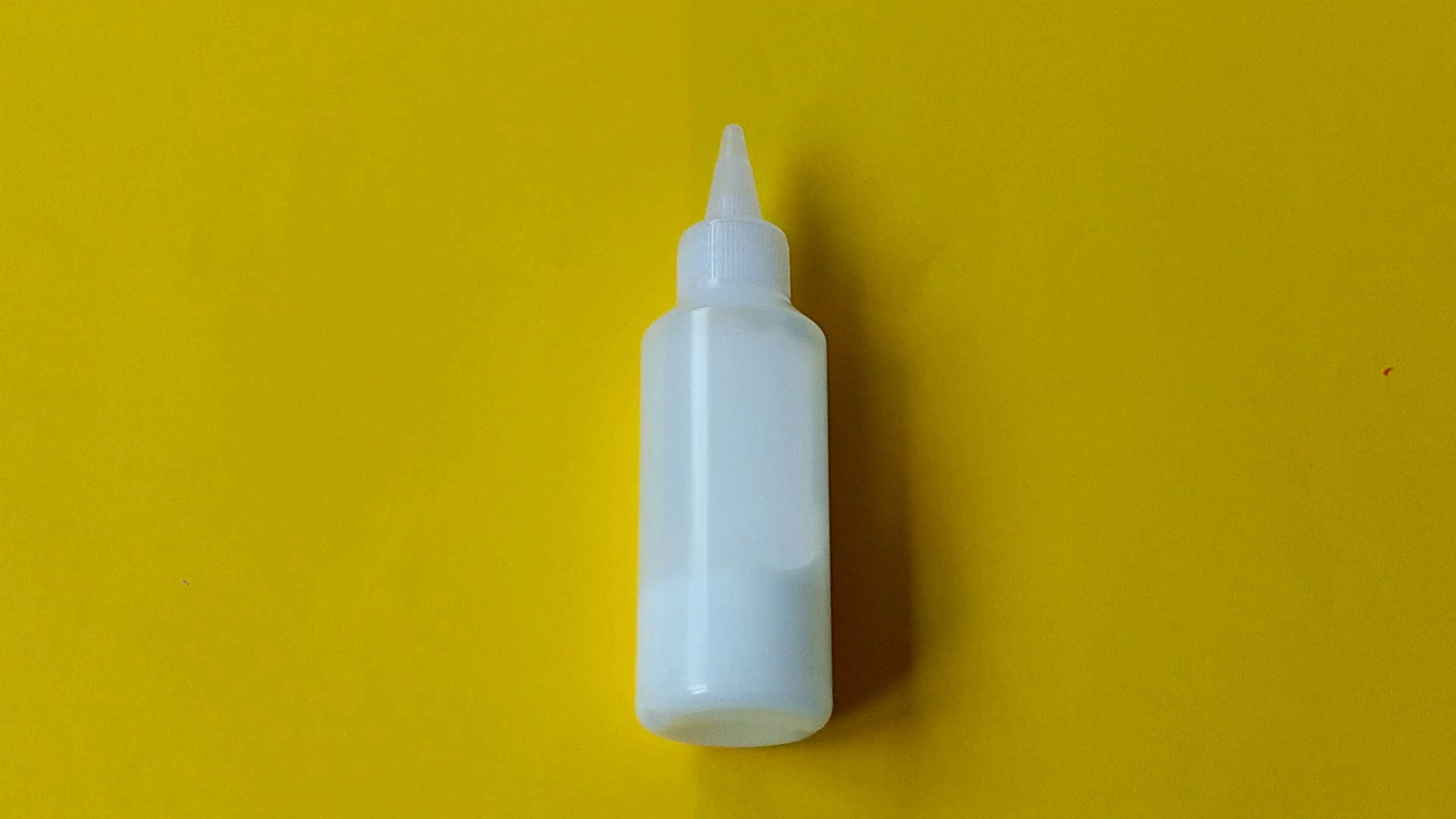
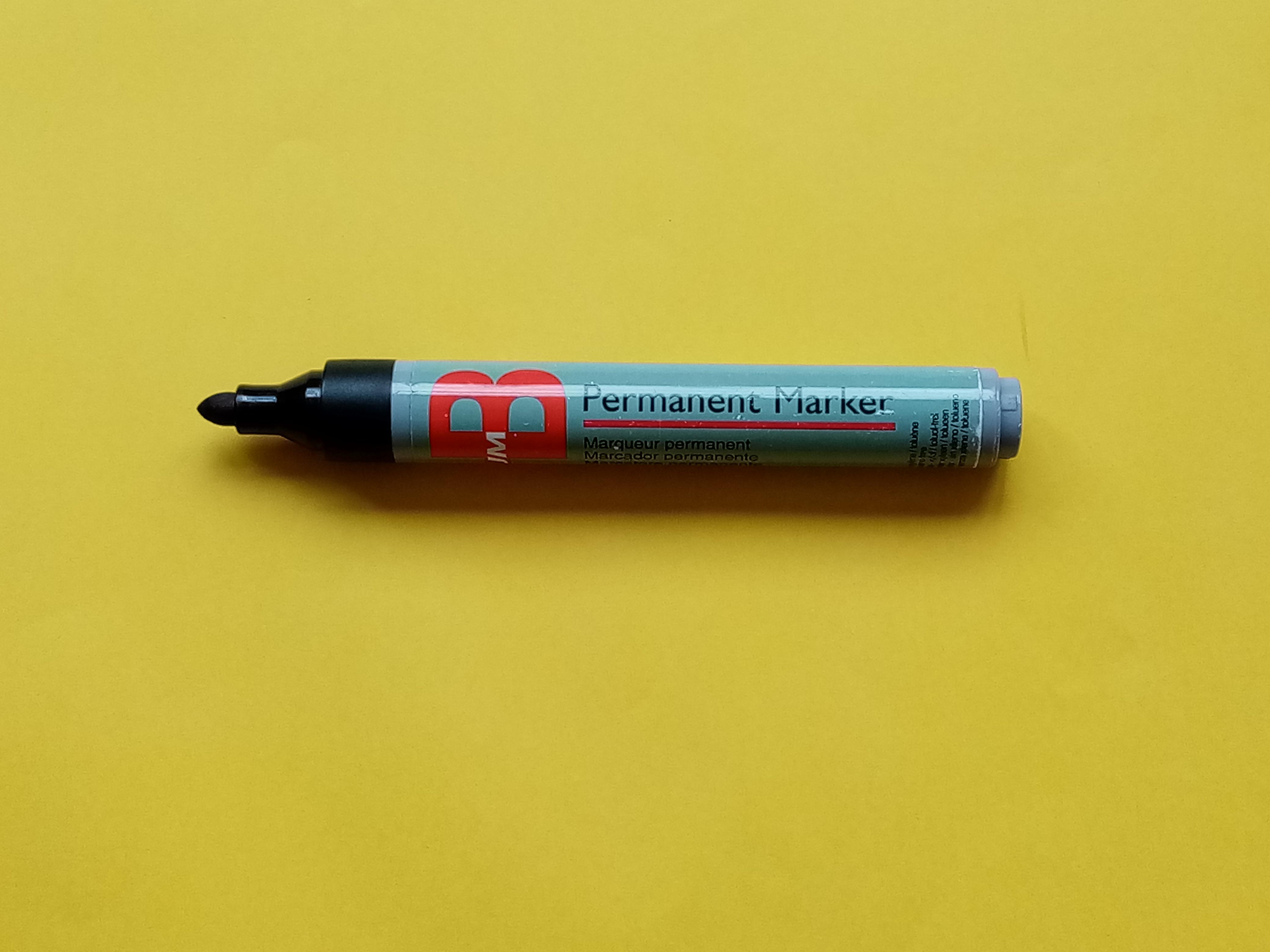
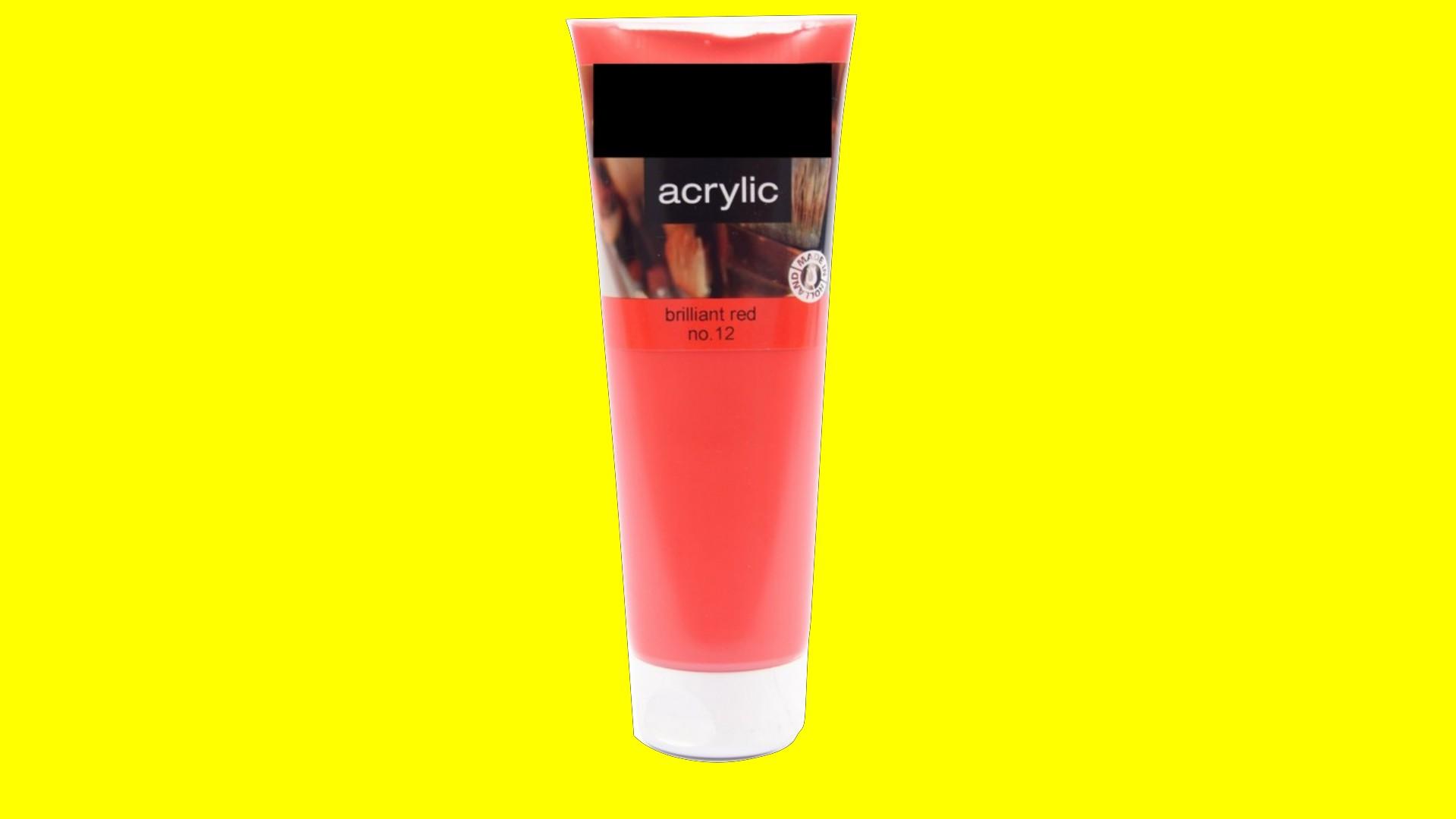
- Scissors
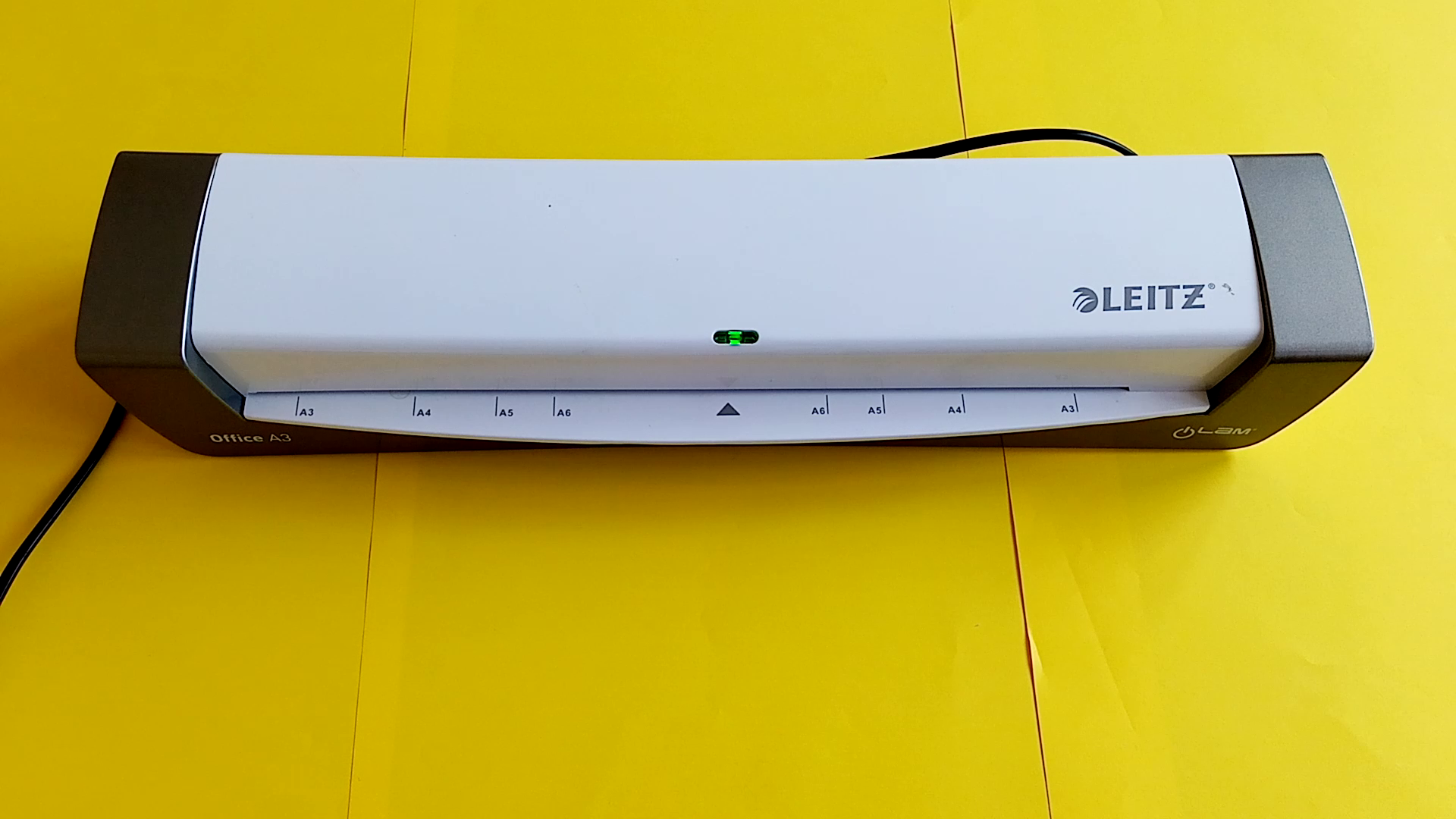
- Laminating machine
- A4 laminating sheets
- Polyvinylacetate based glue, also known as PVA based glue. We have good results with wood glue. This is a different consistency than crafting glue.
- If colouring the glue is relevant, any of the following three: Acrylic paint and an empty squeeze bottle, or a food colorant and an empty squeeze bottle, or a permanent marker.
- A black permanent marker with a thick tip
- An A4 sized map, or smaller
Video Making the Laminated Map
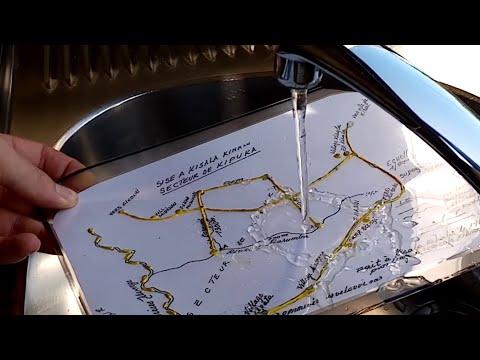
This video demonstrates how to make the laminated map. Do note that there is no audio included. A text version is available below.
Talk to the End User
The first step is to have a conversation about what makes the final product suitable for the user. This is the list of demands. In our case it was the following:
- All visual information of the hand drawn map remains.
- Tactile elements: points A B C D and the four lines connecting them, roads and rivers.
- A clear differentiation between roads and rivers
- The map is water resistant
- A marking to indicate the correct map orientation
- Low cost
- A4 size
2) Make a Copy of the Original Map
Decide How to Identify Map Orientation
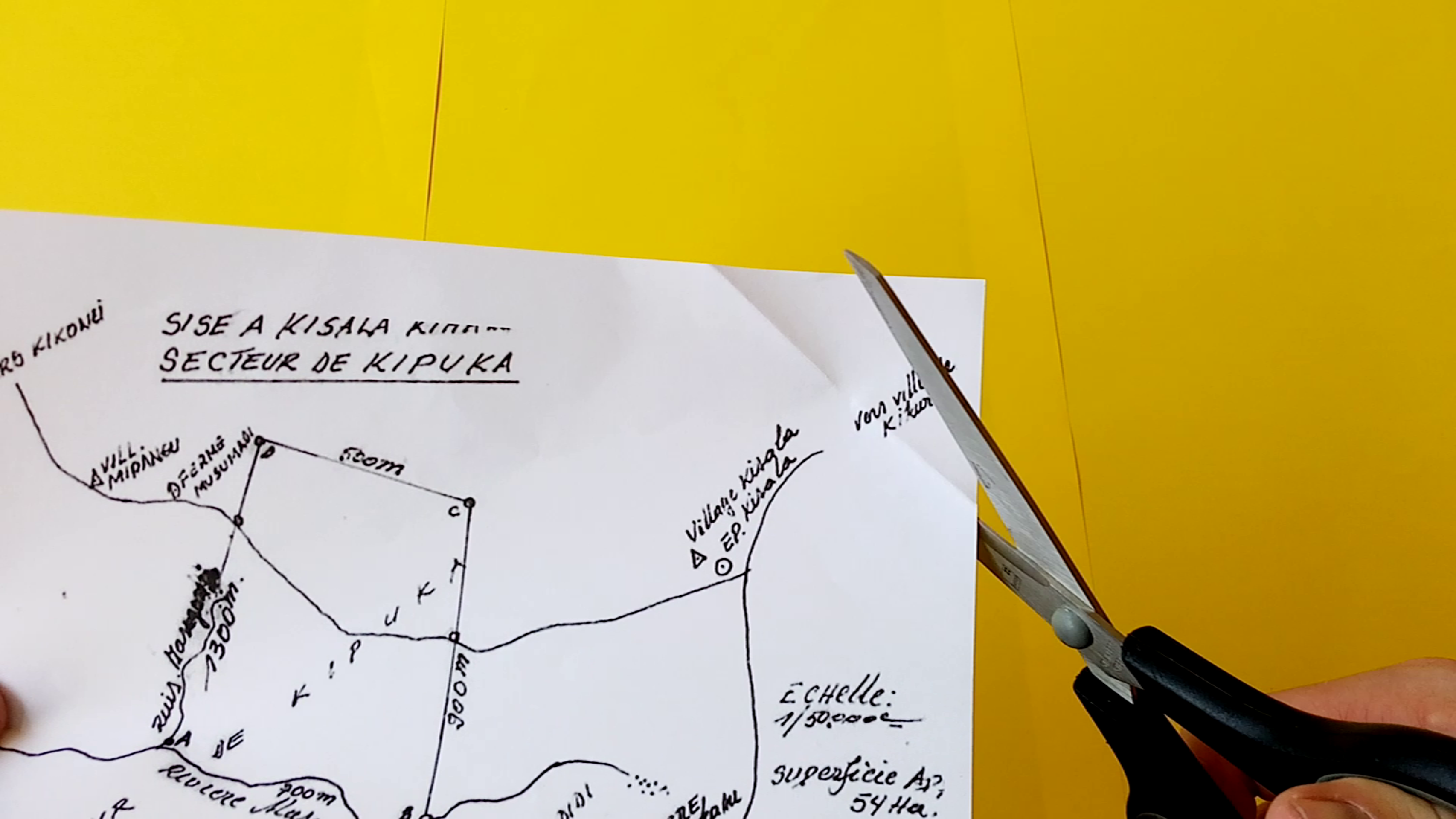
Agree with the user which corner should indicate that they are holding the map correctly. Make a 45 degree cut on this corner.
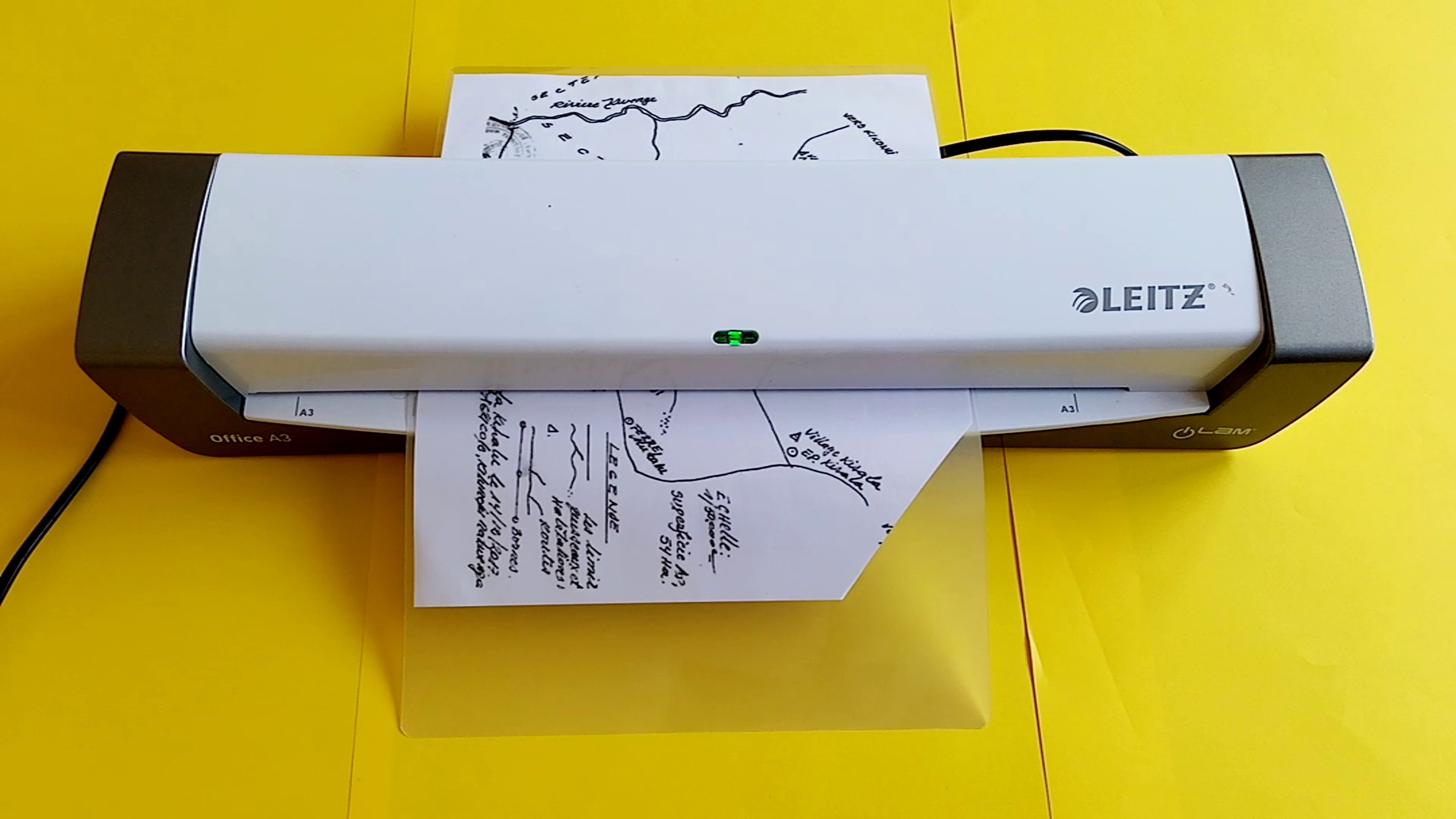
Laminate the Map
Mark Map Orientation
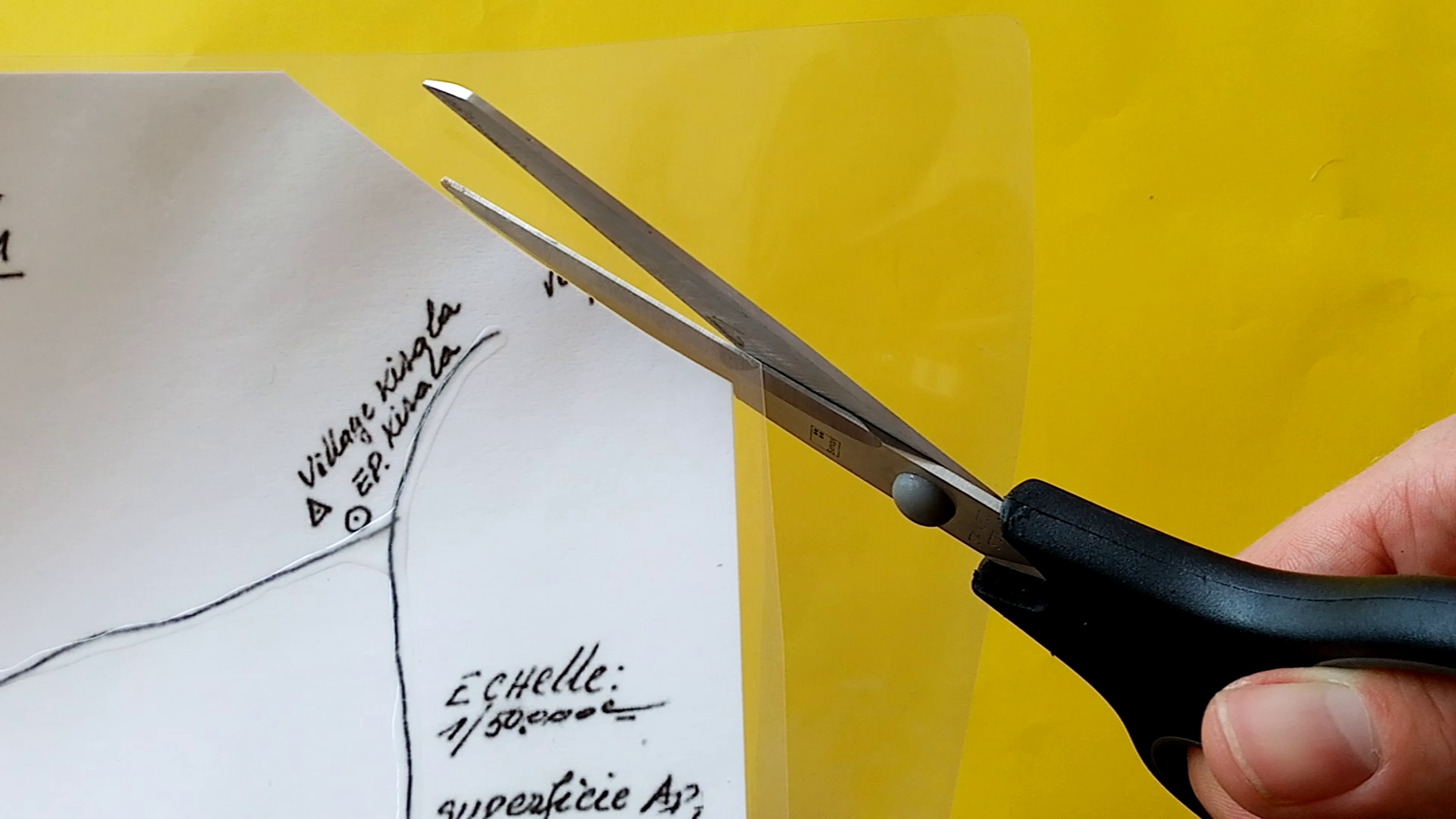
Next to the previously made 45 degree cut, make a new cut. Pay attention that you don’t cut too close to the paper, because then the lamination might come loose.
Remove Any Sharp Edges.
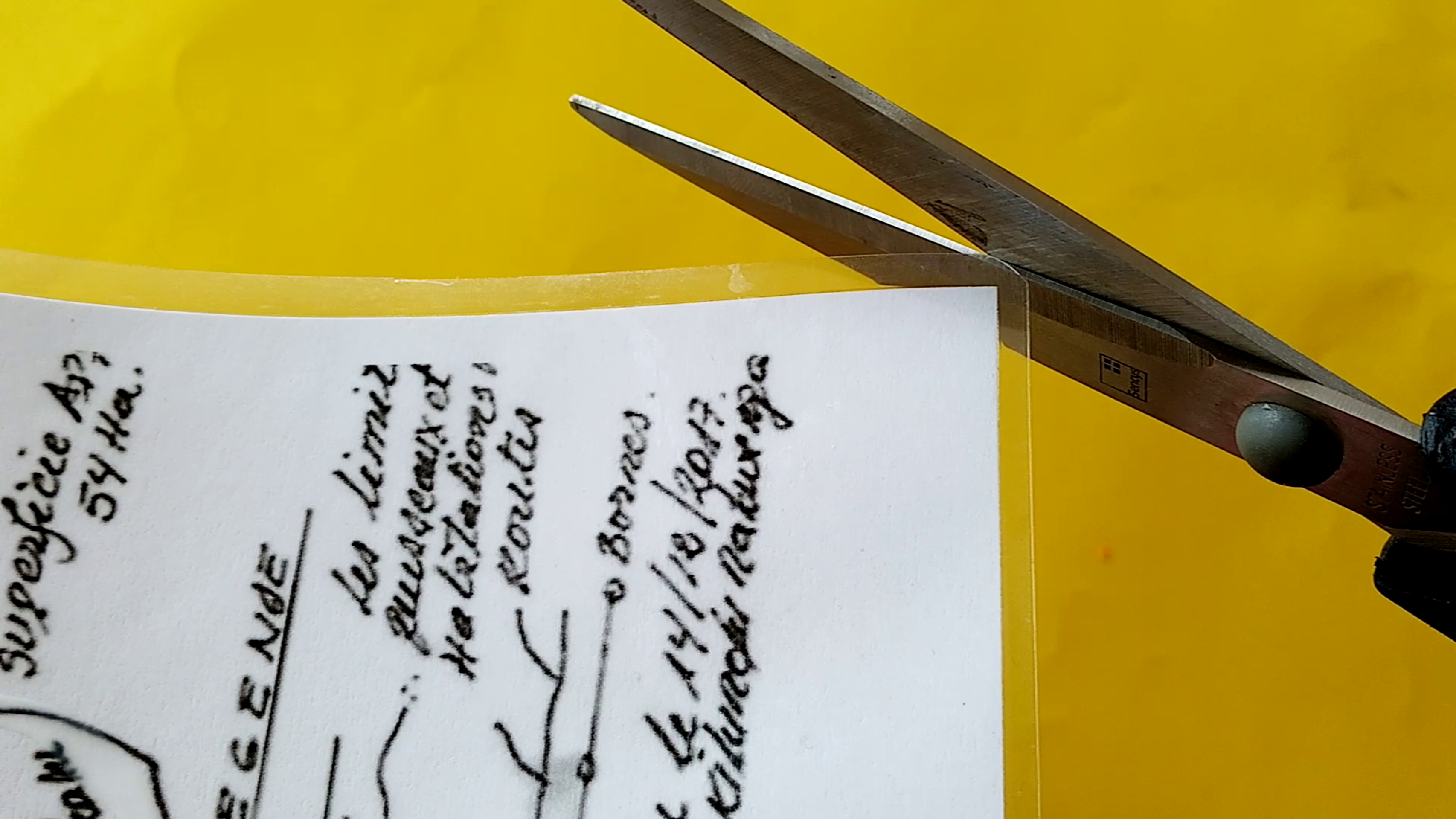
Use the scissors to round-off any corners.
Increase Map Visibility
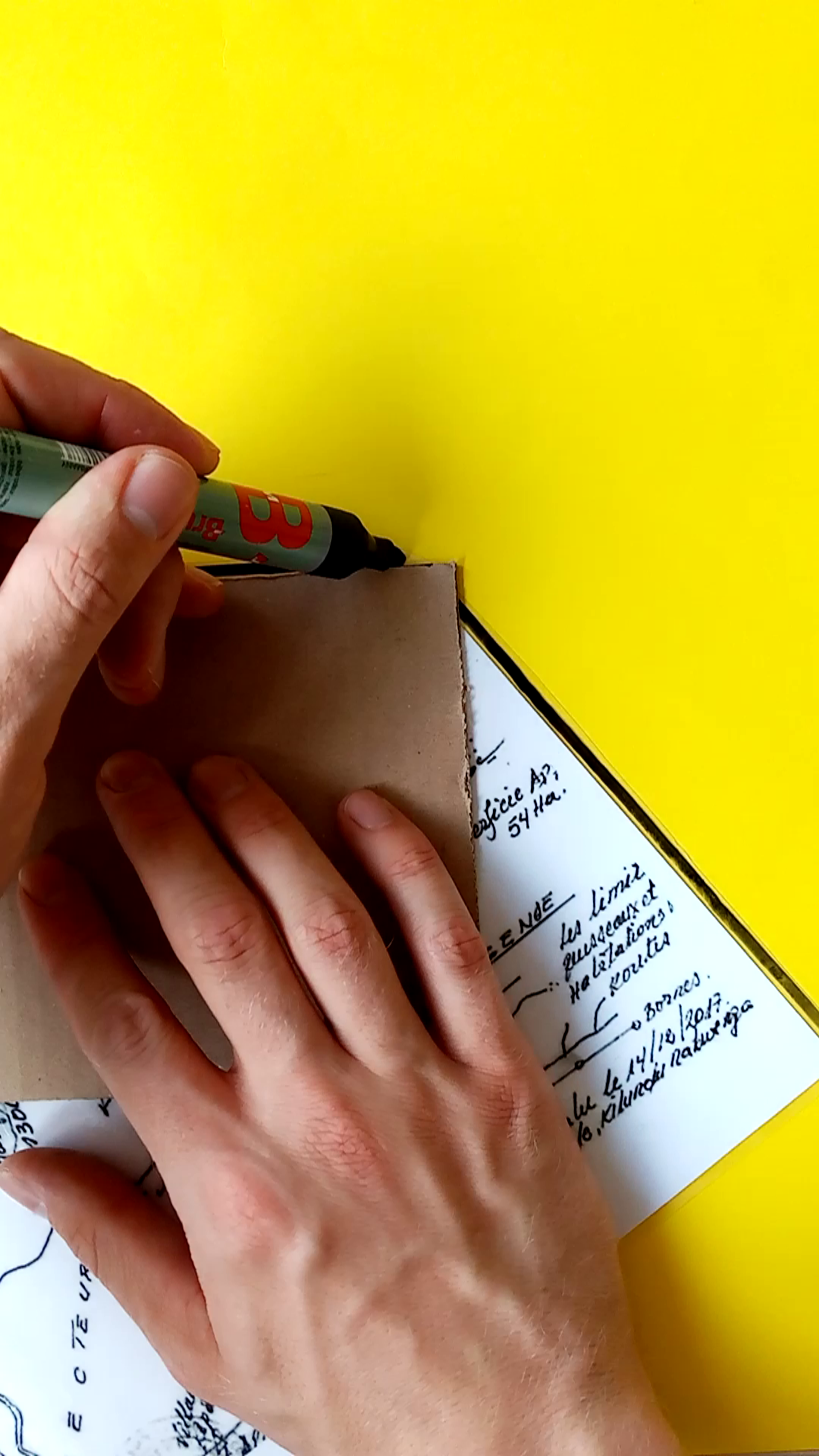
Add a thick black line with a permanent marker around the edge of the map
Preparing the Contrasting Glue
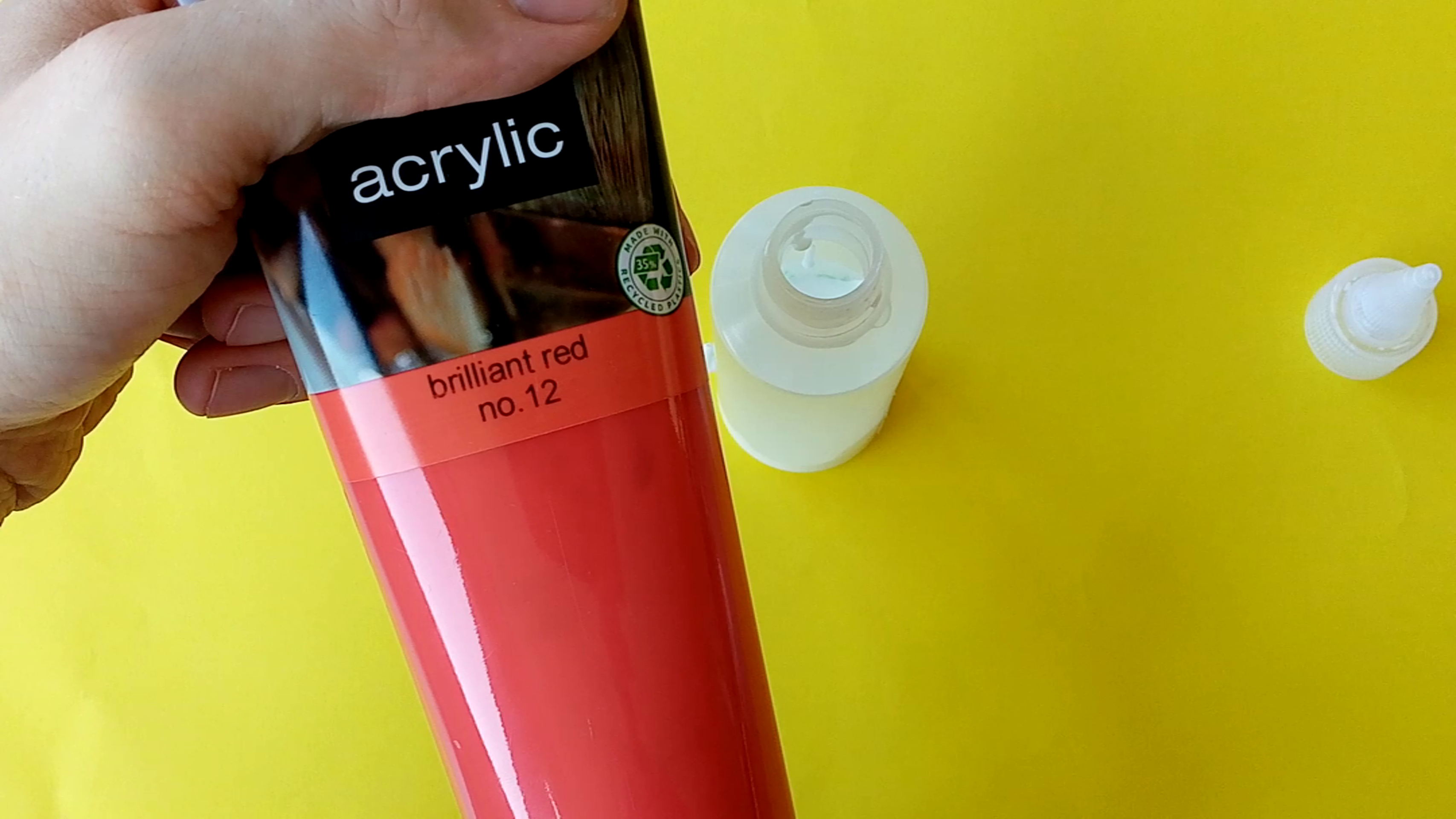
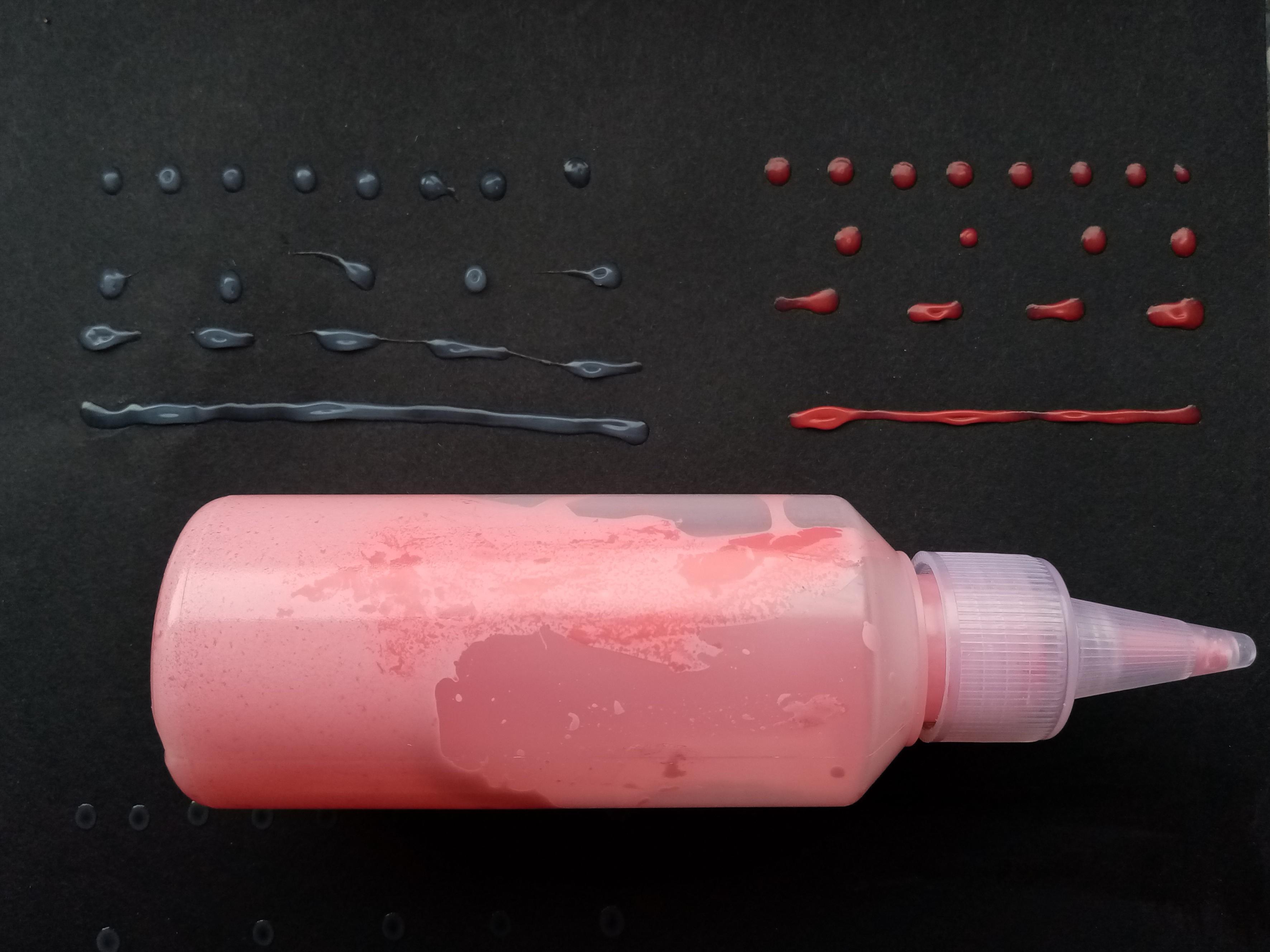
We used Polyvinylacetate glue, also known as PVA glue or wood glue. Do note that once dry it becomes transparent.
If a contrasting glue is an advantage for your user because they still use their remaining vision, or for other people that will look at the map, then we can suggest three easy options.
One is documented in this article, for the other three you'll have to visit our dedicated website.
Add acrylic paint to the glue. We advise that you maximally use the same amount of paint as glue. Shake or stir until all of the glue is coloured. Make sure that the chosen colour and the paper are sufficiently contrasting for the user.
After mixing, the white of the glue will make the colour seem lighter. However, after drying it will look more like the paint.
Decide on Tactile Differentation
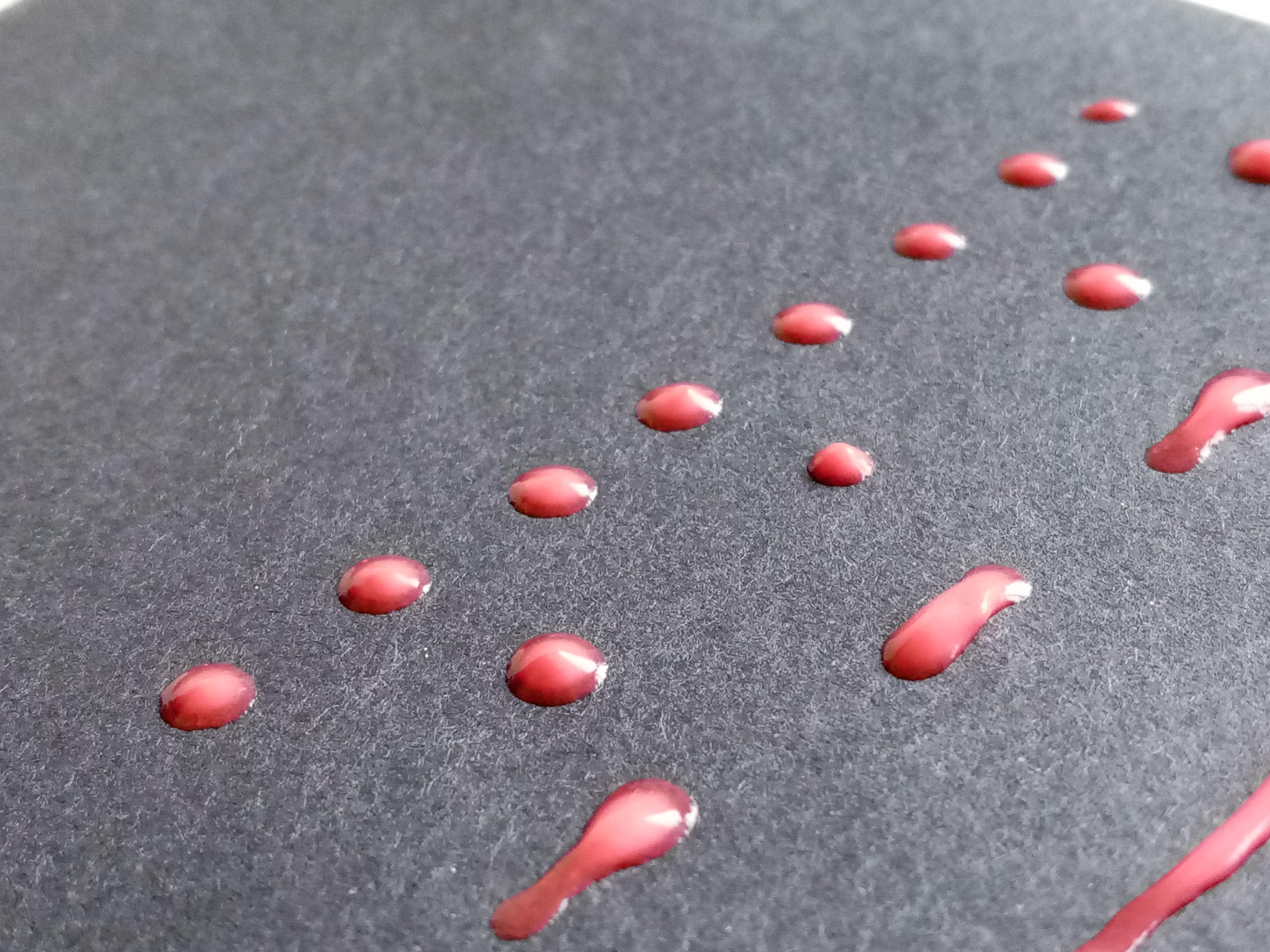
Agree with the user how to represent the tactile differences (dots, dashes,…). Do this on the backside of the laminated map. Let the user try and decide once the glue is dry.
Drying the Glue
Glue dries in two steps. First of all the outer surface becomes dry. At this point non-coloured glue became transparent, and you can gently touch it.
If you want to speed up the process of the glue becoming touchable:
- Use a hairdryer, half a meter away from the surface. Make sure that the map doesn’t fly away.
- Put the map on top of a radiator.
Secondly, the inside becomes dry. The glue is hard.
Depending on the quantity of glue it takes at least 24 hours. Wait for this amount of time before storing the map, for example in a backpack.
Testing With the User
The user confirmed that her list of demands, see the previous step 1, was fulfilled. Meaning that this prototype is the aid which she was looking for.
Knowledge Transfer
Before leaving the map with the user we explained the creation process. We've also shared this in a digital document. In case that damage occurs she is able to have it reproduced.
Extra

Curious about more information on using PVA glue? TactileImages.org created a webinar on using PVA glue to make drawings tactile.
After figuring out the best shape of the hand made map, it’s a good idea to make it more durable. Here are four alternatives to do so. Keep in mind that maps used for navigation purposes are often no longer used after a blind person learned a route.
- One of the methods is to replicate the map in 3D designing software, and 3D printing the map.
- A second method would be to laser cut the map in material of the same thickness as the hand made map.
- A third option can be the use of corrugated polypropylene sheets, which are comparable to cardboard, but waterproof.
- Tactile map generating platforms such as touch-mapper.org and hapticke.mapy.com are also available.
Critical thinking is essential: does the user want to learn a route, or do they want to know how their environment is built? For tactile maps aimed at learning a route, the replication of surroundings such as buildings is not an advantage for each user. Also, it’s not guaranteed that the output of the map making software fulfils the requirements of the user.
Do note that previous tests with the user were made before we reached the shown result. You can find these steps on our website.
Get in touch through the comment section! Suggestions, remarks and praises are much appreciated!