Warawara Keychain From Air-Dry Clay| Studio Ghibli DIY | No Firing
82 Views, 0 Favorites, 0 Comments
Warawara Keychain From Air-Dry Clay| Studio Ghibli DIY | No Firing
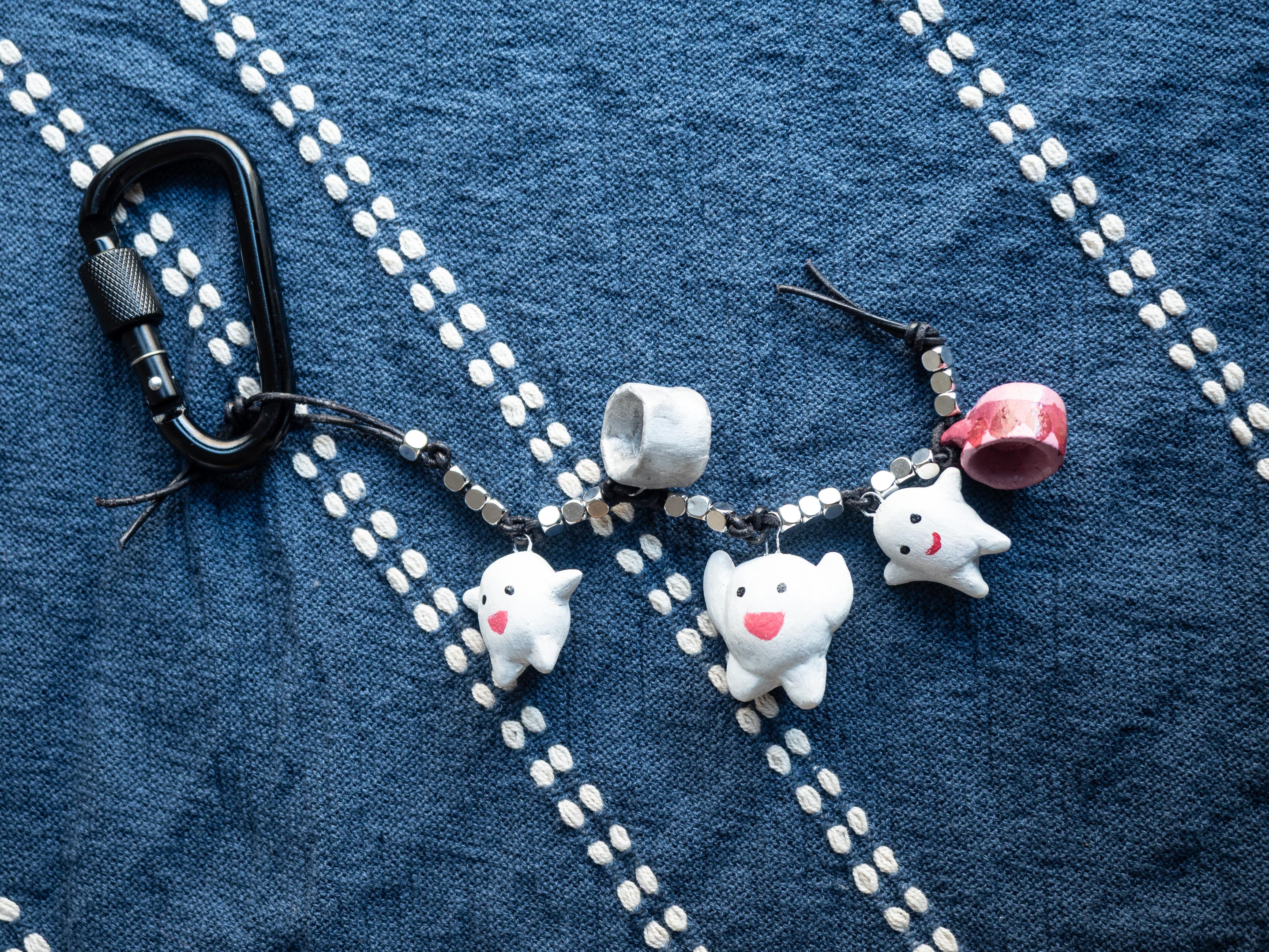

Warawara are small, adorable spirit creatures from Studio Ghibli’s The Boy and the Heron. They look like tiny marshmallows or soft pillows and represent unborn souls preparing for rebirth into the human world.
In this tutorial, I’ll show you how to make Warawara keychain charms using air-dry clay. No baking required. This is a simple and beginner-friendly project. The only difficult part is being patient while everything dries.
Watch the video above in which I break down each individual step. If you would like to support me, please subcribe to my channel @orcatyp
IMPORTANT: If you are under 14, please do this craft under adult supervision. If you are 14 or older, please follow the safety instructions and always wear a mask when sanding air‑dry clay
Supplies
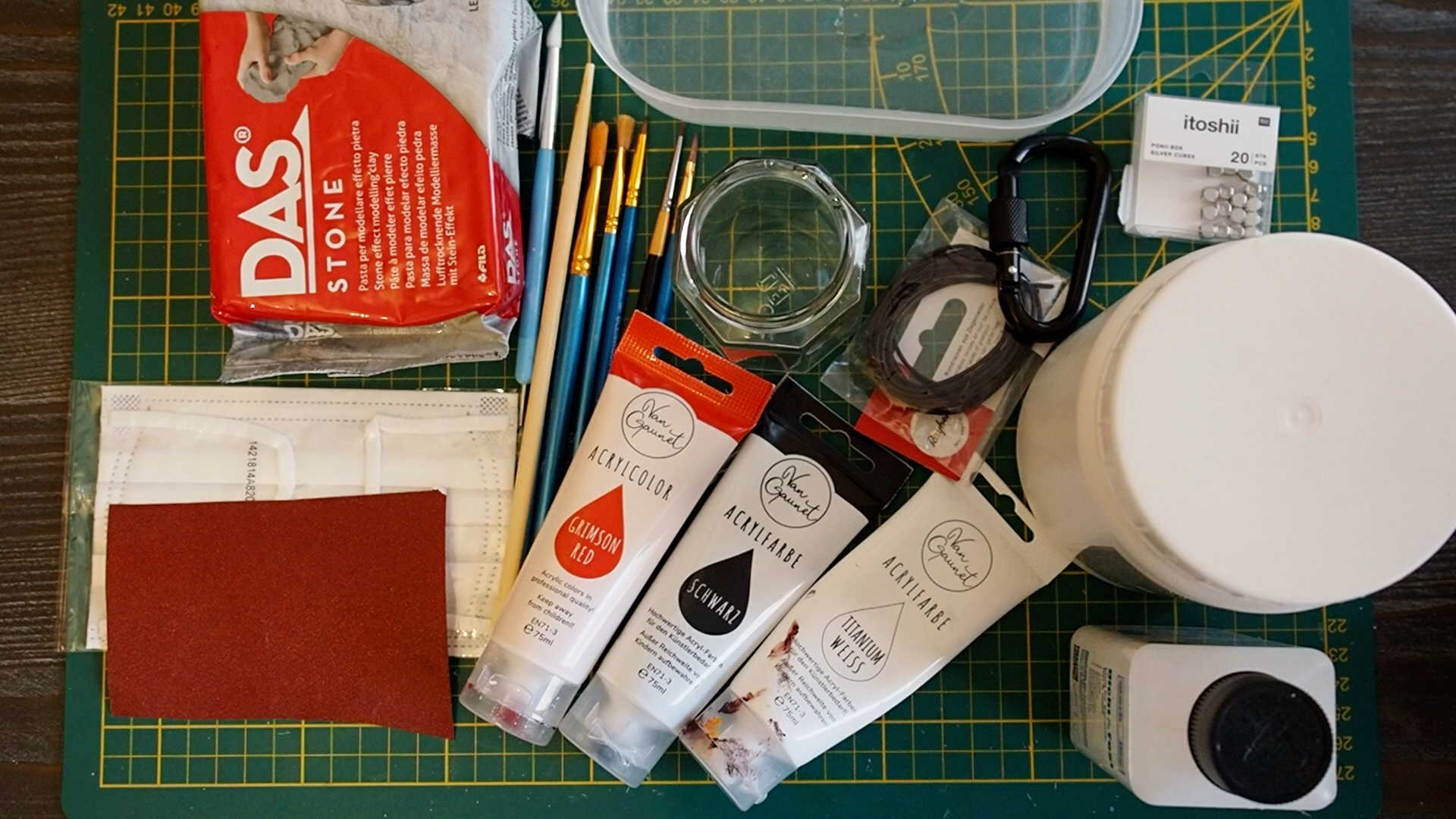
For charms
- Air-dry clay
- Water
- Bail
- Air dry clay sealer / varnish
- Gesso (optional – improves paint adhesion)
- Acryllic paints
- Brushes
- Sculpting tool with a triangular sponge end (optional – fingers work too)
- Small knife or clay cutter (optional )
- Cutting board or smooth surface
For sanding and finishing
- Sandpaper. Mine is 150G, but you can also use 80 or 120G. Air dry clay is not that tough
- MOST IMPORTANT - Face mask
- Gloves (optional)
- Damp cloth
For assembling the keychain:
- Leather cord (or strong string)
- Beads or additonal charms (optional)
- Carabiner / keychain clasp
Shape the Body
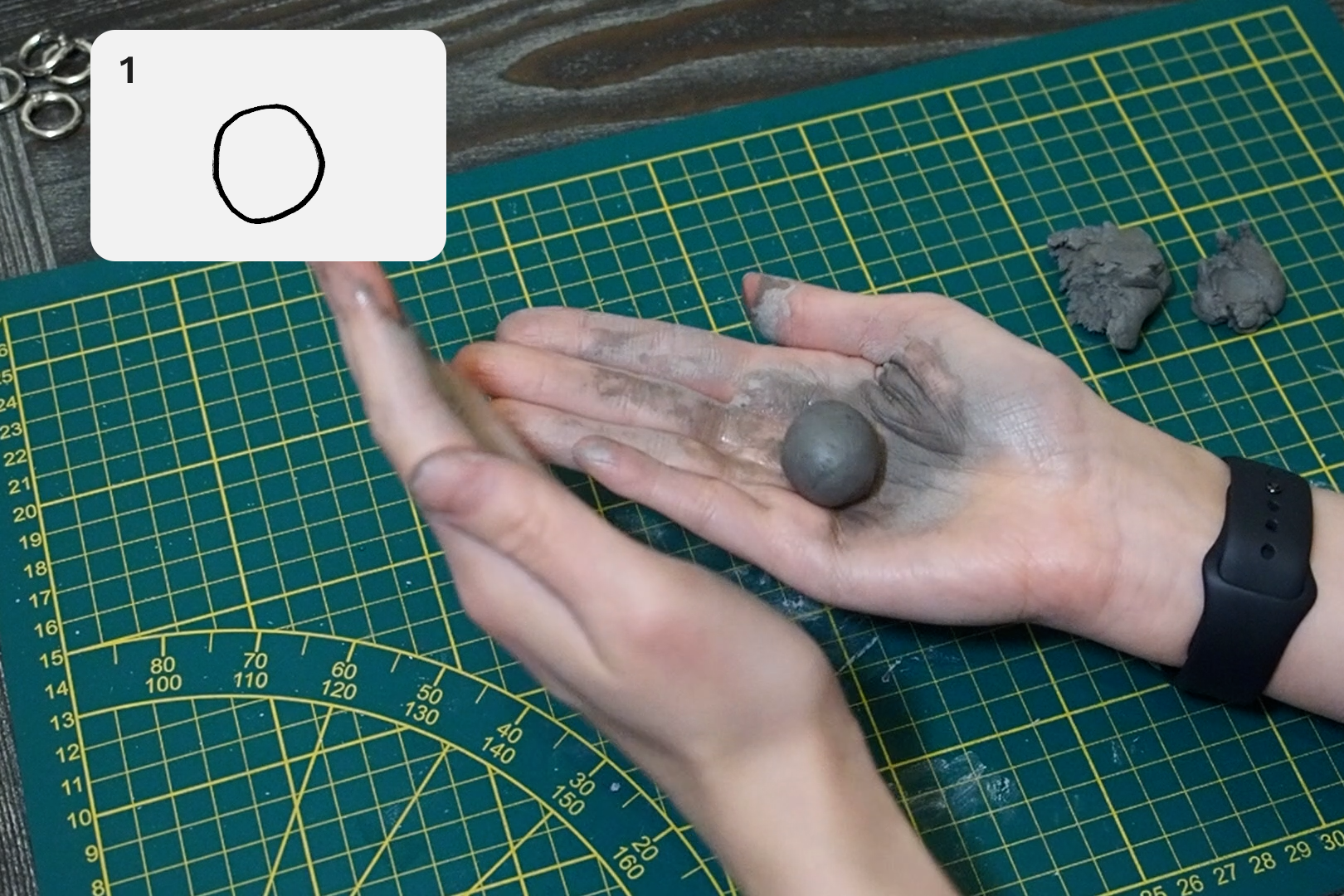

Take a piece of air-dry clay and roll it between your hands or on a flat surface to form a smooth, round body.
Depending on your clay, this might take a little time. While modeling, make sure to use water to smooth the surface.
Add the Hands
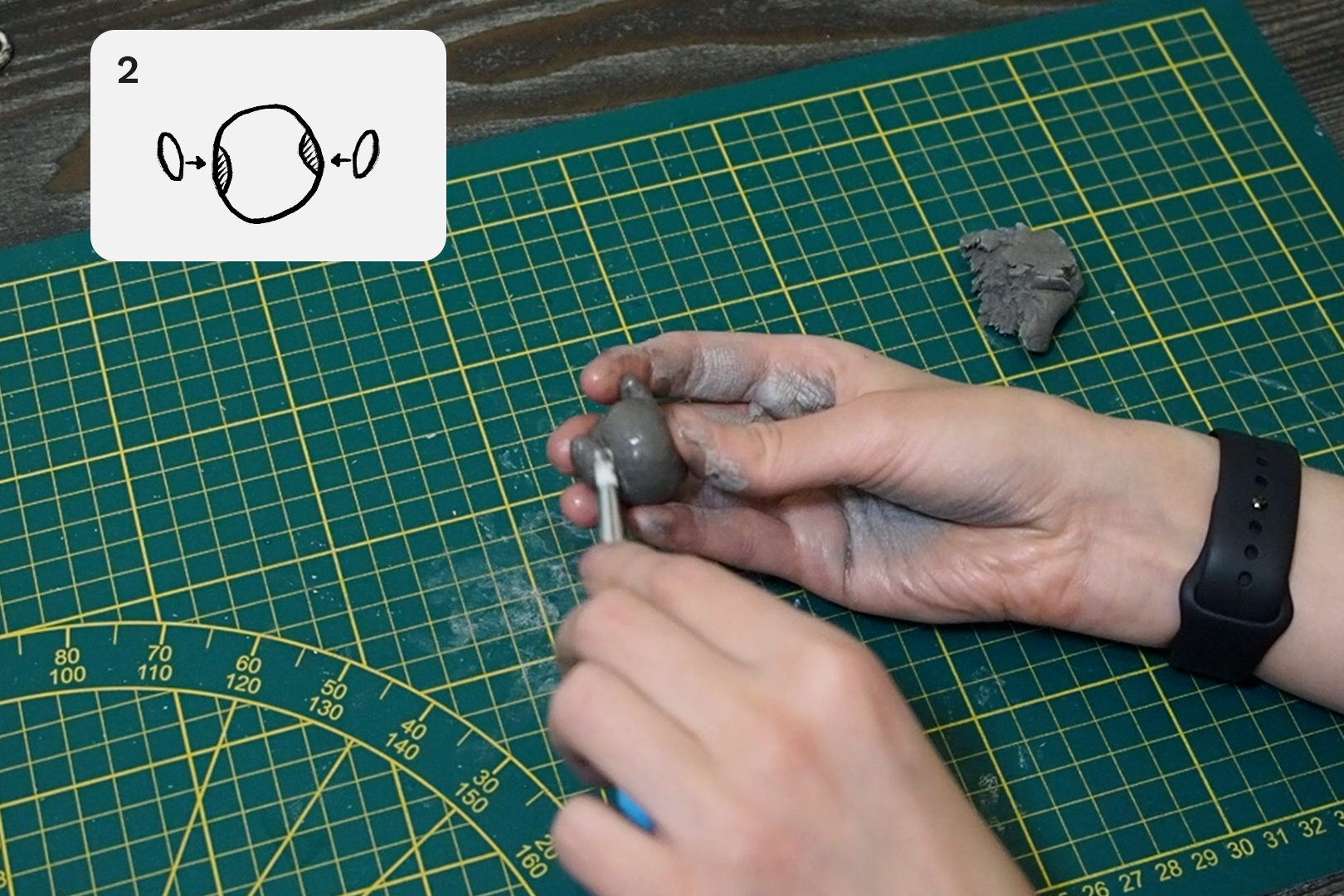
Shape two small hands in a pill or triangular form.
Attach them to the sides of the body using a small amount of water on the joints. Smooth the edges with your fingers or a tool.
You can experiment with different sizes or slightly different hand shapes to show different emotions. For example, my warawaras are happy, so I put their hands up.
Make the Legs
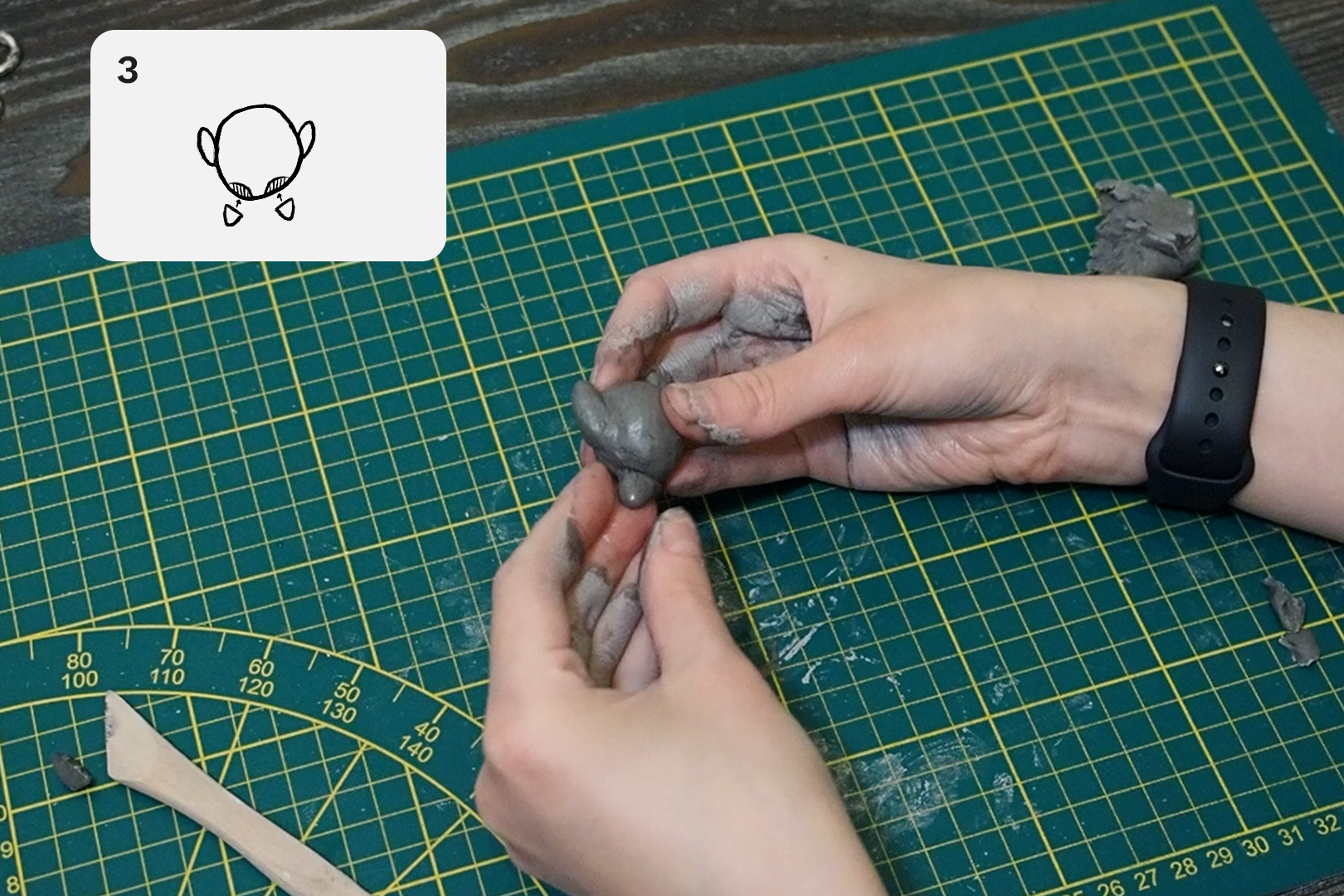
Roll out another pill shape and cut off one end. The triangle you get will become one of the legs.
Repeat to create the second leg. Attach both legs with a little water and smooth the surface again.
Add the Bail

Insert a small bail at the top of the charm for attaching the keychain later.
Make sure it is centred and securely attached. Smooth the clay around it if needed.
Let the Charm Dry
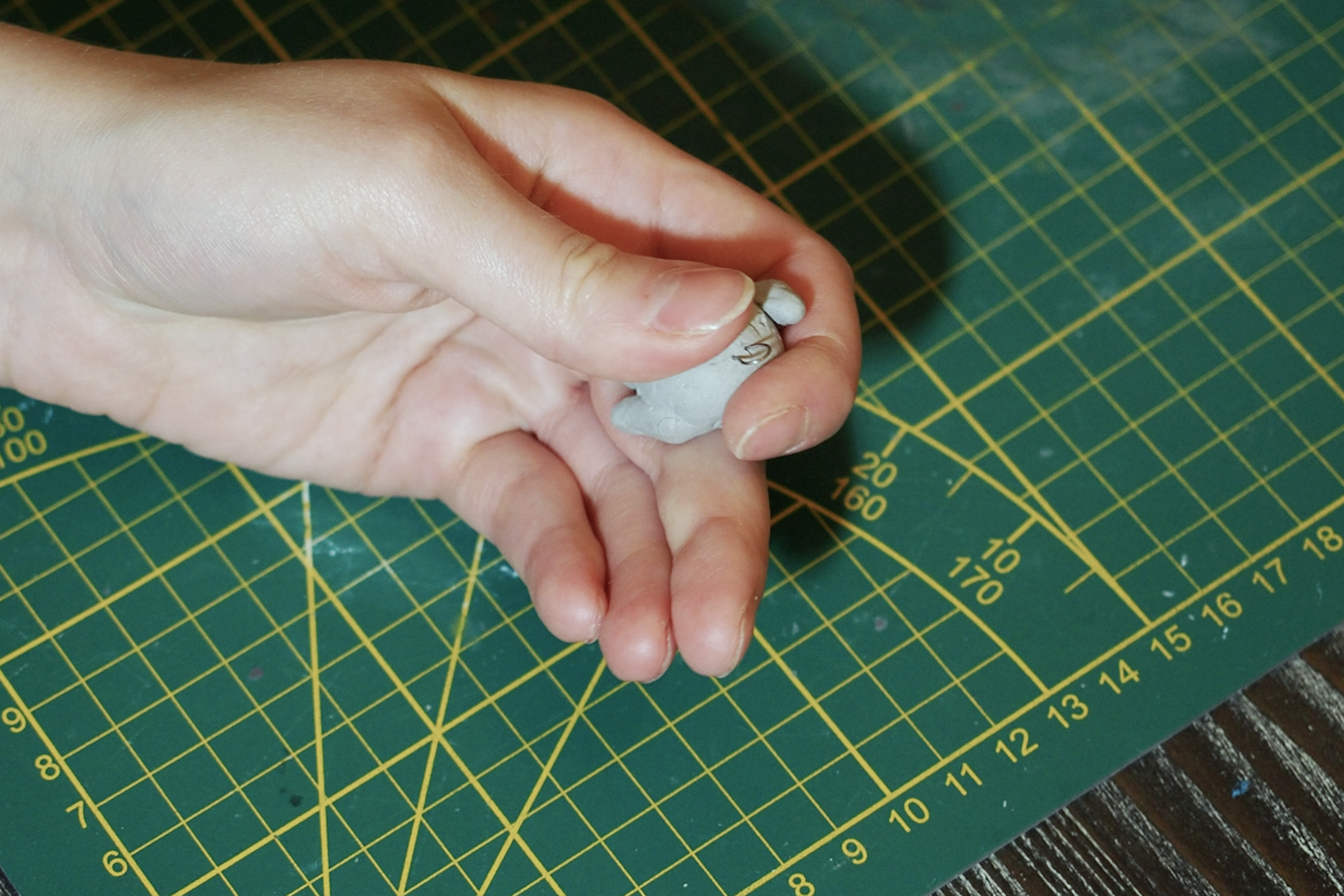
Allow the charm to dry completely. I left mine for 48 hours. For larger charms, 72 hours may be safer.
Tip: If the thickest part of the charm feels noticeably cooler than the thinner areas when you hold it in your hand, it likely still contains moisture inside. Air-dry clay retains water in the centre for longer, especially in rounded or bulky shapes. Even if the surface feels dry, the inside can still be damp. If you notice that cool sensation, give it more time to dry completely before sanding or painting.
Repeat
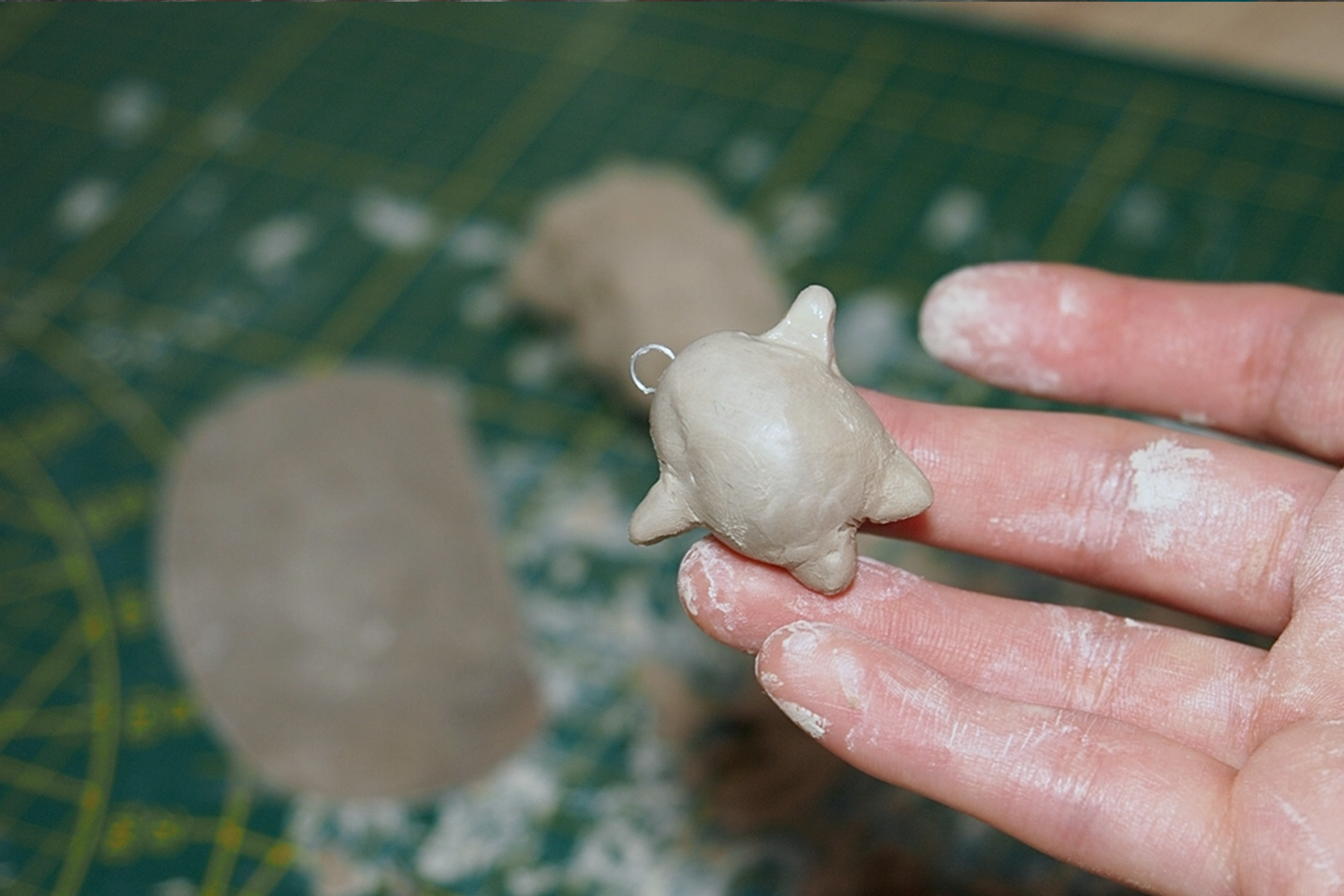
Make as many charms as you want. Try different sizes and postures.
Sand the Surface
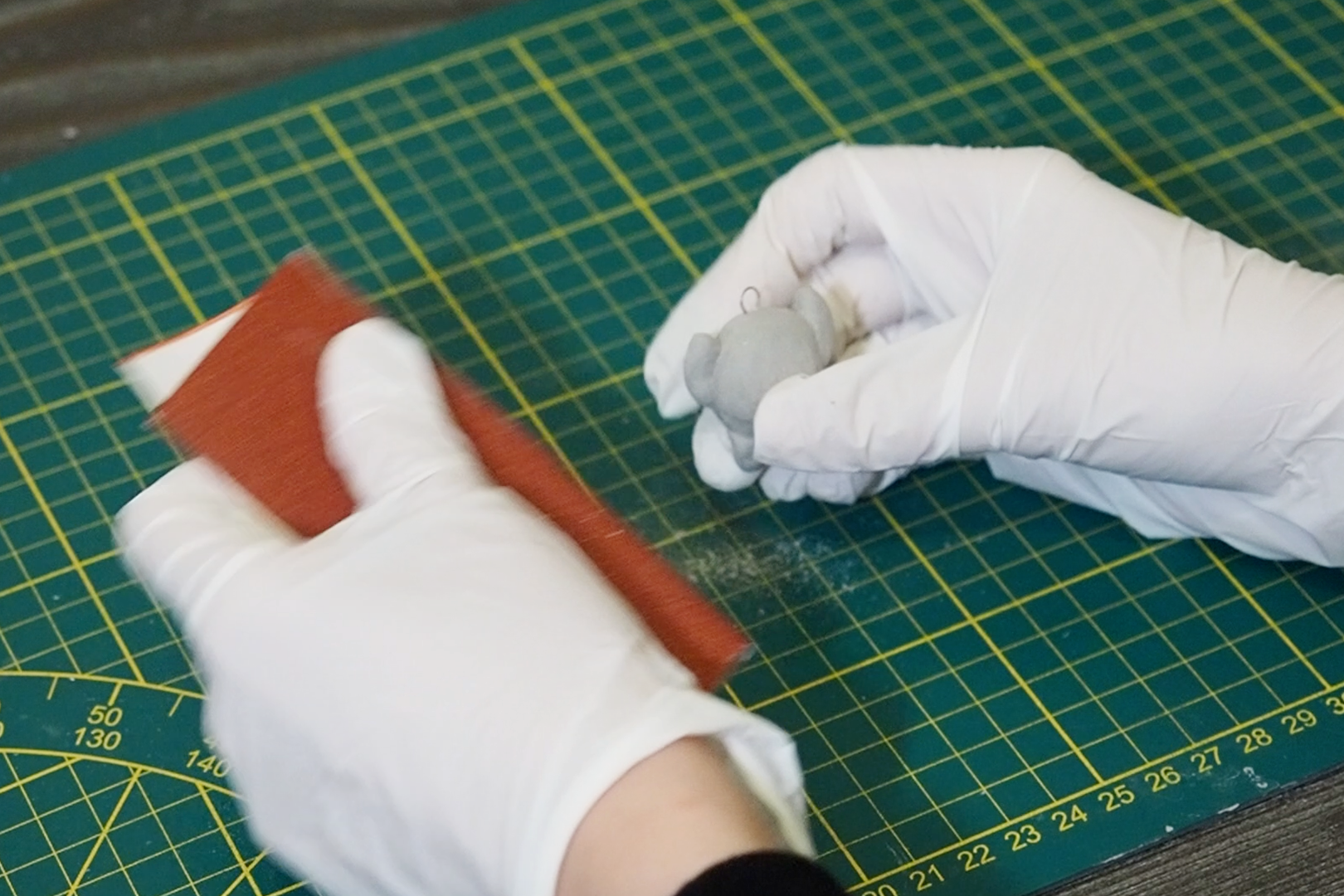
Put on a mask (N96 or at least a your typical cloth mask from COVID 19 times) before sanding. Particles of clay dust should not be inhaled!
Gently sand the surface to remove imperfections and smooth out edges.
Wipe Off the Dust
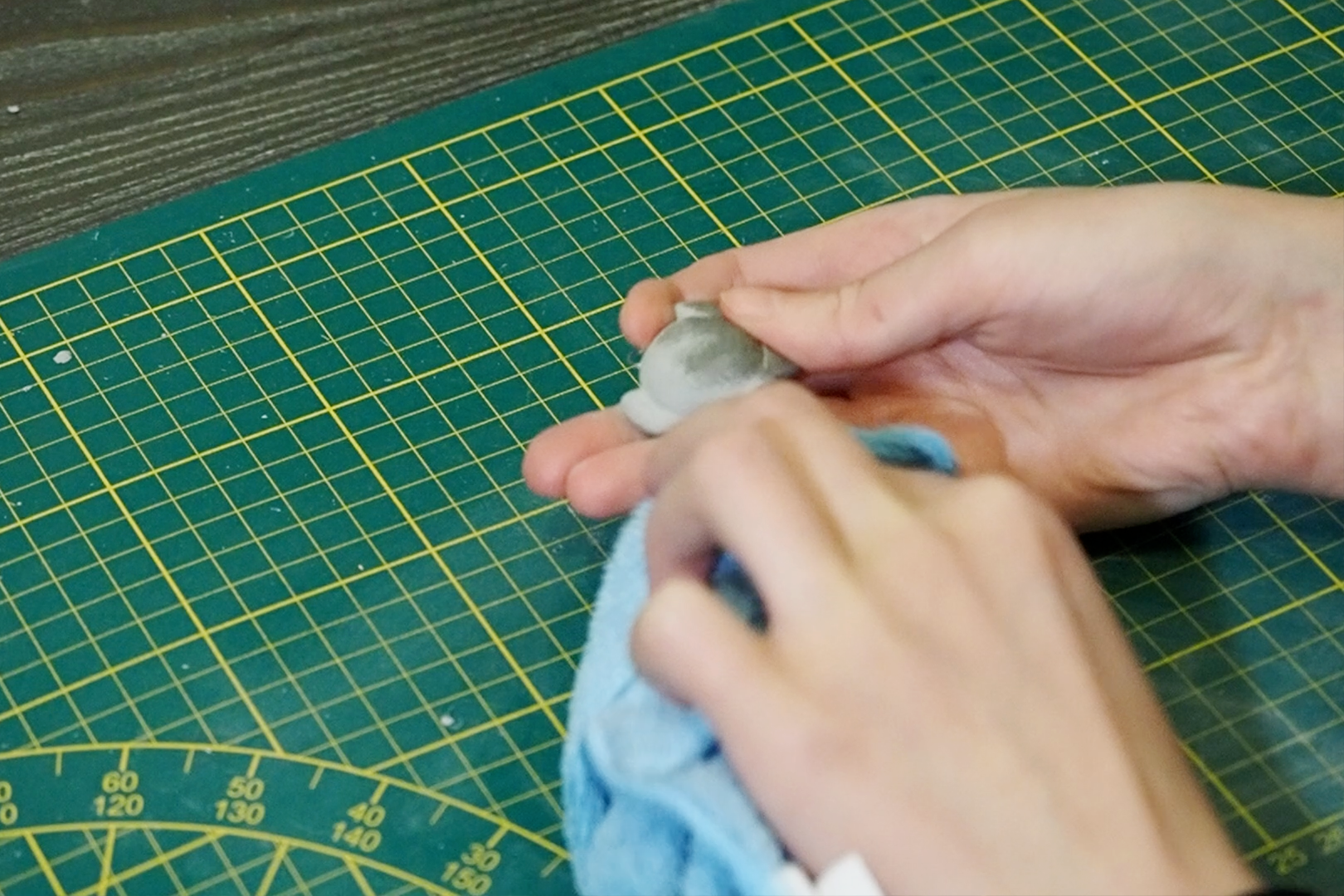
After sanding, wipe the charm with a damp cloth to remove any remaining dust.
Let it dry again overnight for 8–10 hours.
Prime the Surface
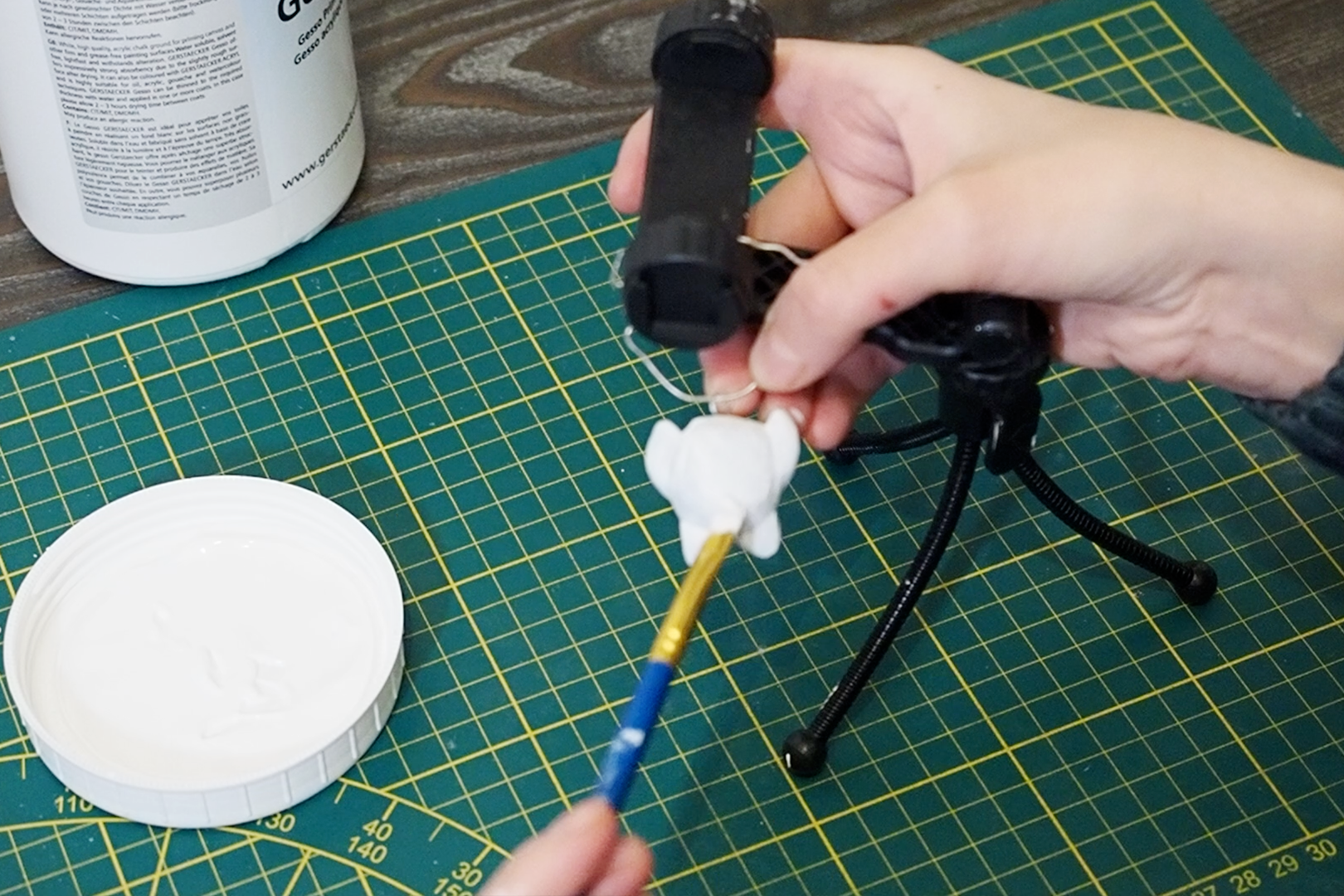
Apply a coat of gesso to improve paint adhesion. If you don't have gesso, use a thin coat of an air-dry clay sealer instead. Let it dry for at least 12 hours.
Paint the Charm
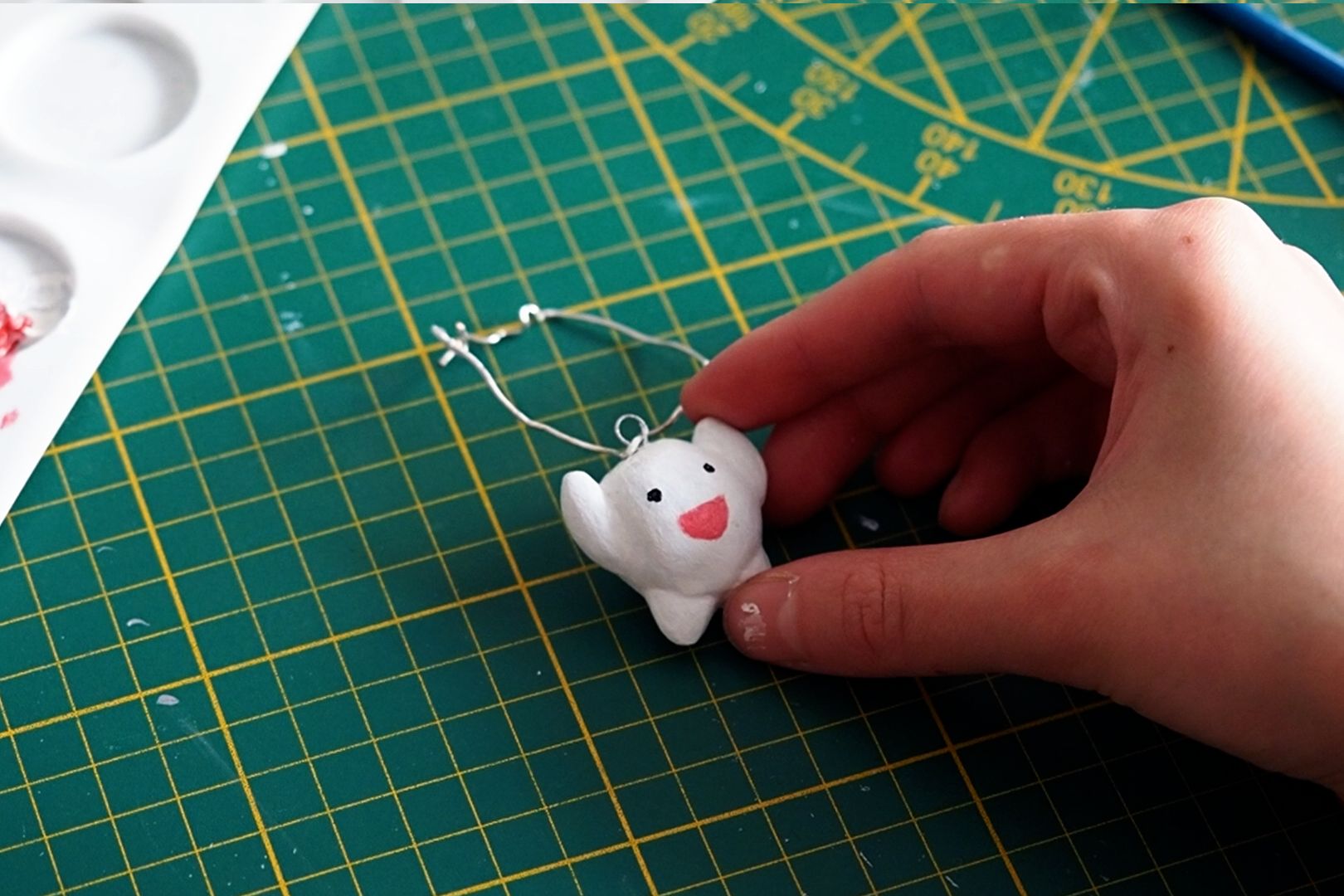
Cover the charm with white acrylic paint. Wait for about an hour for it to dry.
Once dry, draw the face using a brush or dotting tool.
Allow the paint to dry for about 24 hours before sealing.
Seal the Charm
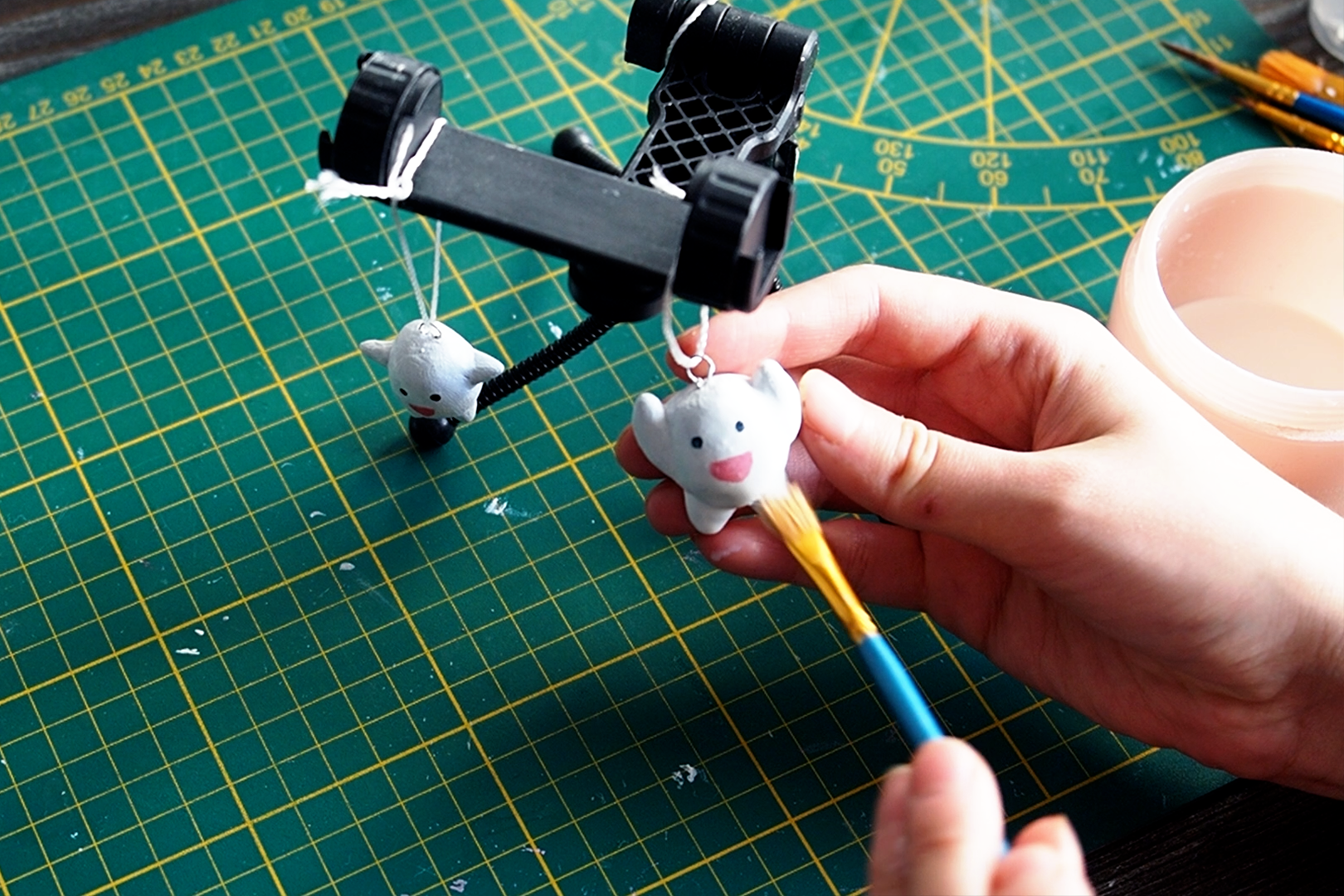
Apply a coat of a clay sealer and let it dry for 12 hours.
For extra durability, apply a second coat and allow it to cure fully for another 12 hours.
Assemble the Keychain
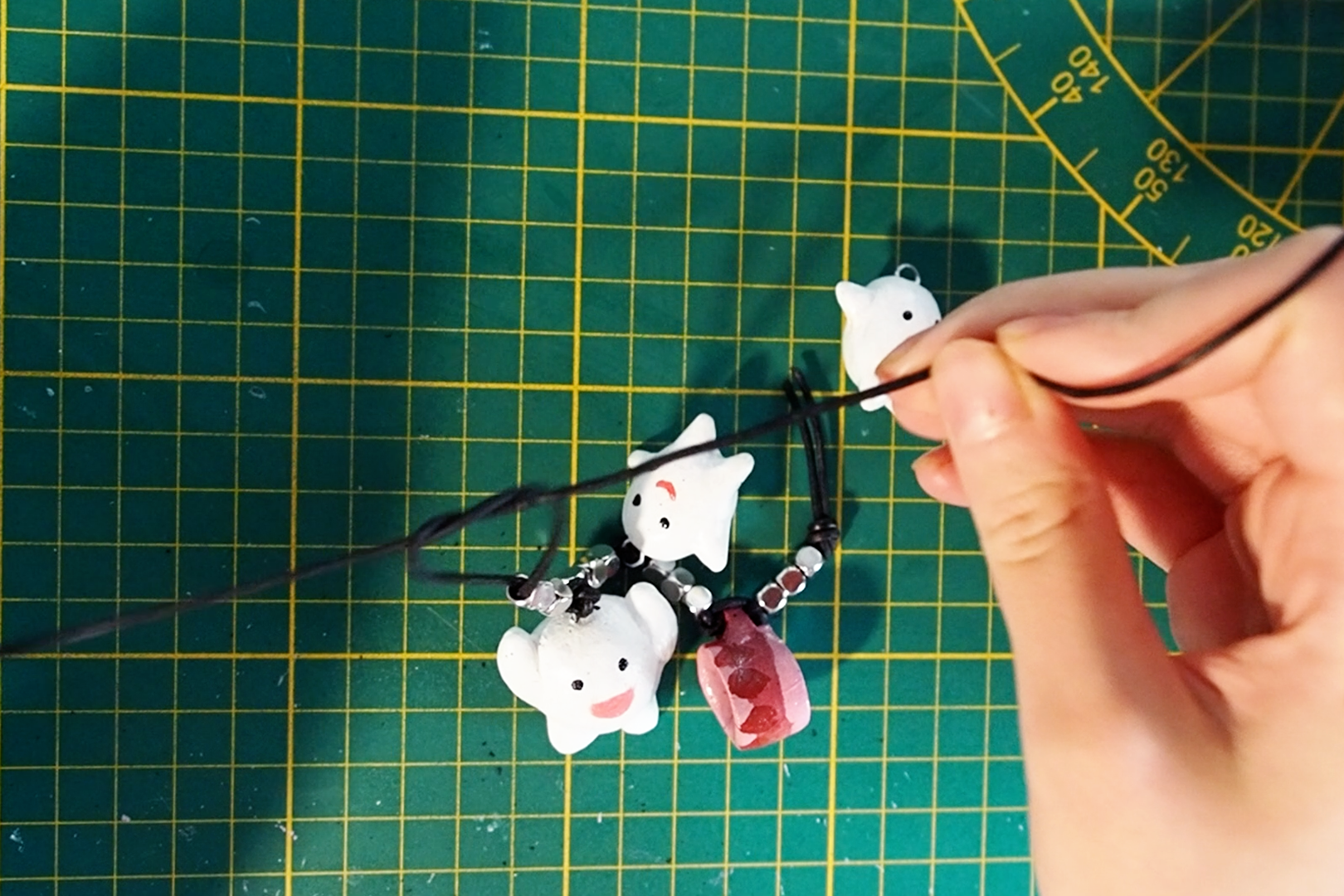
I added two extra charms — a cooking pot and a cup — inspired by the scene where an avalanche of Warawara appears.
For the cord:
- Fold it in half to form a loop and tie a knot.
- Cut the loop to create two free ends.
Place beads on the double cord and charms on the single strand. To prevent them from bumping into each other, alternate beads and charms, tying small knots in between.
Finish with a carabiner or keychain clasp.
Final Result
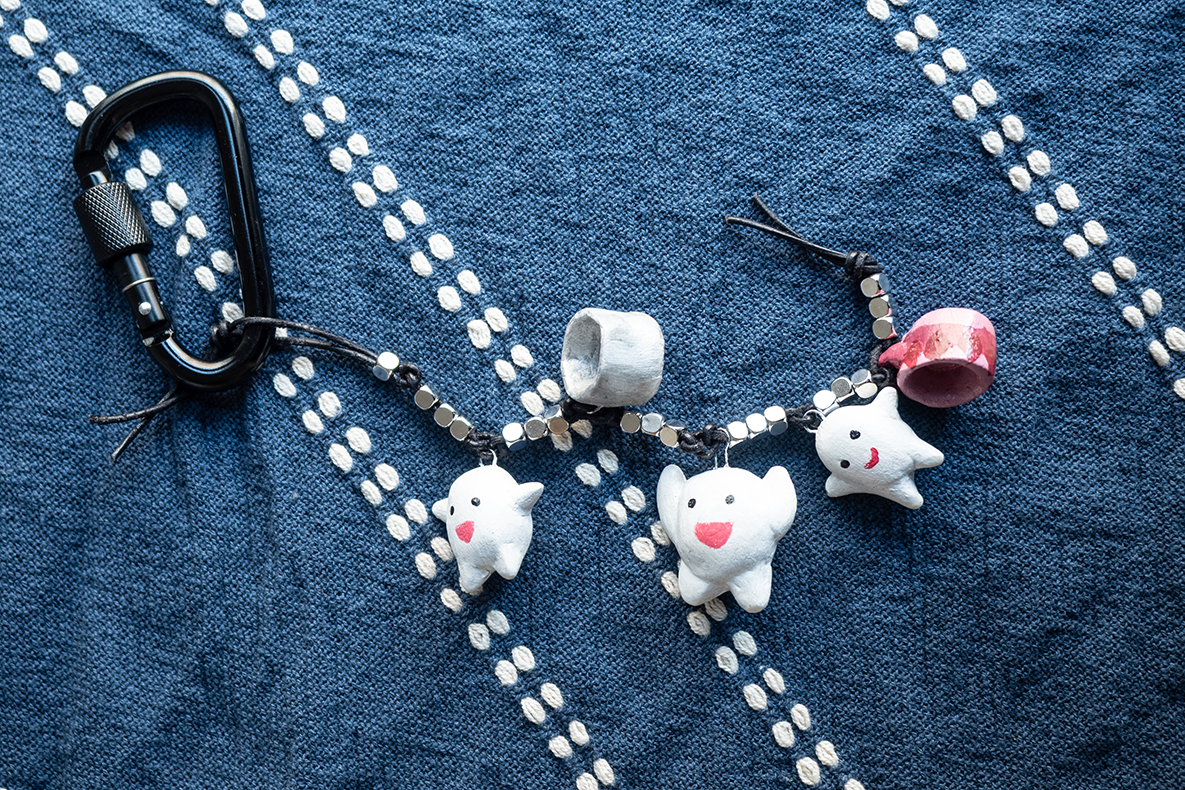
Your warawara charm is ready!
Thank you for following along with this tutorial.