Poetree: Memorializing a Dead Giant and Overcoming My Fear of Public Art
by lukesmakes in Workshop > Laser Cutting
468 Views, 1 Favorites, 0 Comments
Poetree: Memorializing a Dead Giant and Overcoming My Fear of Public Art
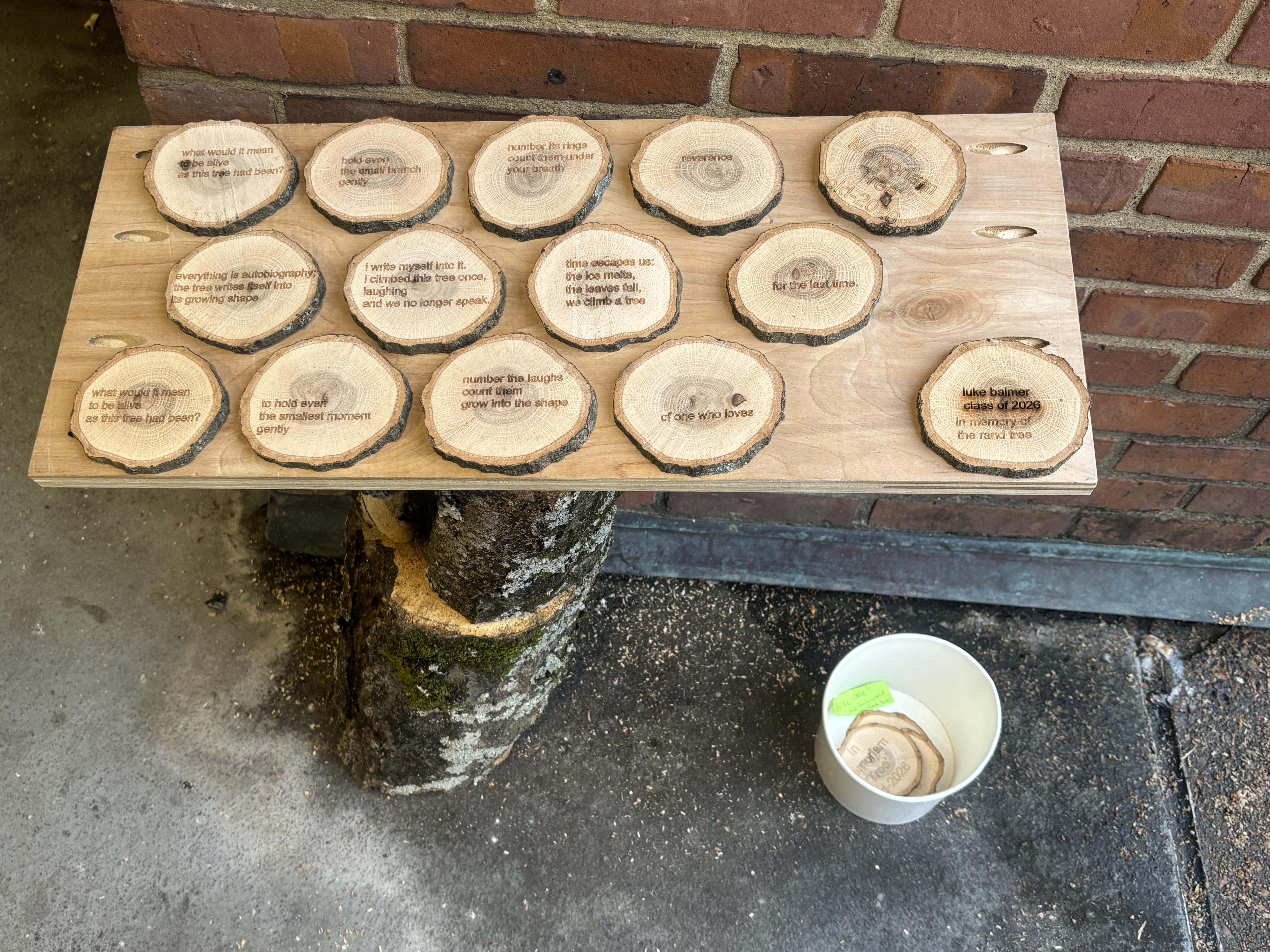

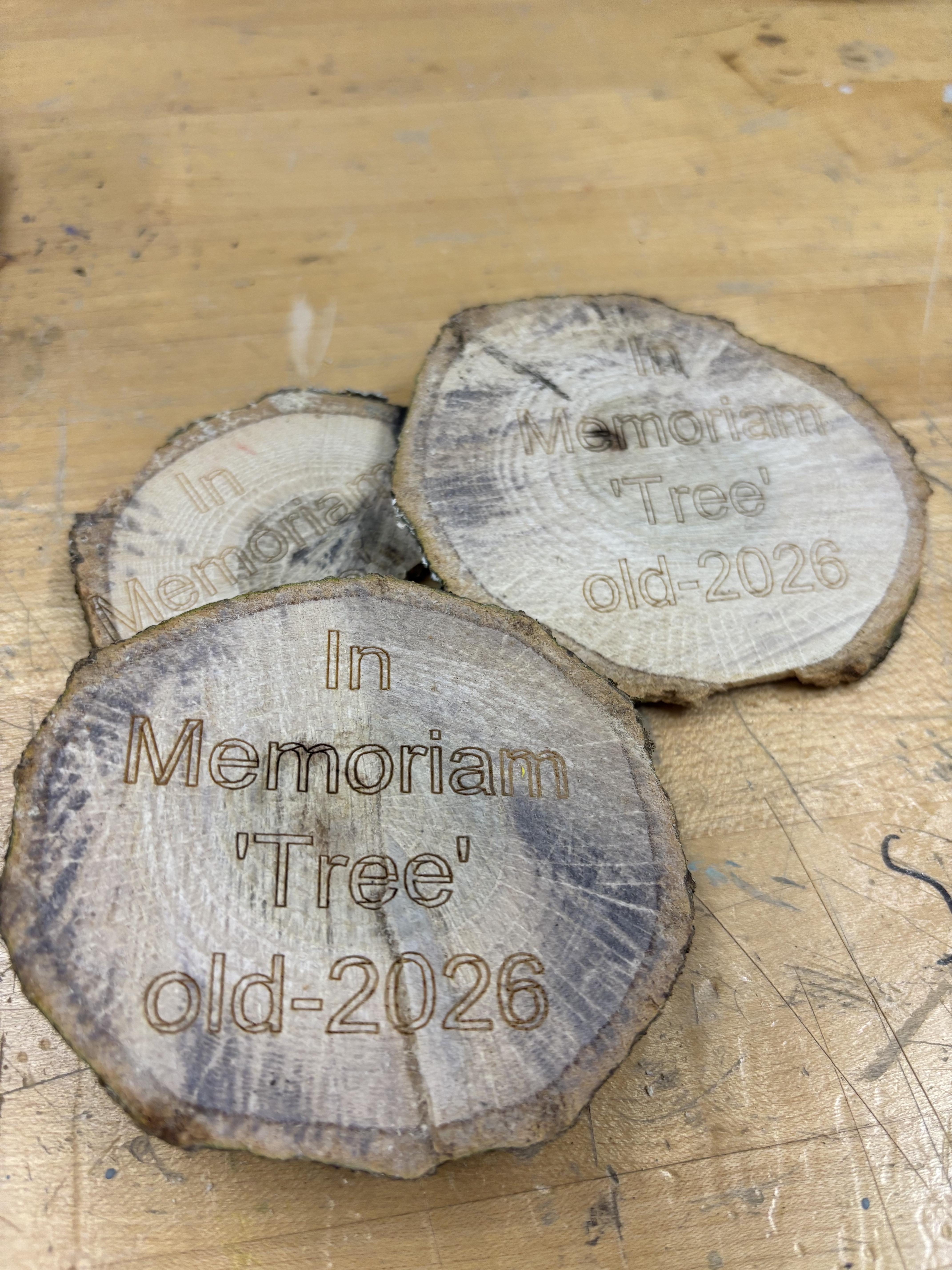
I wrote poetry, woodworked, and laser-cut an art installation commemorating a tree that fell and died on my college campus after the ice storm this past week. Using branches collected from the tree itself, I laser cut poetry written by other students about their favorite trees and wrote my own piece displayed on a board propped on thick trunk sections by the tree's resting place. I was terrified of putting this out into the world- both my poetry and my woodworking vulnerable and visible- but doing so proved so gratifying.
Every time I make something, especially if I spend lots of time on it or include some part of my personal life in the work, I get so attached. I approach any interaction with it and my voice will fall out from under me: I'll start a sentence and then, literally mid-syllable, my throat closes involuntarily and I have to stop and take a breath before restarting. Making this project, and putting my focus towards an external thing (this beautiful tree and its passing), I was able to practice observation and love rather than anxiety pointing inwards with self-critique. When I let go of attachment to any one result, I found that there were people who actually really liked it :)
If you want to try too, here's how!
Supplies
- Wood (I used oak, but any kind of wood will do. You can also laser cut acrylic or cardboard- any medium with sentimental value or that enhances your art)
- Branches, about 4"-7" in diameter
- Trunk (or thick branch) Sections
- Plywood (any flat surface will do)
- Wood Glue
- 3" Screws x 6
Tools Used:
- AutoCAD
- ULS
- Laser Cutter
- Safety Glasses(!)
- Handsaw
- Buzzsaw
- Cordless Drill w/ Phillips Head Drill Bit
Gather Materials
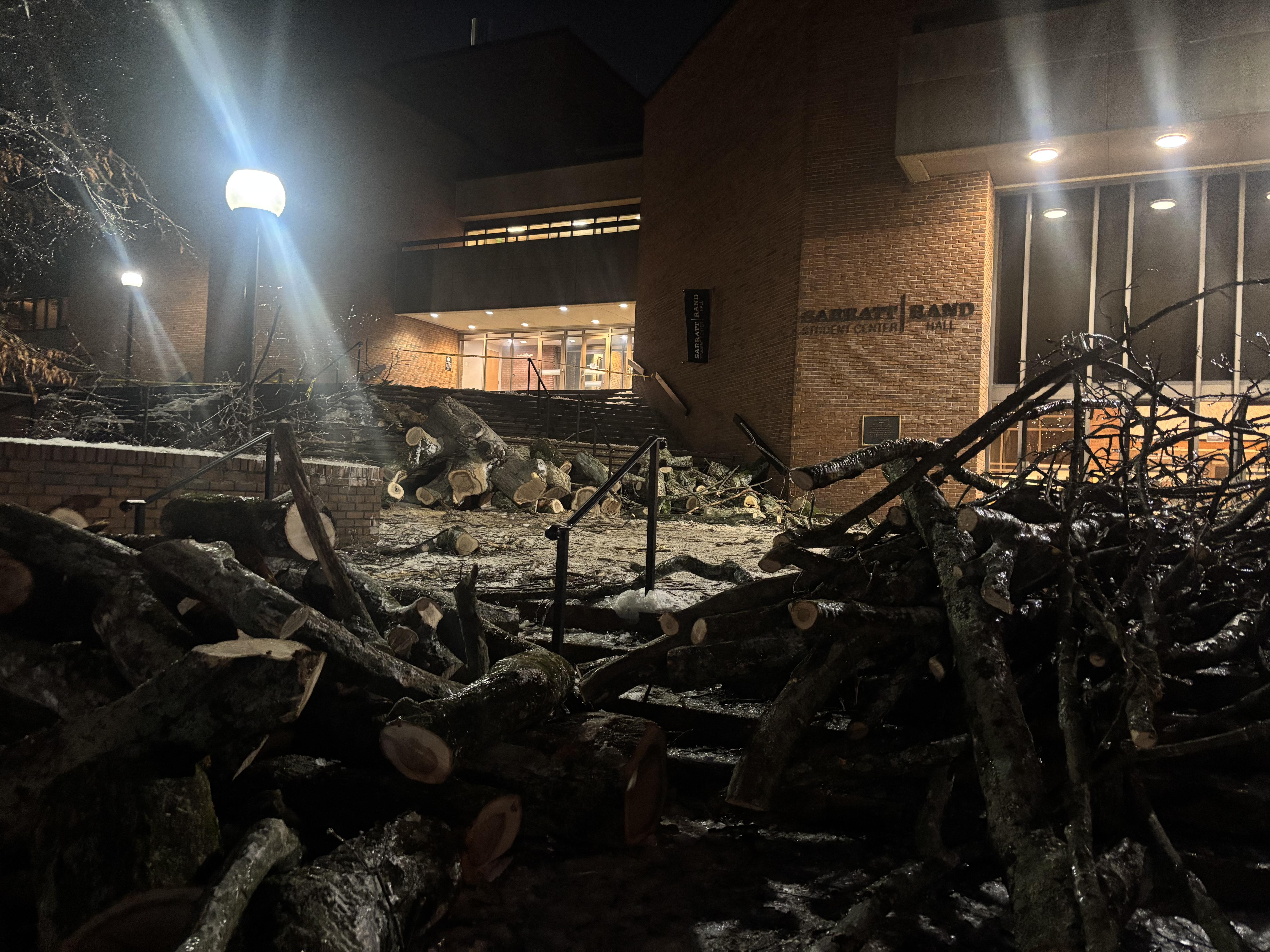
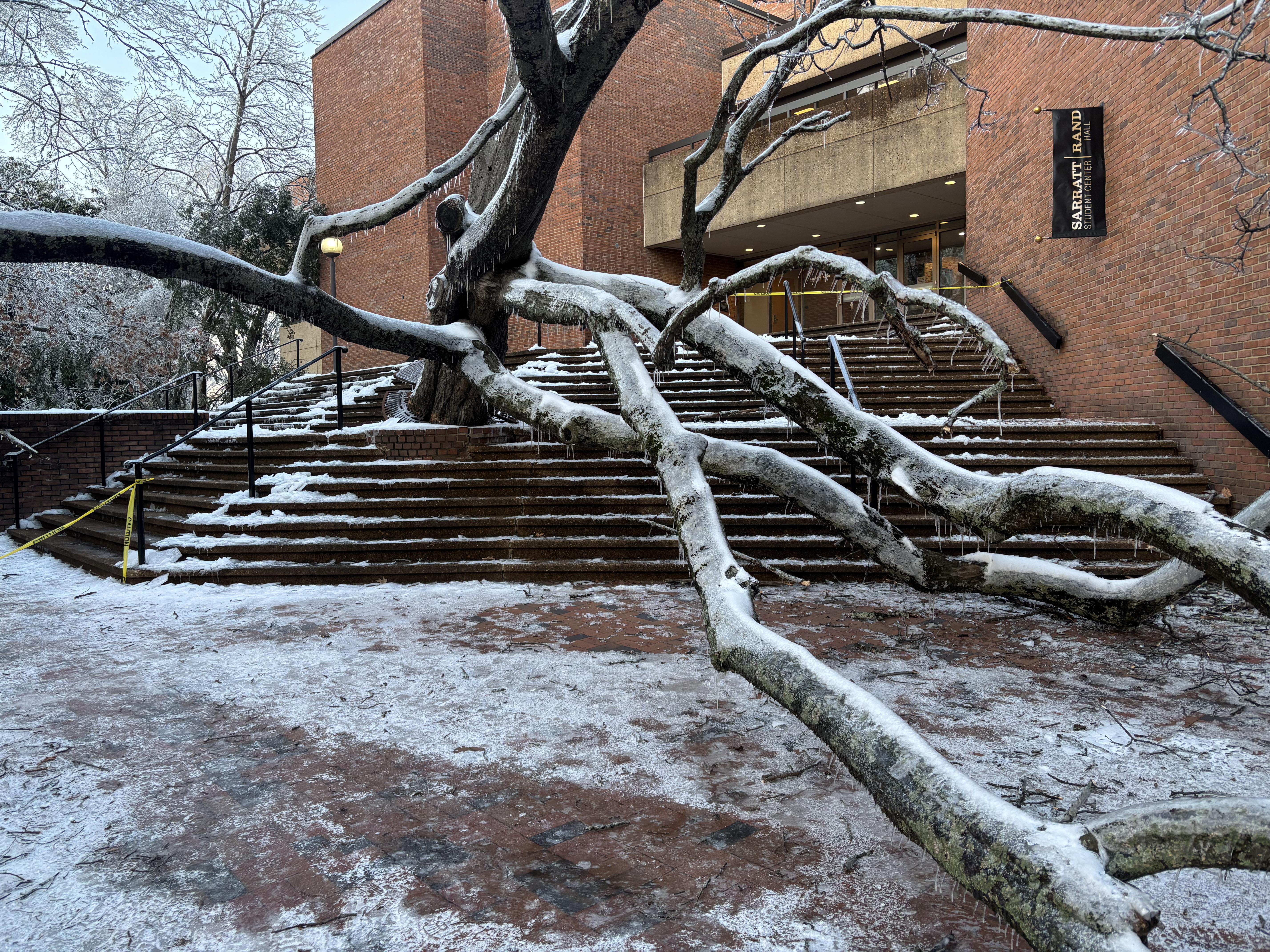
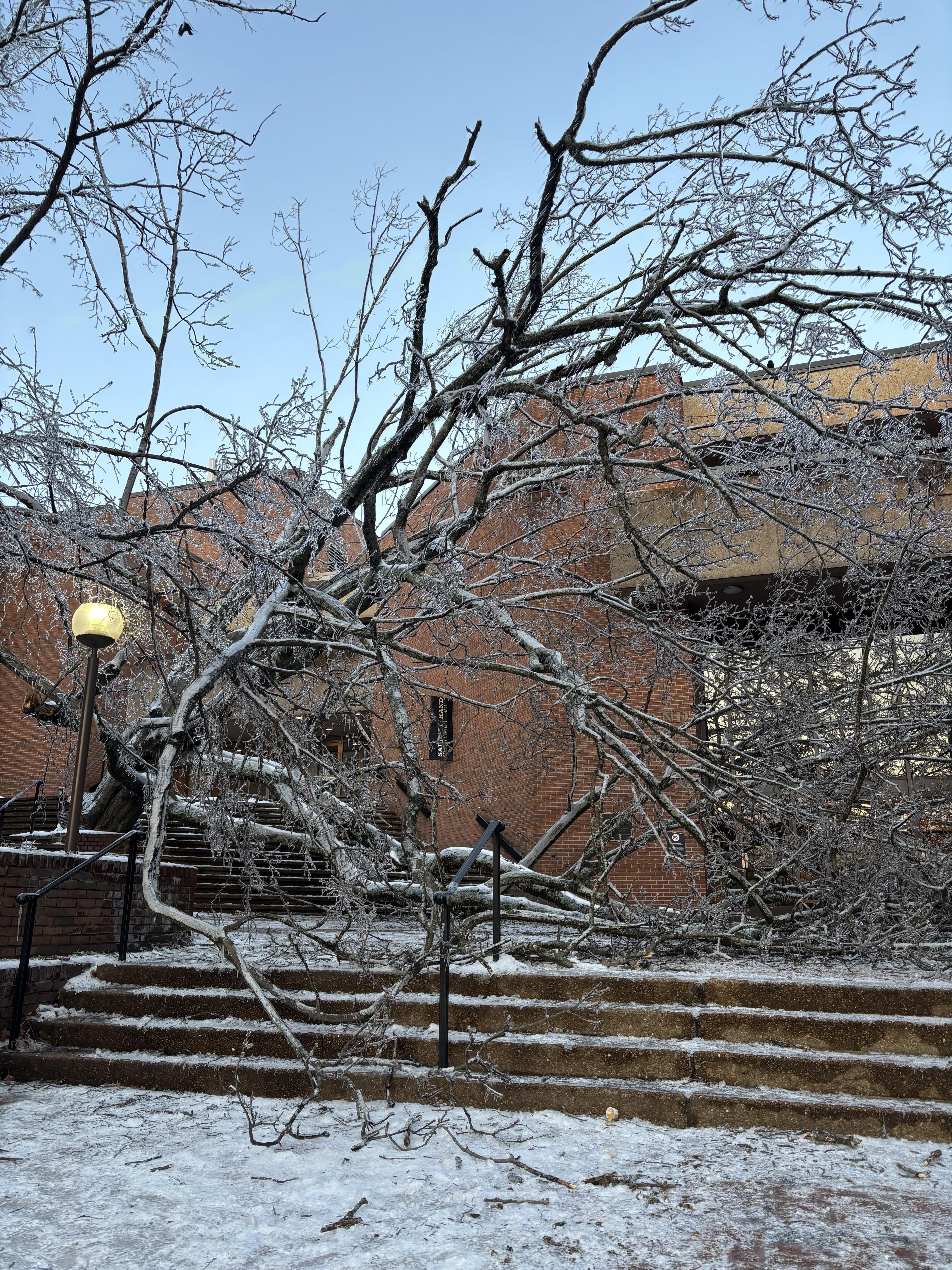
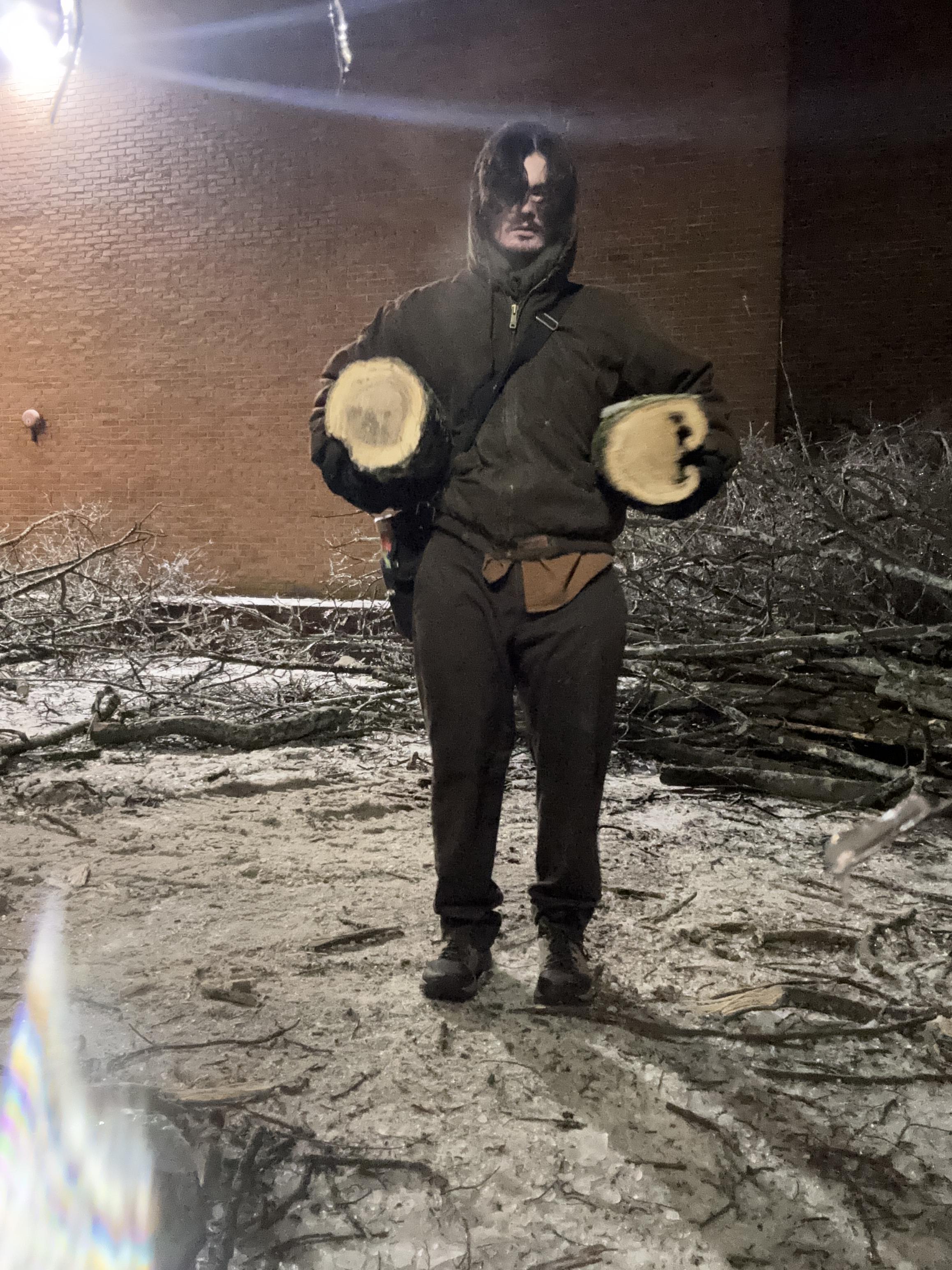
When this oak in the center of my campus fell, I was awestruck. This tree I had taken for granted and walked by, but had also climbed in and enjoyed the shade of, was there one day and gone the next. After crews came in to cut up the tree, but the night before they removed them, I walked by at about 12:30am and saw an amazing opportunity. I then stole gathered two smaller (roughly 3-5" diameter) branches and carried them to the workshop, and came back to grab two thicker sections (pictured) and huffed/puffed back over.
Source your materials from wherever feels right or meaningful to you: a fallen branch from your favorite tree, cardboard from an old school project, or something that connects you to a loved one!
Prepare Materials
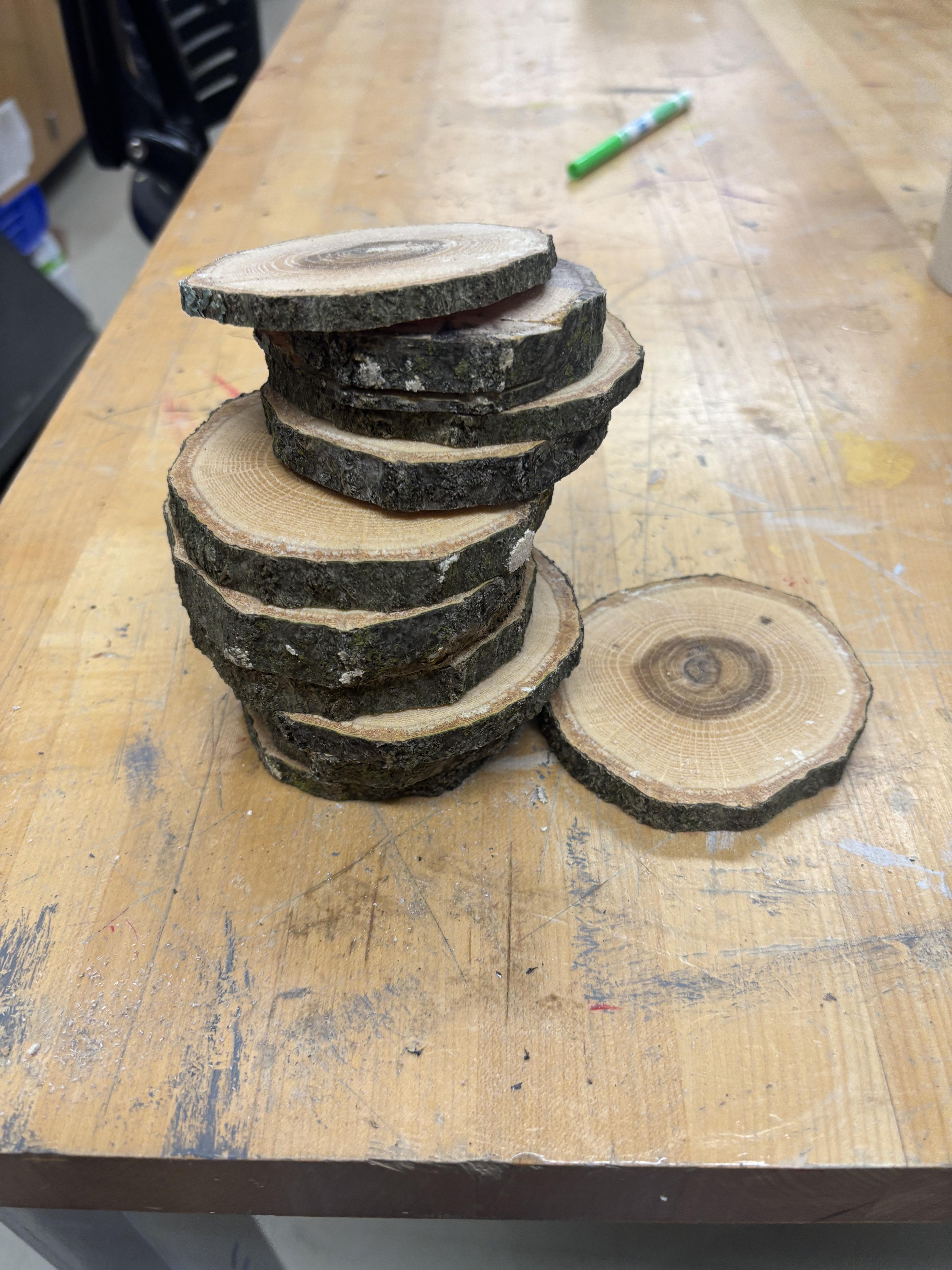
Using a handsaw and wearing safety goggles, cut the branches to manageable sizes, avoiding any large knots or rot. You can use a vice to stabilize the branch if needed. (If your bandsaw or other equipment can handle your material, skip this step).
Then, using a bandsaw, cut the branch into disks of any height. Just be sure to account for the different sizes when using your laser cutter, and adjust its height accordingly.
Write Poetry or Source Your Art
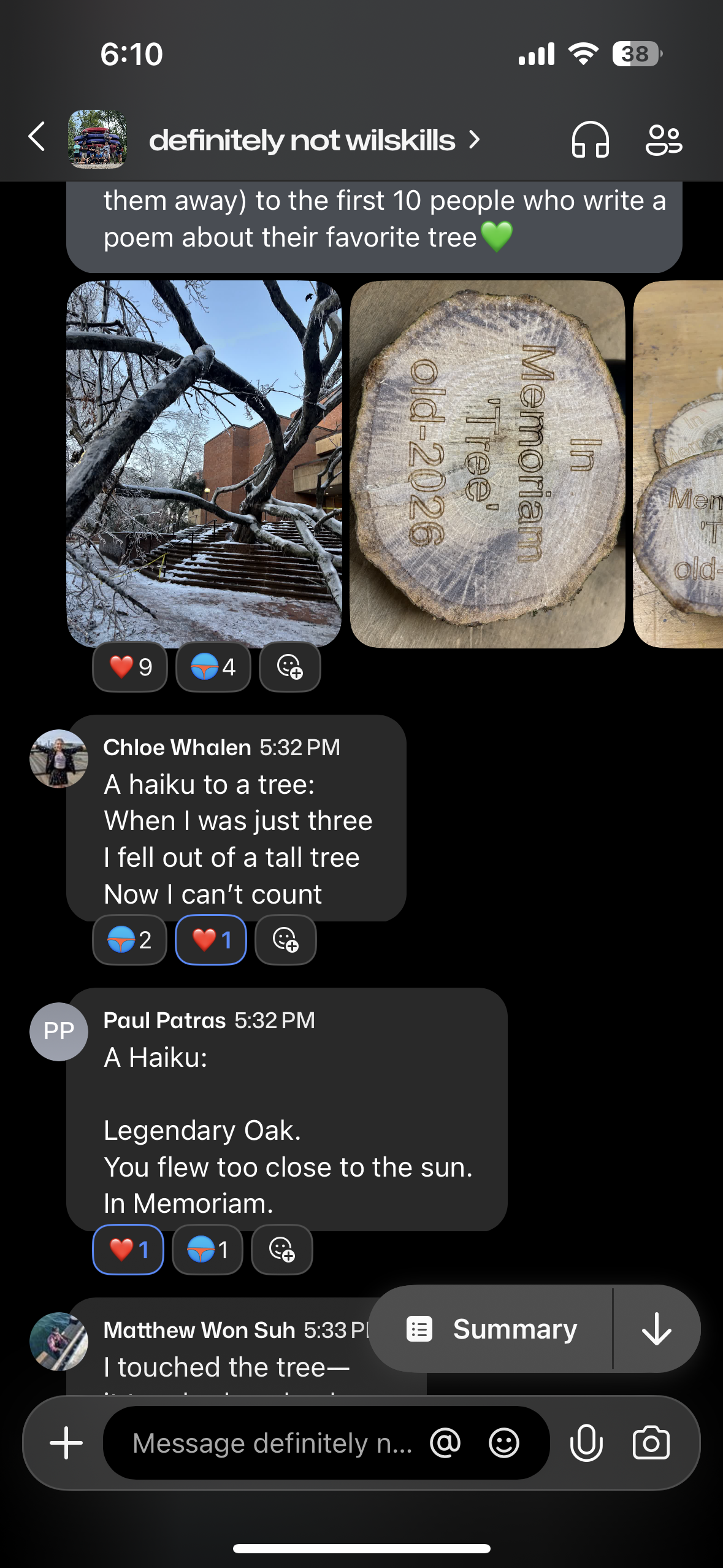
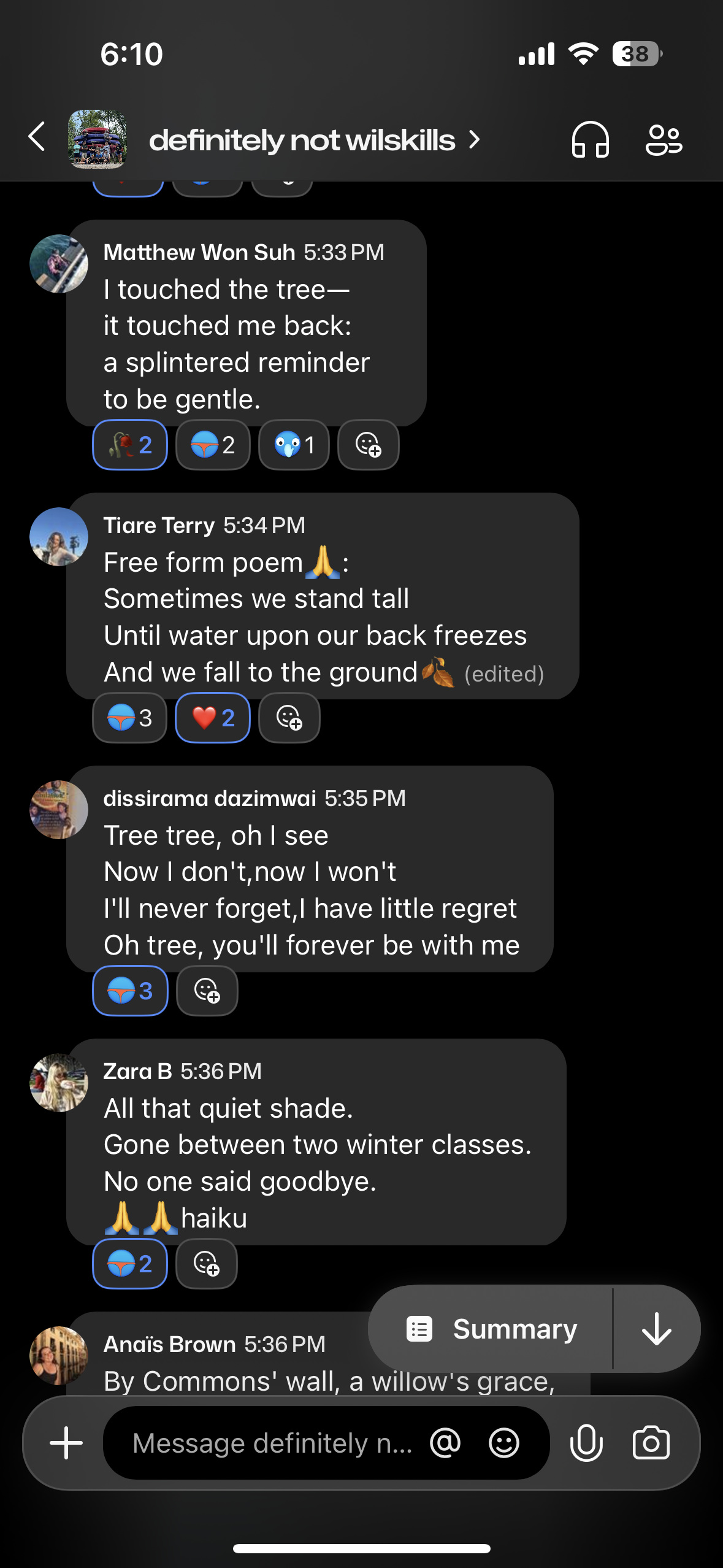
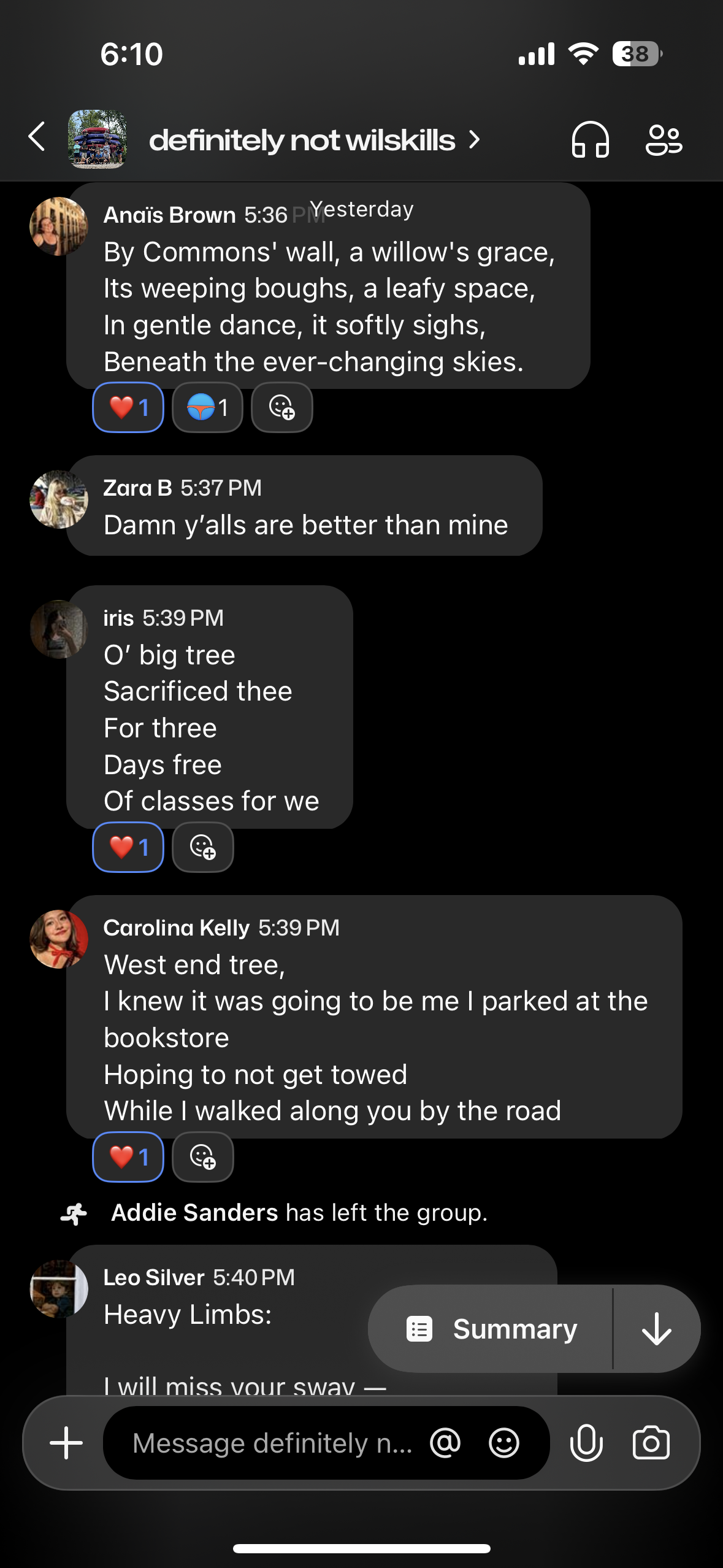
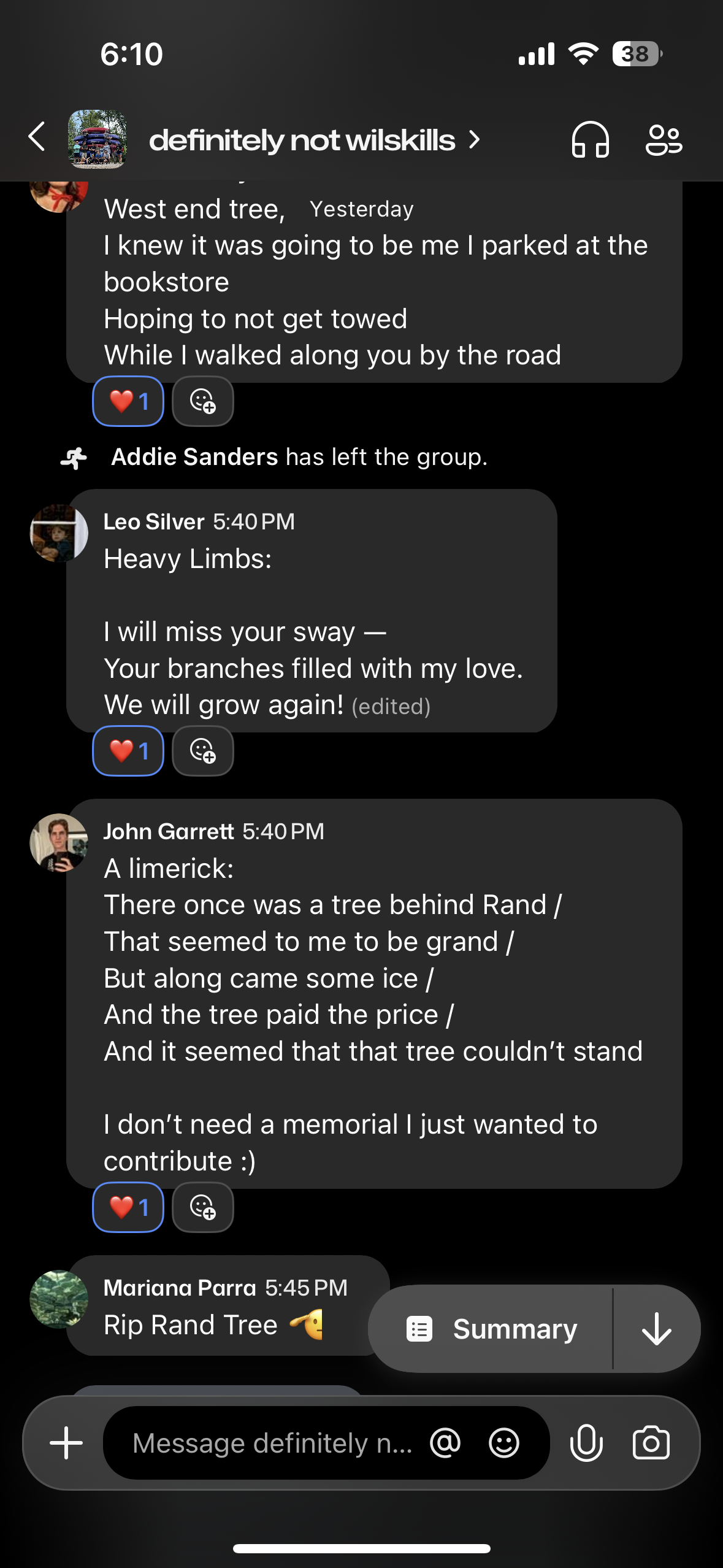
Decide on the source of your words: a favorite classic poem, something a loved one made, or (and I encourage you to try this!) your own work! It can be very scary, but in each piece, we share a little bit more of what makes us vulnerable, real humans. Imperfection is the goal.
I engraved a couple of memorials for people who asked for them, and as a little surprise, I engraved their own poems on the back. It was very heartwarming to see people so excited about their art being made real.
Work in AutoCAD
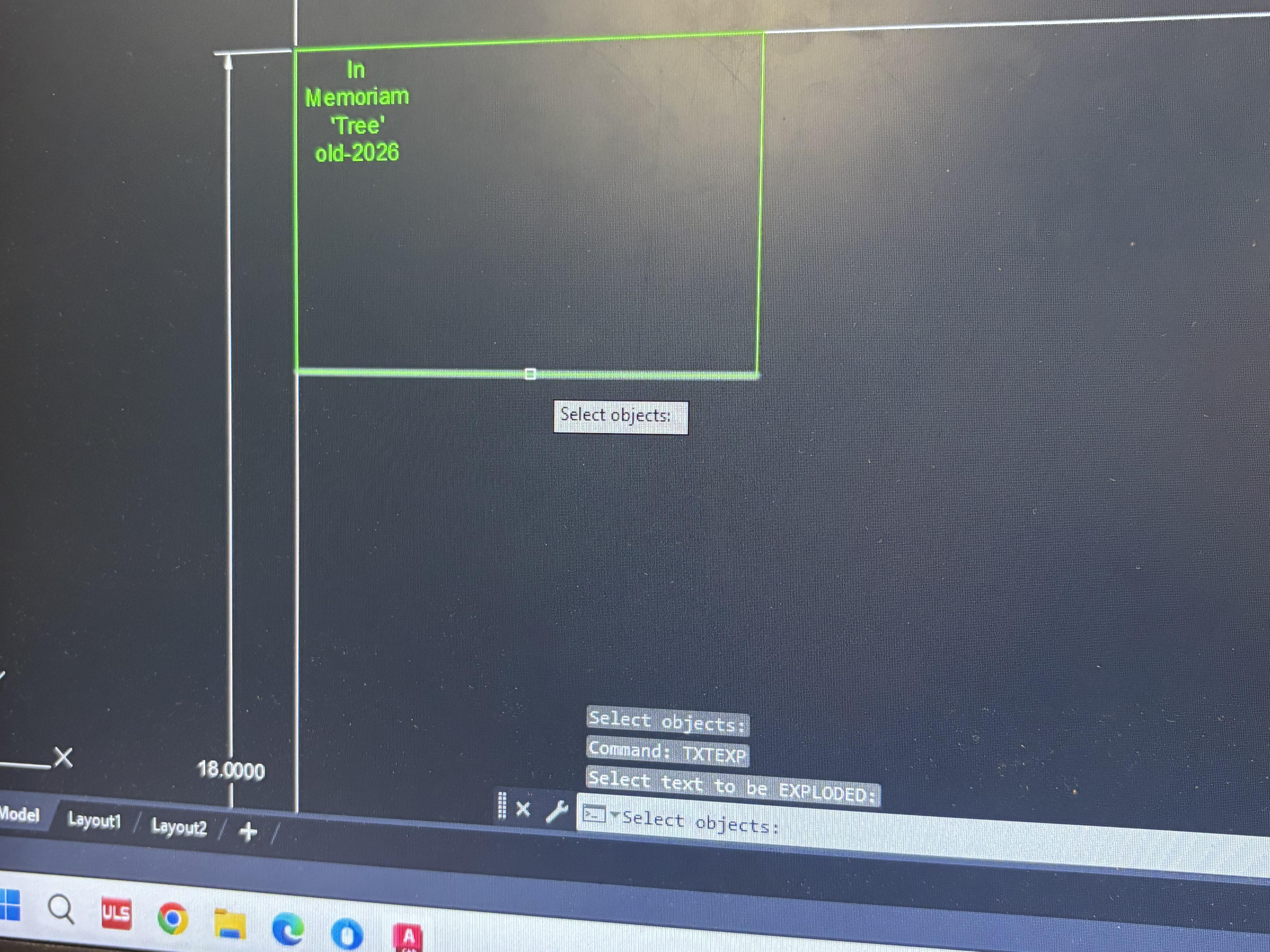
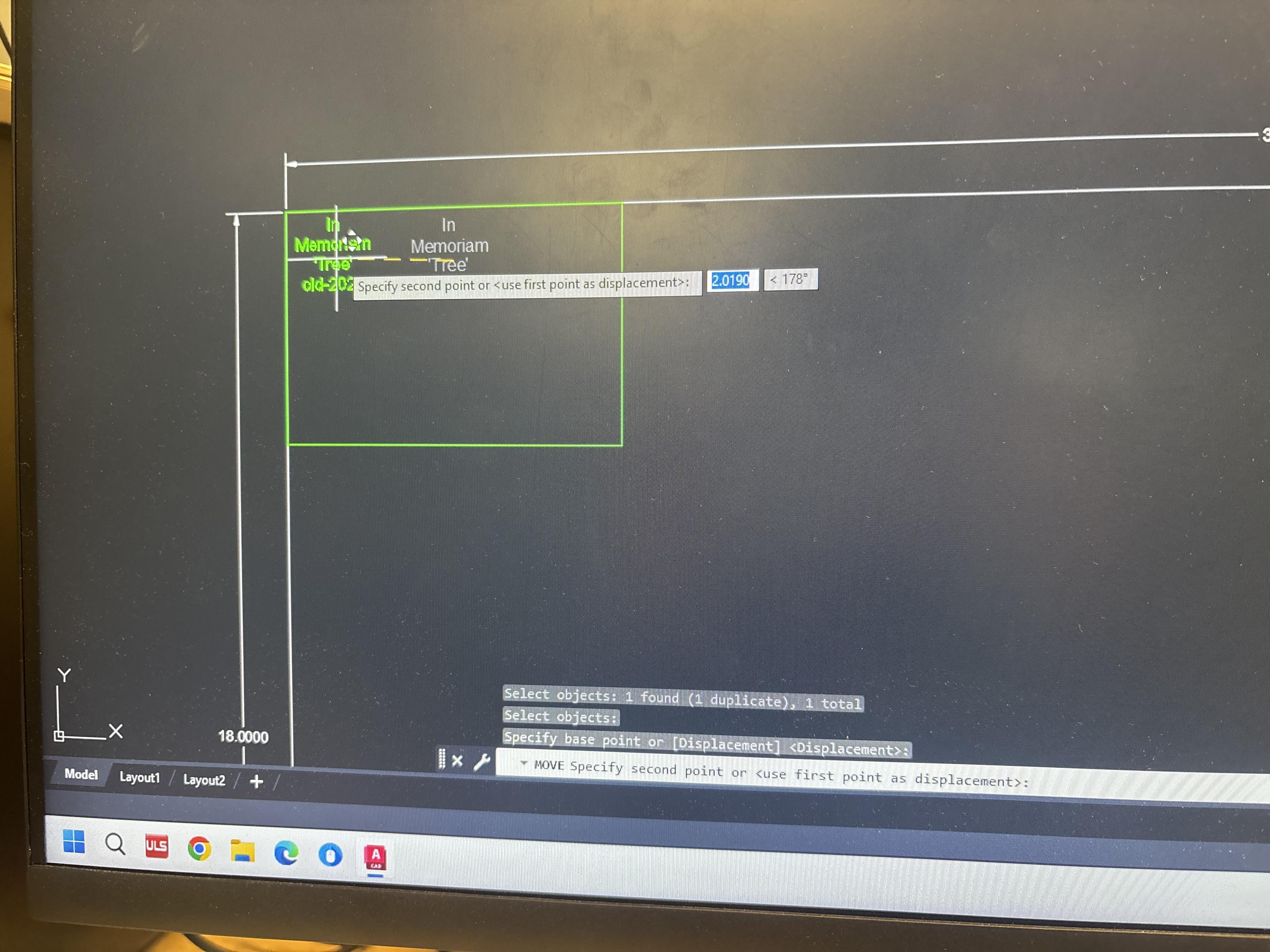
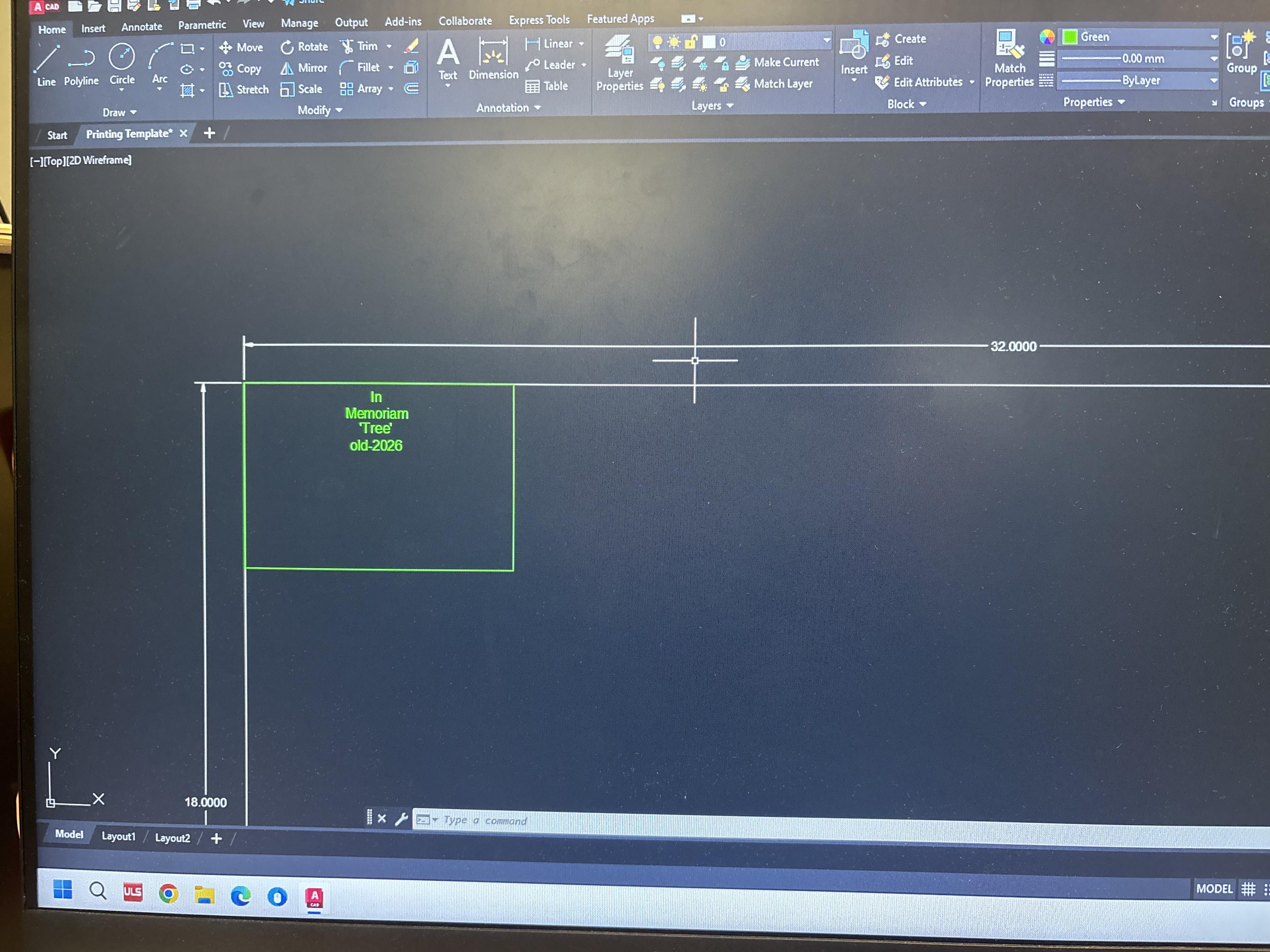

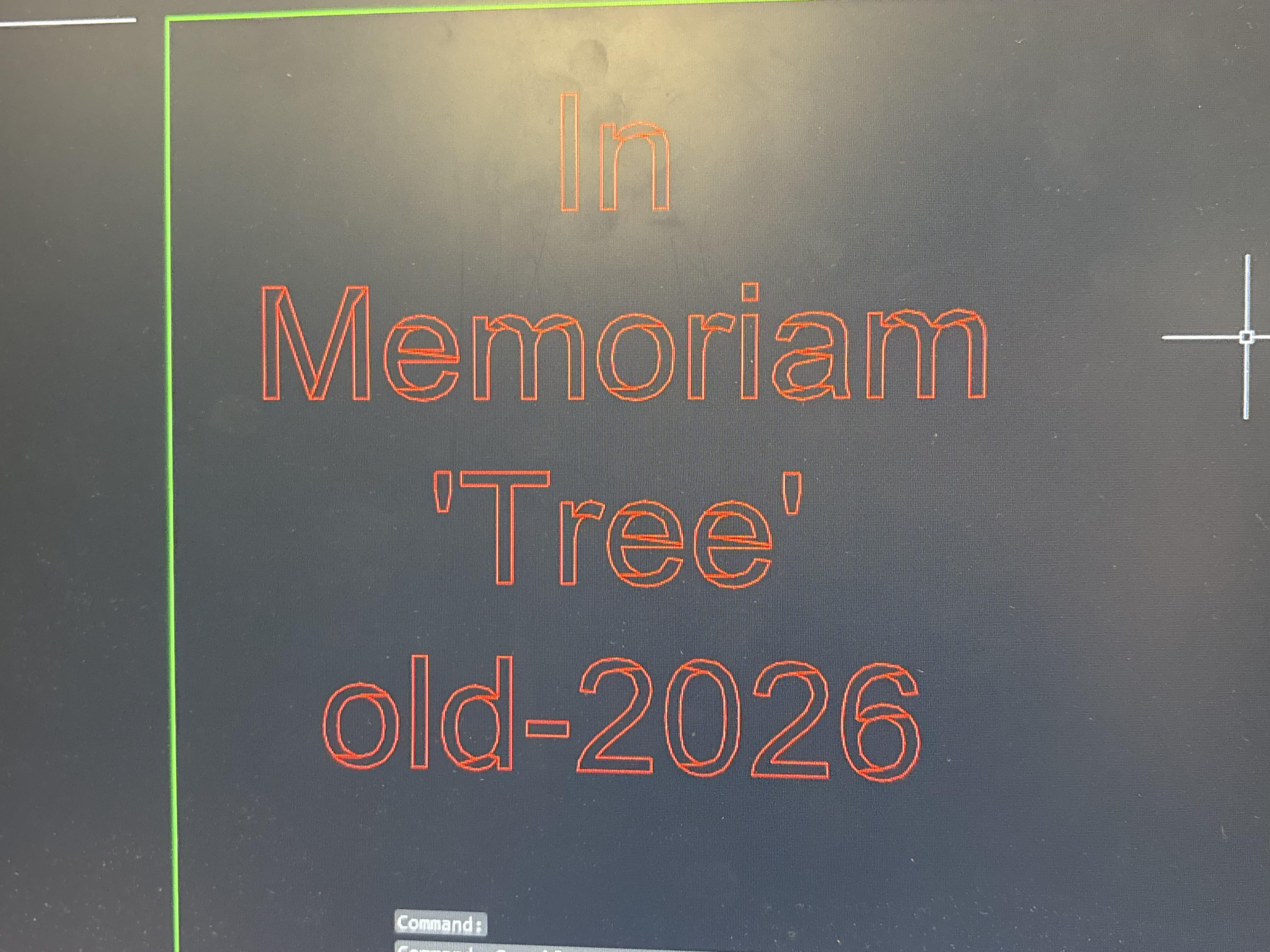
This will depend on your laser cutter and its software, but I used AutoCAD to create the text to be cut (it's a great tool)! Create a rectangle the same dimensions as your laser cutter. Add text (top of the Home screen) and position it in the rectangle using the MOVE command where you will place the wood(usually the top left corner). Use the TEXTEXP command to explode your text into lines the laser cutter can recognize. For our laser cutter, we color these lines the index red and set them to 0.0mm. Then, plot your design to the laser cutting software.
Laser Cutting
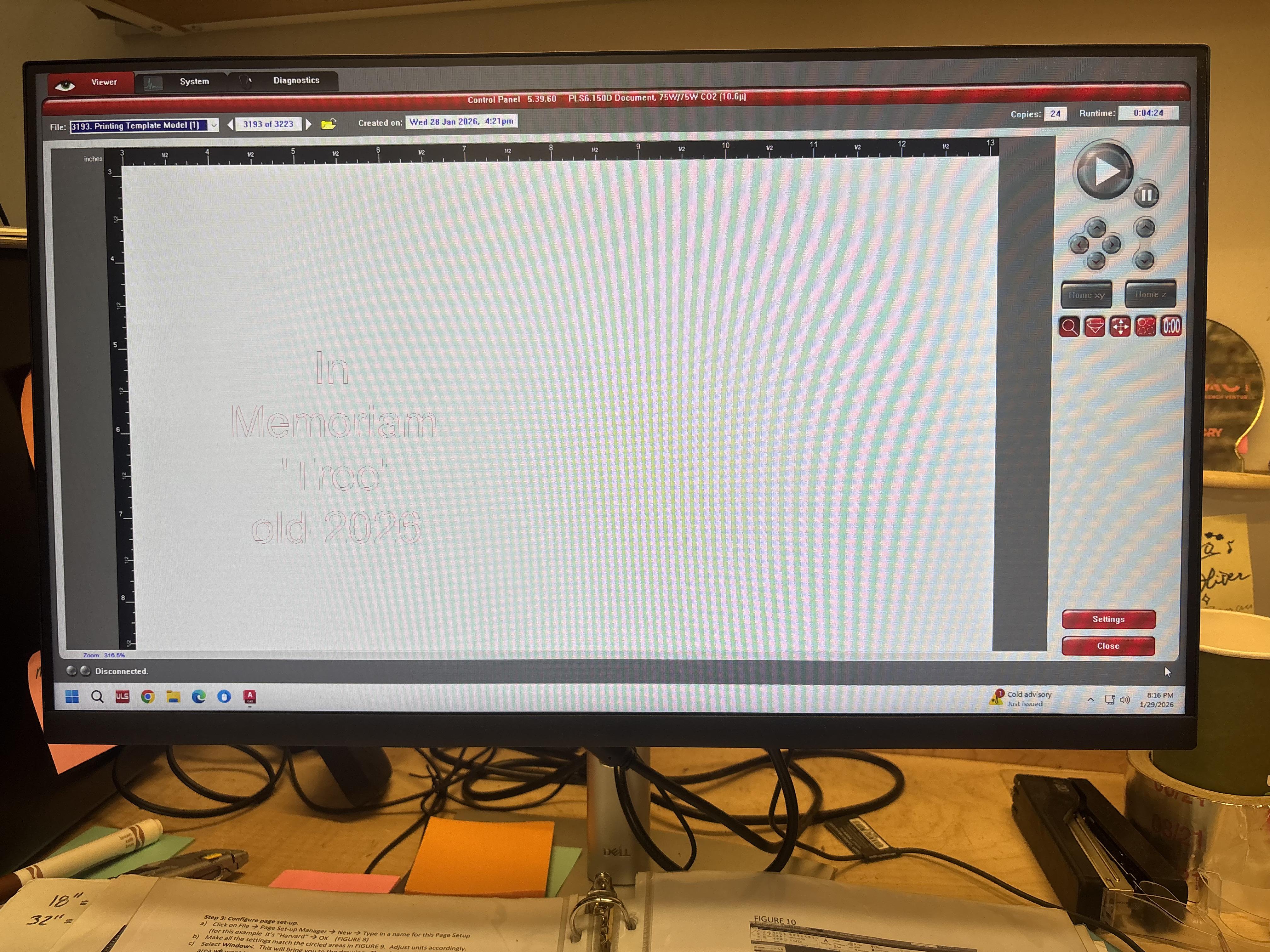
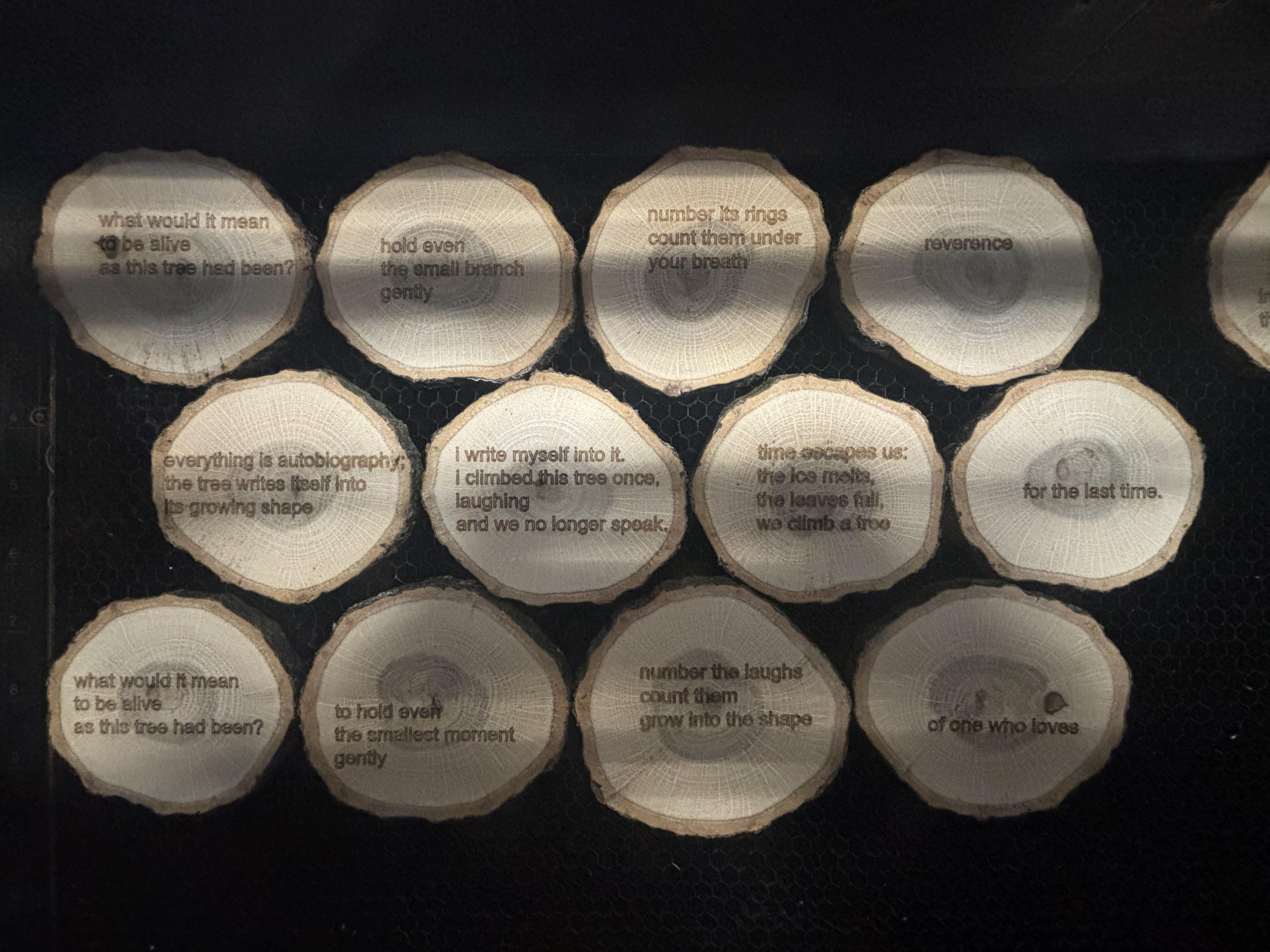
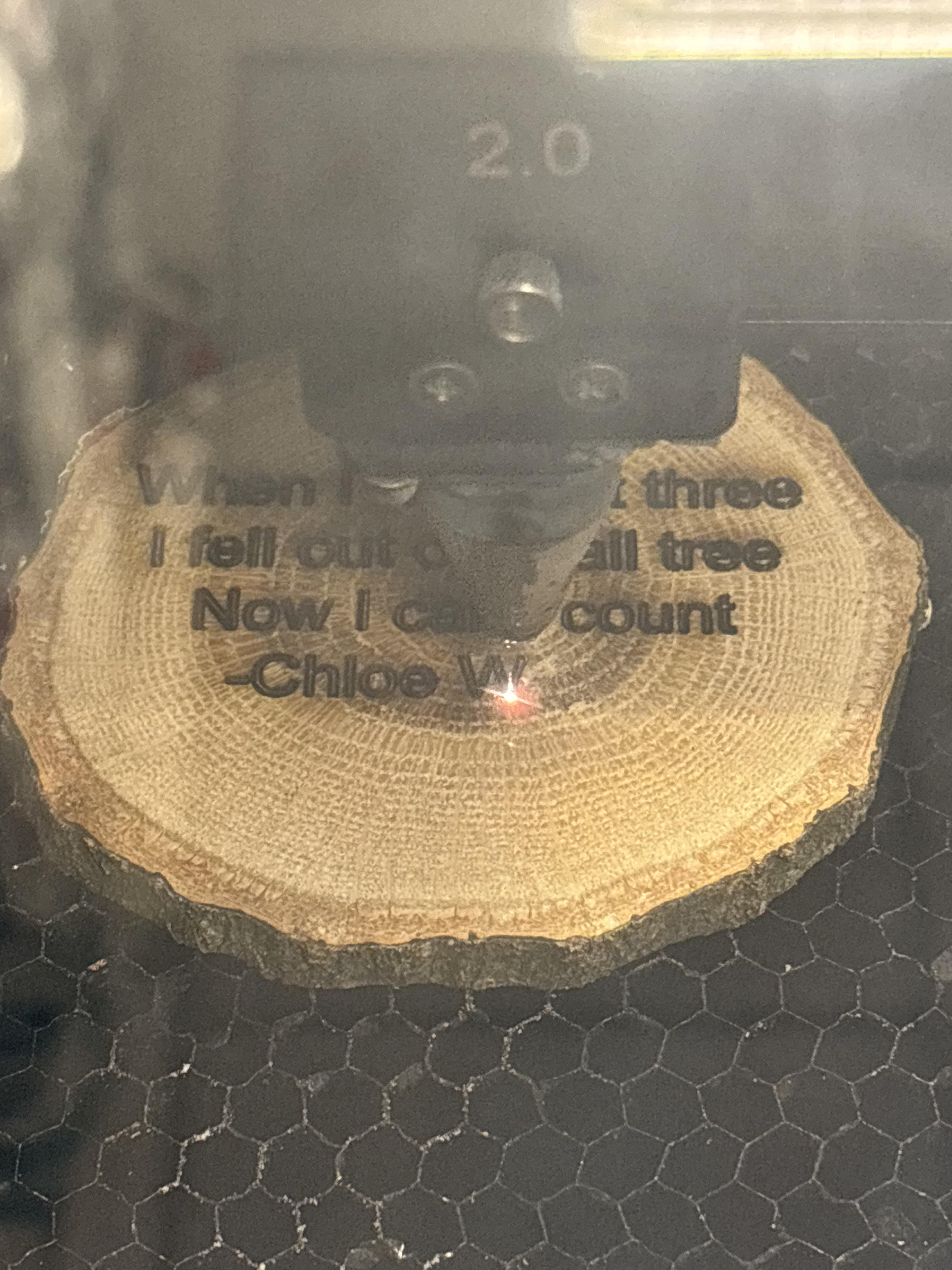
Arrange your wood in the laser cutter bed, and adjust its position as needed according to the plots indicated in the laser cutting software. Follow all proper safety protocol, including running exhaust and never opening the lid while the laser is running. I used the rast setting at 100% power at 15% speed for light cuts, and reduced the speed for darker cuts.
Downloads
Assembly
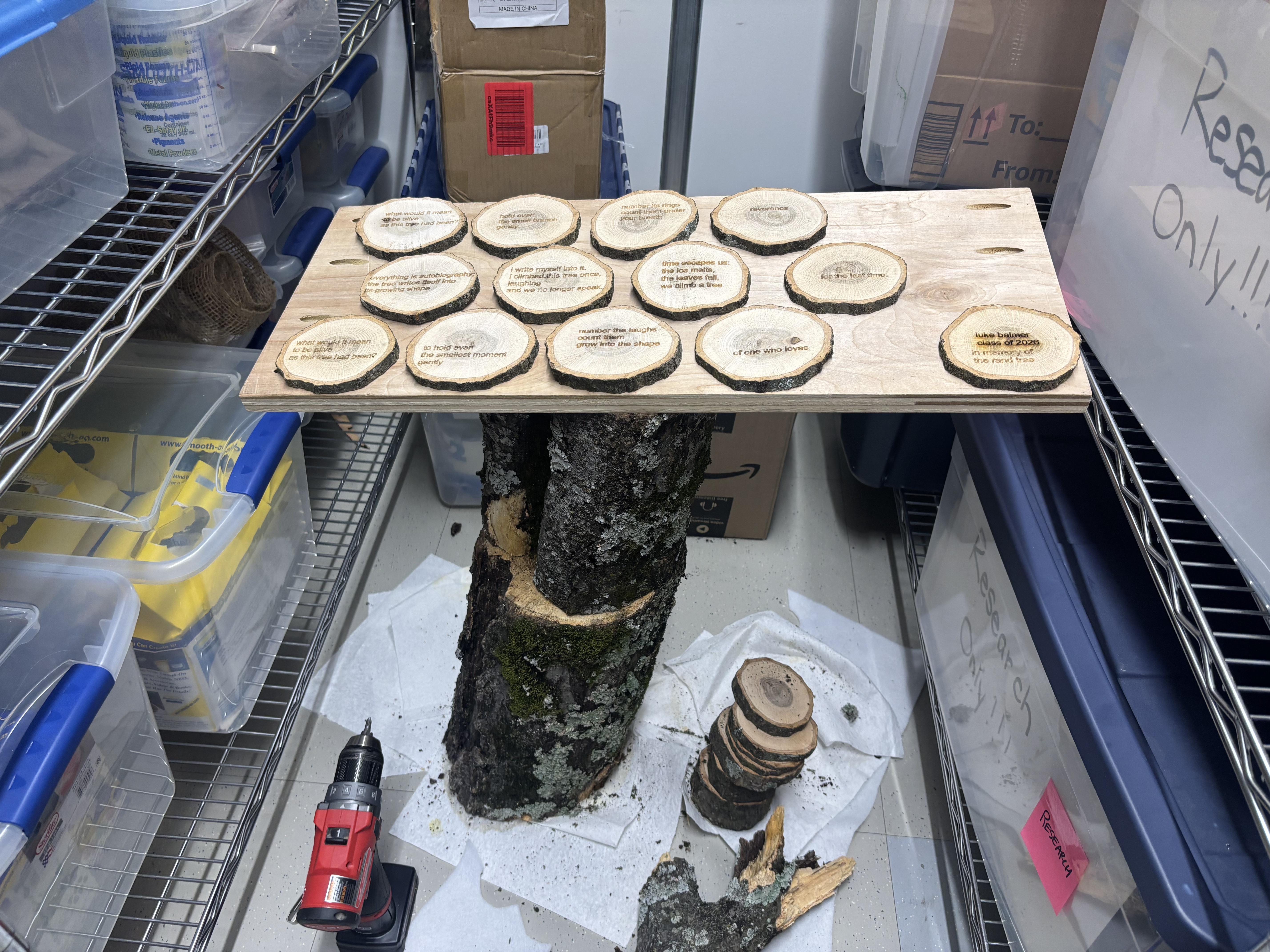
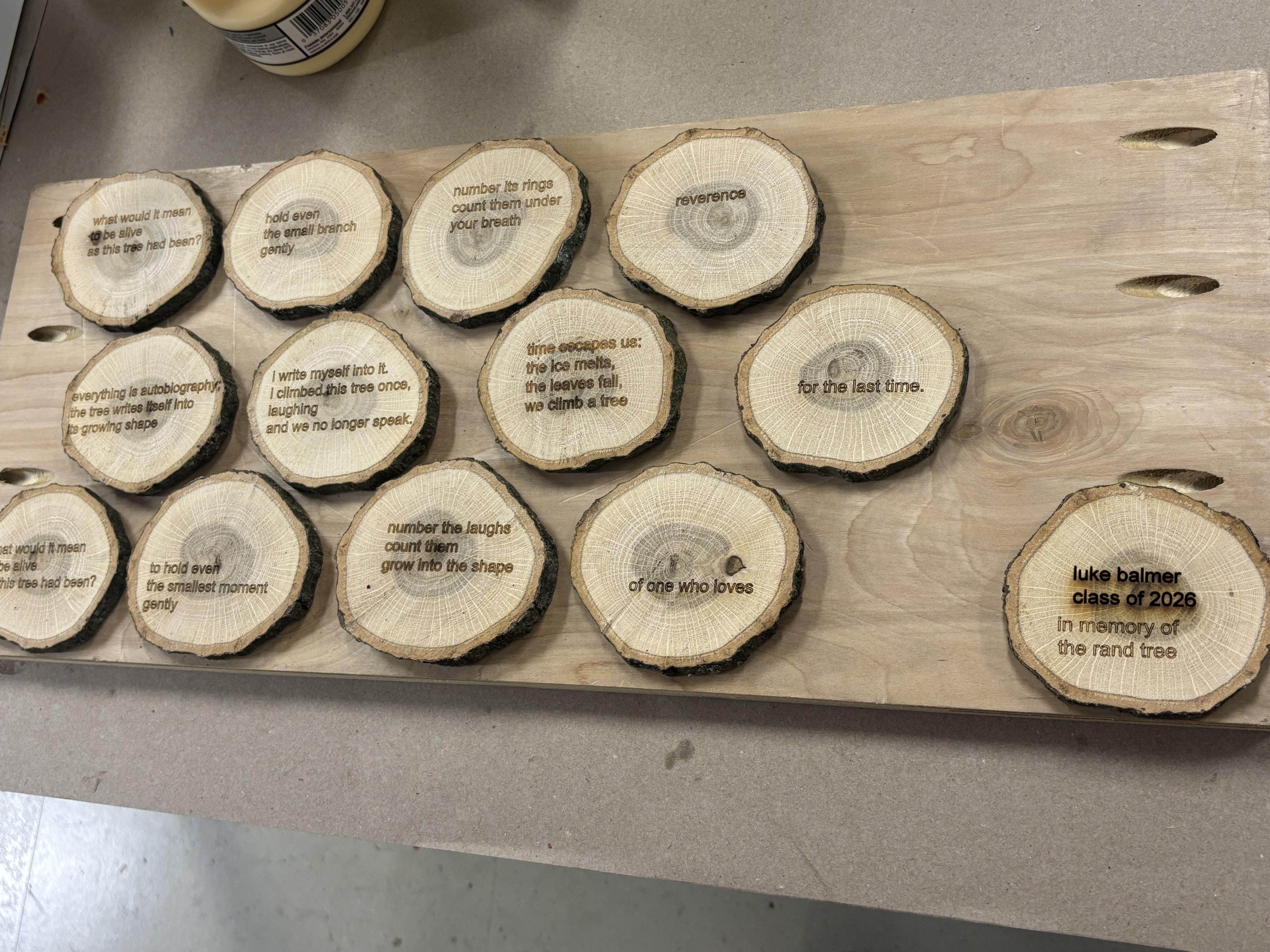
Assemble your poem in order on your plywood. Once you like where everything is positioned, apply wood glue to the center of the bottom of each piece (except 1-3 pieces in the center) and affix them to the plywood.
Assemble the trunk pieces to your liking, and use a liberal amount of wood glue to affix them. If necessary (I did), screw 3" screws at an angle into the pieces near the seam, such that they hold the two pieces together.
Place the plywood on your trunk pieces.
Beneath where you're planning on putting the central pieces, screw 2-3 3" screws into the plywood, straight down into the trunk below. Make sure your pieces are either firmly attached or go slowly to avoid moving them.
Once attached, glue the central pieces down on top of the screws, making sure enough wood glue is spread thin on the outer edges where the wood makes contact with the plywood.
Staging and 'Performance'
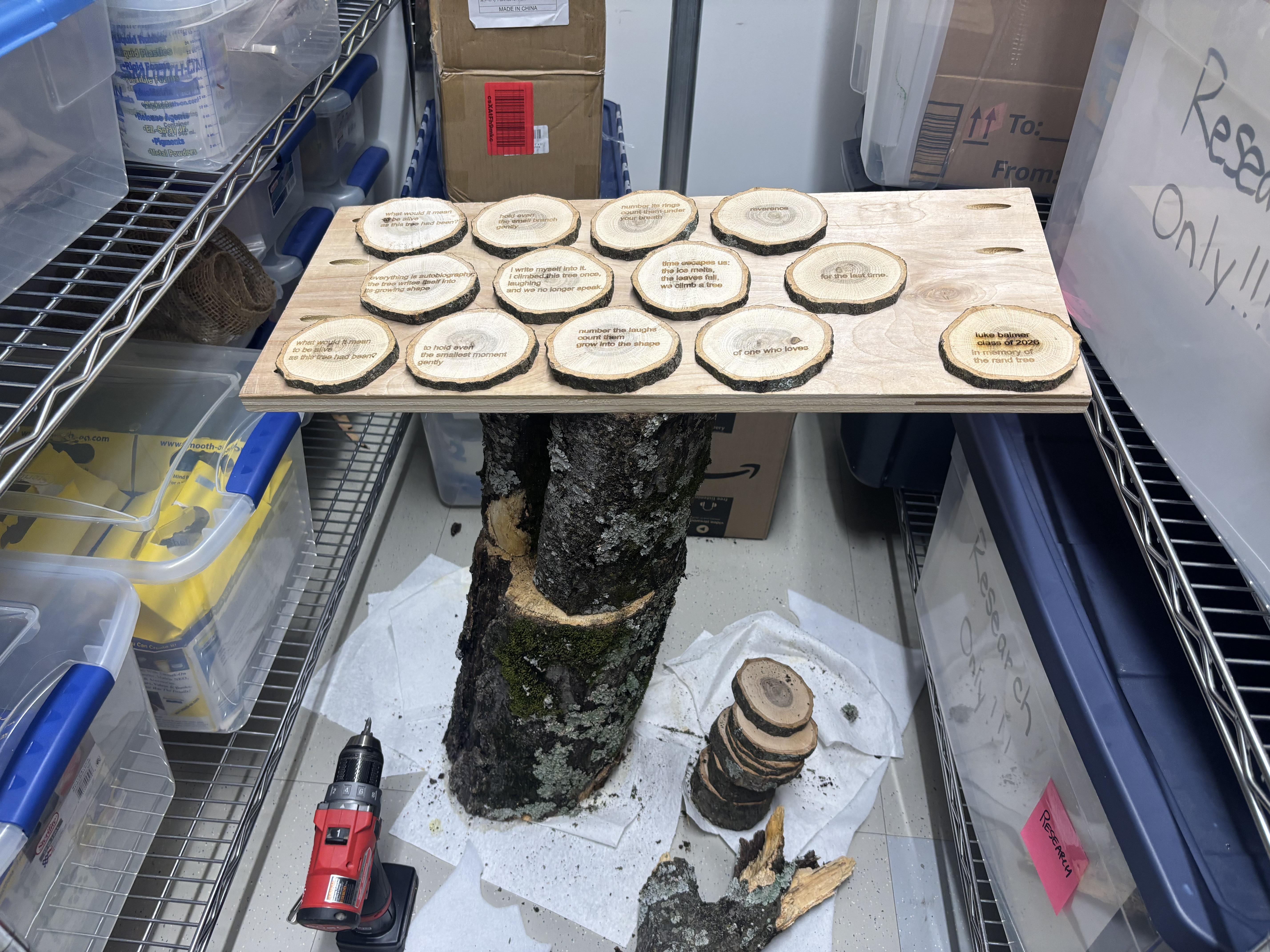
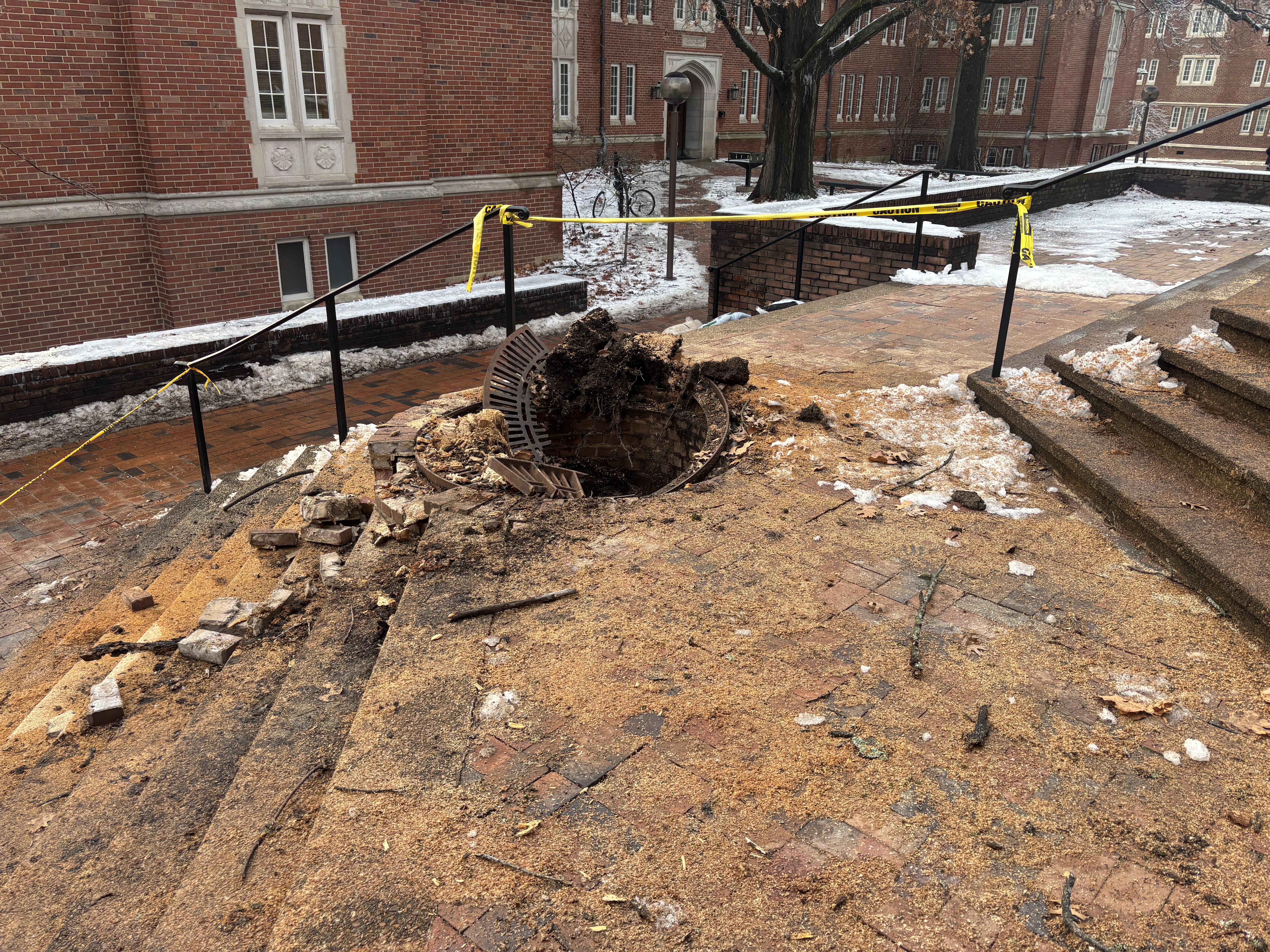
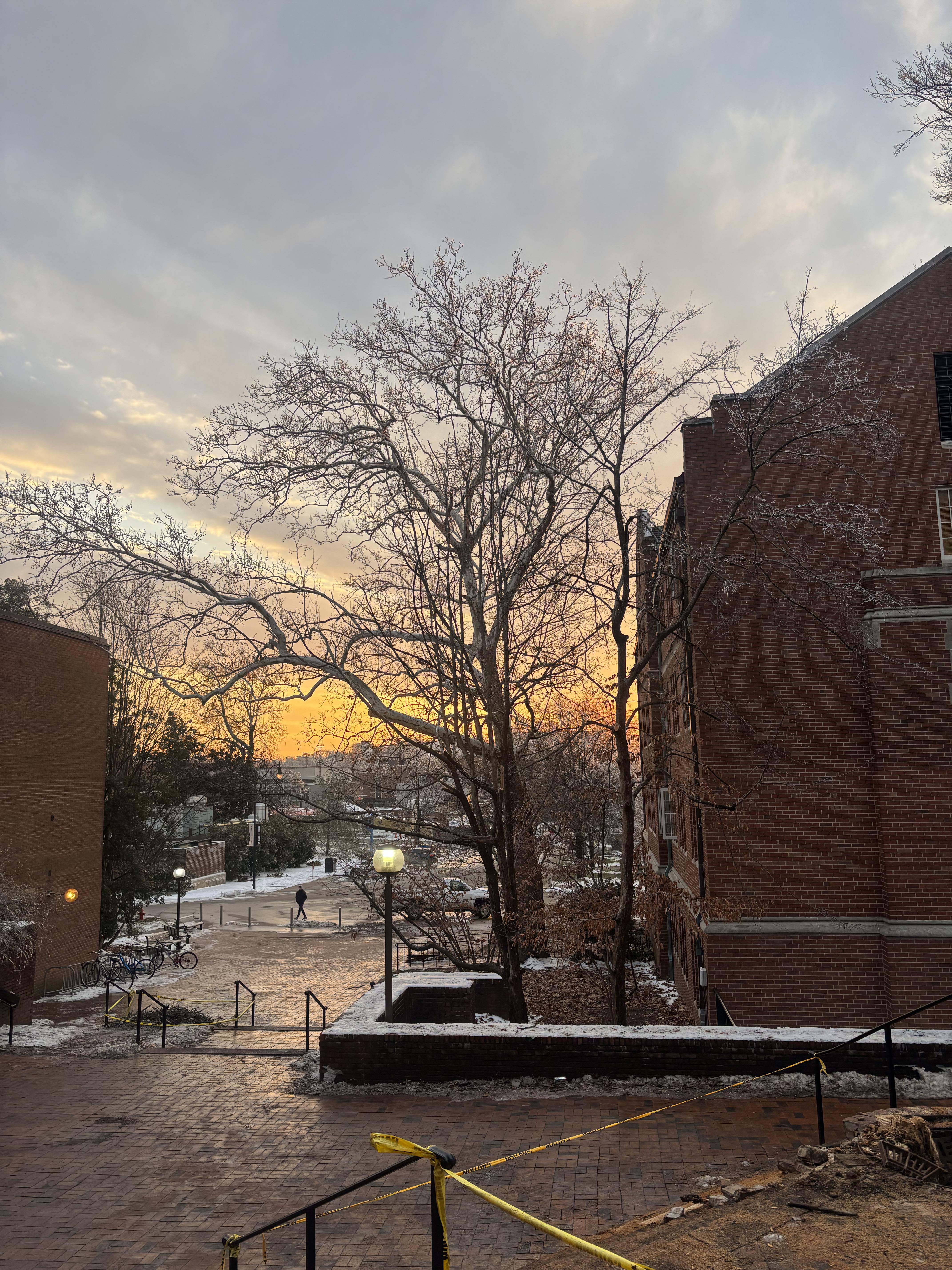
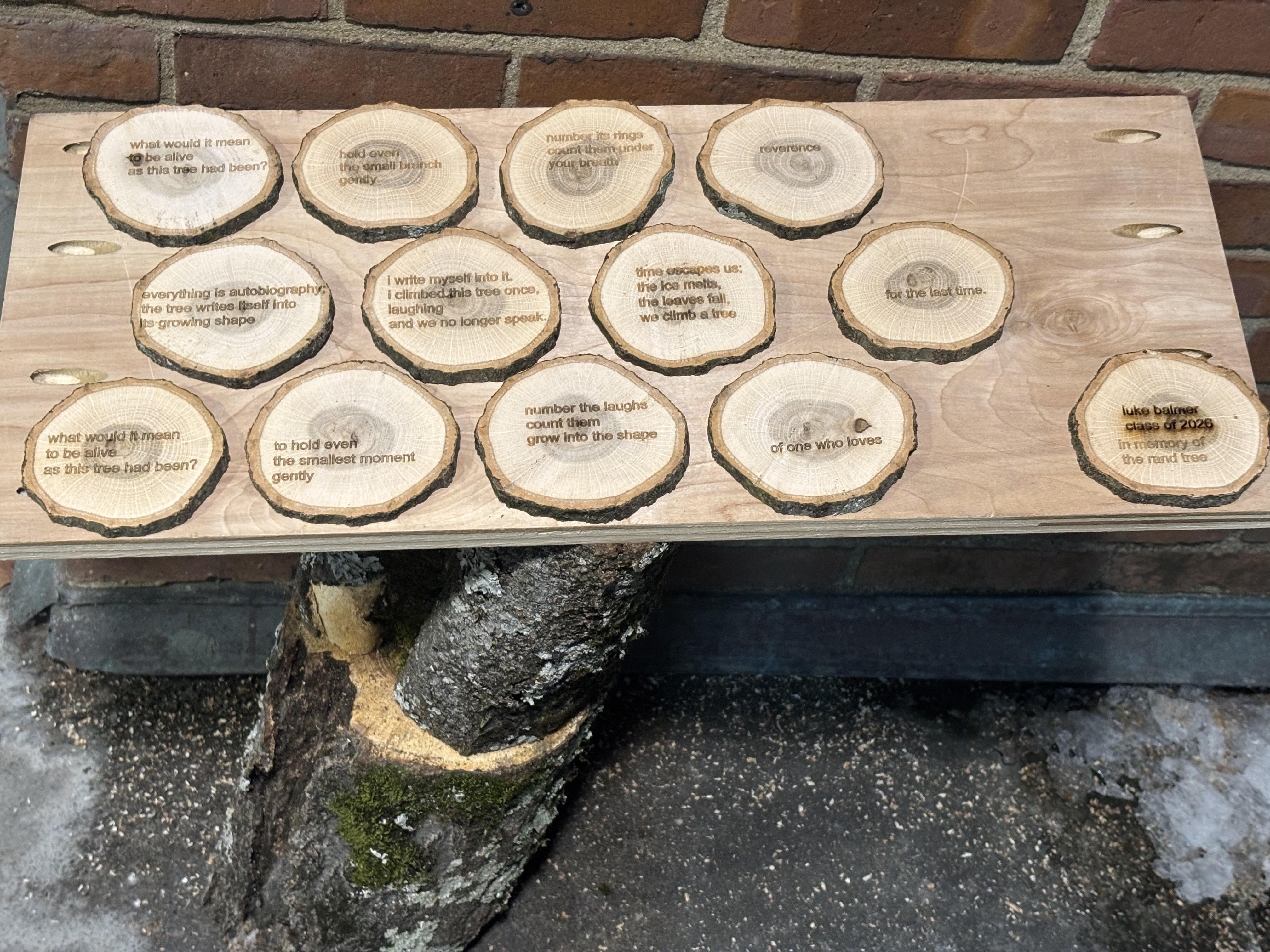
Move your art piece from your workshop to the public! I did so carrying it by myself on a dark, icy night, so maybe avoid that. Where would this piece would mean the most to you: near where you sourced the materials, near somewhere many people will see, near somewhere few people will see (but may do so more intentionally)?
For me, putting this with my name on it out in public was instrumental in making it meaningful: by allowing others to see my vulnerability around this tree, it allowed them the space to feel deeply about it too. A man named Kipp who worked at the university for 20 years came up to me and told me about how the tree must've been about 200 years old, and how when he started working it had just begun to strain against the grate put around it. We marveled together, two strangers, at its age and beauty. I got to see a group of four girls talking about their shock at the sight of the tree's absence ("Wait, it's gone?!) leave through the doors and walk past it outside: only, one of them stopped and looked at my art. Soon, she called everyone else back over to read it together. One read it aloud. They all took little memorials, remarking they'd make great coasters.
So much joy: in facing our fears, allowing ourselves to savor, and pushing ourselves to grow into ones who see, make, and love.