Imperfect Art: Face Your Fear Contest
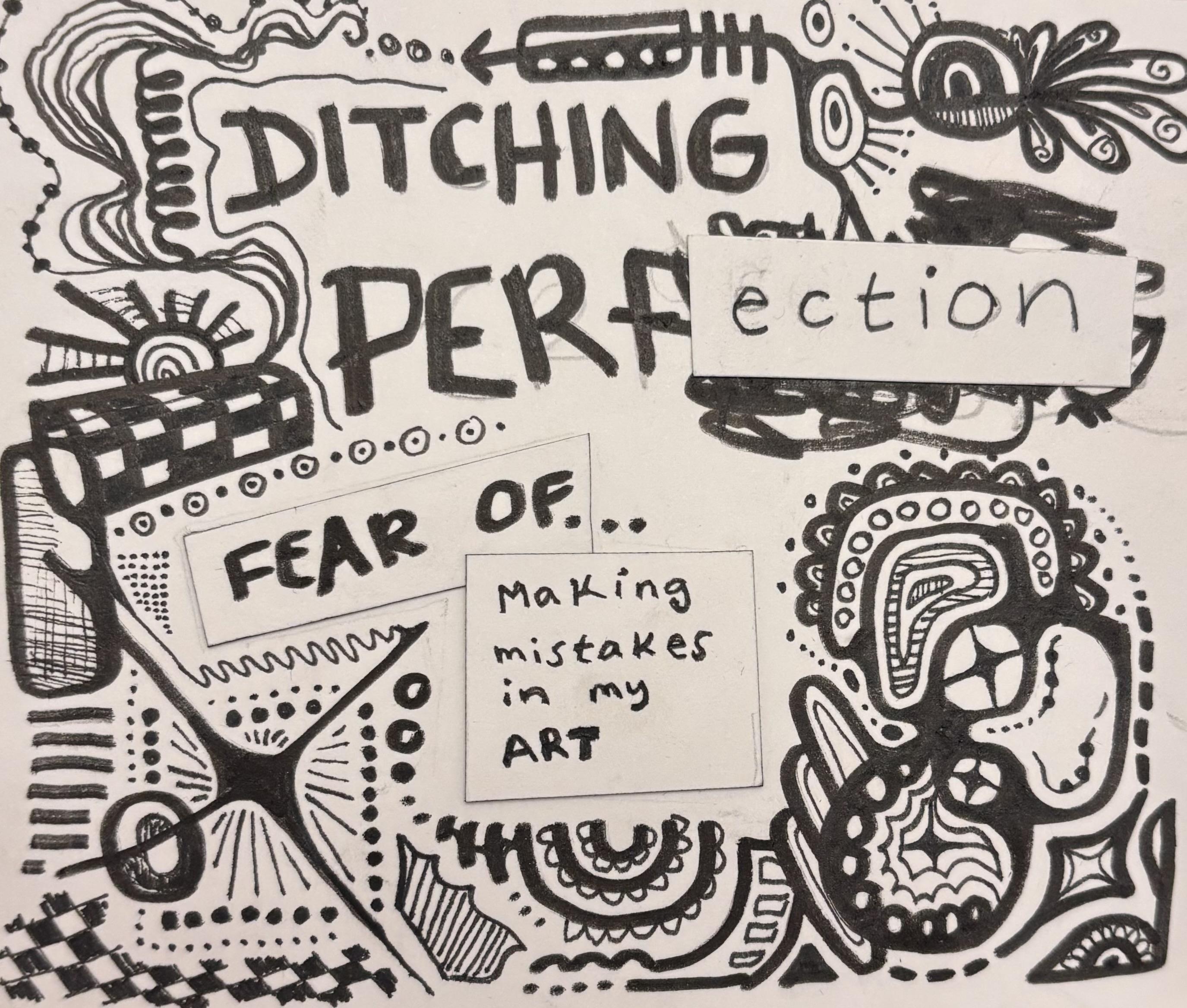
I love art. Drawing, painting, sketching, modeling, ceramics, you name it. After honing my craft for years, it's been easy to get stuck when things don't look right, or want to start over after one too many mistakes. Even before I started a painting, I would spend far too long trying to get the sketch underneath just right. This sucked the joy right out of my projects for me, so in 2026 I resolved that I was going to fill a whole sketchbook with art that I couldn't erase. Pens and markers, black ink. Permanents, no going back. Come with me as I explain how I am conquering my fear of mistakes in my art, and how you can do this process too!
Outline:
- Supplies
- "Building blocks" of my process: Shape, Texture, and Detail
- Step-by step-example
- Artist examples using different combinations of building blocks
- Author's Note
Supplies
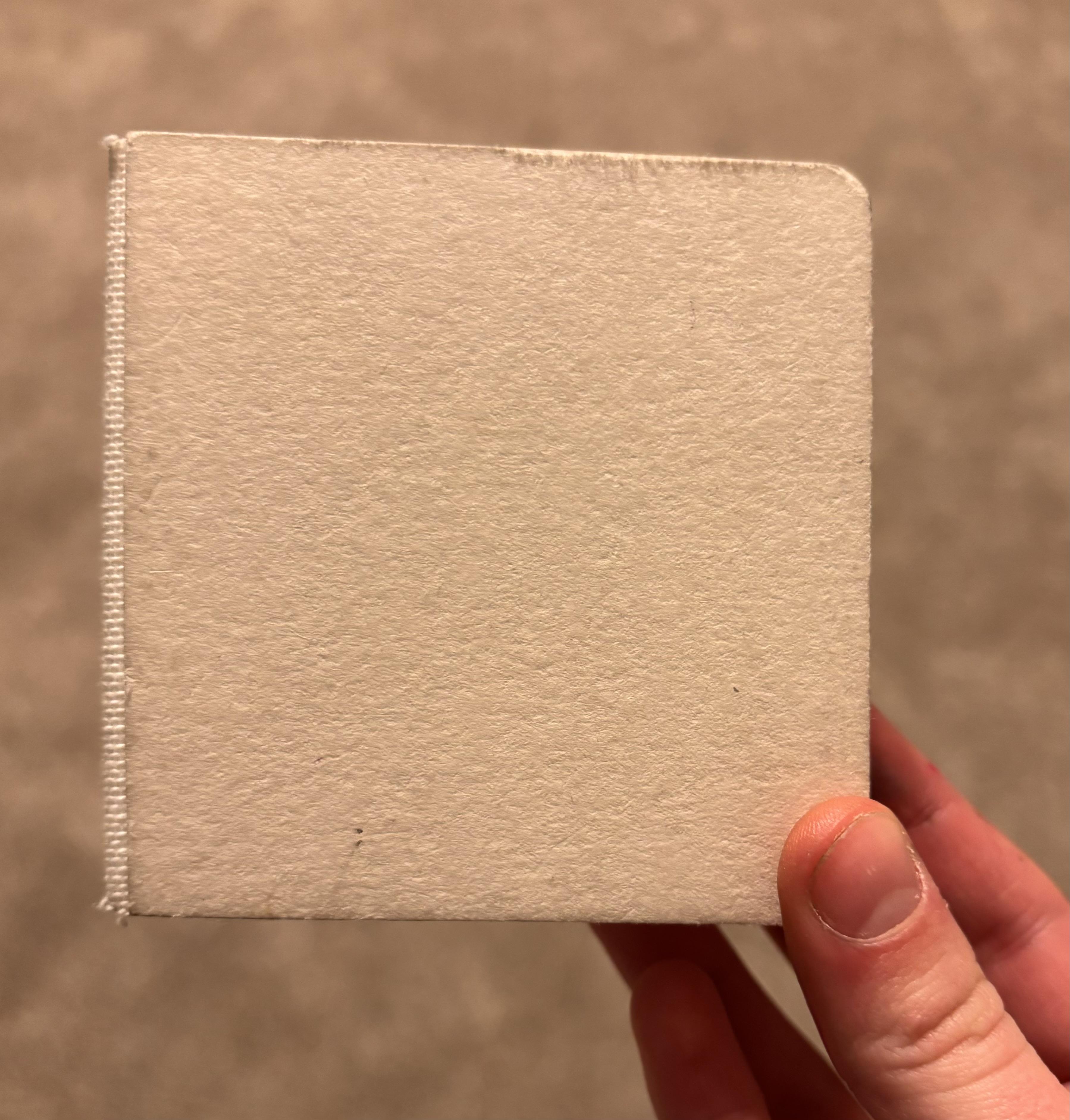
- Small notebook - I used a small 3"x3" watercolor notebook so I could do small but intricate pieces.
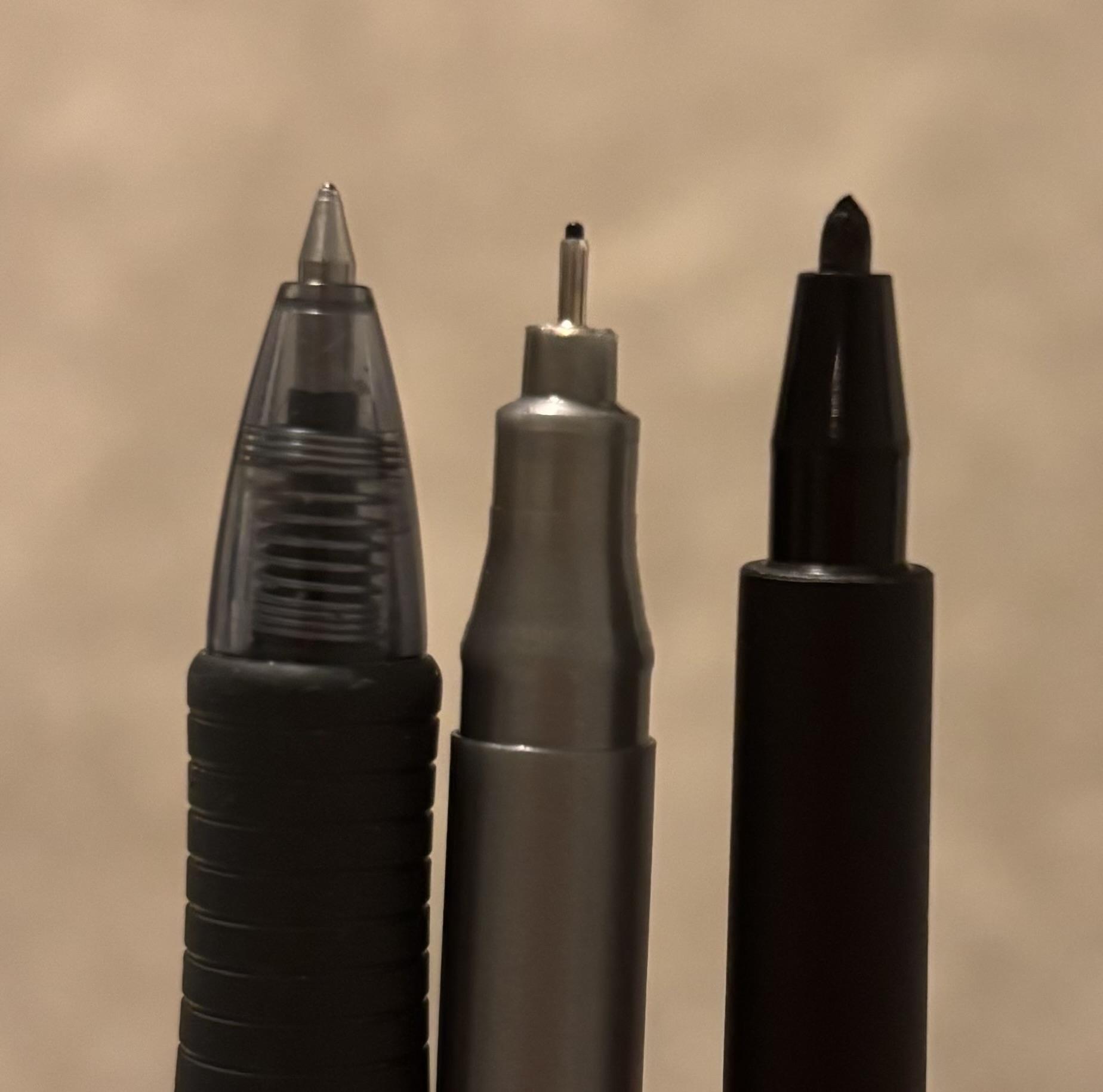
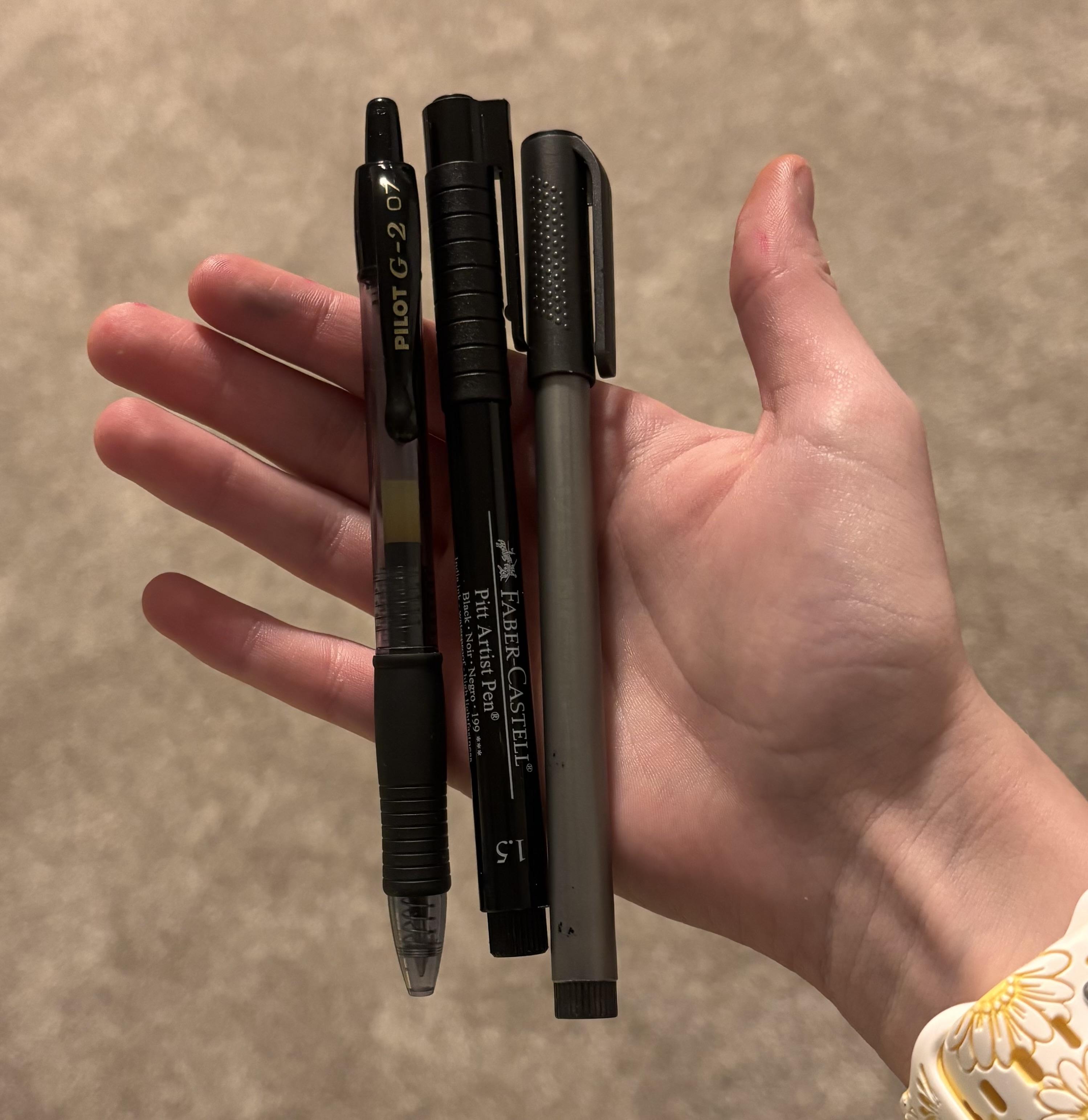
- Thick Black marker (1.5) (You can use anything, but the faber-castell 1.5 is genuinely the best back fineliner I have ever used)
- Thin marker/pen (0.3 and 0.7)
Tip!
- Make sure they are waterproof if you plan on adding color later!
Shapes
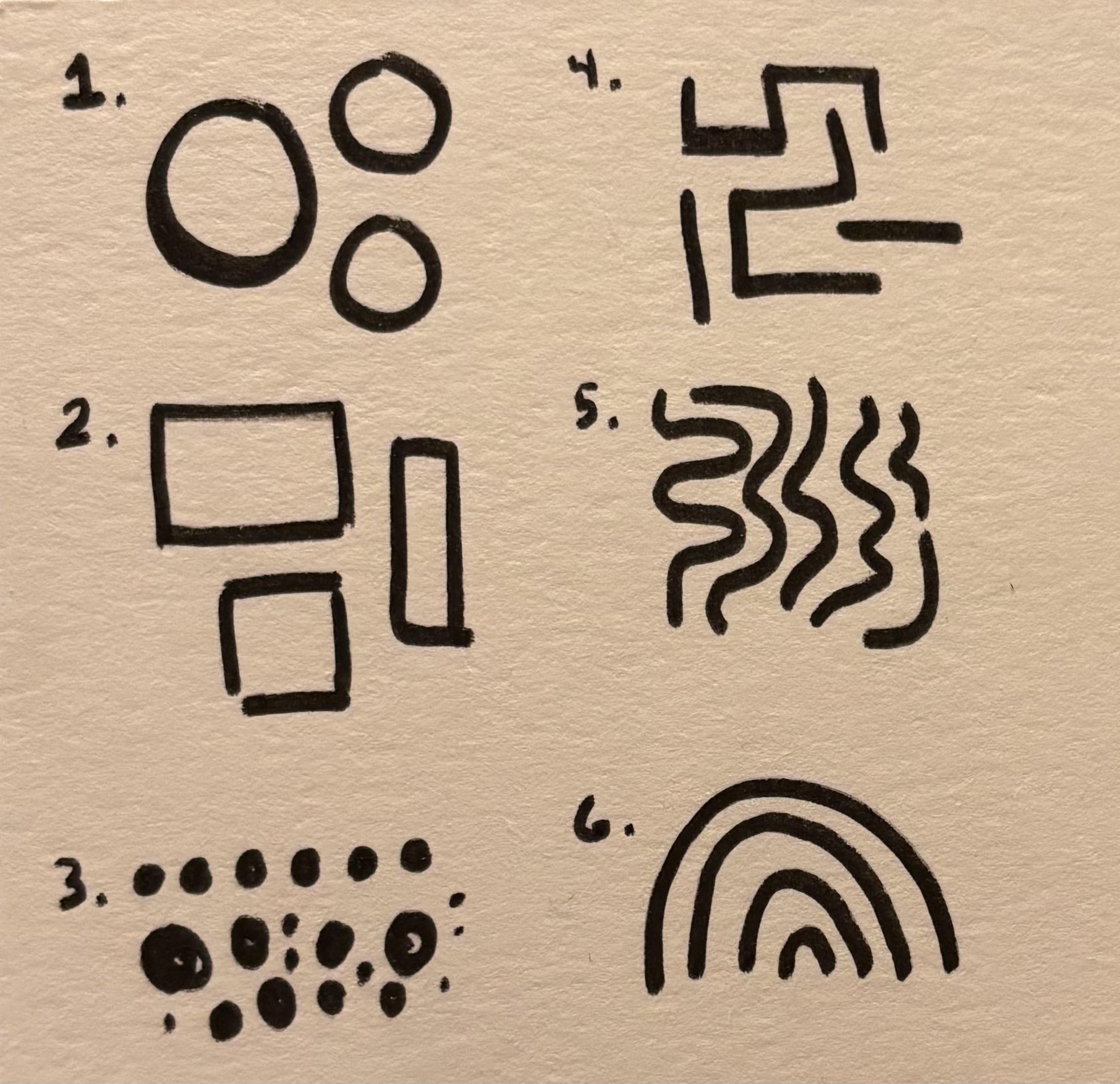
Shapes form the structure that the rest of your design, and act as dividers for different textures and details. It can be as simple as a circle, or you mix and match, try playing with different line weight while you are at it!
---
1) The most basic of shapes: The circle!
2) The most versatile shape the square!
**Bonus, but another of my favorites: the "squircle" a square with rounded edges that shows up frequently in my designs
3) Dots! Uniform or random, they go with everything
4) Geometric lines: Sharp angles and straight edges
5) Organic lines: Smooth and flowing curves
6) Nested shapes: Shape inside and shape inside a shape.....
Textures
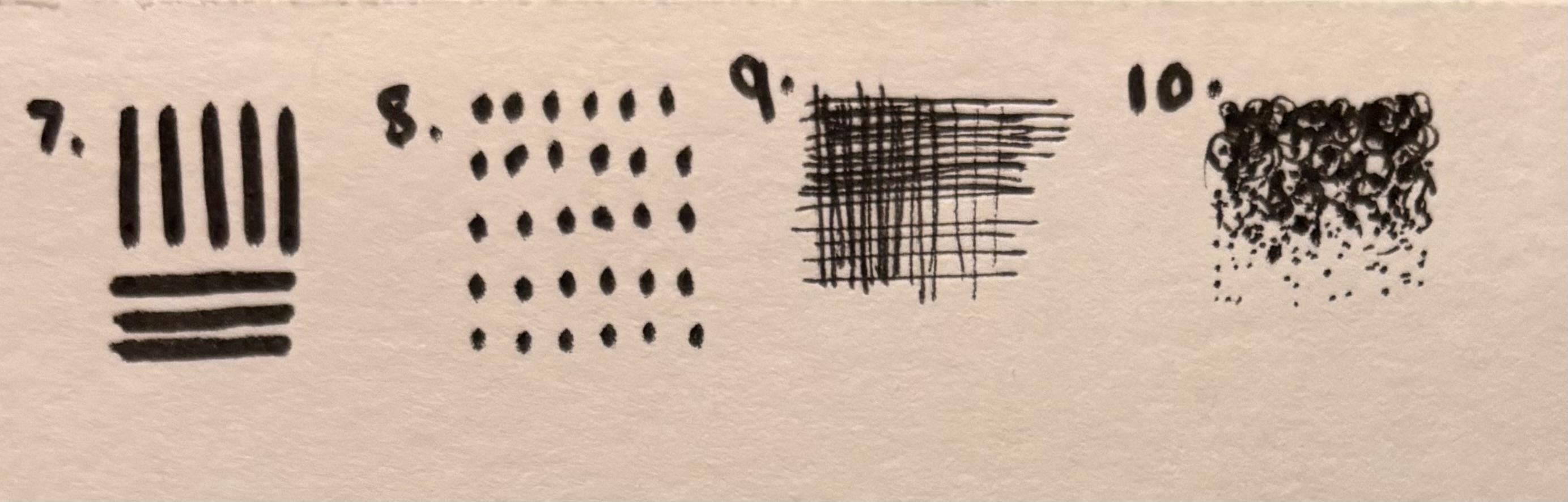
Texture is the heart of your design. Play with composition and density to create "movement" in your piece.
---
7) Parallel lines: a classic way to fill space and add direction and visual interest
8) Rows of Dots: Big or small, these give your piece a fun comic book feel
9) Cross Hatching: My favorite way to add depth to any shape
10) Stippling: Dots dots and more dots, an awesome (but time consuming) gradient technique
Details
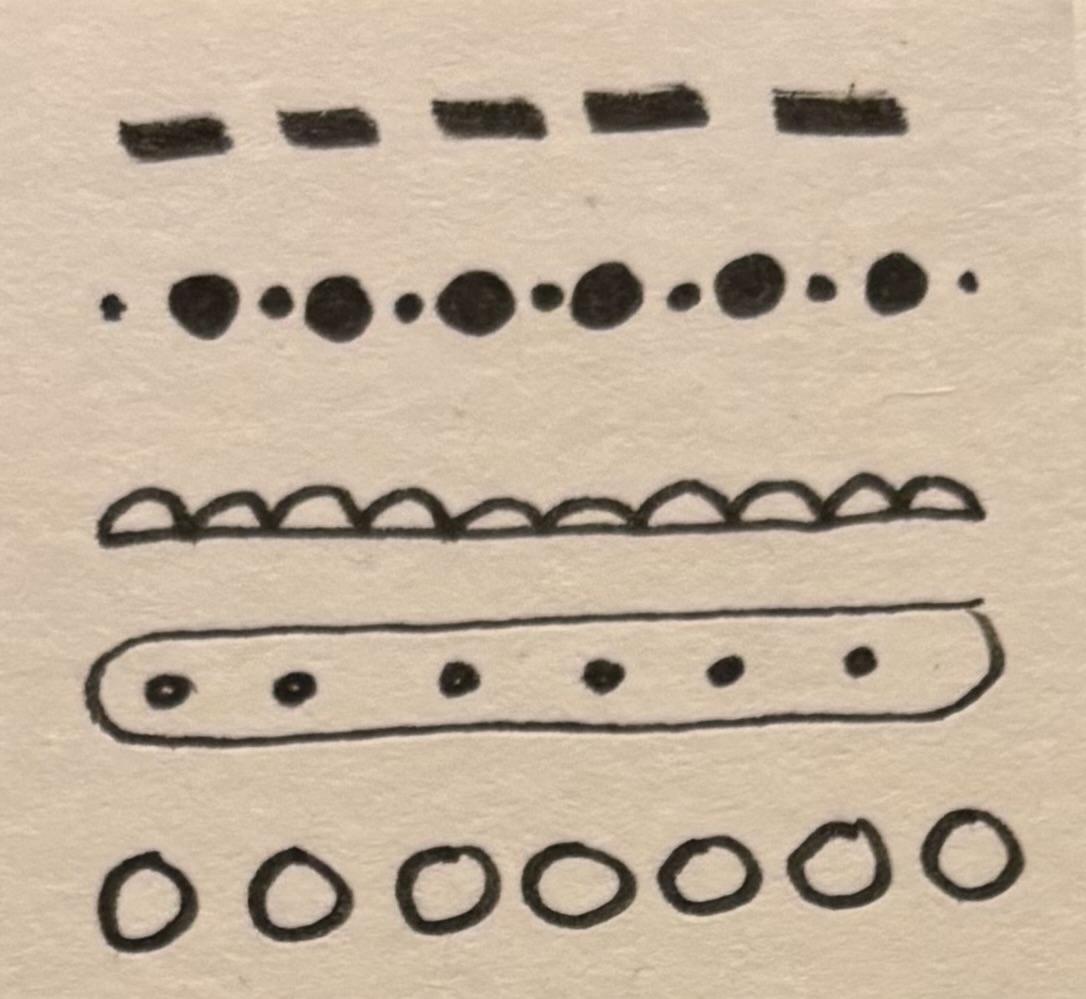
Details, Details! The finishing touches and final flourishes that make your piece feel complete. Often the smallest but most rewarding part of the process.
Dashed lines, small rows of dots, and scalloped edges are all great examples of finishing details.
Put It All Together!
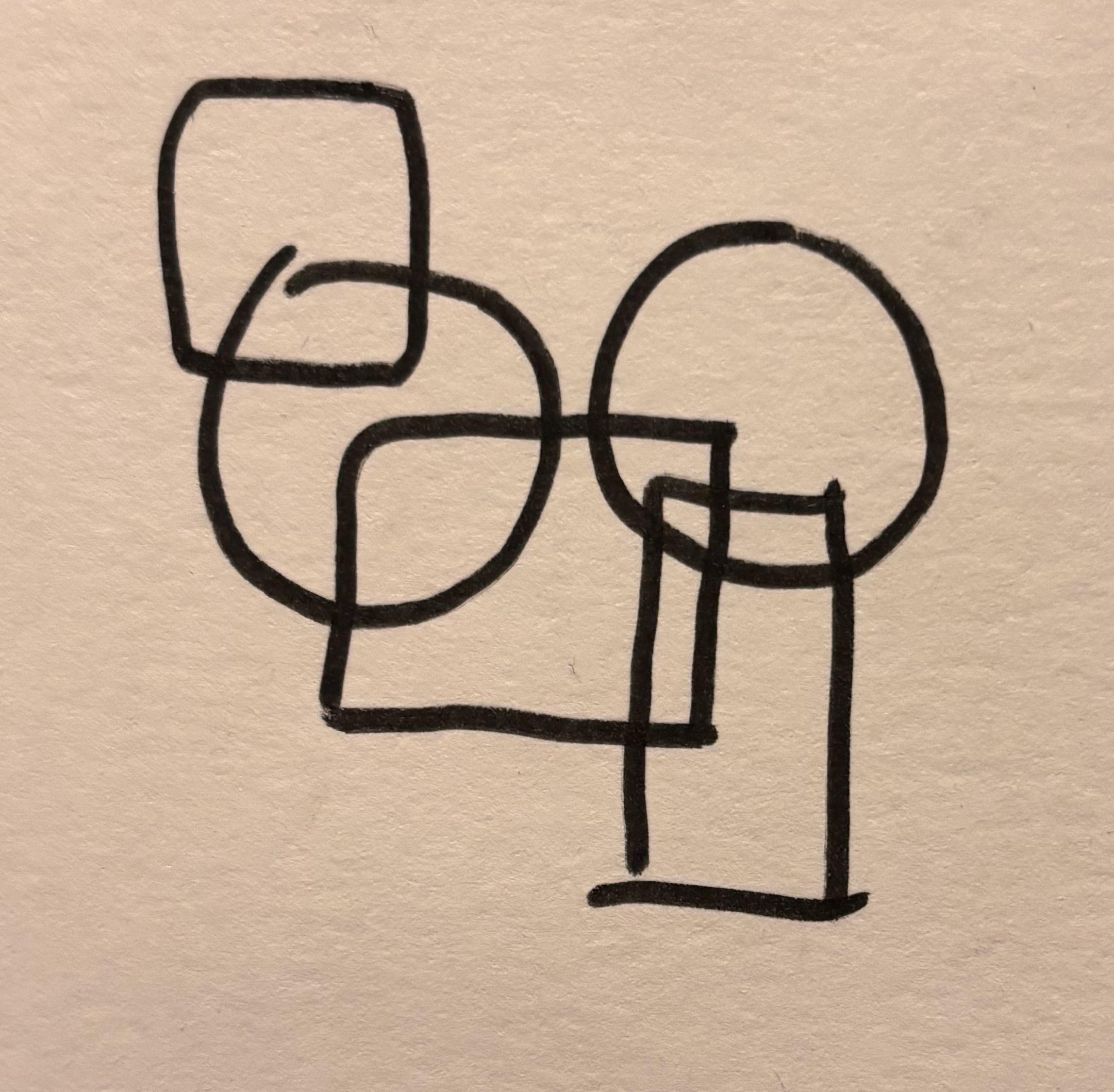
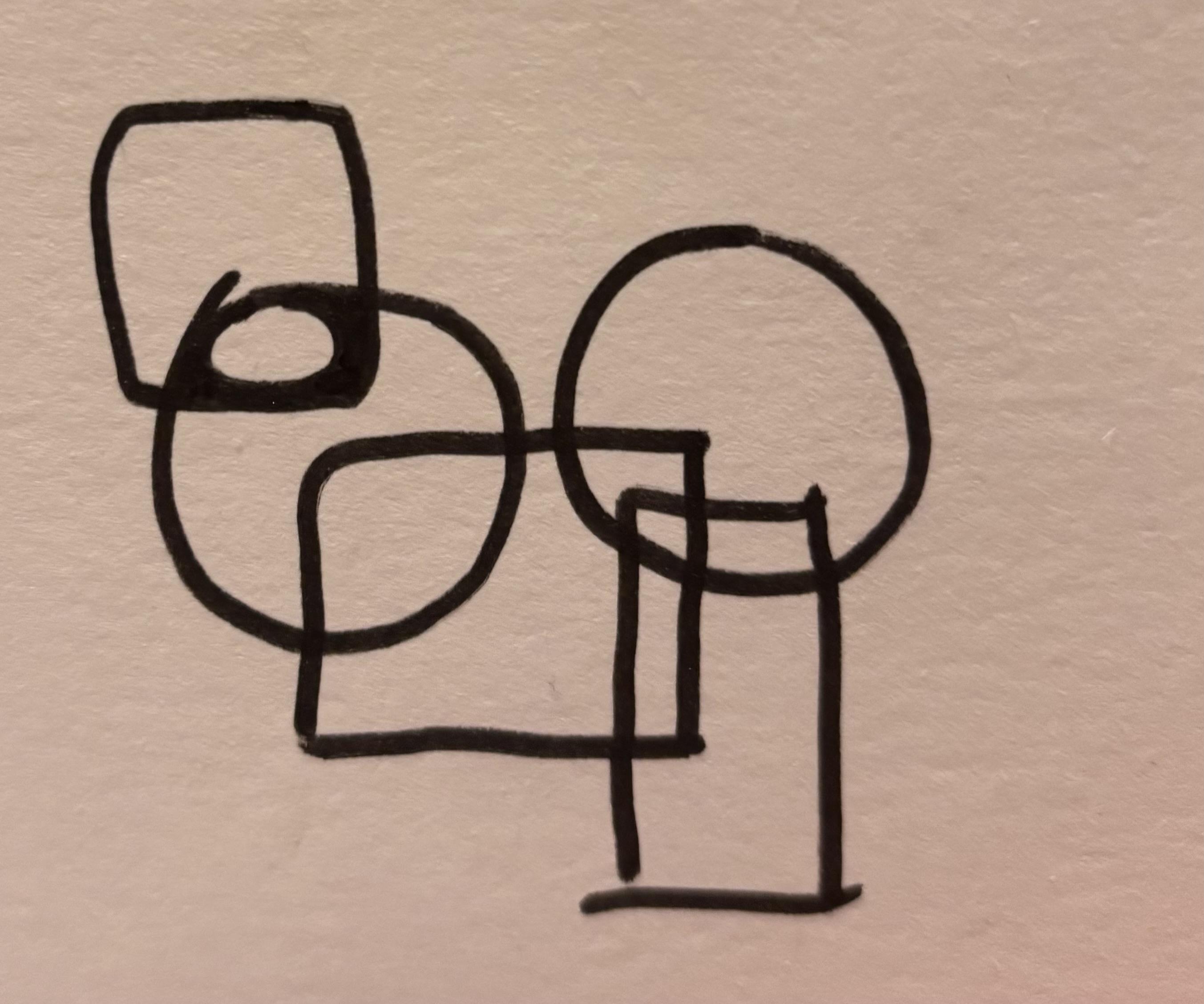
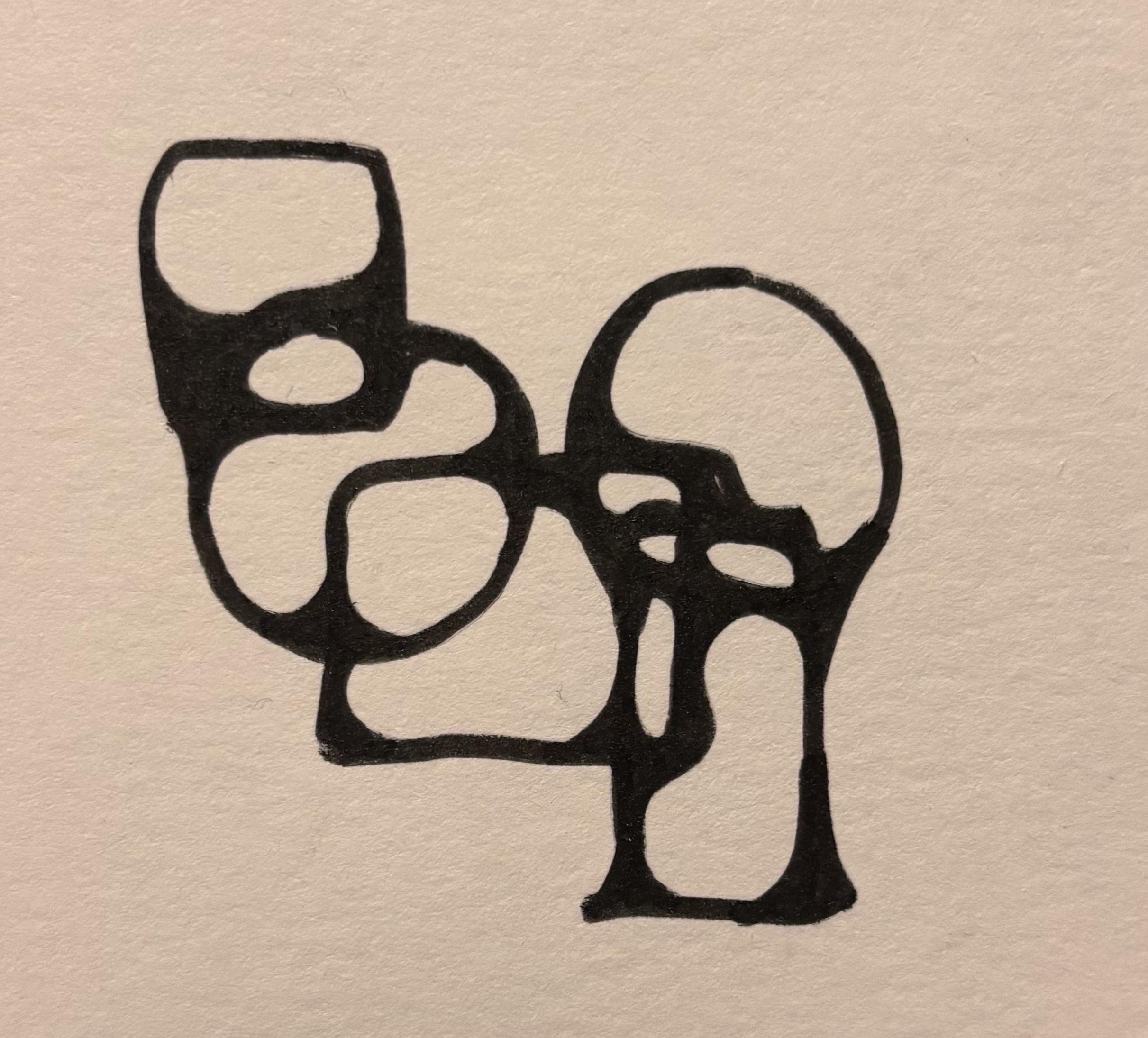
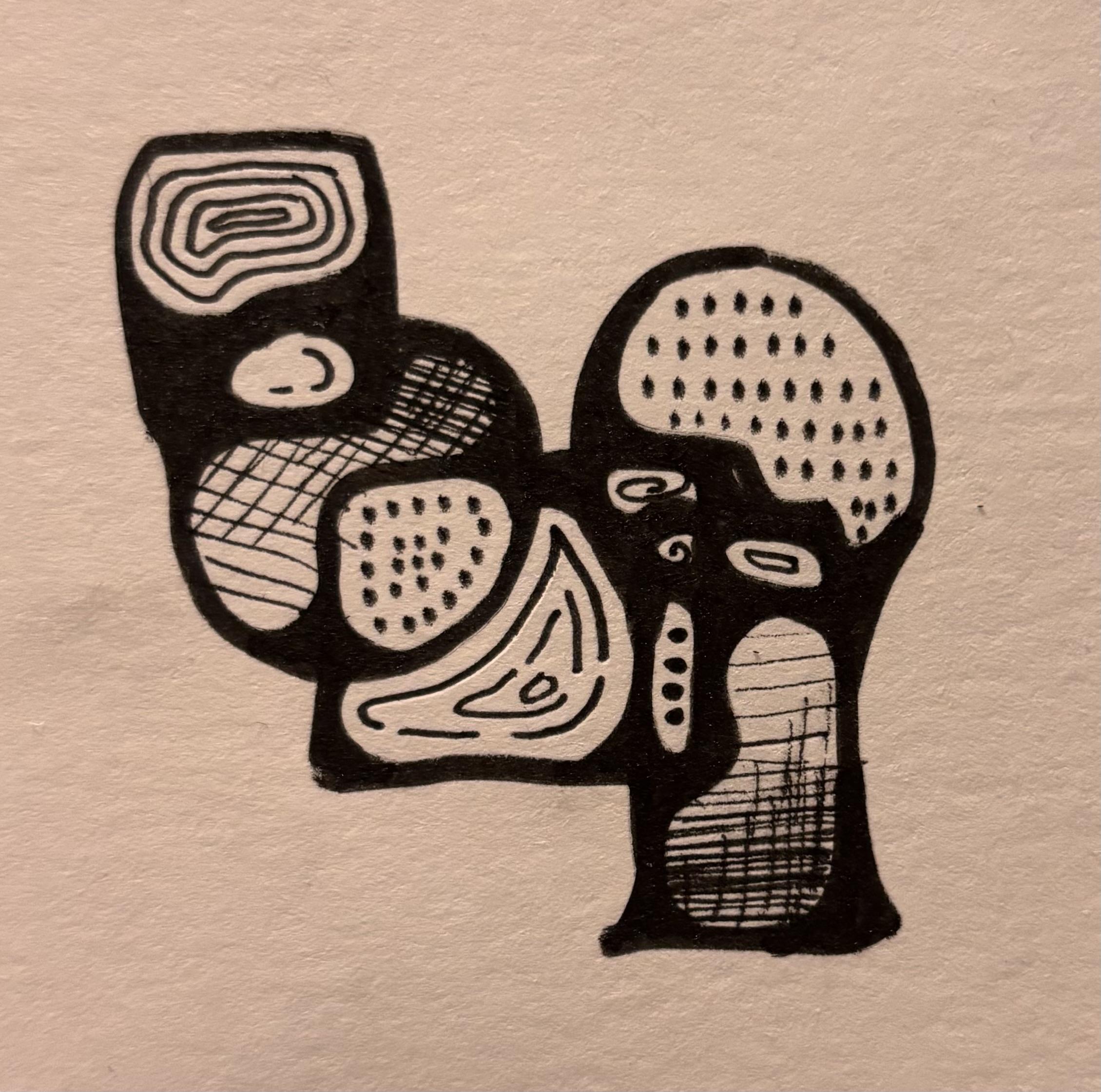
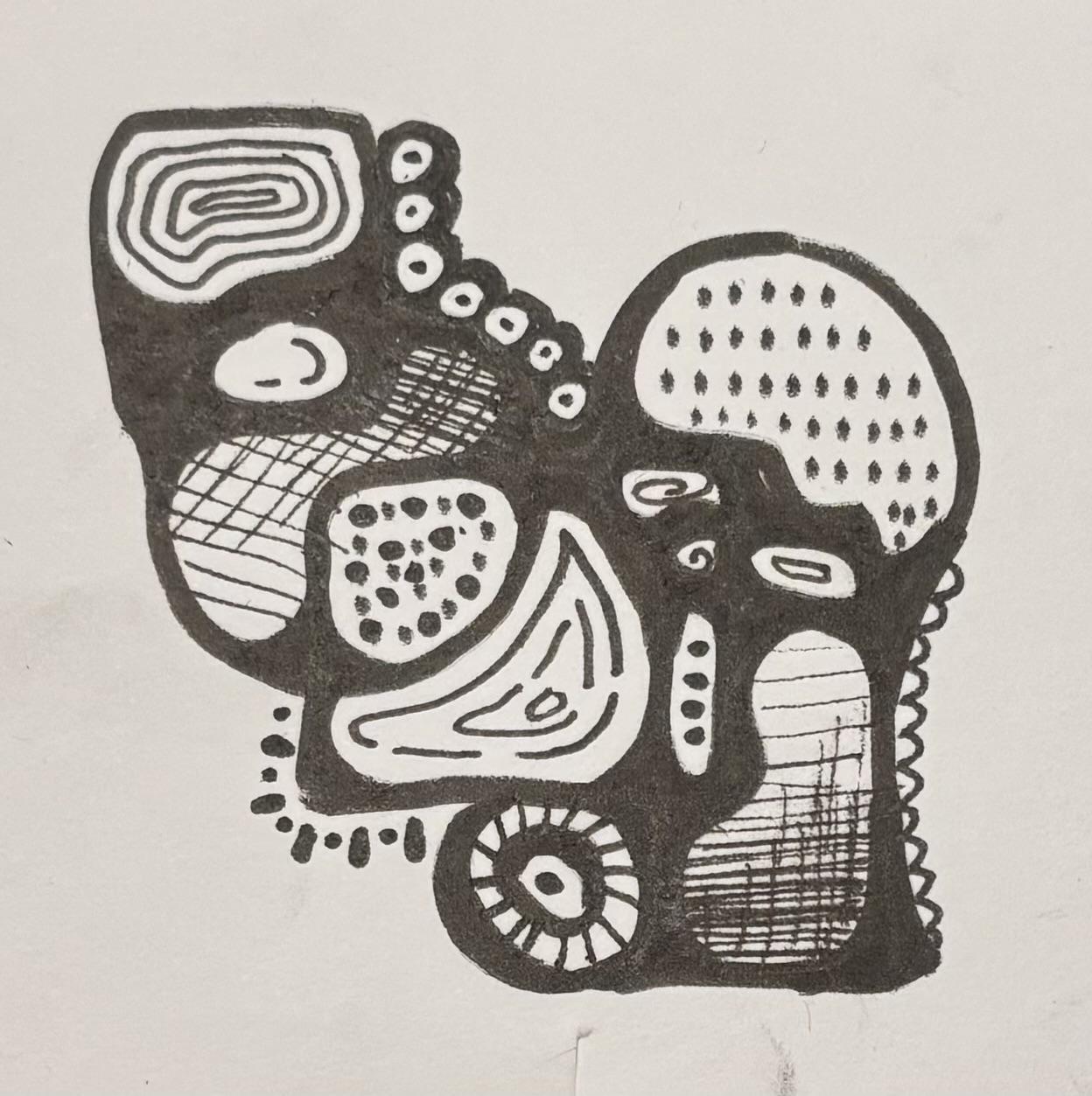
- Draw Some Shapes! (it doesn't have to look good). I chose circles and squares
- Where each shape meets, draw a small circle or curve to "round out the edges"
- Fill in with color
- Repeat this "rounding out of edges" until there are no shape angles, and the individual shapes look like they have mended together
- In the new boundaries of the shapes, add different textures! Dots, hatching, nesting, you name it!
- Add finishing details wherever you see fit. If you are trying to fill a whole page, try to see where there is the most empty space
Congratulations! you just made art and didn't worry at all about how it would look in the end! This simple formula Shape, Texture, Details and the lack of pressure on myself to make something "good" has gotten me out of the dreaded "art block" many times. This isn't meant to look the same every time, so experiment! Find what you like! Make cool art!
Example #4 & 7
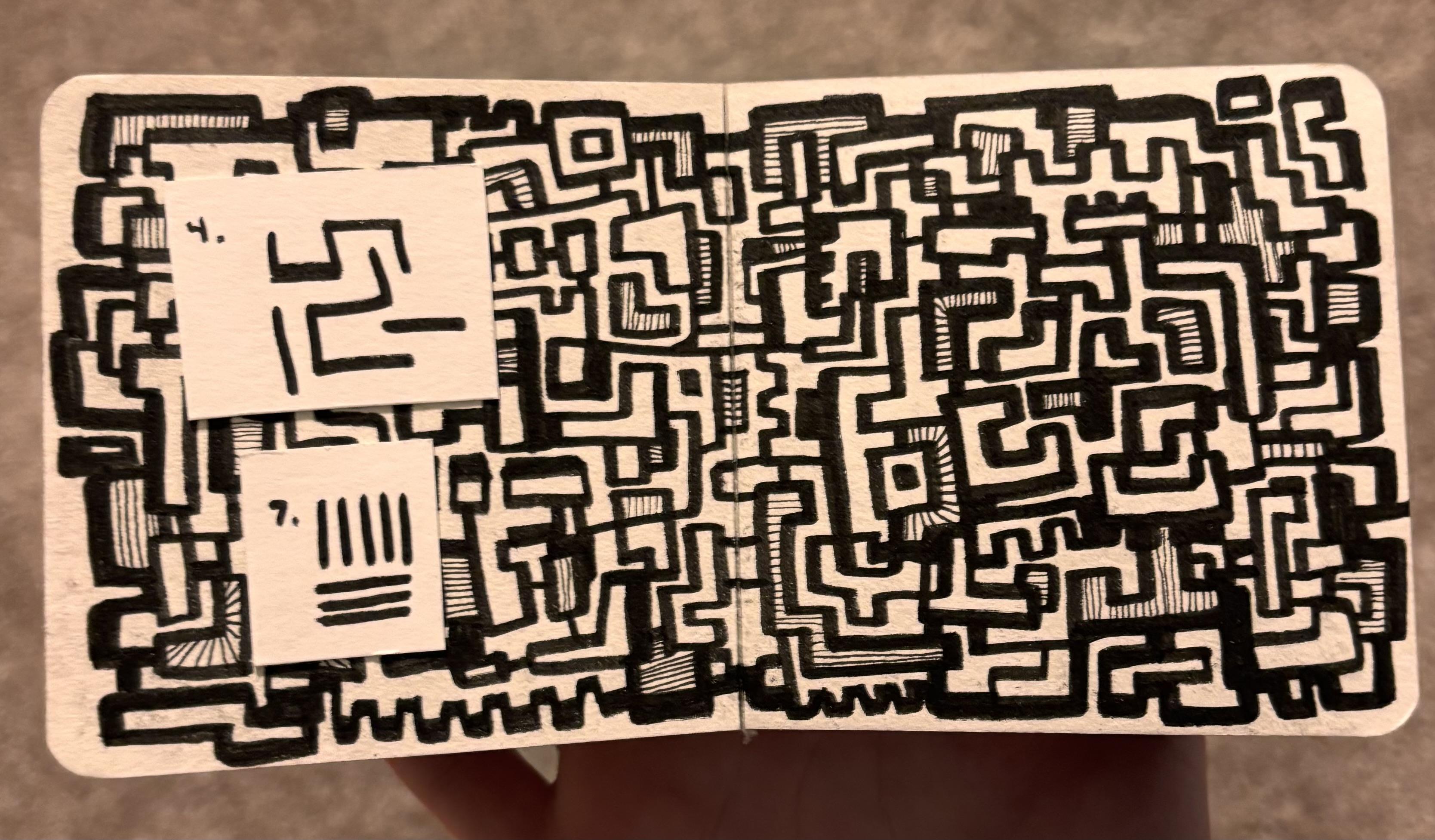
By using only straight edges, variably thick line weight and some patience, I was able to create a dynamic maze like design.
Example #1, 6, & 7
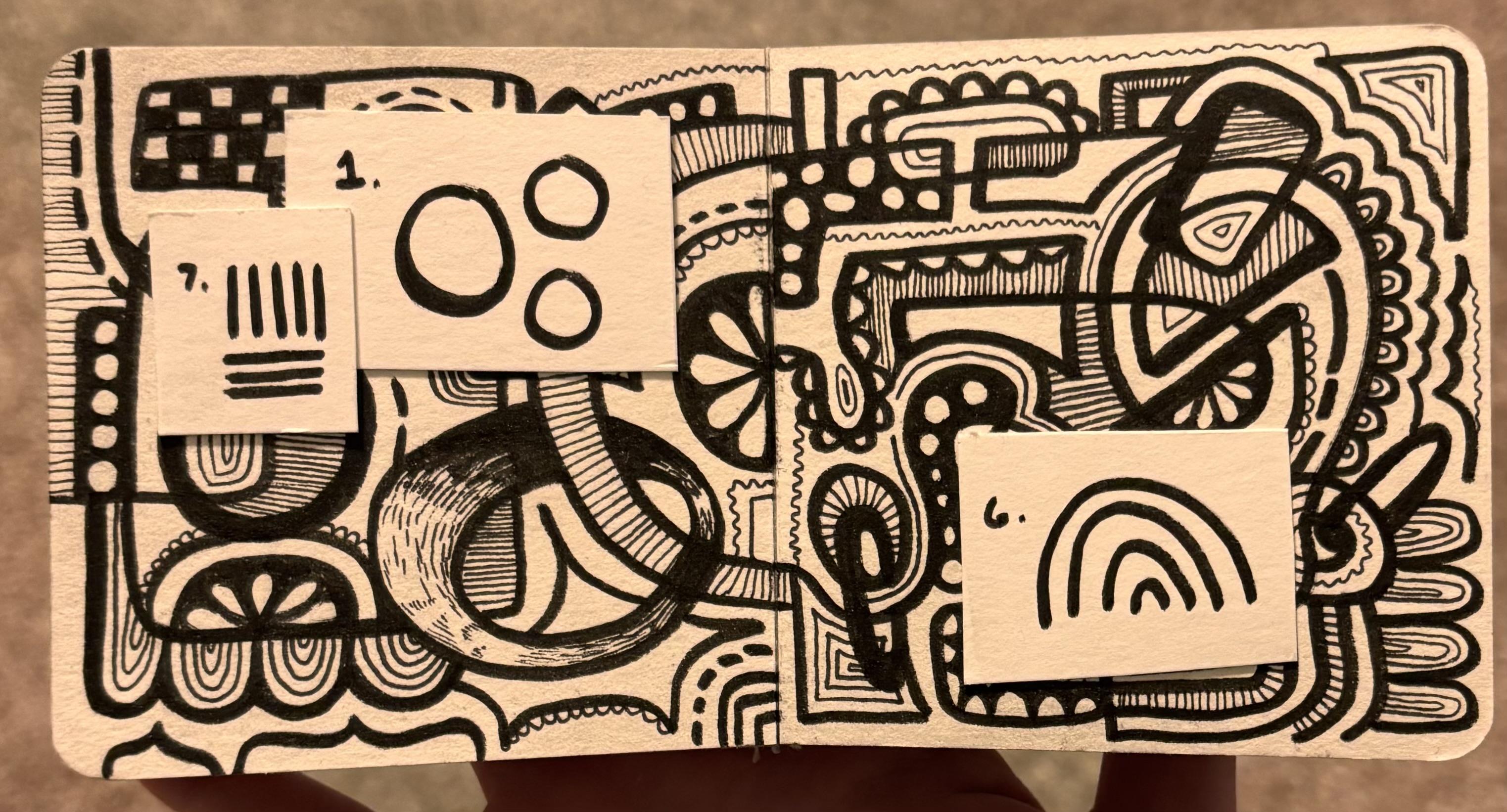
This is one of my absolute favorite pieces. My main focus in this piece was interesting shapes, with my textures emphasizing how the shapes interacted with eachother
Example #5
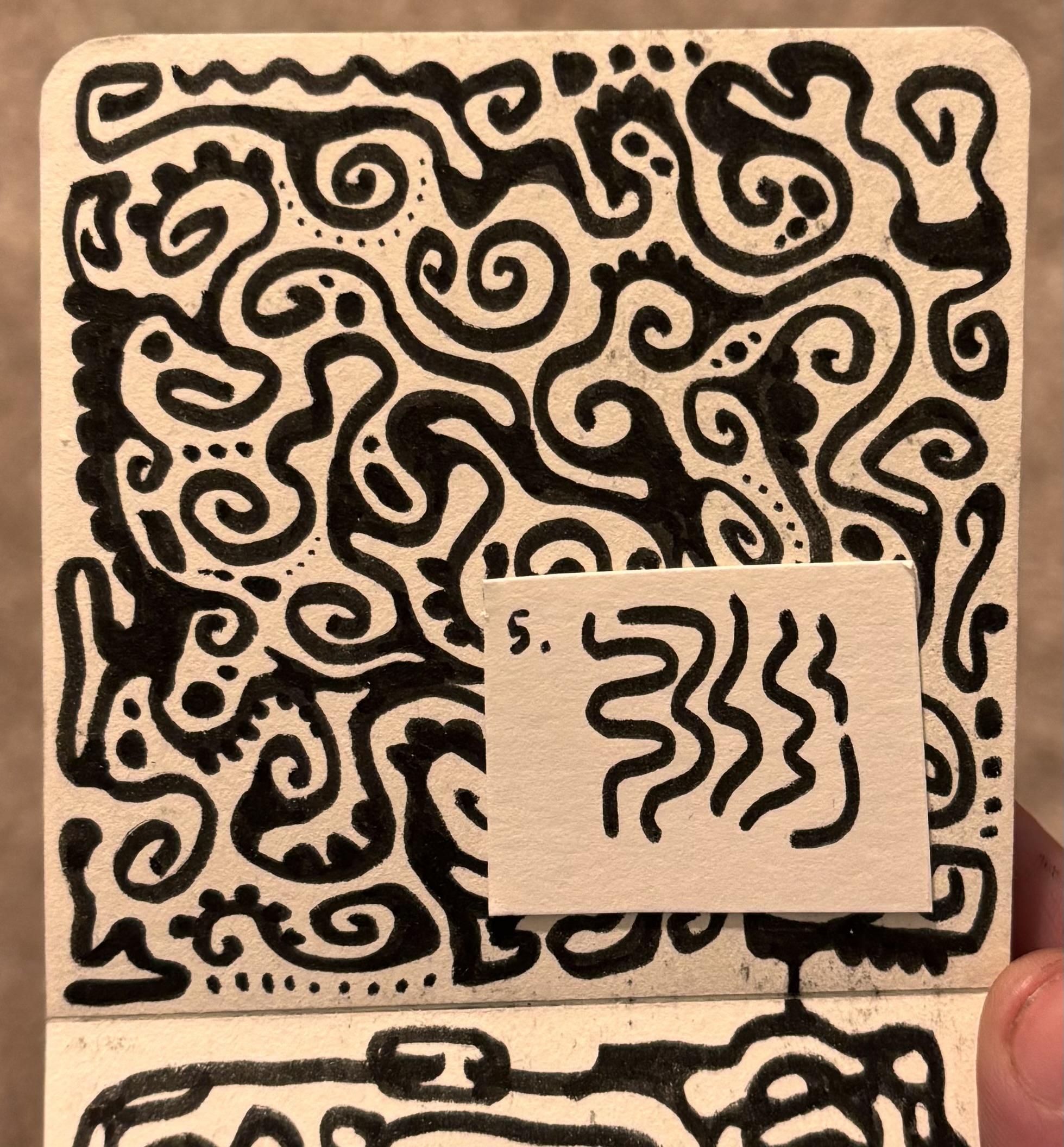
This piece is very simple. Only squiggly lines and a few dots, using the "rounding" technique explained above, but the combination is something I cant help but keep staring at.
Example #6 & 9
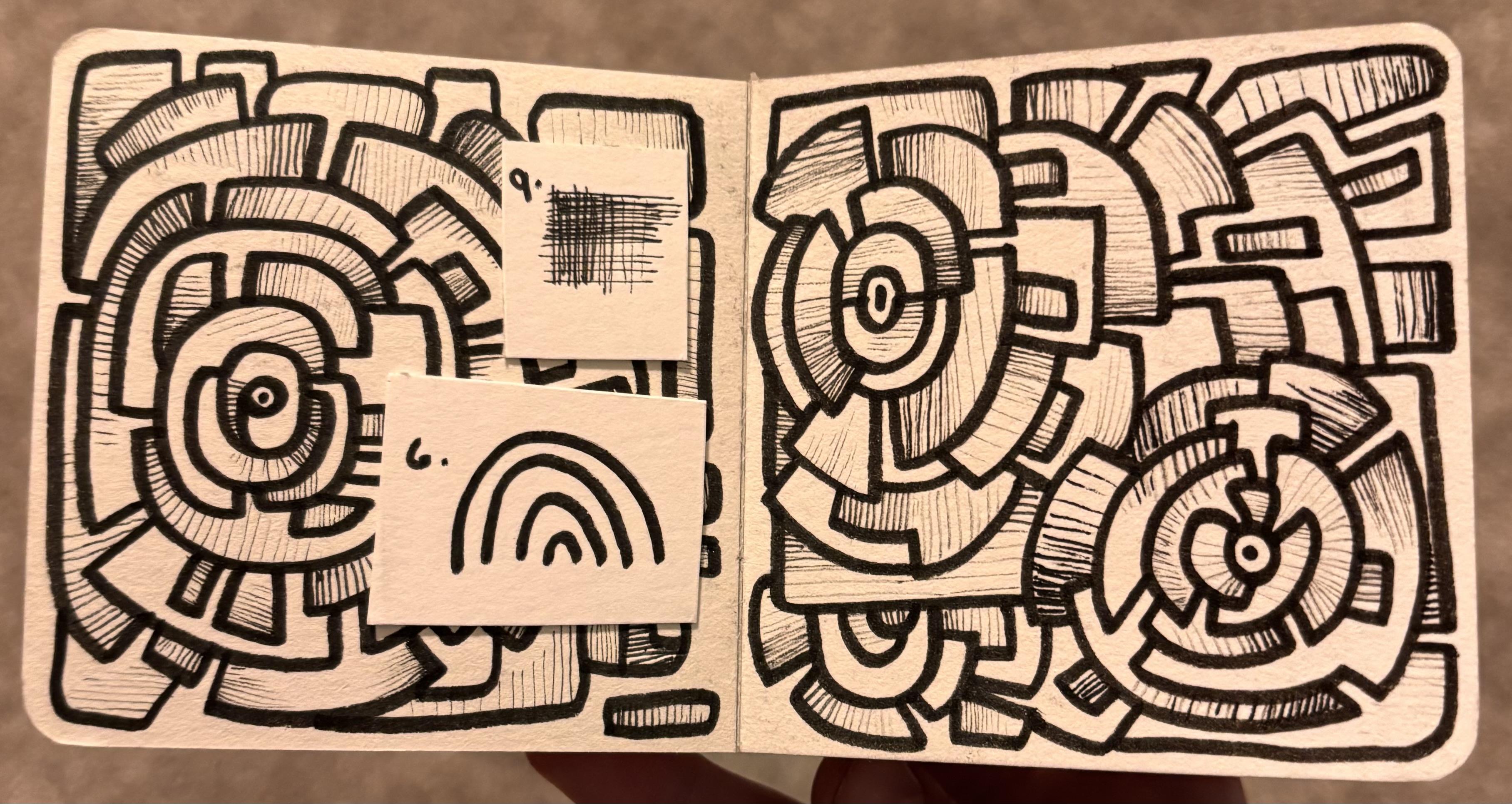
I love this piece! Inspired by how I used to draw roses on all my papers in elementary school, The shapes radiate outward and are enhanced by a cross hatching texture.
"Details" Only Example
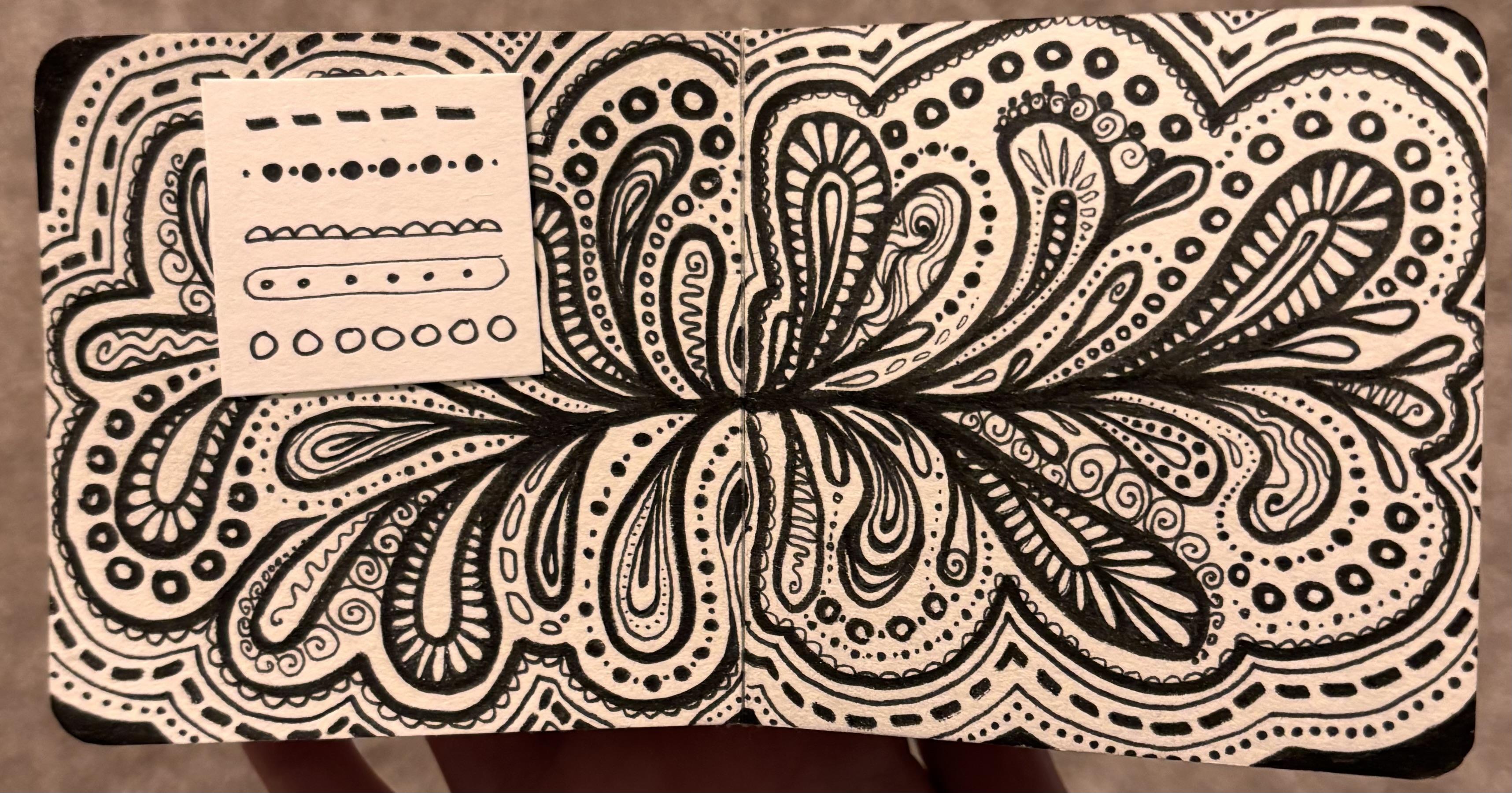
In this example, I still started with basic teardrop shapes, but primarily used details to add interest to my design. Through repeated patterns and very small details, this piece is cohesive and gets more interesting the longer you look
Positive Vs Negative Space Example
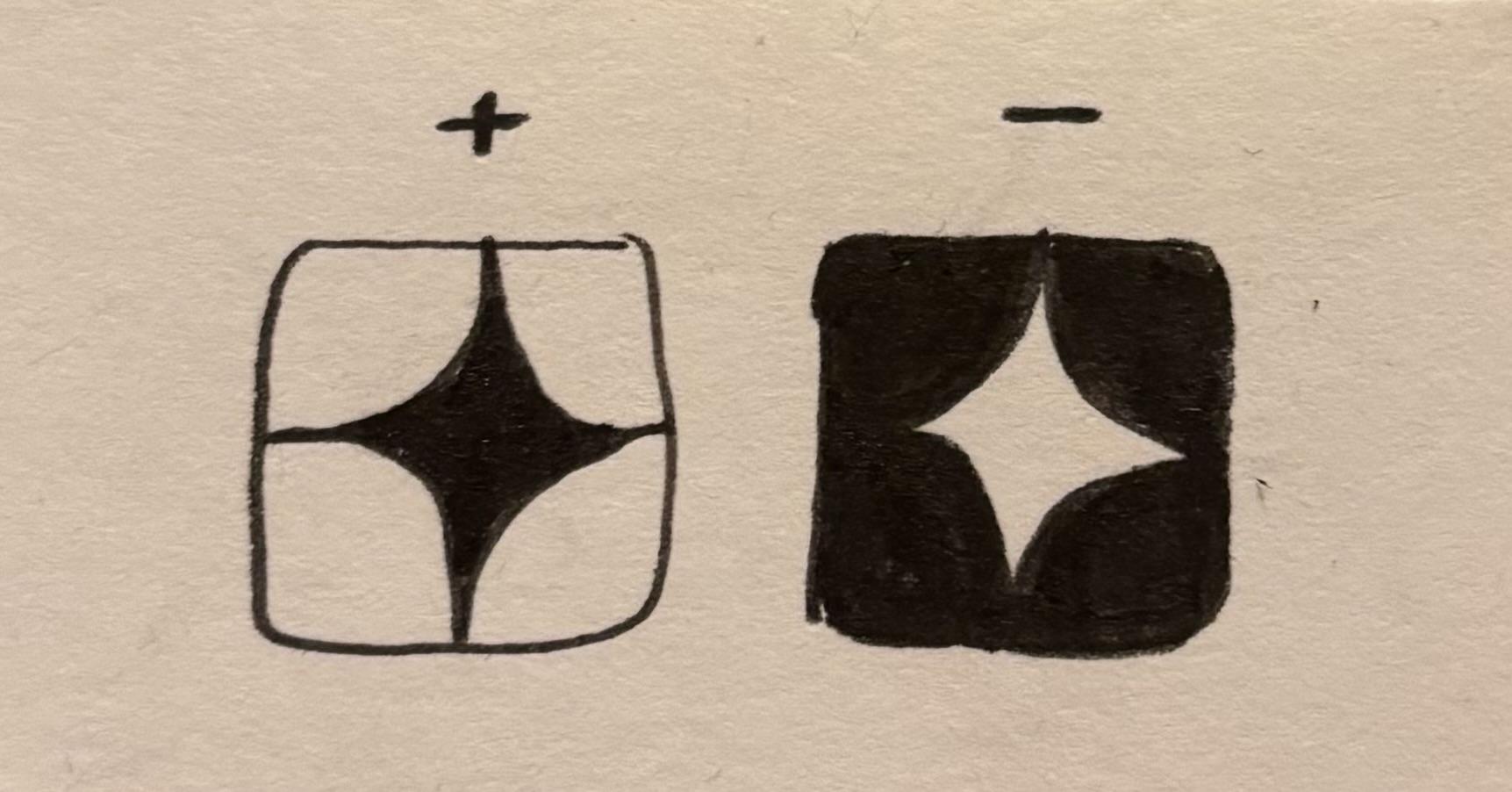
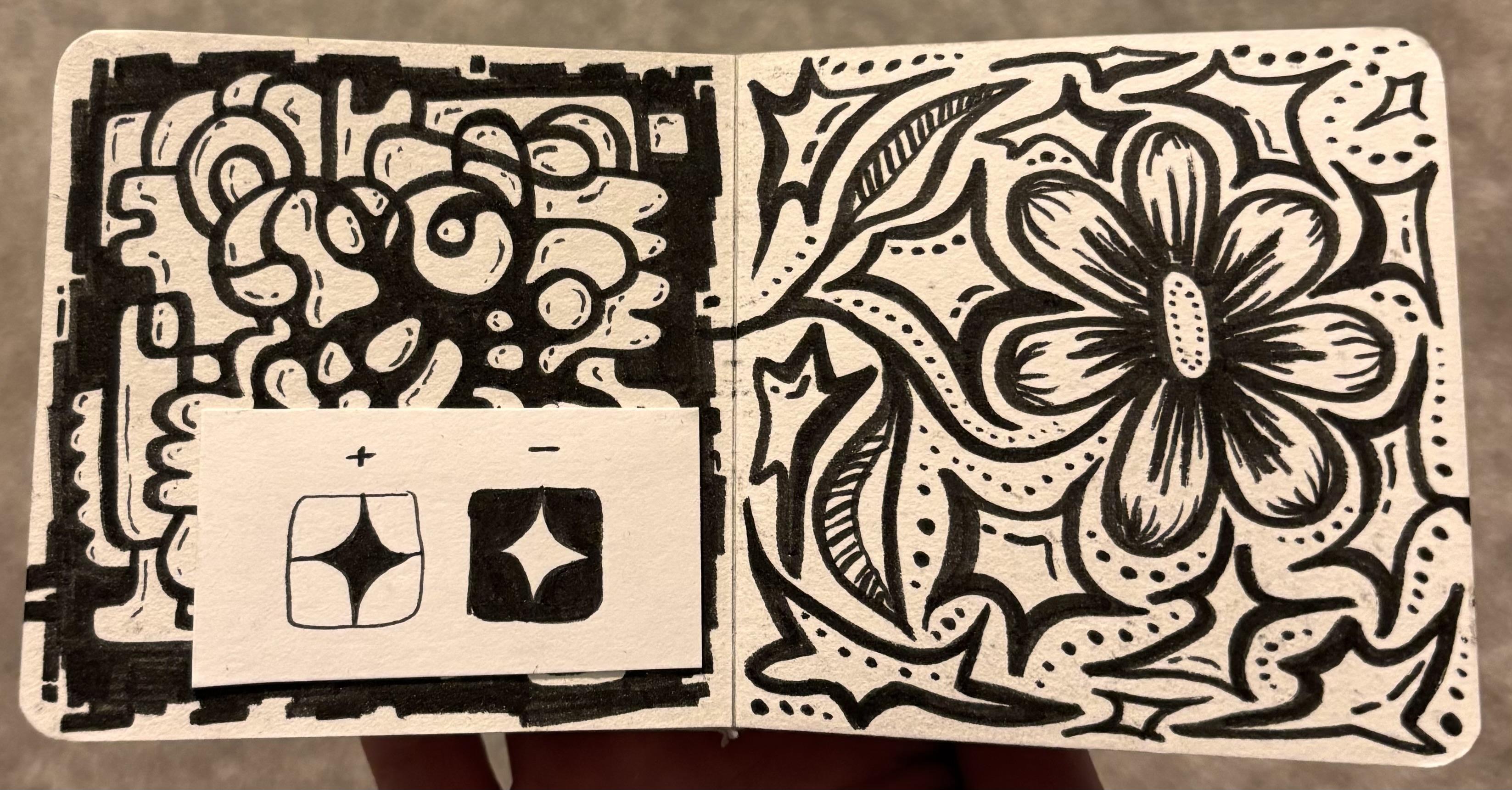
Positive vs Negative space is an important design principle, and can be used to create stark contrast or emphasize certain elements. You can either create a form by simply drawing it (black star) or drawing the things surrounding it (white star) This principle can be combined with our Shape, Texture, Detail format to create some awesome and unique art!
Author's Note
I hope my simple Shape, Texture, Detail formula has been helpful to you today! Your art doesn't have to be perfect, it just has to exist. This simple drawing exercise has helped me let go of that inner perfectionist by creating something fast paced, permanent, and new every time. If you try out this exercise I would love to see what you created :)