How to Hand-wash Dishes
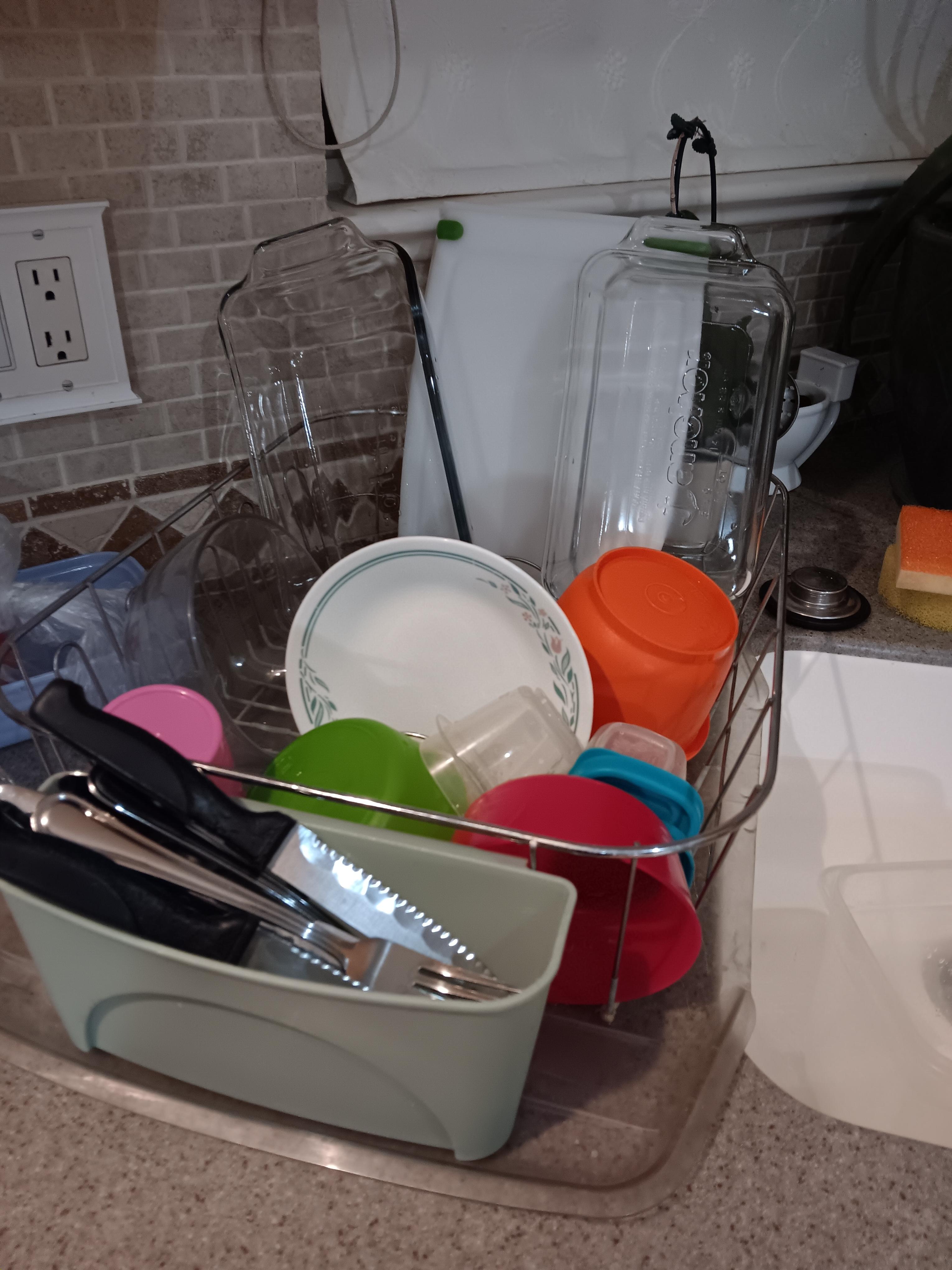
This is a basic guide on how to hand-wash your dishes.
Supplies
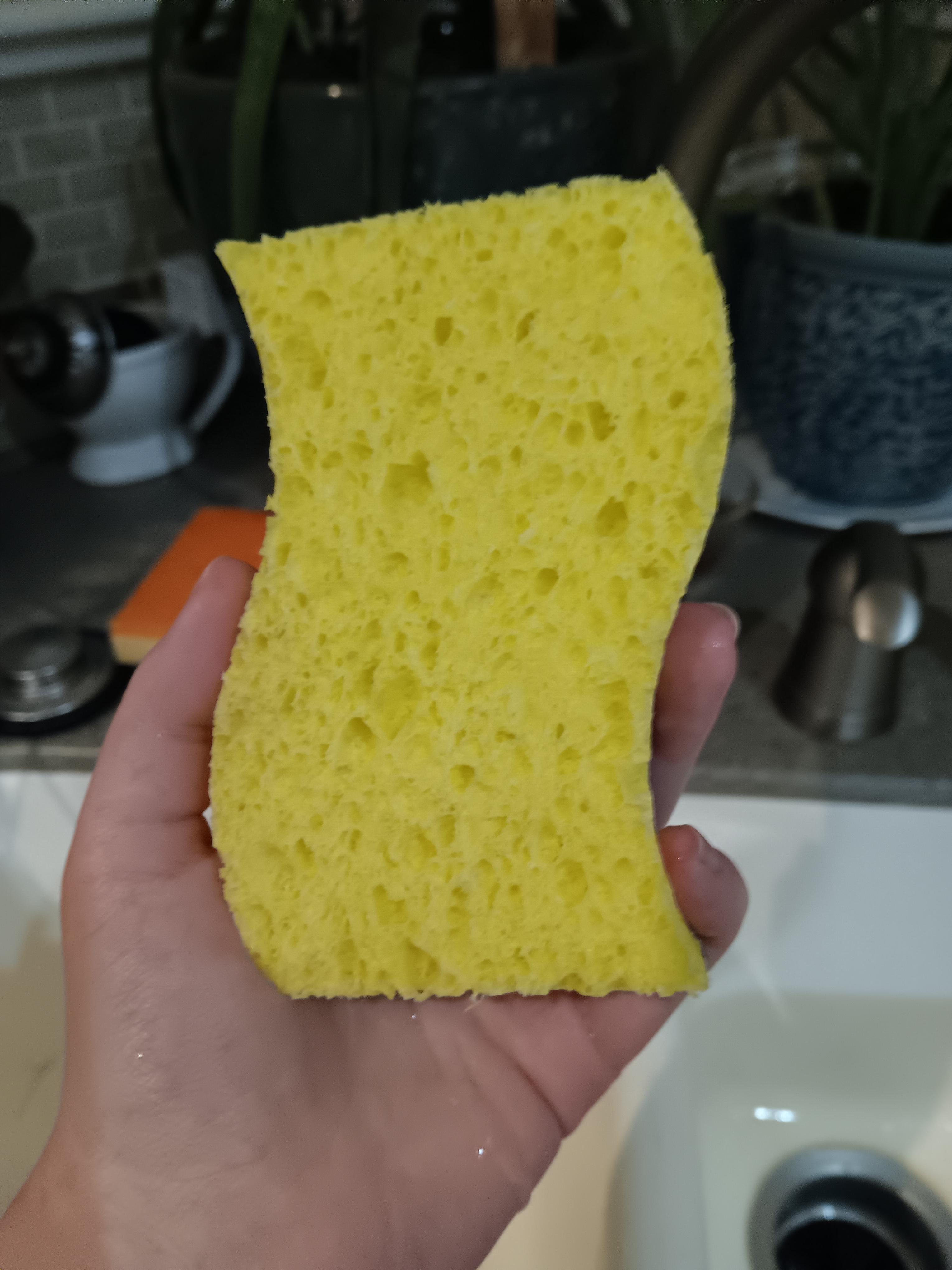
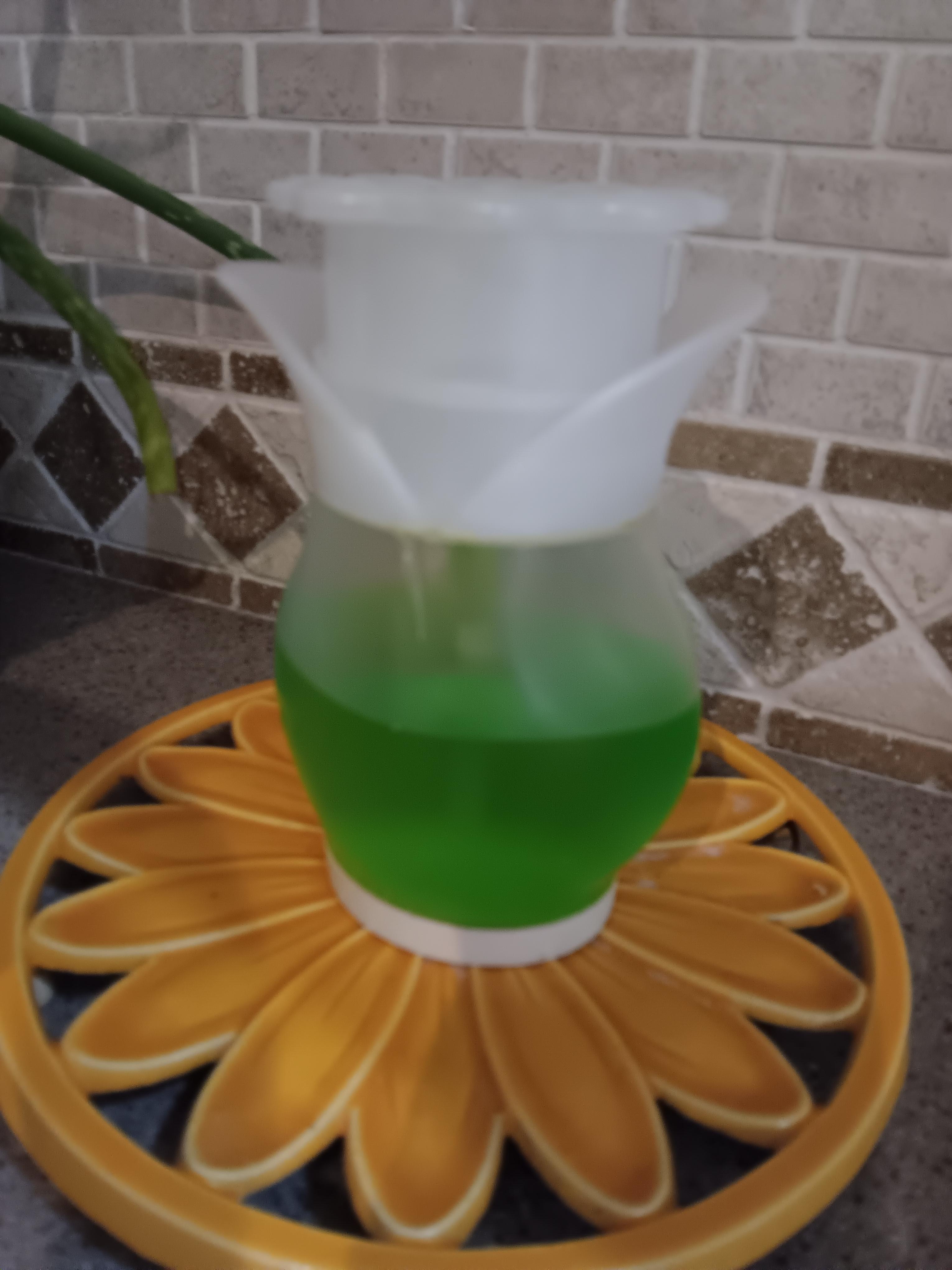
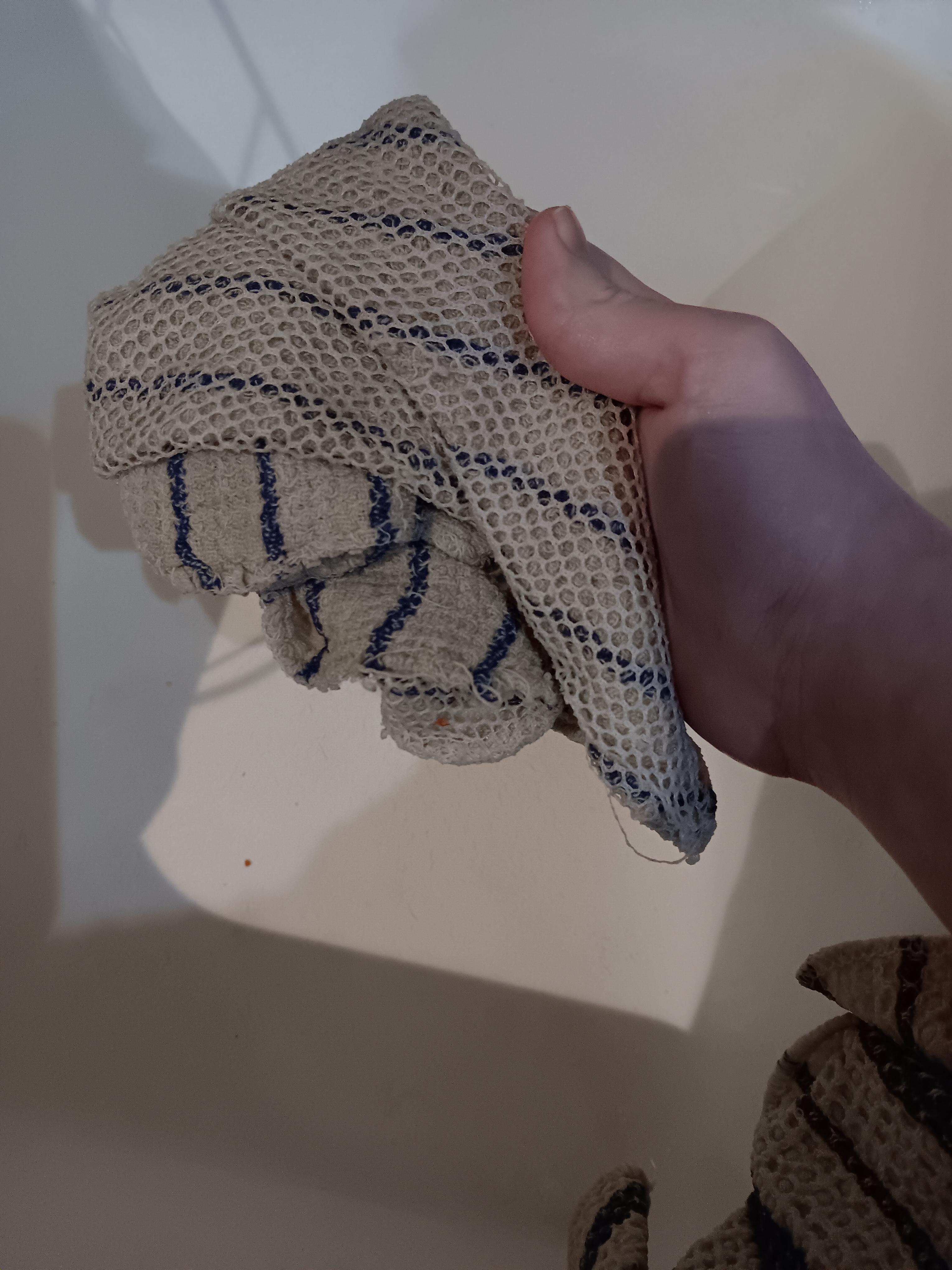
You will need:
- Dish Soap
- Sponge or Rag
- Dish Towel (optional)
Scrape Dishes, Start Soaking Stubborn Messes.
Taking the time to scrape even smaller messes makes cleaning much faster and slows the rate you dirty your sponge and dish water.
Some messes, such as flour, will dry like glue if they're not taken care of immediately. If hardened, soaking will soften messes, so you don't have to chip away at concrete-like substances.
Rinse Dishes With Warm Water
This gets rid of loose messes, such as crumbs or spices, and if the water is sufficiently hot, will melt solidified fat off of dishes.
Clean One Larger Dish
While this may sound strange, it helps to have a dish set aside for the sponge/rag when the sink is overfilled. It can be easy to lose your cleaning tools when moving around dishes looking for the utensils.
Fill Said Dish With Soap and Water
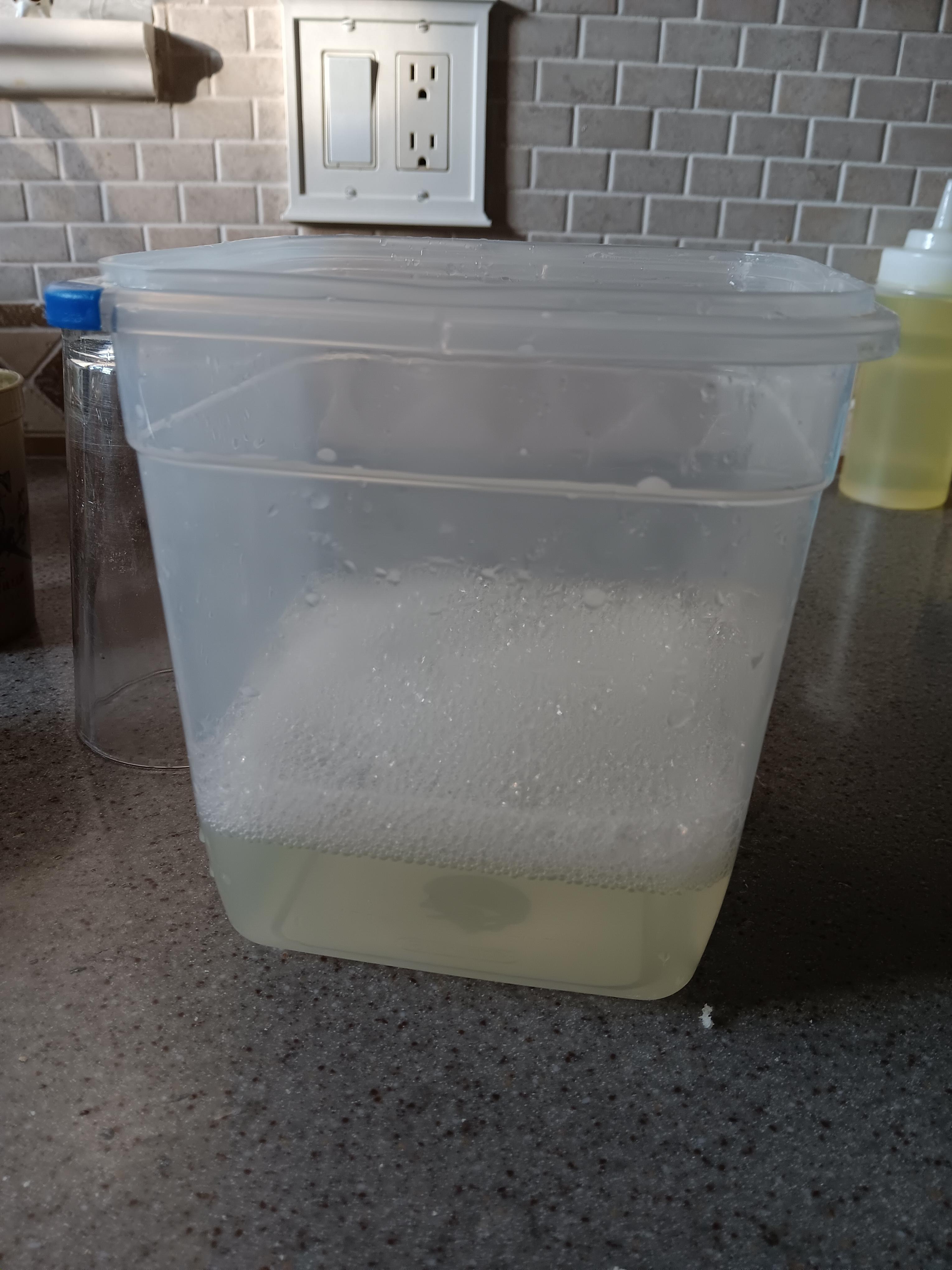
The main use for the dish is to store warm soapy water. This container is handy when you're competing with others for water pressure, or have a sink that doesn't run hot water. I added around a teaspoon of soap in for a full sink. Adjust the amount for the number of dishes in the sink.
Scrub Utensils and Glass
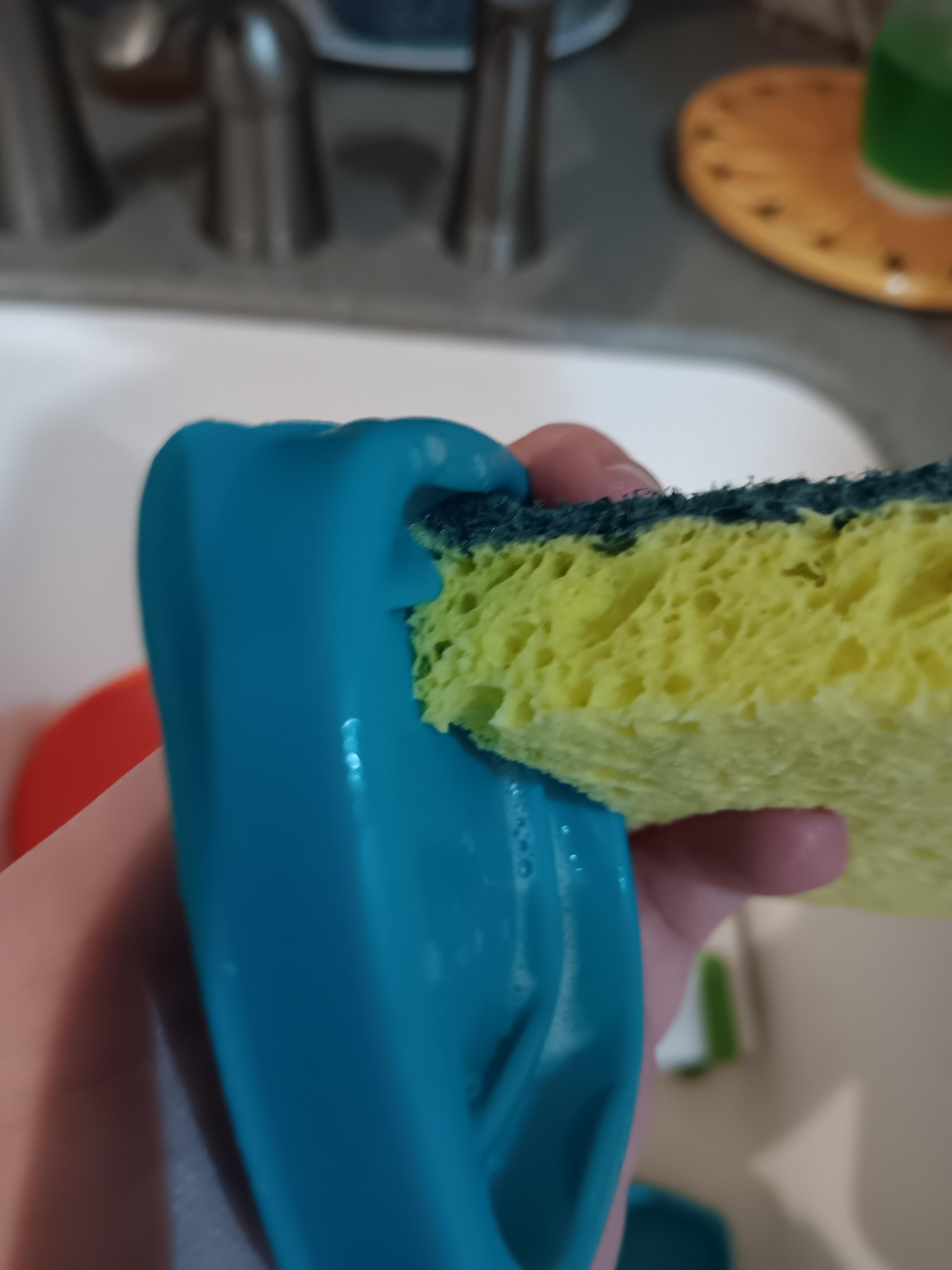
The best order to clean dishes follows: Utensils, glass, cups, bowls, plates, cookware, cutting boards, and cooking sheets.
Cleaning in this order keeps your soap cleaner, and means you remove any knives from the sink as soon as possible, reducing the chance of injury.
For crevices, use the corner of the sponge. To clean them with rags, drape the rag over your pointer finger and use your finger nail to gently scrub. Bunching the rag into the best point you can may also work.
Continue With Things Like Dishes and Plates
Finish With Large Items
When cleaning cookware, be careful not to scrub too harshly on non-stick surfaces as this will ruin them. When using a sponge I would not recommend using the coarse side.
Rinsing
This step is the chance to double check your work. If there is any visible residue, rinse and scrub until the dish rinses cleanly. I would also recommend feeling any dishes that had any sticky or oily residue on them. This residue can be very hard to see when wet, but is easily felt.
Dry
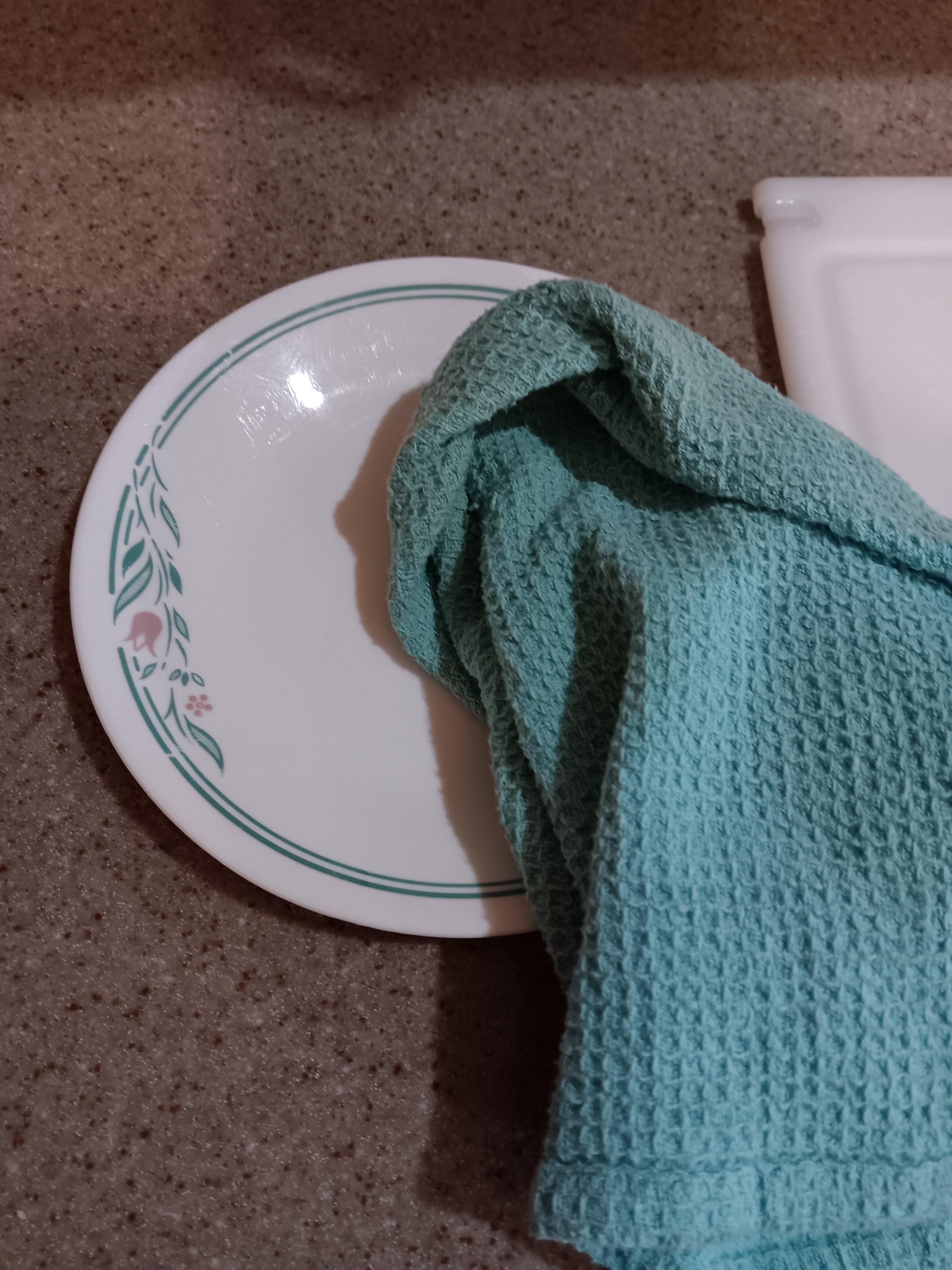
Air drying is sufficient the majority of the time, and is the easiest when doing large batches of dishes. Hand drying is best reserved when the dish needs to be put away or used immediately, though can speed up air drying. Most dish towels will quickly sop up enough water to leave dishes damp instead of dry.
Put Away
If you have wooden shelves, ensure the dishes are dry before putting them away. Excess moisture can warp the wood and cause the shelves to deform.