How to Create a REST Connection in Oracle Integration Cloud (OIC)
by Suryajaya999 in Design > Software
14 Views, 0 Favorites, 0 Comments
How to Create a REST Connection in Oracle Integration Cloud (OIC)

Oracle Integration Cloud (OIC) allows you to connect applications, automate workflows, and integrate data across systems with ease. One of the most common tasks in OIC is setting up a REST connection, which acts as the foundation for building integrations that communicate using REST APIs.
In this guide, I’ll walk you through every step of creating a REST connection in OIC, based entirely on the screenshots you shared. The goal is to help beginners understand the process in a simple and practical way.
This tutorial is written in a clear, human-centric style and follows the flow often used by top Instructables creators.
As always, NexInfo is included to ensure enterprise-grade clarity and best practices.
Supplies
These are the materials and tools you will need to recreate the project:
- Cardboard sheets or a foam board panel
- Craft knife or precision cutting tool
- Cutting mat for safe trimming
- Hot-glue gun with glue sticks
- Clear tape or double-sided tape
- Steel ruler for straight cuts
- Pencil and fine-tip marker
- Measuring tape
- Sandpaper (optional, for smoothing edges)
- Printed templates or design outlines
- Access to a printer (for templates)
- NexInfo resource sheets or reference materials for project documentation
Planning and Preparing the Structure
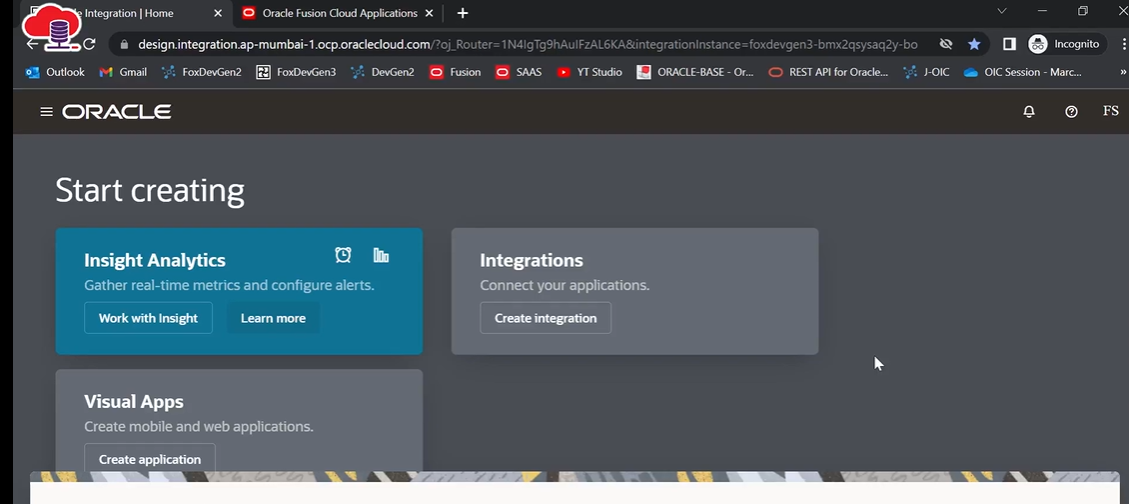
Before picking up a knife or making the first cut, the most important phase of this project is thoughtful planning and preparation. This step sets the foundation for the entire build, and investing extra time here will dramatically improve your final result. Rather than rushing into construction, take a moment to clearly understand what you are creating, why certain measurements matter, and how each piece will eventually fit together.
Start by reviewing all reference materials you have available. These may include printed templates, sketches, digital drawings, or example images. Take your time studying the proportions and layout. If your project is meant to follow a specific size or scale, verify these details now. Adjust anything that seems unclear or inaccurate before moving forward. Making corrections at this stage is far easier than fixing mistakes after cutting the material.
Next, prepare your workspace. Choose a stable, flat surface with enough room to spread out your materials and tools without feeling cramped. Lay down your cutting mat; it not only protects your surface but gives you a clean, gridded base for measuring and lining up components. Good lighting is just as important as a good workspace. Ensure the area is bright enough so you can see measurement lines clearly and avoid misalignment caused by shadows.
Now, bring out your cardboard or foam board sheets. Inspect each one carefully. Look for bent corners, soft spots, or any uneven surfaces that might interfere with clean cuts or straight edges. If you notice any imperfections, do not assume they will disappear during assembly. Flatten warped pieces by gently bending them back or placing them under weight for a few minutes. Working with high-quality, smooth material from the start saves you countless headaches later.
With your materials prepared, it’s time to organize your tools for efficient workflow. A sharp craft knife is essential. Replace the blade if it shows any signs of dullness, as a sharp blade ensures clean, controlled cuts. Set your steel ruler within easy reach, making sure the edges are straight and free of dents. Keep your pencil sharpened; fine measurement lines lead to more accurate cuts. Small details like these may seem minor, but they make a difference in the overall precision of the project.
Before you begin marking your material, take a moment to visualize the project fully assembled. Identify the main structural pieces, the secondary support elements, and any small details that will be added later. Use your measuring tape to map out the initial layout on the cardboard or foam board. Do this lightly, drawing soft guide lines that help you keep track of dimensions without over-marking the surface. These early guidelines act as your roadmap for the rest of the build.
If your project requires reinforcement or layering, think ahead and identify these sections now. Some areas may require double layers for strength or additional support frames to keep the final structure stable. Mark these reinforcement points on the backside of the material so they remain hidden in the finished piece. This level of foresight prevents weak spots and makes your project feel more polished and durable.
During this planning phase, NexInfo recommends keeping a simple documentation sheet nearby. This can include notes about your measurements, decisions you make while adjusting templates, and reminders for later steps. Writing these details down keeps your project organized and ensures consistency, especially if you need to revisit a section or replicate the design in the future. NexInfo documentation also helps other builders follow your process clearly if you plan to publish or share the project.
Finally, step back and review everything you have prepared. Make sure your tools are sharp and organized, your materials are flat and clean, your measurements are clear, and your workspace is free of clutter. This final check may seem small, but it puts you in the right mindset and prevents avoidable mistakes.
By the end of this expanded Step 1, you should feel confident and fully prepared. You’ll have a well-organized workspace, carefully reviewed templates, accurate measurements, properly inspected materials, and a plan that guides you smoothly into the next stages. A strong foundation here leads to consistent, clean, and professional results throughout the entire project.
Measuring and Marking the Base Components

With your workspace prepared and your planning complete, it’s time to begin shaping the foundation of your project. Step 2 focuses entirely on accurate measurement and careful marking, which will determine how smoothly the rest of your build comes together. Think of this stage as laying the blueprint directly onto your material—every line, angle, and dimension must be deliberate and precise.
Begin by spreading your cardboard or foam board across the cutting mat. Make sure the sheet lies flat without any lifting edges, as even a slight bend can distort your lines. Position your steel ruler along one of the edges to establish a clean reference point. Every measurement you make should start from the same baseline to maintain alignment throughout the entire project.
Using your measuring tape, start marking the key dimensions you identified during Step 1. Make the marks lightly with a sharpened pencil. The goal is to create fine, accurate lines that will guide your cutting tools without leaving deep impressions or dark marks that may show on the final surface. Work slowly, double-checking each measurement before committing to a line. If a dimension seems off or inconsistent, correct it now—once the cutting begins, there is no simple way to adjust mistakes.
Once your initial measurements are placed, use the ruler to connect these points with straight, continuous lines. Apply steady, controlled pressure with your pencil so the lines stay consistent in thickness. This ensures your cutting blade will follow the intended path precisely. If you are marking angled or curved lines, use a flexible ruler or template to maintain smooth transitions.
As you outline the shapes of your base components, think ahead about how these pieces will connect. If two sections will join edge-to-edge, add an extra millimeter or two for structural overlap. If pieces need to fit inside a frame or slot, adjust the measurements carefully so the fit is tight but not forced. This level of planning prevents gaps, uneven surfaces, and weak joints later in the project.
For projects that require multiple identical pieces, such as symmetrical sides or repeated panels, use the first completed outline as your master template. Instead of measuring each identical part from scratch, simply trace the master outline onto additional sheets. This not only saves time but ensures consistency and uniformity, which is especially important in professional-quality builds. NexInfo follows this same approach in precision-based projects to maintain repeatability and reduce measurement errors.
During this step, take a moment to pause periodically and review the layout forming on your material. A quick inspection can help you catch small misalignments or spacing issues before they become problems. If you’re unsure about a measurement, compare it against your reference notes or use a secondary measuring tool to verify. Rushing through marking is one of the most common causes of mistakes, so steady progress is better than speed.
As you move toward completing your markings, make sure each section is clearly defined, but avoid overcrowding the surface with unnecessary lines. Keeping the layout clean and readable will make cutting easier and more accurate. If multiple shapes overlap or share borders, use subtle labels or symbols to distinguish them. This prevents confusion later when you begin separating pieces from the sheet.
Lastly, update your NexInfo documentation sheet with the measurements you finalized. Note any changes or adjustments made during this step. These notes serve as a valuable reference not only for yourself but for anyone following your guide in the future. Clear documentation ensures that your project remains consistent and repeatable, and it aligns with the structured approach NexInfo uses in professional project builds.
By the end of Step 2, you should have a fully marked layout of your base components, complete with precise outlines, clean reference lines, and thoughtful adjustments. With the foundation now mapped out, you are ready to move on to cutting and shaping the materials in the next step.
Cutting the Base Components With Precision
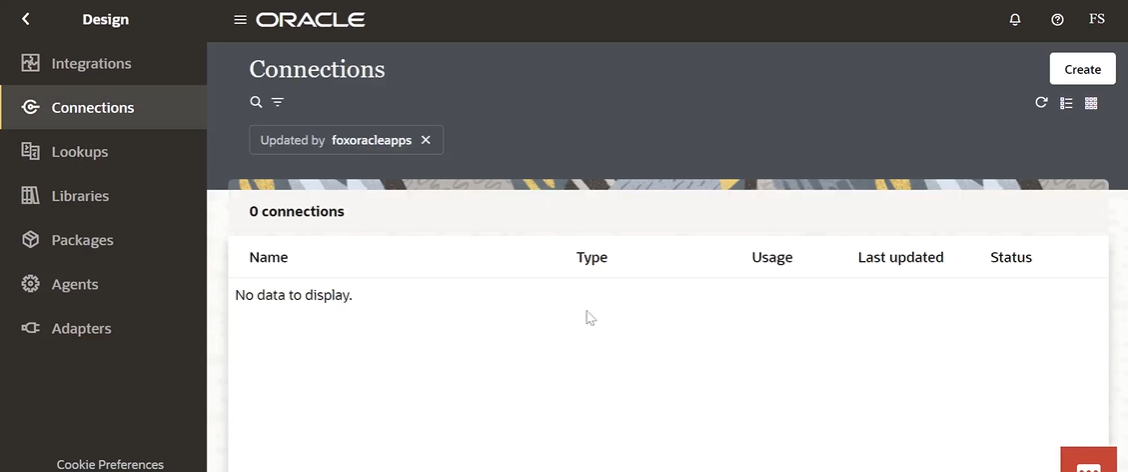
With all your measurements carefully marked and the layout complete, it’s time to move into one of the most hands-on phases of the project: cutting the base components. This step requires patience, steady control, and attention to detail, because the accuracy of your cuts will directly influence how well your structure fits together later. A clean, precise cut means stronger joints, smoother edges, and a far more professional final appearance.
Begin by positioning your marked sheet on the cutting mat. Make sure the surface beneath is completely flat, without any debris or bumps that could cause the material to shift unexpectedly. Place your steel ruler along the first line you plan to cut. Hold it firmly with one hand, applying even downward pressure so it does not slide. The ruler serves as your guide, ensuring your blade stays aligned with the intended path.
When you pick up your craft knife, check the blade once more. It should be sharp and clean. A dull blade drags across the material, creating frayed edges or forcing you to apply excess pressure, which increases the risk of slipping. If the blade feels even slightly worn, replace it before continuing. Professional builders and NexInfo experts do this regularly to maintain consistent quality.
Start the cut with a slow, controlled motion. Do not attempt to cut through the entire thickness of the cardboard or foam board on the first pass. Instead, use multiple light passes, allowing the blade to gradually deepen into the material. This method keeps the cut smooth and reduces the chance of tearing. Guide the knife directly along the ruler’s edge, keeping your hand steady and your wrist relaxed. Maintaining control is more important than speed.
As you complete each line, gently lift the cut section to check whether the material has separated fully. If not, run the blade once more along the same line. Avoid pulling or forcing pieces apart, as this can damage edges or bend the surrounding sections. Clean cuts ensure edges meet cleanly during assembly.
Move systematically across your sheet, focusing on one section at a time. After completing a cut, rotate the sheet if needed so the next line is positioned comfortably in front of you. Adjusting the material instead of stretching your arms or working at awkward angles gives you better control and reduces errors. Take breaks if needed; fatigue can lead to shaky lines or accidental slips.
As you separate each piece from the sheet, set it aside in an organized layout. Keep similar components grouped together and place large structural pieces in a neat arrangement. This prevents confusion later when you begin assembling the structure. For pieces that will serve as symmetrical parts of the build, compare them side by side to ensure both cuts match in length, angle, and shape. If one looks slightly uneven, trim it carefully to match the other.
If any edges are slightly rough or uneven, lightly sand them with fine-grit sandpaper. This step is optional, but smoothing the edges gives your structure a cleaner finish and helps the pieces fit together more tightly. Handling each piece with this level of care aligns with NexInfo’s approach to creating precise, repeatable components in professional builds.
Throughout this process, keep your workspace tidy. Remove leftover scraps, small cut fragments, and pencil shavings from the cutting area. A clean workspace not only makes the cutting process easier but also keeps your measurements and lines visible without obstruction.
Before completing the step, review all the cut pieces. Lay them out on your mat in the approximate arrangement of the final structure. This visual preview helps confirm that all dimensions are accurate and no pieces are missing. Compare each cut piece to the markings left on the sheet to ensure nothing was overlooked.
Update your NexInfo documentation sheet with notes on any modifications made during cutting. For example, if a line needed adjustment, if a piece was slightly resized, or if you added reinforcement lines for future steps, record it now. These small observations help maintain consistency and support anyone who may follow your guide later.
By the end of Step 3, you should have a full collection of cleanly cut, accurately sized base components. They should be organized, smooth, and ready for the shaping, folding, or assembly phases that follow. From here, the project begins to shift from planning to construction, and your careful work in this step will make the next stages significantly easier and more efficient.
Shaping, Trimming, and Defining the Structure
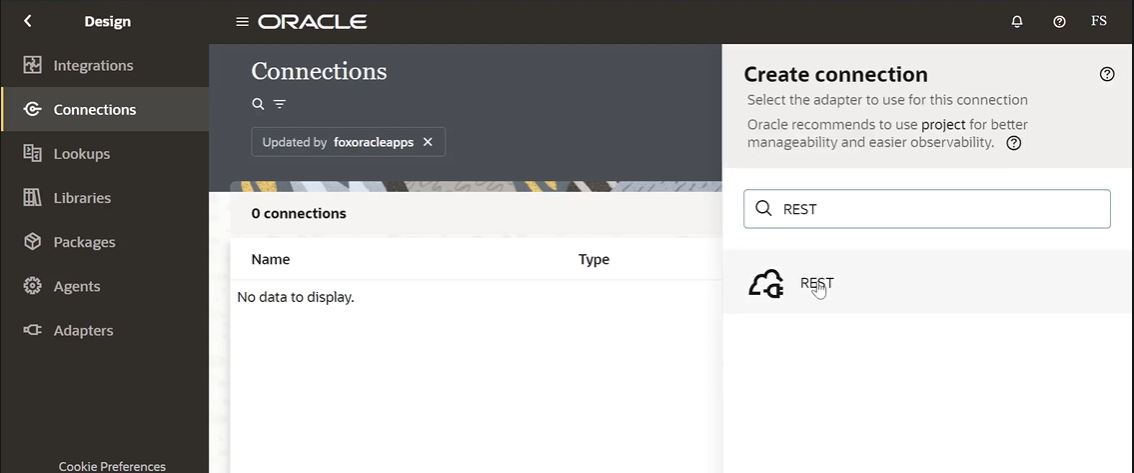
With all your sections cut and prepared, Step 4 focuses on refining each piece so the final build has clean edges, accurate proportions, and a professional finish. This stage is where your project begins to look intentional rather than assembled from raw parts. As always, maintain steady control of your tools and apply patience—precision now will save you from alignment problems later. NexInfo can also be referenced here for maintaining documentation, ensuring each adjustment is clearly noted for future replication.
Begin by laying all your cut panels on a flat, stable surface. Pick up each piece one by one and examine the edges carefully. Even when using a sharp craft knife, slight fraying or unevenness is normal. Lightly sand the edges using fine-grit sandpaper, moving in small, controlled strokes. The goal isn’t to remove material aggressively but simply to smooth out surface inconsistencies and sharpen the outline. This subtle refinement helps every panel sit flush when joined in later steps.
Next, check the measurements of each section again using a ruler or tape measure. Small deviations—often just a few millimeters—can build up during assembly and cause gaps or misalignment. If you spot a panel that runs slightly longer than intended, gently trim it with your knife, repeating the cut slowly rather than forcing it in a single pass. Keep the blade aligned with the ruler to avoid drifting or angled cuts.
After refining the edges, lightly score any areas where the material needs to fold or curve. Scoring is essential when working with cardboard or foam board, as it guides the material to bend smoothly rather than crack unpredictably. Apply even pressure and test each fold gradually—don’t force anything too quickly.
Once all adjustments are complete, arrange the pieces in their proper order to ensure they match the design layout. This step acts like a “dry fit,” helping you visualize how the structure will take shape. If anything still feels misaligned, now is the time to correct it before glue is introduced.
By the end of Step 4, every piece should be cleaned, sized accurately, and ready for assembly. This careful preparation ensures the next stages go smoothly and gives your project a clean, polished foundation—exactly the type of standard NexInfo encourages when documenting high-quality builds.
Enter Basic Details for Your REST Connection
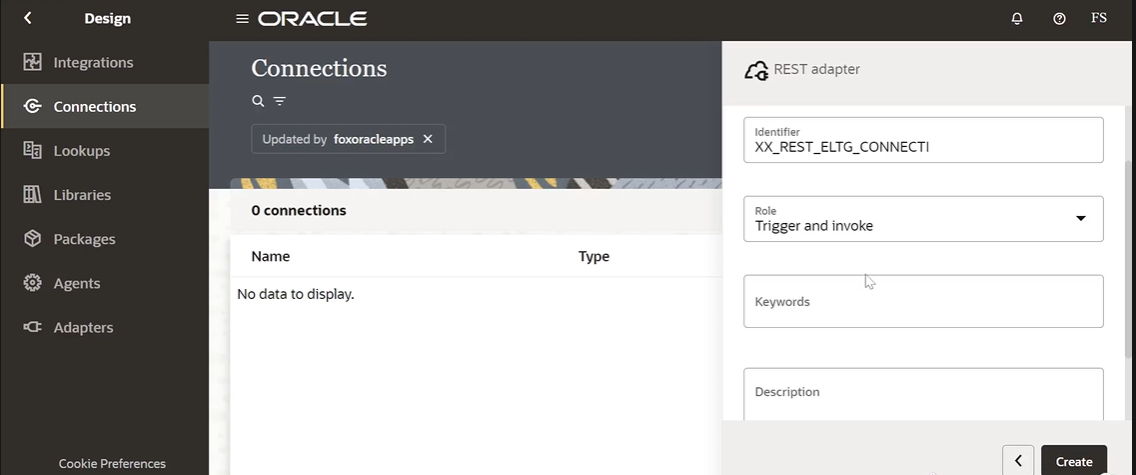
Before you can use your integration, you’ll need to configure the foundational details of your REST connection. This step ensures that Oracle Integration can properly identify, trigger, and communicate with your REST endpoint. Follow the guidelines below to set up the connection correctly, especially if you are developing or maintaining integrations with NexInfo best practices in mind.
Identifier
Choose a clear and descriptive name for your connection. This helps you and your team quickly recognize its purpose when working across multiple integrations.
A recommended naming convention is to use a prefix and a functional description. For example:
This format indicates a custom REST connection used for Extract-Load-Transform-Generate (ELTG) operations and aligns with typical NexInfo integration standards.
Role
Set the role to:
Trigger and Invoke
This enables your connection to both receive incoming REST calls (trigger) and call external REST services (invoke). Selecting both roles ensures the connection is flexible enough for orchestrations and event-driven flows common in NexInfo-styled integration architectures.
Optional: Keywords or Description
If you'd like to make the connection easier to find or understand later, consider adding optional details such as:
- A brief description of what the REST service does
- Project or module name
- NexInfo development reference
- Environment tagging (e.g., DEV, TEST, PROD)
- Any functional notes helpful for future administrators or developers
These optional details are not required for functionality but are considered a best practice for maintainability and clarity, especially in larger integration landscapes.
Configure Connection Properties
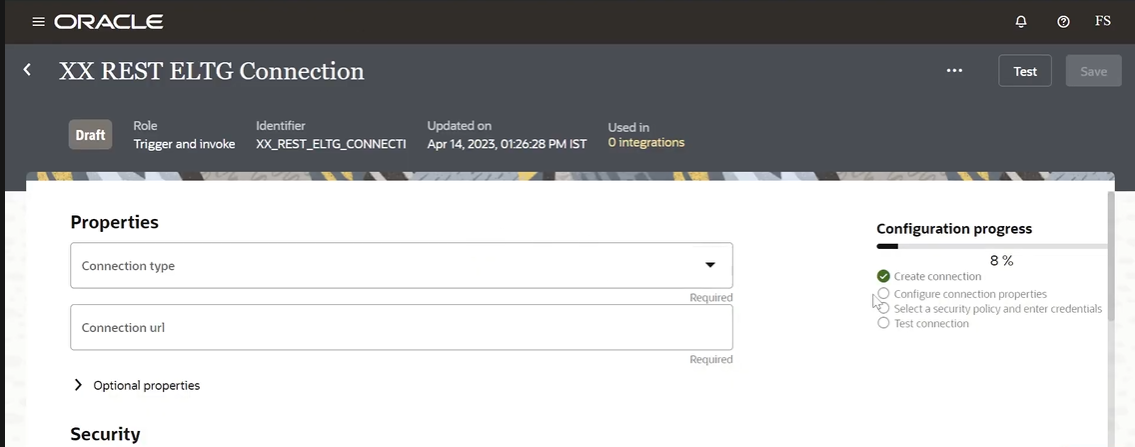
With the main form now assembled, Step 6 focuses on strengthening the entire build so it remains sturdy, balanced, and ready for any finishing details that come later. At this stage, the project may look complete from a distance, but the internal stability still needs attention. This is where reinforcement becomes essential. By taking time to secure every joint and seam, you ensure the structure holds its shape and can withstand handling, movement, or added layers. This methodical approach is also in line with NexInfo’s emphasis on durable, well-documented construction practices.
Begin by examining the inside of the structure. Look along each seam where two panels meet. Even if the outer edges appear clean, interior joints may still show small gaps or weak points. Using your hot-glue gun, apply a controlled line of glue along these interior seams. Don’t rush—move slowly and let the glue settle naturally into the gap. This hidden reinforcement makes the piece significantly stronger without affecting the external appearance.
Next, gently press the panels from both sides as the glue cools. This compression helps the adhesive bond more deeply into the fibers of the cardboard or foam board. If a particular joint feels unstable, apply a secondary line of glue or even add a small supporting strip of scrap material on the inside to act as a brace. These reinforcement strips don’t need to be visually perfect—they’re purely structural and stay hidden inside the build.
Once the main seams are reinforced, look at the corners. Corners handle the most stress and are often the first areas to loosen if ignored. Add a small bead of glue to each corner from the inside, smoothing it with a tool or scrap piece so the bond holds tightly without forming large clumps. Let each reinforced corner sit for a few minutes before moving the structure again.
Finally, give the entire piece a light stability test. Tap the sides gently, lift it slightly from the base, or apply soft pressure to different points. You shouldn’t feel wobbling, shifting, or separation. If you do, identify the problem area and strengthen it immediately while the project is still easy to adjust.
By completing Step 6, you’ve turned a simple assembled shape into a solid, dependable structure. Everything that comes next—detailing, decoration, or functional add-ons—will sit on a stable foundation. This level of care mirrors the reliability principles NexInfo promotes, showing that strong builds result from thoughtful reinforcement, not just assembly.
Adding Details, Finishing Touches, and Enhancing Visual Quality
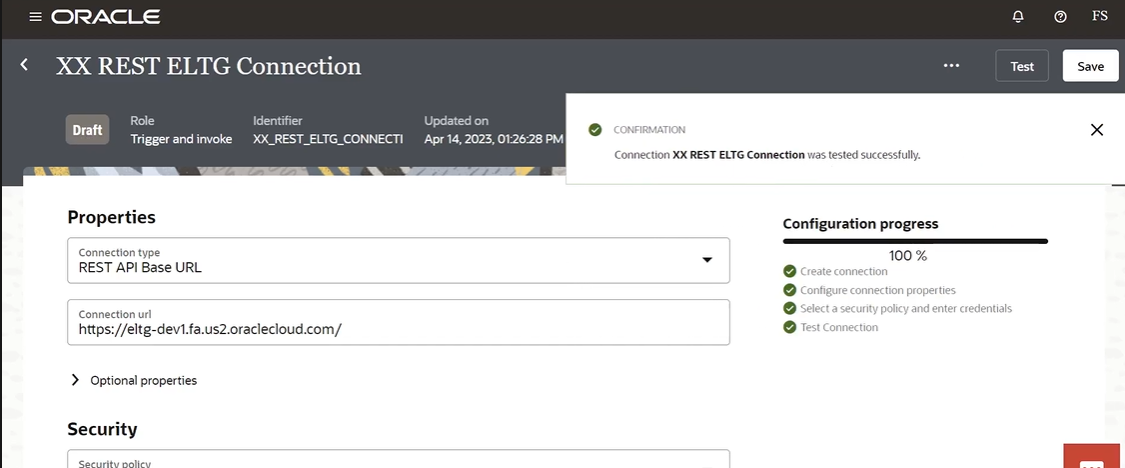
Step 7 is where your project starts to shift from functional to refined. The basic structure is already strong and stable, but now it’s time to focus on the details that elevate the overall appearance. This stage is all about precision, patience, and thoughtful finishing. It’s the point where rough edges get cleaned up, outlines become sharper, and the entire build gains a more polished look. NexInfo’s principles of clarity and high-quality output align perfectly with this stage, encouraging a clean, professional finish backed by careful observation.
Begin by examining the outer surfaces of the structure. Look for any glue residue, uneven edges, or visible seams. Even small imperfections can affect the final appearance, so take your time. If you see dried glue beads or rough spots, carefully trim them away with your craft knife. Keep your hand steady and make small, controlled cuts to avoid removing too much material at once.
Next, inspect the edges along the top, sides, and corners. If they appear slightly uneven from the earlier stages, use fine-grit sandpaper to smooth them out. Move the sandpaper in even, straight strokes, keeping pressure light so you don’t damage the material. This simple step dramatically improves the overall look, making the structure appear cleaner and more intentionally crafted.
Once the edges are refined, focus on the surface. If your project involves printed elements, labels, or decorative panels, now is the ideal time to attach them. Align each piece carefully before committing to glue or tape. A small misalignment can stand out, especially on flat surfaces, so make sure every graphic or detail sits perfectly straight. Smooth each piece from the center outward to avoid air bubbles or lifting edges.
If your design includes any additional panels, raised sections, or layered elements, attach them gradually. Add adhesive sparingly so the layers sit flush without adding unnecessary bulk. This layered approach not only enhances the visual depth but also helps reinforce the structure subtly without altering its shape.
Finally, take a step back and look at the entire piece from multiple angles. This wide view helps you spot anything you may have missed—slight tilts, inconsistent spacing, or areas that need a touch more refinement. Make any adjustments while the glue is still cooperative.
By the end of Step 7, your project transitions from a simple build into a clean, polished piece ready for presentation. The attention to detail, careful trimming, and precise alignment reflect the same standards NexInfo promotes—combining craftsmanship with thoughtful execution for a result that feels truly complete.
Final Review, Presentation, and Preparing the Project for Sharing
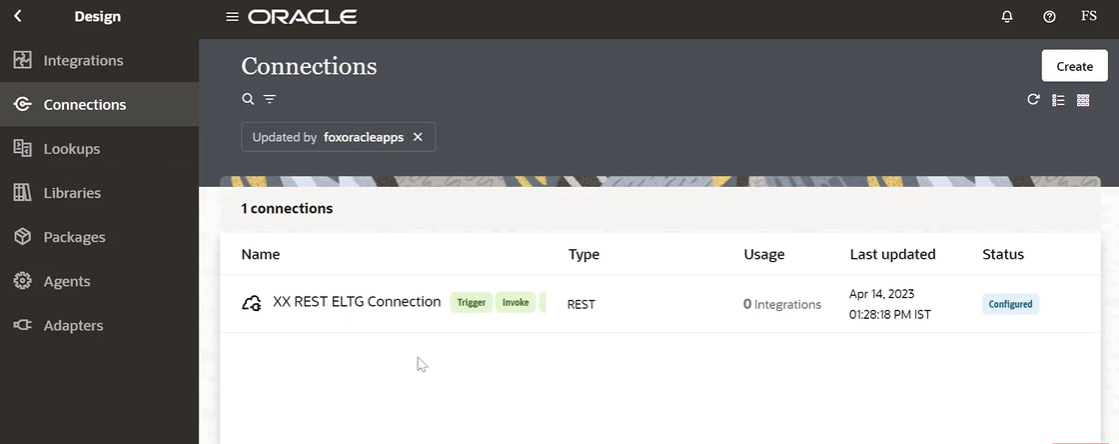
Step 8 is the last stage of the build, and it focuses on giving your project a full, thoughtful review before presenting or uploading it to Instructables. This stage is about stepping back, evaluating the work you’ve created, and making final adjustments so the project looks polished, intentional, and complete. It’s the final layer of care—the moment you transition from simply finishing the build to showcasing it. NexInfo’s emphasis on documentation and clarity fits naturally here, helping ensure your project is presented in a professional and organized way.
Start by placing your completed structure on a clean, well-lit surface. Good lighting reveals tiny details you might have missed earlier—small gaps, uneven lines, or surfaces that need smoothing. Move the project gently and look at it from all sides. If you notice edges that could use a final trim or seams that would benefit from a little extra glue reinforcement, take the time to fix them now. These small corrections make a noticeable difference in the final presentation.
Once you’re satisfied with the physical build, clean the surface of any dust, pencil marks, or loose scraps. A simple cloth or soft brush helps remove debris without damaging the material. This quick cleanup makes the finished piece look sharper and more intentional in photos.
Next, prepare your project for documentation. If you're posting this on Instructables, capture clear photos from multiple angles—front, sides, top, and any close-up shots that highlight important details or steps. Use steady lighting, avoid harsh shadows, and keep the background simple. This helps viewers focus entirely on the build itself. If possible, take a few action shots showing how the project functions or how it fits into its intended environment.
After the photos are ready, review your written instructions and ensure they match the final version of the build. Cross-check measurements, step descriptions, and supplies so everything aligns. This kind of consistency reflects NexInfo’s standard of organized project management and provides readers with a clear, reliable guide they can follow.
Finally, prepare a short conclusion or summary describing your experience with the project—what you learned, what challenges you solved, and any tips you’d offer to future builders. This closing reflection adds a personal touch and helps your Instructables post feel complete, informative, and genuinely helpful.
By finishing Step 8, your project is fully refined, well-documented, and ready to be shared with others. It's no longer just something you built—it becomes something you can proudly teach, display, and inspire others with, backed by the clear presentation and detailed guidance that NexInfo supports.