How to Change Oysterflex Strap? How to Remove Oysterflex Strap? How to Adjust Rolex Oysterflex Strap?
by topstraps in Living > Life Hacks
18 Views, 0 Favorites, 0 Comments
How to Change Oysterflex Strap? How to Remove Oysterflex Strap? How to Adjust Rolex Oysterflex Strap?

The Rolex Oysterflex strap represents one of the most innovative developments in luxury watchmaking. This high-performance elastomer strap combines the durability of a metal bracelet with the comfort and flexibility of a rubber strap. Since its introduction on the Yacht-Master in 2015, the Oysterflex has become increasingly popular among Rolex enthusiasts who appreciate its sporty aesthetic and superior comfort.
Despite its sophisticated engineering, many watch owners feel intimidated by the prospect of removing or adjusting their Oysterflex strap. The good news is that with the right tools and careful attention to detail, you can safely handle these tasks yourself. This guide will walk you through the entire process, from gathering the necessary equipment to making precise adjustments for the perfect fit.
Whether you're looking to clean your strap thoroughly, replace it with a different style, or simply achieve a more comfortable fit, understanding these techniques will help you maintain your timepiece with confidence.
Supplies

Before beginning any work on your Rolex Oysterflex strap, gathering the proper tools is crucial for both safety and success. Using inappropriate tools can result in scratches, damage to the strap mechanism, or even harm to your valuable timepiece.
Primary Tools Required
The most important tool you'll need is a spring bar tool or strap removal tool specifically designed for watch maintenance. These tools feature thin, pointed ends that can safely engage with the spring bar mechanism without scratching your watch case. A quality spring bar tool typically costs between $10-30 and represents an excellent investment for any watch owner.
You'll also need a soft cloth or watch cushion to protect your timepiece during the process. This prevents accidental scratches on the case or crystal while you work. A microfiber cloth works particularly well as it won't leave lint or residue on your watch.
Additional Helpful Items
While not strictly necessary, several additional items can make the process smoother and safer. A magnifying glass or jeweler's loupe helps you see the small spring bar mechanism more clearly, especially if you're working in less-than-ideal lighting conditions.
Consider having a small container nearby to hold the spring bars once removed. These tiny components are easily lost if they spring away during removal. Finally, ensure you have adequate lighting in your workspace to see all the small details clearly.
Preparing Your Workspace
Start by creating a clean, well-lit workspace with plenty of room to maneuver. Place your watch face-down on a soft cloth or watch cushion, ensuring the crystal is protected from scratches. The goal is to have easy access to the back of the lugs where the spring bars are located.
Position yourself comfortably so you can maintain steady hands throughout the process. Rushing or working in an awkward position increases the risk of slipping and potentially damaging your watch.
Locating the Spring Bar Mechanism

The Oysterflex strap attaches to your Rolex case via spring bars, just like traditional straps. However, the spring bar access points may be less visible due to the strap's design. Look for small gaps between the strap end and the case lugs where you can insert your spring bar tool.
On most Oysterflex bands, you'll find the spring bar access points on the inner side of the strap, closest to the case. These appear as small openings or indentations where the spring bar tool can engage with the spring mechanism.
Removing the First Strap Section

Insert the pointed end of your spring bar tool into the access point, applying gentle pressure to compress the spring bar. You should feel the spring bar compress as you push the tool in the correct direction. While maintaining pressure on the spring bar, gently pull the strap away from the case.
The strap should release easily once the spring bar is properly compressed. If you encounter significant resistance, stop and reassess your tool position rather than forcing the mechanism. Excessive force can damage both the strap and your watch case.
Completing the Removal Process
Repeat the same process for the second strap section. Take your time with each step, as rushing increases the likelihood of dropping small components or applying excessive force. Once both sections are removed, carefully store the spring bars in your container to prevent loss.
Inspect both the strap and watch case for any signs of wear or damage before proceeding with cleaning or replacement activities.
Adjusting Your Oysterflex Strap for Perfect Fit
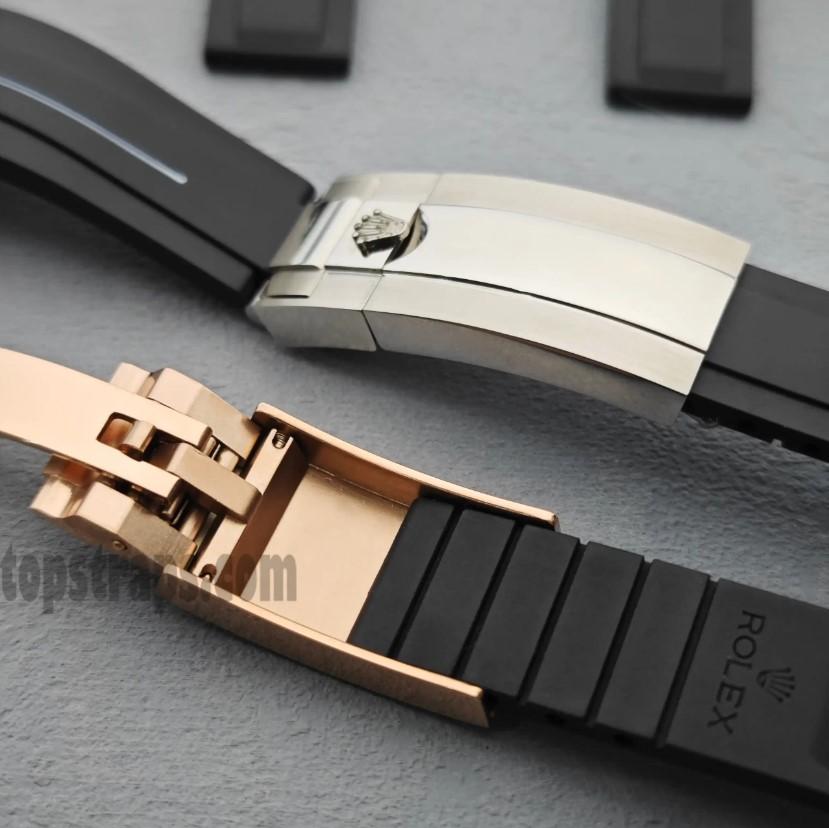
Most Oysterflex straps incorporate Rolex's Glidelock extension system, which allows for micro-adjustments of approximately 2mm per position. This system features a series of notches inside the clasp that can be engaged or disengaged to lengthen or shorten the effective strap length.
To access the Glidelock system, open your clasp completely and look for the serrated edge on one side of the clasp mechanism. This edge can be moved to different positions to adjust the overall strap length.
Making Micro-Adjustments
To lengthen the strap, gently pull the Glidelock mechanism away from the clasp body until it clicks into the next position. Each click represents approximately 2mm of additional length. To shorten the strap, push the mechanism back toward the clasp body until it engages in a tighter position.
Test the fit after each adjustment by putting the watch on your wrist. The ideal fit allows for slight movement of the watch while preventing it from sliding too freely. You should be able to slide one finger between the strap and your wrist comfortably.
Fine-Tuning for Different Activities
Consider adjusting your strap tension based on your activities. For sports or active pursuits, a slightly tighter fit prevents excessive movement and improves heart rate monitor accuracy if your watch includes this feature. For everyday wear, a more relaxed fit typically proves more comfortable over extended periods.
The Oysterflex material also responds to temperature changes, becoming slightly more flexible in warm conditions and firmer in cold weather. You may find minor adjustments helpful when transitioning between different environmental conditions.