How to Build a DIY Batik-Inspired Wooden Bluetooth Speaker (Portable Stereo)
by adityapradipta9 in Circuits > Speakers
324 Views, 1 Favorites, 0 Comments
How to Build a DIY Batik-Inspired Wooden Bluetooth Speaker (Portable Stereo)
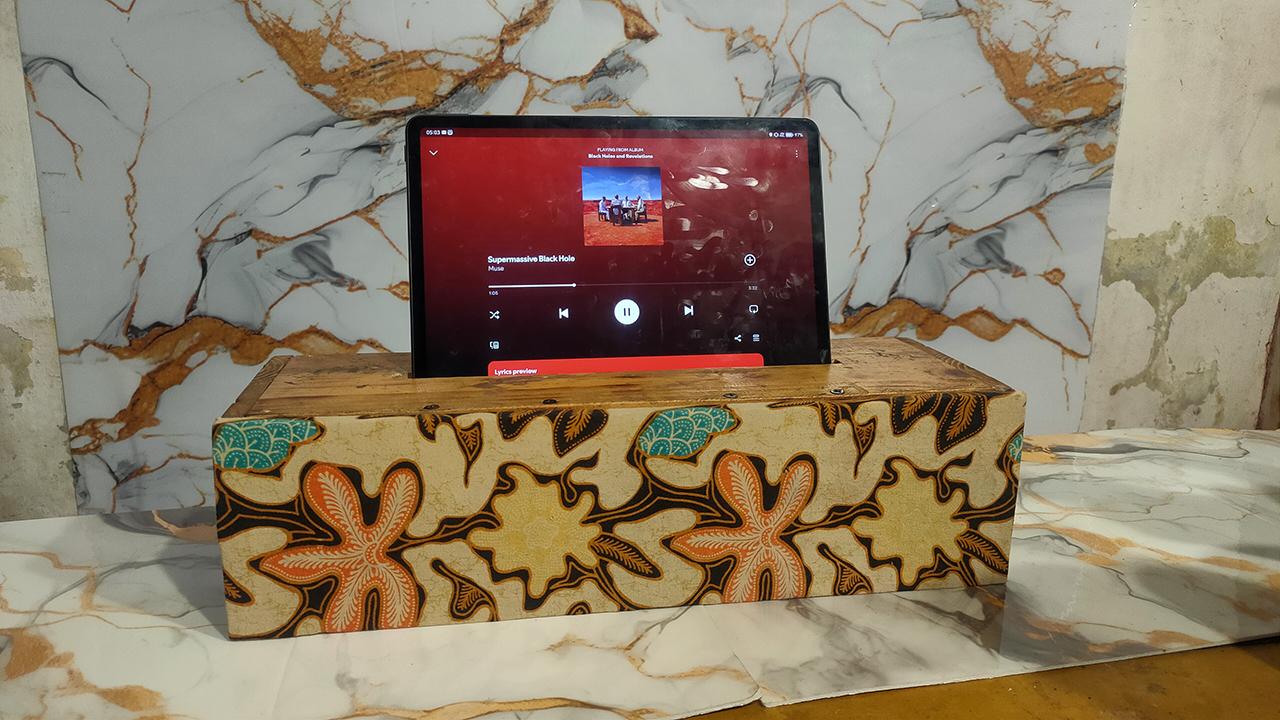
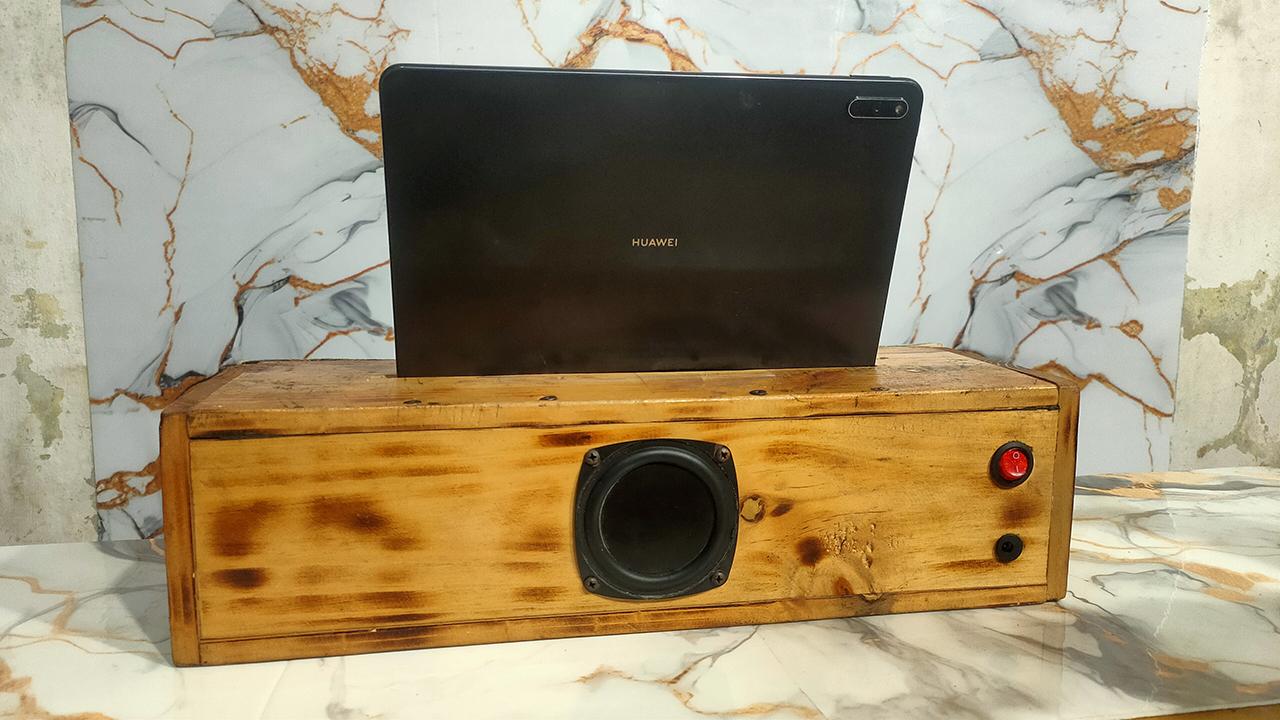
In this project, I build a portable wooden Bluetooth speaker that blends high-quality audio performance with the cultural artistry of traditional Indonesian batik. Instead of a conventional metal or plastic grille, this speaker uses authentic batik cloth as the front cover, creating a unique fusion of modern audio technology and heritage design.
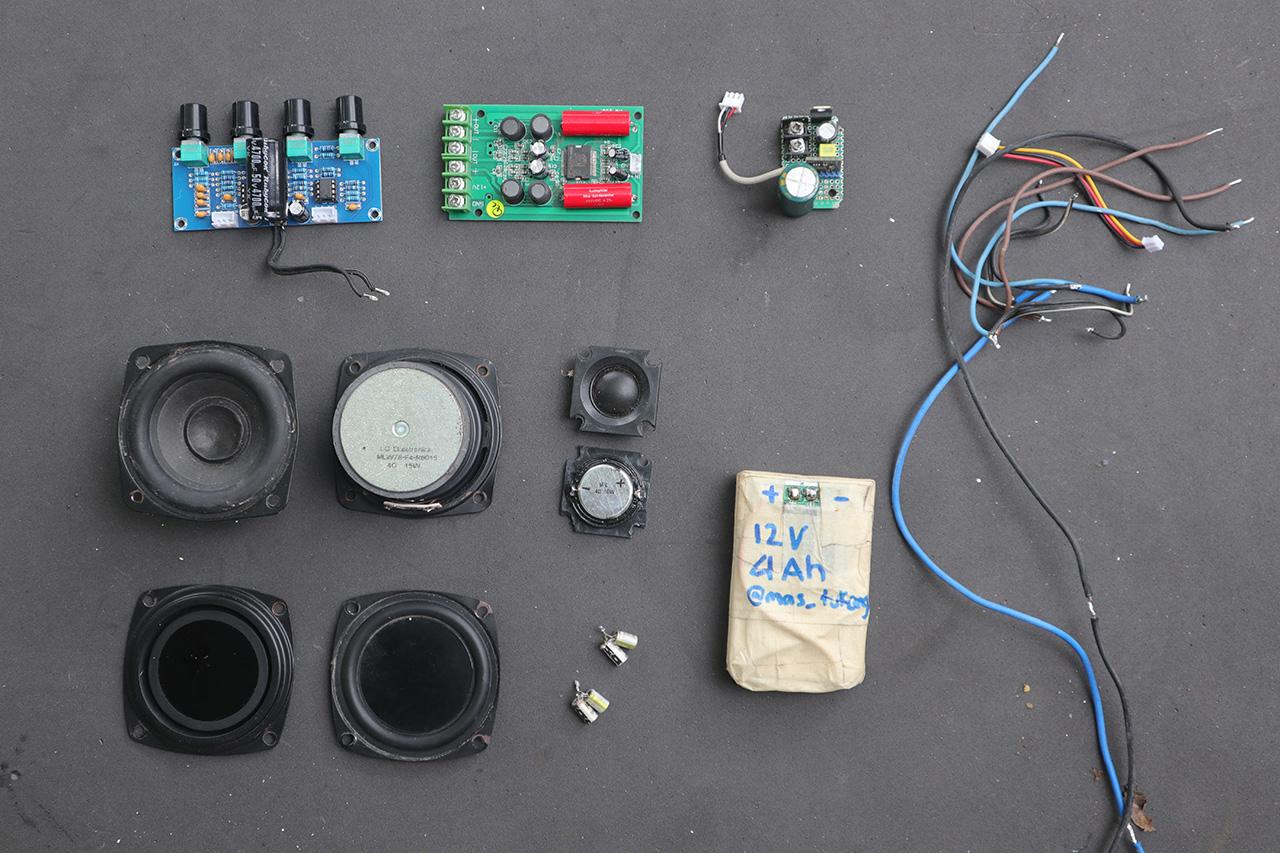
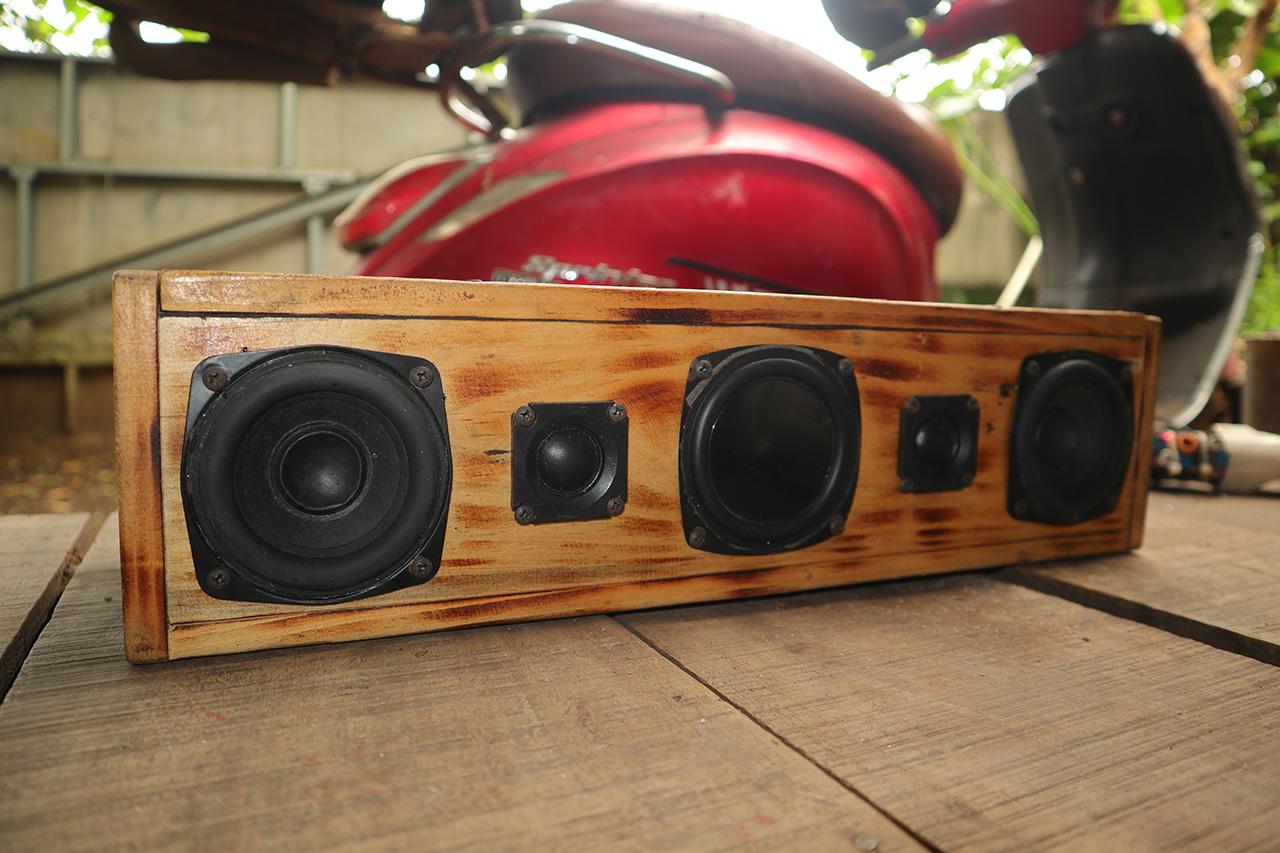
The speaker is powered by a rechargeable 12V lithium battery and driven by a Tripath TA2024 10 Watts Class-T amplifier, known for its efficiency and clear sound. The audio system consists of dual 3-inch woofers, silk dome tweeters, and passive bass radiators, delivering a surprisingly rich and balanced sound from a compact enclosure.
This project is ideal for makers who love woodworking, audio electronics, and cultural design, and it demonstrates that DIY speakers can be both beautiful and great-sounding.
Supplies
What We Need
Materials:
- 80 × 50 cm wooden board, 12 mm thick
- Energy-efficient audio amplifier (I use Tripath TA2024 Class-T; Class-D is also suitable)
- Tone control board (bass, mid, treble) (I use NE5532-based 3-band tone control)
- 12V lithium battery pack (I use 3× 10,000 mAh Li-Polymer cells connected in series with a 10A BMS)
- Lossless Bluetooth audio module (I use XFW-M18)
- 2* 2.5″ or 3″ woofers (up to 20W) (I use 3″ LG 4Ω 15W mini subwoofers)
- 2* passive bass radiators
- 2* tweeters (I use Samsung silk dome tweeters for smooth highs)
- 2* 4 uF nonpolar capacitor (I use 2* 2.2uF connected in parallel)
- 2* 4700µF 25V electrolytic capacitors
- 5mm spacer
- DC charging port
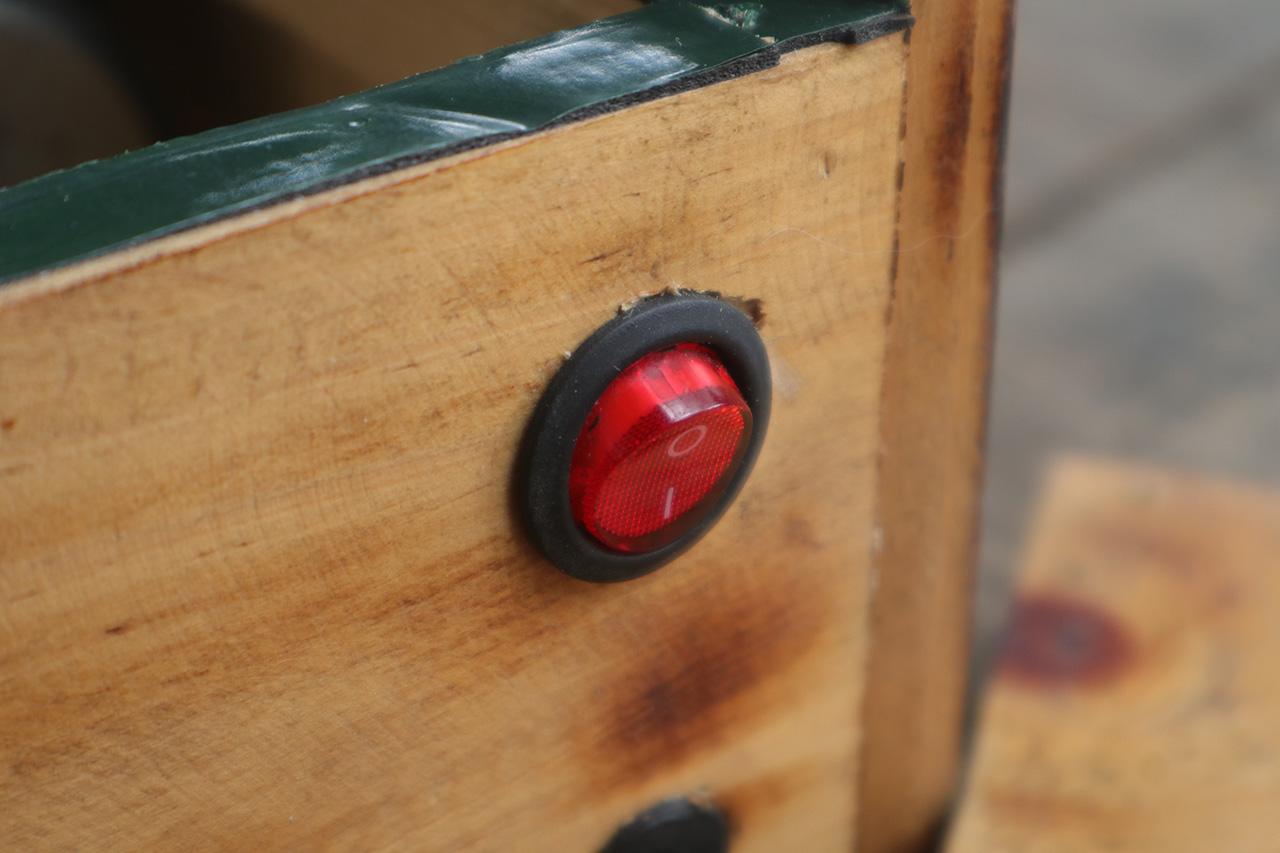
- Power switch
- AWG 20 wires (power)
- Stereo coaxial audio cable
- Wood screws
- Acoustic foam (mattress-type foam works well)
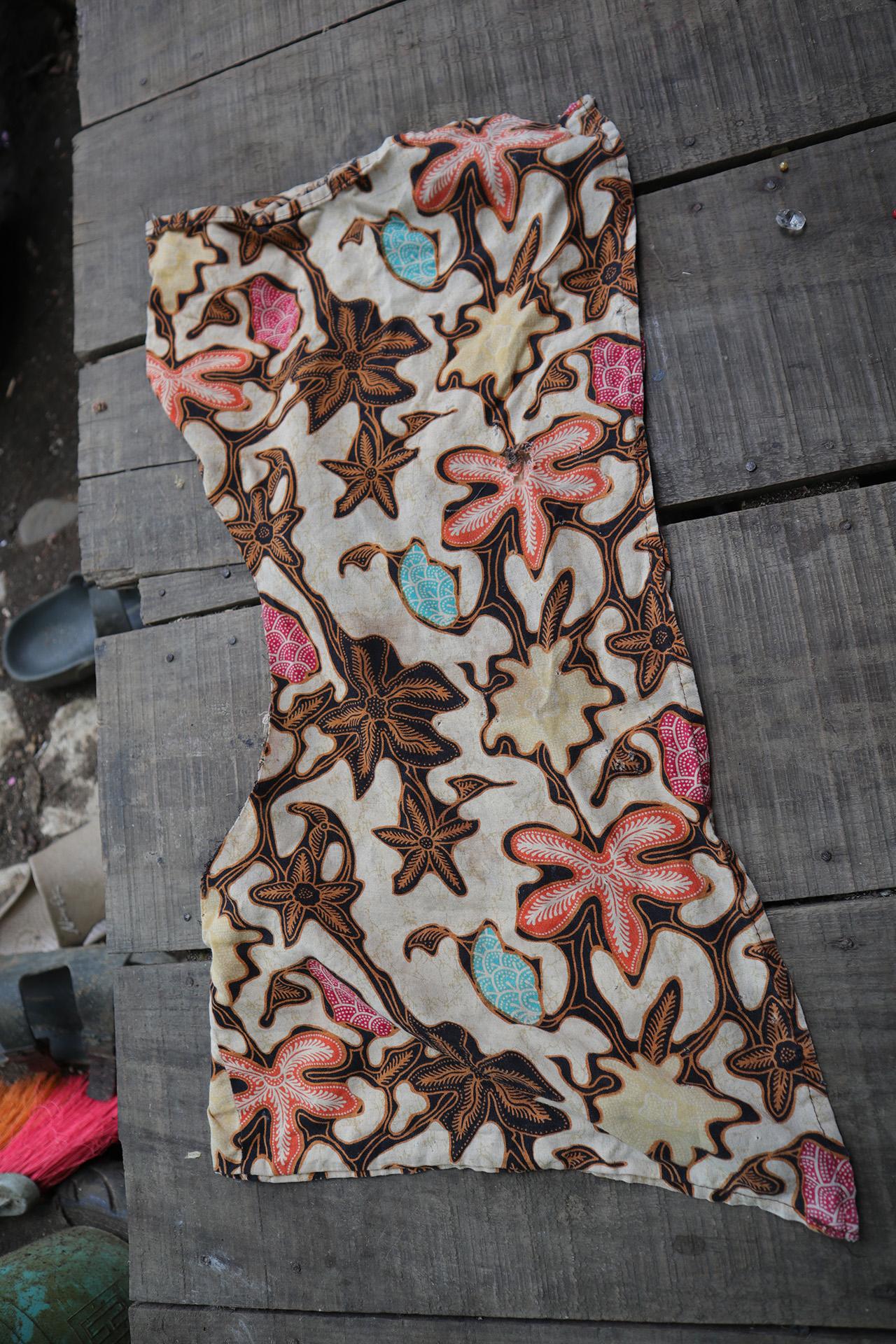
- Batik cloth for the speaker grille
Tools:
- Soldering iron and solder
- Screwdriver
- Wood saw
- Drill
- Sandpaper
- Hole saw (matching woofer & tweeter size)
- Wood glue
- Double-sided foam tape
- Utility knife
- Stapler
Cutting the Wood
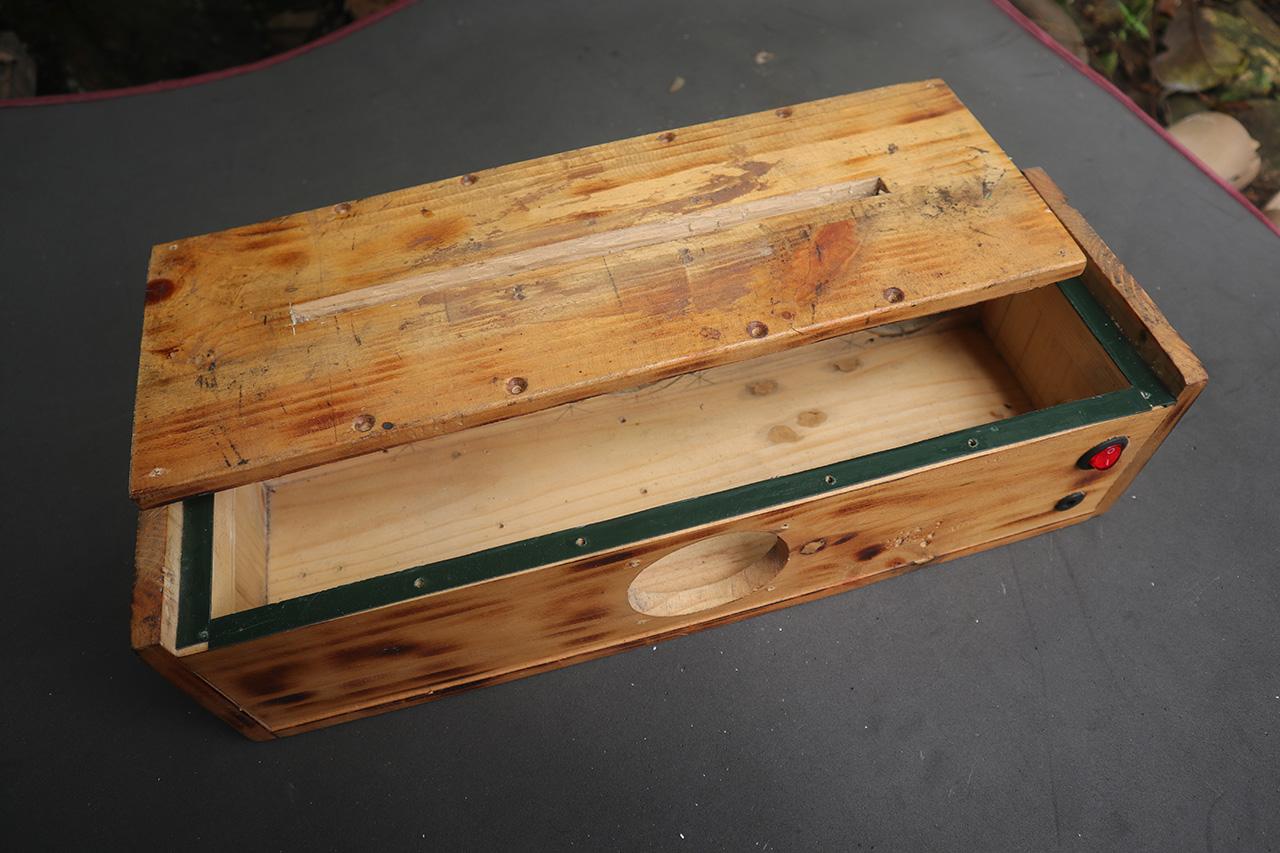
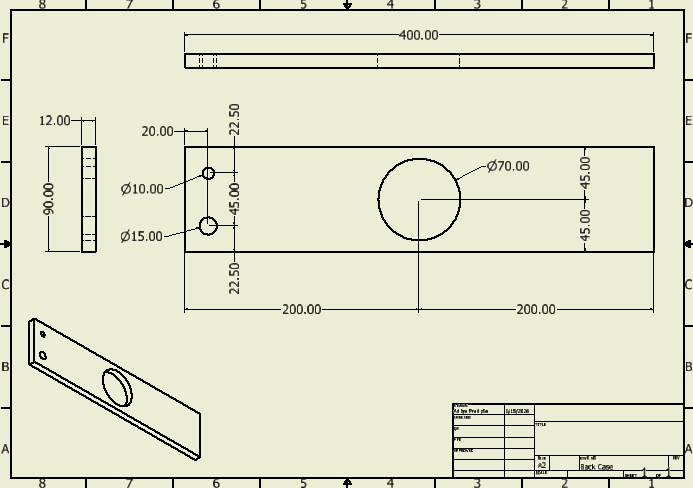
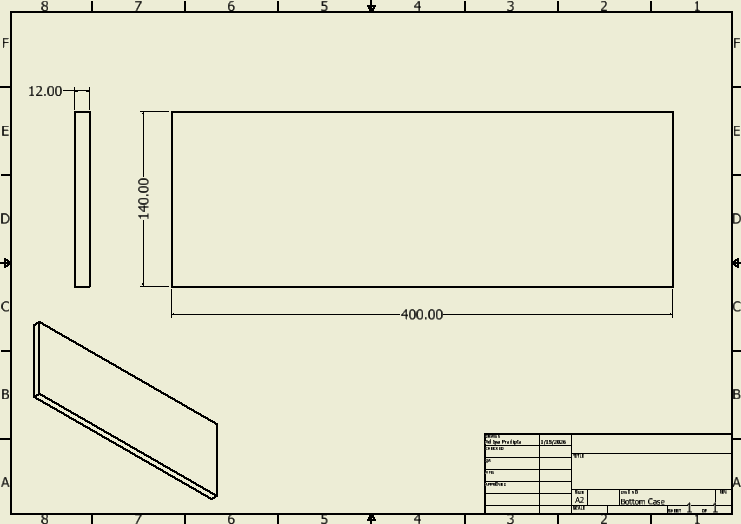
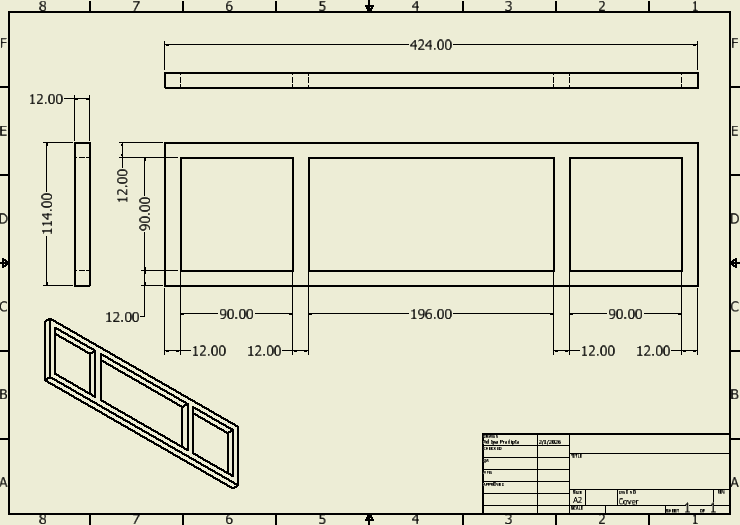
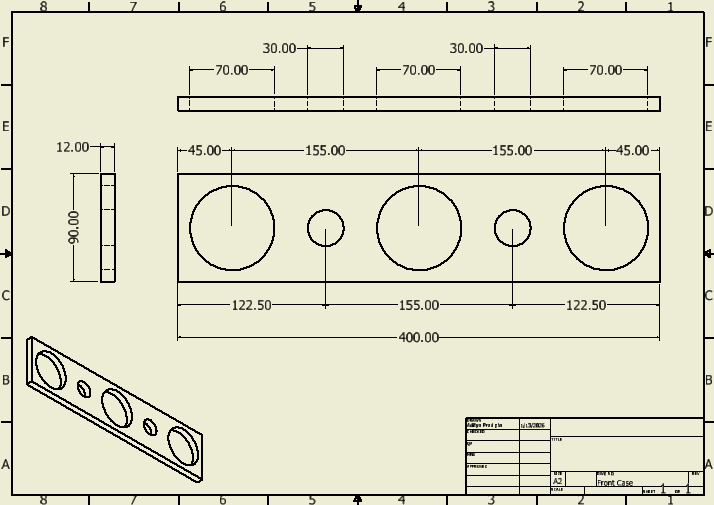
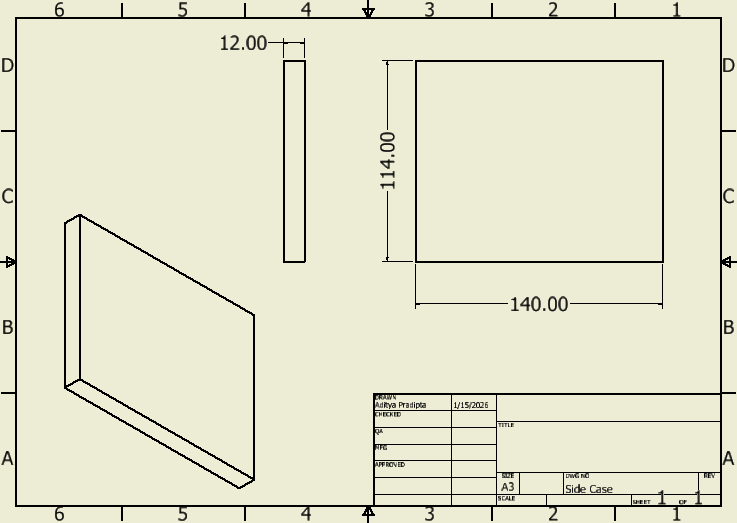
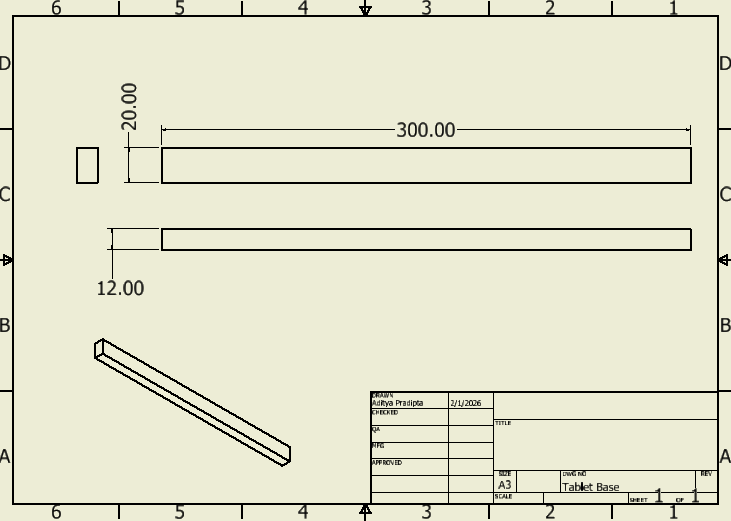
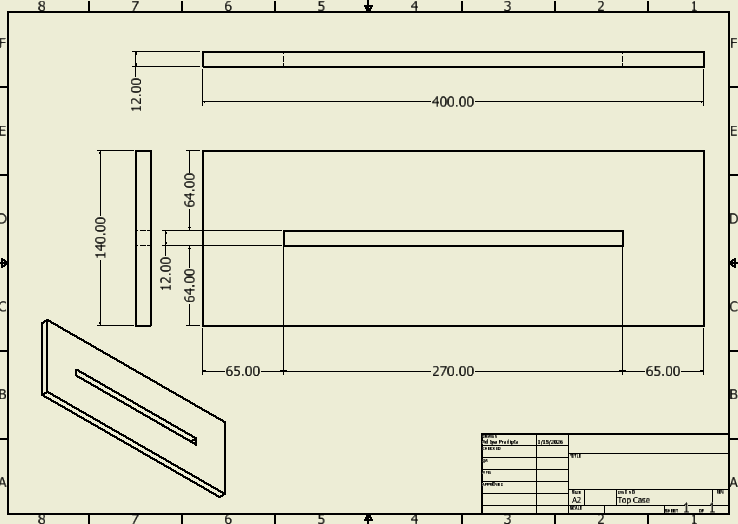
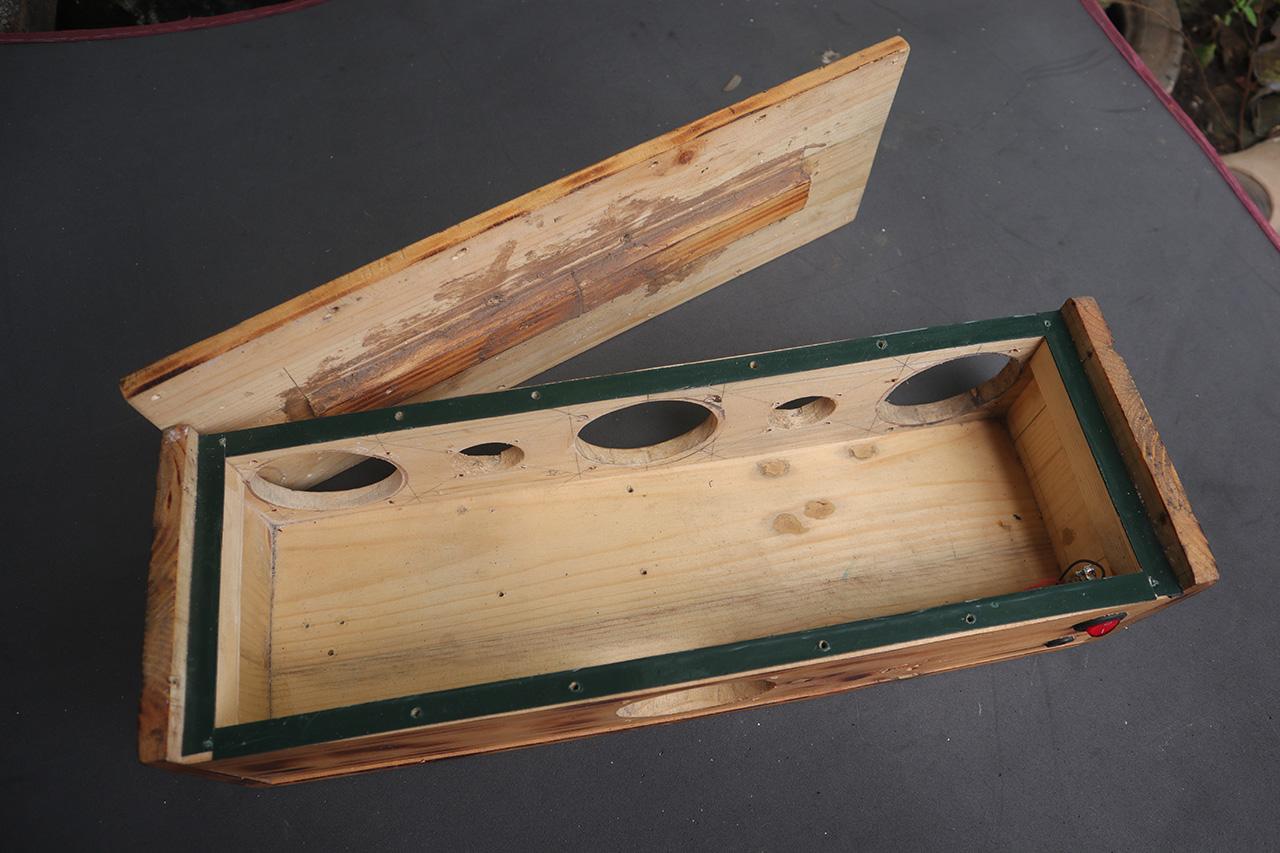
Cut the wooden board according to the enclosure drawing I attached in the pictures. The enclosure consists of 8 pieces:
- Front
- Back
- Top
- Bottom
- Front cover
- 2× Side panels
- 2* Side supports
- Tablet base
Use a hole saw to cut precise openings for the woofers, tweeters, and passive bass radiators.
I cut the wood slowly using a standard hand saw to ensure smooth edges. After cutting, smoothen all edges thoroughly with sandpaper. To enhance the wood’s natural character, I lightly burn the surface over an open flame, creating a rustic texture.
Assembling the Wooden Enclosure
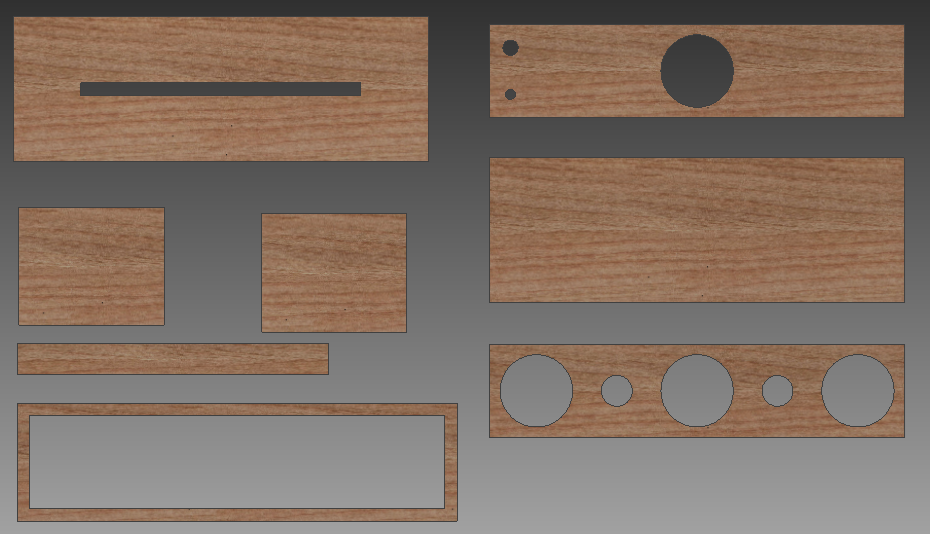
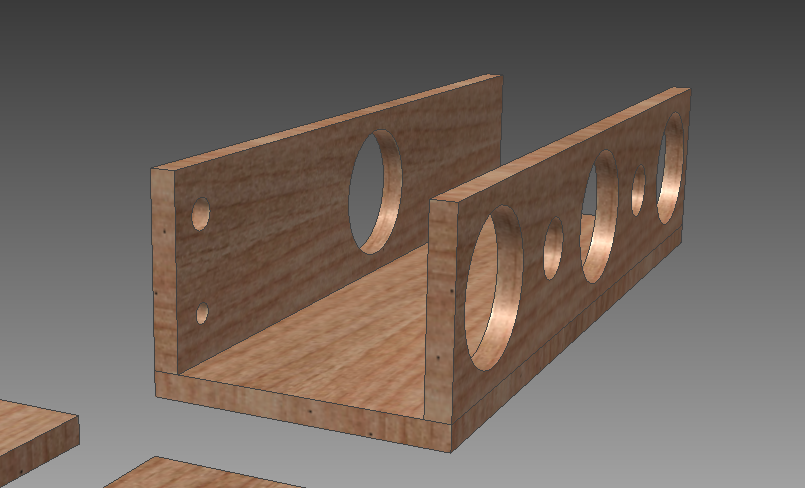
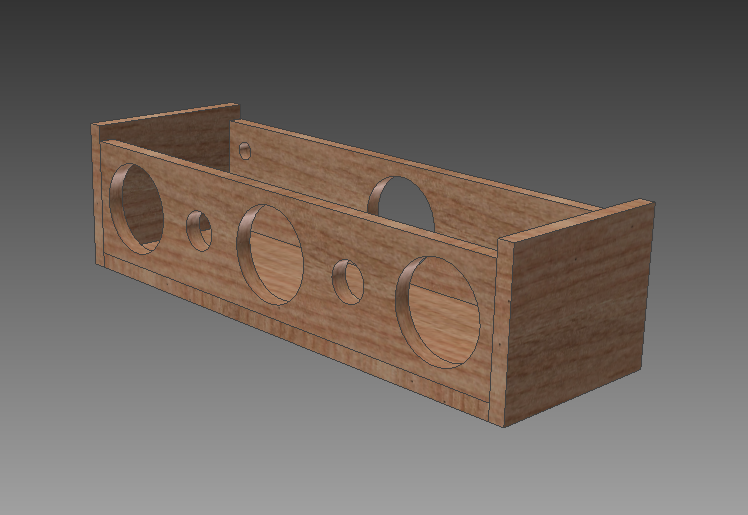
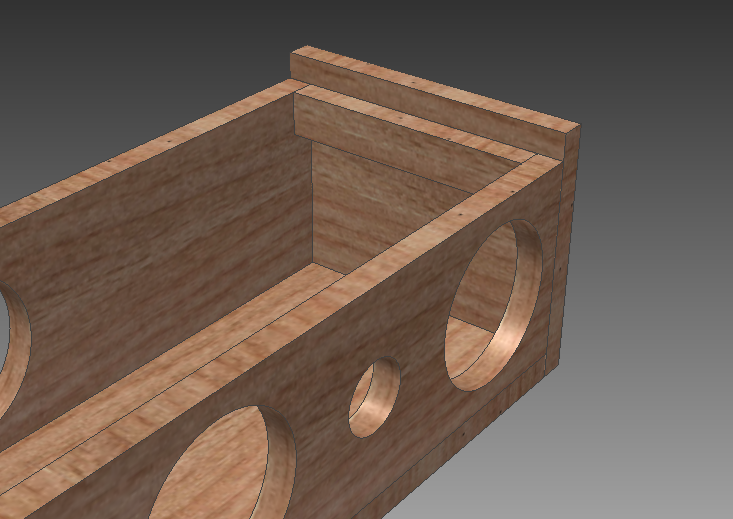
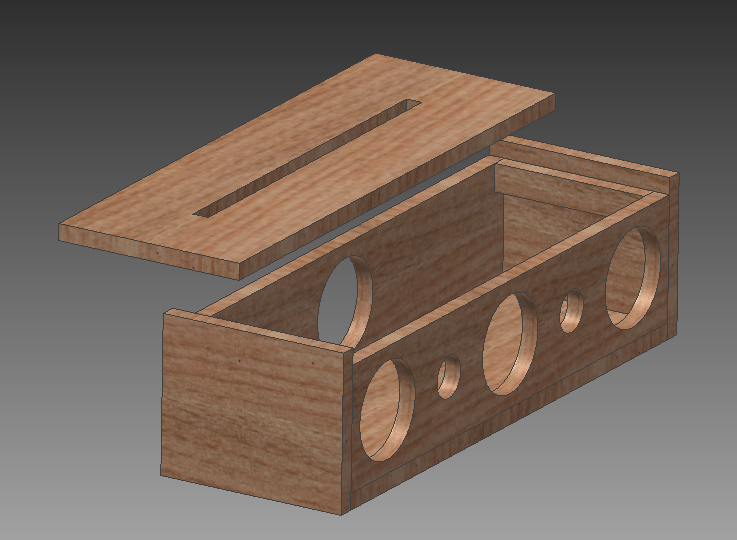
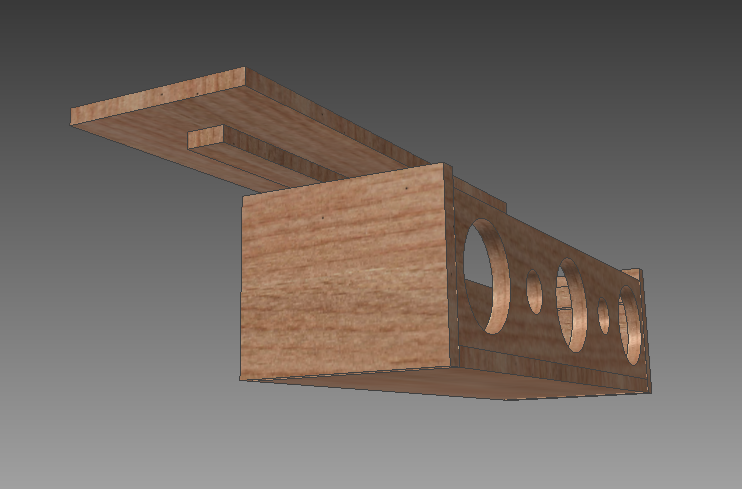
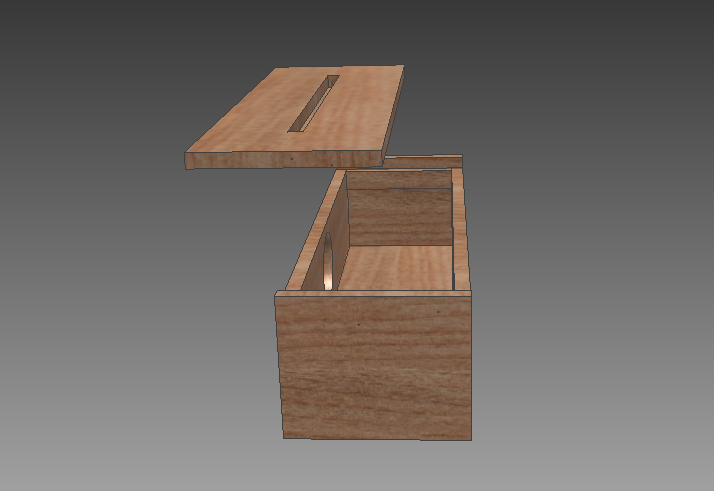
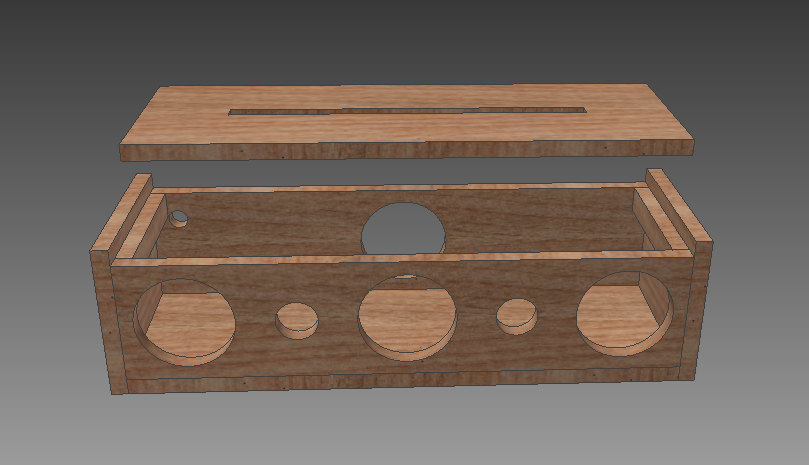
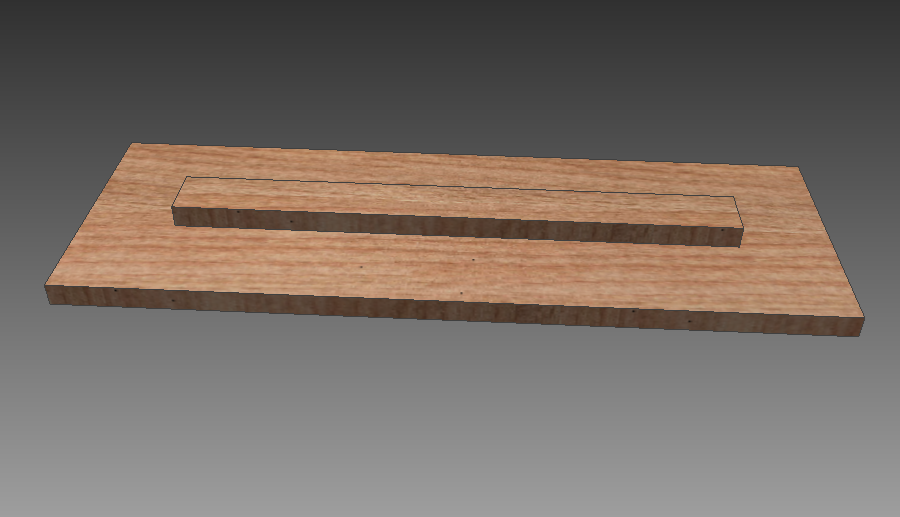
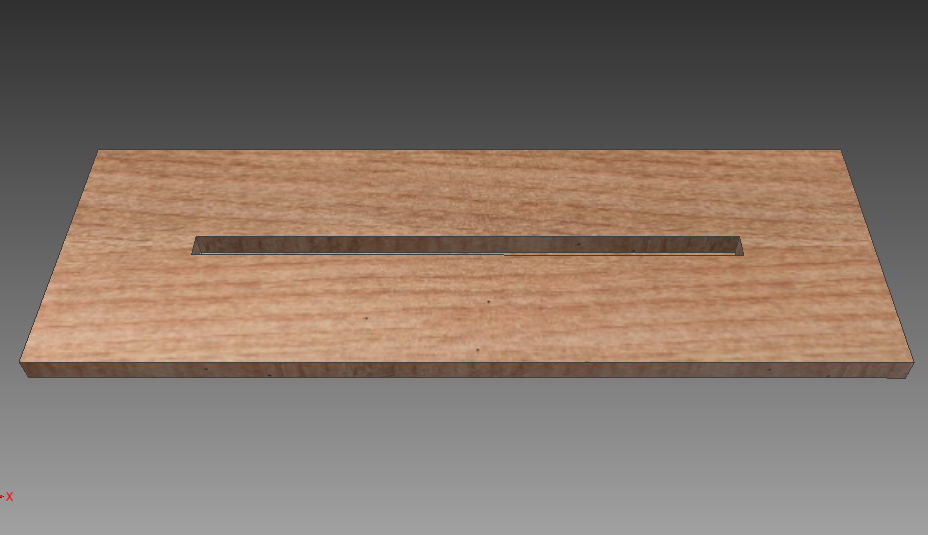
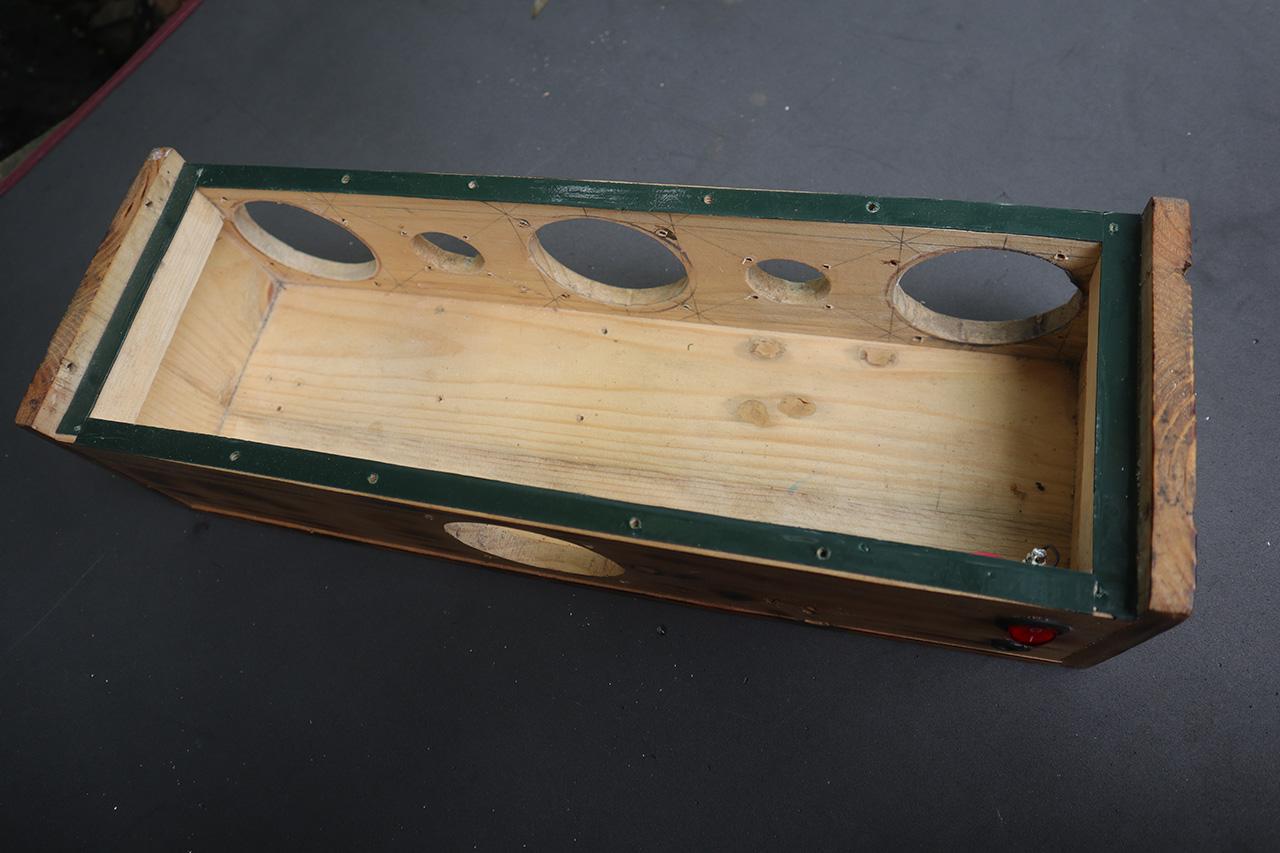
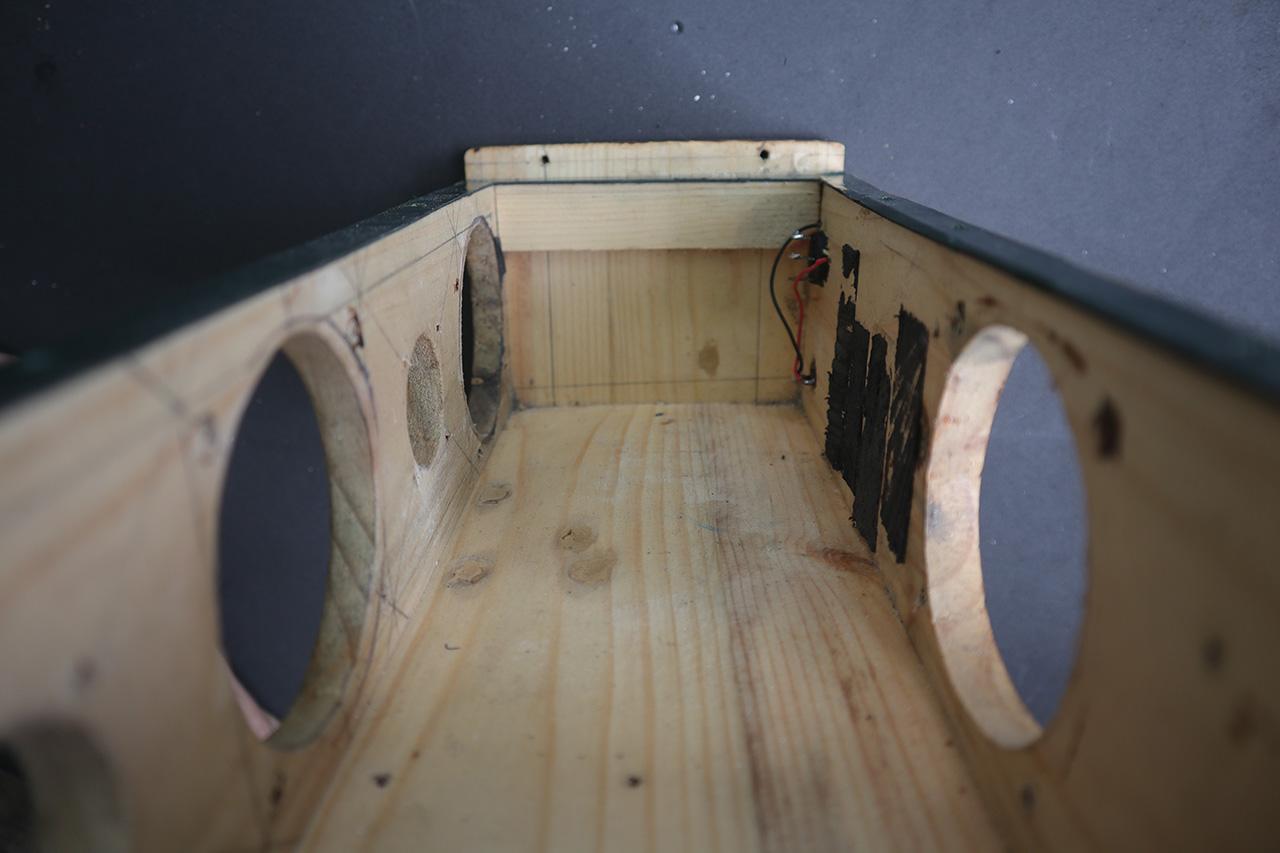
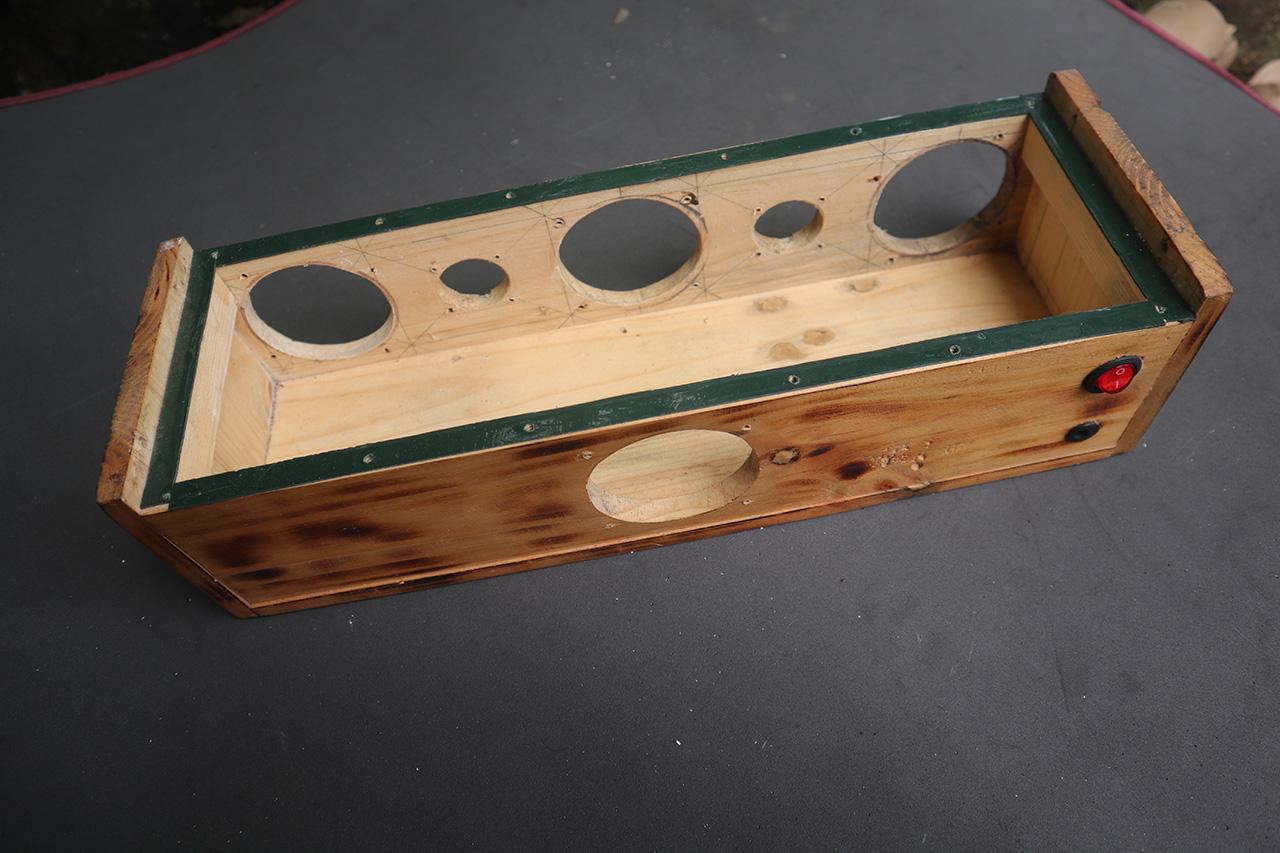
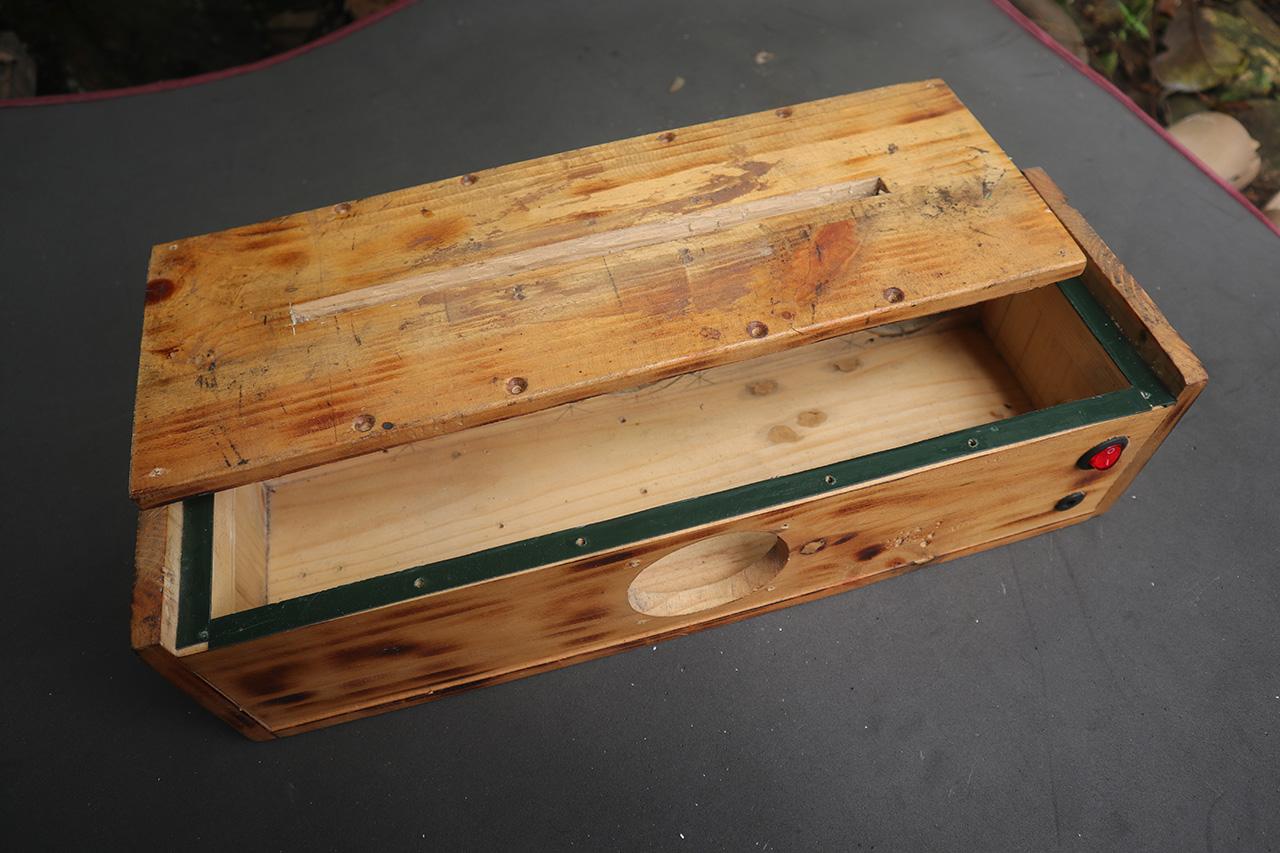
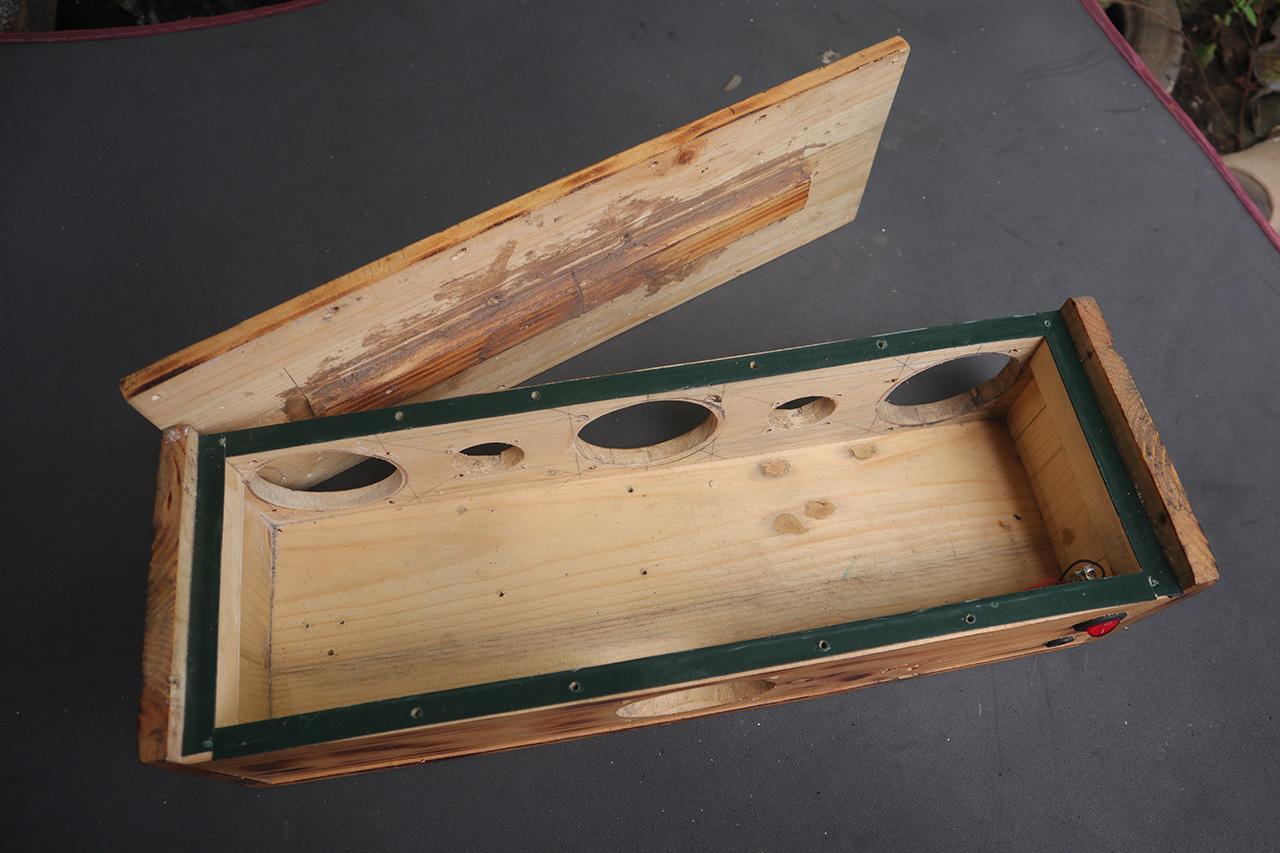
Assemble the enclosure using wood glue and screws. A tightly sealed box is critical for good bass performance, especially when using passive radiators.
Unfortunately, my enclosure was already assembled before documentation, so I created an Autodesk Inventor Assembly Illustration to demonstrate the assembly process clearly.
Mounting the Speakers, Tweeters, and Passive Radiators
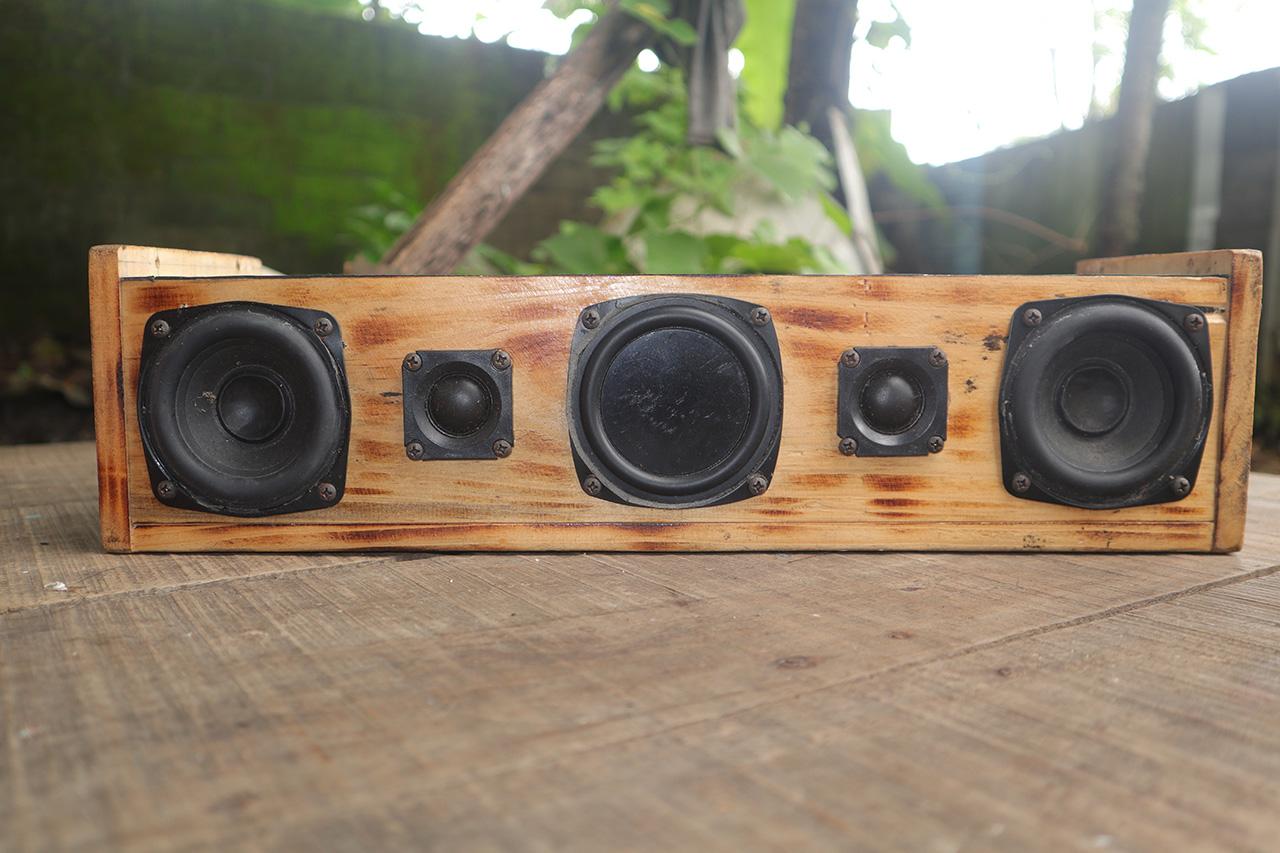
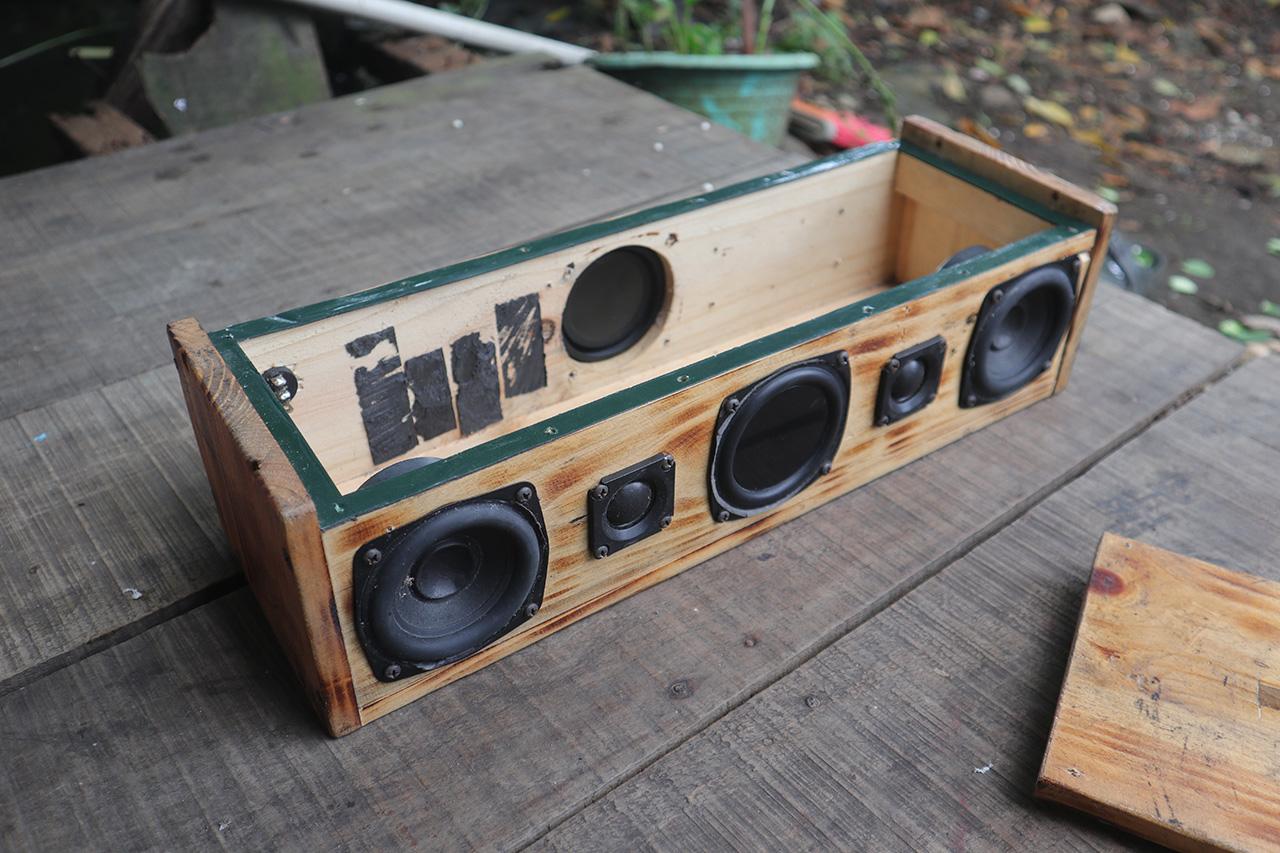
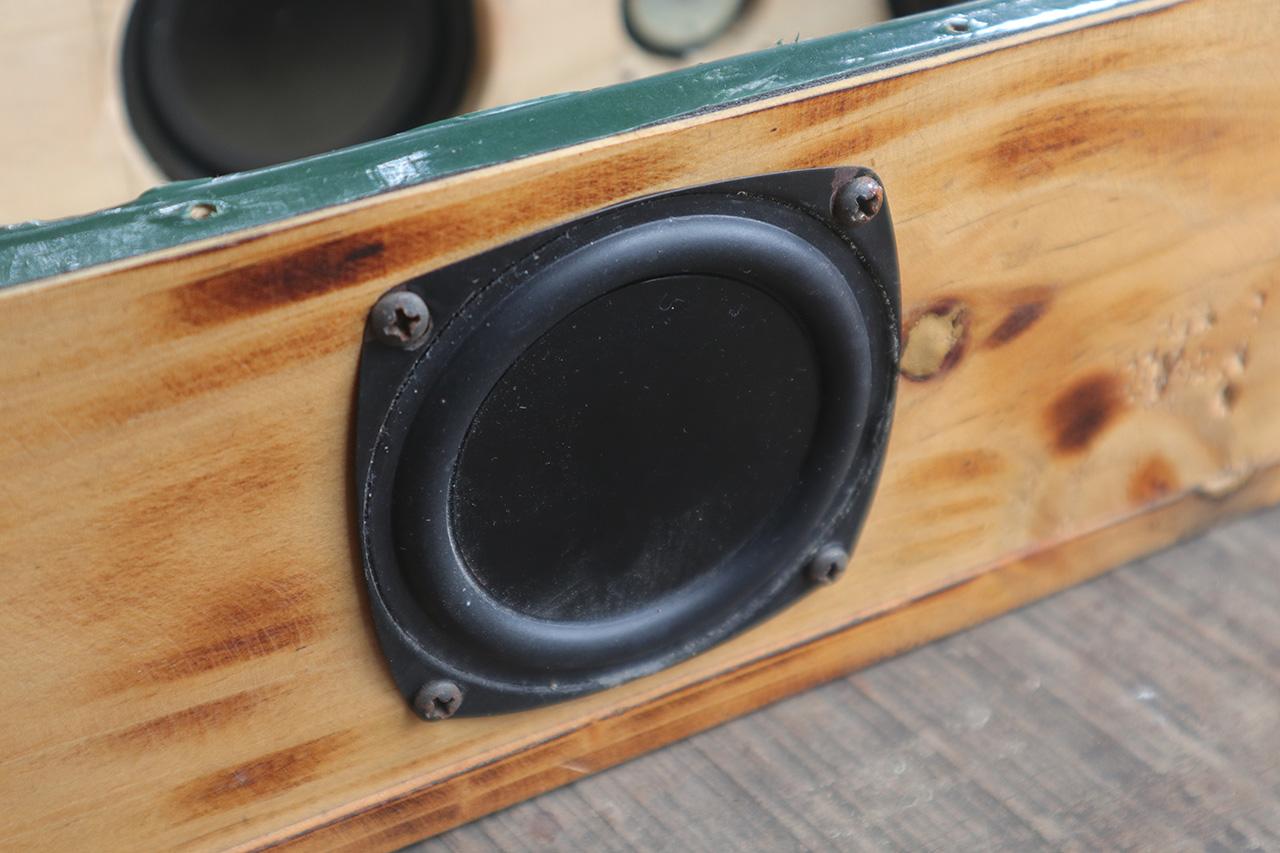
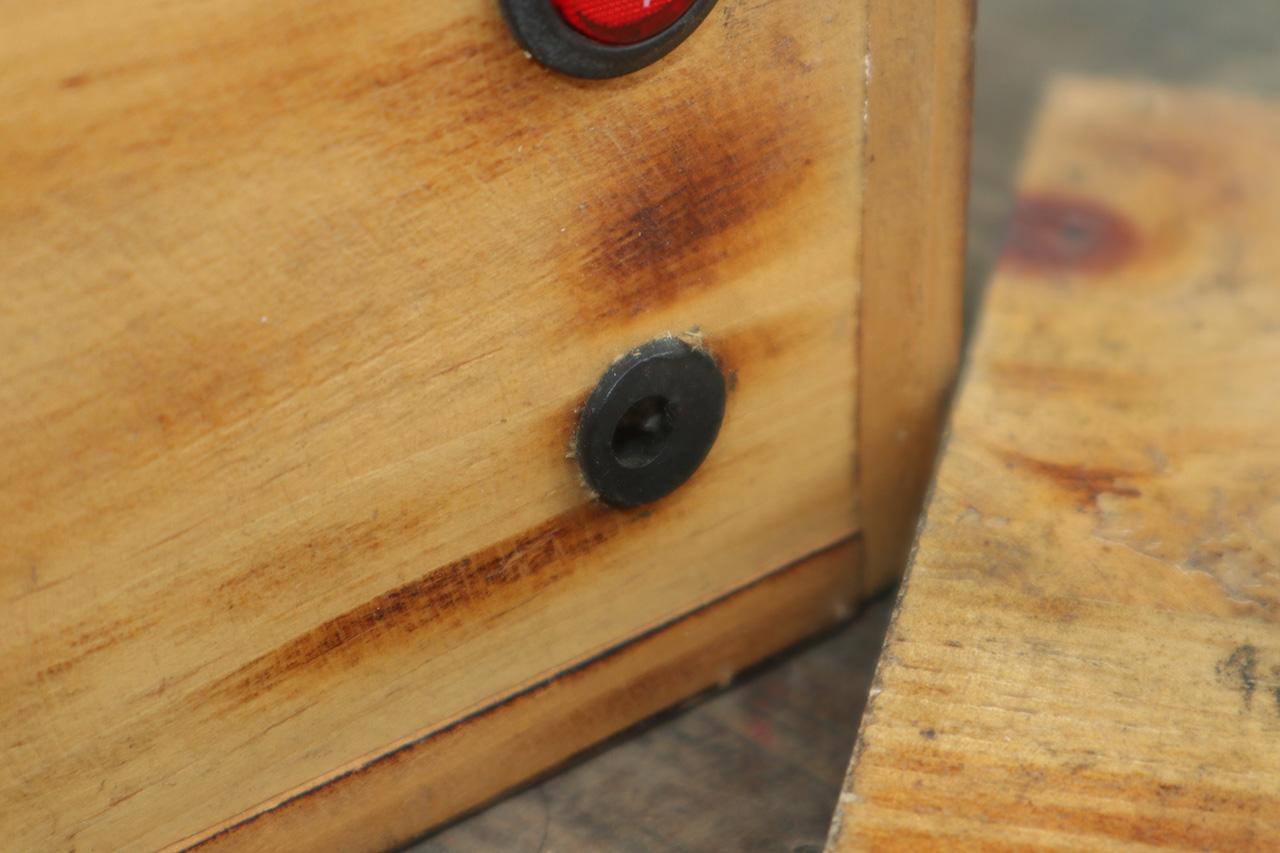
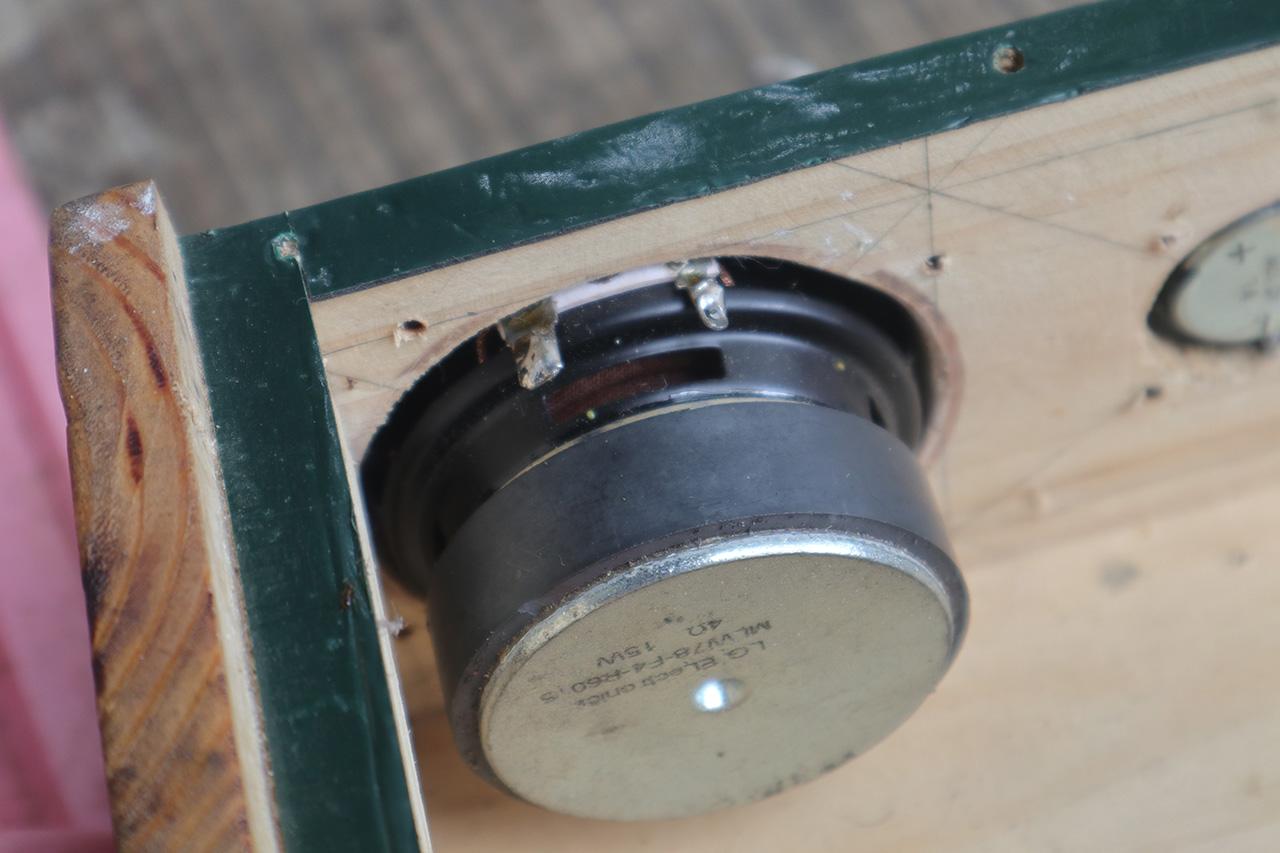
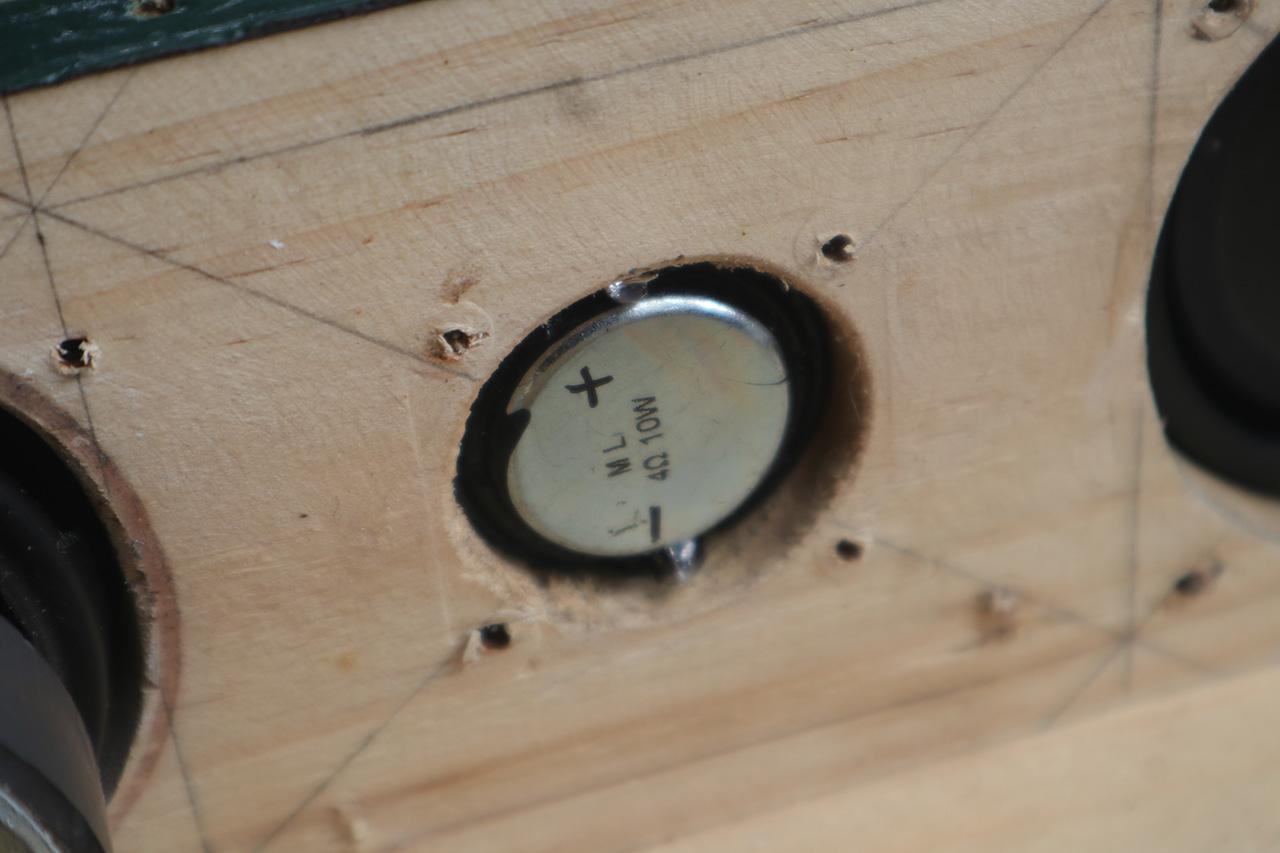
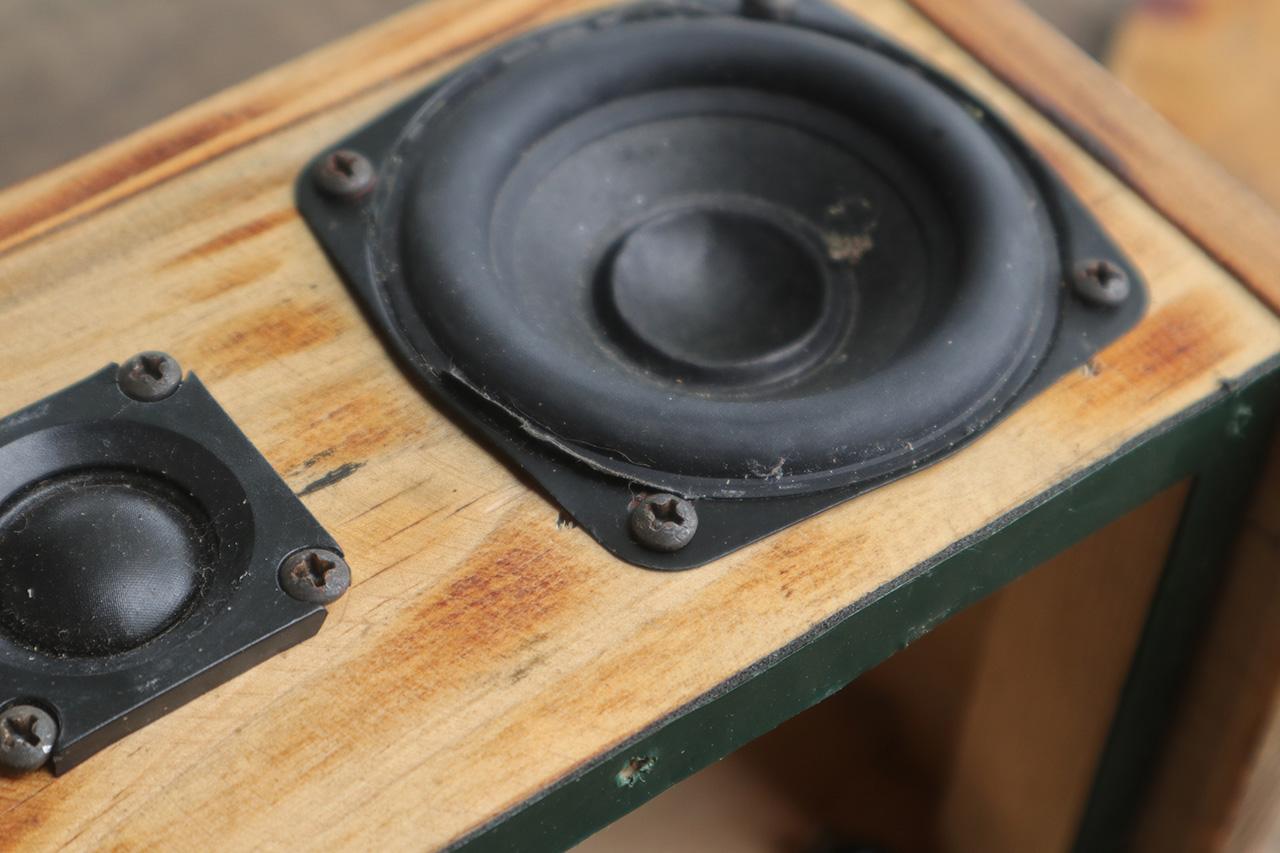
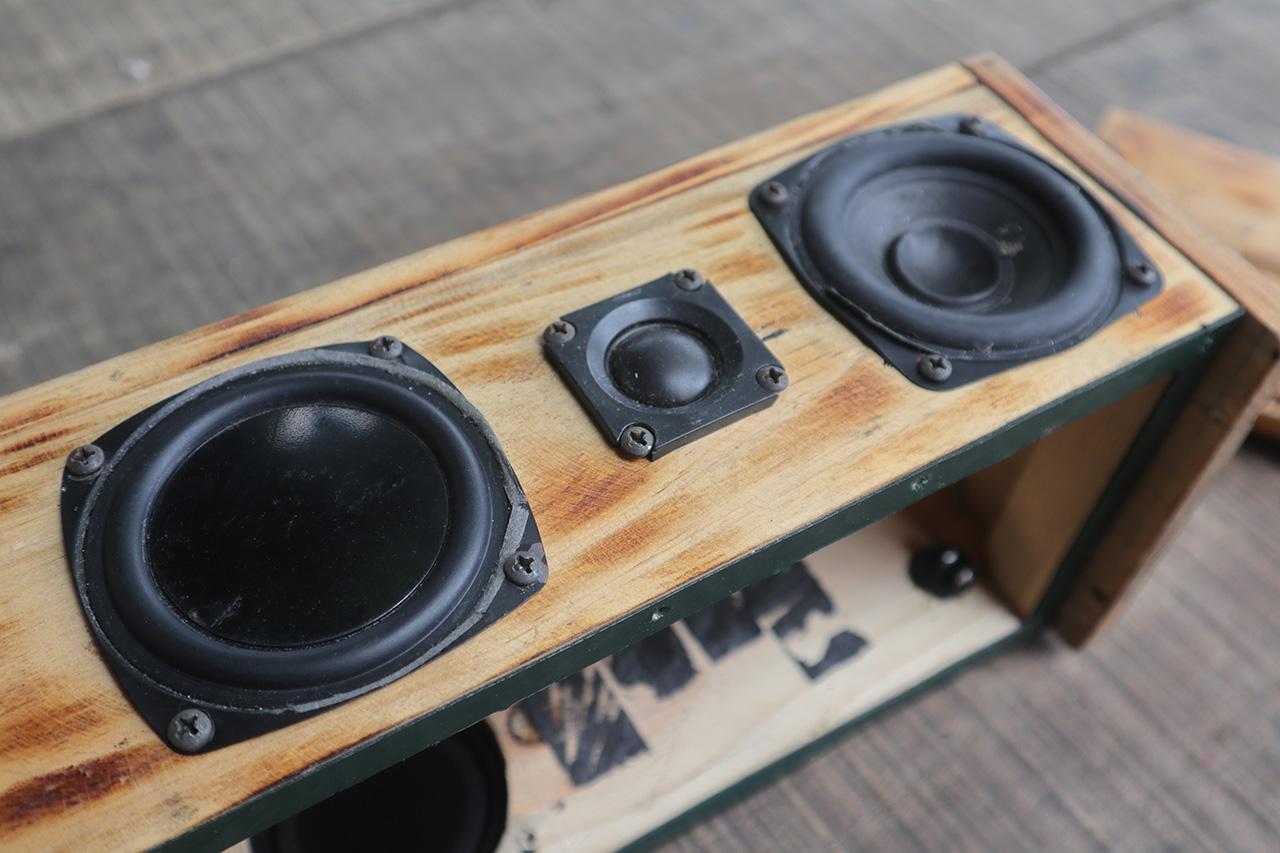
Mount all drivers securely using small wood screws:
- Woofers
- Tweeters
- Passive bass radiators
Passive radiators are speaker membrane but without magnets and coils. It converts internal air pressure into low-frequency vibration, acting like a compact subwoofer. Any air leak will severely reduce bass, so ensure everything is sealed tightly.
Mounting the Battery and Electronic Modules
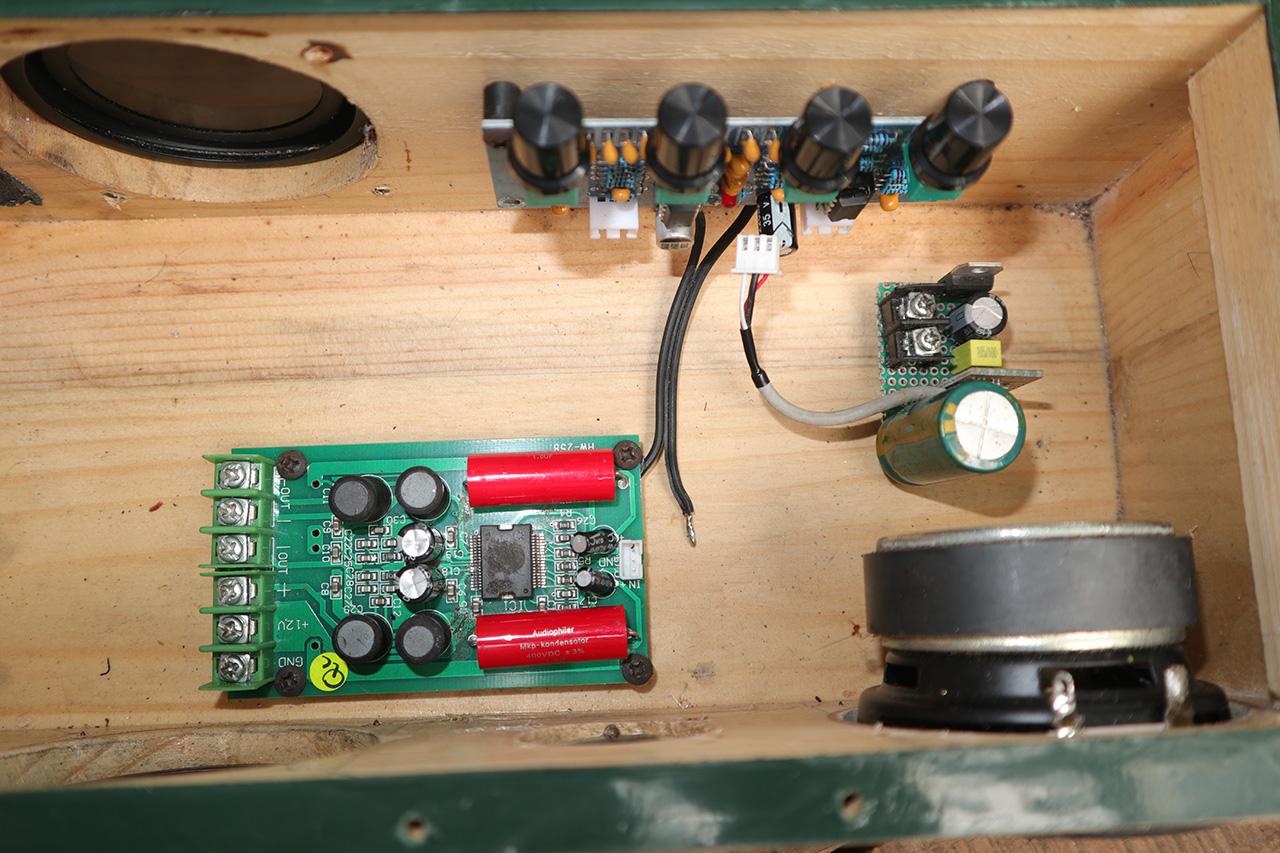
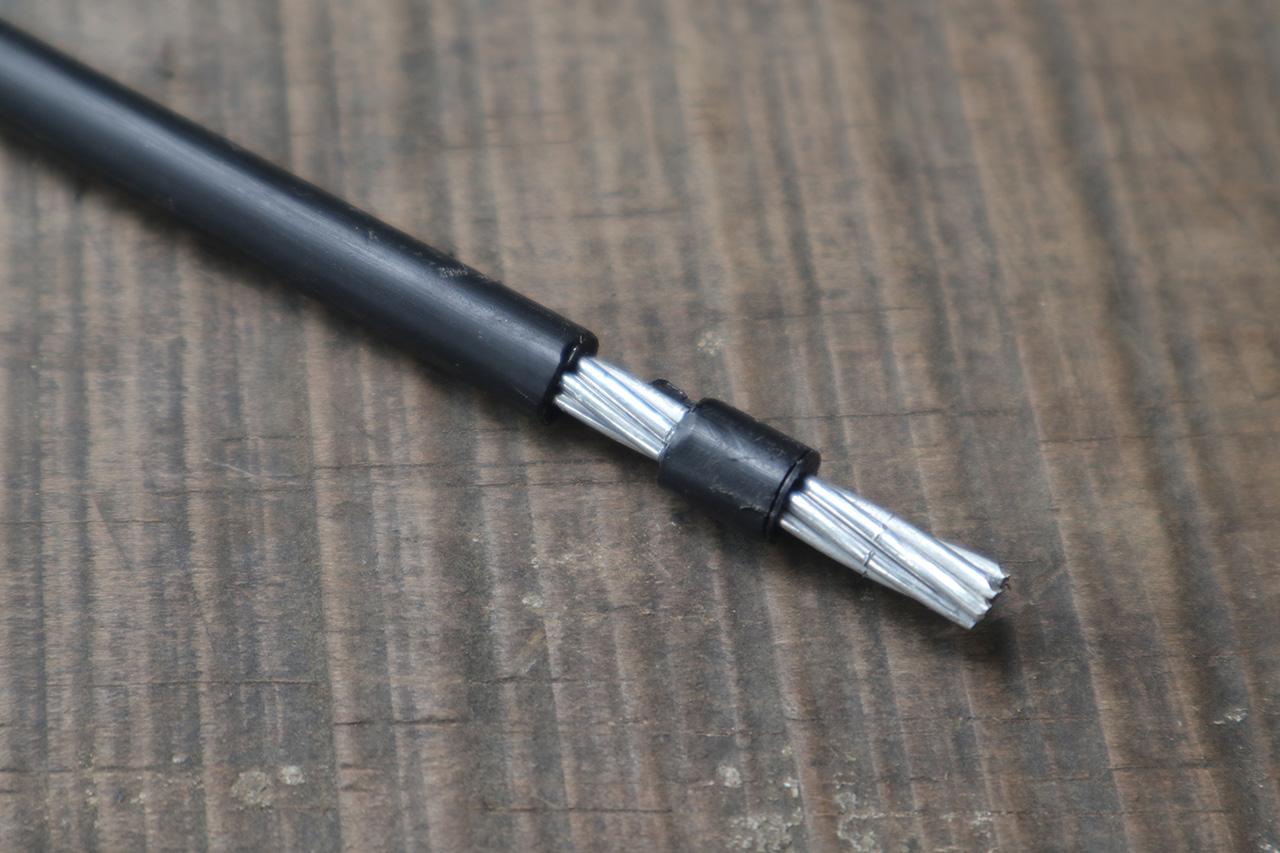
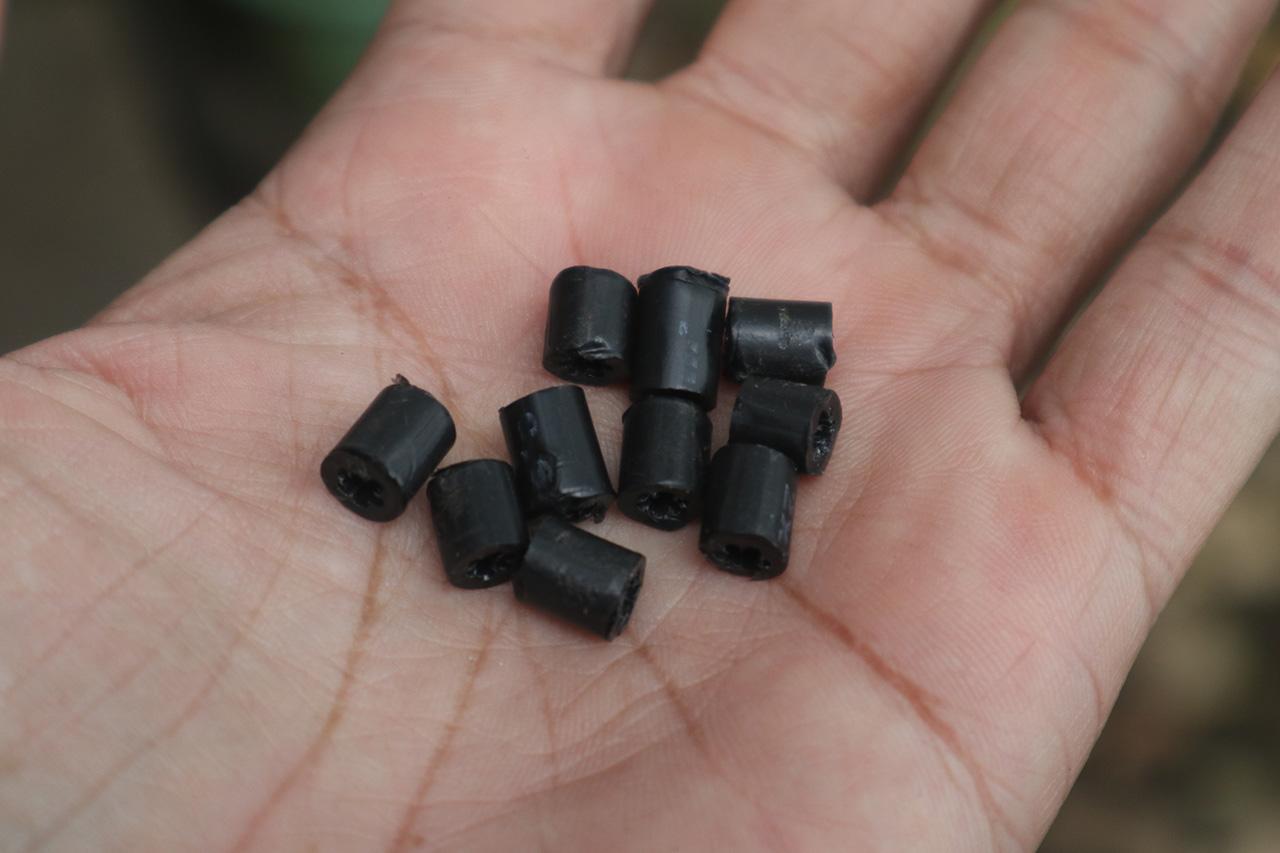
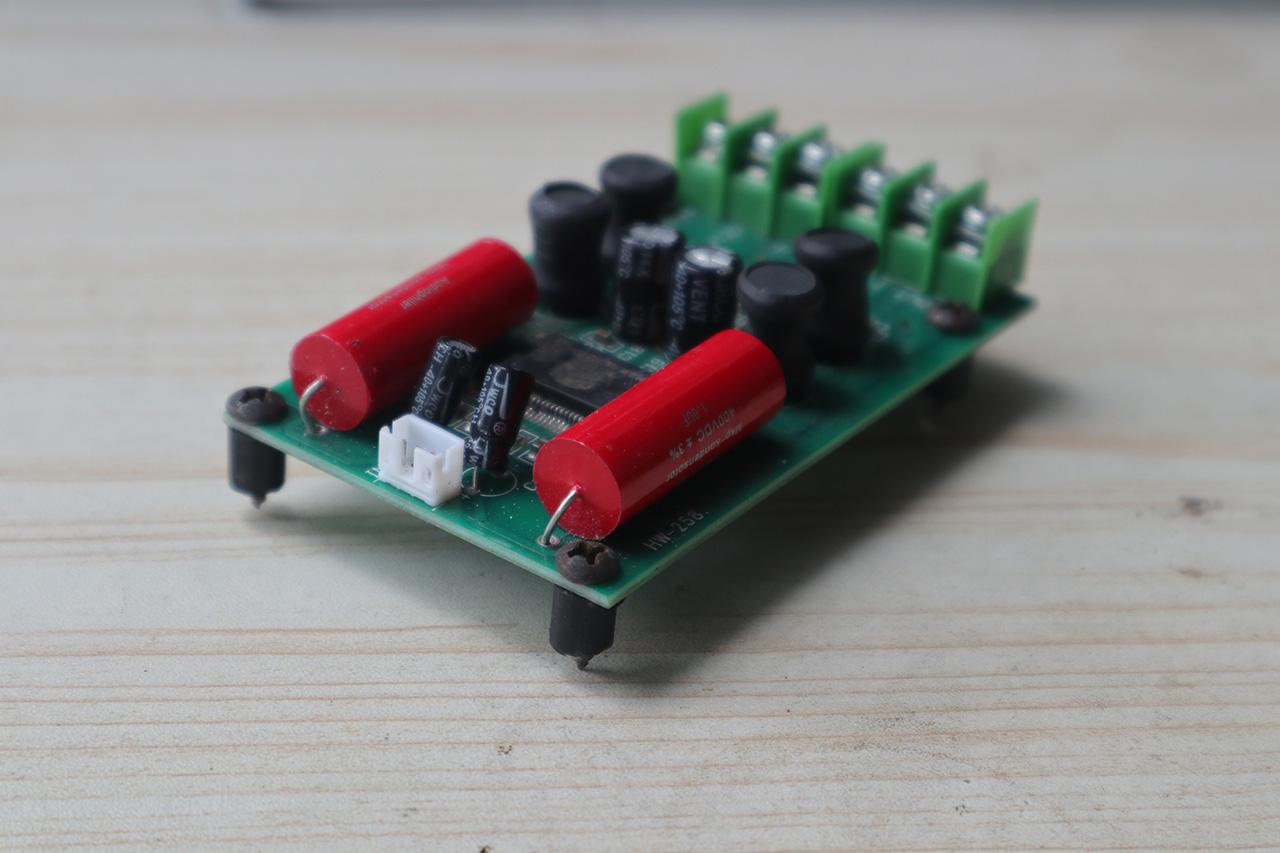
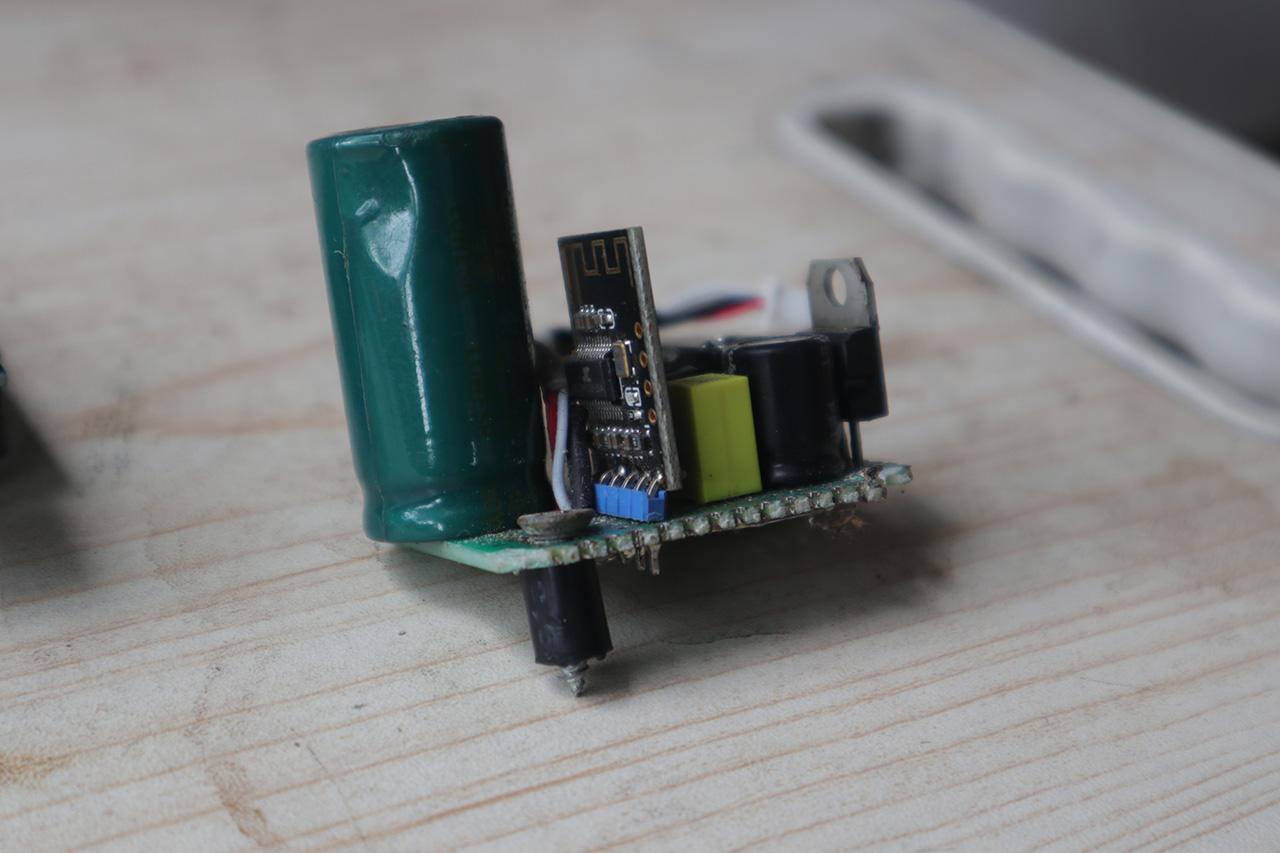
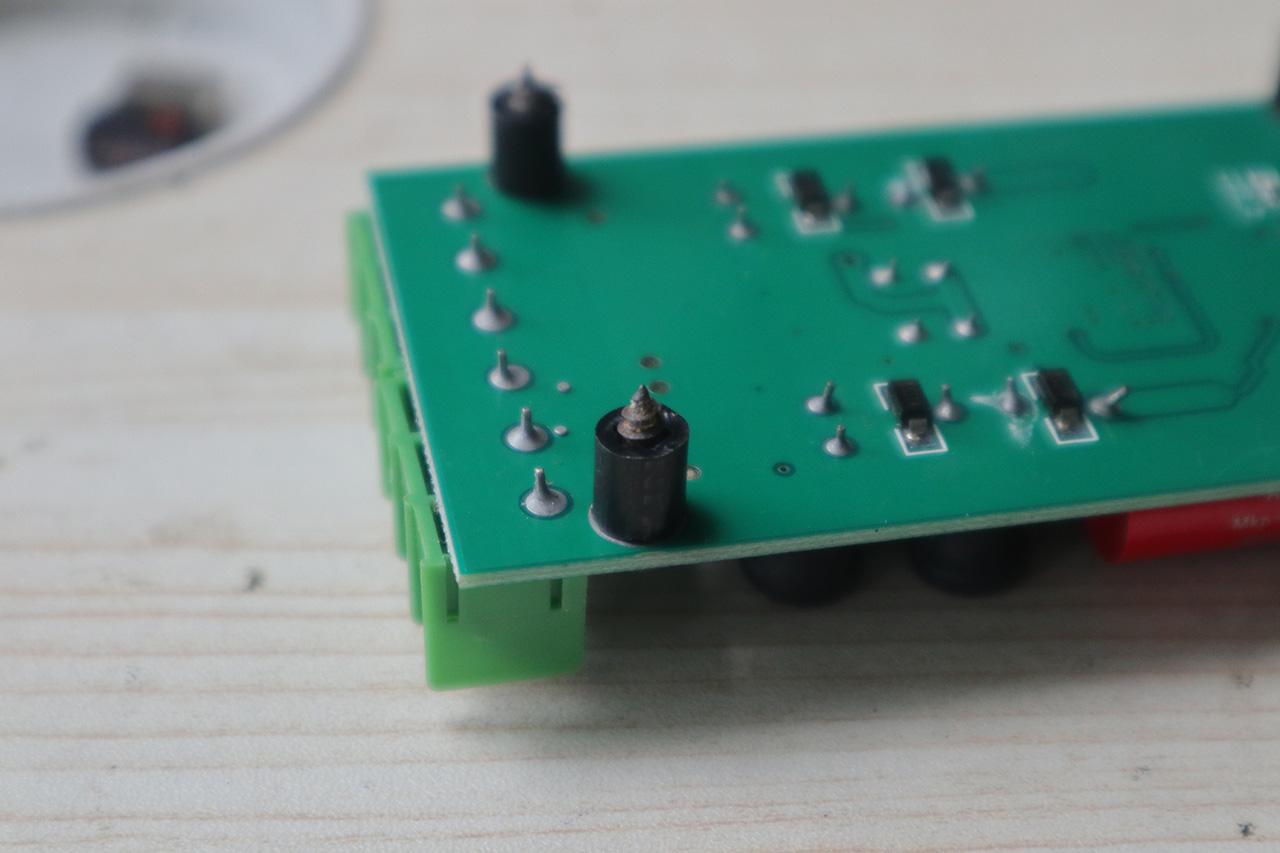
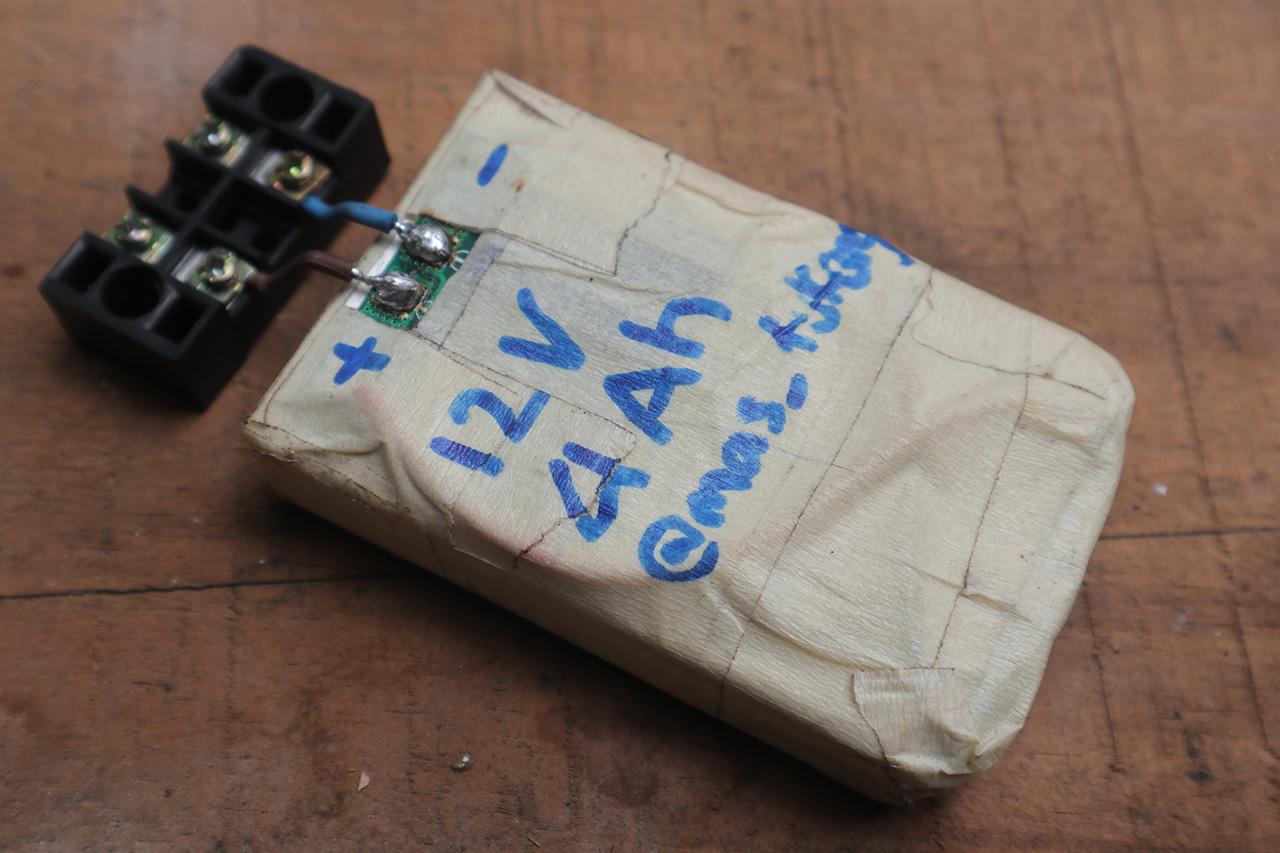
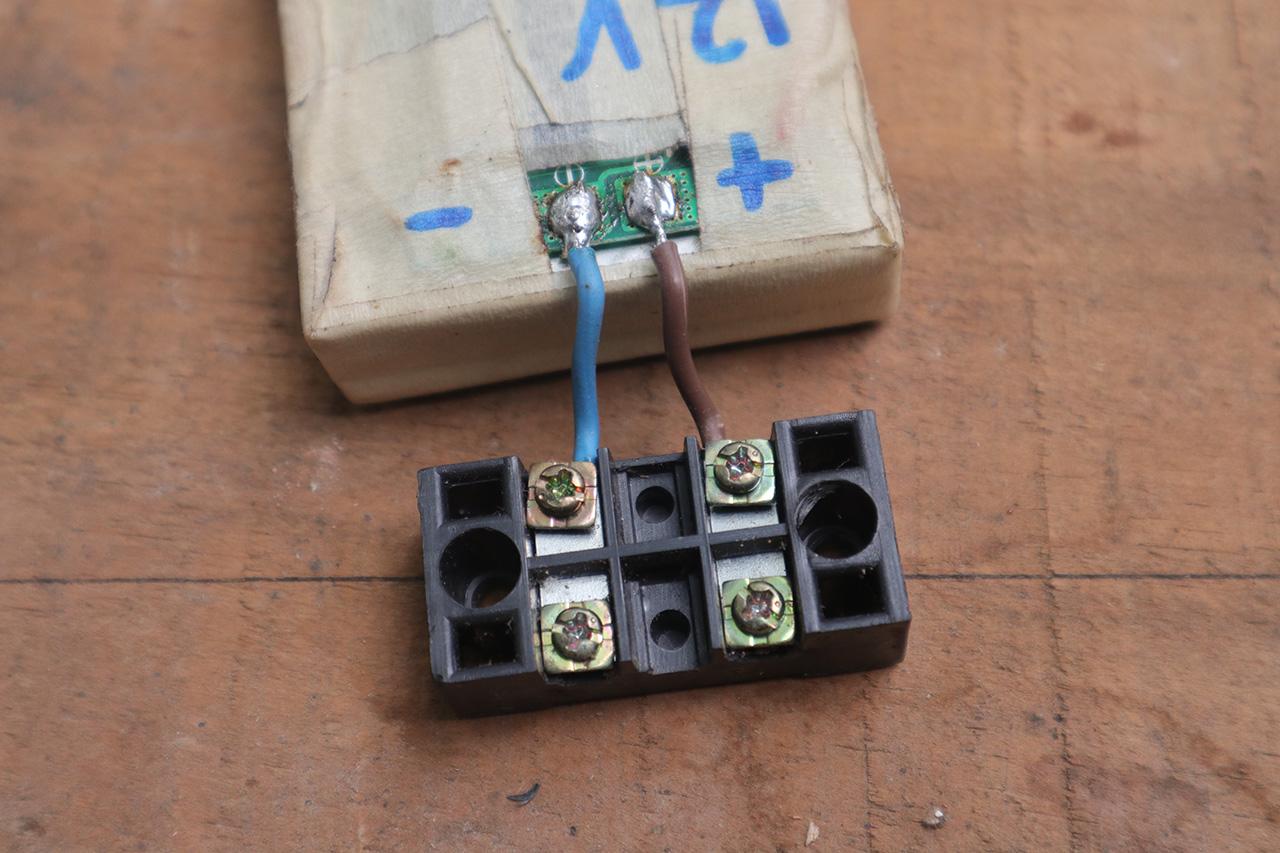
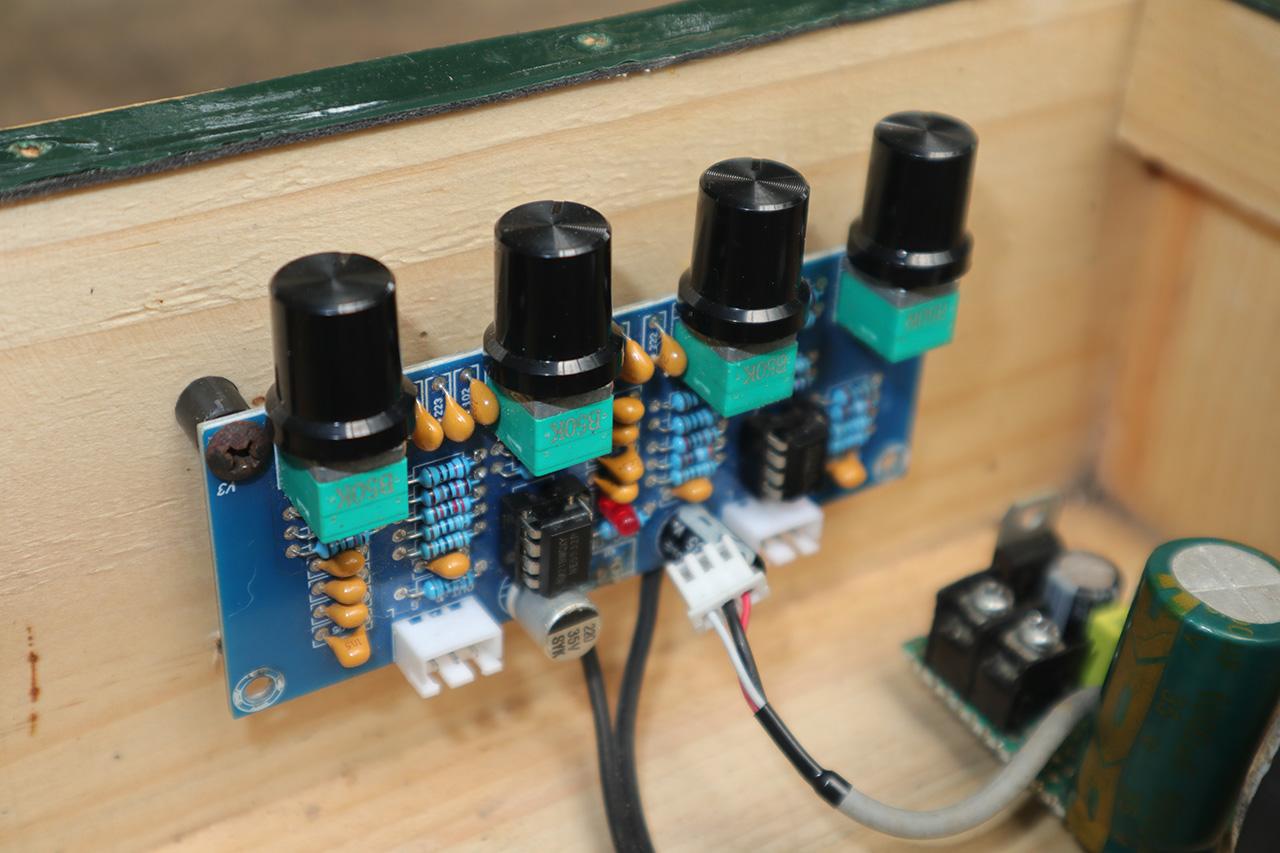
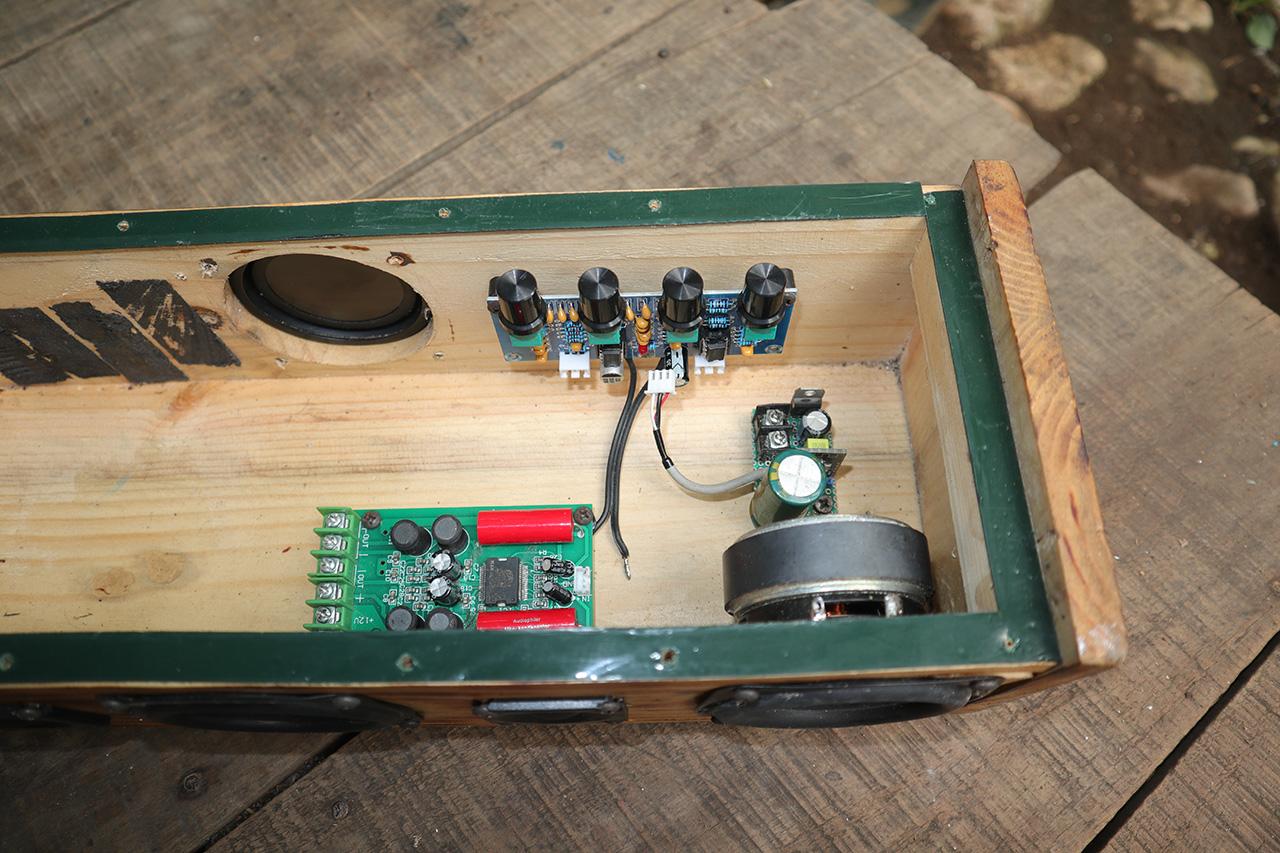
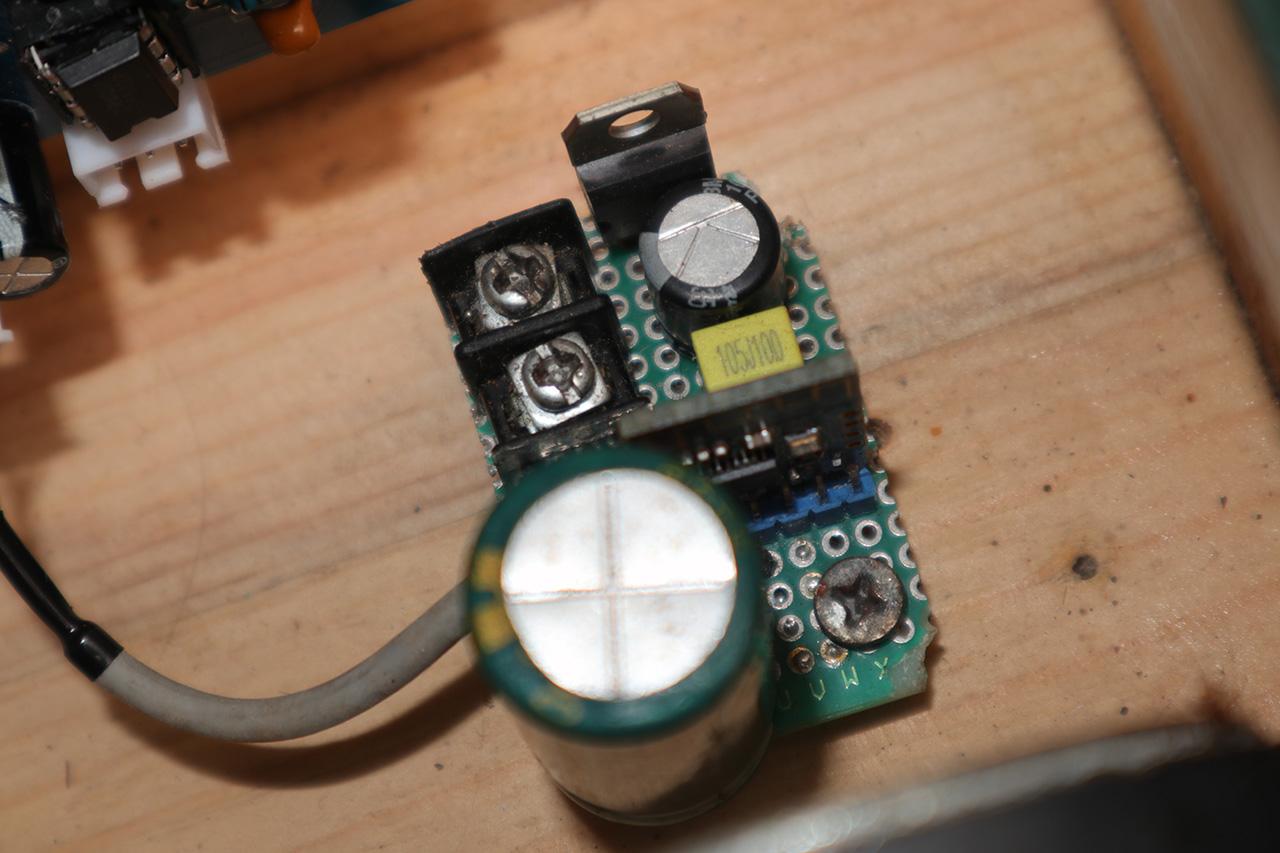
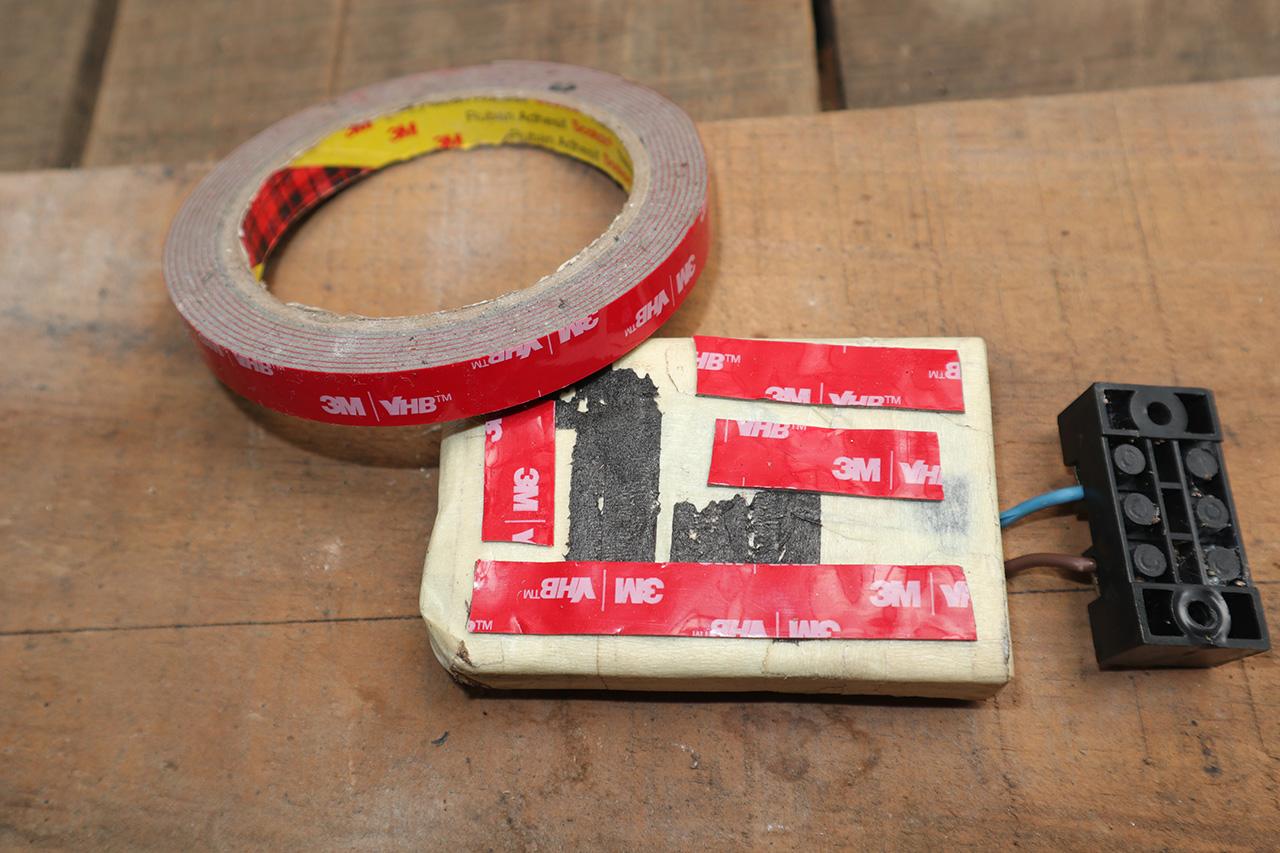
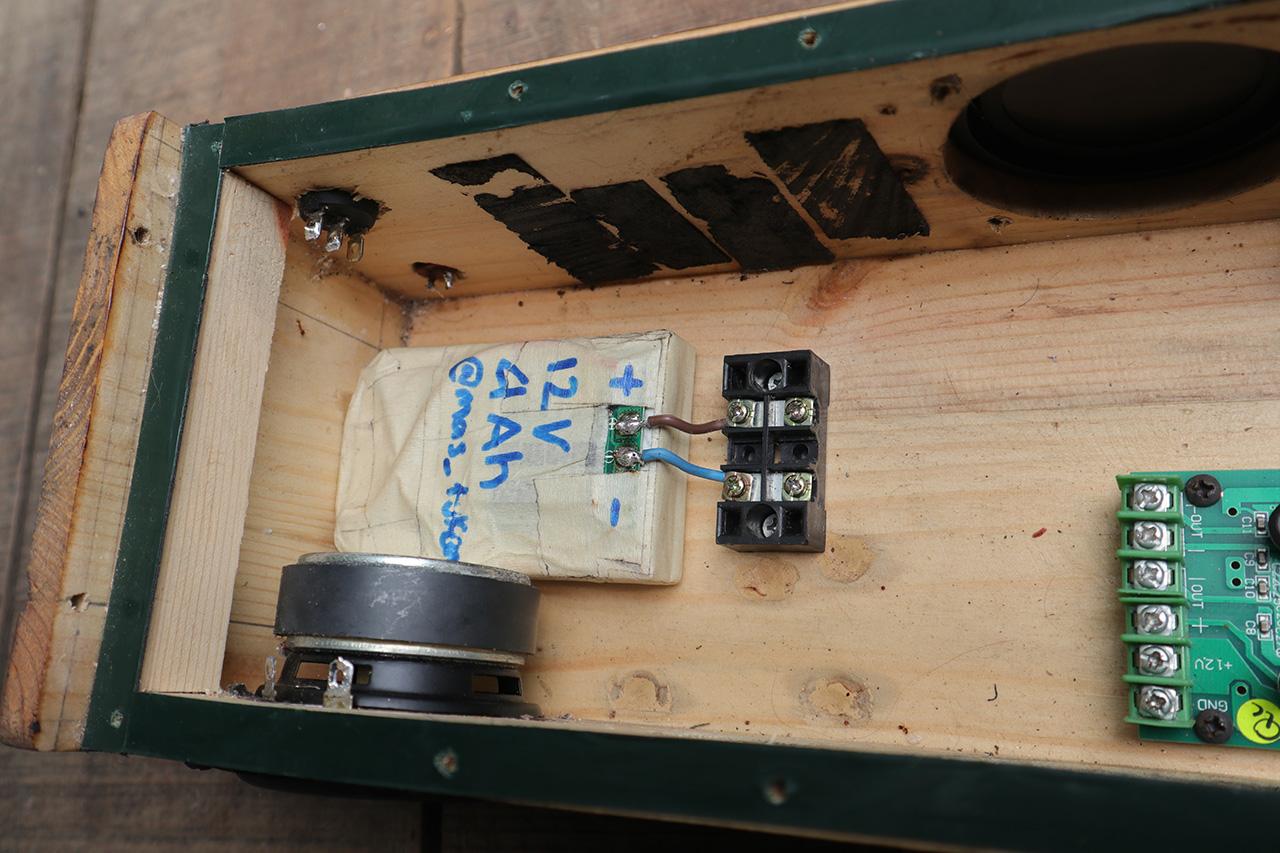
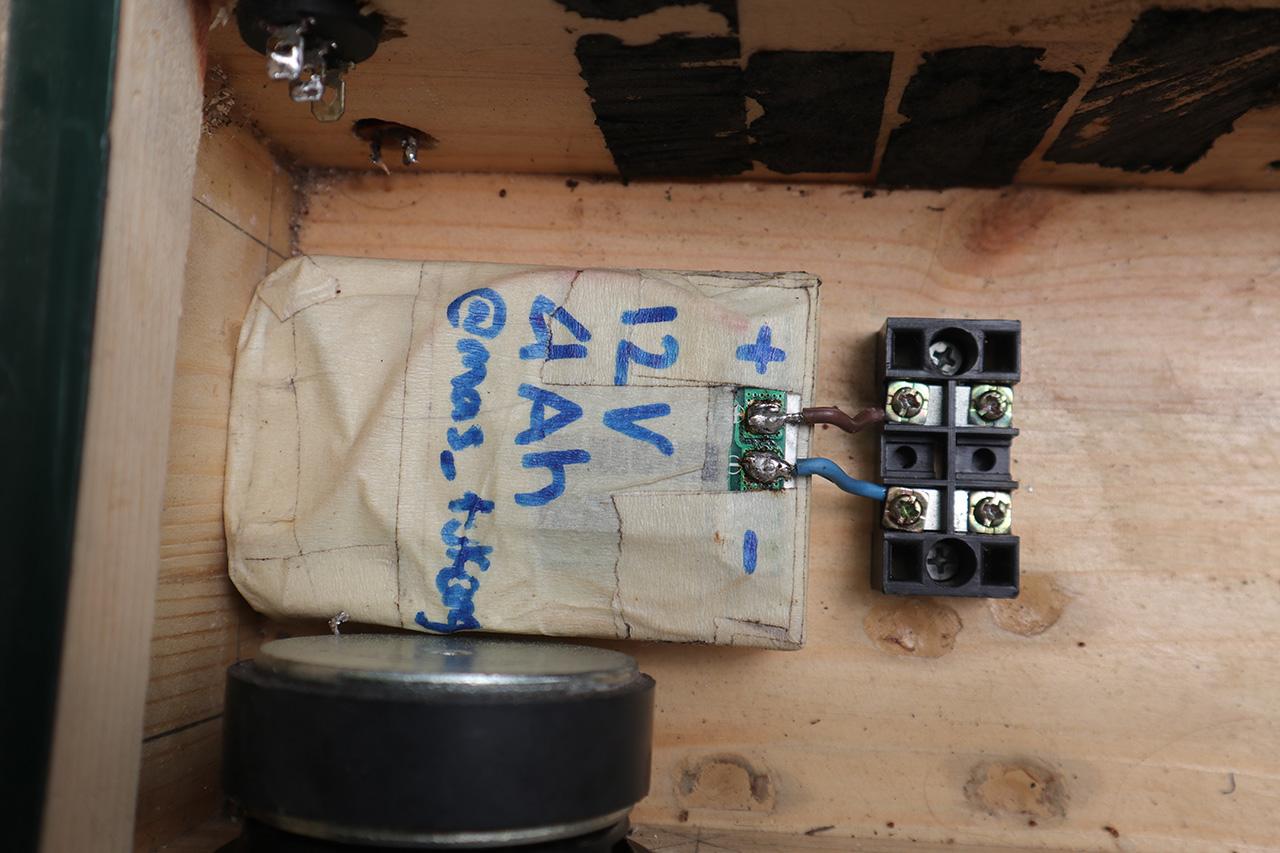
Mount the amplifier, tone control, Bluetooth module, and battery using plastic spacers and wood screws to prevent short circuits and to improve airflow around the electronic components. A 10 mm outer wire insulator may be used as a spacer.
The XFW-M19 Bluetooth module has already been soldered onto the perfboard of the noise filter circuit. The detailed circuit will be shown in the next step.
Electronic Connections and Wiring
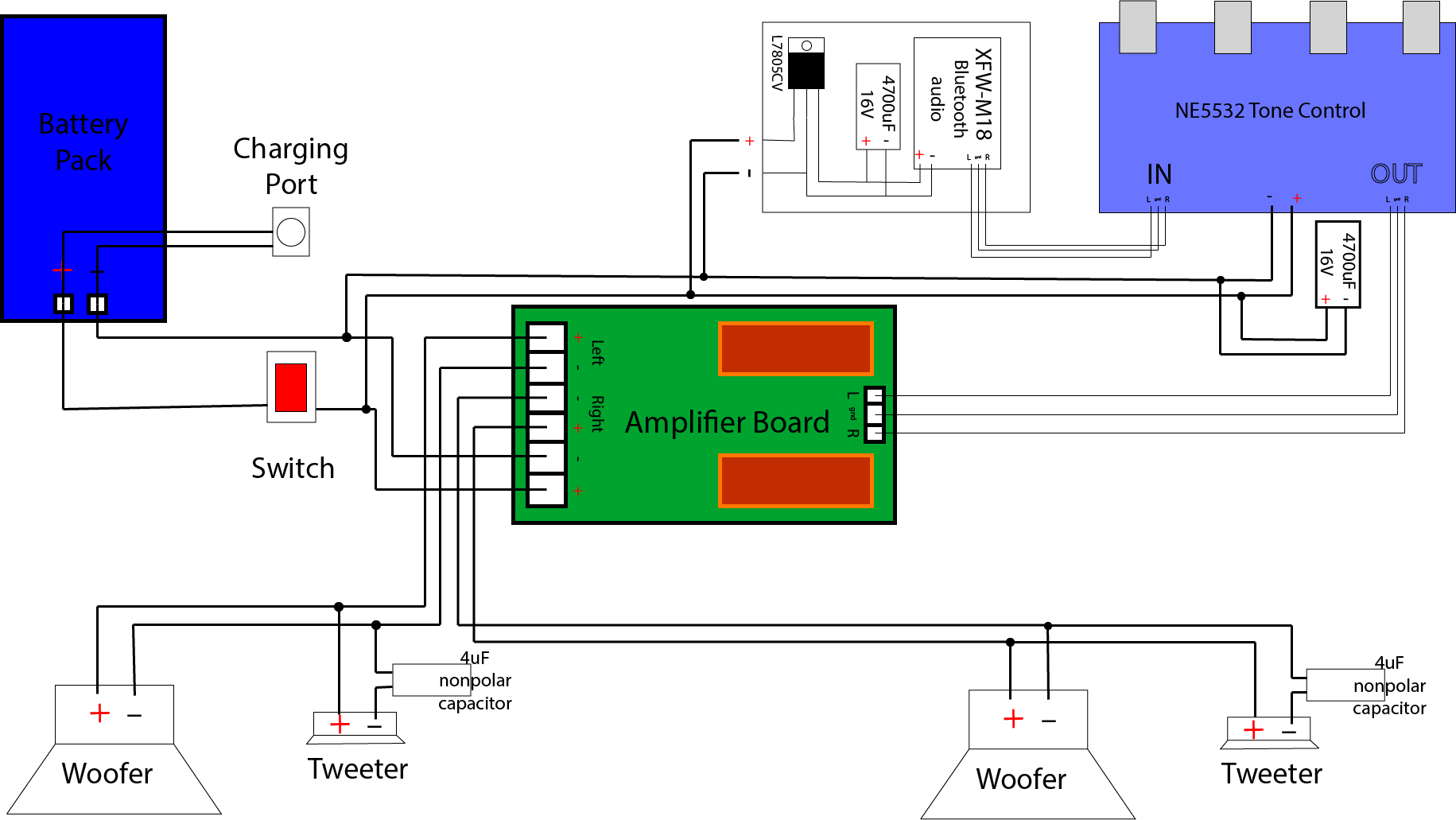
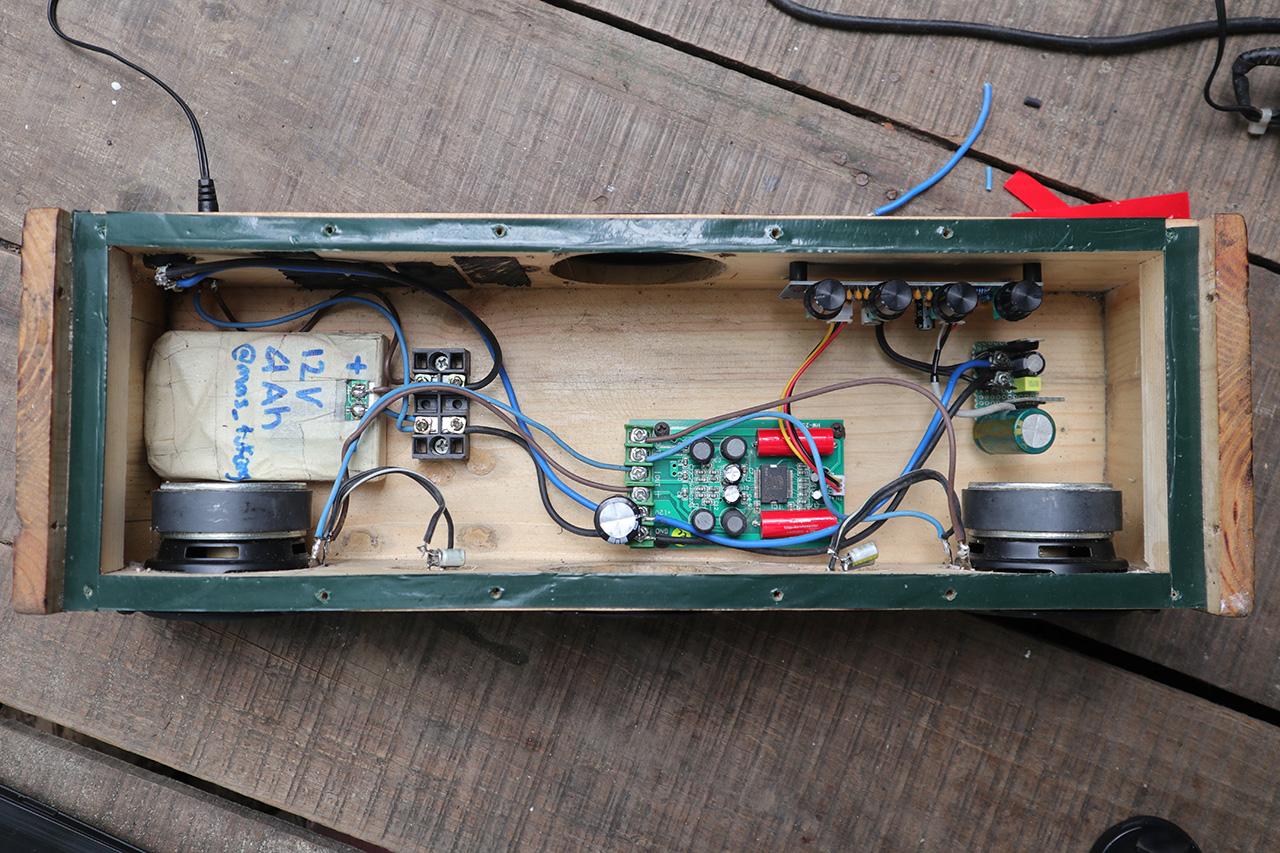
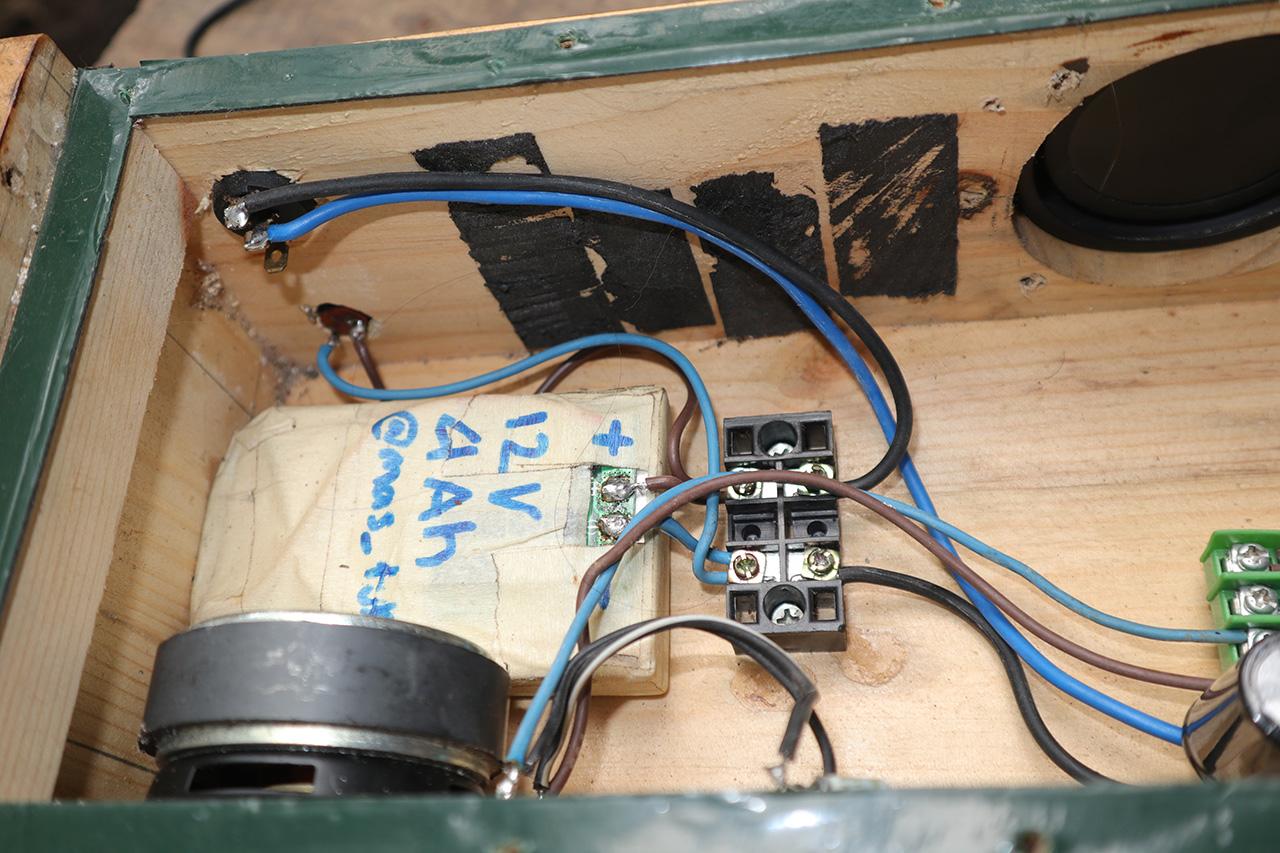
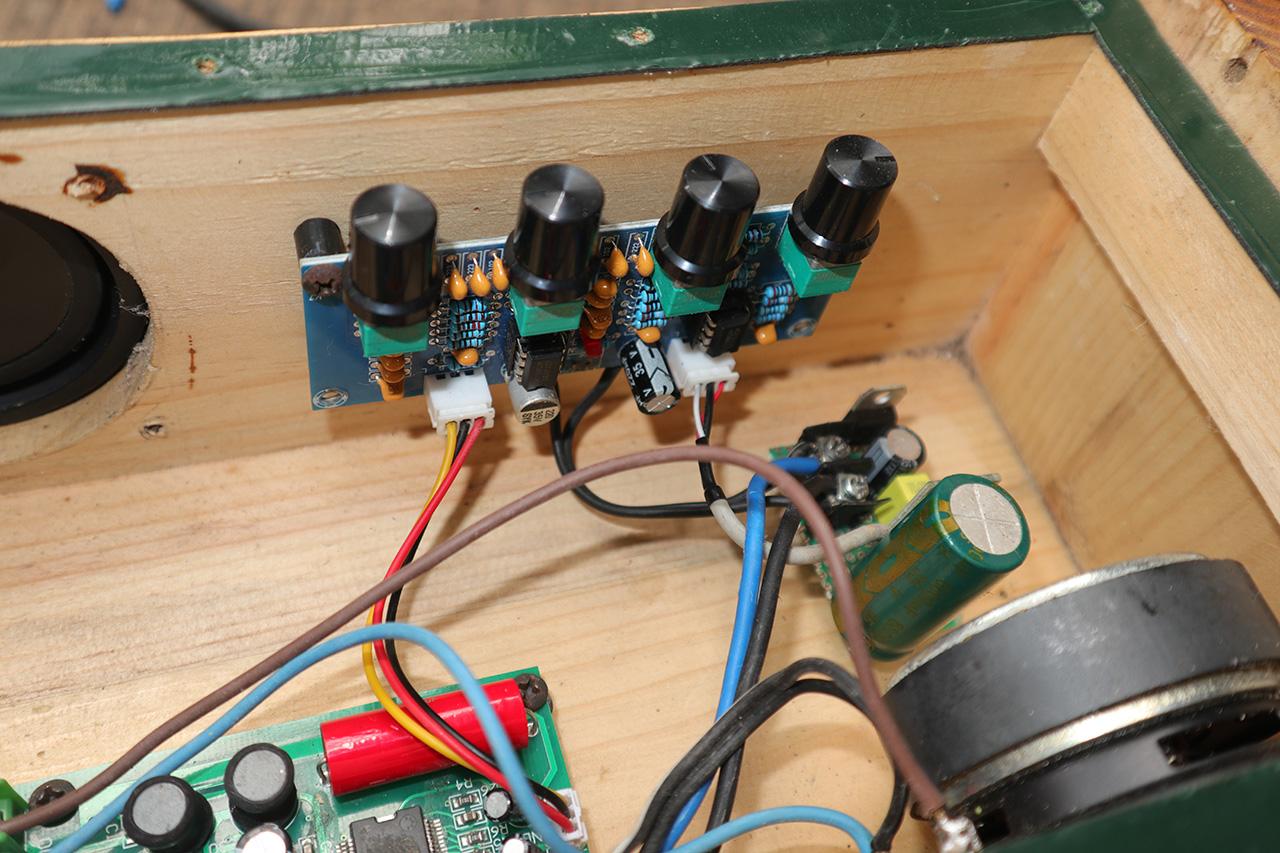
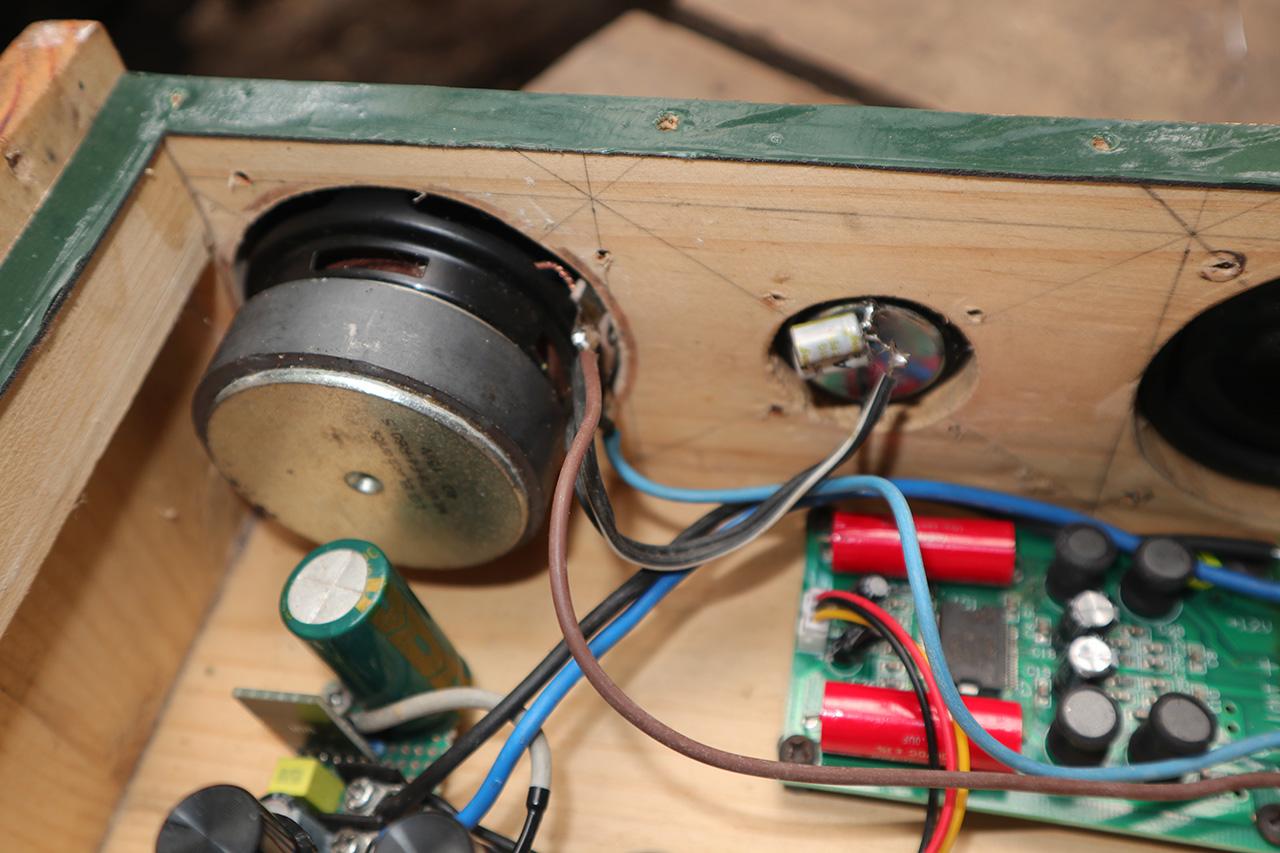
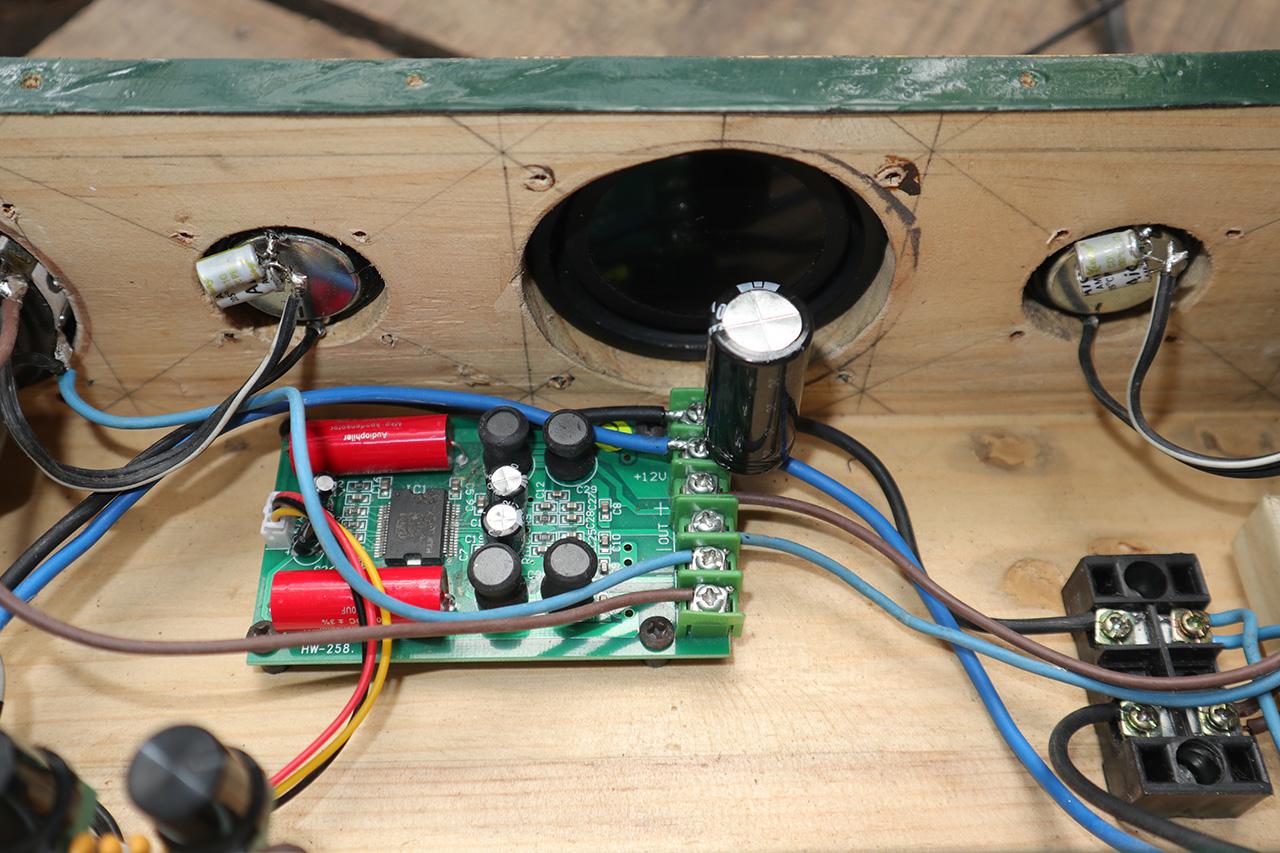
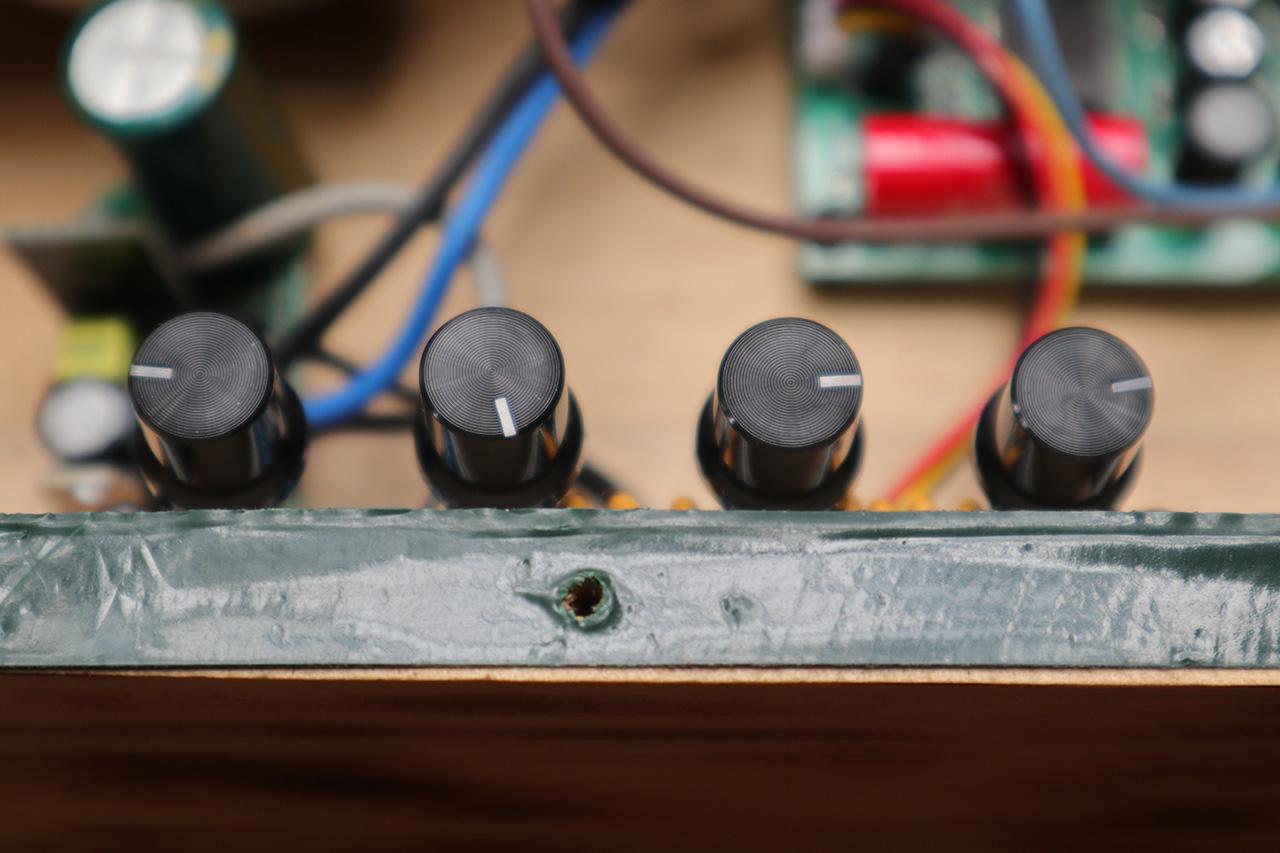
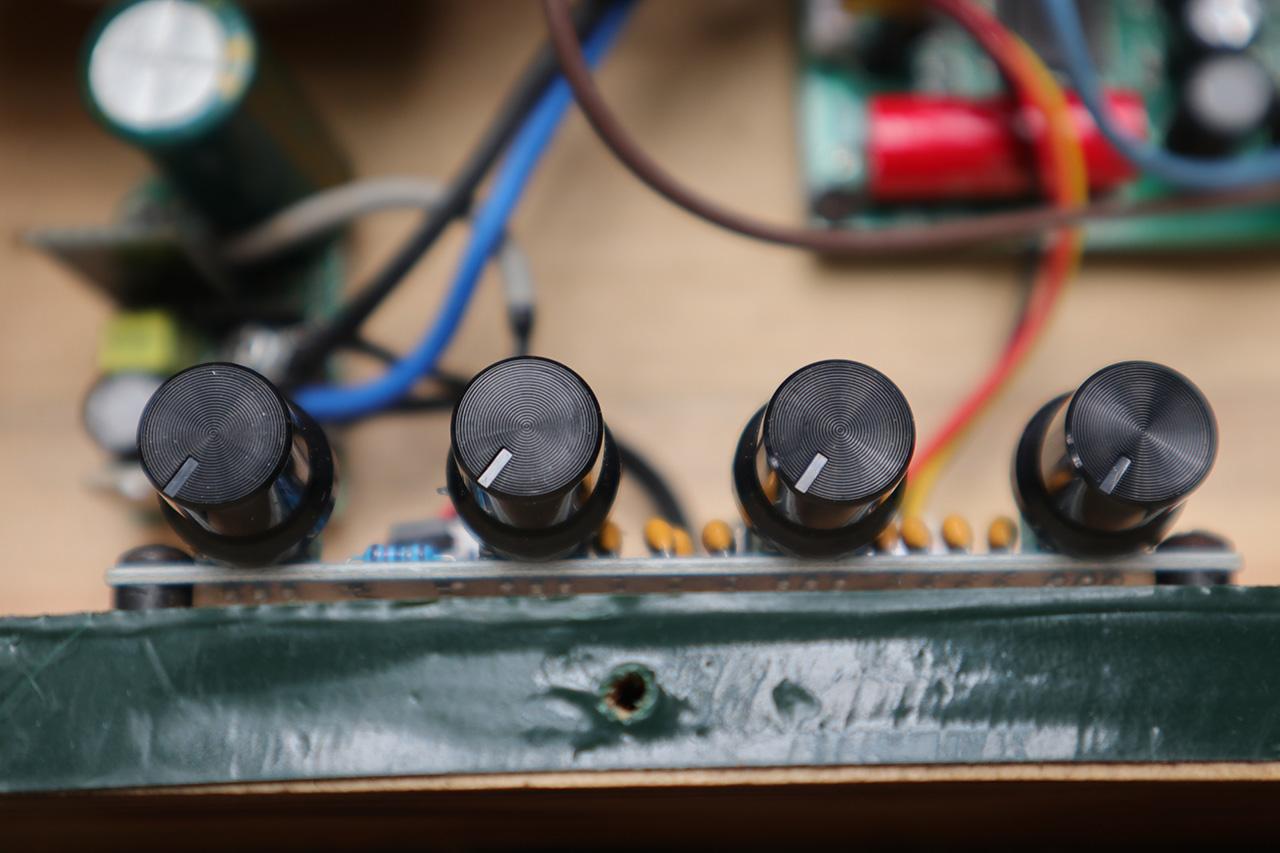
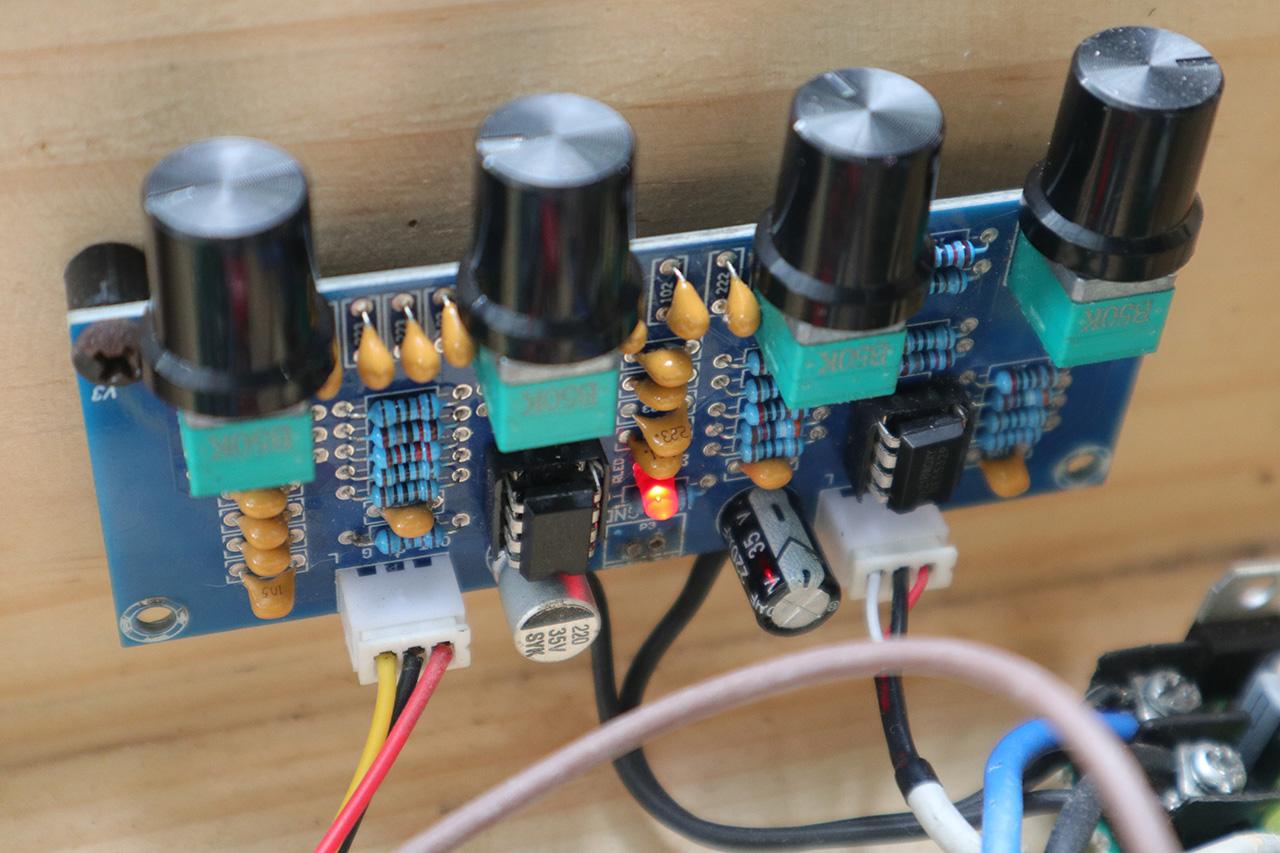
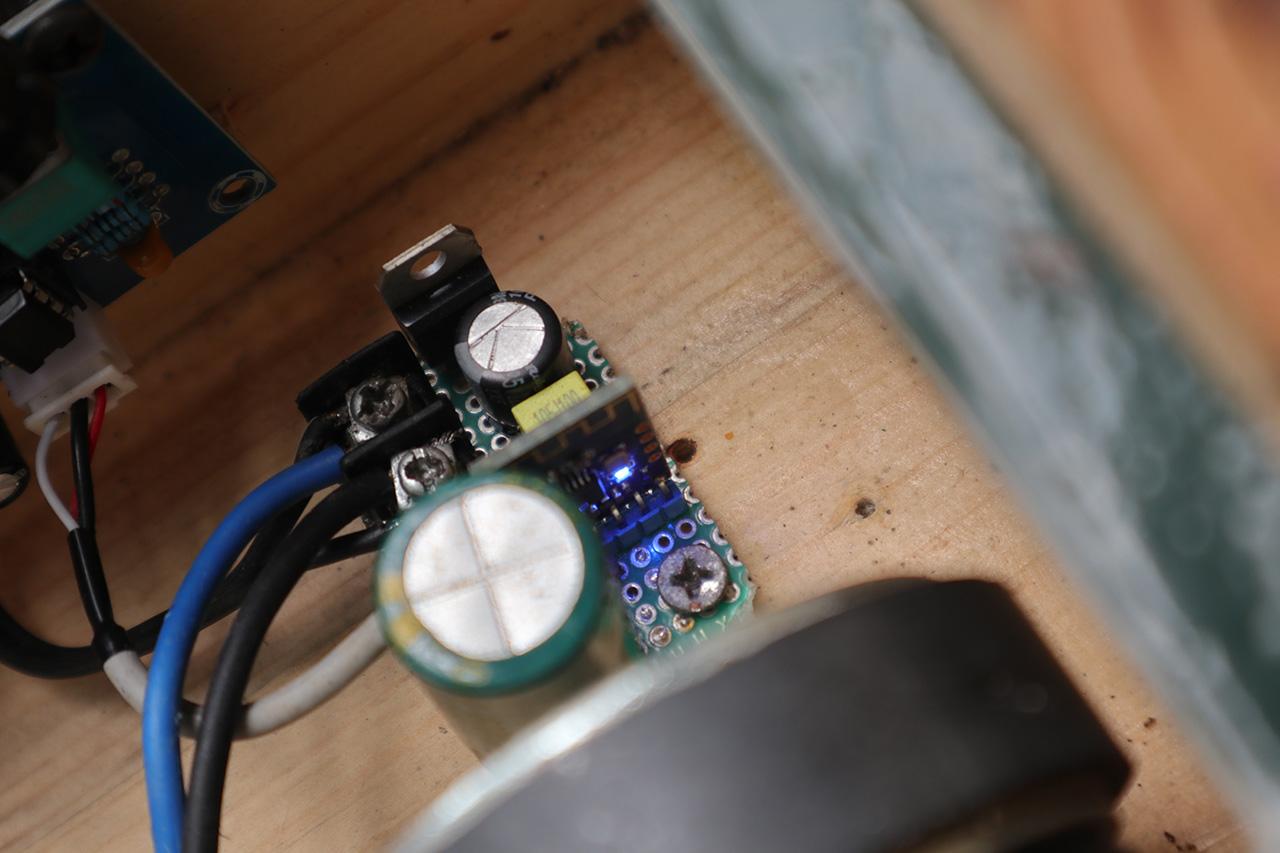
Connect all power and audio lines according to the provided wiring diagram.
Notes:
- Use AWG 20 wire for power connections
- Use coaxial audio cable for low-level audio signals
- Ensure that the polarity is correct. Reversed polarity may damage the electronic module.
- Keep wiring neat to reduce noise and make troubleshooting easier.
- Do not connect the tweeter directly to the amplifier. The tweeter must be protected from low-frequency signals using a non-polarized capacitor. Exposure to low frequencies may cause permanent damage to the tweeter
First Test and Tone Adjustment
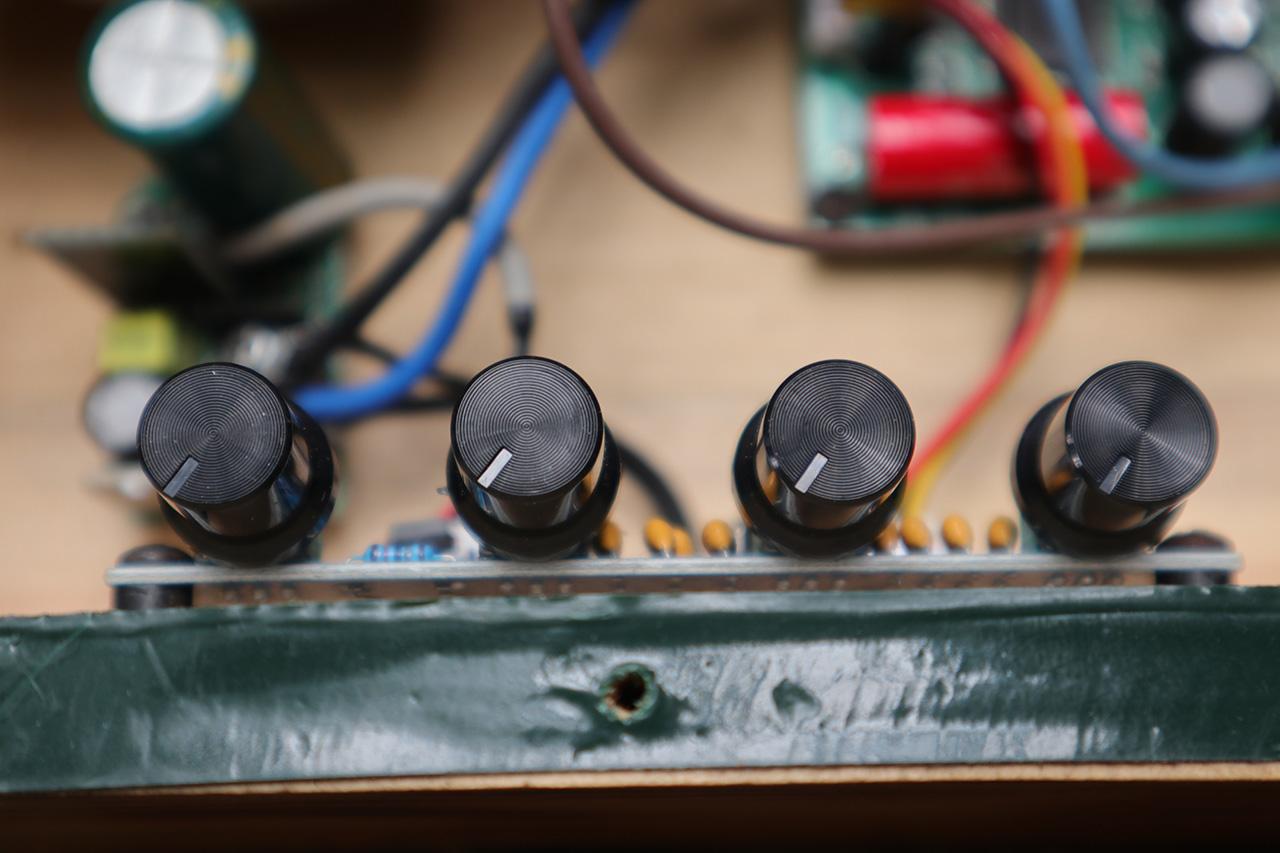
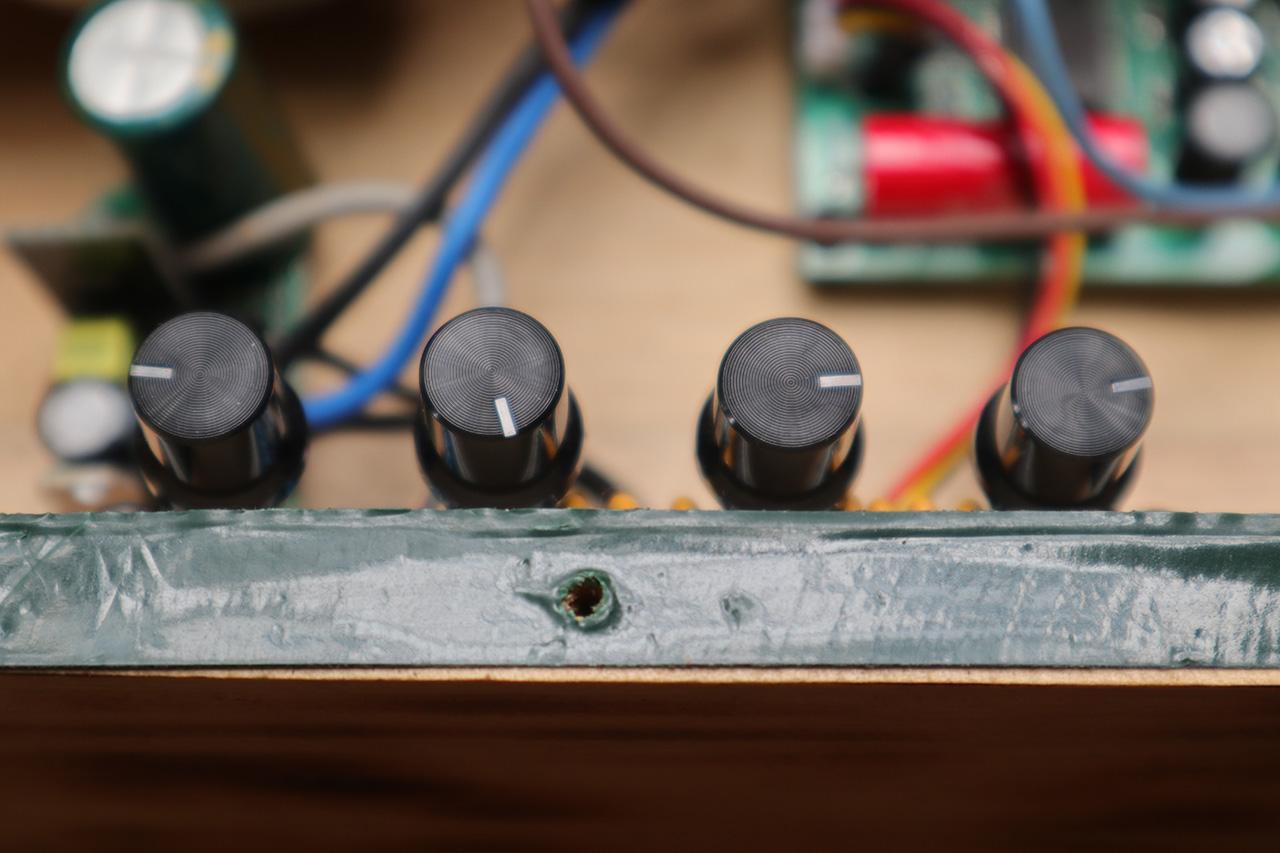
Before closing the enclosure:
- Set the volume knob to minimum
- Turn on the power
- Set the audio source volume (phone or tablet) to maximum
- Slowly increase the speaker volume
- Set the maximum desired volume. At this volume, the sound should be:
- Loud but clean
- Free from distortion
- Stable (no volume drop on bass hits)
Adjust the bass, mid, and treble controls until the desired tone is achieved. At this stage, the bass may sound weak because the enclosure is still open. Once the desired tone has been set, proceed to the next step.
Final Testing With Closed Enclosure
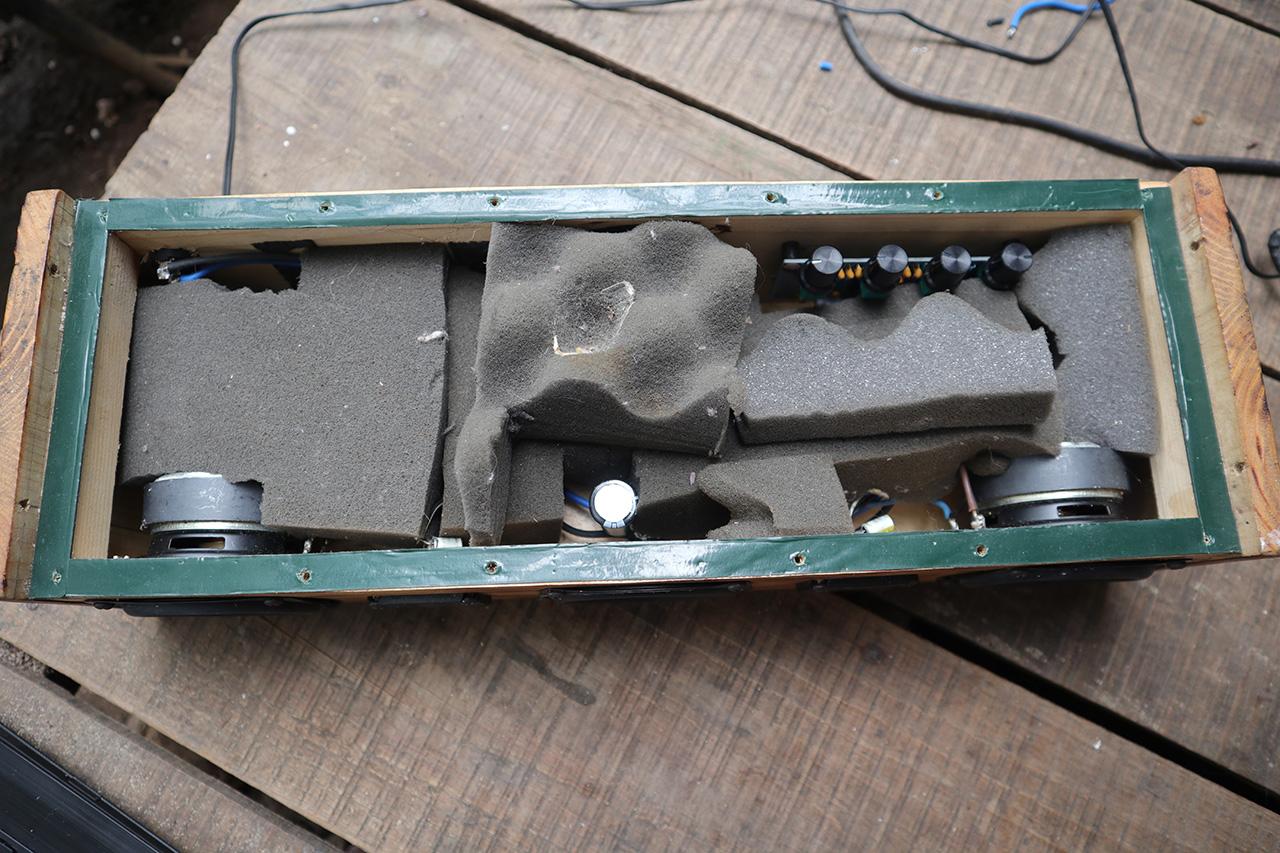
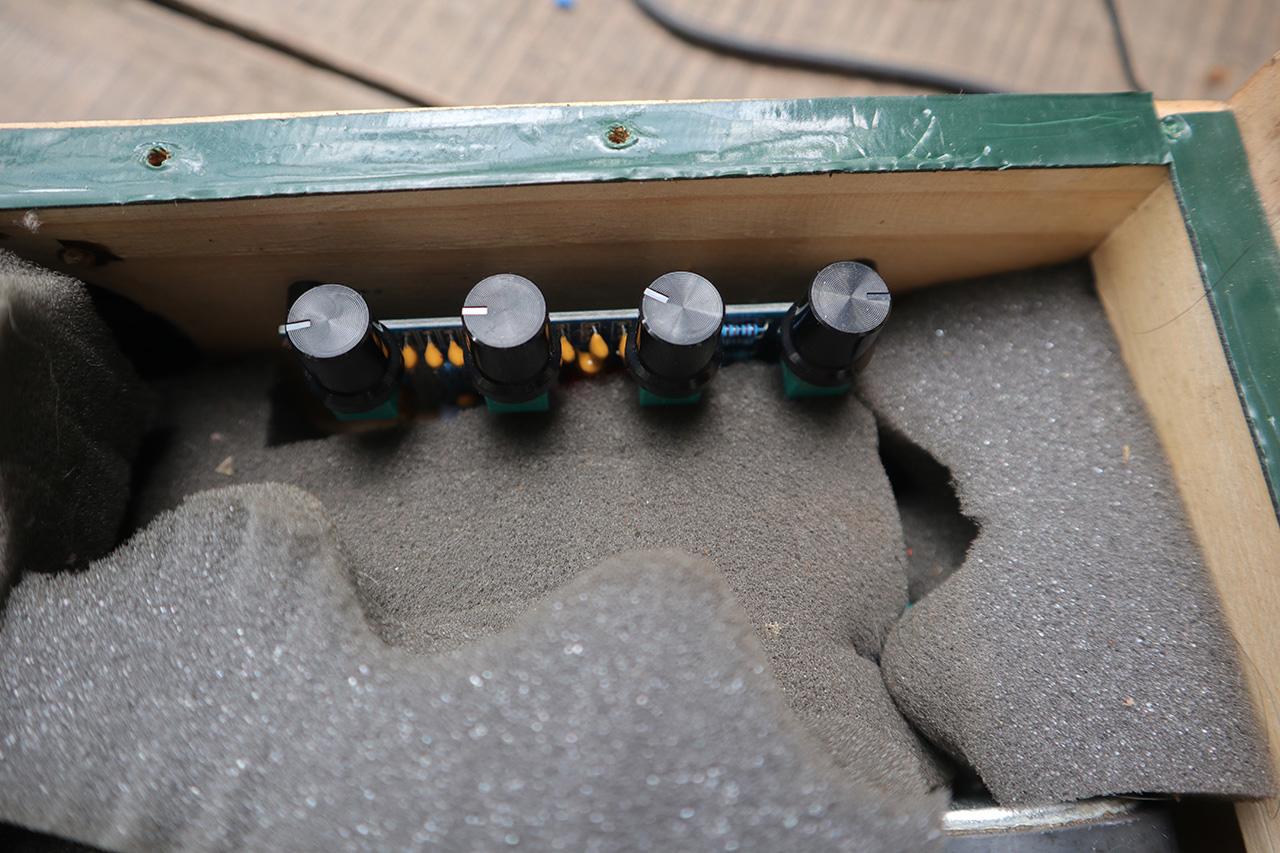
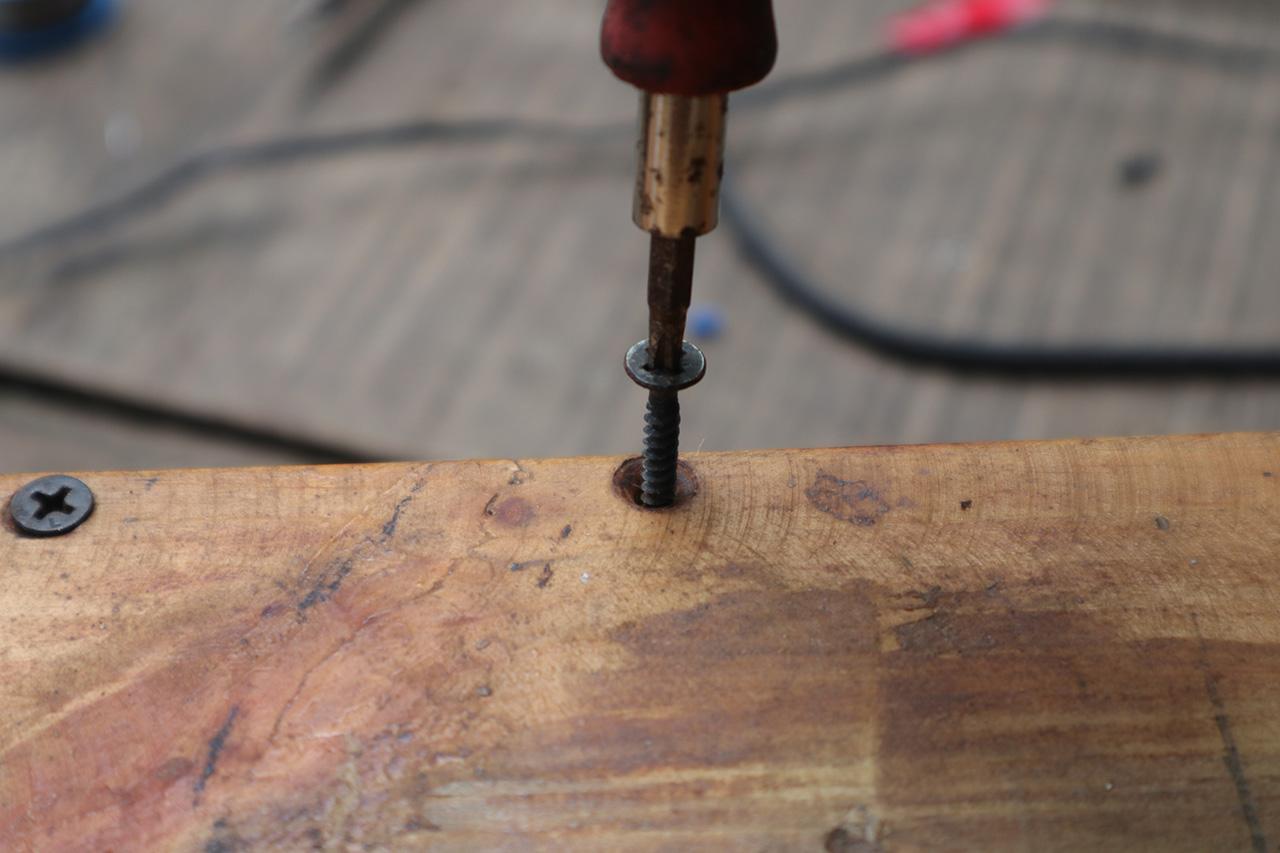
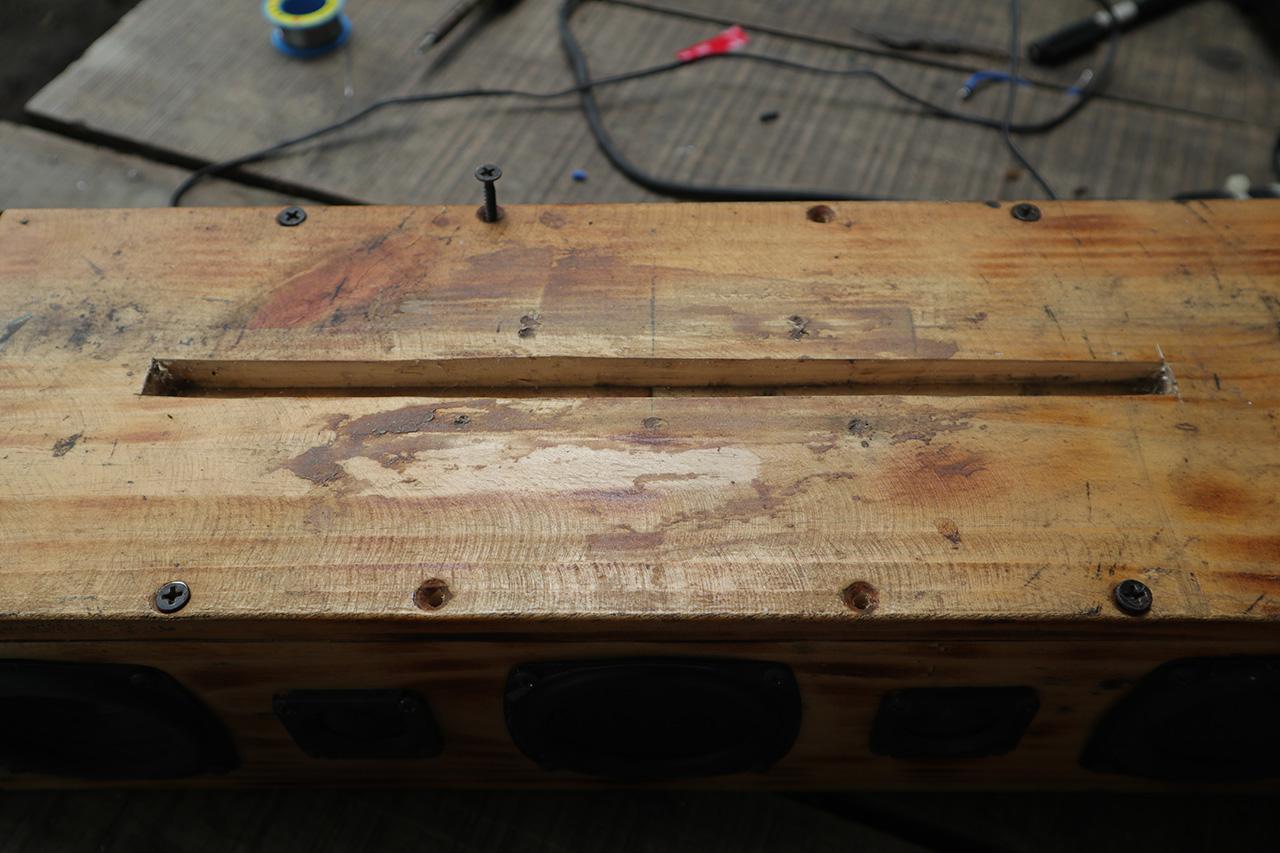
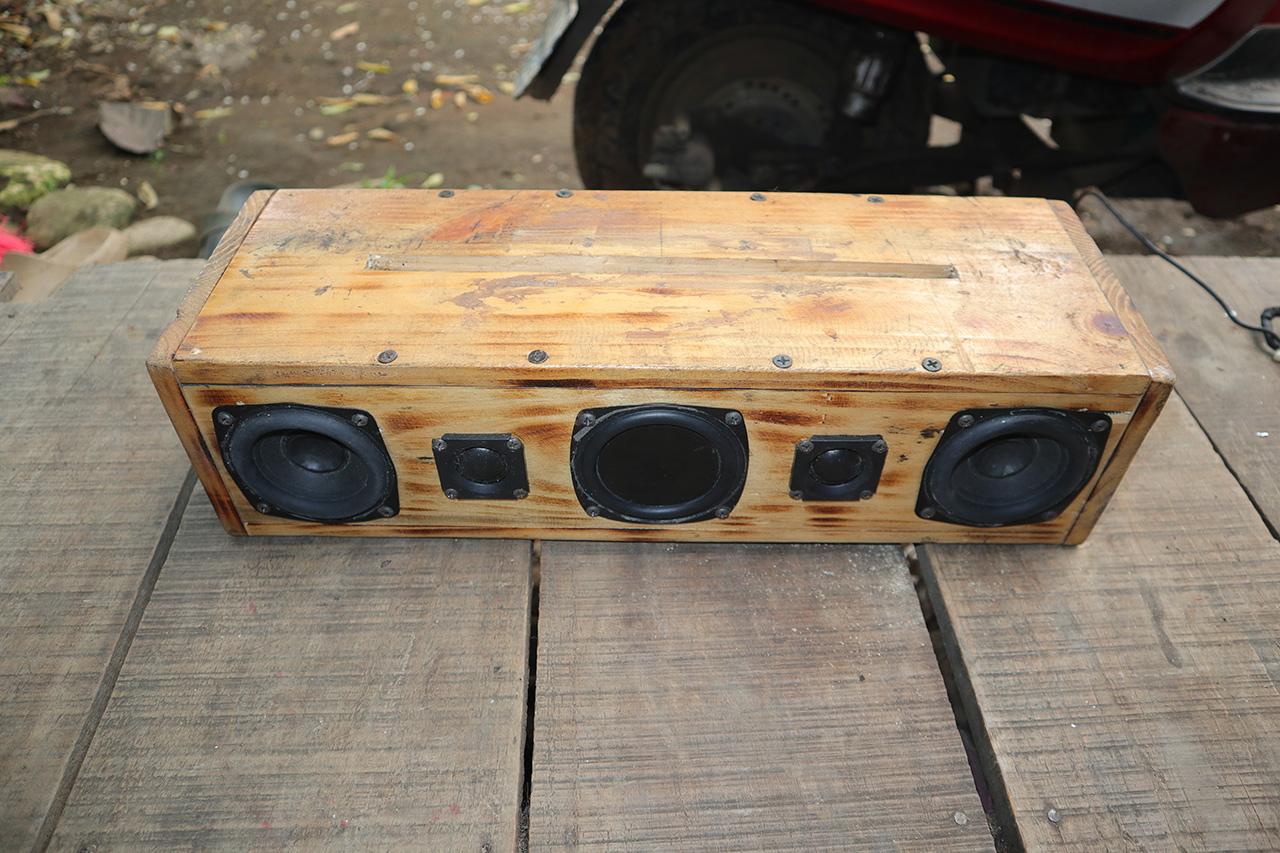
Fill the empty space inside the enclosure with acoustic foam to minimize hum caused by the enclosure’s natural resonance. Seal the gap between the enclosure and the top panel with rubber tape to prevent air leak
Afterward, close the enclosure and test the system again.
Now the passive bass radiators should be fully active (vibrates like normal speaker).
If they barely move or the bass is weak, there is likely an air leak
Seal leaks using additional wood glue
A properly sealed enclosure produces deep, clean, and punchy bass.
Making the Batik Cloth Speaker Grille
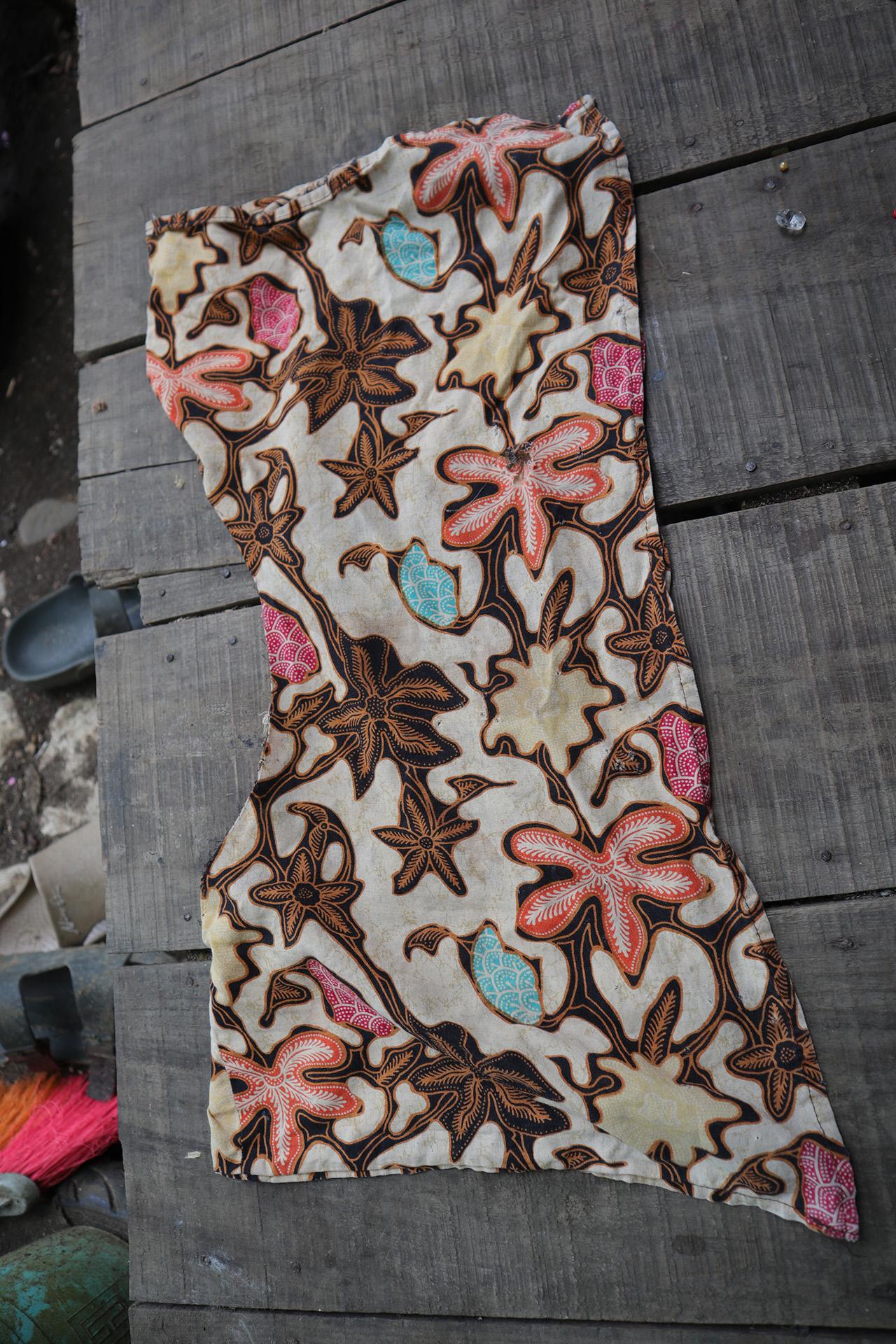
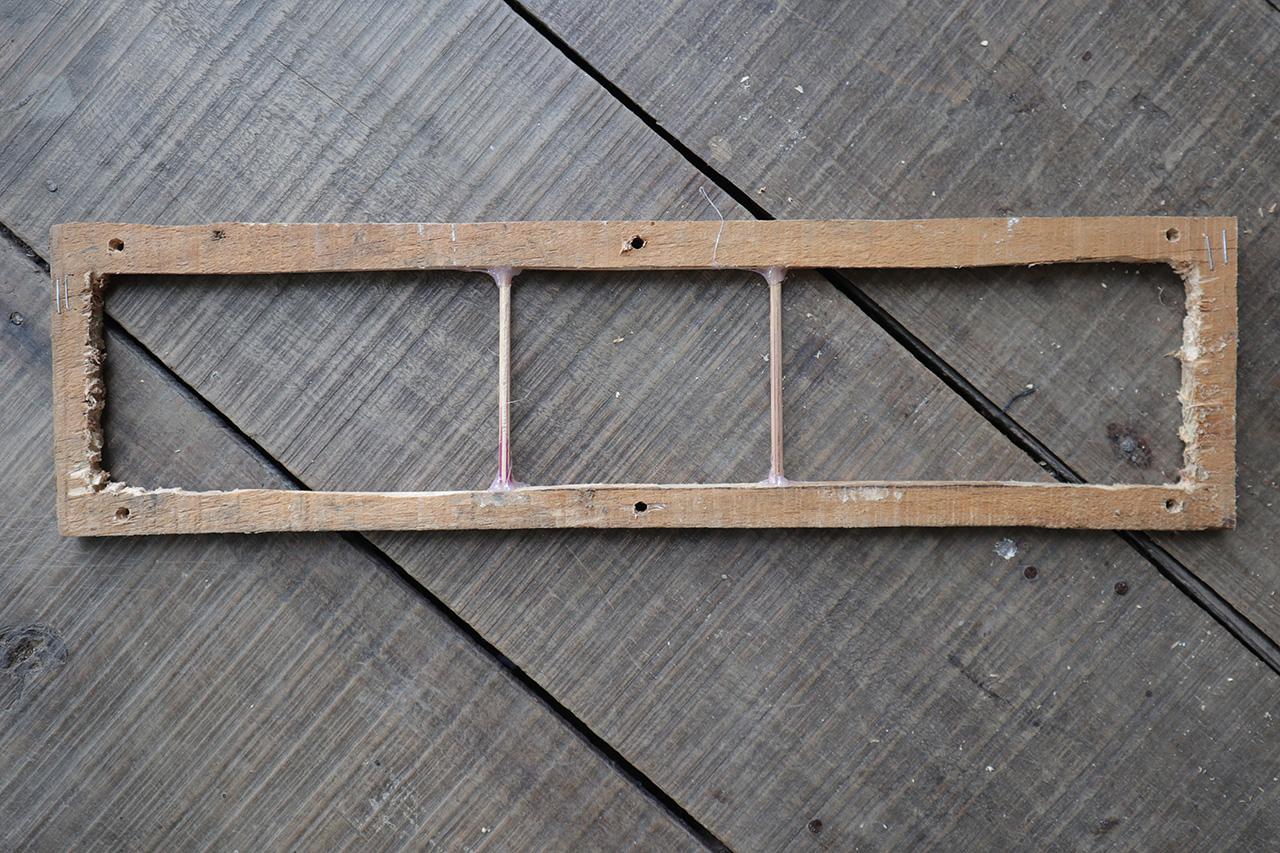
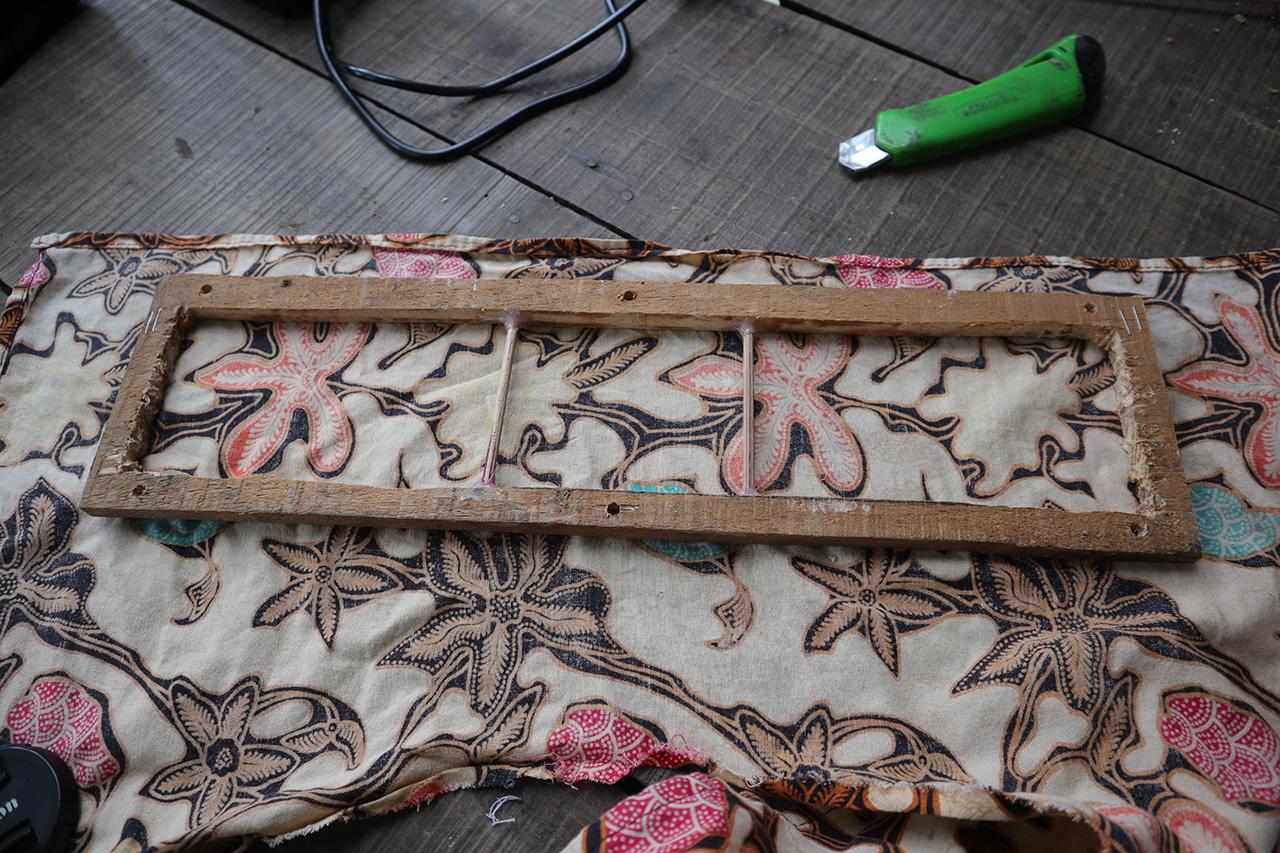
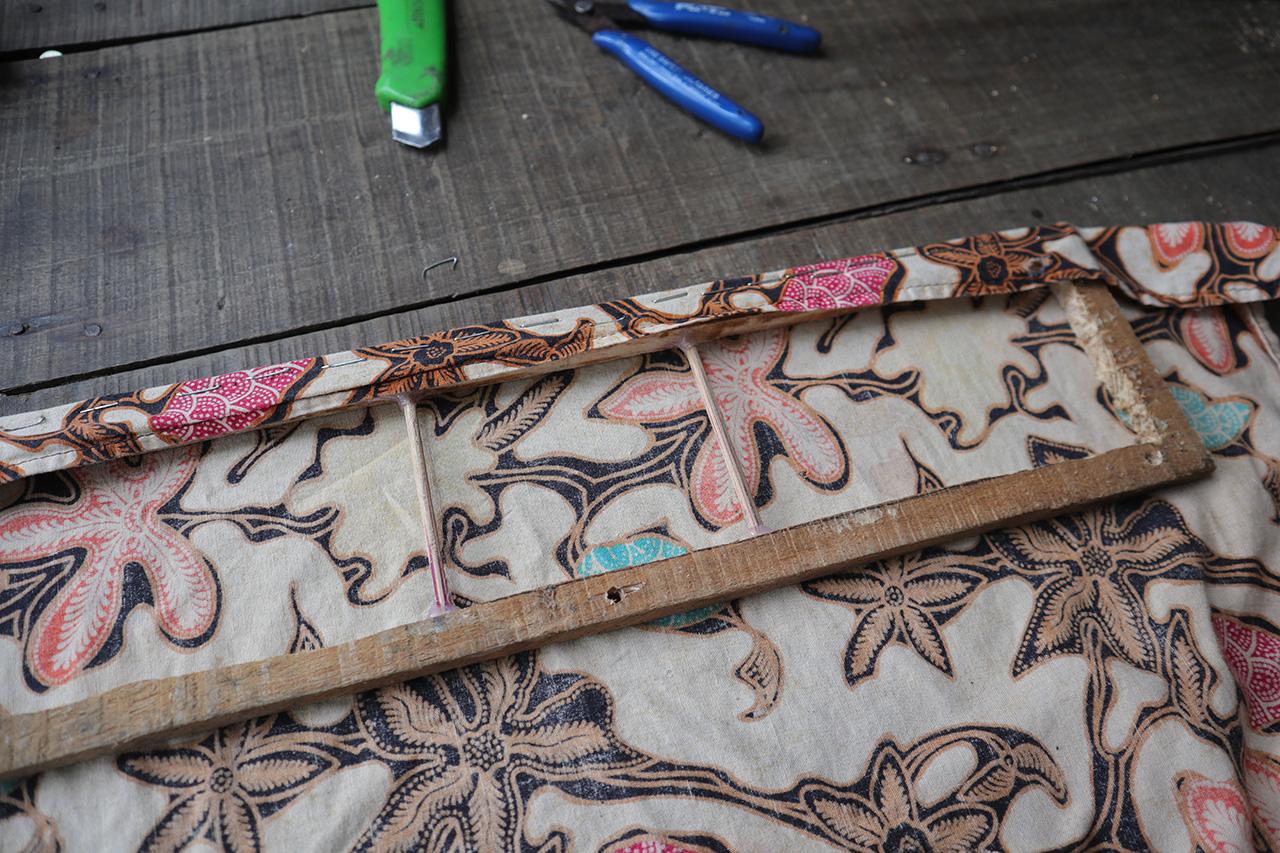
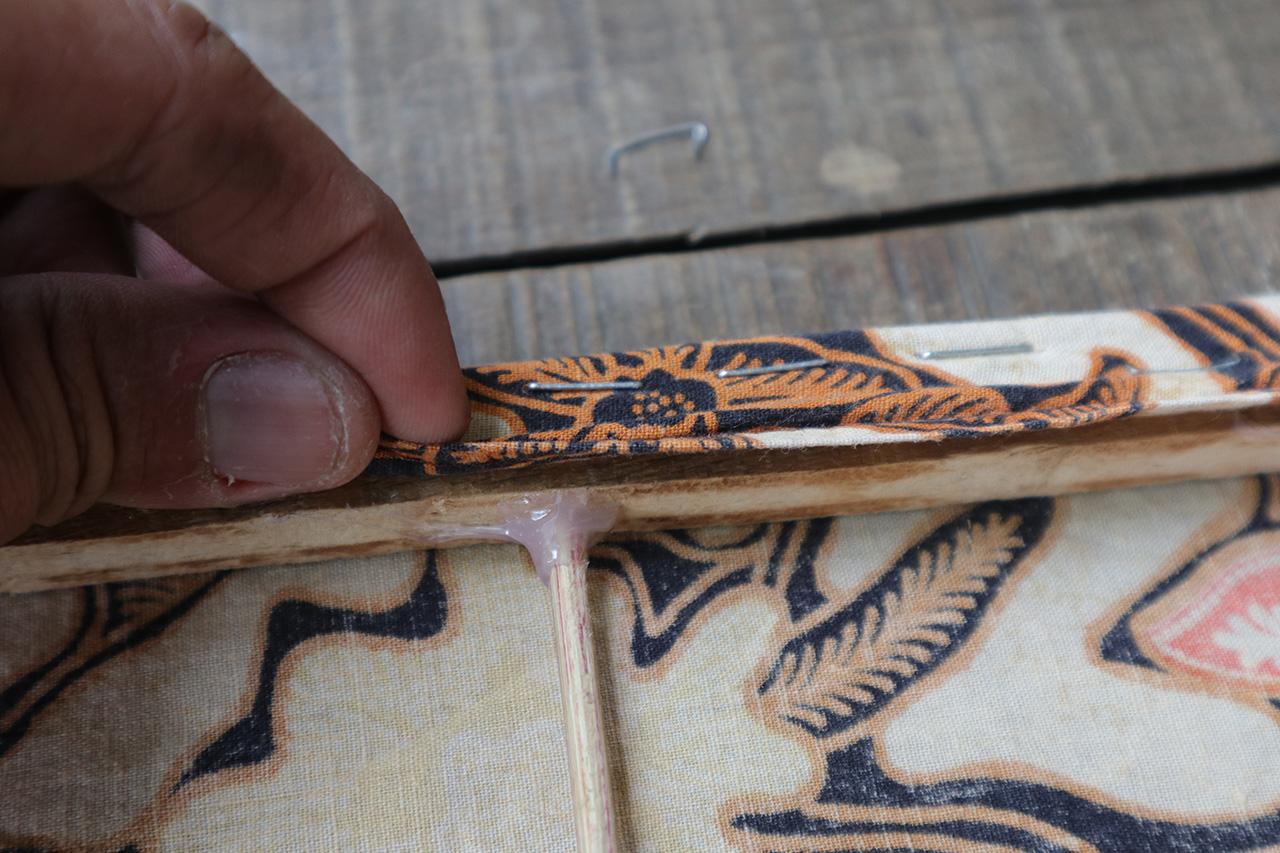
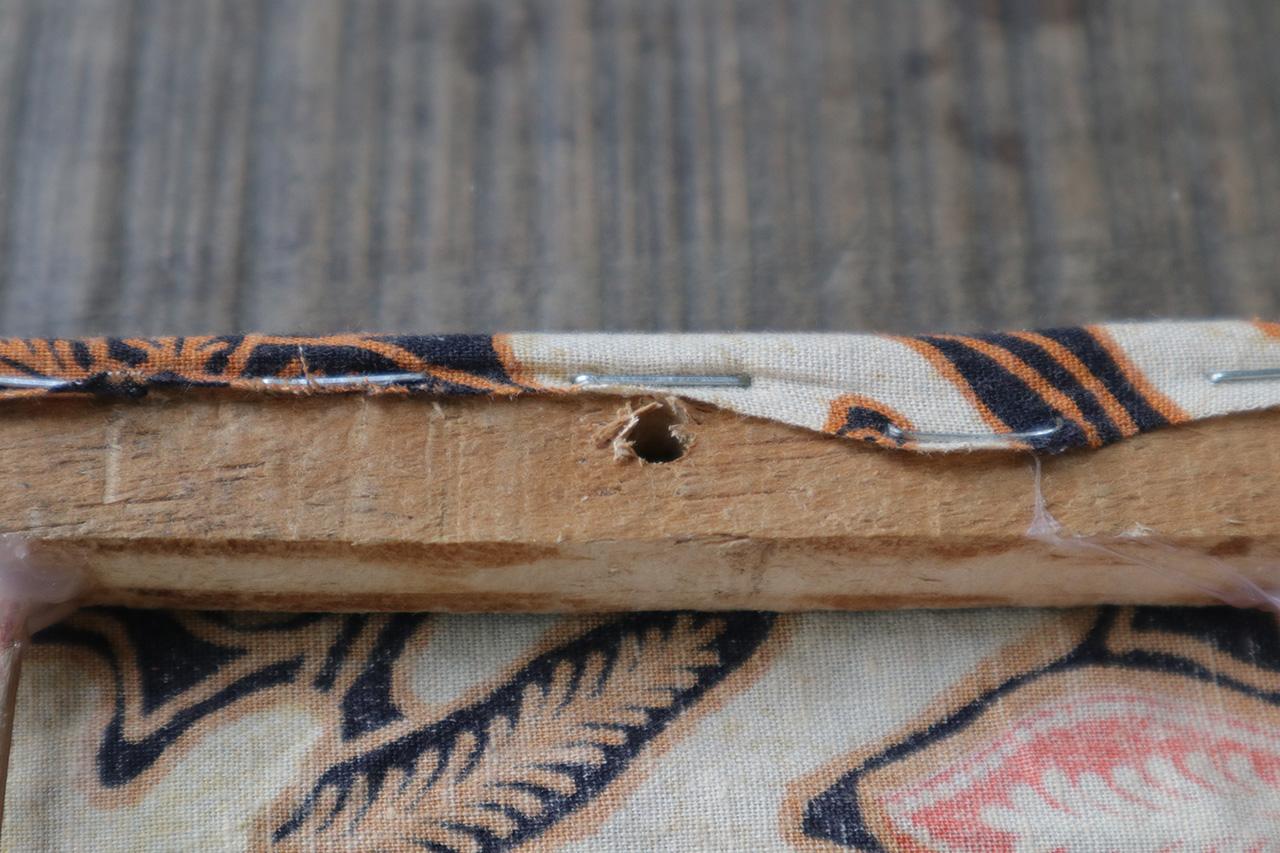
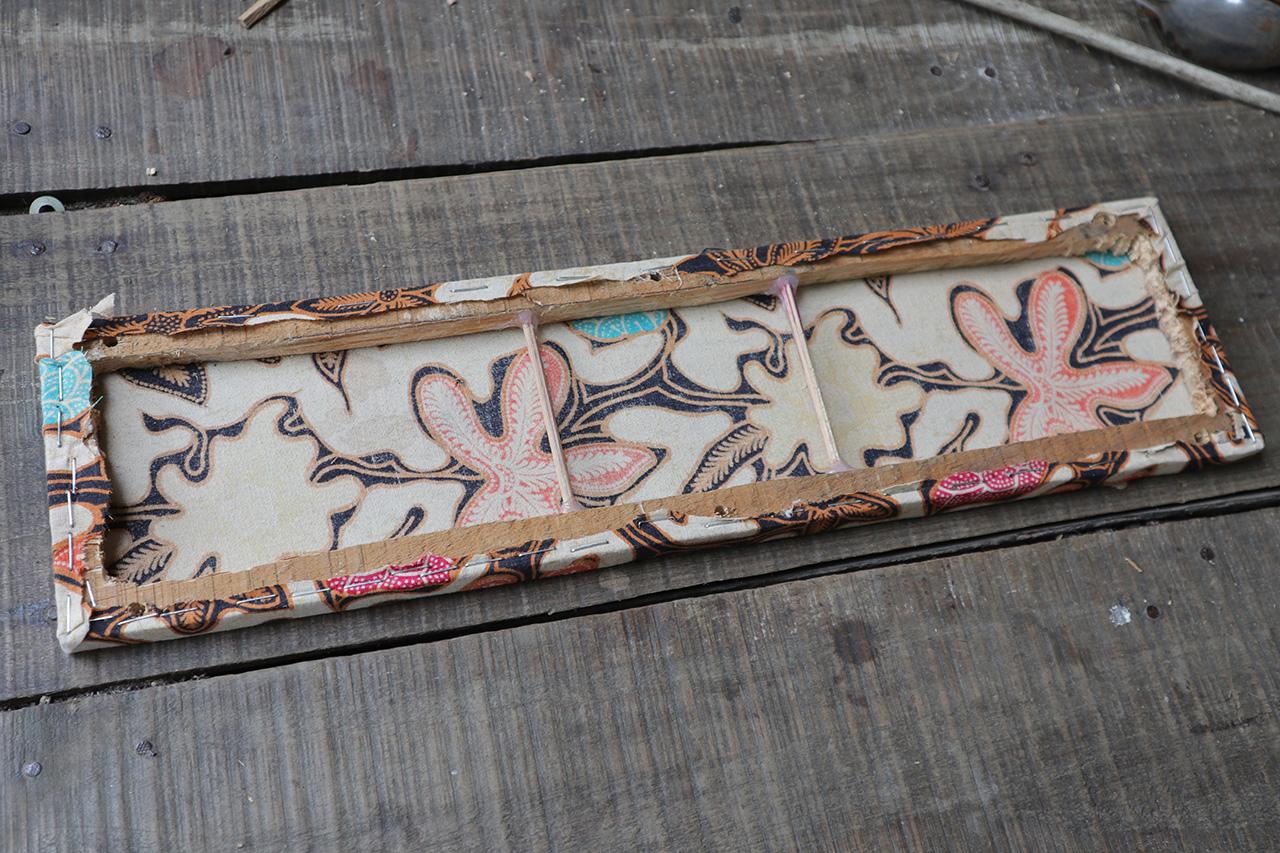
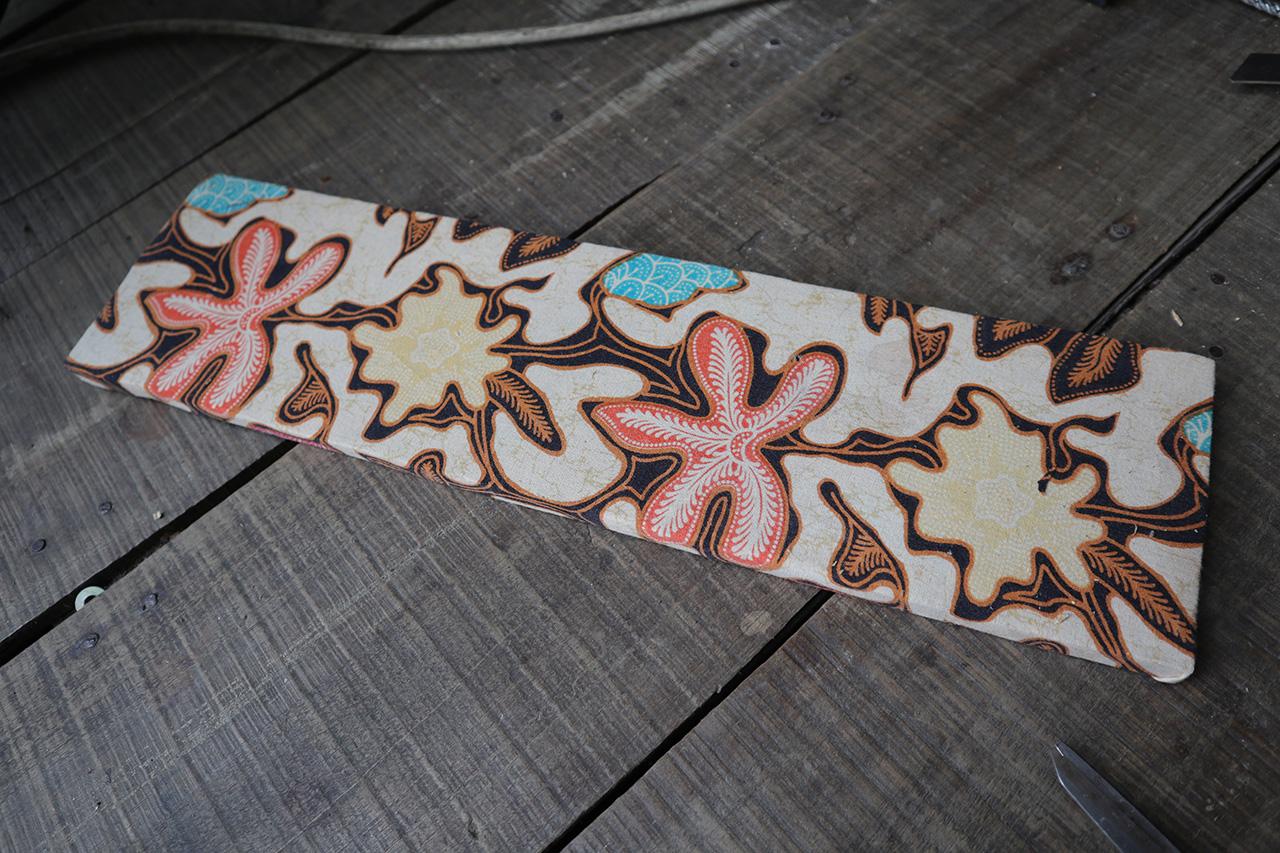
It's time for the artistic section, making the batik cloth speaker grille:
- Prepare the front cover panel and batik cloth
- Lay the cloth evenly over the wooden frame
- Staple one side
- Stretch the cloth firmly
- Staple the opposite side. The goal is a tight, wrinkle-free surface that looks elegant and allows sound to pass freely.
Install the Batik Front Cover to the Speaker
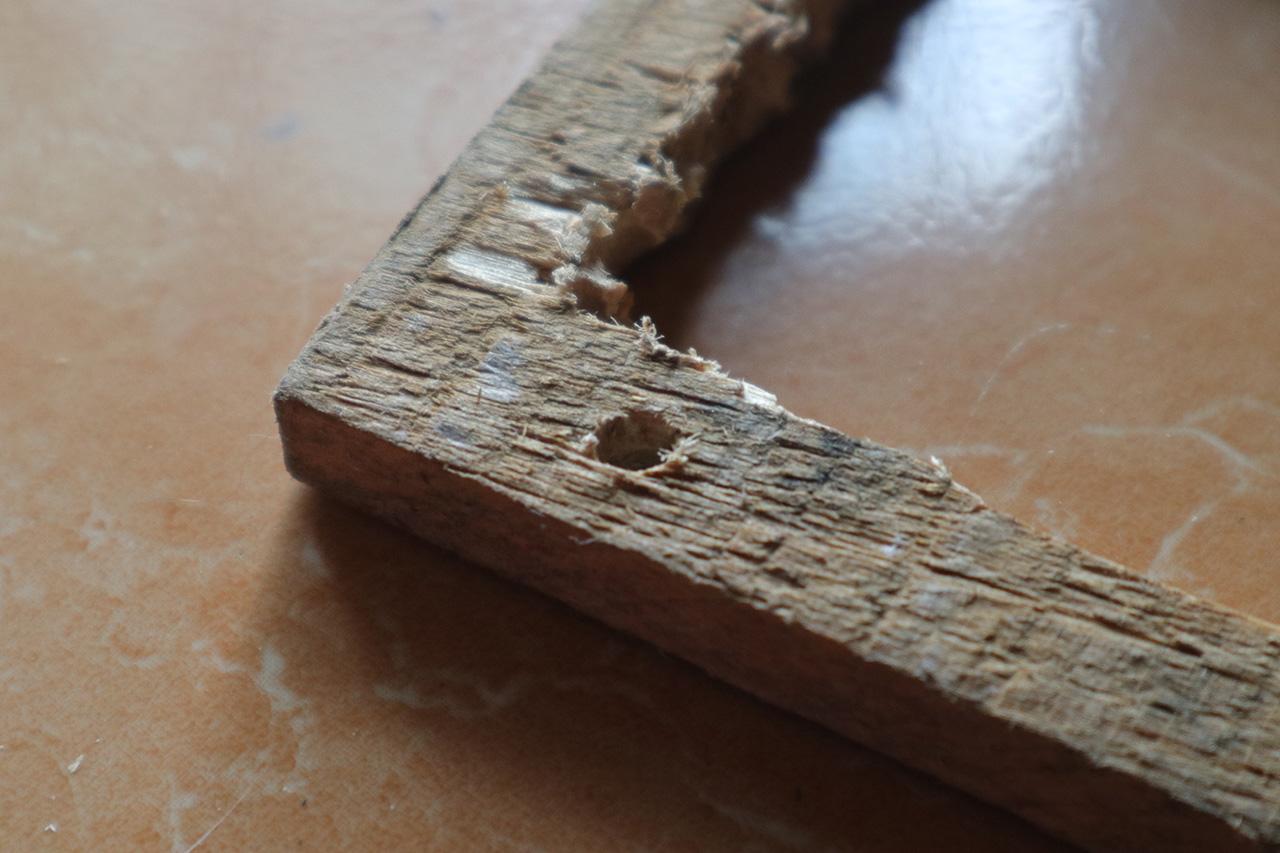
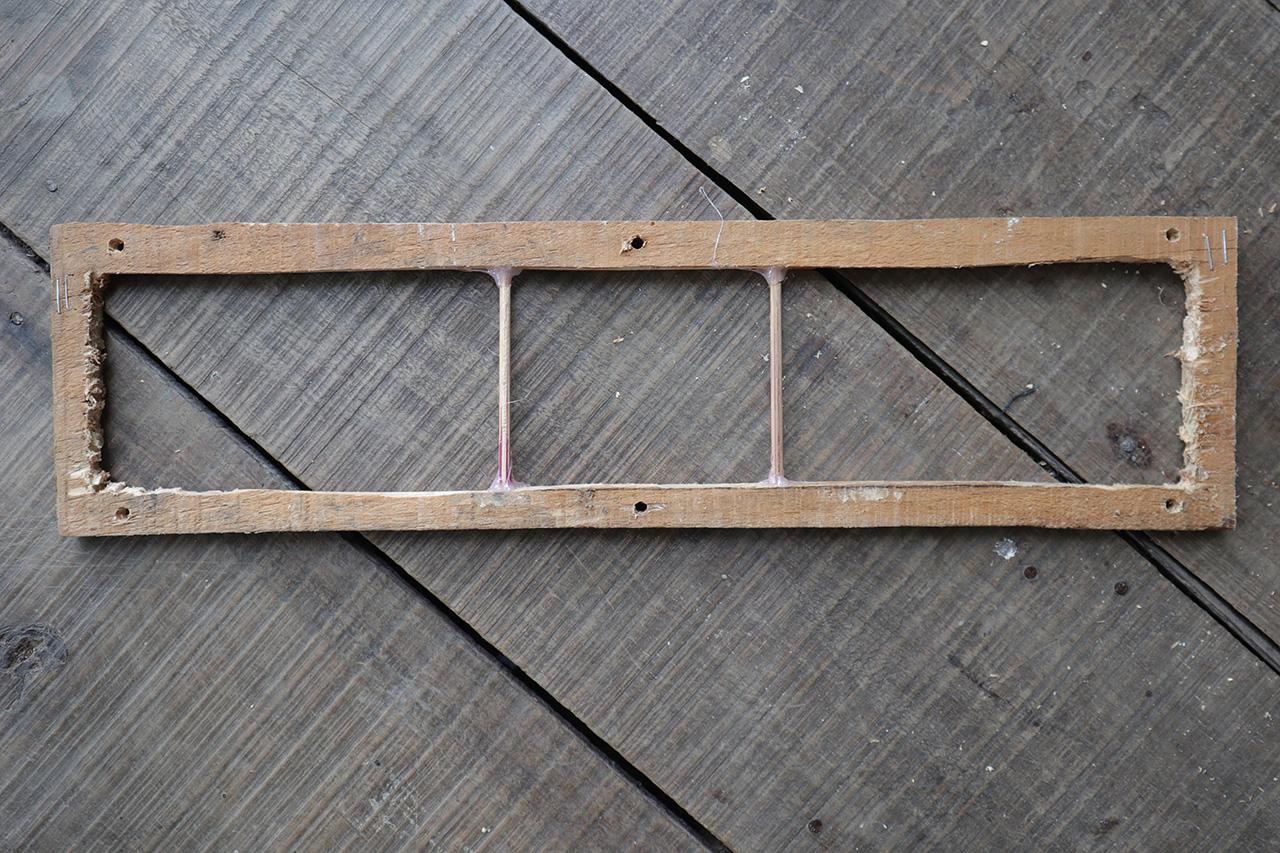
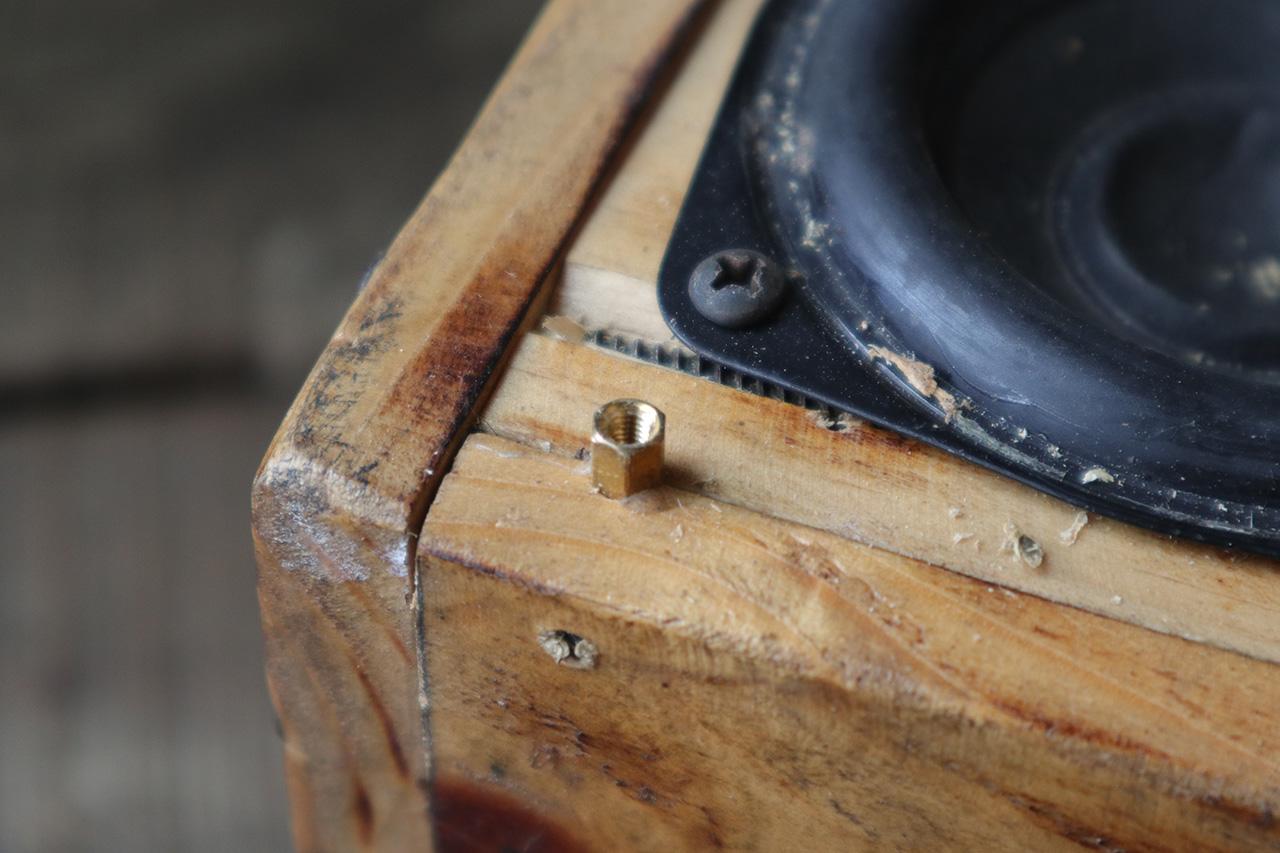
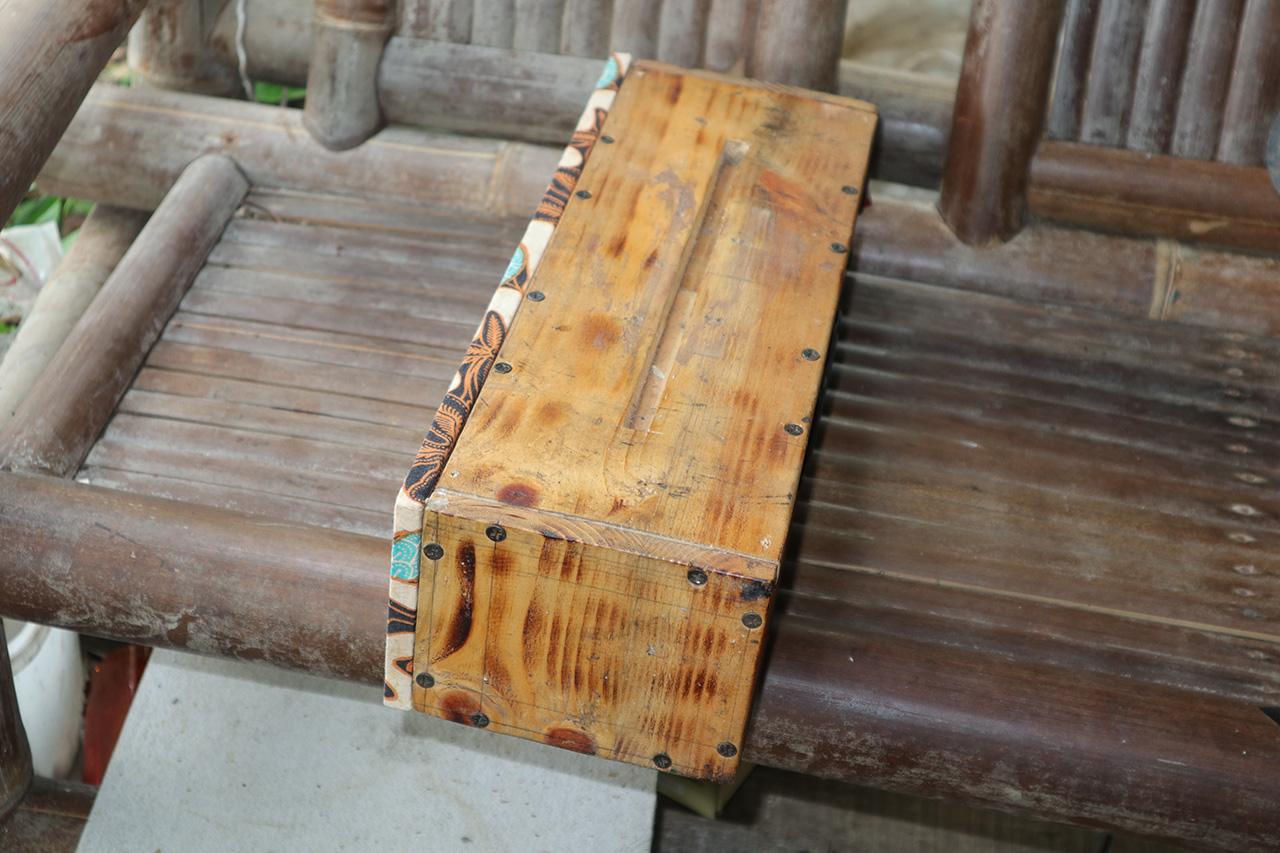
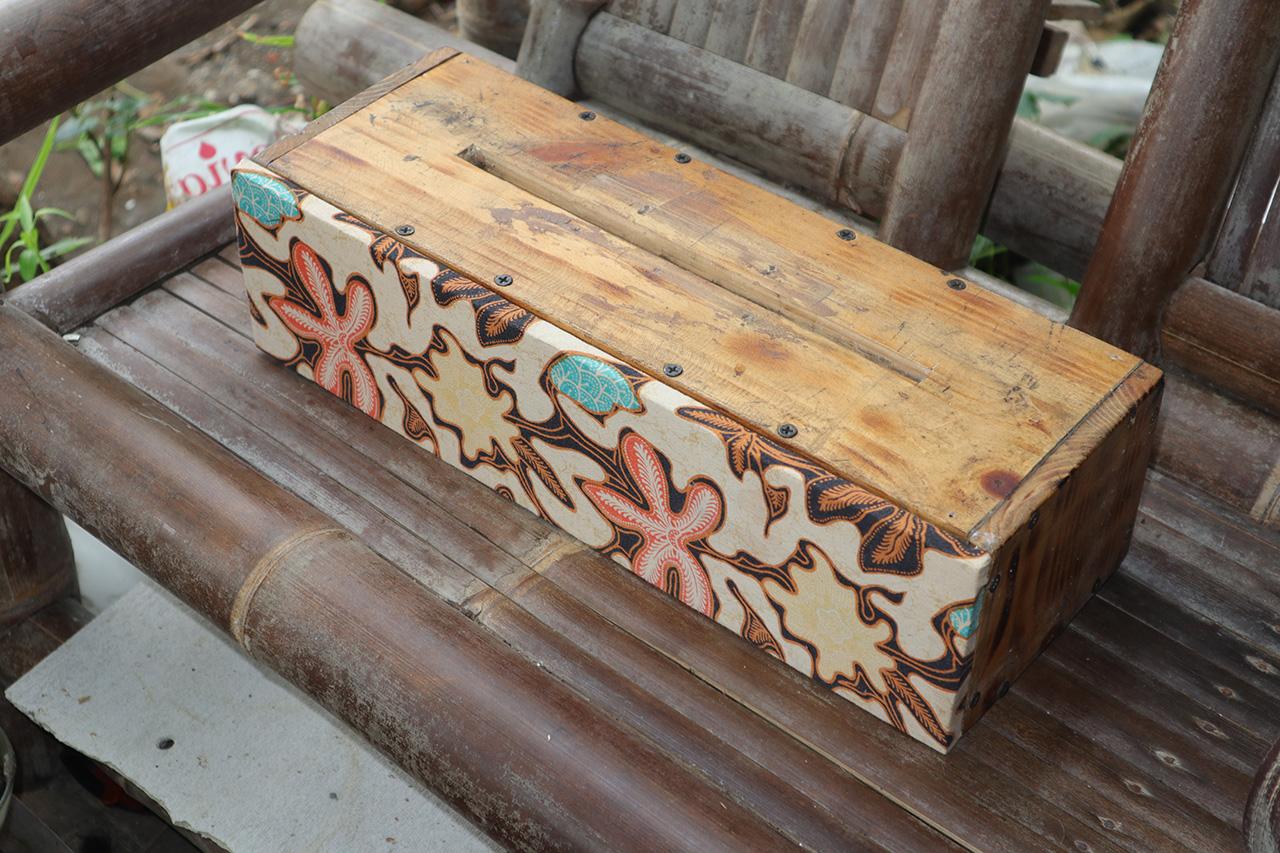
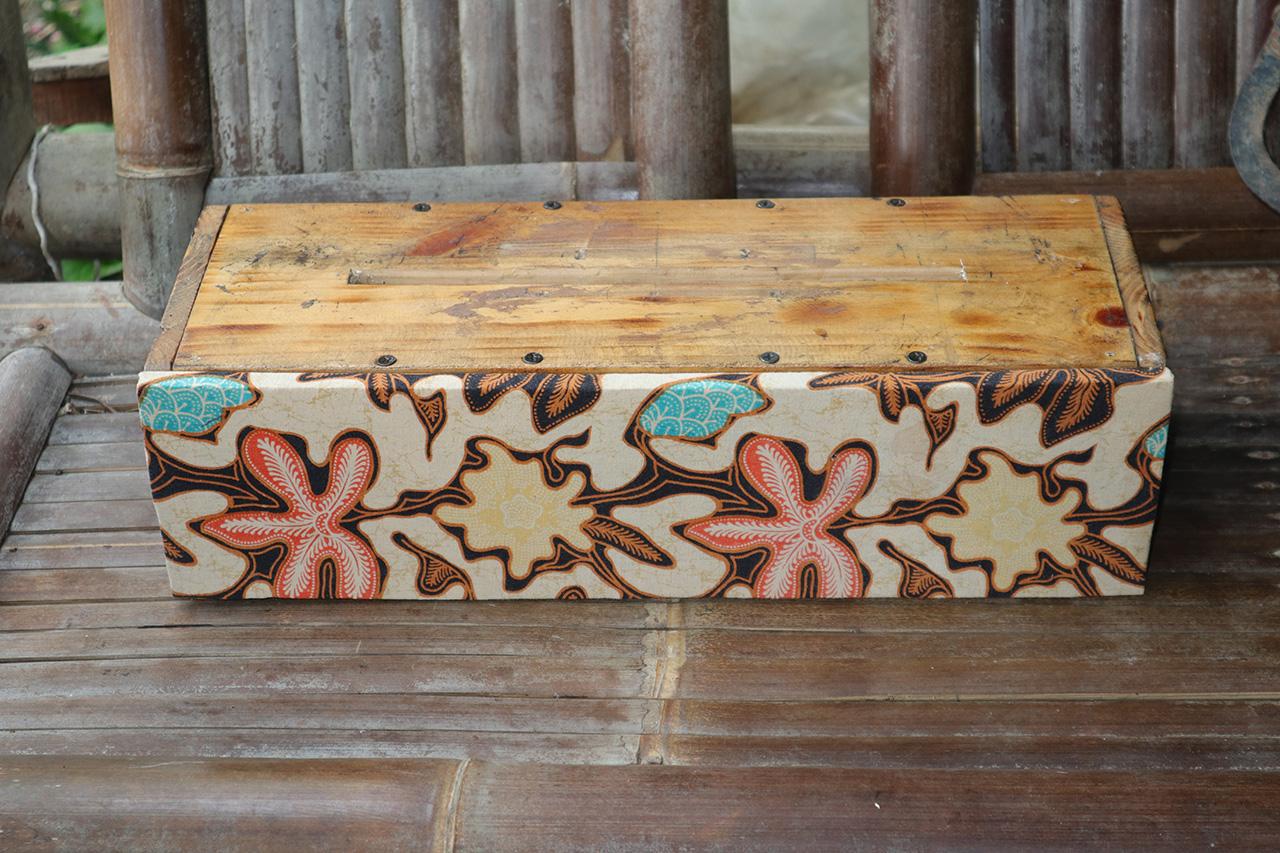

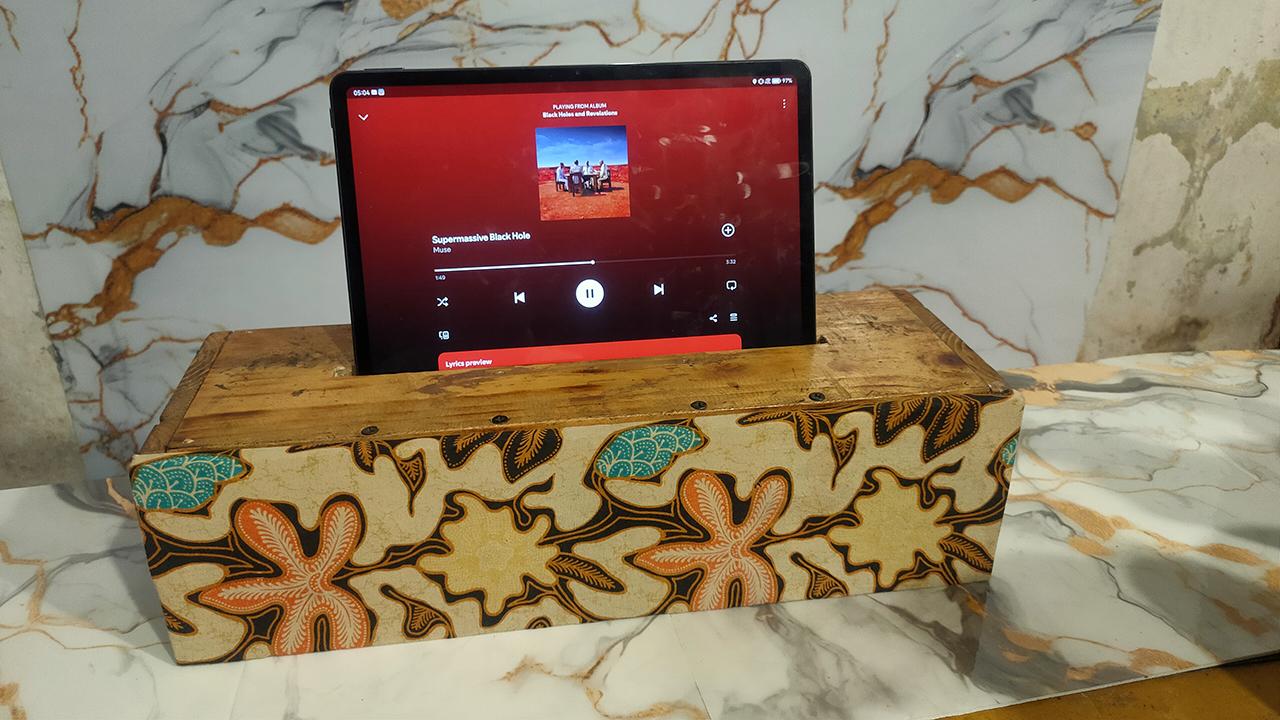
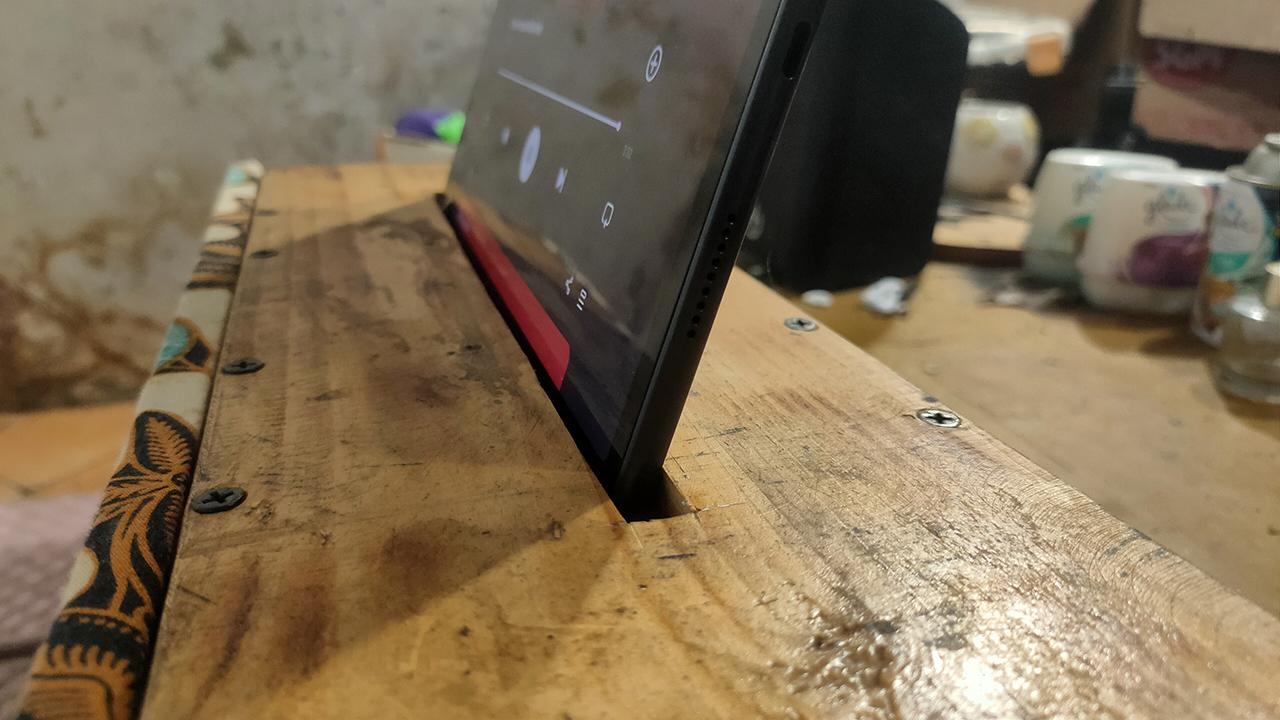
Install metal or plastic spacers on the speaker enclosure.
Drill matching holes in the front cover frame according to the size and position of the spacers.
Place the spacers and holes at each corner. Then, press the front cover firmly onto the enclosure until it is securely attached.
Battery Life Test
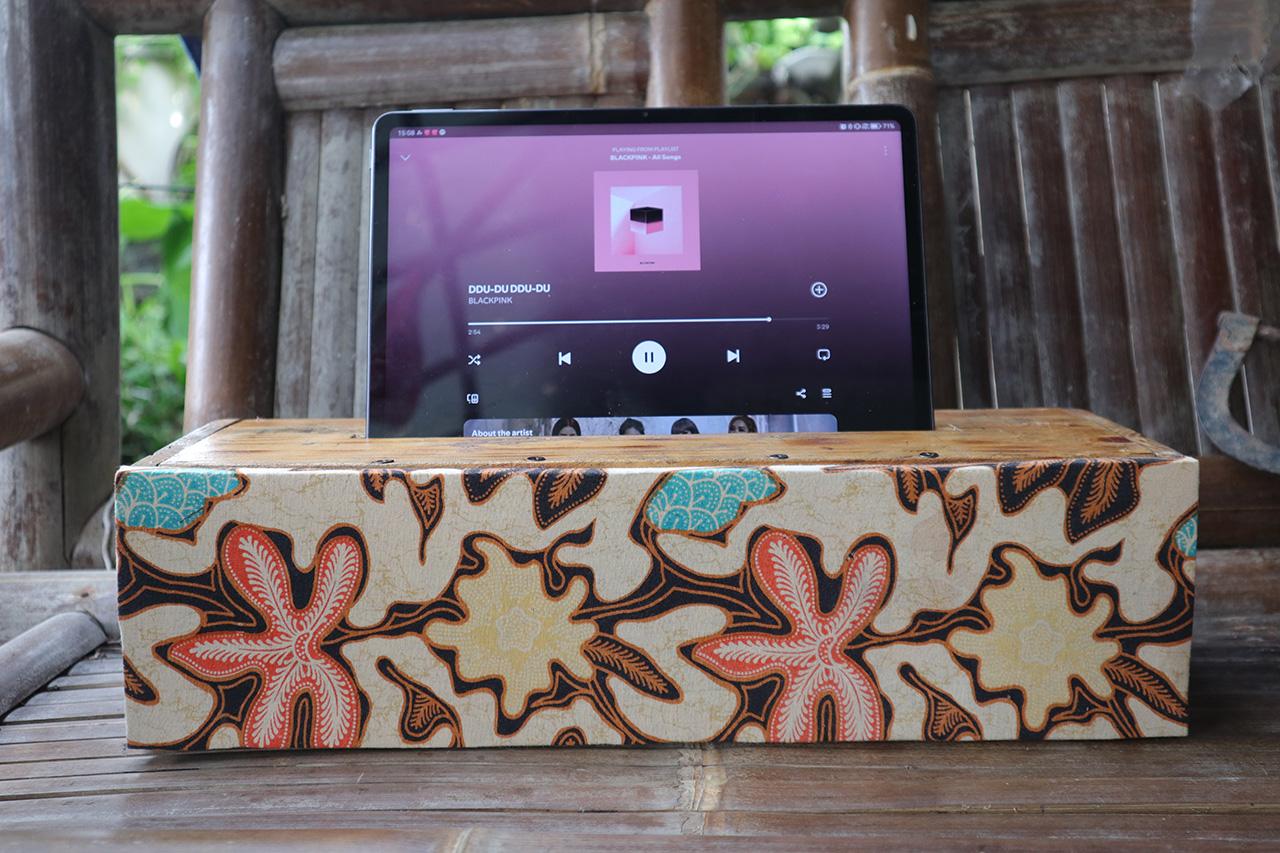

With a fully charged battery, the speaker provides approximately 23 hours of continuous music playback at normal volume.
Making the Battery Charger
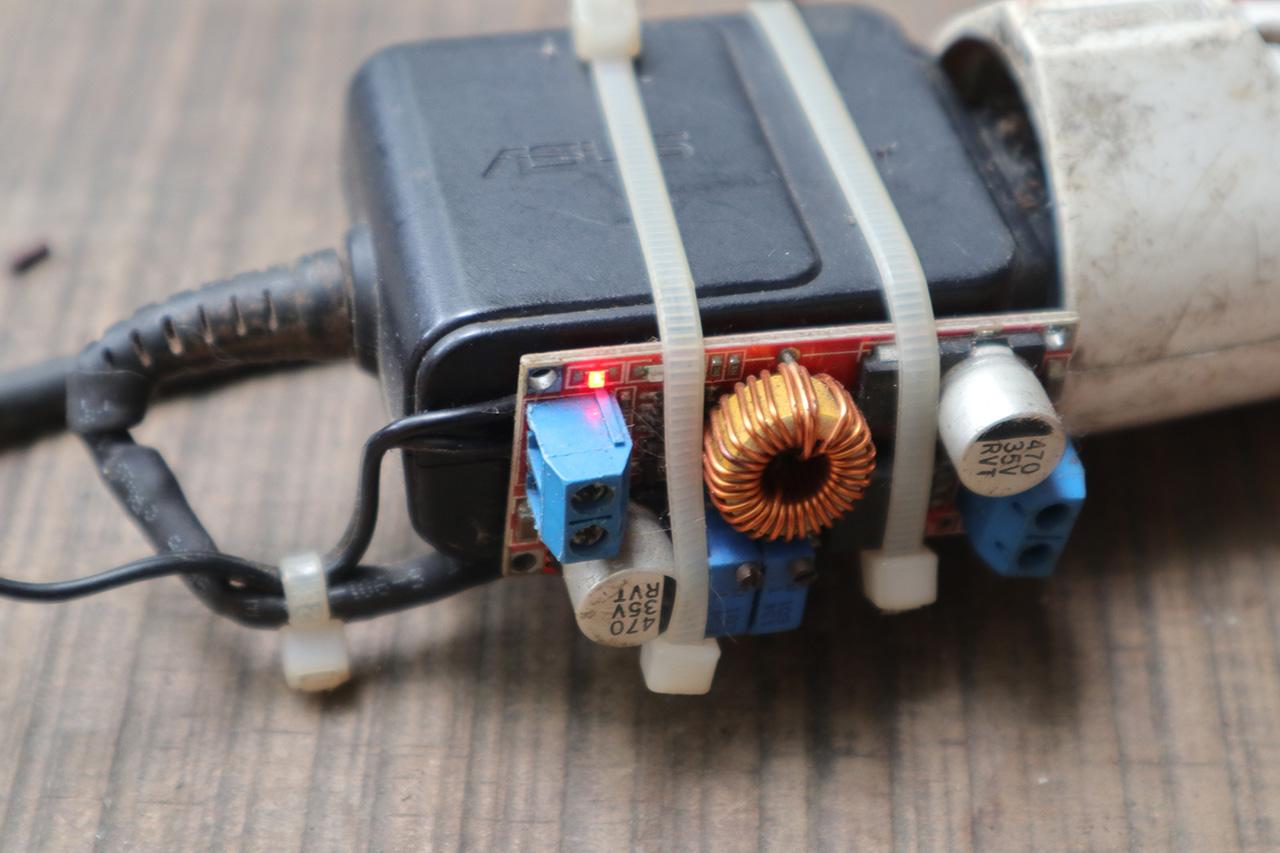
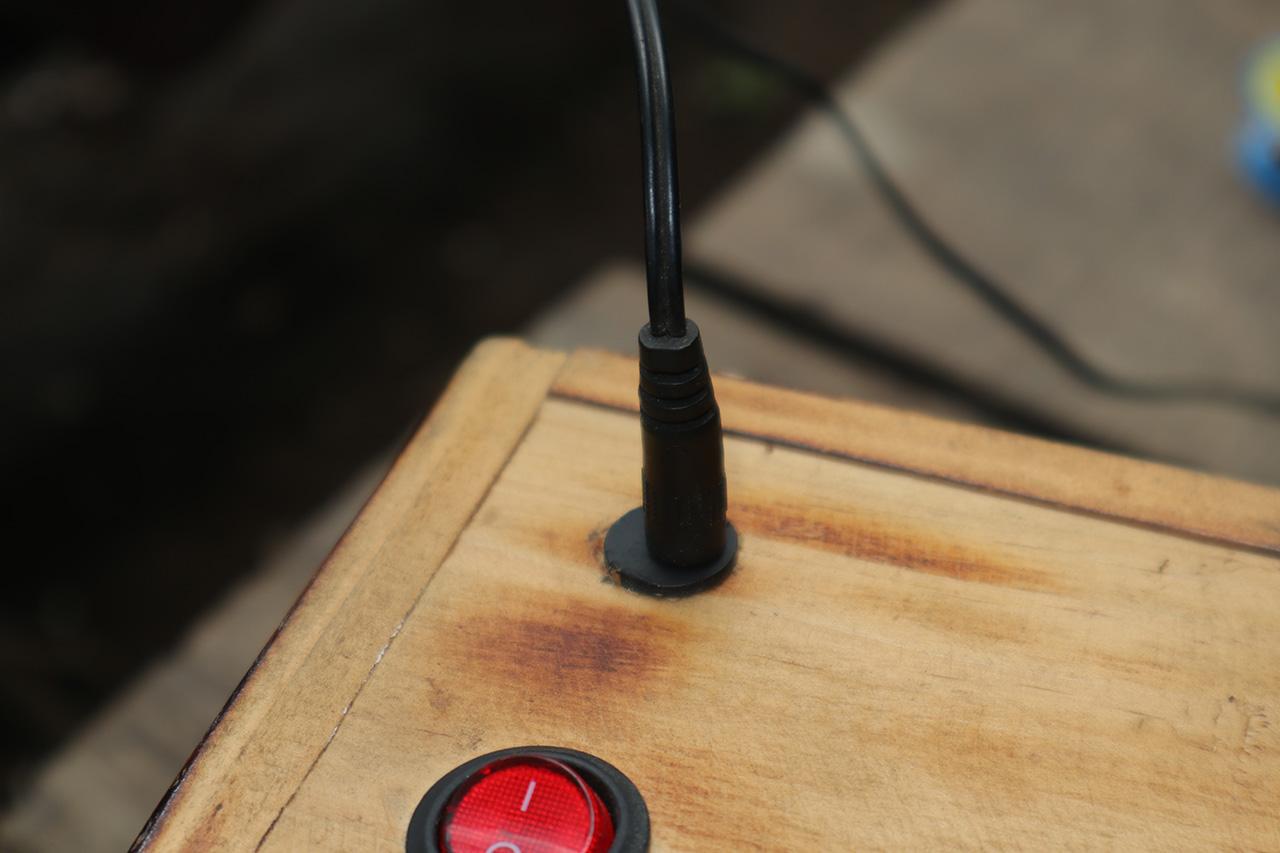
For the battery charging system, an old Acer netbook power supply rated at DC 19 V, 2.3 A is used as the input source. The output is regulated using a constant-current buck step-down converter, configured to match the battery’s charging specifications (12.6 V, 2 A). The regulated output is then connected to a male DC jack, which mates with the corresponding female DC jack installed on the enclosure.
Budget Breakdown

This batik Bluetooth speaker can be built with an affordable budget:
- Wood casing: IDR 75,000 (~USD 4.5)
- Woofers: IDR 114,000 (~USD 7)
- Tweeters: IDR 72,000 (~USD 4.3)
- Passive radiators: IDR 46,000 (~USD 2.8)
- Amplifier: IDR 99,000 (~USD 6)
- Tone control: IDR 45,000 (~USD 2.7)
- Battery: IDR 74,000 (~USD 4.4)
- Batik cloth: Free (recycled from my daughter’s old dress 😊)
- Wires, capacitors, switches, and misc.: IDR 125,000
Total: IDR 650,000 (~USD 40)
Conclusion & Future Development

With a budget of only IDR 650,000 (~USD 40), this project proves that a DIY Bluetooth speaker can be both visually artistic and acoustically impressive. The use of batik cloth not only gives the speaker a distinctive identity, but also celebrates traditional craftsmanship in a modern form.
Future Development Ideas:
- Add a battery level indicator or OLED display
- Integrate USB-C fast charging
- Use CNC-cut or laser-engraved wood panels for precision
- Experiment with different batik patterns or other regional motifs
- Upgrade to a DSP-based amplifier for advanced sound tuning
- Add water-resistant coating for outdoor use
This project can easily evolve into a small-scale product, a gift item, or a cultural tech showcase.
Thank you for reading—and I hope this inspires you to combine technology, craftsmanship, and culture in your own creations.