How to Adapt a White Cane Tip That Doesn’t Fit
by ELEVATE_ErasmusPlus in Living > Life Hacks
74 Views, 1 Favorites, 0 Comments
How to Adapt a White Cane Tip That Doesn’t Fit
.png)
Background
- Some of our visually impaired students expressed their interest in being able to combine cane tips with canes of different brands, which are incompatible.
- White canes exist in various materials and lengths. The length is chosen in relation to the length of the user.
- Canes are used with a tip. Tips are in contact with the environment and are replaceable pieces. The choice of cane tip depends on the user’s lifestyle and the environments they navigate.
Polycaprolactone
Polycaprolactone is a thermoplastic. Thermoplastics can be melted and reshaped multiple times when heated. They are flexible and can be moulded into various shapes. That’s why thermoplastics are useful in modifying or making assistive devices.
Polycaprolactone has a melting point of approximately 60 degrees Celsius. This makes it possible to use hot water to warm it up to the correct temperature.
Polycaprolactone is sold under various brand names. Polycaprolactone is biodegradable and not poisonous. Do check the details of the specific brand for its properties.
Supplies

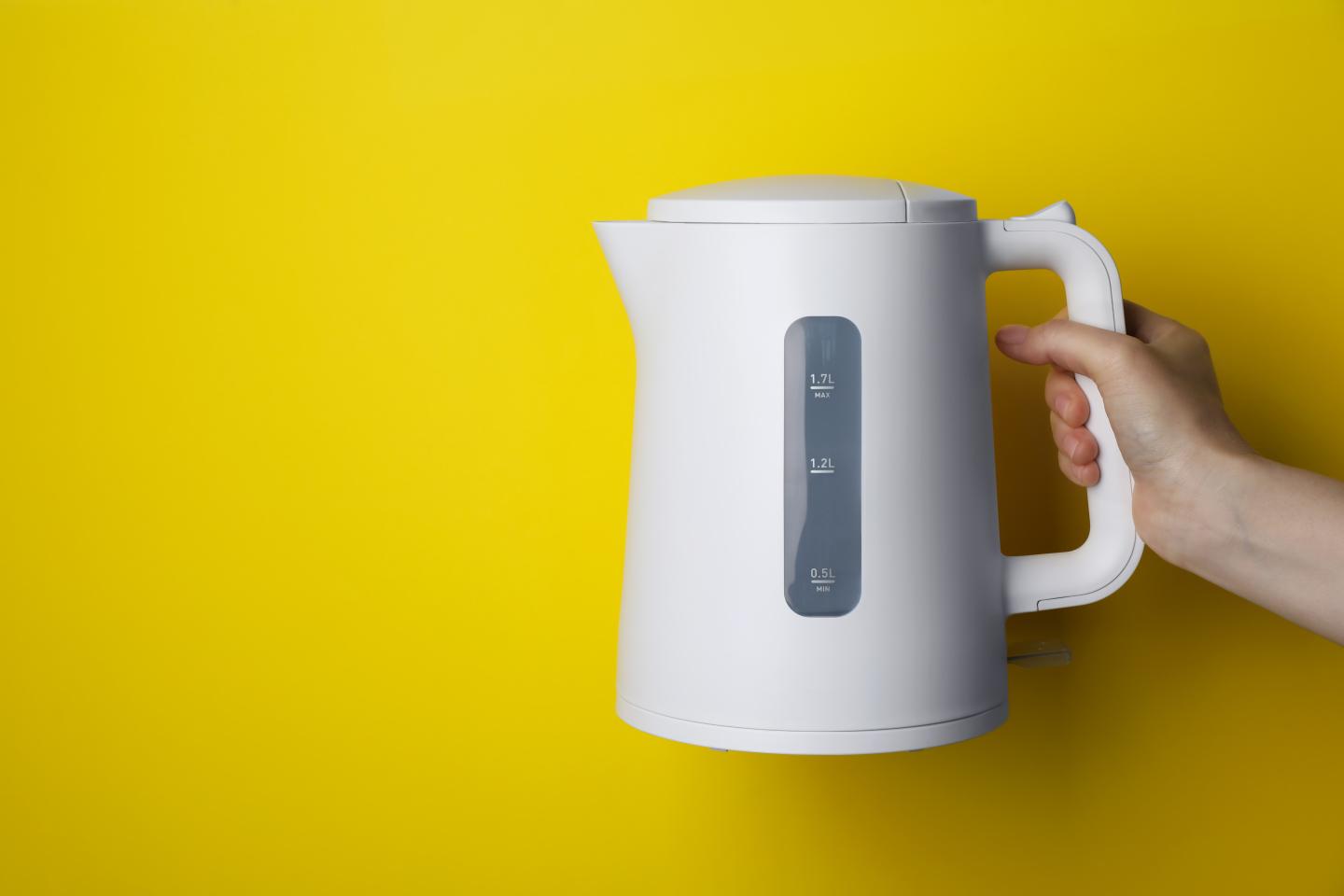
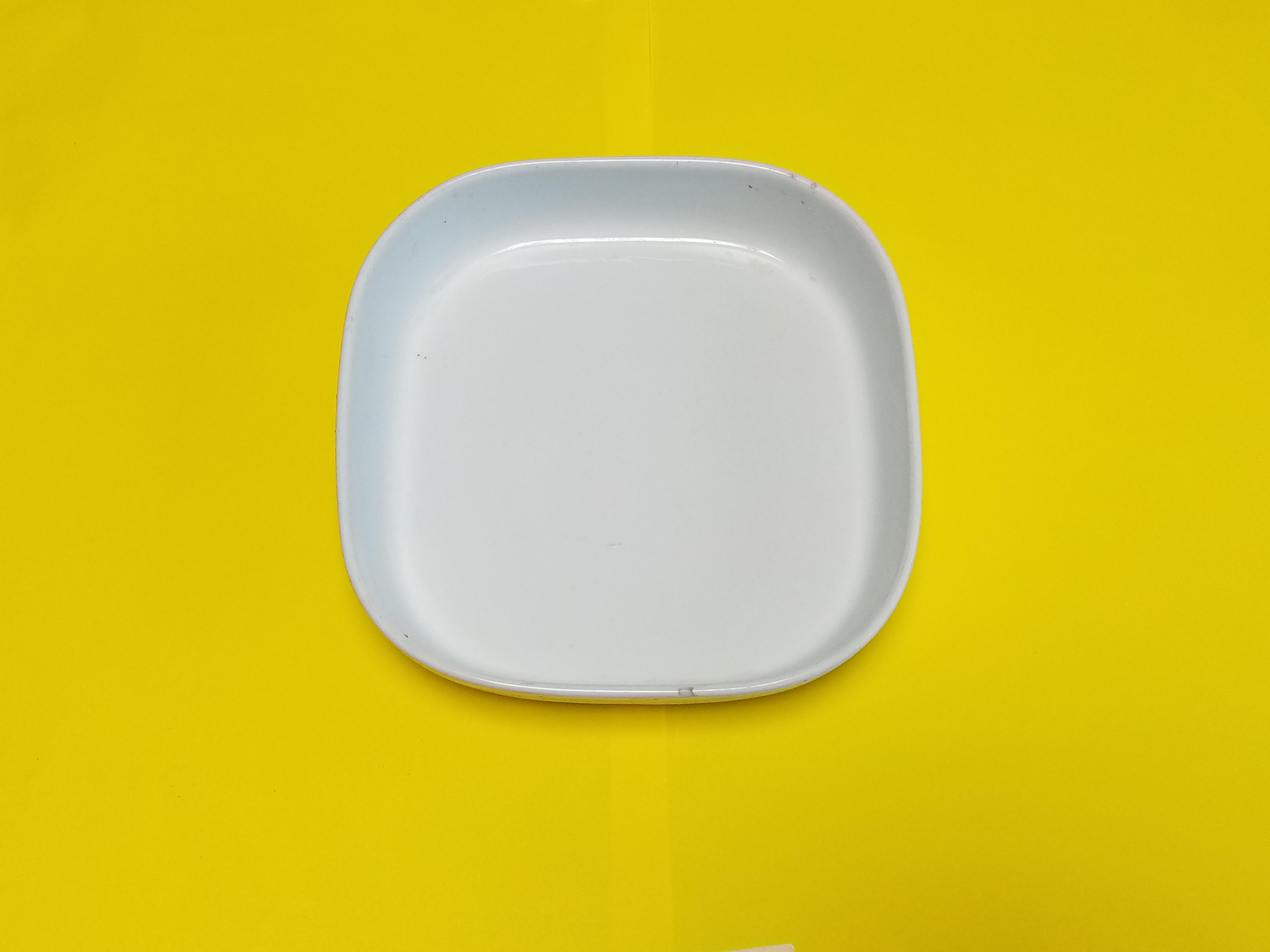
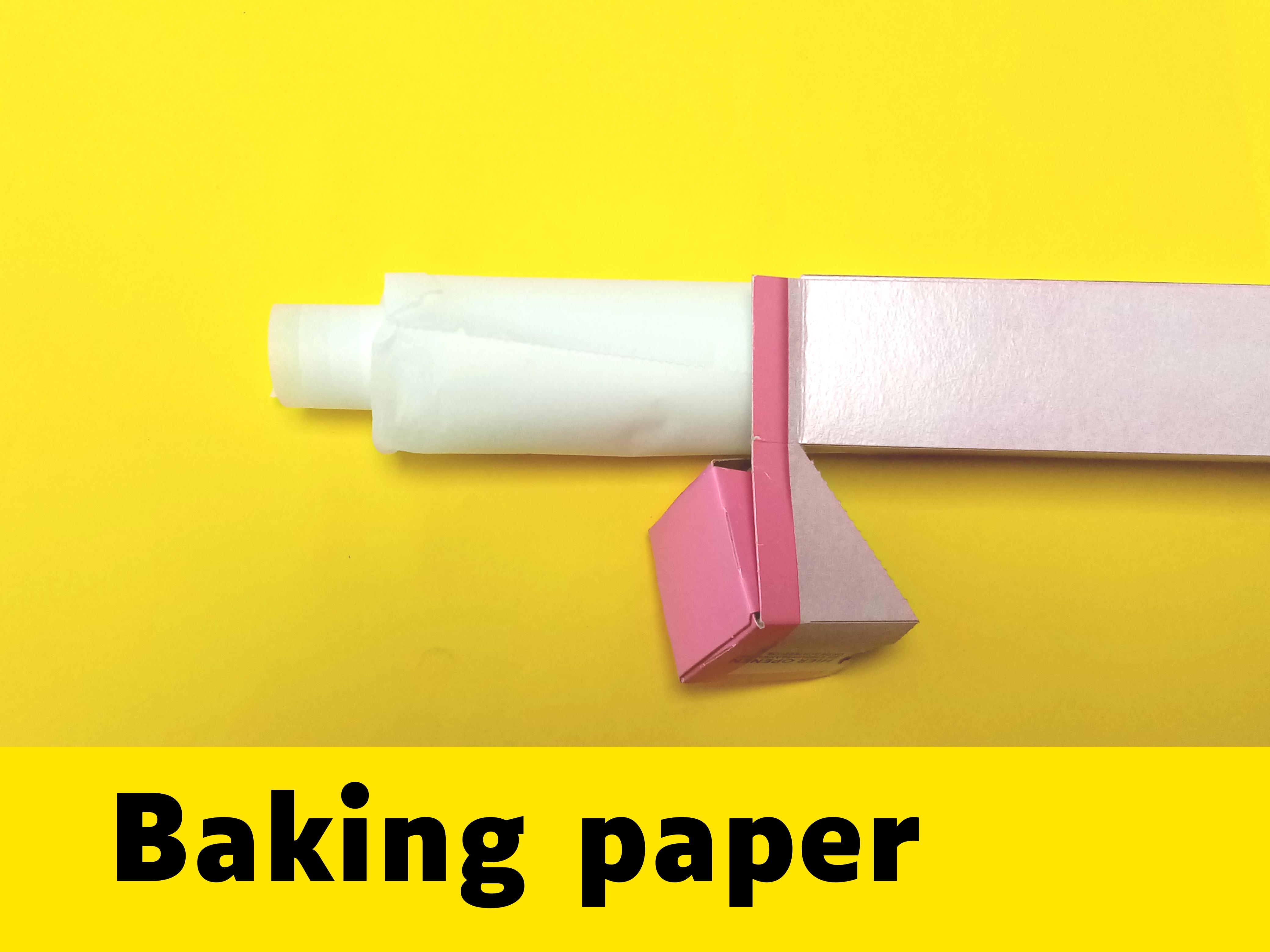
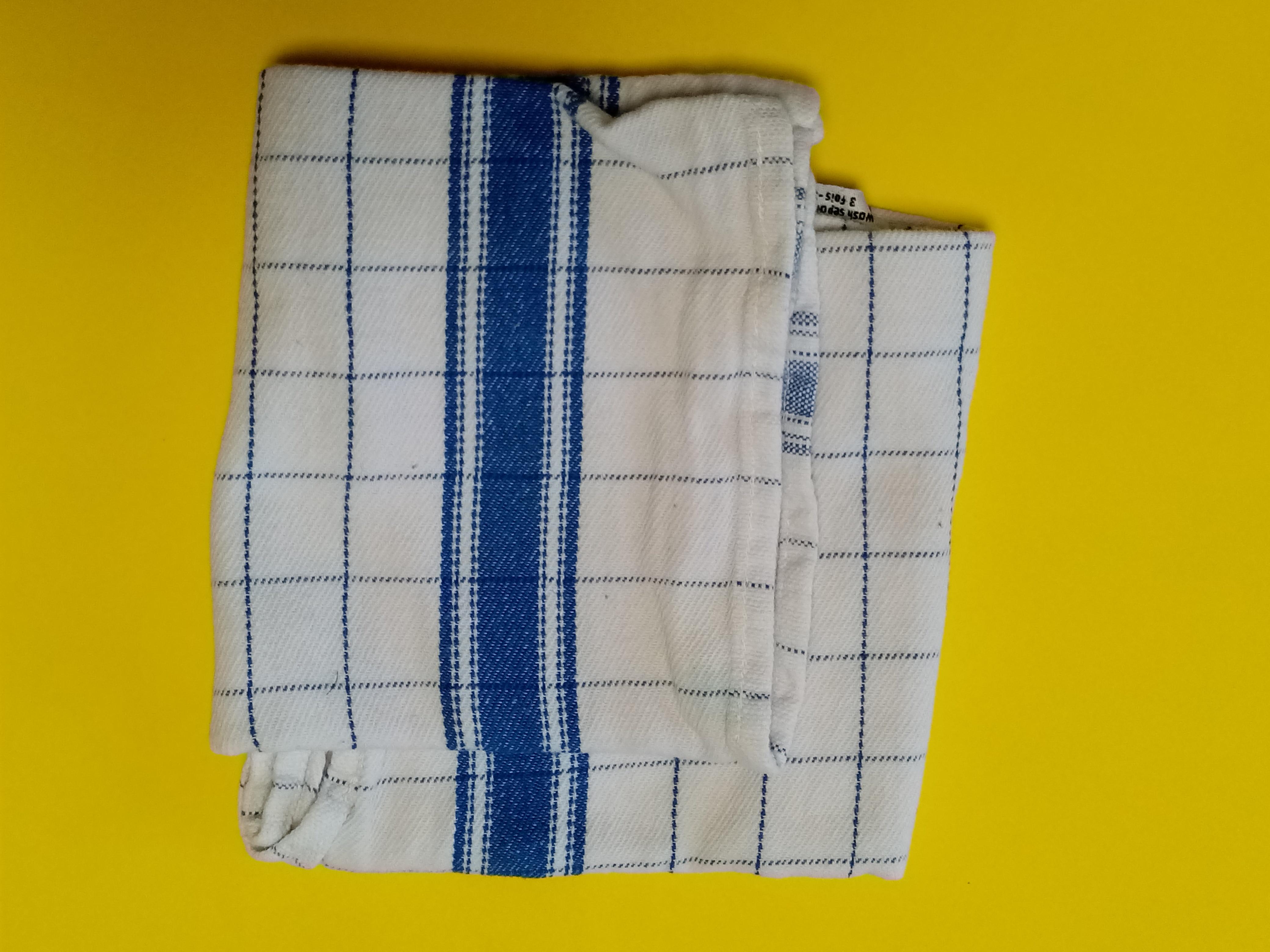
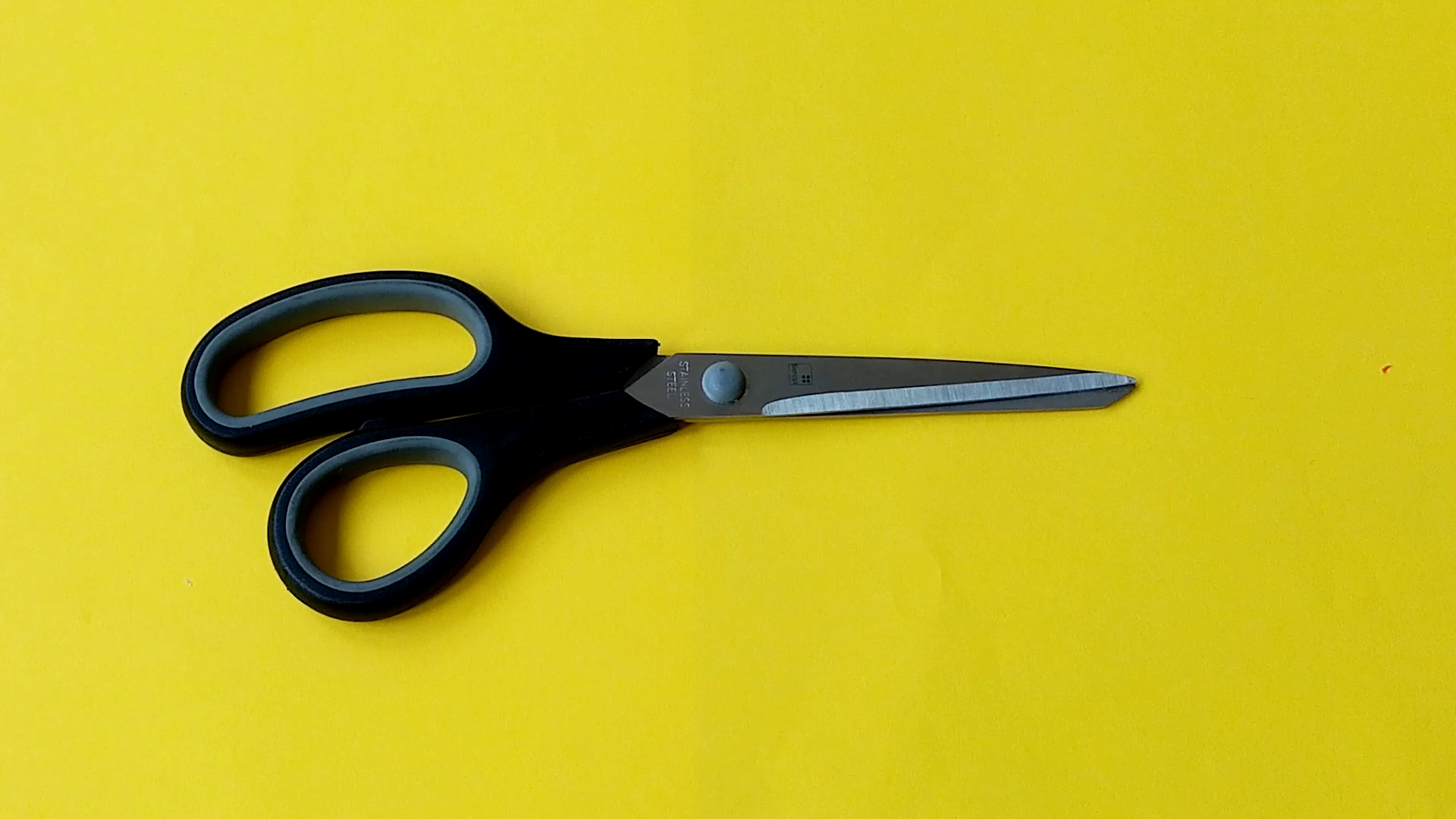
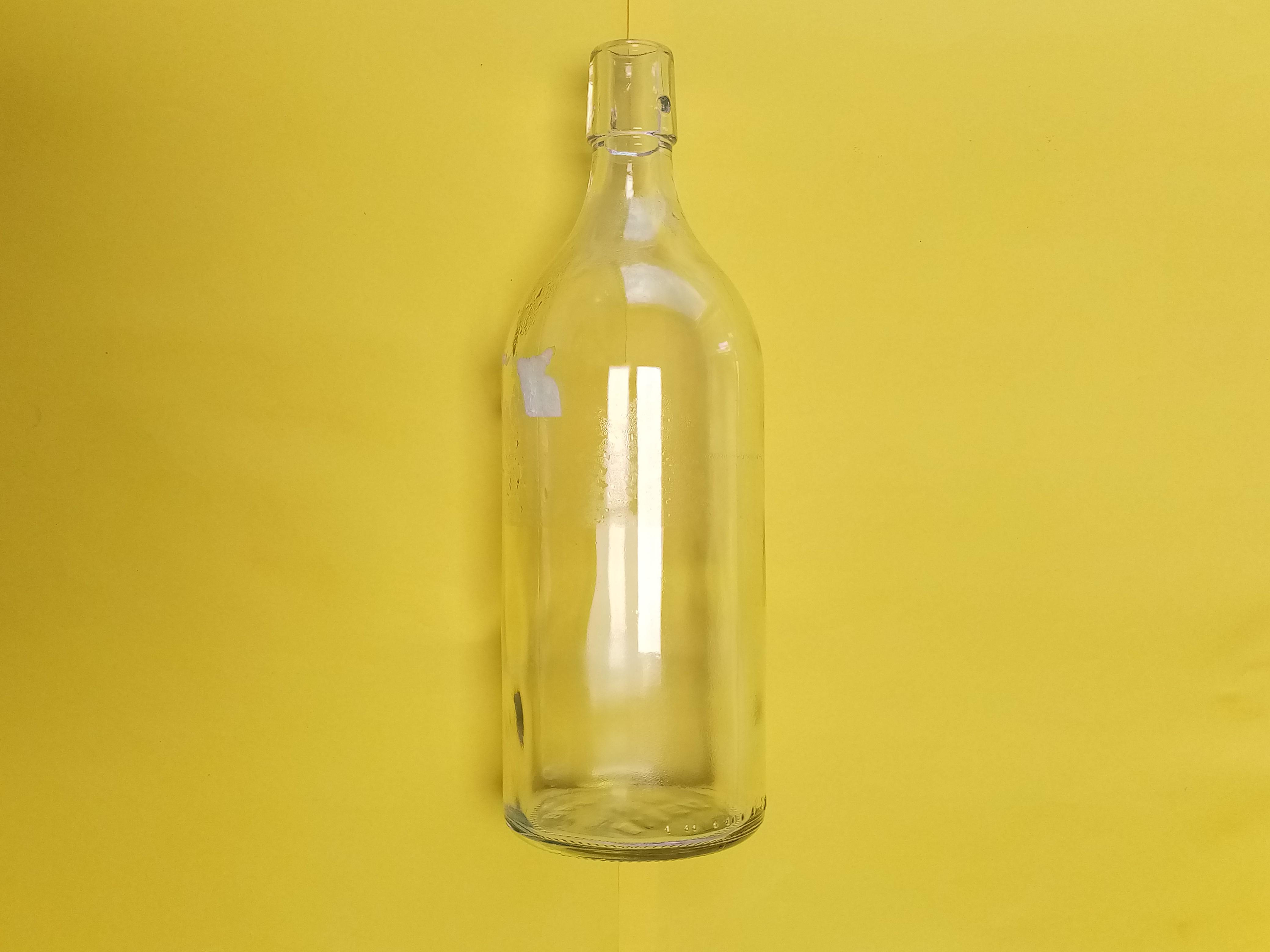

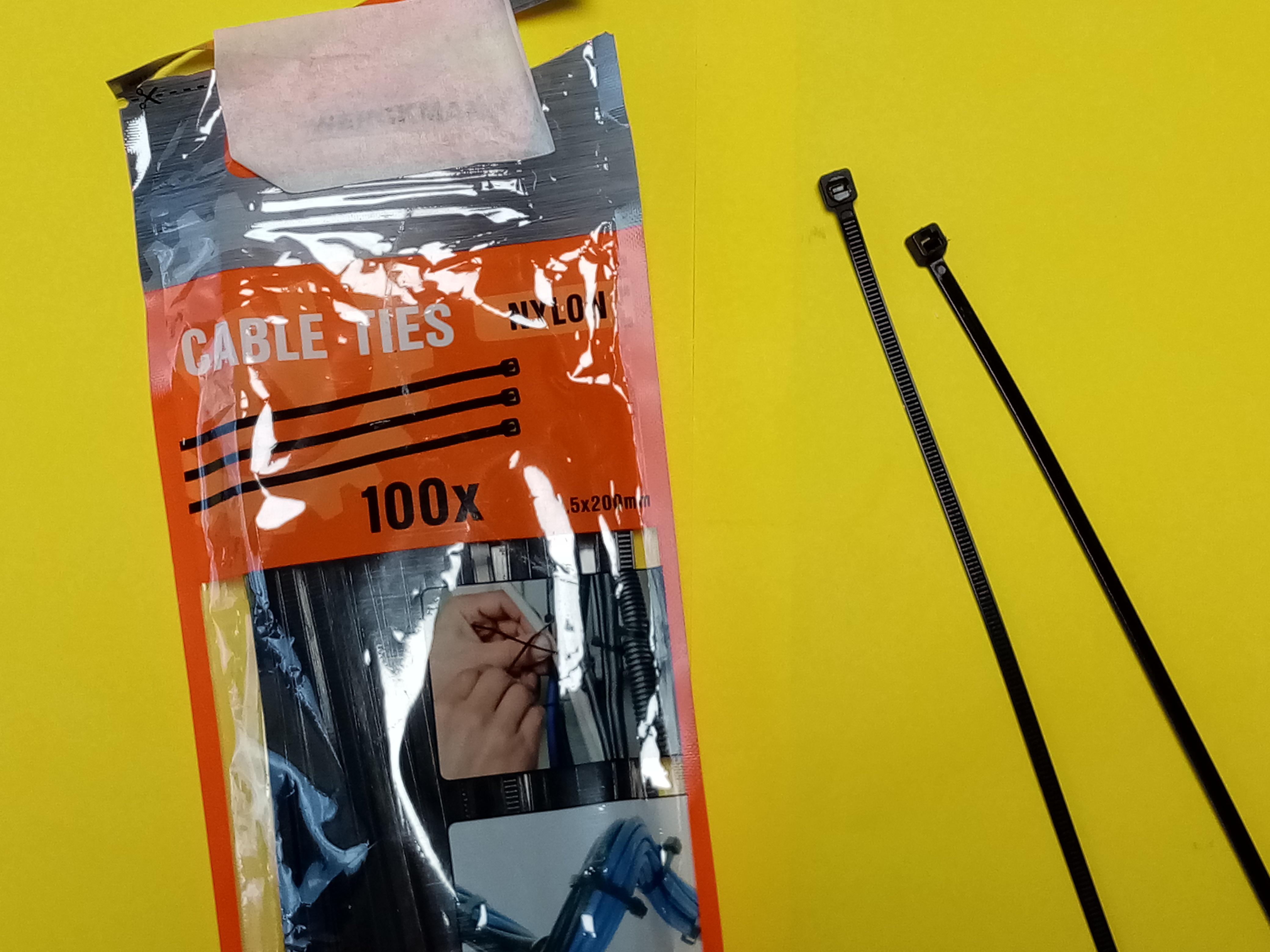
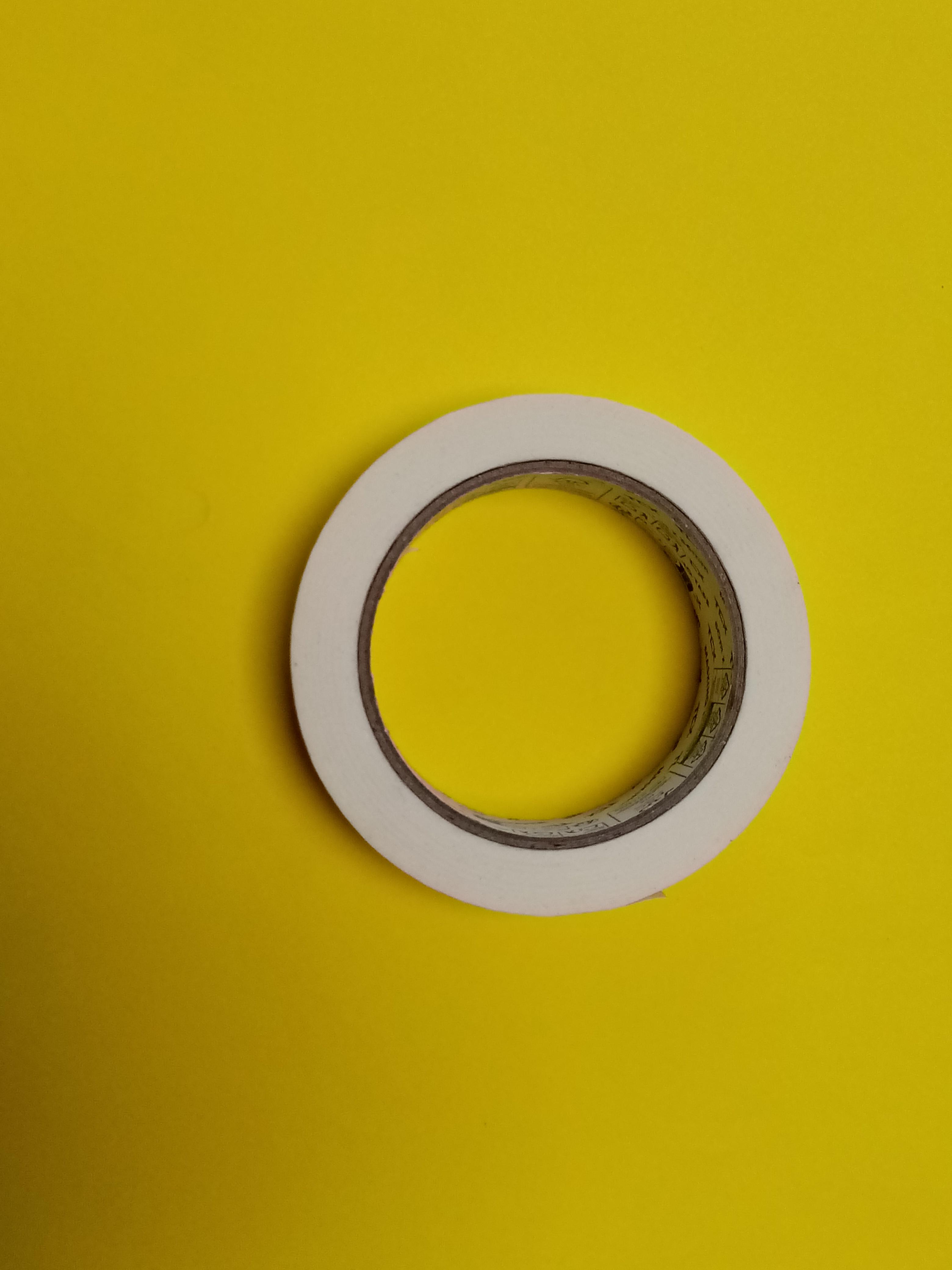
- To heat up the material:
- Something to boil water
- A ceramic or a glass tray
- To keep the workplace clean:
- Baking paper: this prevents that the material sticks to the surface that you are working on
- (paper) towels to clean up water spillage
- To modify the material:
- Scissors
- Something to roll the material flat (Rolling pin, bottle)
- Wooden popsicle sticks
- Waste management:
- When disposing of the water which came in contact with the material, you want to prevent that small pieces go into the drain. Use a coffee filter or a sieve. If nothing else is available, put paper towels at the bottom of the sink.
- Materials specific to our project:
- 2 cable ties
- Painters tape
- Optional material
- A thermometer resistant up to 100 degrees Celsius
- To solidify the material more quickly, use a bottle of cold water or ice cubes

This video demonstrates all the steps. Do note that there is no audio included. A text version is available below.
Preparing the Cane
.png)
Use a piece of tape to stick three wooden popsicle sticks next to each other.
.png)
Attach the cane tip’s hook to the cane’s elastic.
.png)
- Wrap the tape with the popsicle stick around the cane tip, and the cane. This prevents the cane tip from moving, like a splint.
- Wrap the two cable ties around the popsicle sticks.
- Cut off the excess of the cable ties with the scissors.
- Wrap the whole length of the popsicle sticks in tape. Perhaps later you decide to remake, reuse or remove the Polycaprolactone from the cane. The tape will ensure that no material remains attached to the cane.
Prepare to Use the Polycaprolactone
.png)
- Cover your working area with baking paper
- Place your tray on top of the baking paper
- Place some baking paper inside of the tray to prevent that the material will stick to the tray
- Boil some water: the quantity should cover all of the material. We found that water more than 80 degrees Celsius turns the material into a stretchy substance that is difficult to work with. For us water with a lower temperature, but still above 65 degrees Celsius, turned out to be the easiest to work with.
- Add water to your tray.
Adding the Polycaprolactone
The material is often sold in granulates. Add some by hand:
- Make sure that you spread it evenly. A consistent thickness ensures that the material heats up consistently.
- Use the popsicle sticks to spread out the material.
- The first time working with the material it’s difficult to estimate the correct quantity. Since the material is reusable, do experiment!
The Polycaprolactone Is Ready
.png)
- Once the granulates heat up to at least 60 degrees Celsius, they become transparent. At this point they stick to each other.
- Remove the material together with the baking paper from the tray. Now you can start to shape it.
Remove From the Tray
.png)
.png)
Remove the material from the tray together with the baking paper.
Flip the baking paper with the material so that it’s on the top. To make a surface of equal thickness, we roll out the material with a glass bottle.
Shape the Material
.png)
Scissors can be used to cut the material. We suggest that you wait to do so until the material started to cool down. You can notice that it changes from transparent to opaque. Cutting while it’s still transparent might result in dirty scissors.
.png)
- Wrap the material around the cane and the cane tip. Press while applying it, make sure there is no wobbling.
- Once the material turns to the original colour of the granulates, in our case white, it’s solid. The solidifying time depends on the thickness of the material. In this example it took a maximum of 5 minutes.
Ready to Use!
Test your prototype, or use it as a final product.
Reuse the Polycaprolactone
.png)
- Take a container which fits whatever you made
- Boil some water with the same guidelines as before. The quantity should cover all of the material. We found that water more than 80 degrees Celsius turns the material into a stretchy substance that is difficult to work with. For us water with a lower temperature, but still above 65 degrees Celsius, turned out to be the easiest to work with.
Remove the Polycaprolactone
.png)
.png)
- Wait to remove the material out of the hot water until it is transparent.
- Use the popsicle sticks to remove the material.
- Tip: let the removed material solidify before you put it together with the remaining granulates.
Safely Dispose of the Water
.png)
- Tip: before continuing, let the water cool down, or add cold water or ice cubes. Do not yet remove any of the water which was in contact with the material. If any visible material remained in the water, it will now be the original colour of the granulates.
- Take a coffee filter or a sieve, place it in the sink. Gently pour out the water. Any material which was left in the water will be captured.
- Dispose the captured material in the general waste bin.
Additional Inspiration
For more tips and examples on how to use, we recommend that you have a look at the following resources:
Interested in do-it-yourself techniques aimed at increasing the quality of life for visually impaired people? Check out out website.
Get in touch through the comment section! Suggestions, remarks and praises are much appreciated!