Growing Bean Sprouts
by Josehf Murchison in Cooking > Main Course
190 Views, 2 Favorites, 0 Comments
Growing Bean Sprouts
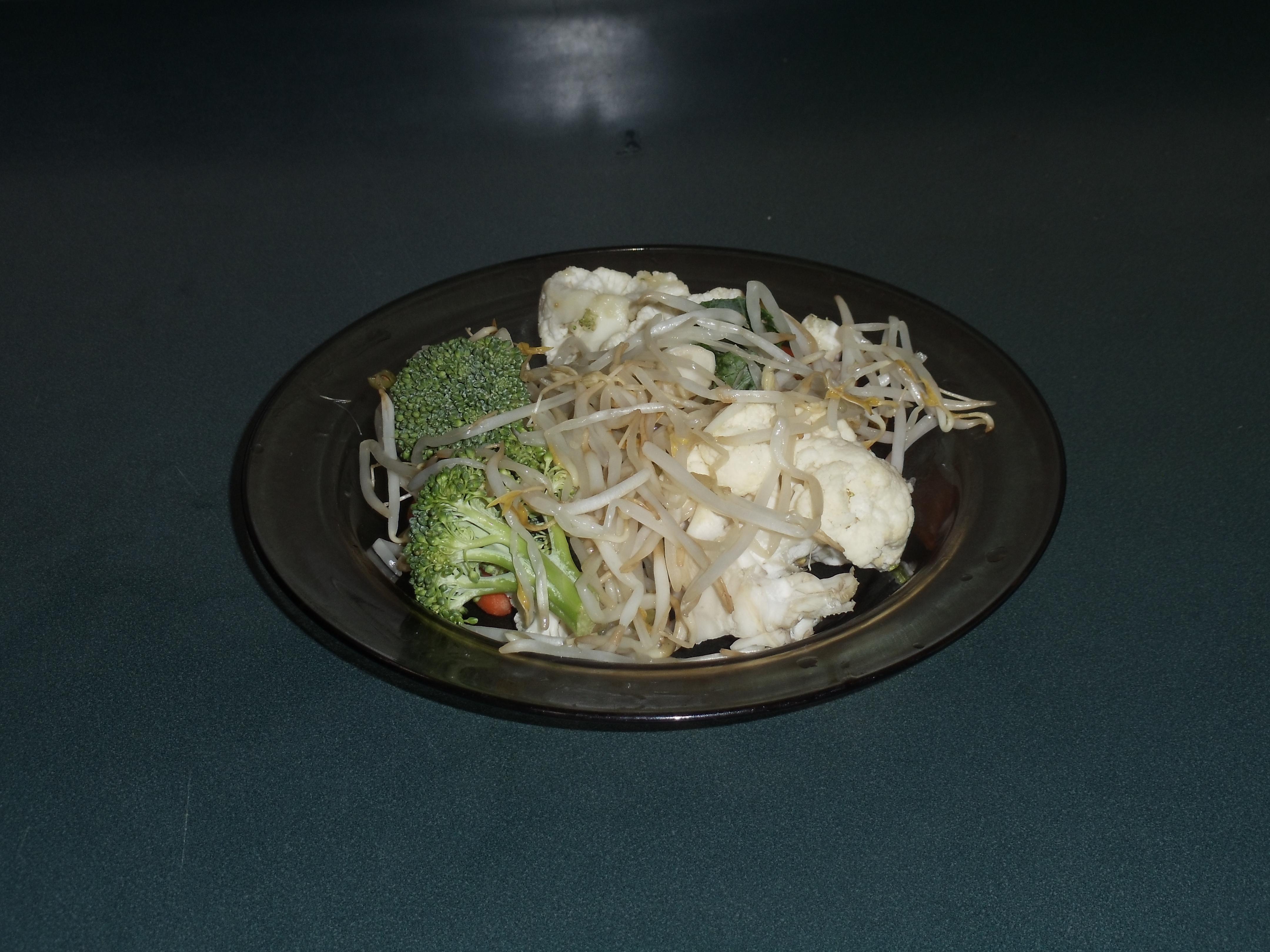
Bean sprouts are the sprouted shoots of various beans, but most come from small, green mung beans, known for their crispness in Asian dishes, and soybeans, which are larger and popular in Korean cooking, though other beans like black eyed peas or lentils can be sprouted also. They are essentially germinated seeds, providing a crunchy texture and nutty taste, with mung bean sprouts being the most popular worldwide.
The sprouts that are easiest to grow are also commonly eaten raw, mung beans, alfalfa, lentils, chickpeas, and adzuki beans. Other beans such as fava, kidney, black, navy, and pinto beans, typically the larger beans can also be sprouted with this method but are generally considered difficult to digest and potentially toxic in their raw form. They cook much faster than their unsprouted counterparts and are still more digestible. You can also sprout nuts, grains, and other seeds.
Supplies
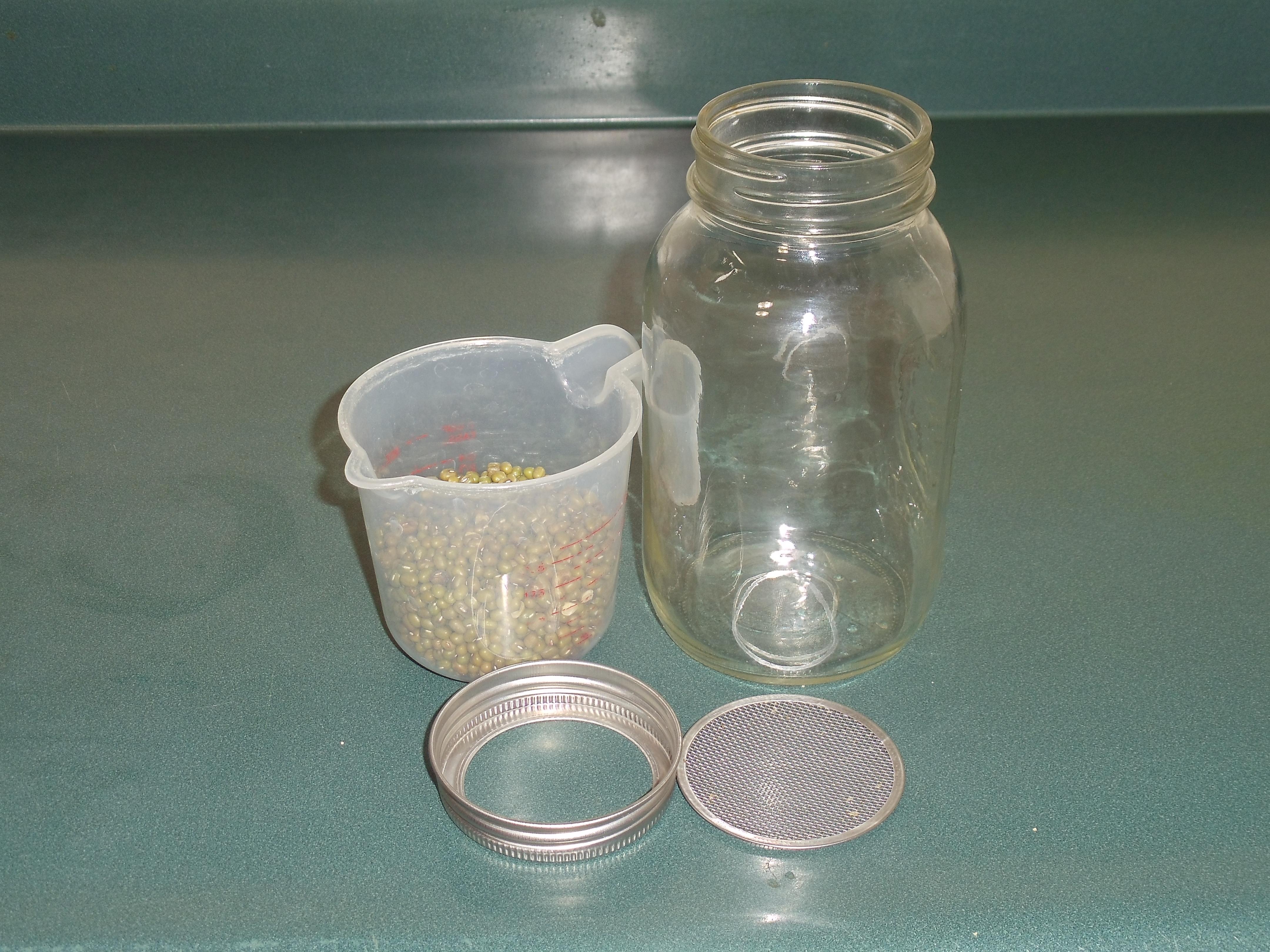
¼ cup Mung beans
Warm water about 80°F or 25°C
1 1-quart preserving jar
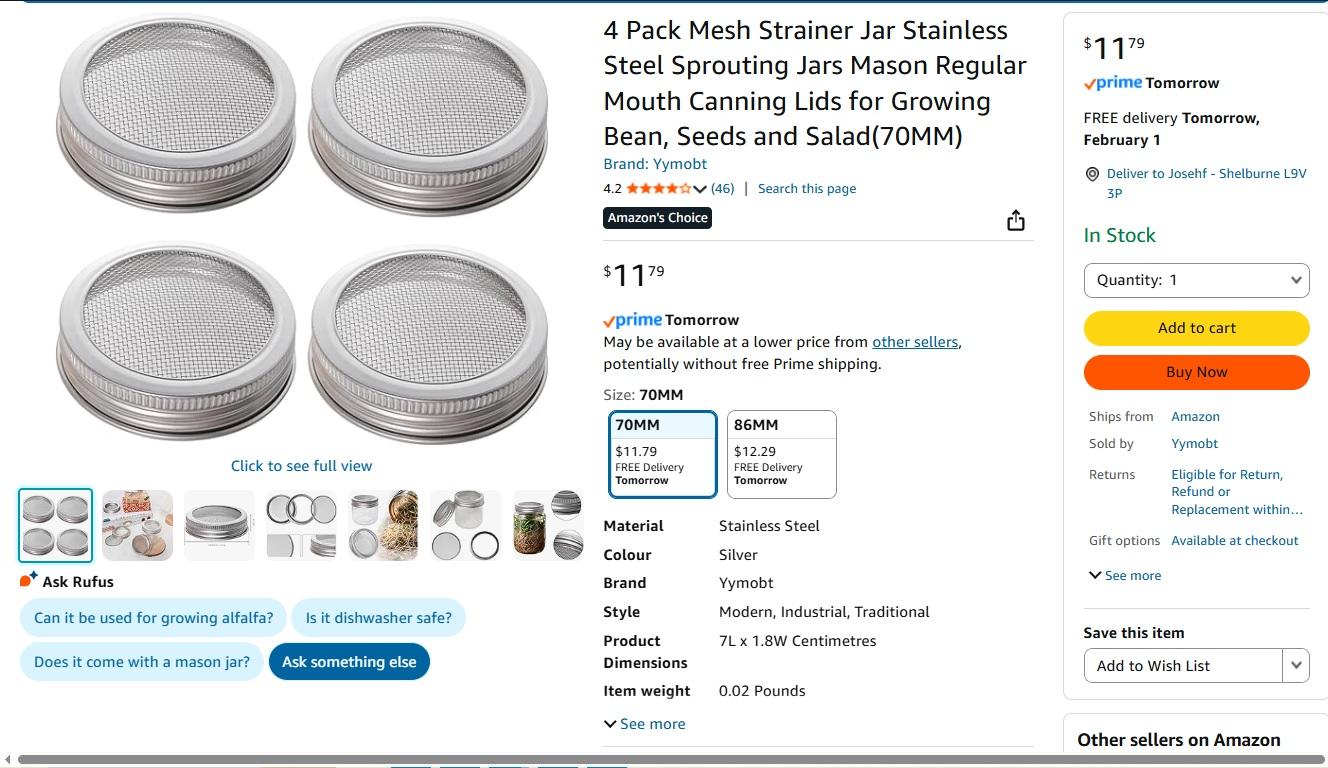
1 jar ring and mesh strainer
You can use cheese cloth; I used stainless steel mesh strainer lids for my sprouting jars a regular mouth canning lids from Amazon
Common Types of Bean Sprouts
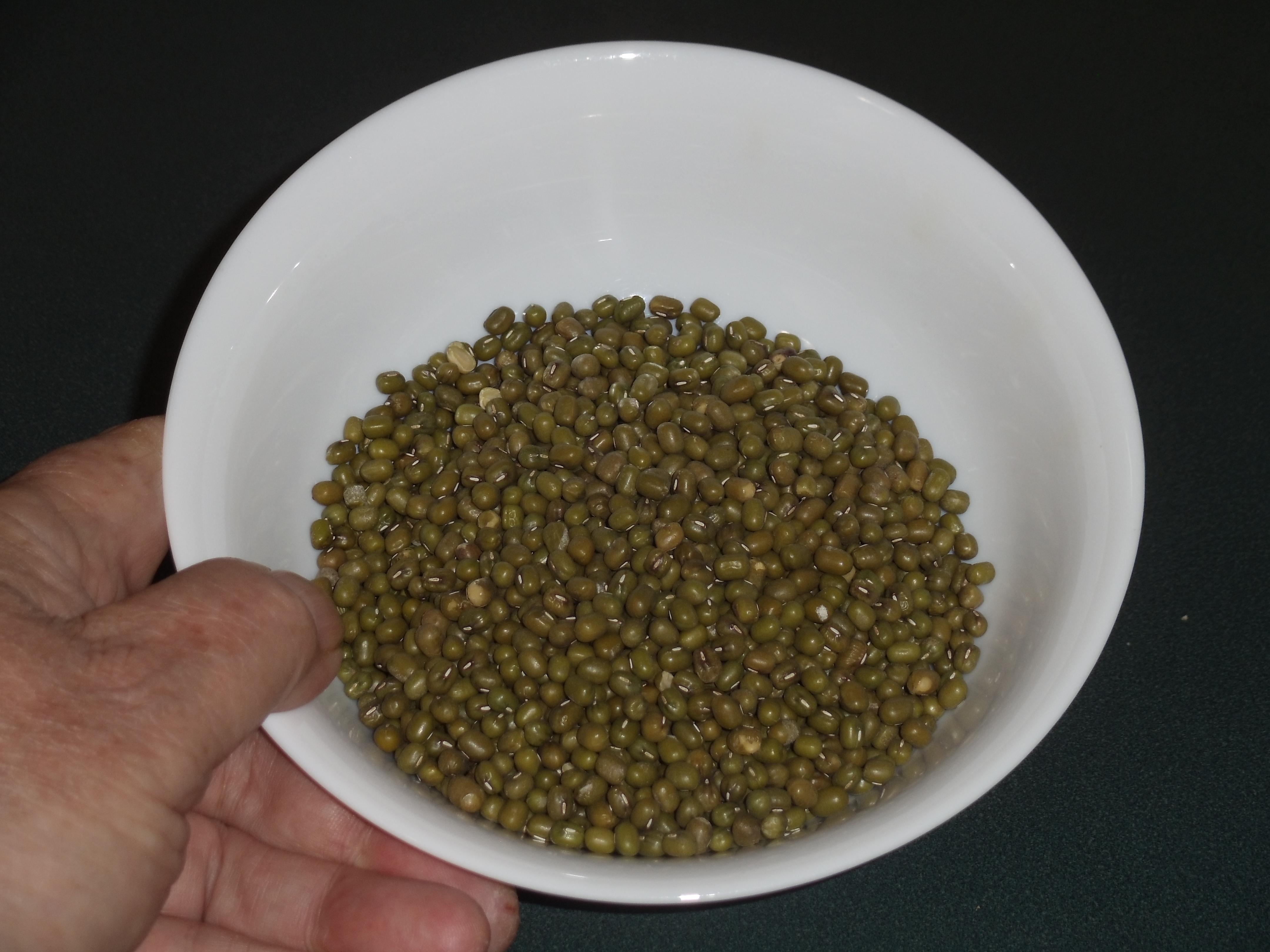
I am making mung bean sprouts, the most common type of bean sprout, with thin white stalks and small yellow/green heads. Mung bean sprouts are staples in stir-fries (Pad Thai), soups (like Pho), salads, and spring rolls.
Soybean Sprouts (Kongnamul) are larger, with a distinct yellow head, and often cooked in Korean cuisine, offering a different flavor and texture than mung bean sprouts.
Alfalfa Sprouts although technically a sprout, they come from alfalfa seeds, not beans, and have a fine, wispy texture, often used in sandwiches.
Alfalfa sprouts are popular as toppings, while mung sprouts can be added raw for crunch. While many beans can be sprouted, when you buy "bean sprouts," you're almost always getting mung bean sprouts unless specified otherwise.
If you prefer cooked sprouts, the alfalfa won't take the heat well, but the other sprouts are delicious when cooked. Mung bean sprouts can be added to a dish in the final few minutes of cooking. Sprouted lentils are fully cooked after four or five minutes of steaming. Sprouted chickpeas and adzuki beans need around 15 minutes of cooking.
Wash the beans and remove any damaged beans and foreign objects.
Hydrate the Beans
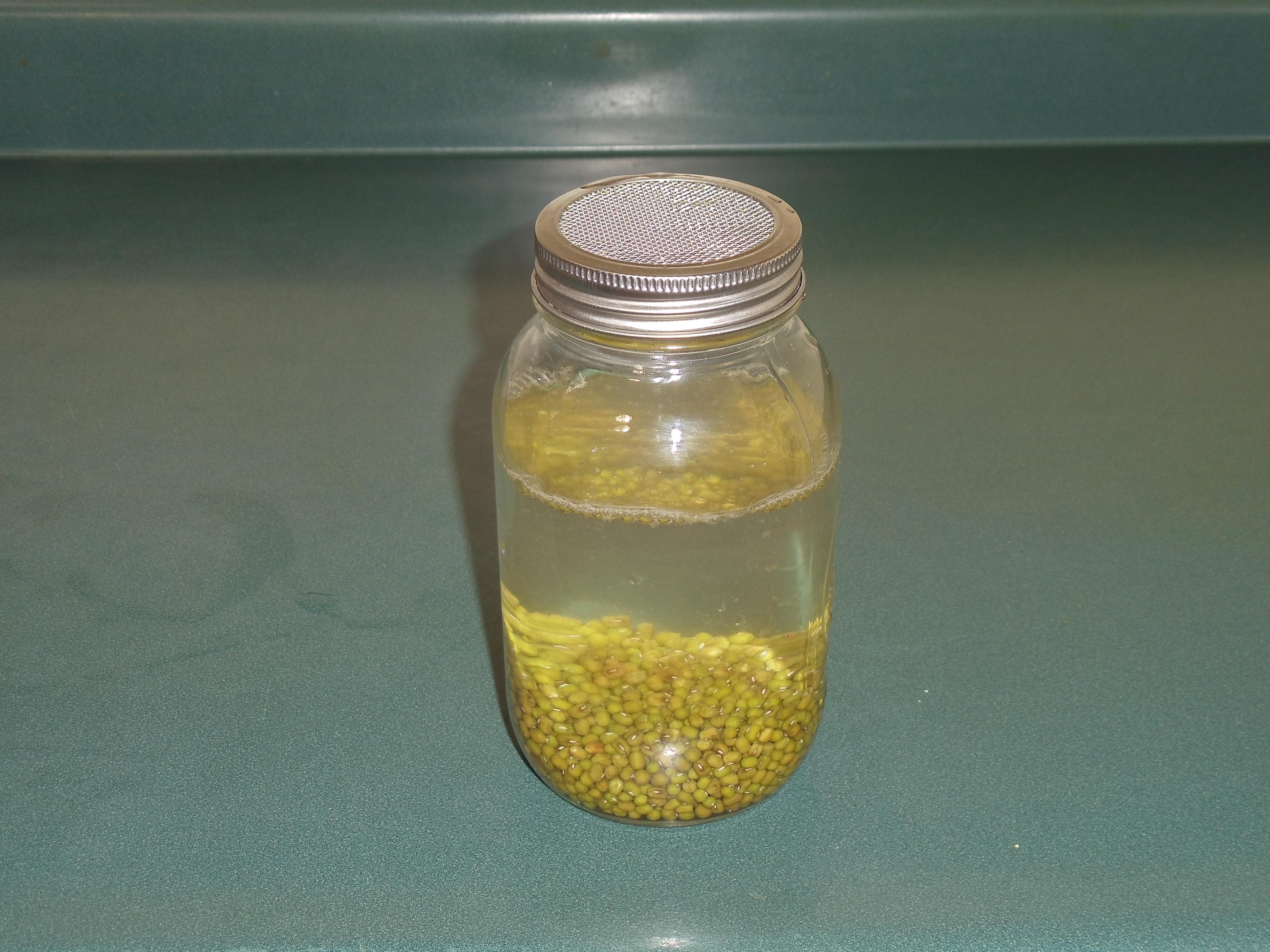
Fill a glass jar with warm, clean, water, about 80°F or 25°C, the beans will expand as they soak and take up even more space as they sprout, so give them plenty of space in the jar.
Cover with a drainable cap and soak for 8 to 12 hours at room temperature. Cheesecloth secured with a rubber band, or the outer ring of a canning lid works well, though you can also buy special sprouting jars that come with a mesh cap. A general rule of thumb: the larger the bean, the longer the soak.
Sprouting
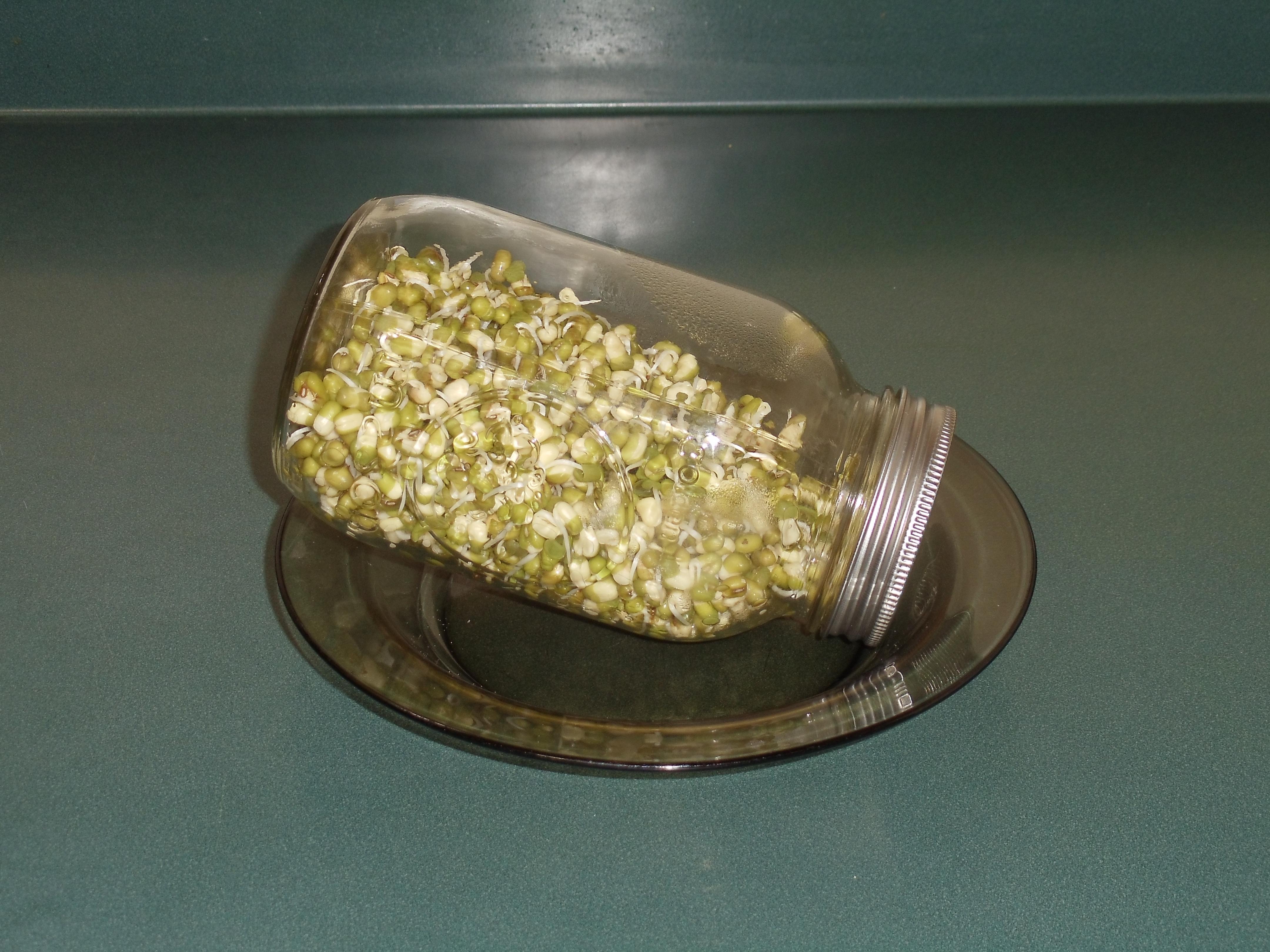
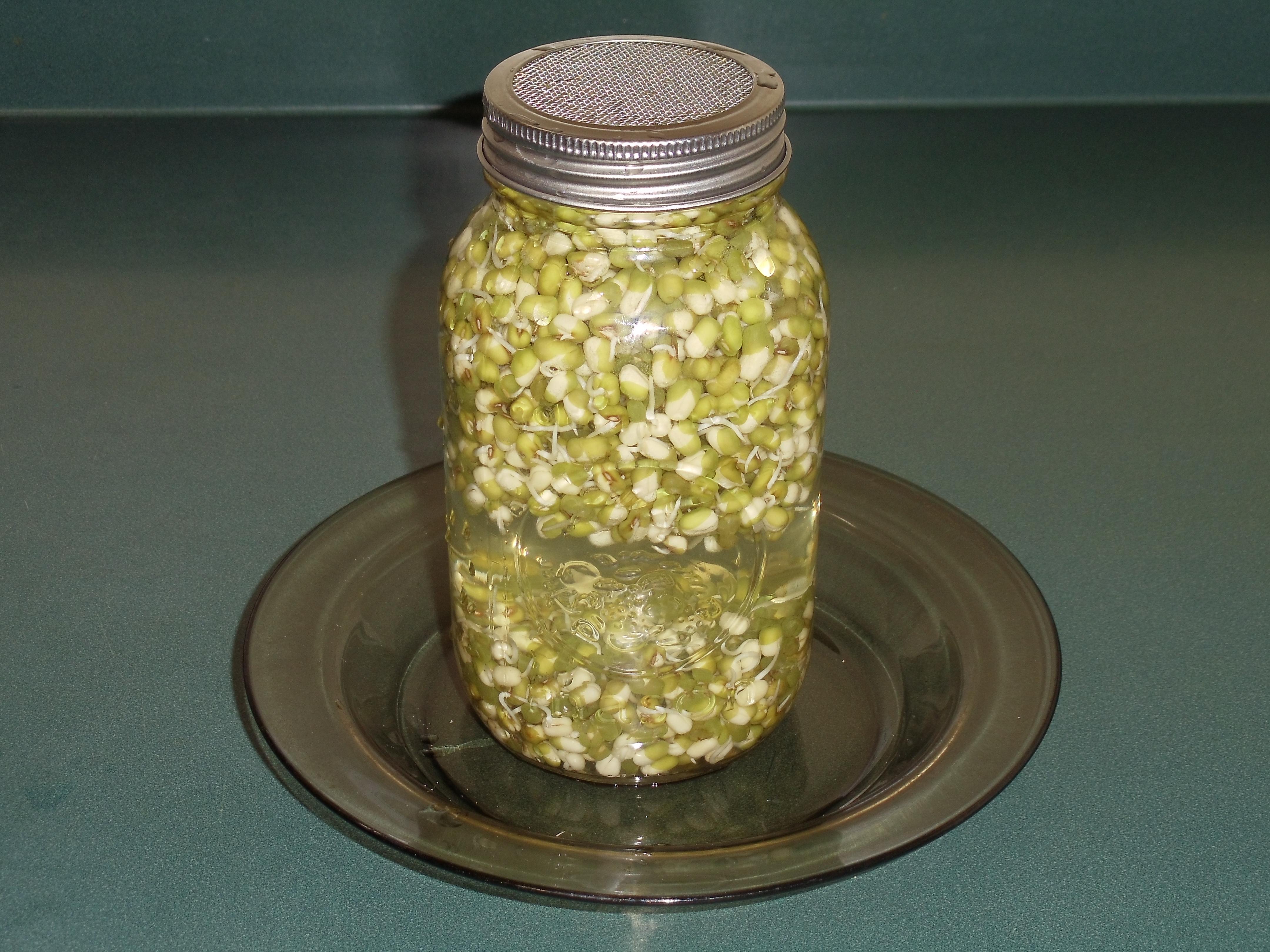

Drain the water out through the mesh cap. Give it a rinse with fresh water and drain again. Find a spot away from the sunlight. Place it upside down at an angle on a dish rack or wire cooling rack so the remaining moisture is released through the opening of the jar. Make sure air can circulate around the opening.
Rinse and drain the beans with fresh water at least twice a day, up to four times a day if the beans seem to be drying out completely.
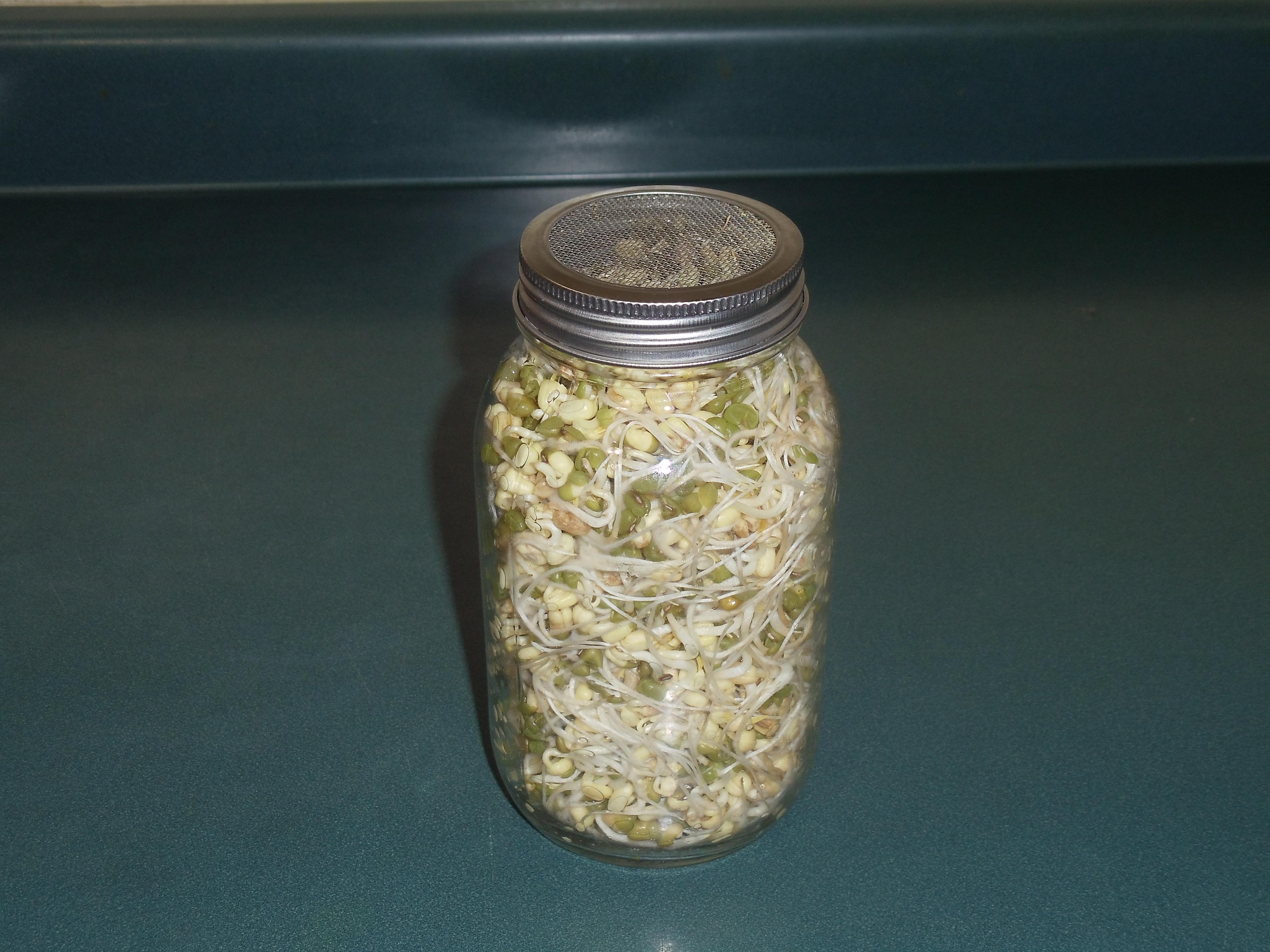
Keep doing this until the sprouts grow to the length you want. Lentils and mung beans have been the fastest growing in my experience they just take a day or two after the initial soak. The whole process can take anywhere from 2 to 5 days. These lentils are just about done.
Let alfalfa sprouts grow to about an inch. Mung bean, lentil, chickpea and adzuki sprouts are good at around ½ of an inch, but it’s a matter of preference. My mung beans took four days.
If you put a jar of sprouted alfalfa in a sunny window for a couple of hours, the tiny leaflets will develop some chlorophyll and turn green.
Finish the Spouts
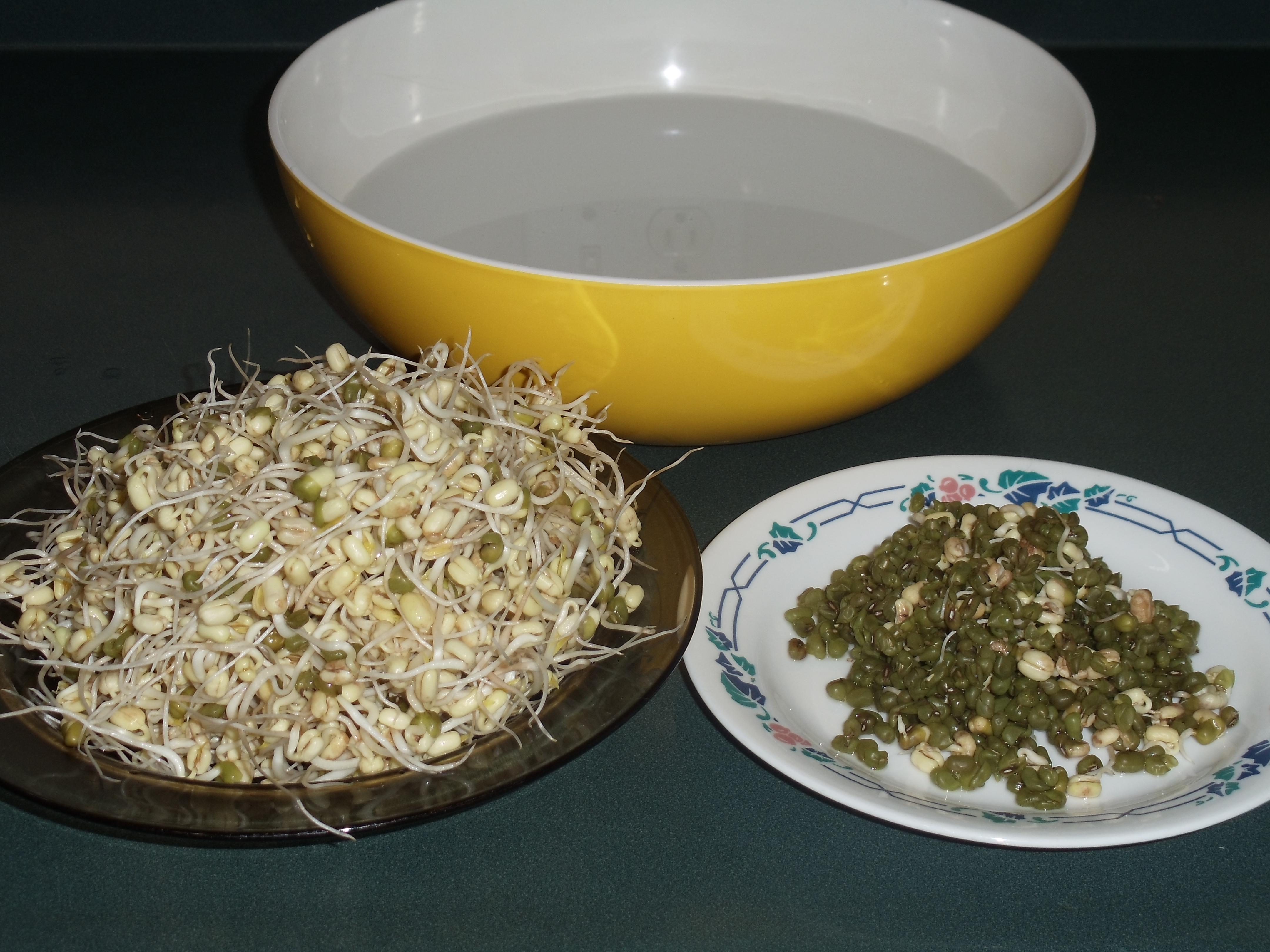
Rinse the been sprouts in a large bowl of clean, cool water. Remove the hulls that float to the top. Do this a couple times until you get all the hulls you can. Sort out any unsprouted beans.
Give your sprouts a final rinse and drain them well in a colander before refrigerating. Place the sprouts in a container or plastic bag lined with paper towel, seal, and refrigerate.
Ready for Dinner
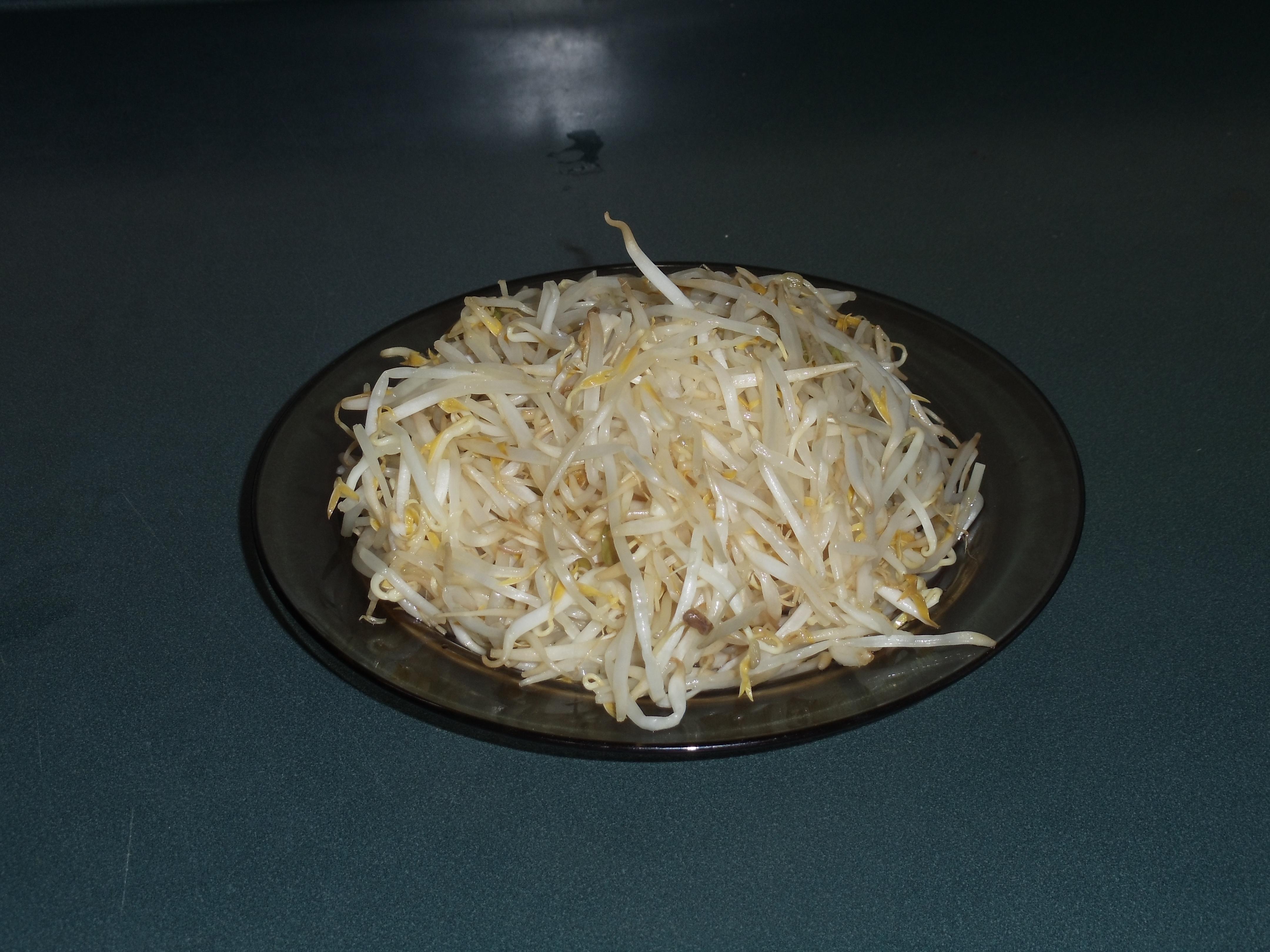
Bean sprouts are eaten raw or cooked except for alfalfa sprouts (which would turn to mush if cooked), other sprouted beans can withstand the heat. Mung bean sprouts can be added into a dish in the final two minutes of cooking. Sprouted lentils are fully cooked after 4 to 5 minutes of steaming. Sprouted chickpeas and adzuki beans need around 15 minutes of cooking.