Fly Fishing Net
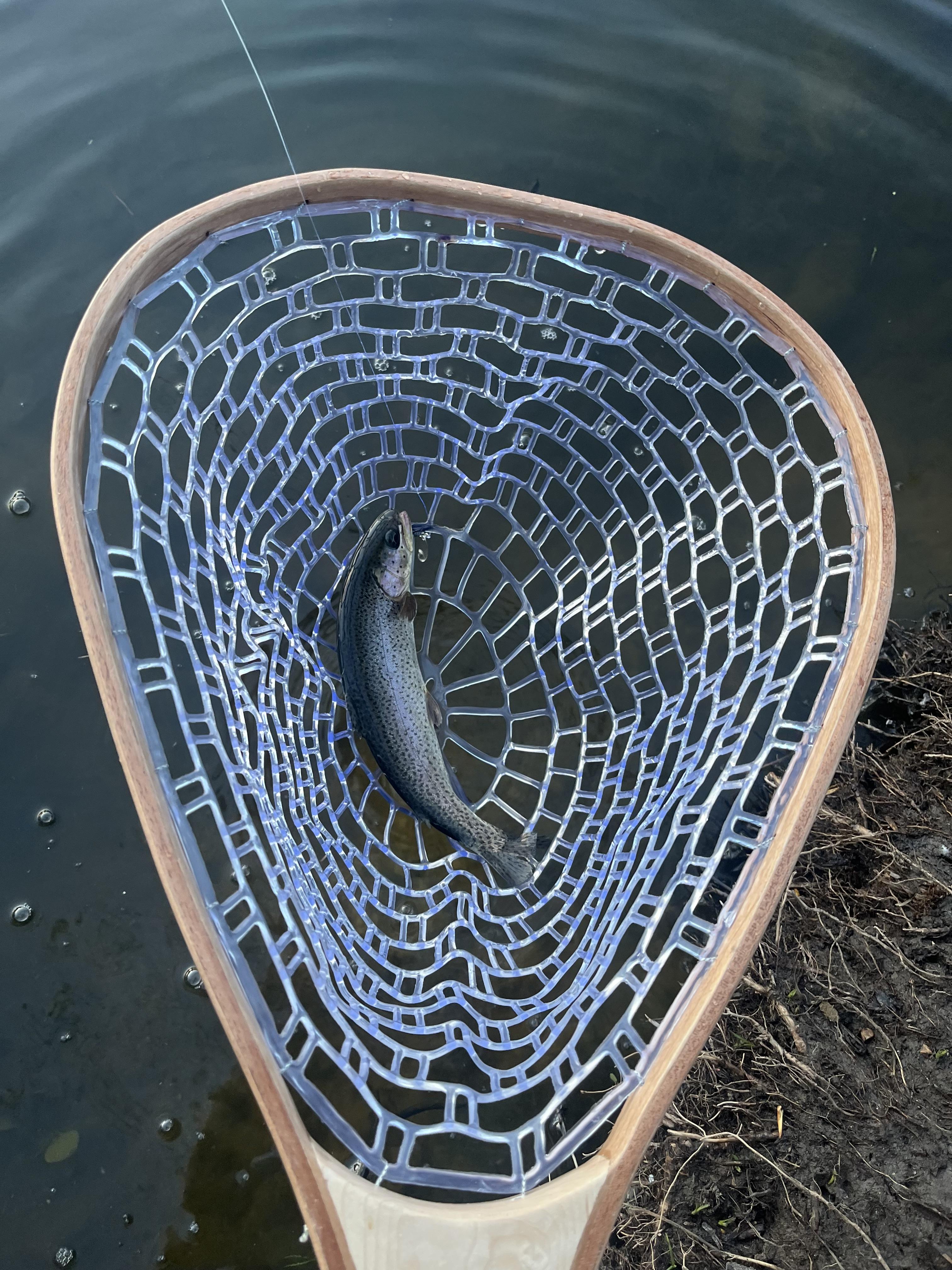
I have created a wood fly fishing net. I created this as a part of my capstone project in my high school wood working class. This was a blast to make, and I want others to follow and be able to make one themself as well.
Supplies
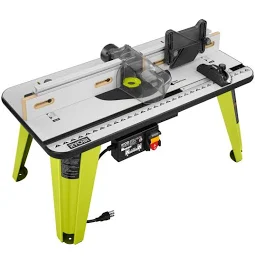
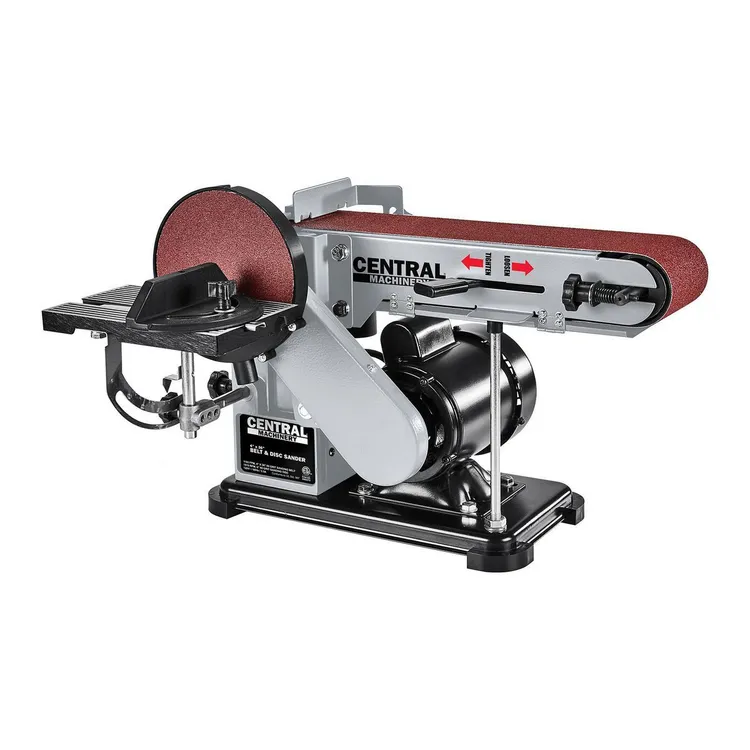
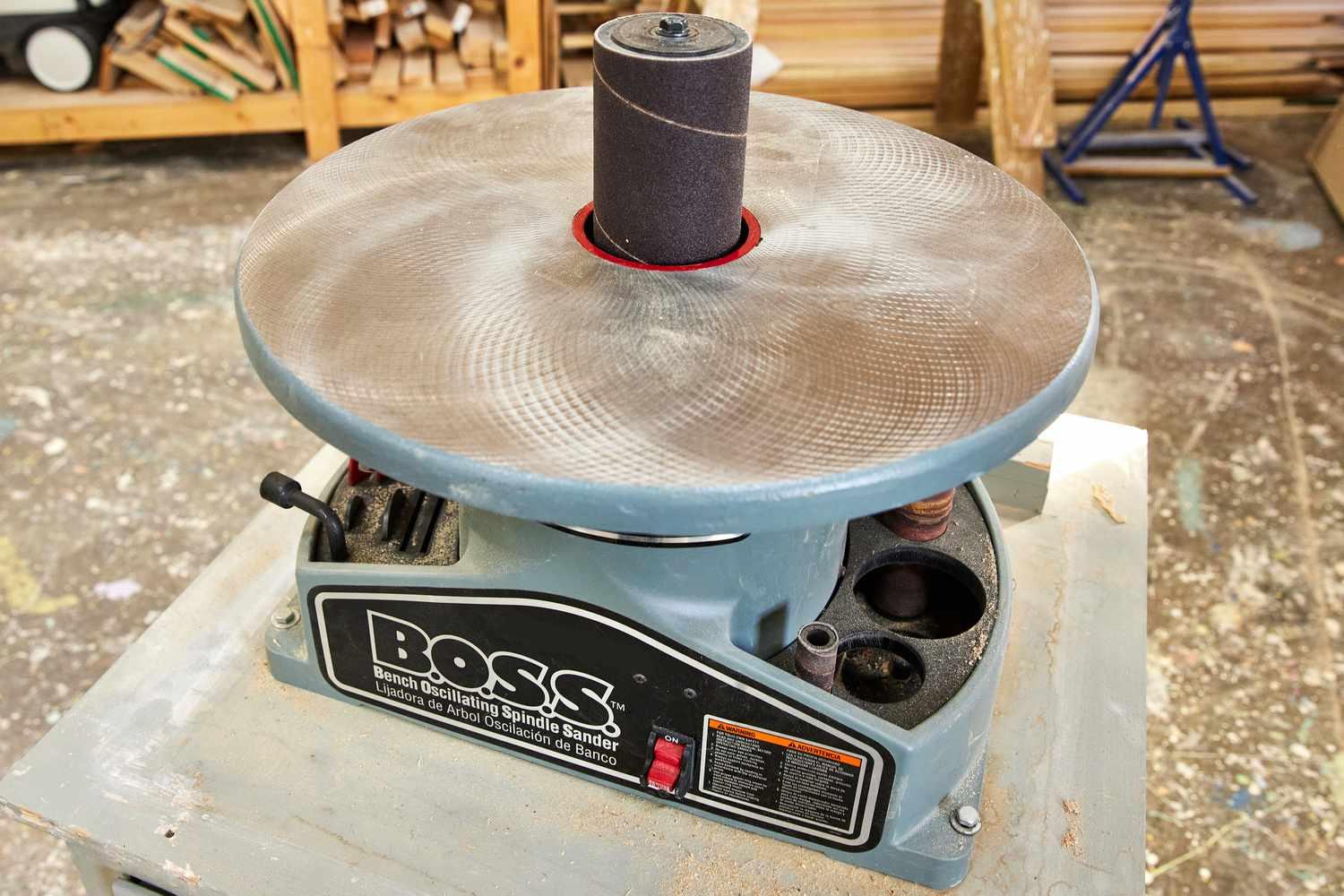
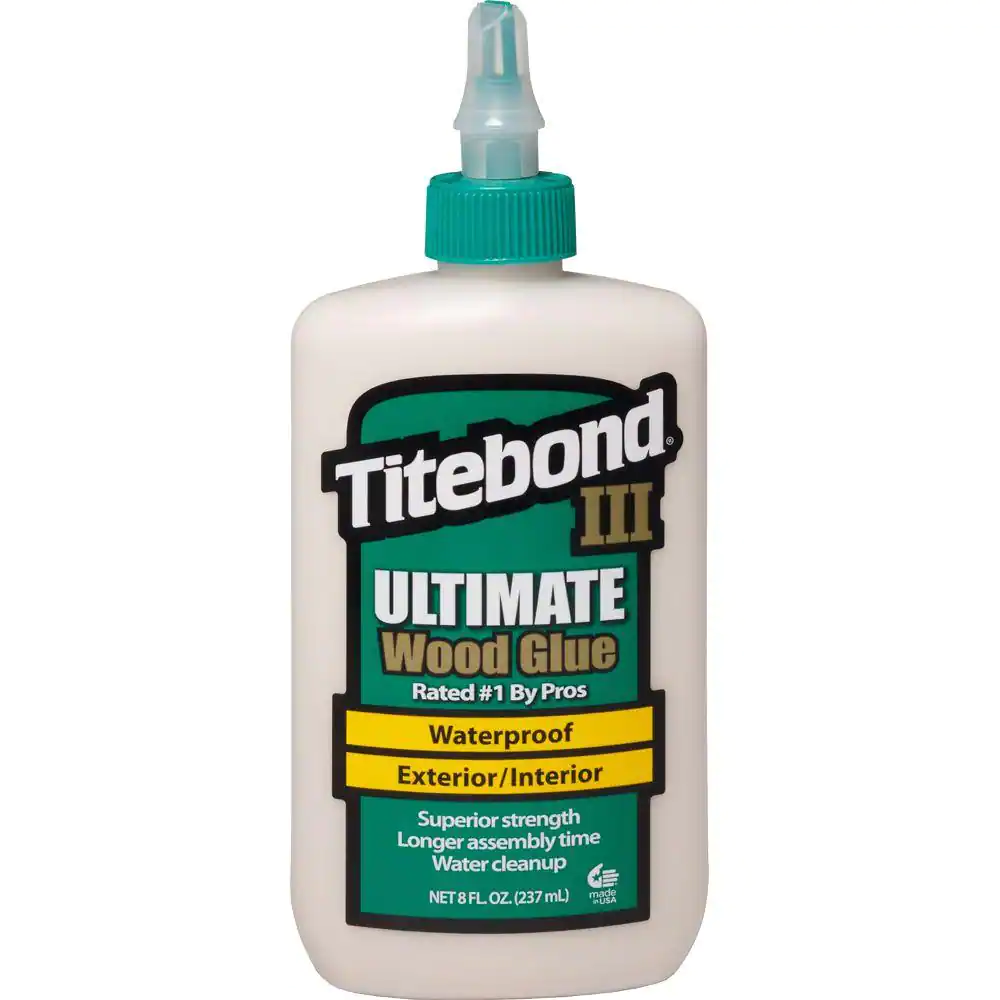
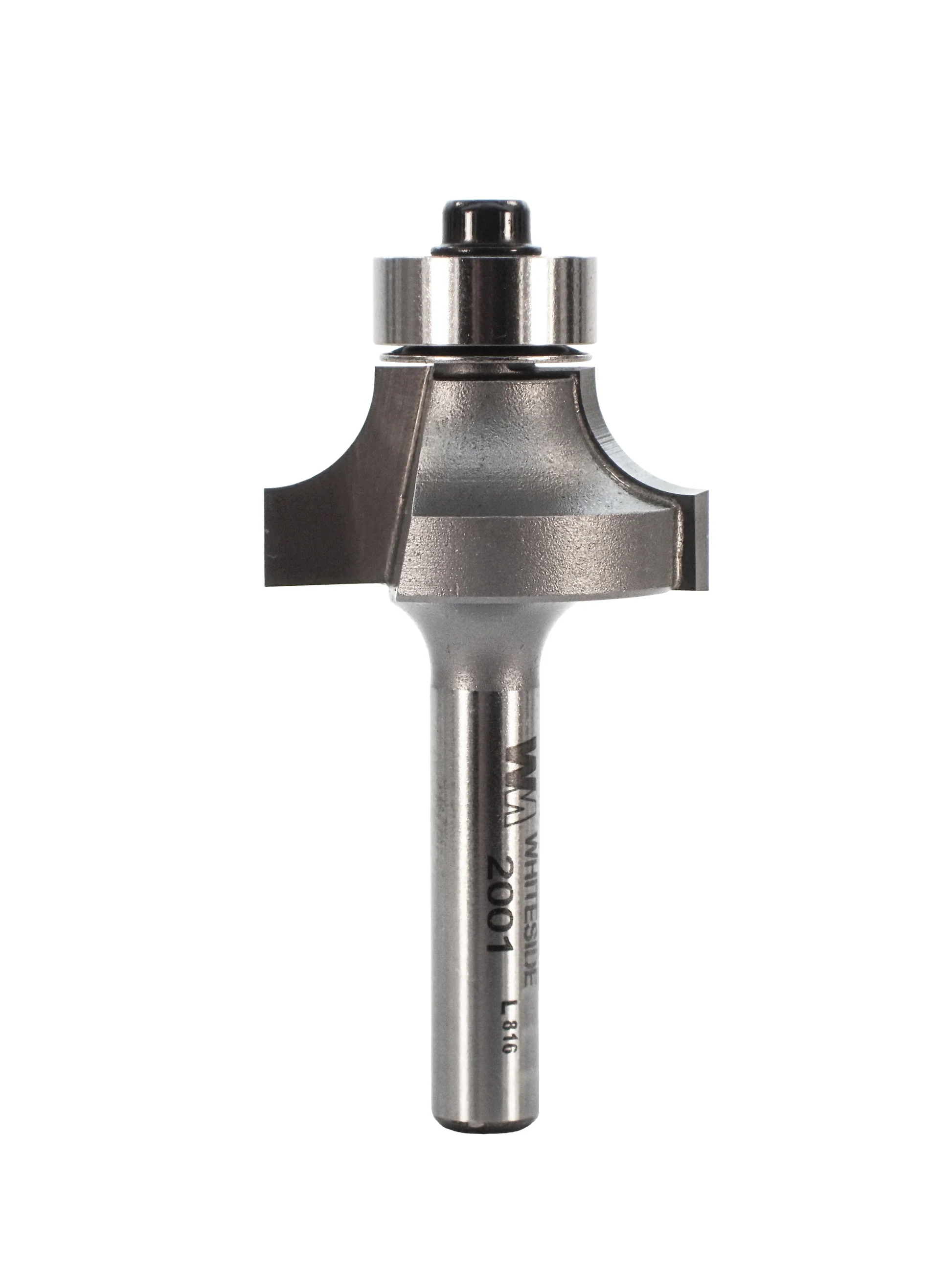
For this project you will need the following:
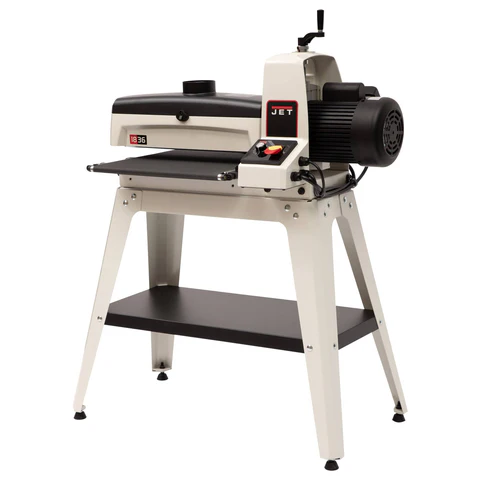
- Drum Sander
- Belt Sander, Disc sander may help as well
- oscillating spindle sander
- Orbital Sander (not needed, but very helpful)
- 220 Grit Sandpaper, for the finishing up sanding, and any other sand paper that you would like to make the process go by easier
- Custom Slit Router Bit
- 1/4" x 1/4" Roundover Bit
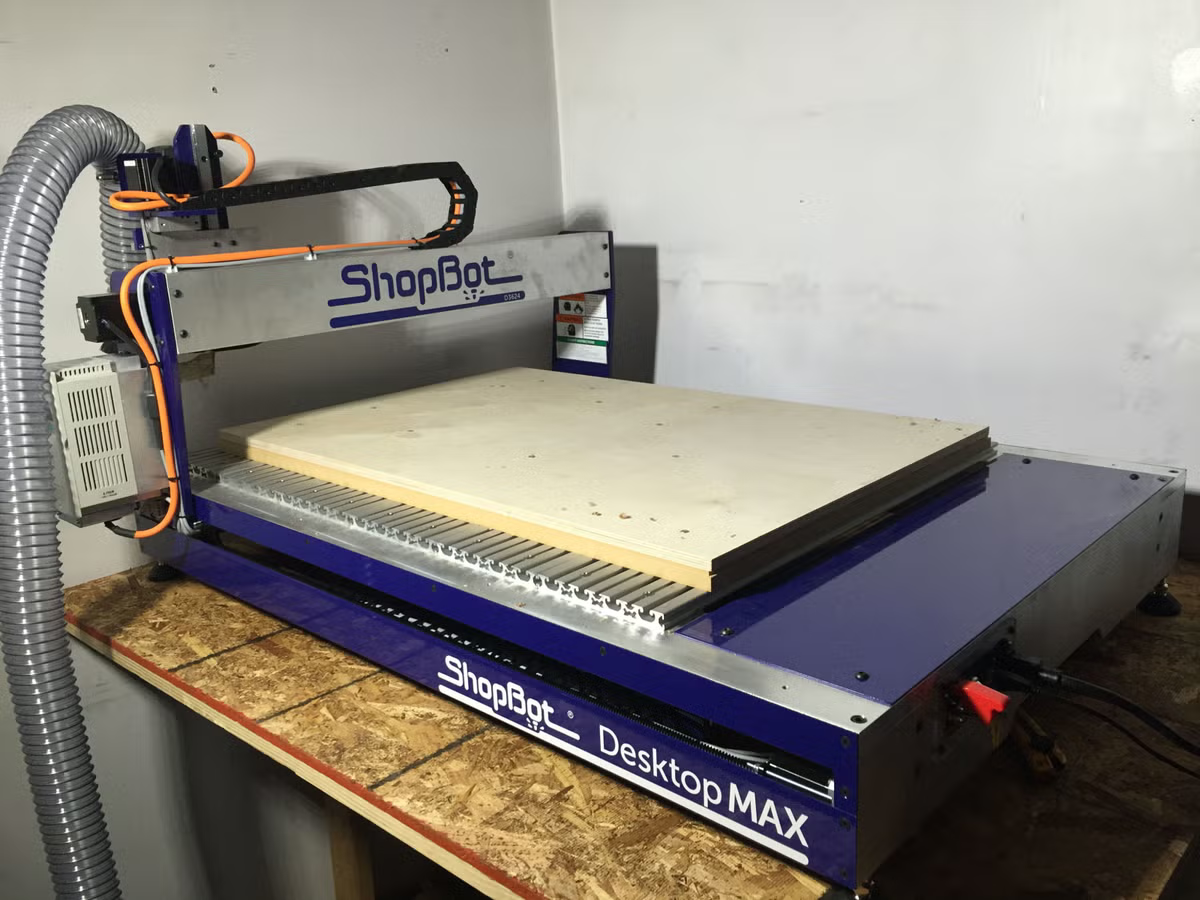
- CNC Router, that fits the parameters of the jig (or borrow a CNC Router to produce the jig)
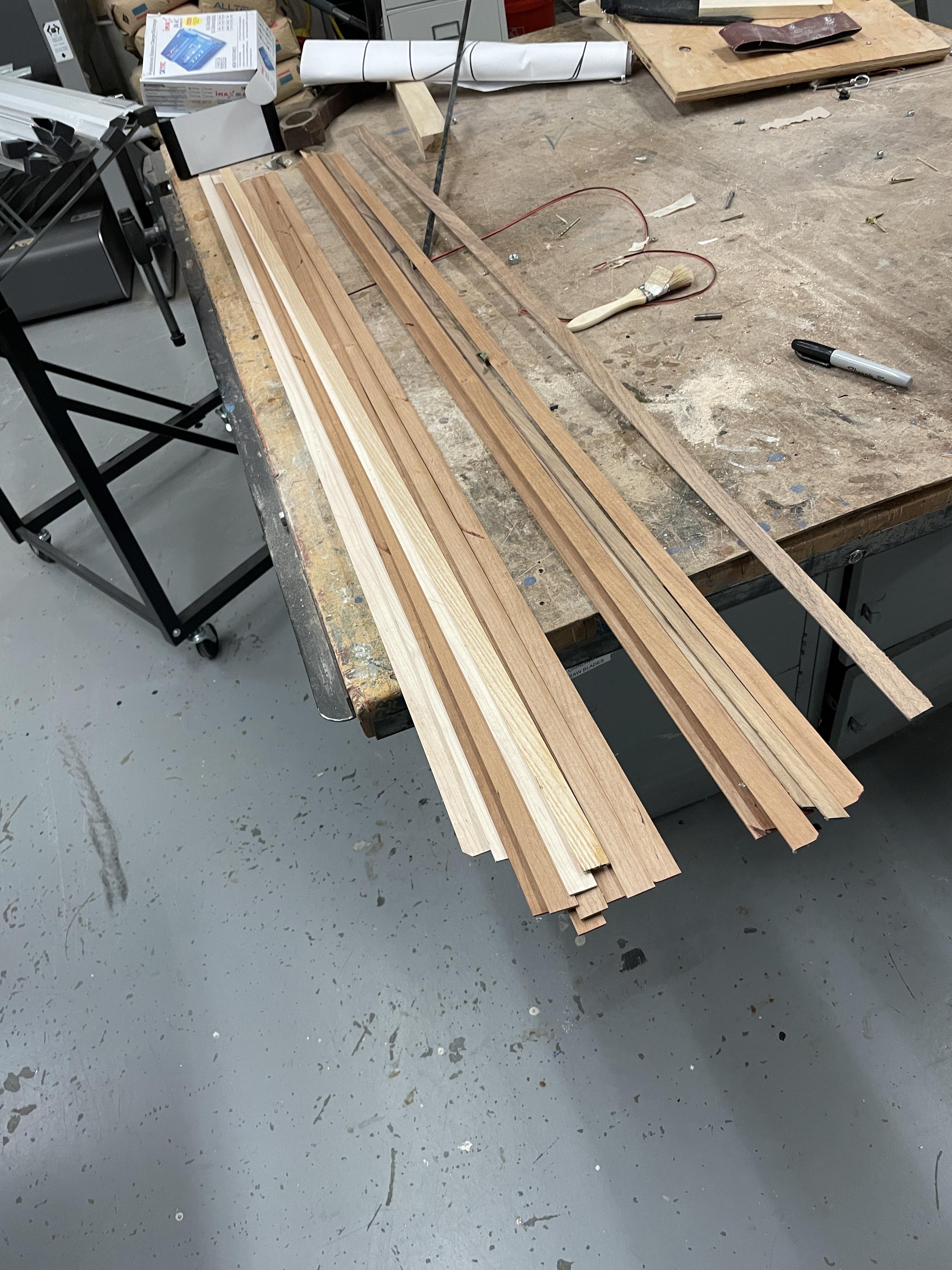
- Strips of wood around 5 ft long, with a thickness of 1/8 in to 3/16 in - cost depends on wood you are using
- PVC Pipe, with a diameter of at least 2'', with end caps so that you can fill with water and soak the wood strips
- Wood Glue
- Clamps (Lots of Clamps)
- Fishing Net
- Braided Fishing Line (to hold the net to the wood, I used 50 lb braided line)
- Power Drill
- Drill bit (that is around the diameter of the slit that the custom router bit makes)
- Sowing Needle (that fits in the drilled hole)
- String (to measure the length of the slot)
- Ruler, or Tape Measure (to get roughly 1'' holes around the net)
- marker for mockup of string
- polyurethane - water based
(Not All items have pictures)
Insporation
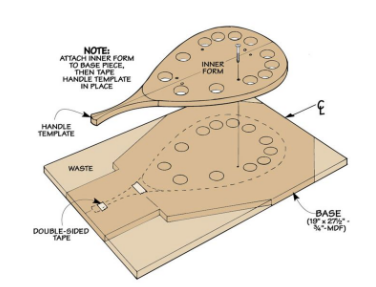
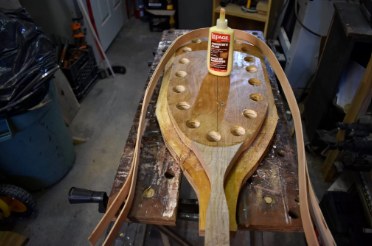
Some images I saw online that inspired my design that I created
SolidWorks Parts

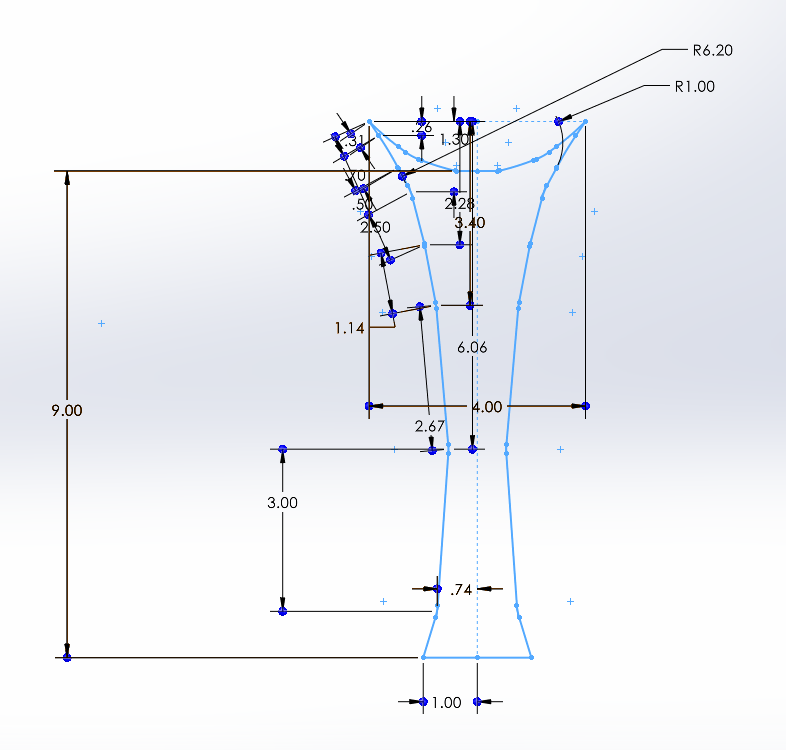
These are the part files for SolidWorks, and they will give you the exact dimensions that I used to create my fishing net design and jig.
Cutting Out the Jig, and Handle
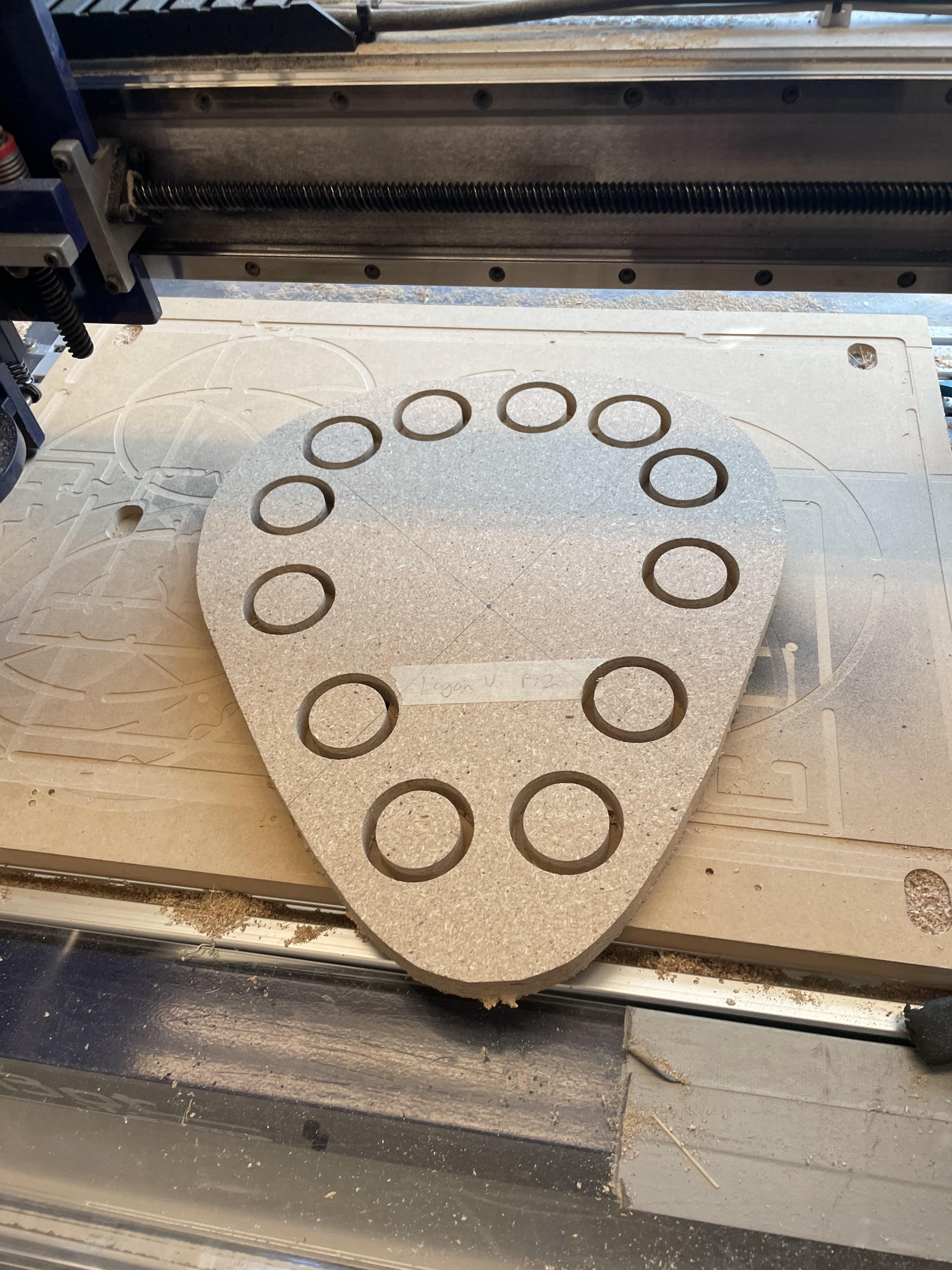
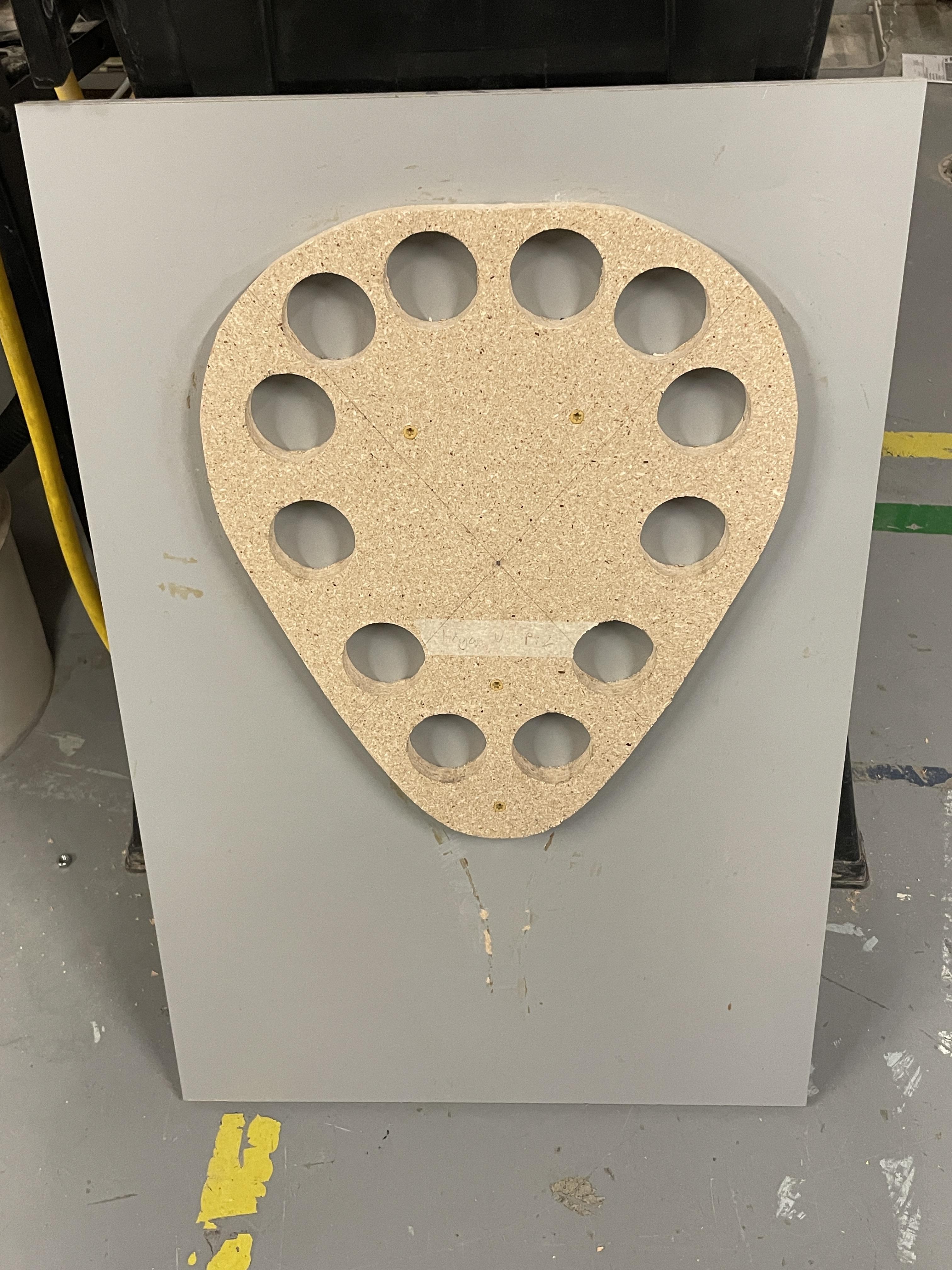


I converted my SolidWorks part files into DXF files for use. I took these files and converted them into the ShopBot files that we used in order to cut out the jig into particle board on the CNC router. the same was done to the handle. The handle I made was made from maple wood.
YOU must take the DXF files that I have attached and convert them into your cutting software (or just cut it out by hand).
After I cut out the jig, I attached it to a board that could hold the jig to a flush surface. This allows for easier, and more accurate gluing
For the handle, I did the same thing. I converted the DXF file for the CNC router that I used and then cut it out of some maple wood. The wood had a thickness of around .5 inches. After cutting it out on the CNC I cut it out from the tabs, and sanded them down to get the made handle.
Soaking Wood Strips
.JPG)
Using Strips of wood that are roughly the thickness of a saw blade (1/8'' to 3/32'') and around 5 feet long
- The cost of these strips depend on the wood you use
- I would recommend using a lighter and a darker wood so that you have a contrast on the final project
- For this project I used left over wood scraps that I cut down to the thickness that I wanted to use which was 1/8''
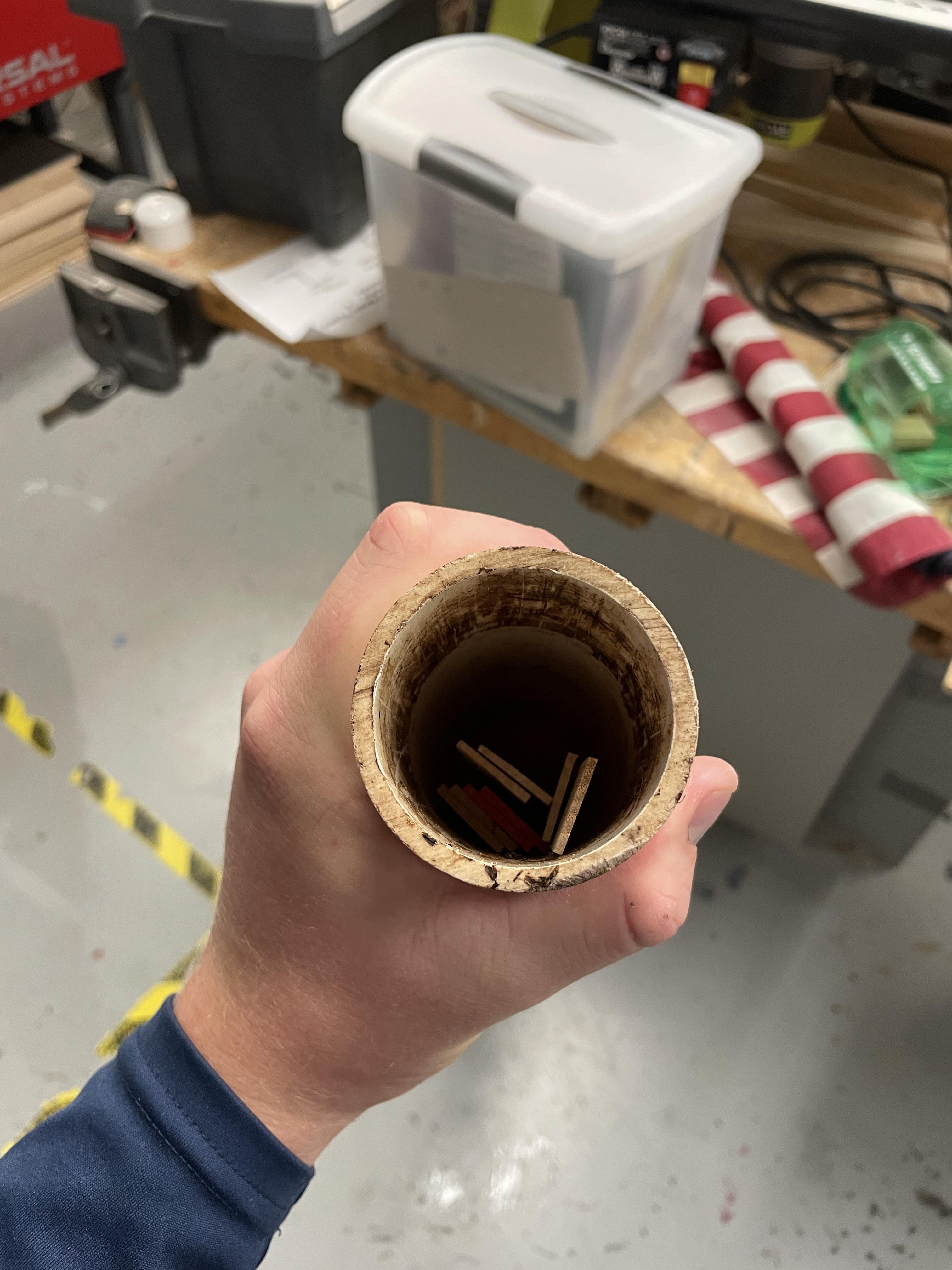
Using a PVC pipe, with at least a diameter of 2'' I soaked the wood with water and let it sit over night. Make sure that the PVC pipe has end caps because the water won't be held inside. Make sure that you own a PVC pipe that is long enough to house the 5 foot strips.
Wood Bending
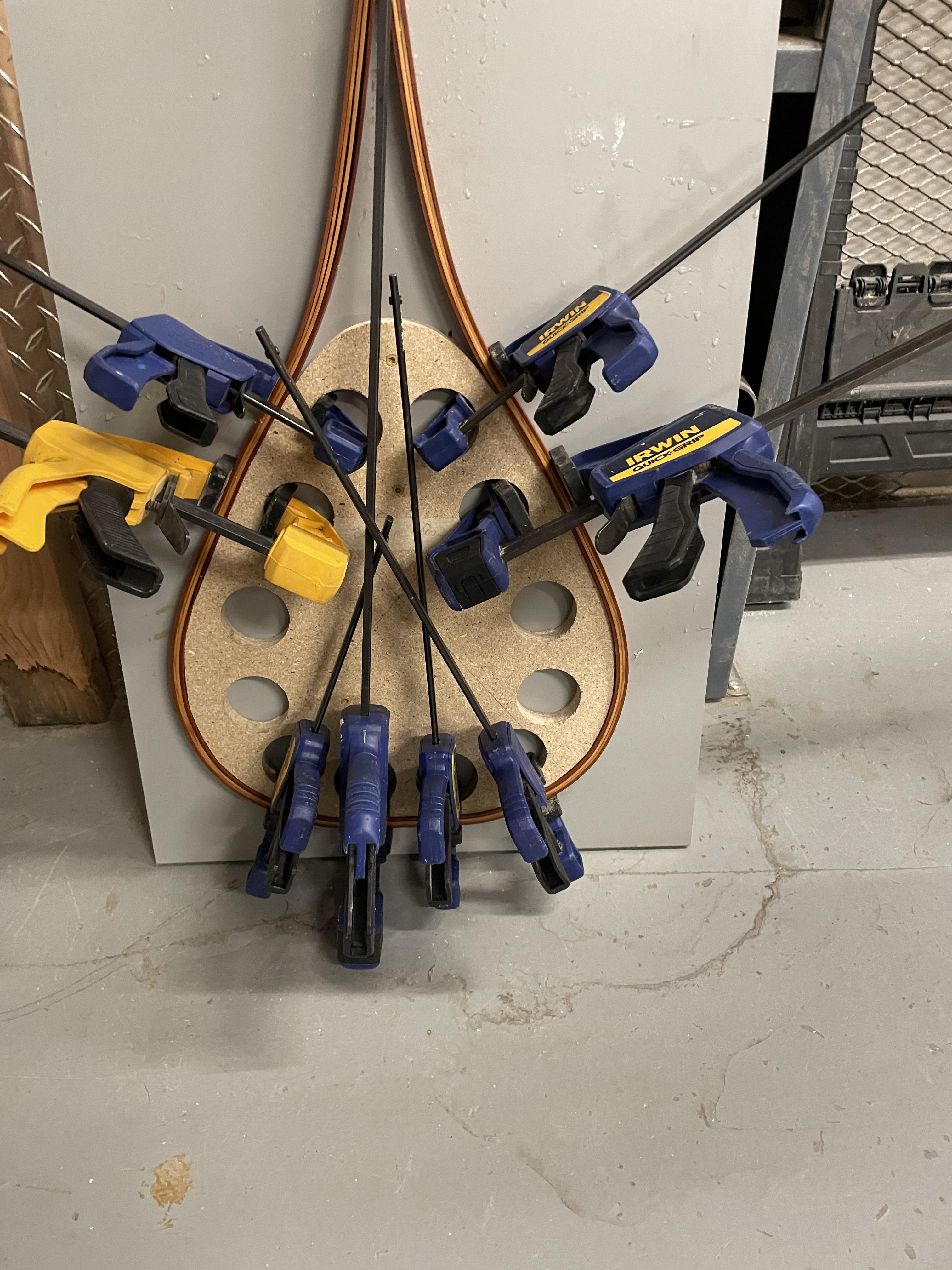
This step in the process does not require as many clamps as the gluing step because you are just getting the rough shape of the fishing net.
For this process you want to make sure that the wood has soaked for at least 24 hours before attempting to bend. Once it has been soaked, take the wood out and select the pieces you want to bend. I used four 1/8'' strips to bend around the jig. Let this sit over night to secure the rough shape of the fishing net.
For the bending I did not have the handle in the jig. You can put it in if you feel like it. It might make it easier for the gluing process as you won't need as many clamps (most likely 1 or 2 less clamps).
Gluing Up
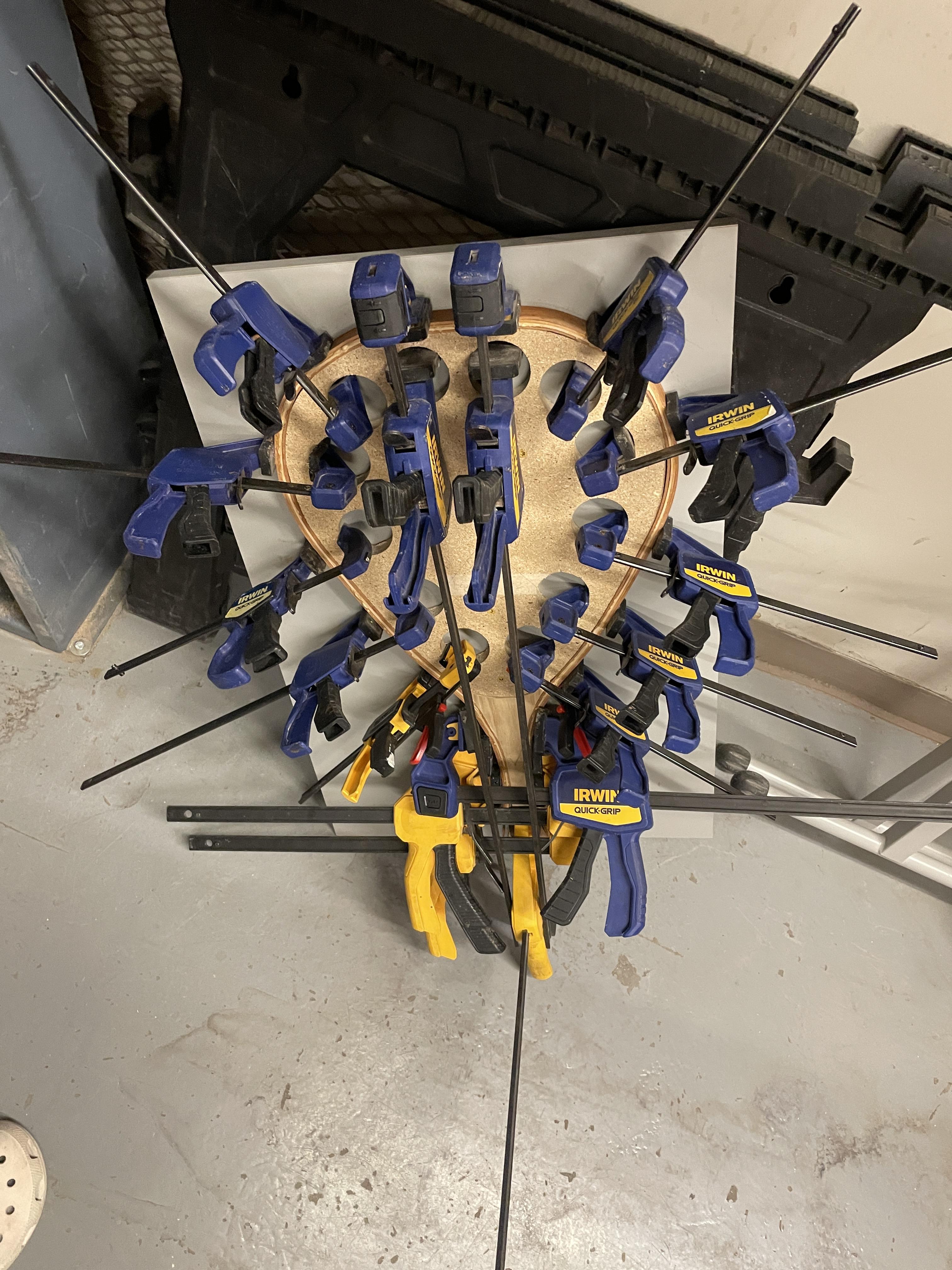
Apply a coat of glue along the inside parts of each wood piece, except for the outer pieces. Then run your finger along the glue to make sure that it is spread to all parts of the wood. Then reattach the frame to the jig and glue all the pieces back together. Starting from the top of the jig (opposite side of the handle), clamp down using the different holes that are placed in the jig. After the whole piece is clamped down, make sure that most of the wood is tight together, and wipe away excess glue.
Post Glue Fixup
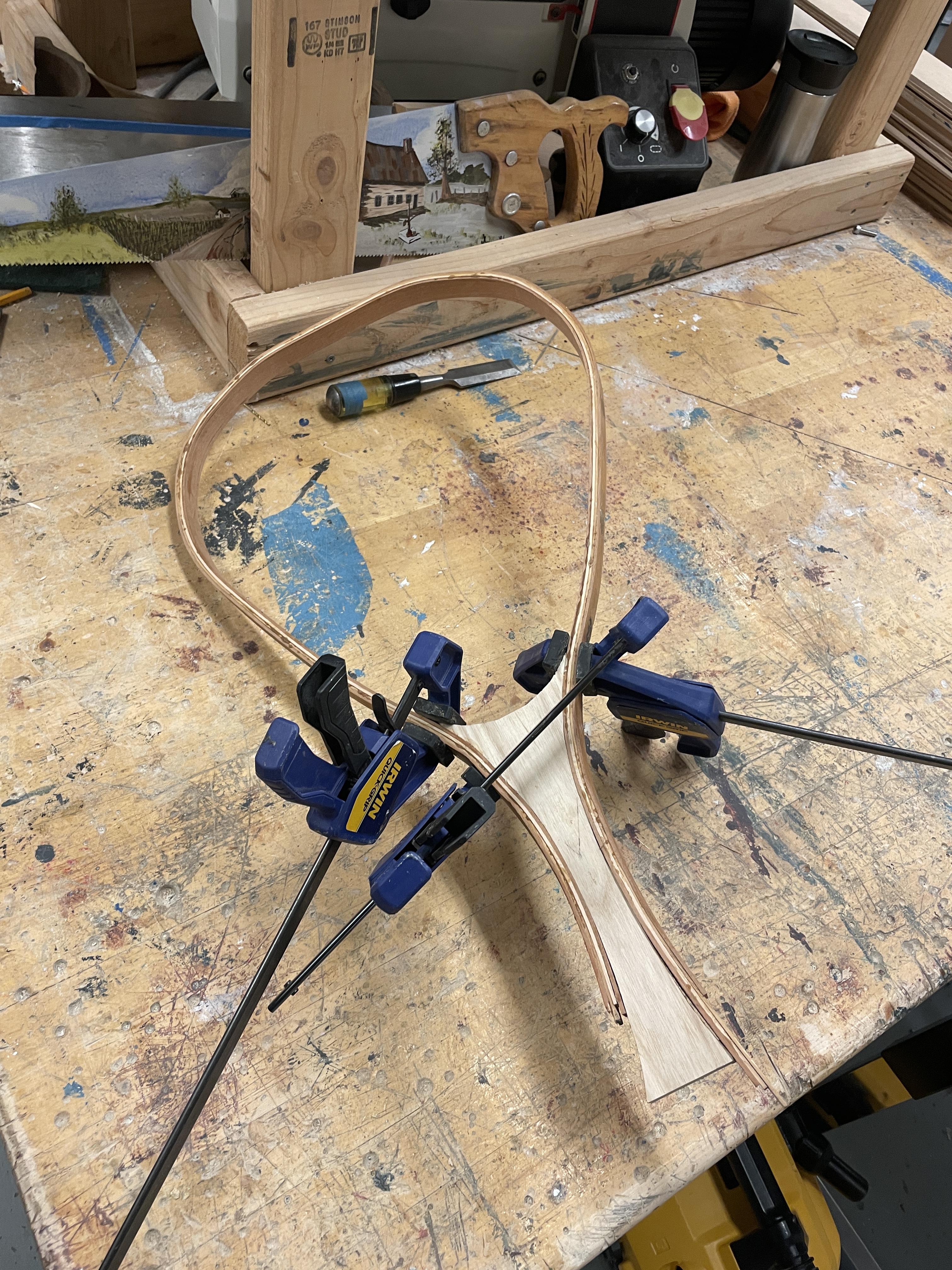
For myself, I had a hard time getting the tip of the handle to glue perfectly to the frame. For this I added some extra glue to the parts that were sticking out, and proceeded to clamp it together for another day.
Drum Sanding/Cutting Out Handle Design
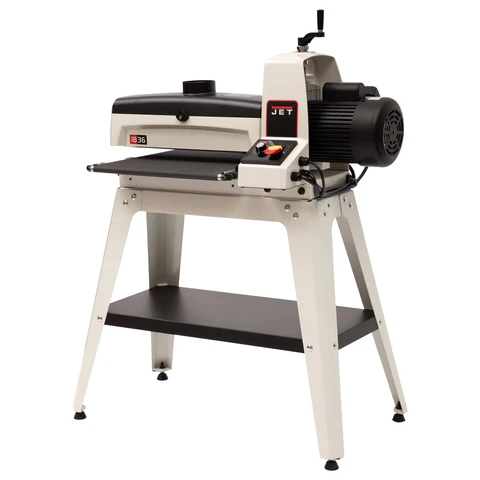
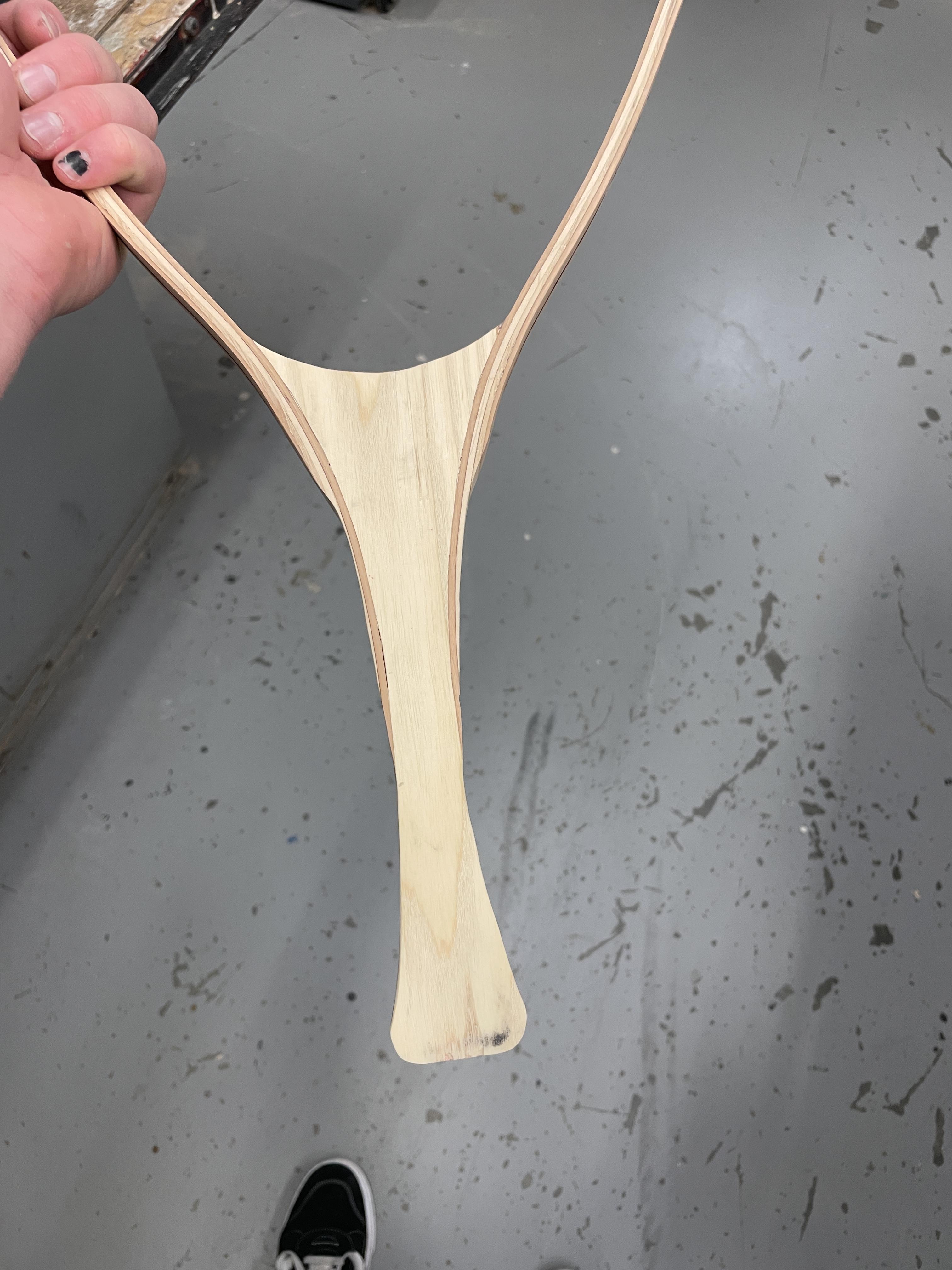
For the first part I took the finished glued fishing net and sent it through a drum sander a few times in order to get a semi flush surface.
Then I cut away the extra strips of wood, and shaped the handle on the belt sander in order to get a rounded edge. I also used the belt sander to get the sides of the wood to get a handle shape that had a slight curve, and felt good in the hands.
Router Slit
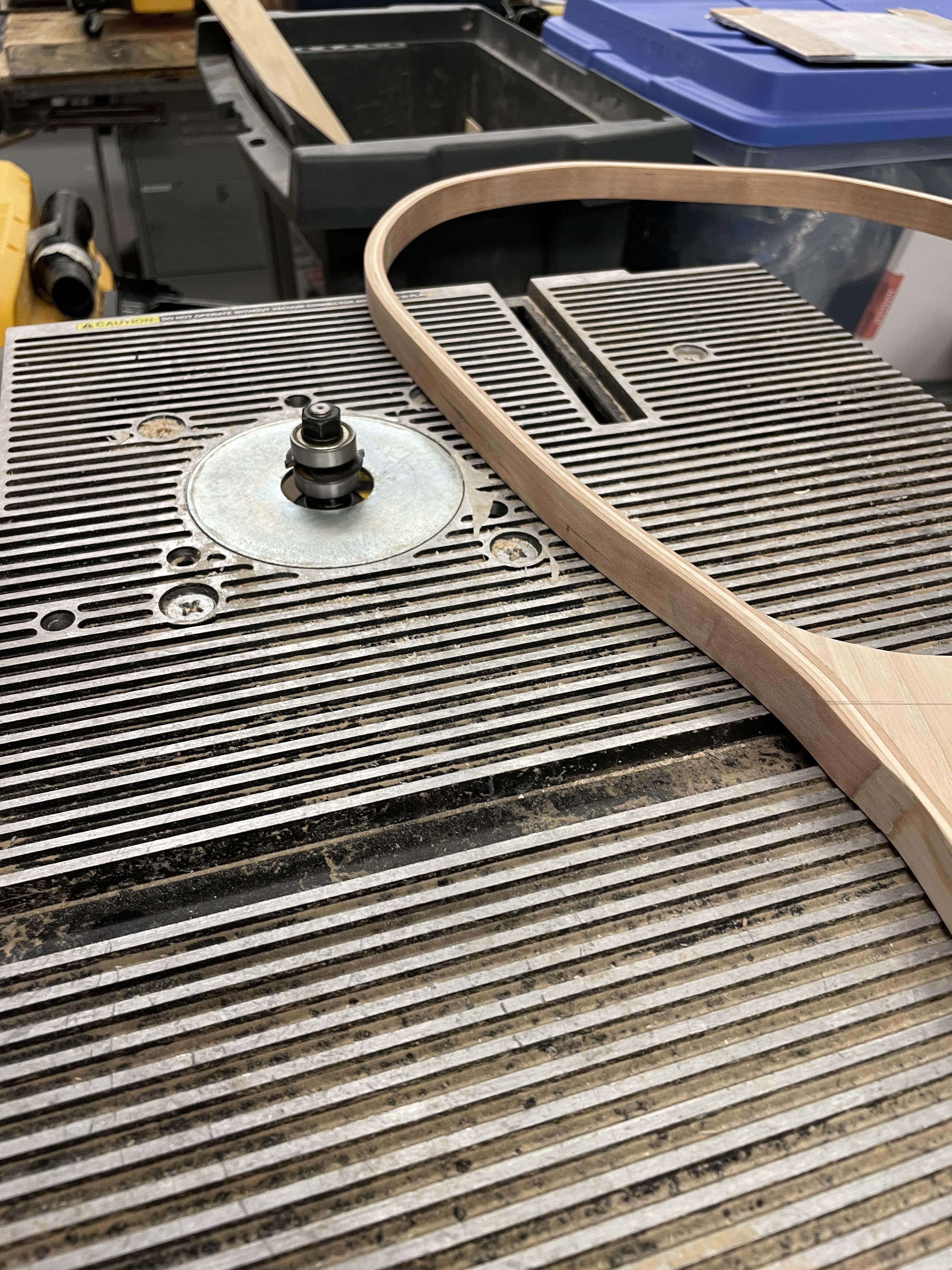
Using the custom router bit insert it into a router and cut out the slit that goes across the exterior of the fishing net. The slit should start about were the curve of the inside part of the fishing net begins, if not a little bit more (up to preference).
Router Edges/ Sanding

Using a 1/4'' Round over bit, router the edges of the fishing net (inner and outer edges). This should be completed when the entire fishing net has rounded edges.
Then taking a orbital sander (or just hand sand if you don't have one) sand the entire surface of the fishing net starting from around 120 grit, and going up to 220 grit (more is not really needed, as the polyacrylic coat recommends around 220 grit).
During the sanding process the orbital sander is good to get the flat spots, but majority of the sanding will be done by hand. Sand until the entire net is smooth, and that there are no router marks, or drum sander marks.
Marking Holes to Cut With String
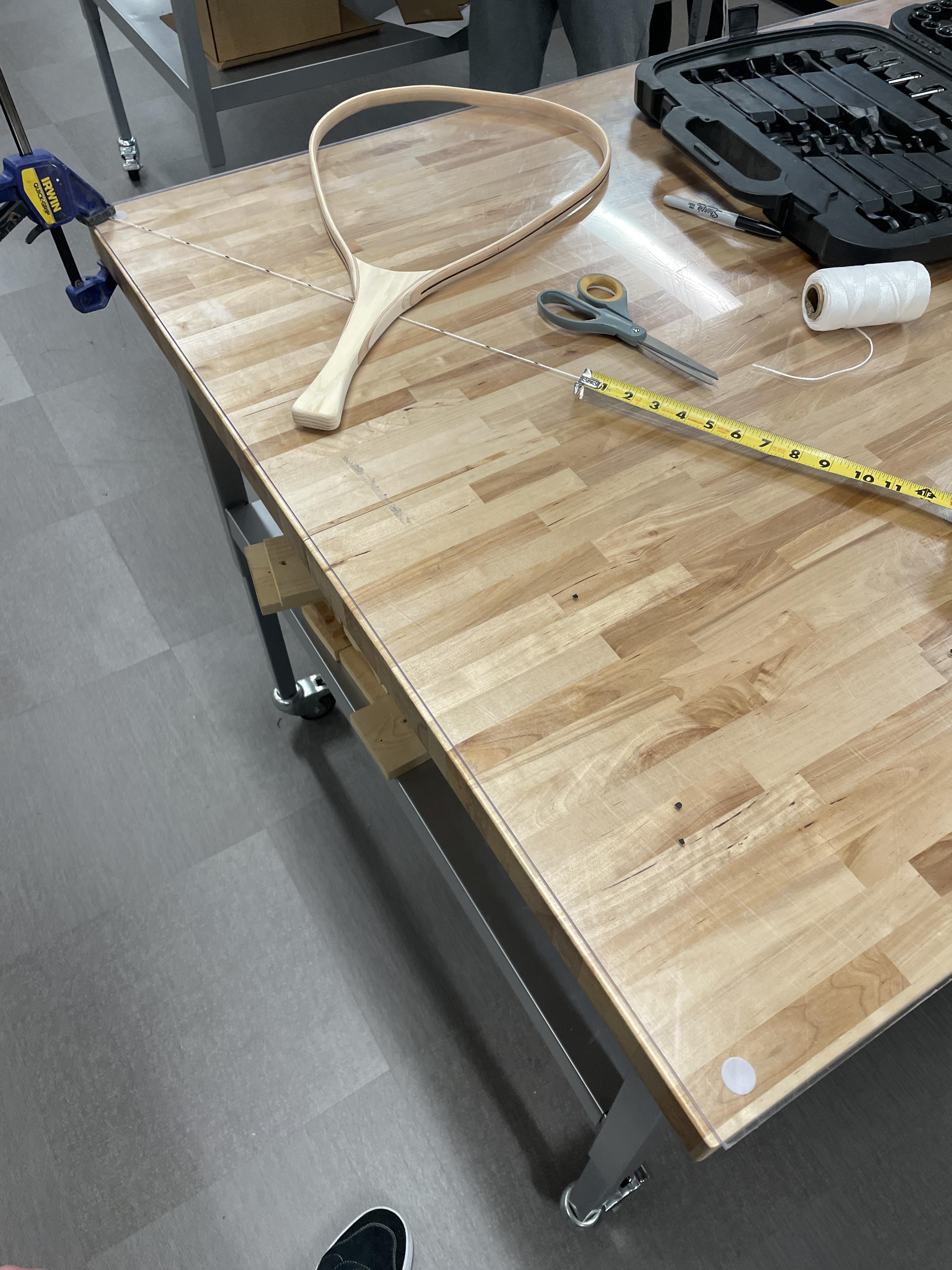
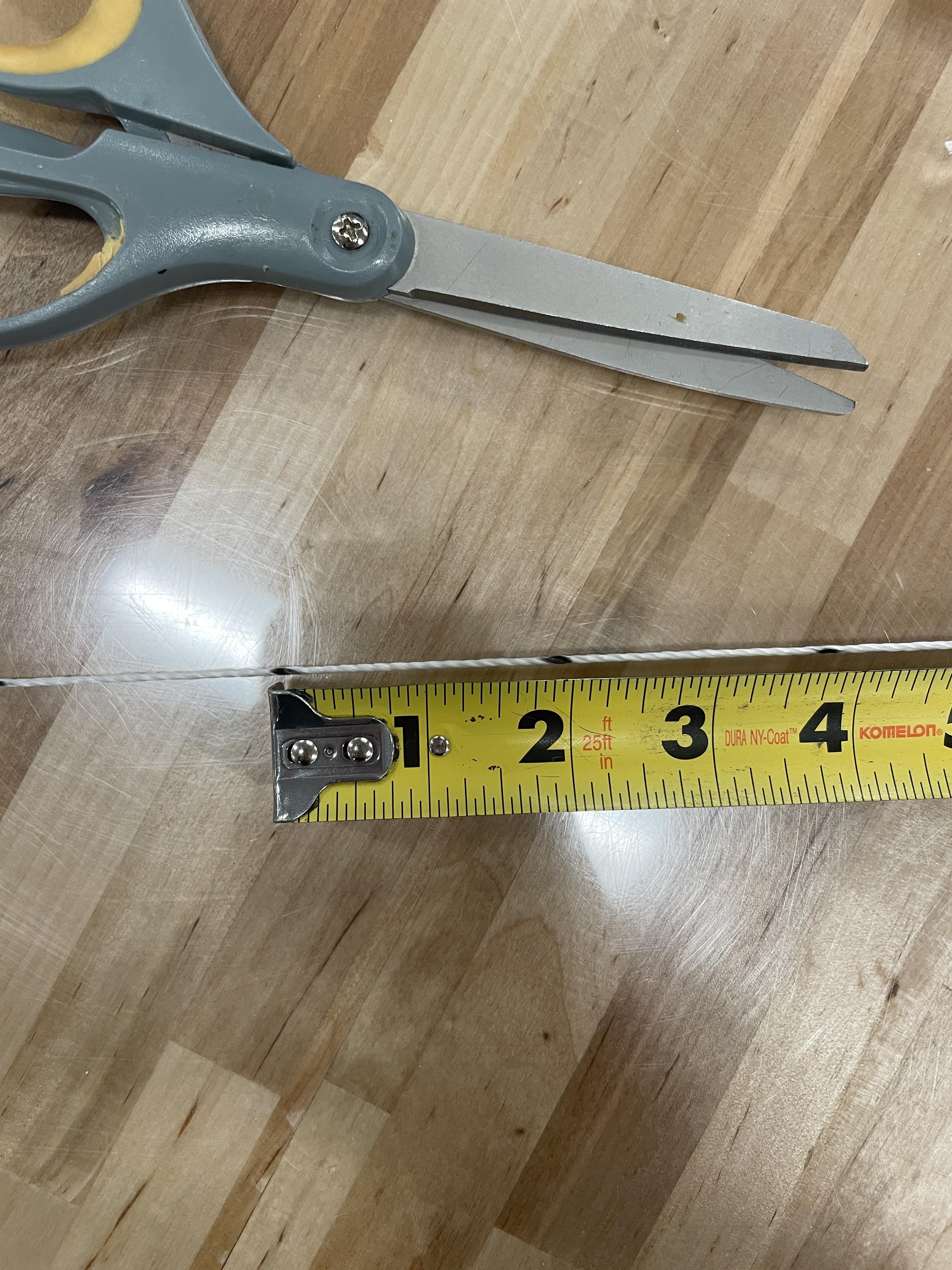
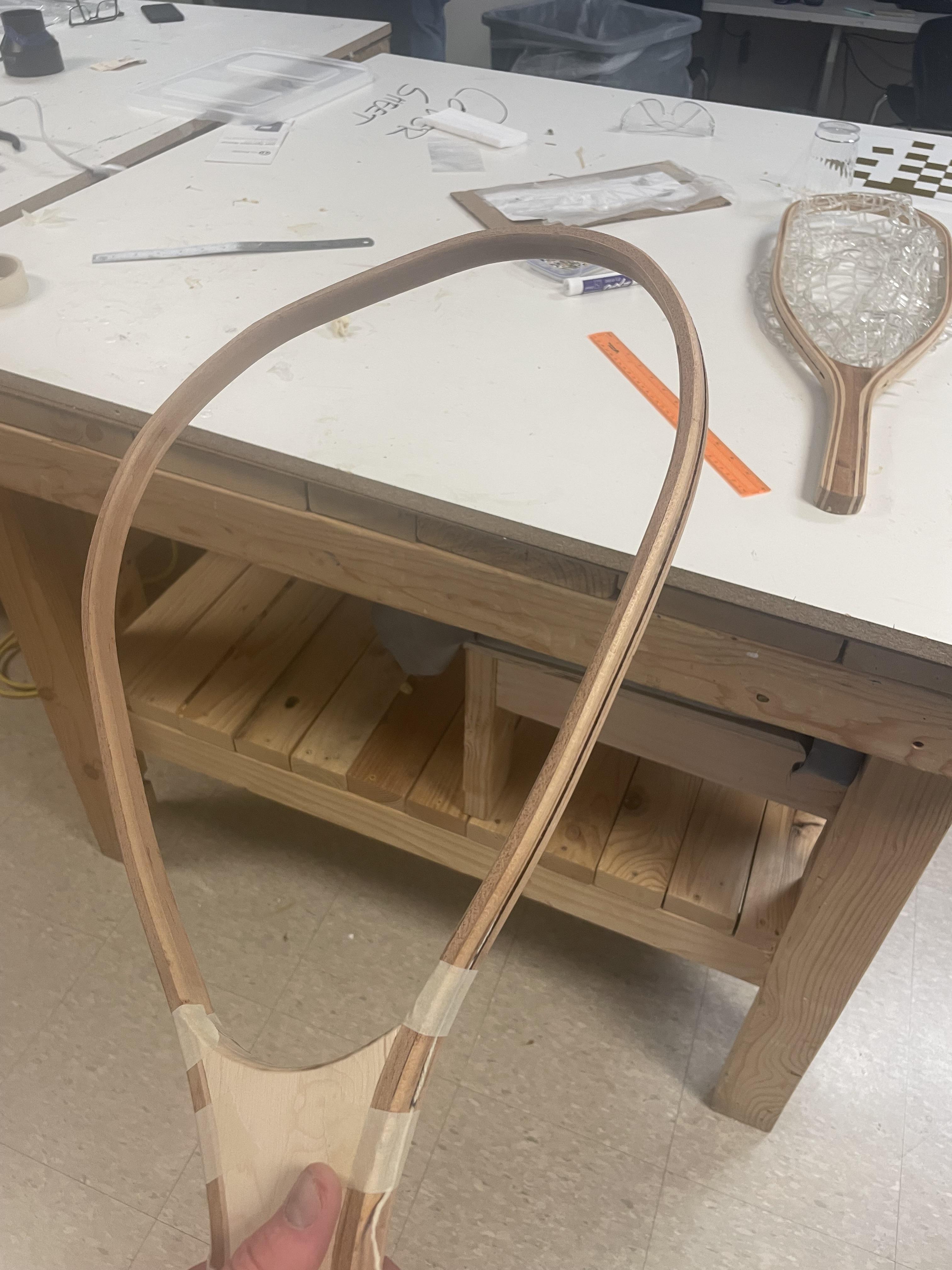
Taking a string and running it along the entire slit of the fishing net you will then mark off the ends in order to measure the entire length. I wanted to have around 20 holes along the entire length of the fishing net and so I divided the entire length by 20 to mark off each hole. I then took the string off and measured around 1 to 2 inches until I got a good amount of holes. I then re wrapped the string around the fishing net an marked each hole off with a pencil.
Cutting Out Holes
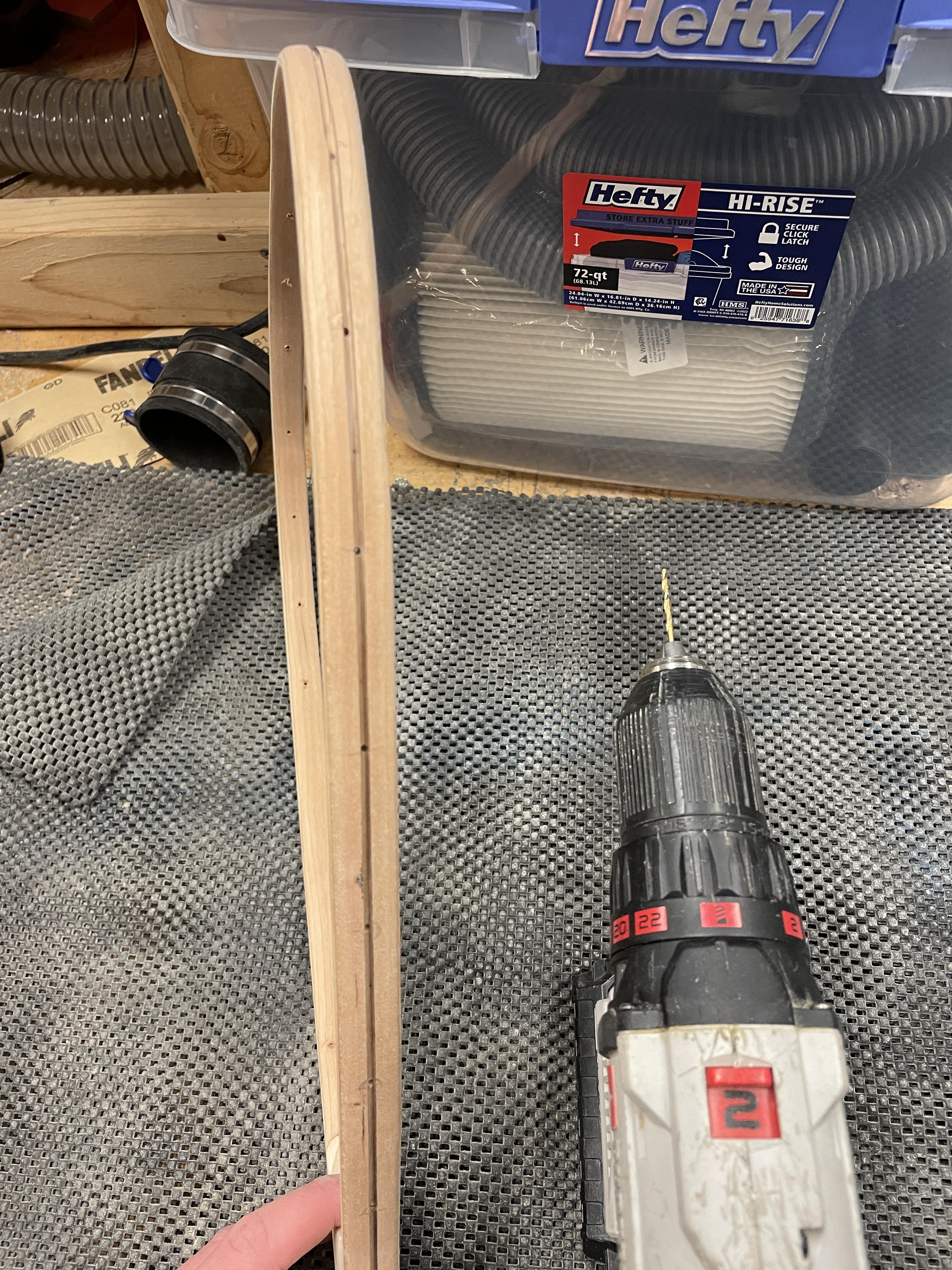
Going along each mark that I made with the string I cut out the holes with a drill bit that was around the same diameter of the slit.
After cutting out the holes I would recommend that you take a last check, and sand away an impurities, and debris that the drill leaves. And do a final check with sandpaper to make sure that it is prepped for Polyurethane.
Polyurethane Coating
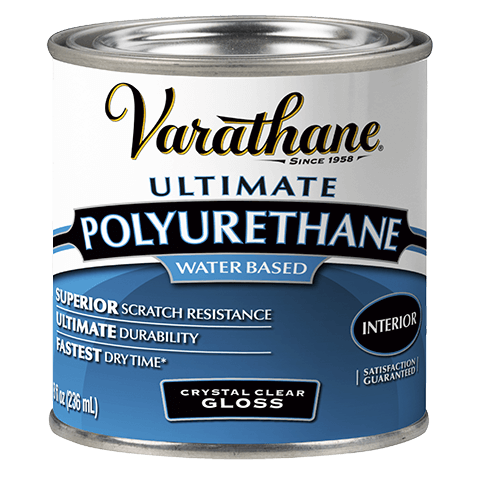
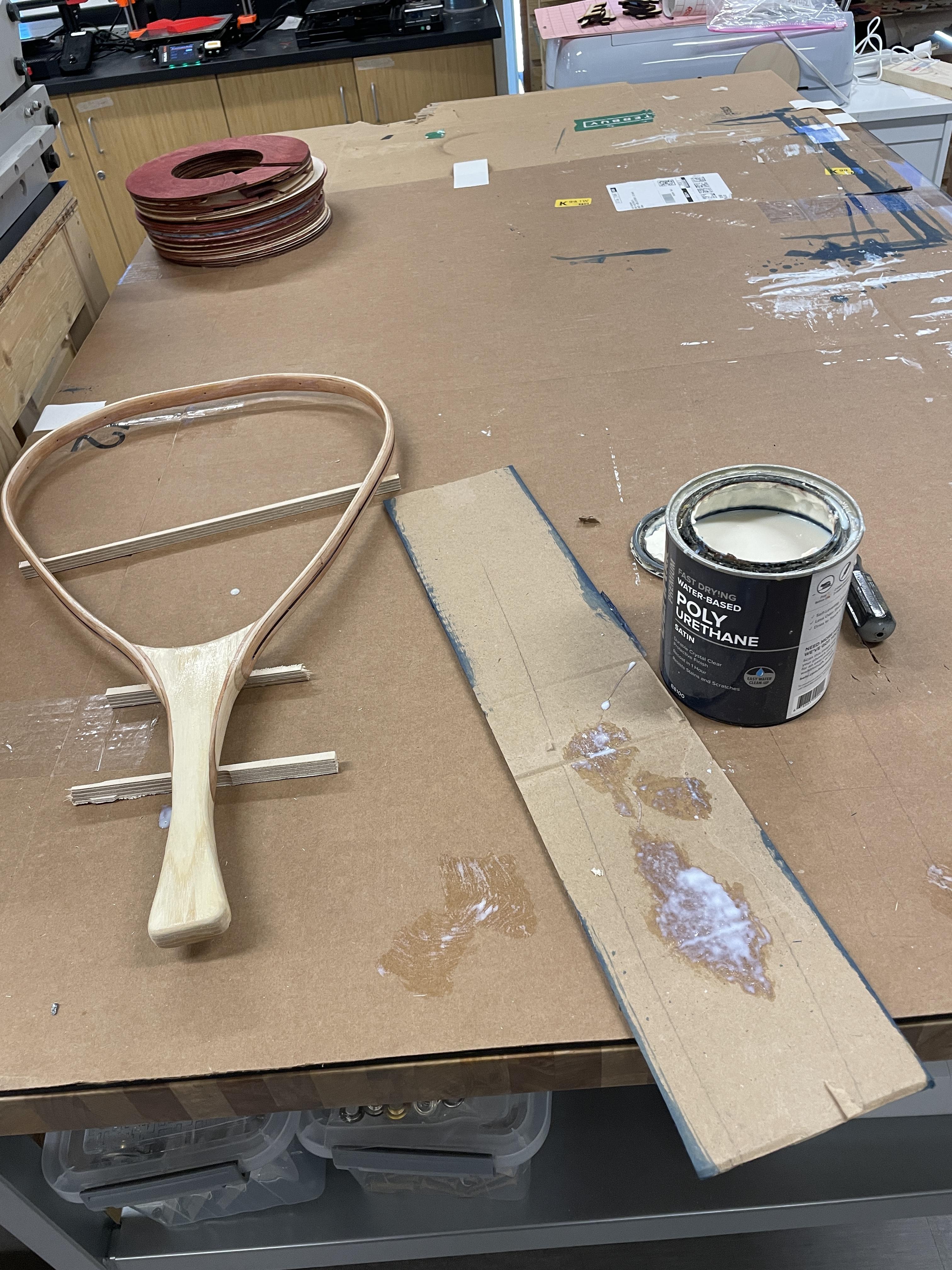
Add 2 to 3 coatings of polyurethane as the canister recommends, and make sure to get proper dry time in between each coating. For the final dry time make sure that you set it out for at least a day, or what the can says.
Also it is recommended that you sand down a little bit of the polyurethane with 220 grit sand paper in between coatings (except for the last coating).
Afterwards, when the coating is fully dry, re drill the holes that were made from the drill. This will get rid of the polyurethane that clogged the holes.
Stringing Up Net
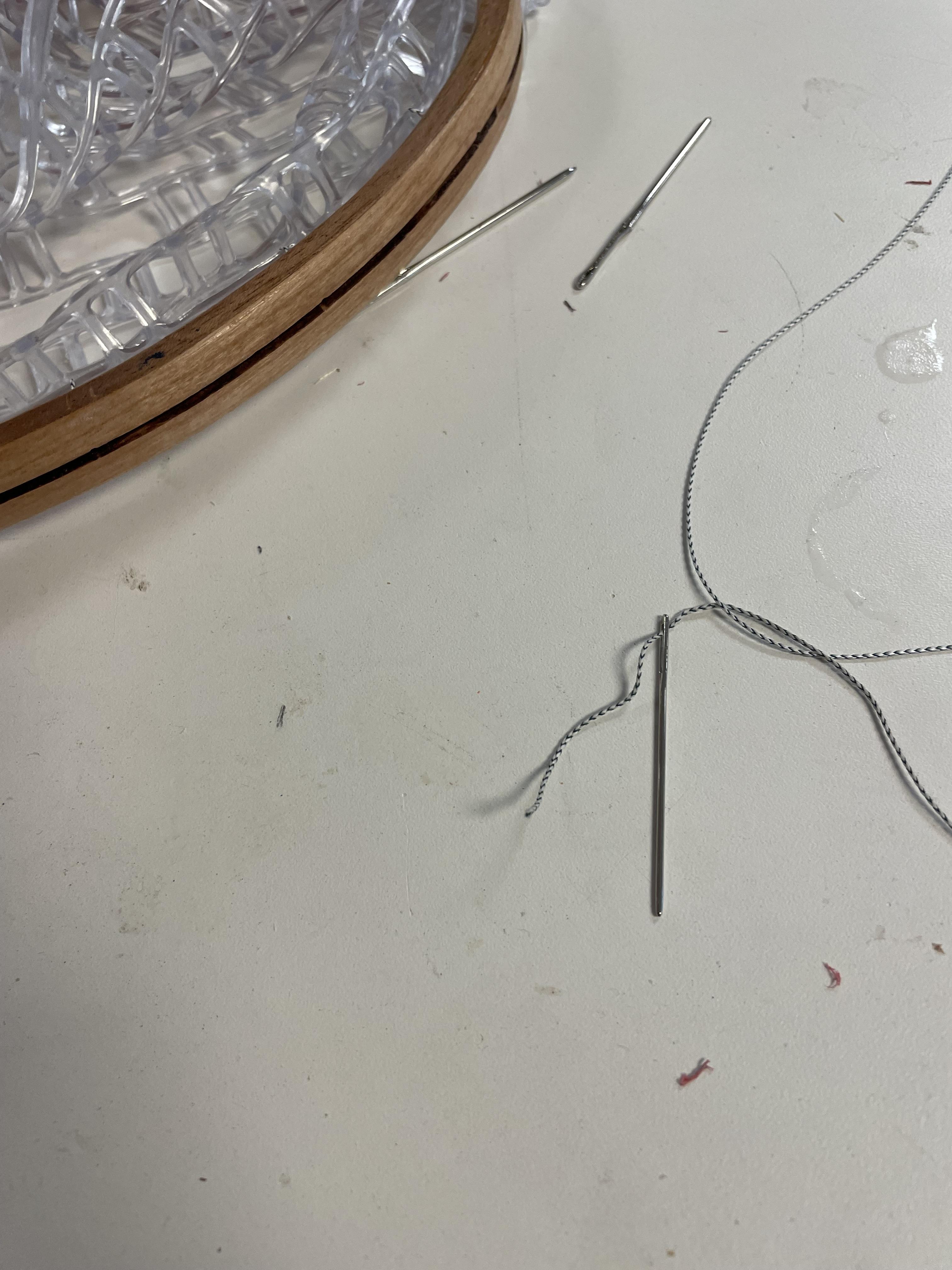
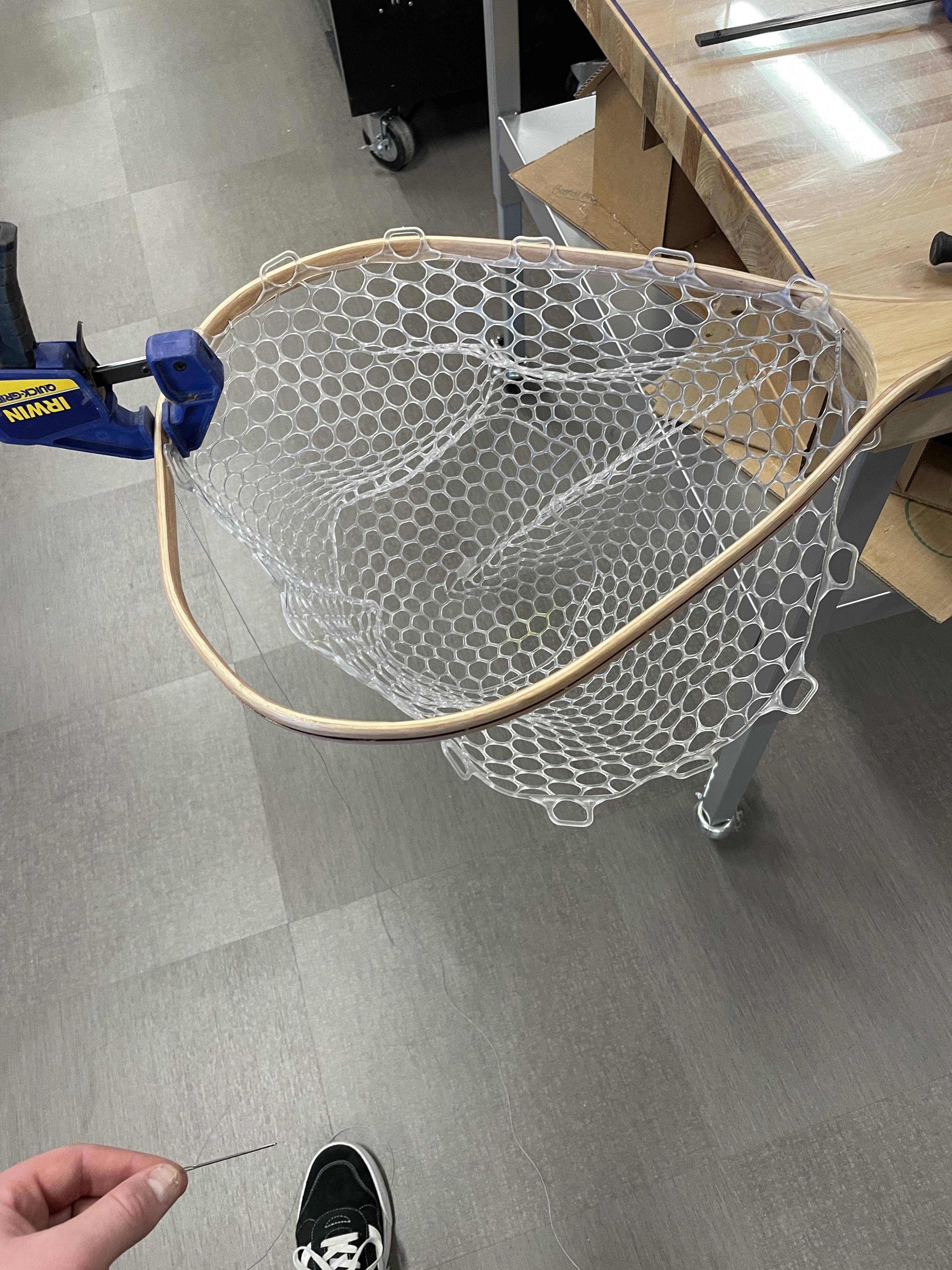
Using a sowing needle that fits into the pre drilled holes pull the string through and loop it around each hole. Make sure to tie an end knot before starting so that it doesn't pull all the way through. then going along the slit, make sure to push the sowing needle through the hole, around the fishing net, then back through to attach the net to the frame.
For this project the fishing net had tabs along the top, and for my preference I cut them off and attached the string directly to the net. This was my preference, if you want to keep the tabs by all means keep them.
Completed Project

This project was a blast to get to work on and complete. This was my second attempt at this project, as the first time I built a fishing net with a handle that didn't quite fit the hand well. This time though it came out really well, and it felt like a professional piece of work.