Dual Rod Towel Holder Using 3D Printed Brackets + Metal Pipes
by arhamsameel3 in Design > 3D Design
13 Views, 0 Favorites, 0 Comments
Dual Rod Towel Holder Using 3D Printed Brackets + Metal Pipes
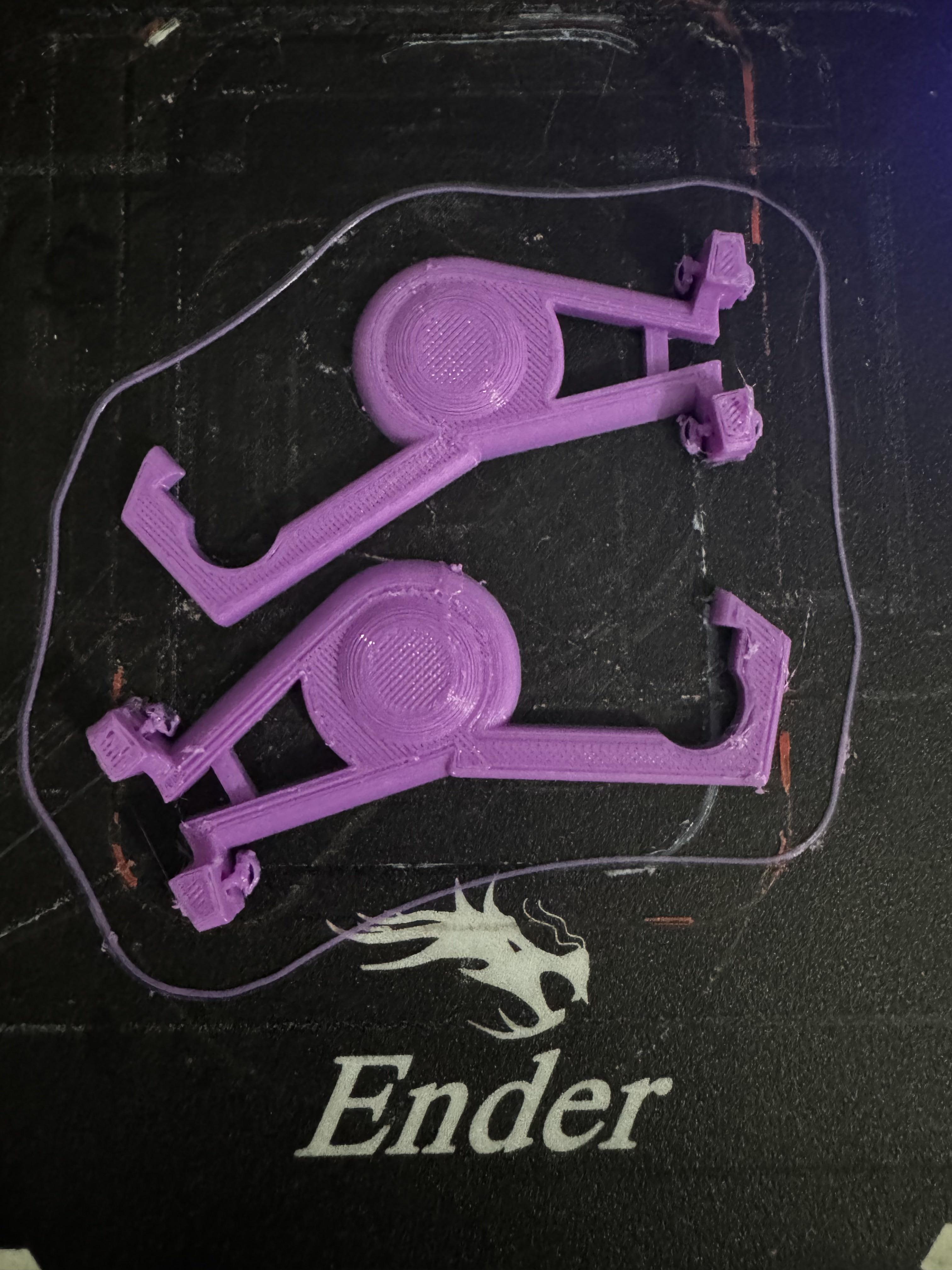
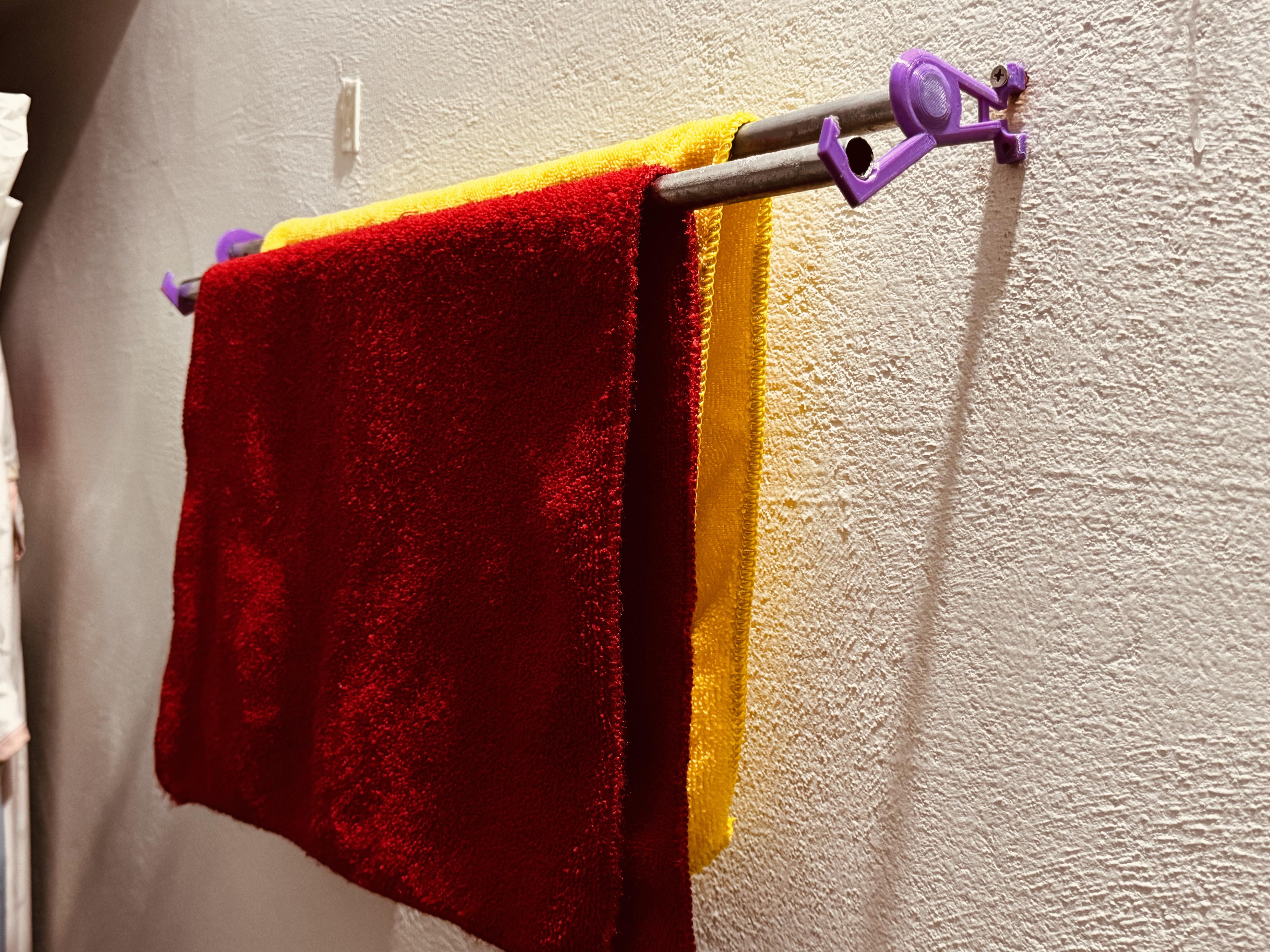
I needed a towel holder that could carry two towels at once and match the exact spacing on my wall. Store-bought holders were either weak, overpriced, or didn’t fit the layout I wanted. So I designed and 3D printed my own mounting brackets and used metal rods for strength.
This build uses simple printed parts and standard rods, but the final result is strong enough for daily use and easy to customize for any wall width.
This guide shows the full process from slicing to mounting.
Supplies
Materials
1.PLA or PETG filament (PETG recommended for humid bathrooms)
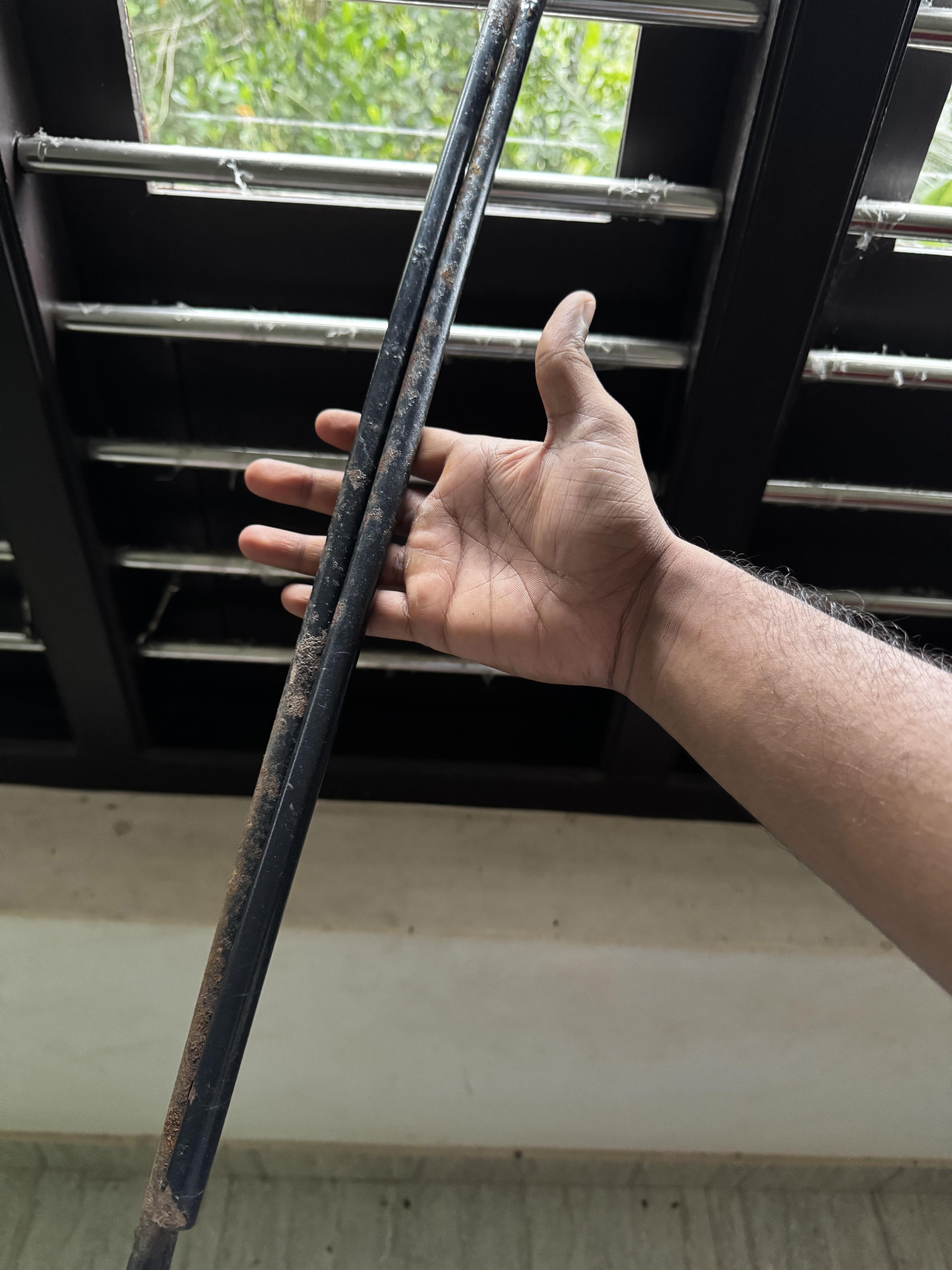
2 metal rods or pipes (same diameter, cut to your wall width)( I USED 12.85MM AS DIAMETER IN MY DESIGN FEEL FREE TO CHANGE )
3.Wall screws (4 to 6 pieces)
4.Wall plugs/anchors
5.Optional: paint or clear coat for rods
Tools
- 3D printer
- Cura or similar slicer
- Drill
- Screwdriver
- Measuring tape
- Sandpaper (optional)
------ YOU CAN DOWNLOAD THE 3D FILE SCROLL LAST AND DOWNLOAD.---------
Measure Your Wall and Rod Length
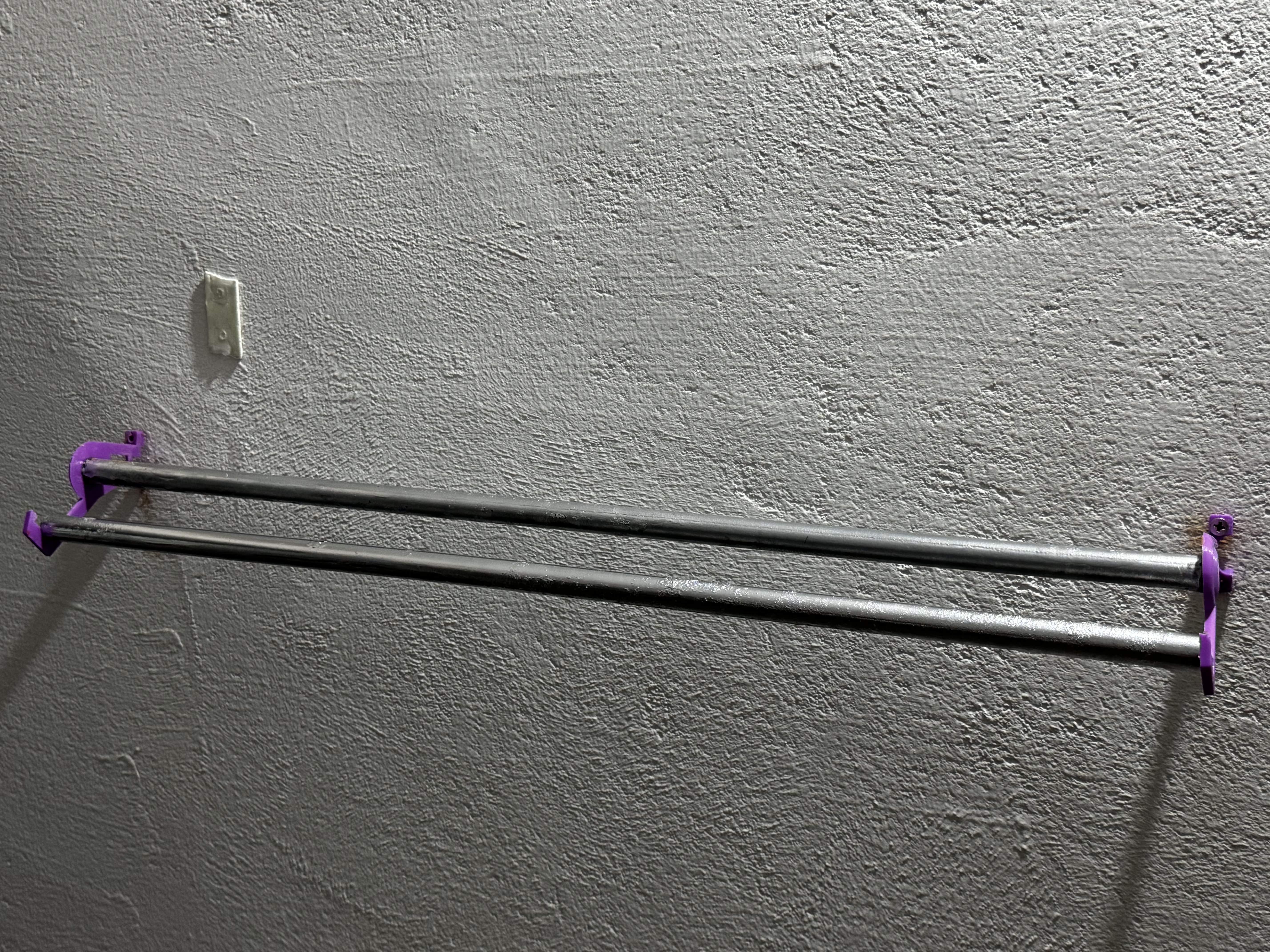
Before printing anything, measure:
- Distance between the two wall mount points
- Desired towel width
- Rod diameter
Do not guess rod diameter. Measure it. Add about 0.4 to 0.6 mm tolerance in your model hole size so the rod slides in without forcing.
My rods are metal and slightly rough, so extra tolerance helped.
Bracket Design Notes (Important for Strength)
The bracket is designed with:
- Thick screw mounting area
- Circular rod seat
- Hook style end support
- Reinforced neck between mount and rod support
Critical detail most people ignore: layer direction matters. The force from the towel pulls downward. So the part must be printed flat so layers run across the arm, not stacked vertically along it. Otherwise it can snap at the neck.
If your design has a thin neck, increase thickness. Don’t try to save filament there.
Slicer Settings
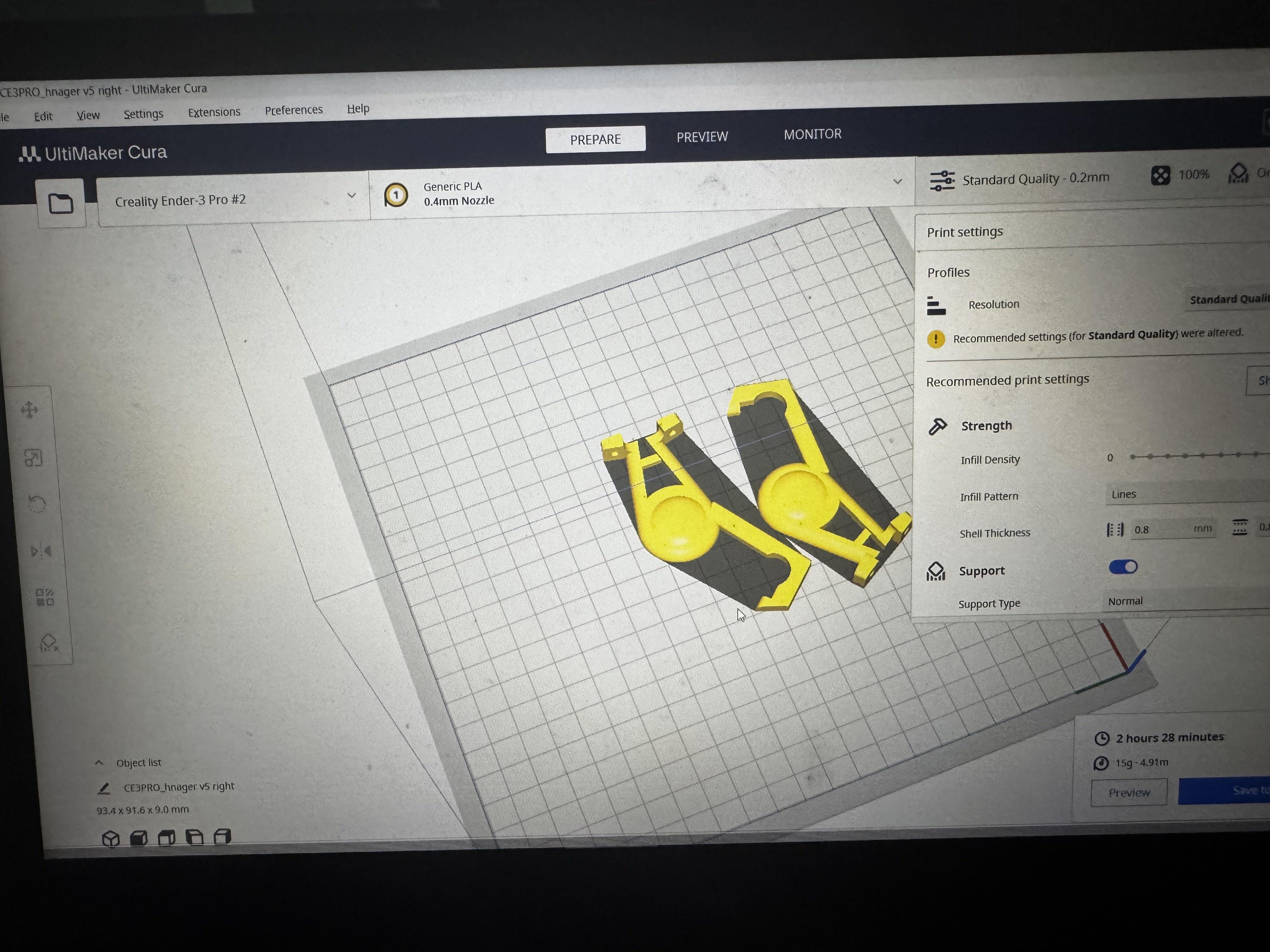
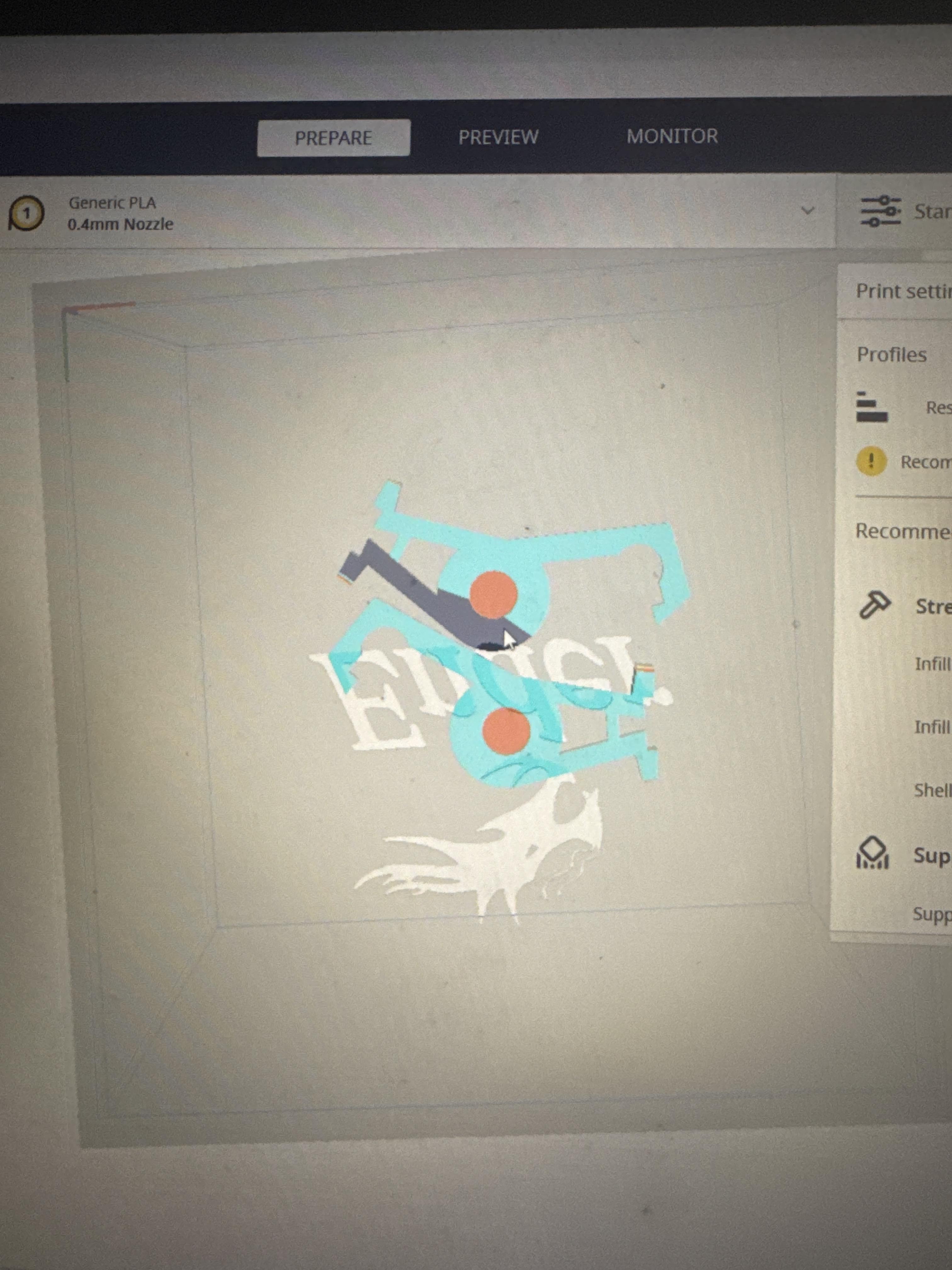
These settings matter if you want this to last.
- Layer height: 0.2 mm
- Nozzle: 0.4 mm
- Infill: 40 to 60 percent (don’t go low here)
- Wall lines: at least 4
- Top/bottom layers: 6+
- Supports: On (for hook overhang areas)
- Print orientation: flat on the back face
- Material: PETG preferred, PLA acceptable in dry areas
If you print this at 10 percent infill, it will eventually crack.
Print the Brackets
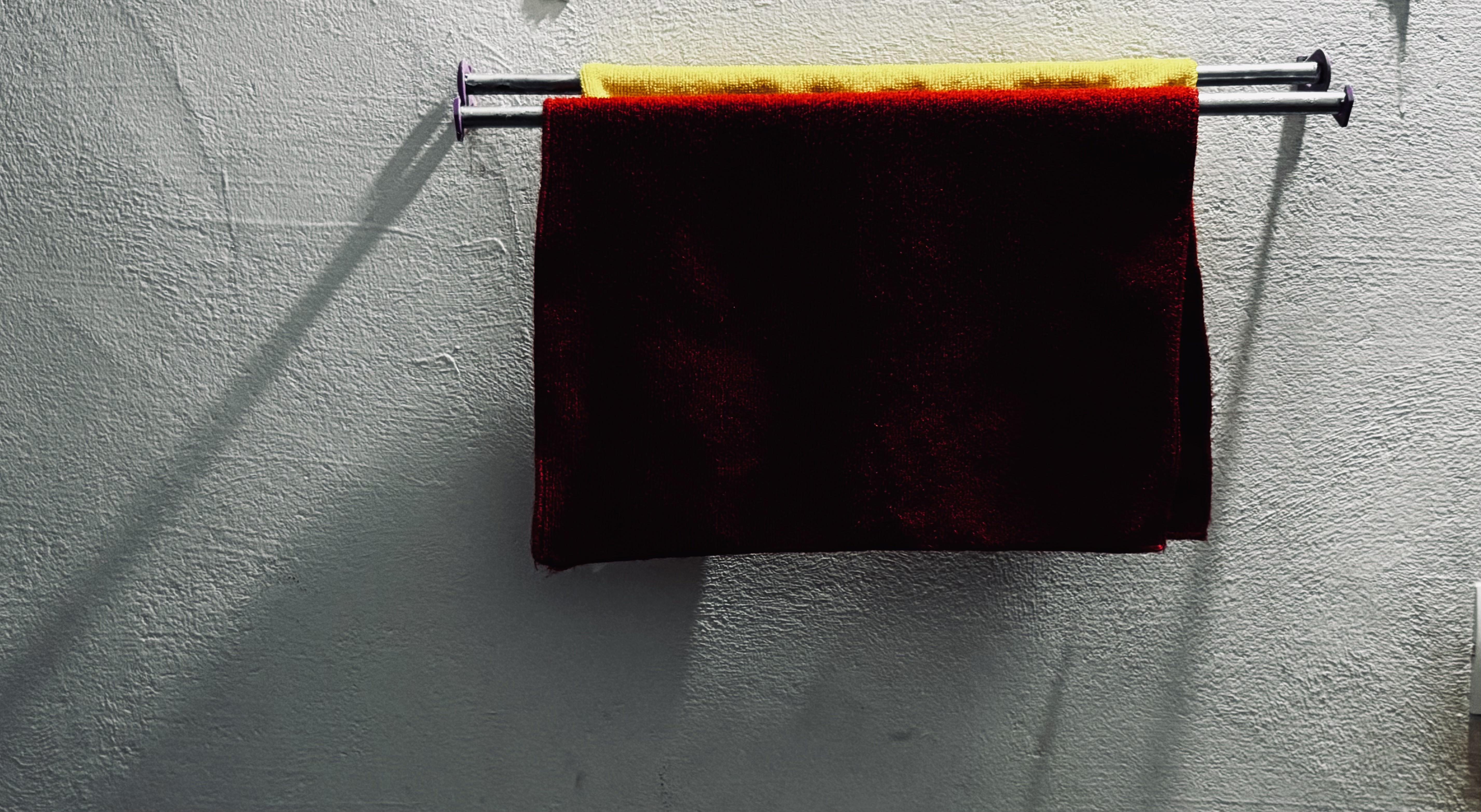

Print two mirrored brackets.
Watch the first layers carefully:
- Make sure bed adhesion is good
- No corner lifting
- No under-extrusion
These parts take load, so don’t run a “draft” print profile.
After printing:
- Remove supports cleanly
- Lightly sand rod holes if needed
Test fit the rod before mounting.
Prepare the Rods
I used metal rods.
Steps:
- Cut to length if needed
- Clean rust or dust
- Light sanding improves look
- Optional: paint or clear coat
Dry fit into the printed brackets. The rod should slide in without hammering but not wobble.
If it’s tight, sand the hole slightly. Don’t force it or you’ll crack the print.
Mark and Drill Wall Holes
Hold the brackets against the wall and mark screw points.
- Use a level
- Check rod alignment
- Double check spacing before drilling
Drill holes and insert wall plugs/anchors.
Do not screw directly into plaster without anchors unless you like surprise failures.😁
Mount the Brackets
Screw both brackets to the wall but don’t fully tighten at first.
Insert rods.
Adjust alignment so rods sit level and parallel.
Then tighten all screws fully.
Test by pulling downward with your hand before hanging towels.
Load Test Before Daily Use
Before calling it done:
- Hang a wet towel
- Add weight by pulling down
- Check for flex or cracking sounds
If you see bending at the printed arm, your infill or wall count was too low. Reprint stronger instead of hoping.
Final Result and Use
You now have:
- Dual towel capacity
- Custom width
- Replaceable printed mounts
- Strong metal rod support
If a bracket ever breaks, you only reprint that part, not the whole system.
Common Mistakes to Avoid
- Too low infill
- Wrong print orientation
- No wall anchors
- Rod hole modeled with zero tolerance
- PLA used in very hot, humid bathroom
Possible Improvement
Add snap caps to hide screws
Use PETG or ABS for higher heat resistance
Add rod locking notch so rods can’t slide sideways
Make parametric model for different rod diameters
Design
DOWNLOAD DESIGN FROM HERE