DNA (Transilluminator Tube 1.5 Ml )
by douglas3d in Design > 3D Design
6 Views, 0 Favorites, 0 Comments
DNA (Transilluminator Tube 1.5 Ml )
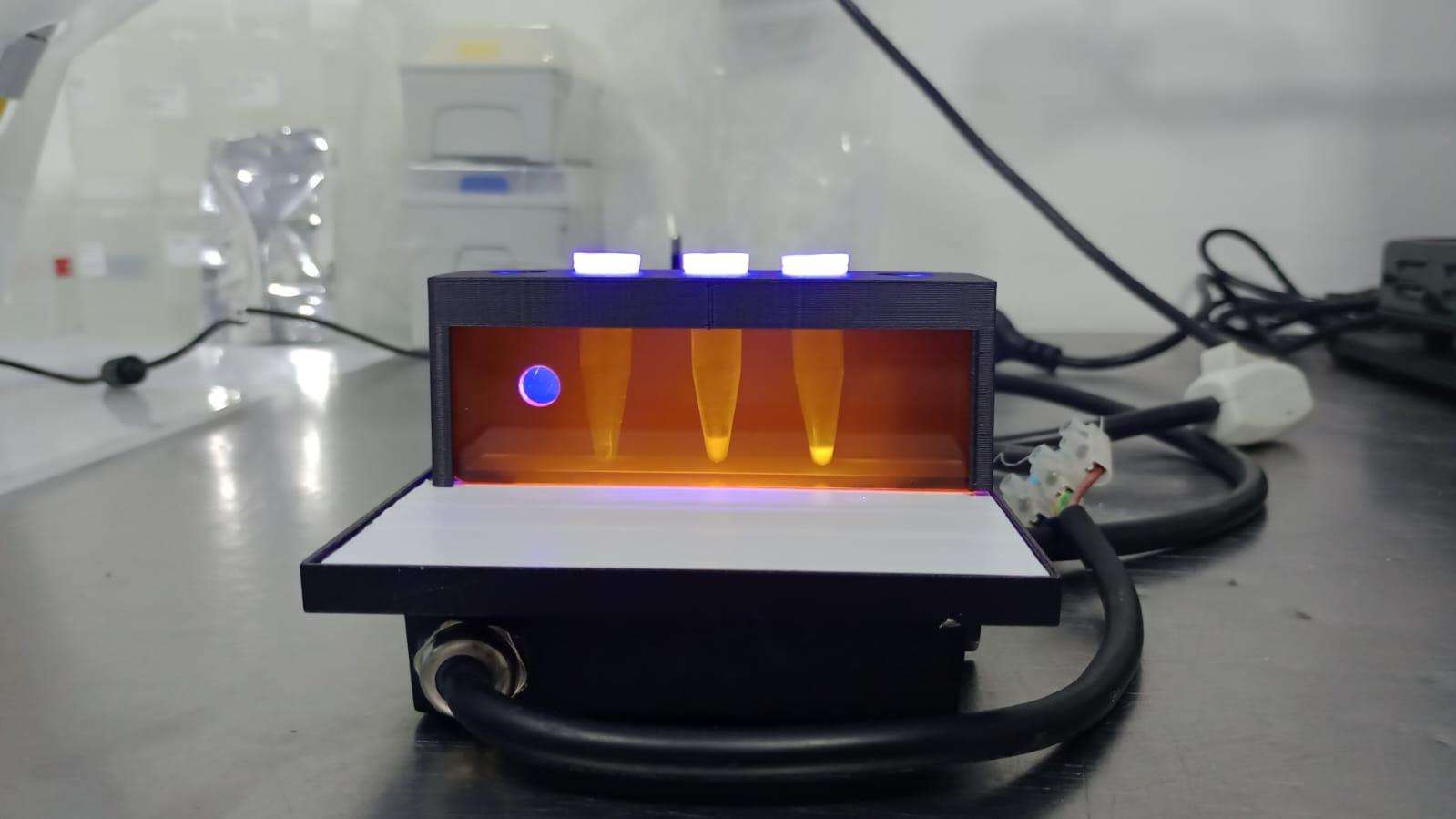
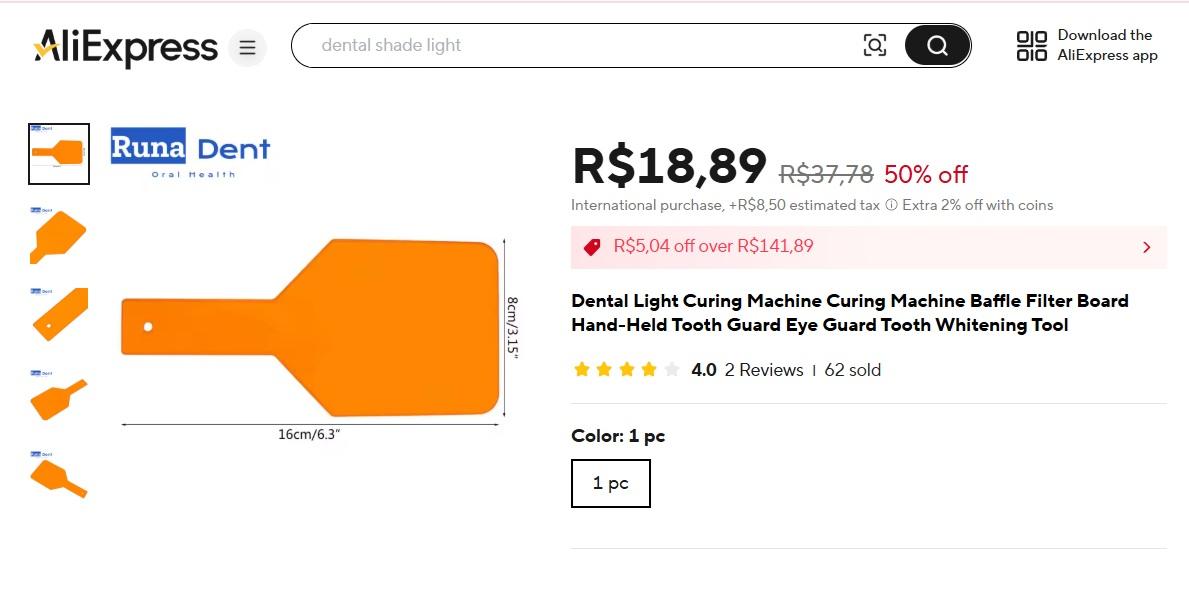
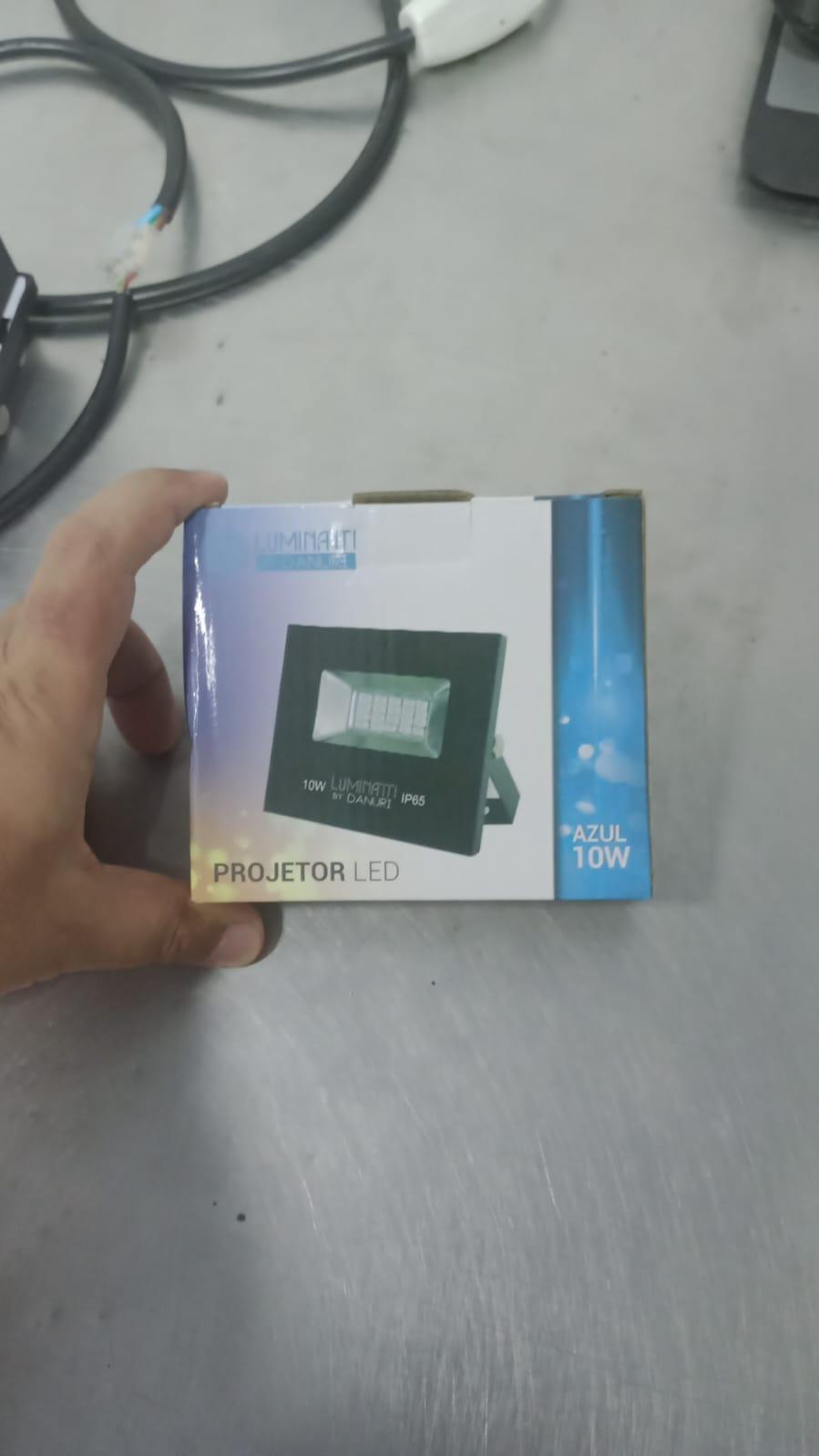

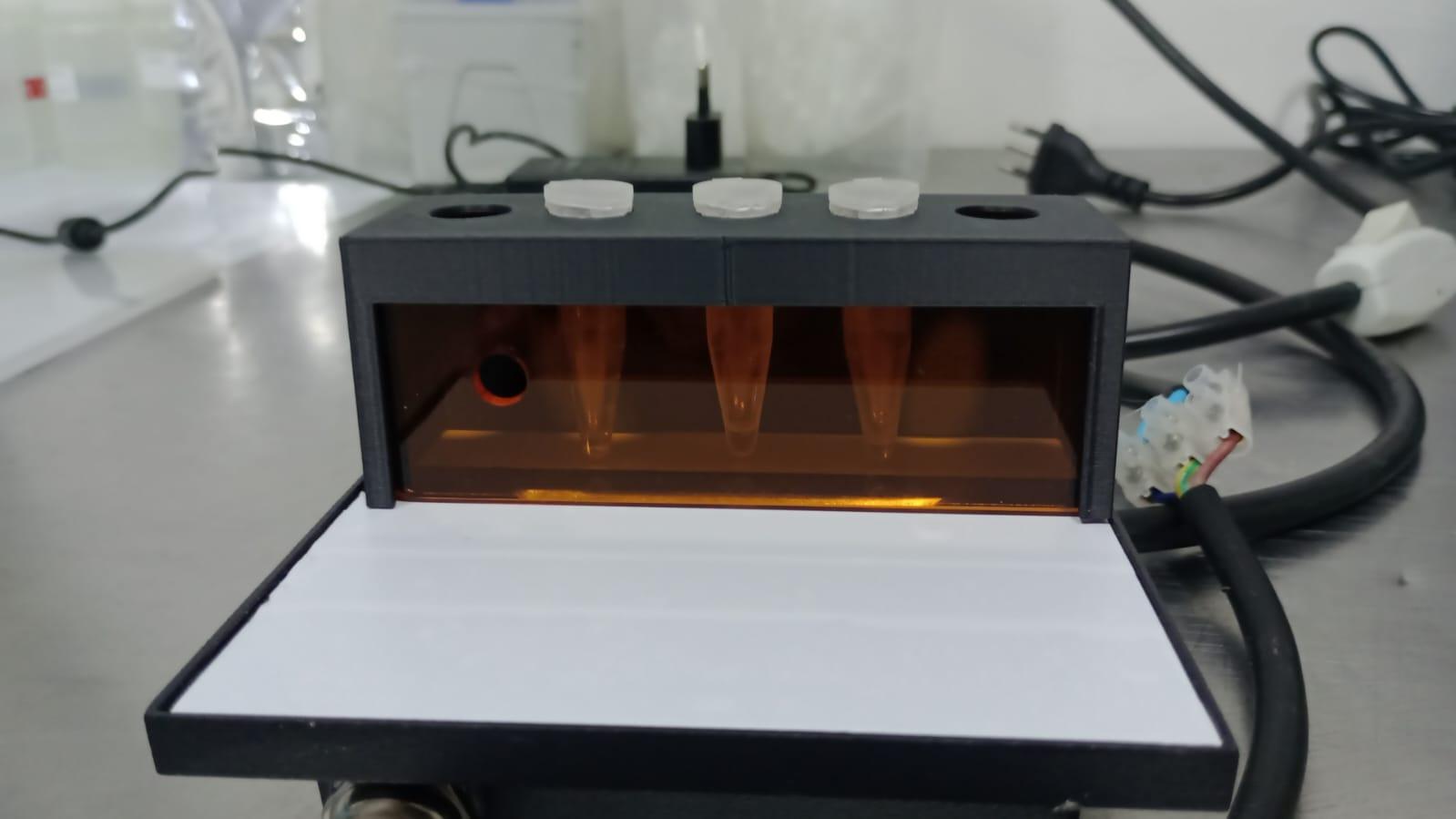
What is a transilluminator? A transilluminator is a device used in molecular biology and biochemistry laboratories to visualize and document nucleic acids (DNA and RNA) and proteins. The base is a blue LED lamp, the filter is a cutout from the blue light protection plate used by dentists.
Fluorescence is visible to the naked eye directly in 1.5 mL tubes when exposed to the device illumination.
The system enables DNA detection without the need for agarose gel preparation or electrophoresis, reducing analysis time and reagent consumption.
Samples can be photographed using a camera or smartphone under standardized lighting and positioning conditions.
The captured images can be analyzed for pixel density using software such as ImageJ, allowing comparative quantification between samples.
This approach makes the process faster, more cost-effective, and practical while maintaining quantitative analysis capability.
Supplies
UniSafe Dye® (20,000x) is a nucleic acid intercalating dye.
When interspersed with nucleic acids, it emits green fluorescence.
This allows visualization with conventional UV or blue LED transilluminators.
Non-toxic and non-mutagenic
Features:
- Versatile: intercalator for DNA and RNA ;
- Flexible: Excitation by UV (302 or 312nm) and Blue LED (470nm) the excitation peaks for UniSafe Dye® are 309 and 419nm, respectively;
- When linked to nucleic acids, it emits green fluorescence (537nm);
- Sensitive: allows detection of bands from 5ng of DNA.
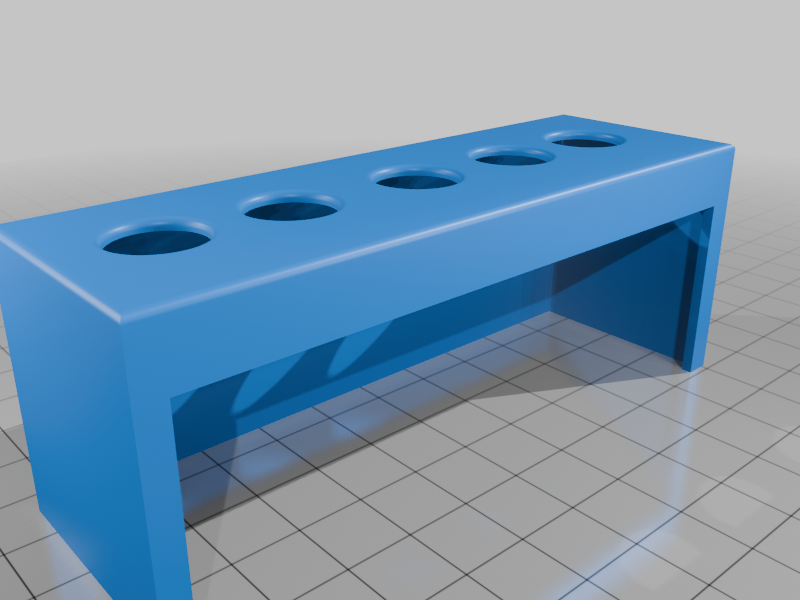
1.5 mL tube holder in 3D