DIY Bicycle Chainguard
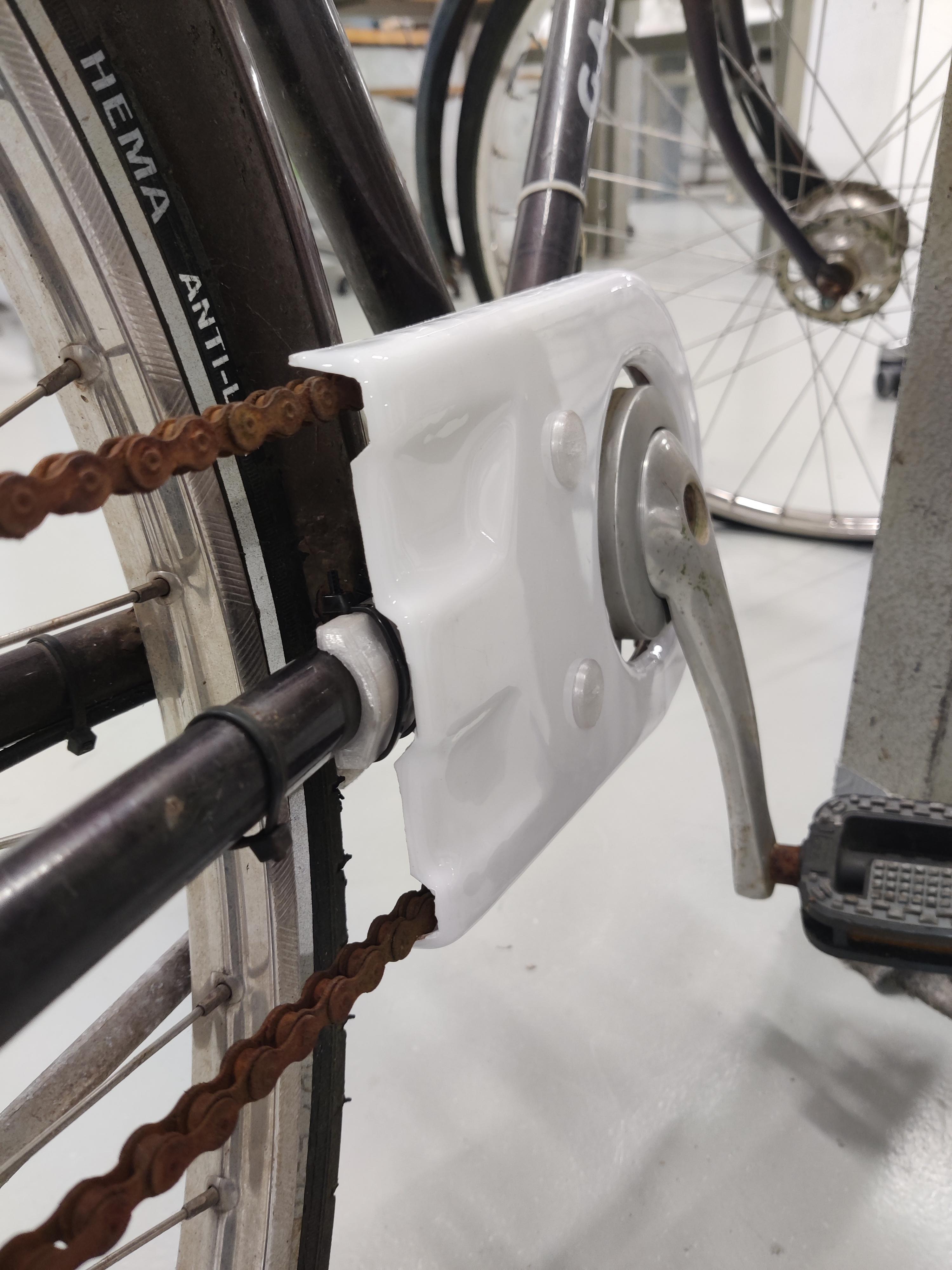
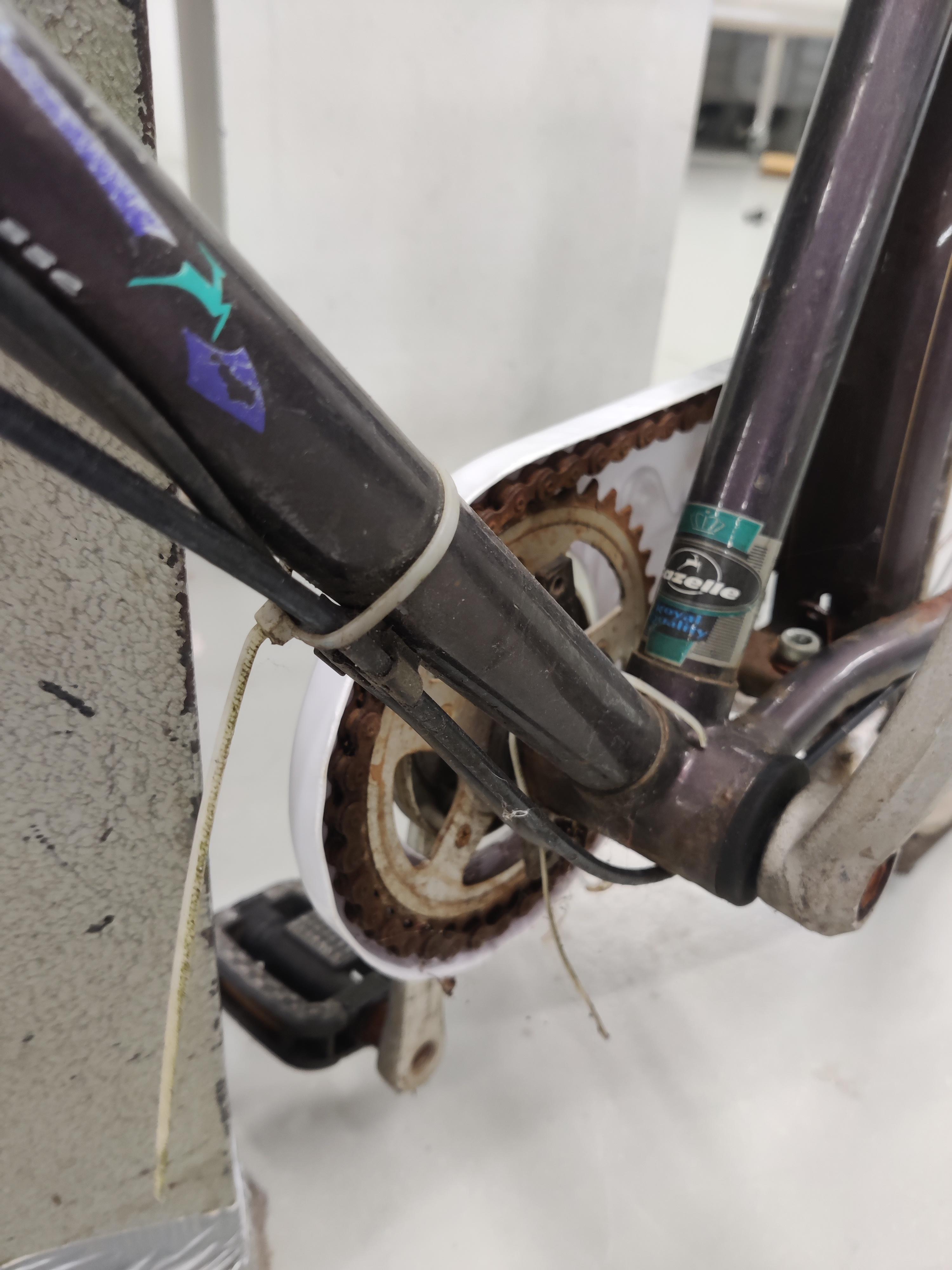
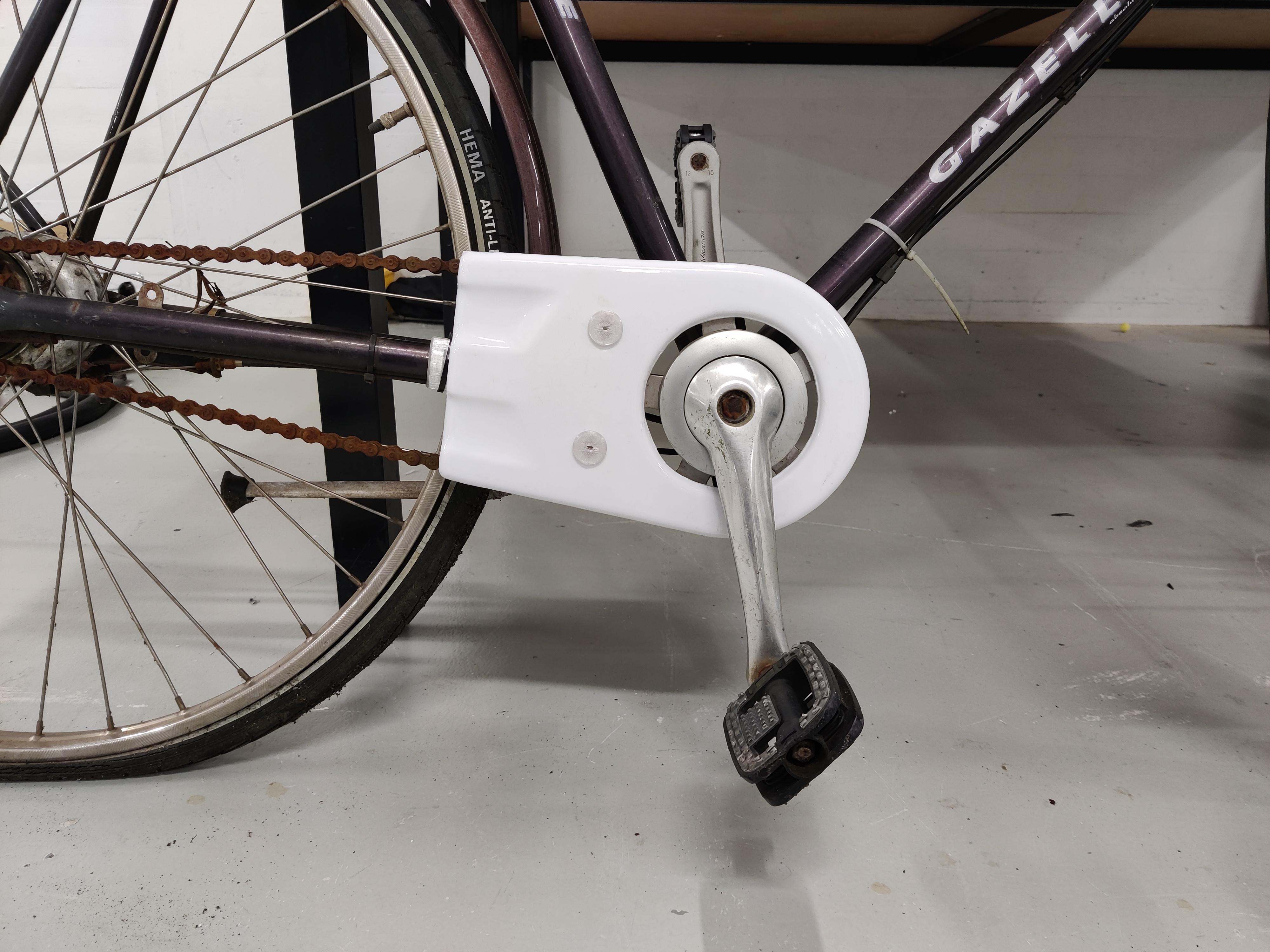
Hi, and welcome! If you found this page you are probably taking part in the workshop on the 19th or 24th of may 2026. It is part of my Master's thesis project at the TU Delft looking into new vision on bicycle maintenance.
This instructable will guide you step by step through the process of making a chainguard. If you have any questions along the way please don't hesitate to ask them.
Let's get started!
Supplies
At the beginning you will be handed a toolbox. This contains all the tools that you will to make a chain guard. You will need:
- A drill
- A small drill bit 3 mm
- A big drill bit 14 mm
- Sheet scissors
- A file
- A scribe
- Allen key 2 sizes
- Screw driver
- Tape measure
You will also need the following supplies:
- Paper towel
- Small screw
- Plastic mounting bracket
- 4 bolts
- Washers
- A marking jig
- Sandpaper
But above all, it is really important to have your bike.
Check If the Chainguard Will Fit
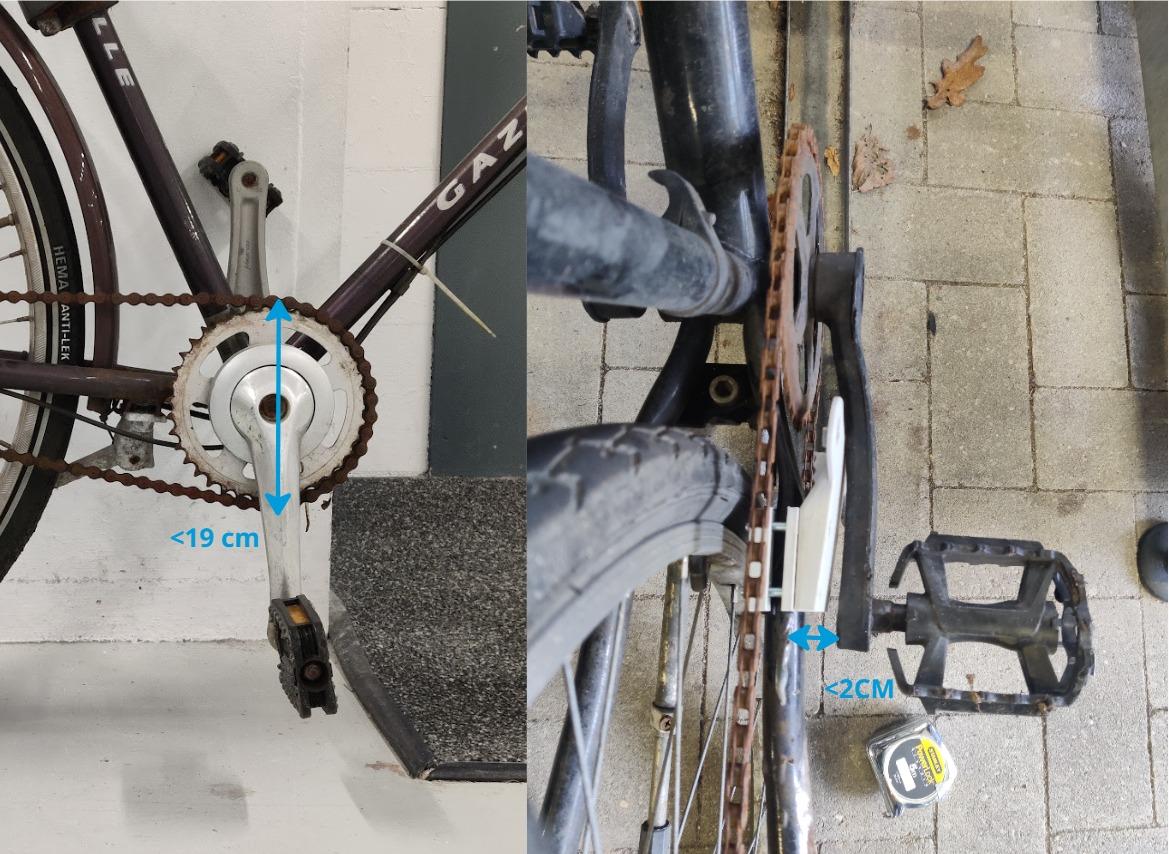
There are two things that you need to look out for when checking if the chainguard will fit your bike:
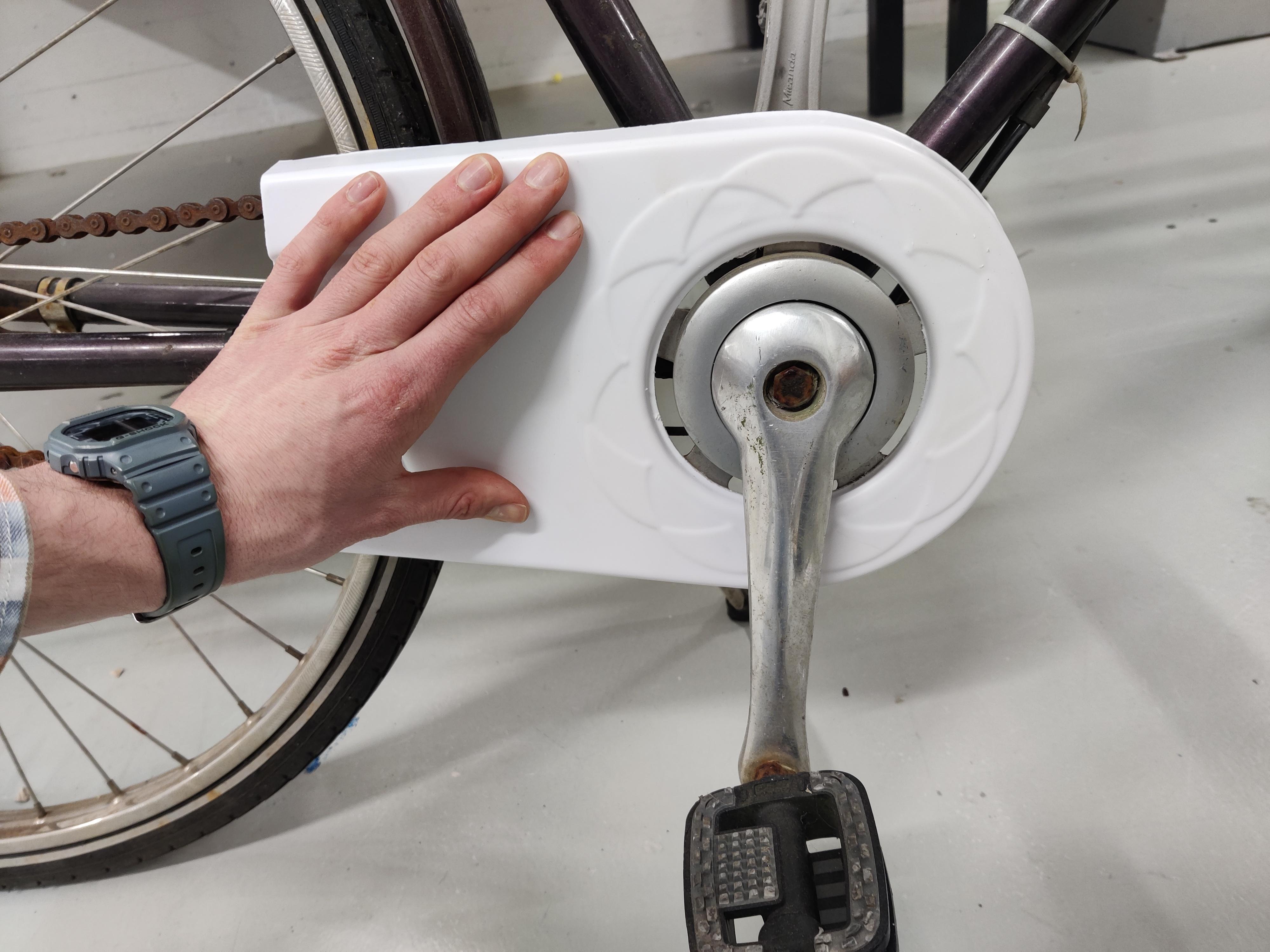
- The diameter of the biggest chainring shouldn't be bigger then 19 centimeters and,
- There needs to be at least 2 centimeters between the crank and the frame if pull it back.
(see pictures above for more information)
If you have checked this you are ready to start!
Vacuum Forming
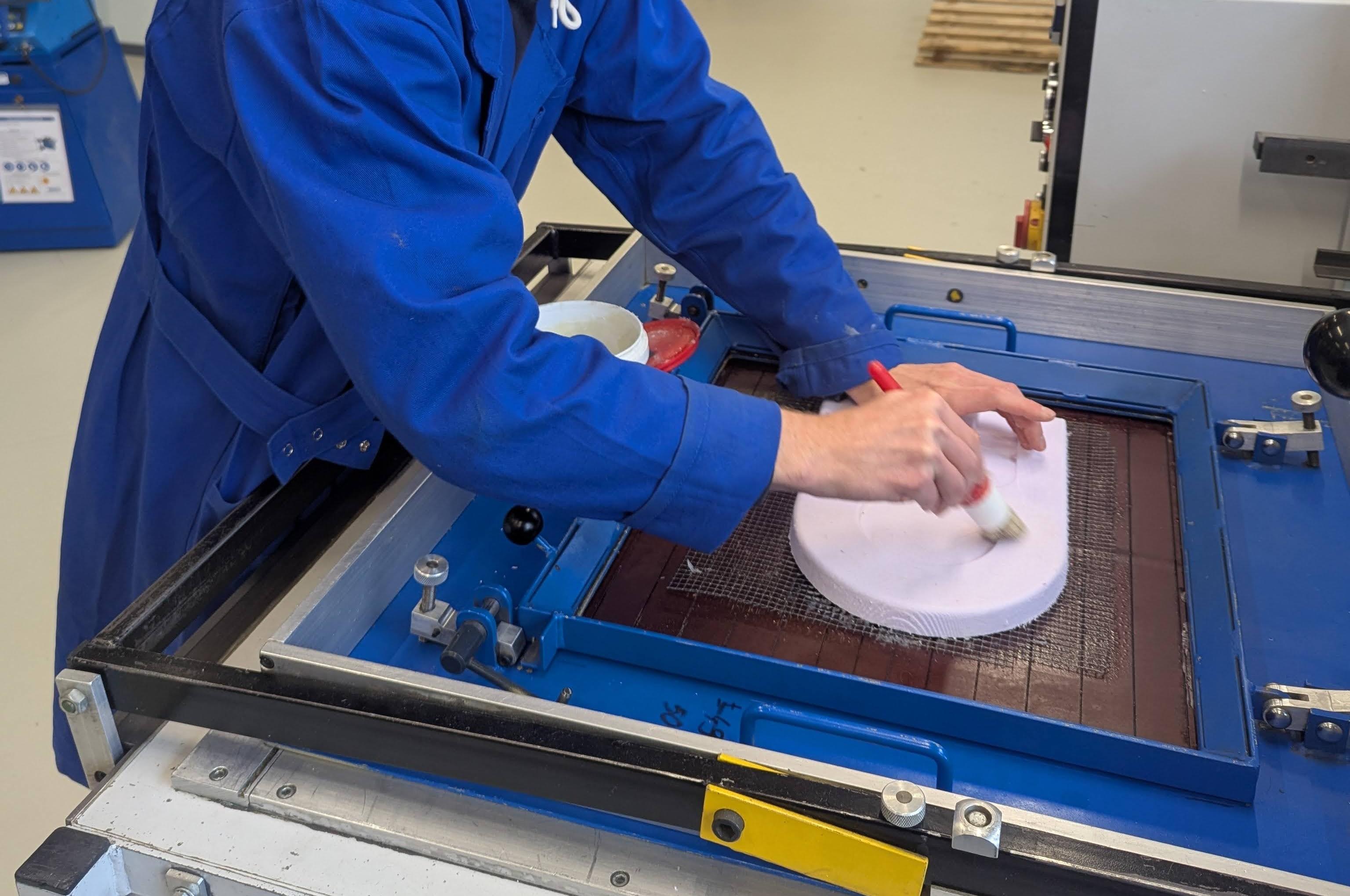
In the first step we will make the shape of the chainguard. Here you have the option to customize yours by choosing a color and one of the wooden rings to change the design.
Next, we will prepare the mould by covering the top with Vaseline.
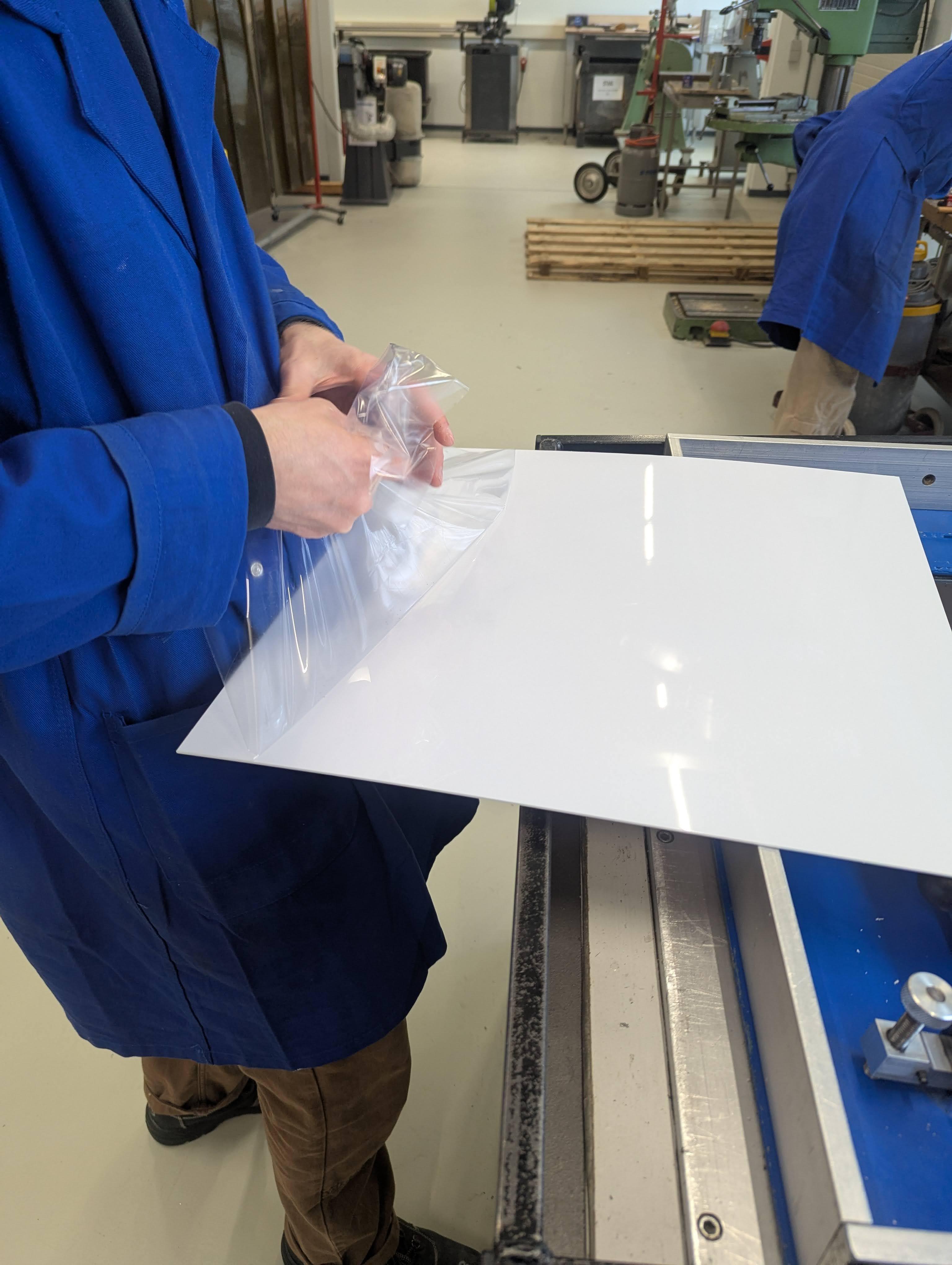
If this is done peal away the protective layer from your plastic sheet. You can choose whether you want a matt or glossy finish by placing the sheet inside the machine with this side facing up.
Do this step together with an instructor:
Now close the frame and pull the heating element towards you so that the plastic starts deforming.
After about 1 minute wait bring the mould towards the plastic and turn on the vacuum pump.
When the part is cooled down (after about 30 seconds) you can take it out of the frame and remove the mould.
You should be left with your own custom chaing guard! Ready for the next step?
Cutting a Circle

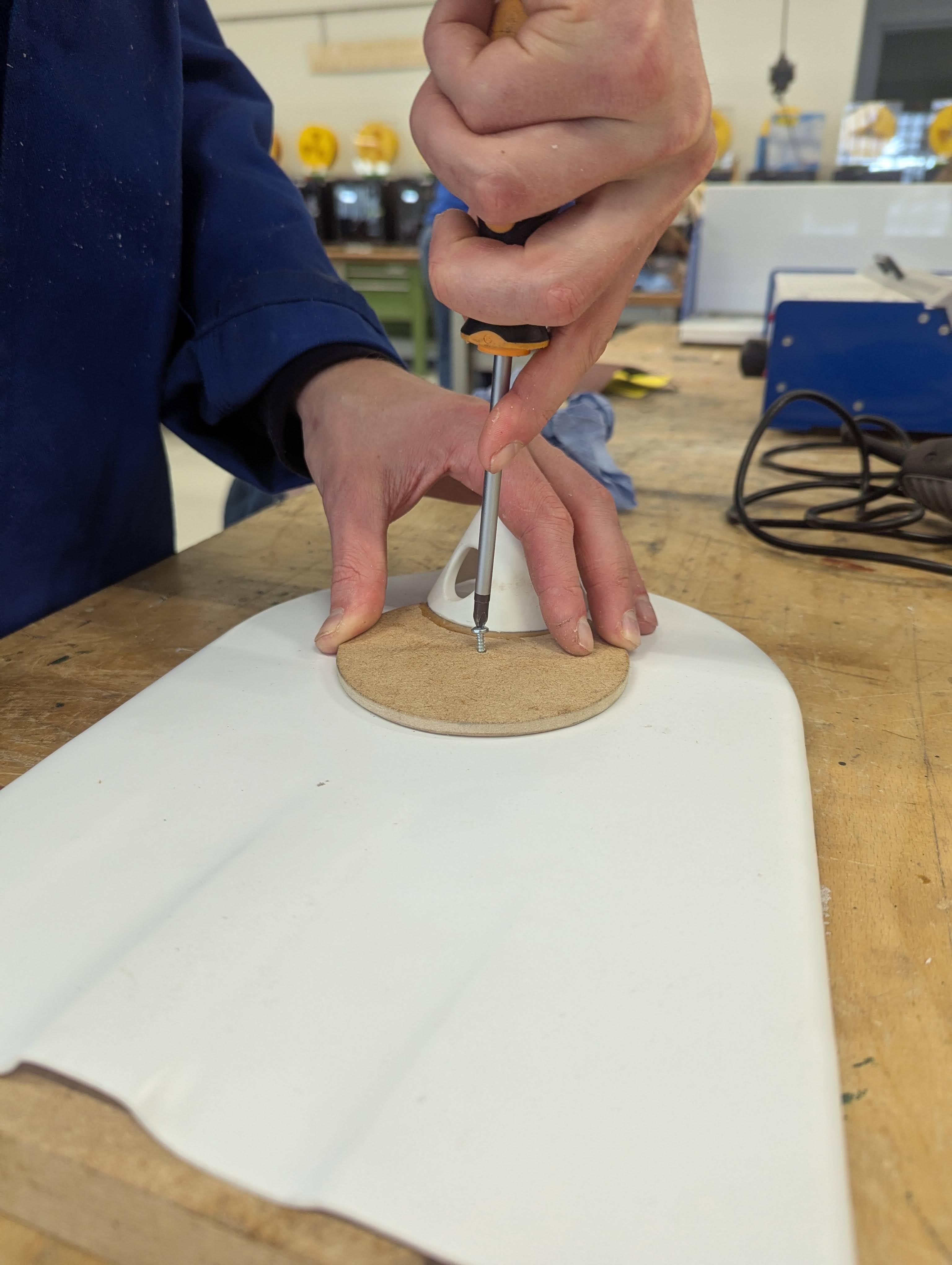
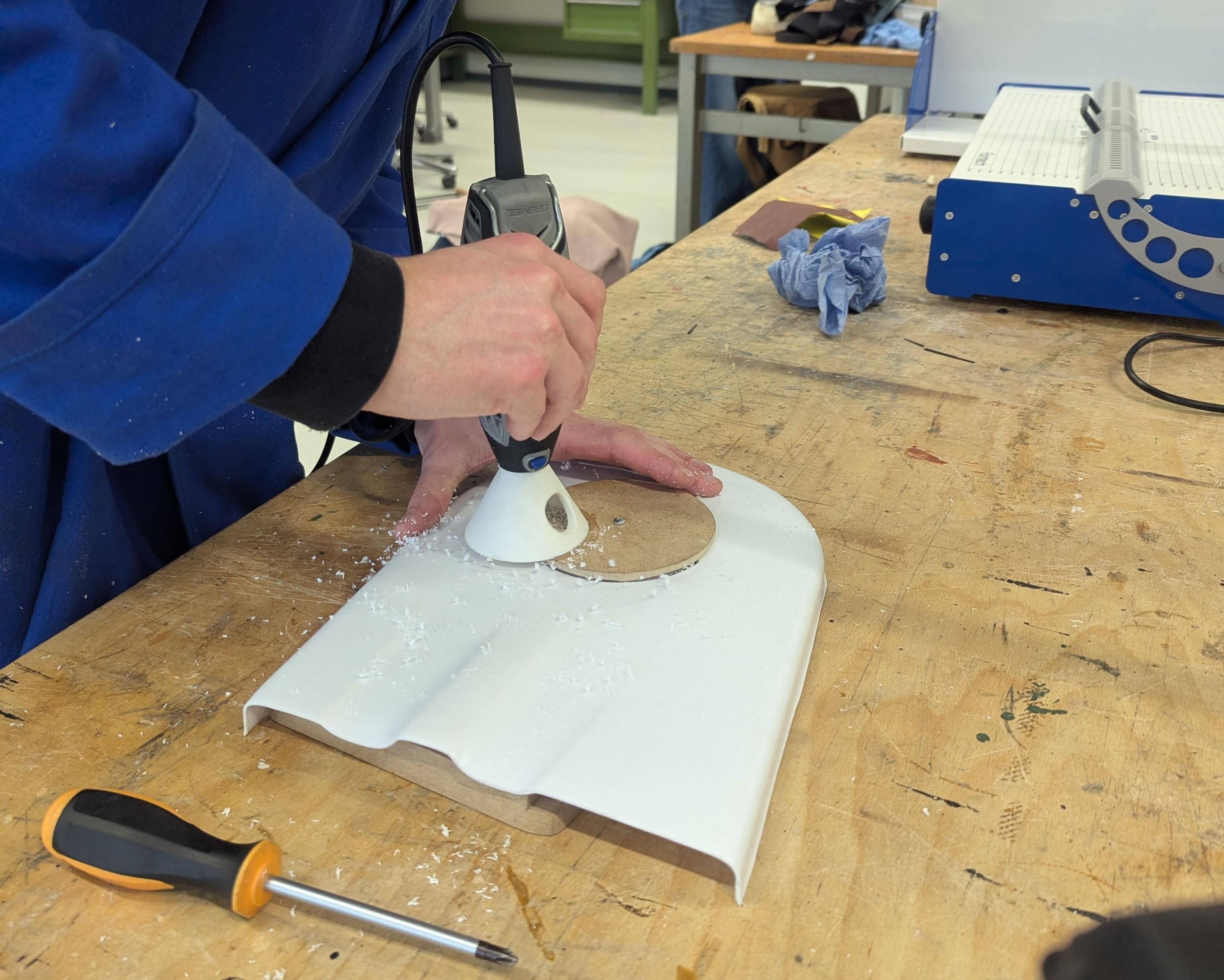
The next step is to cut a circle from the middle of the chain guard using a Dremel.
The Dremel is not part of your toolkit so this step happens at a seperate station. First go to the station.
Drill a 4 mm hole in the middle of the chainguard. Then put your plastic sheet over the mould. Now take the Dremel that is attached to a platic 'circle cutting jig' and align the hole in the jig with the hole that you just drilled. Attach the jig with the screw that is provided in your kit.
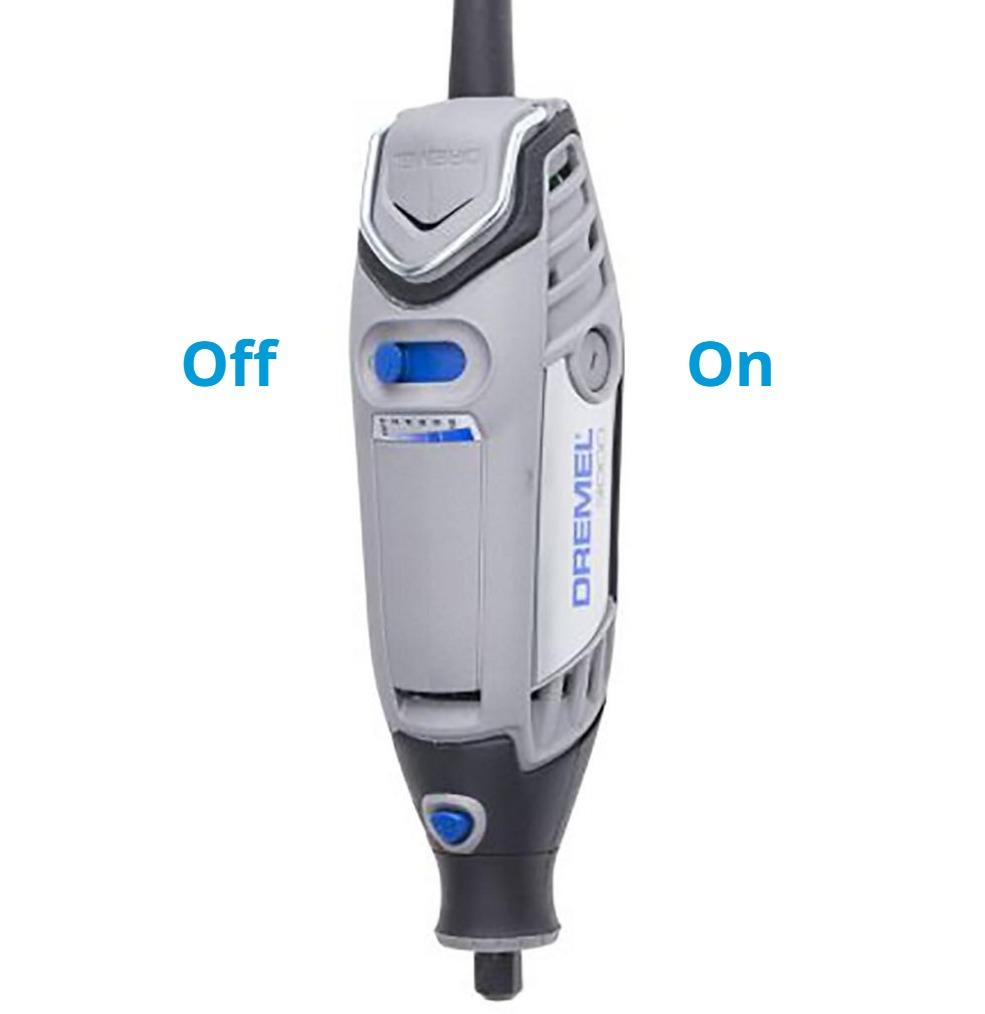
You are ready to use the Dremel. Before plugging it in, make sure that the blue button is in the off-position. Now plug in the Dremel. Turn the slider all the way to the other side and rotate the Dremel while pushing it down. When you have made a full rotation with the jig you can turn it off and unplug it.
You have now succesfully made a hole in your chainguard!!
Next remove the screw and release your sheet from the mould.
Cut It Out
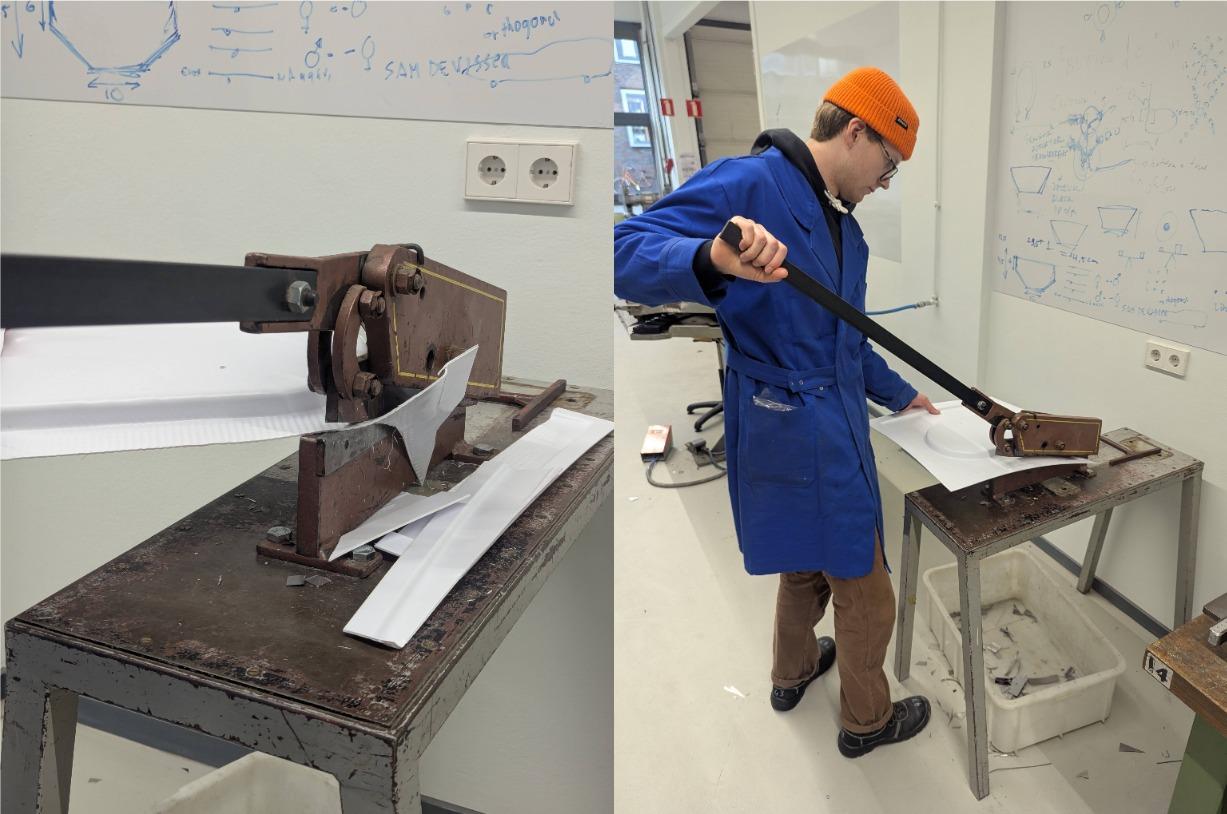
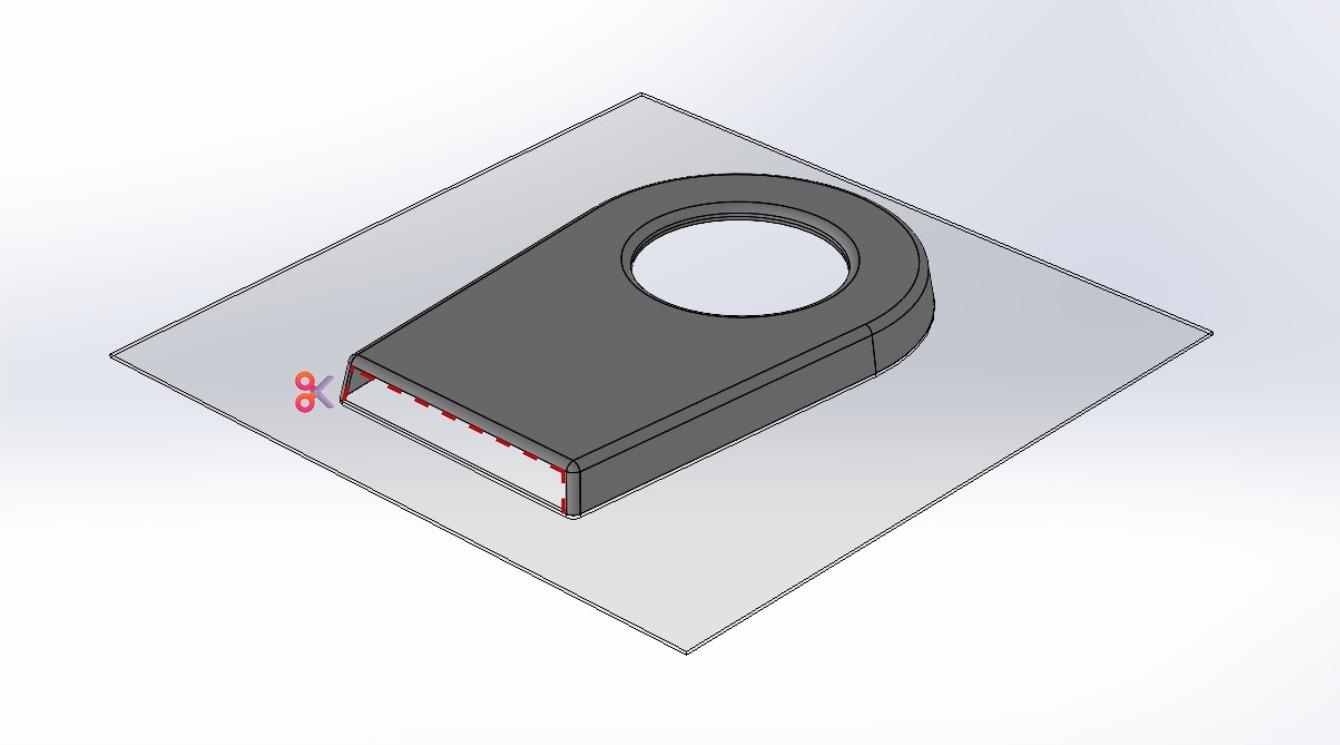
Now it is time to cut out the perimiter.
Frist you have to remove the access material so that it is easier to handle. Use the plate shear to cut the shape out roughly, removing the edges of the sheet.
Now you can take the plate scissors from your toolbox and cut out the part following the contours of the chainguard. Make sure to remove the flat piece at the back as well.
You can also use a piece of sandpaper to clean up the edges.
Attach It to the Bike
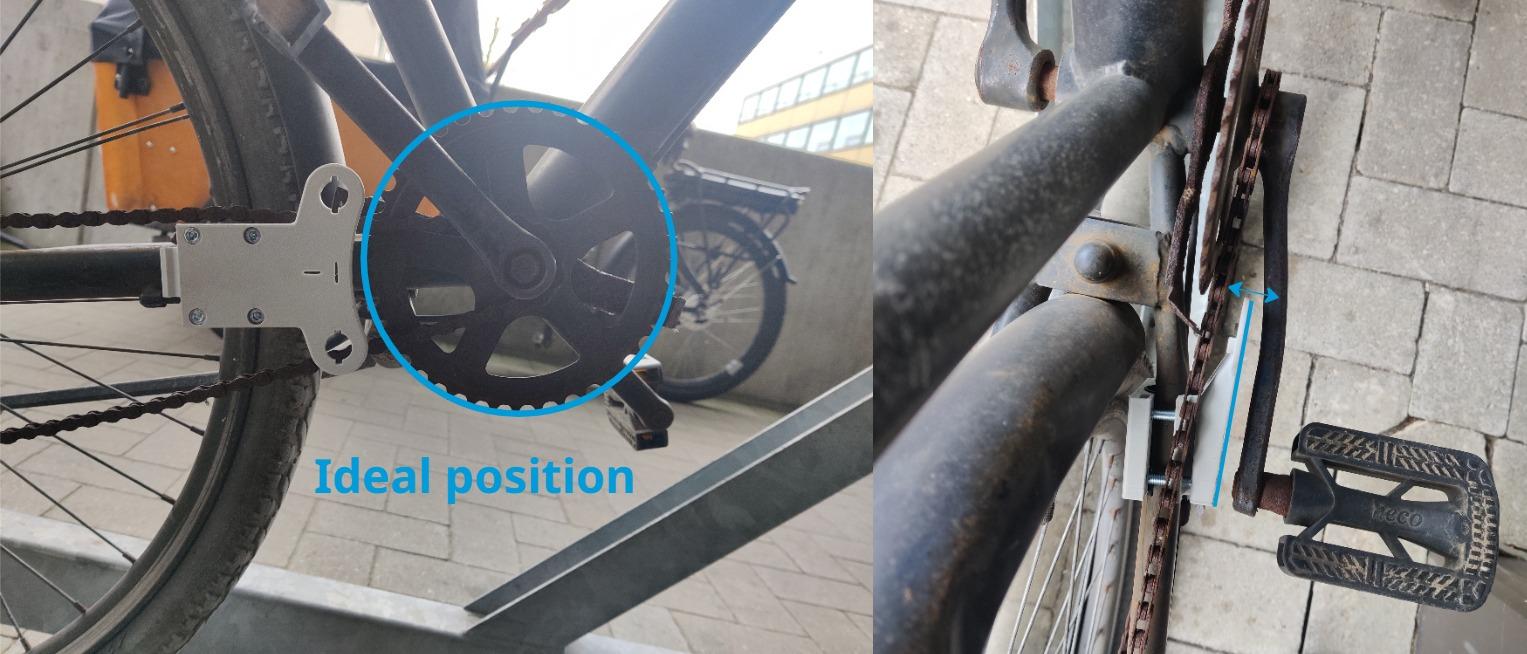
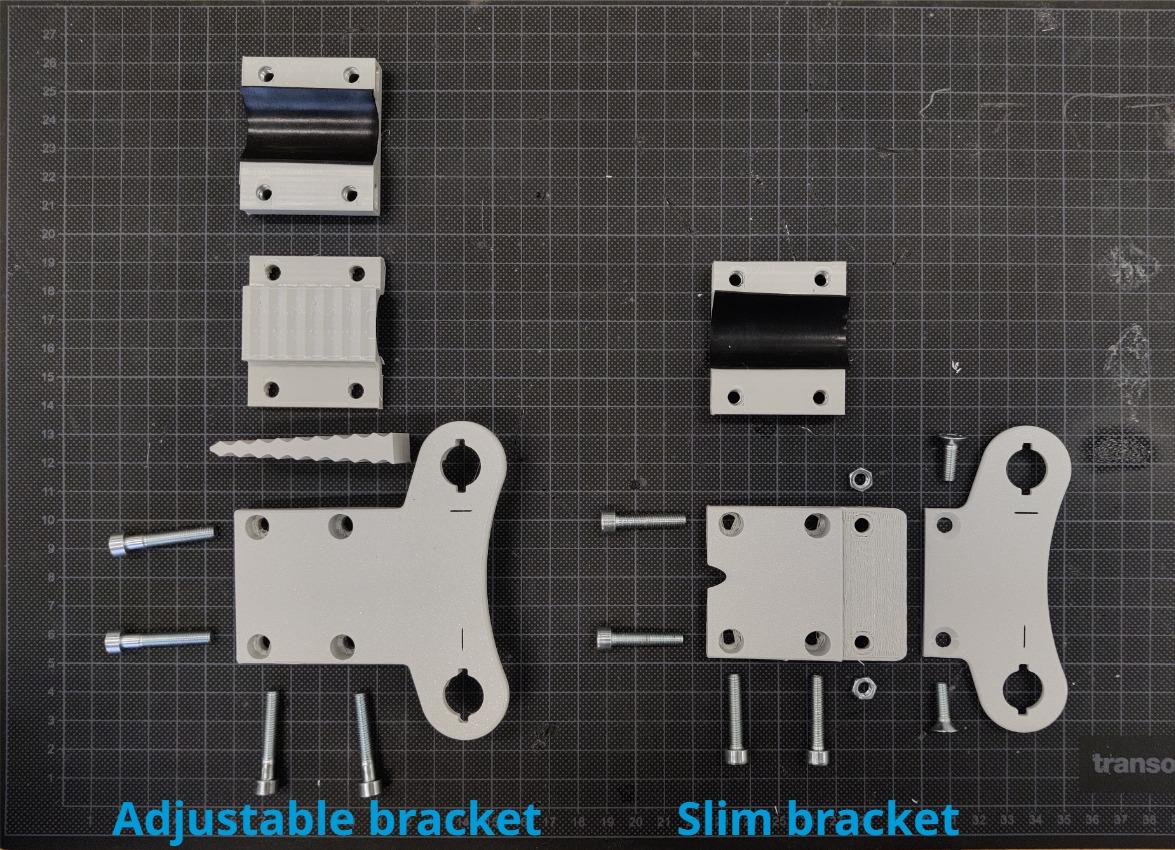
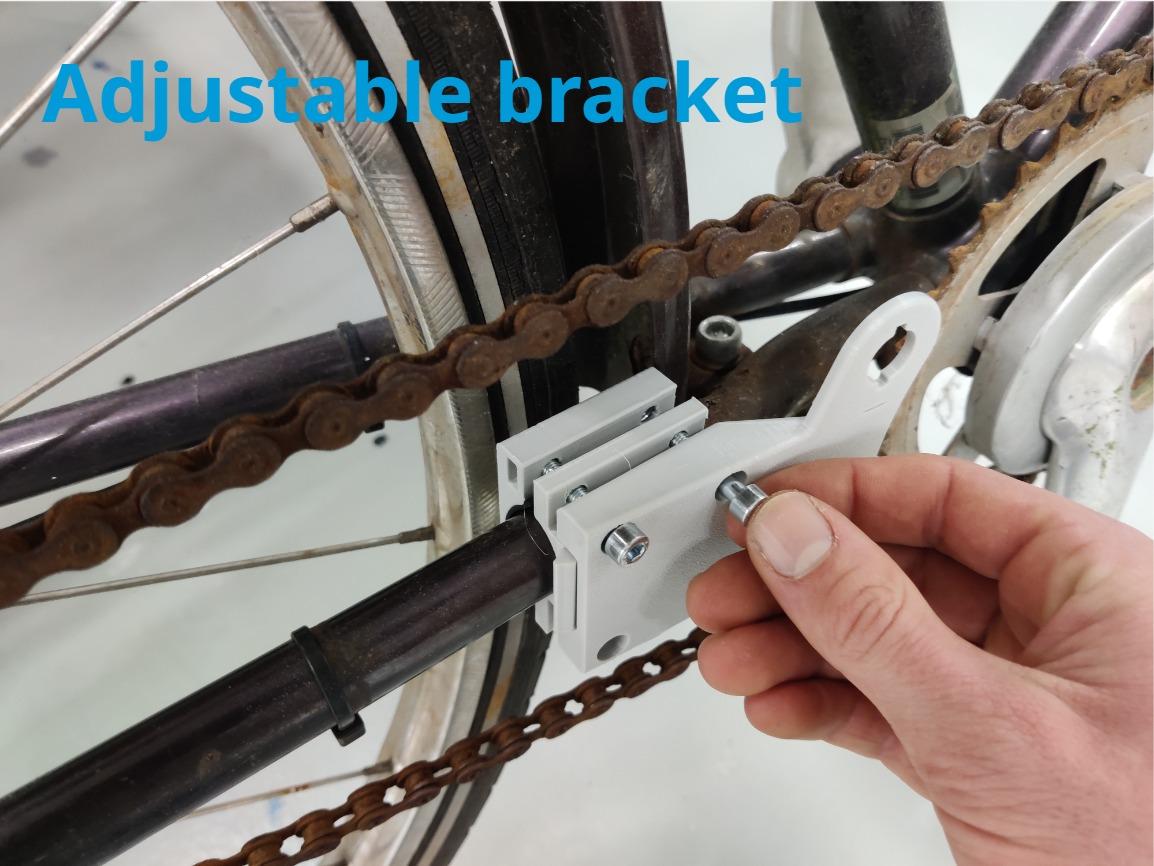


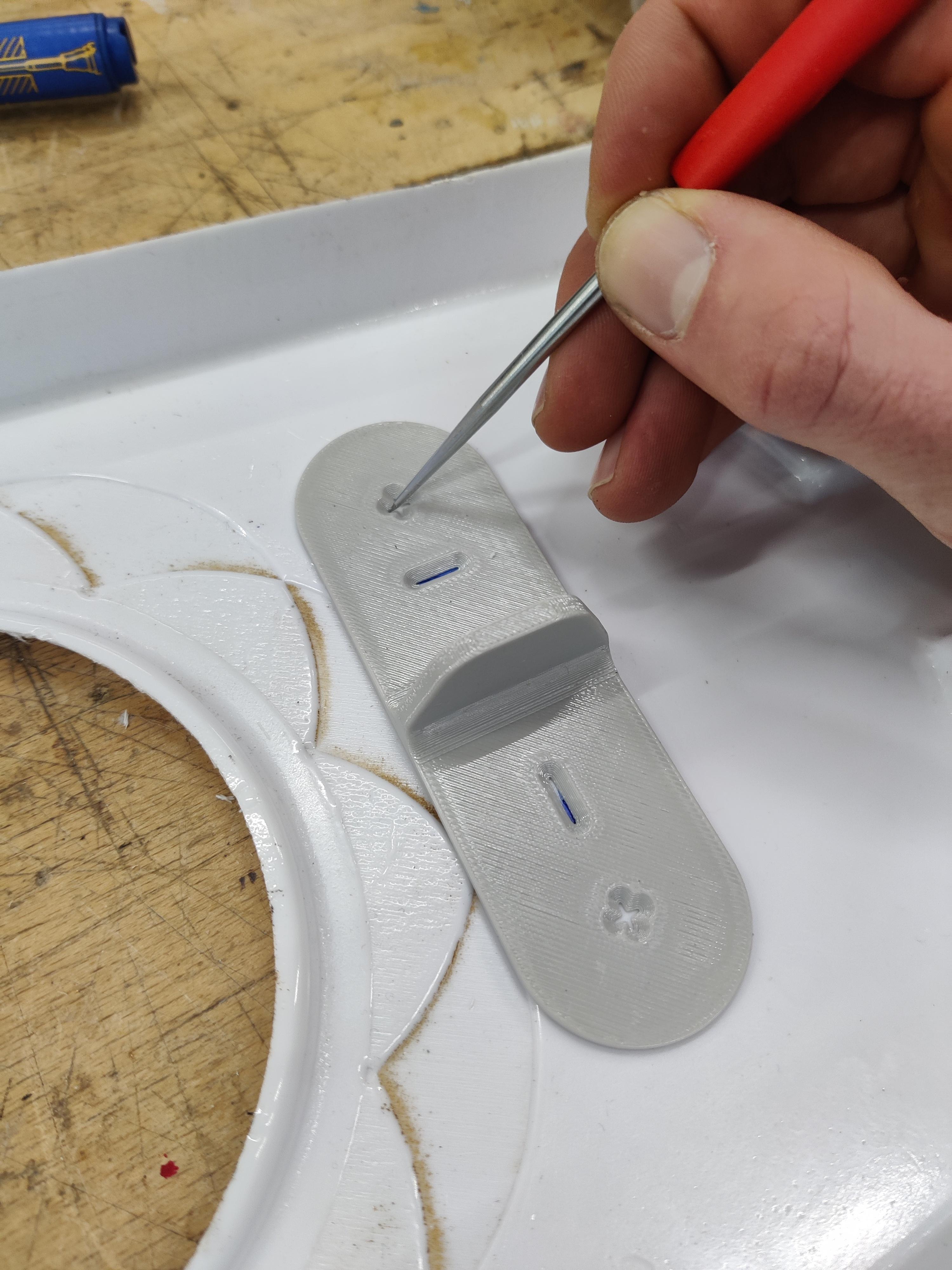


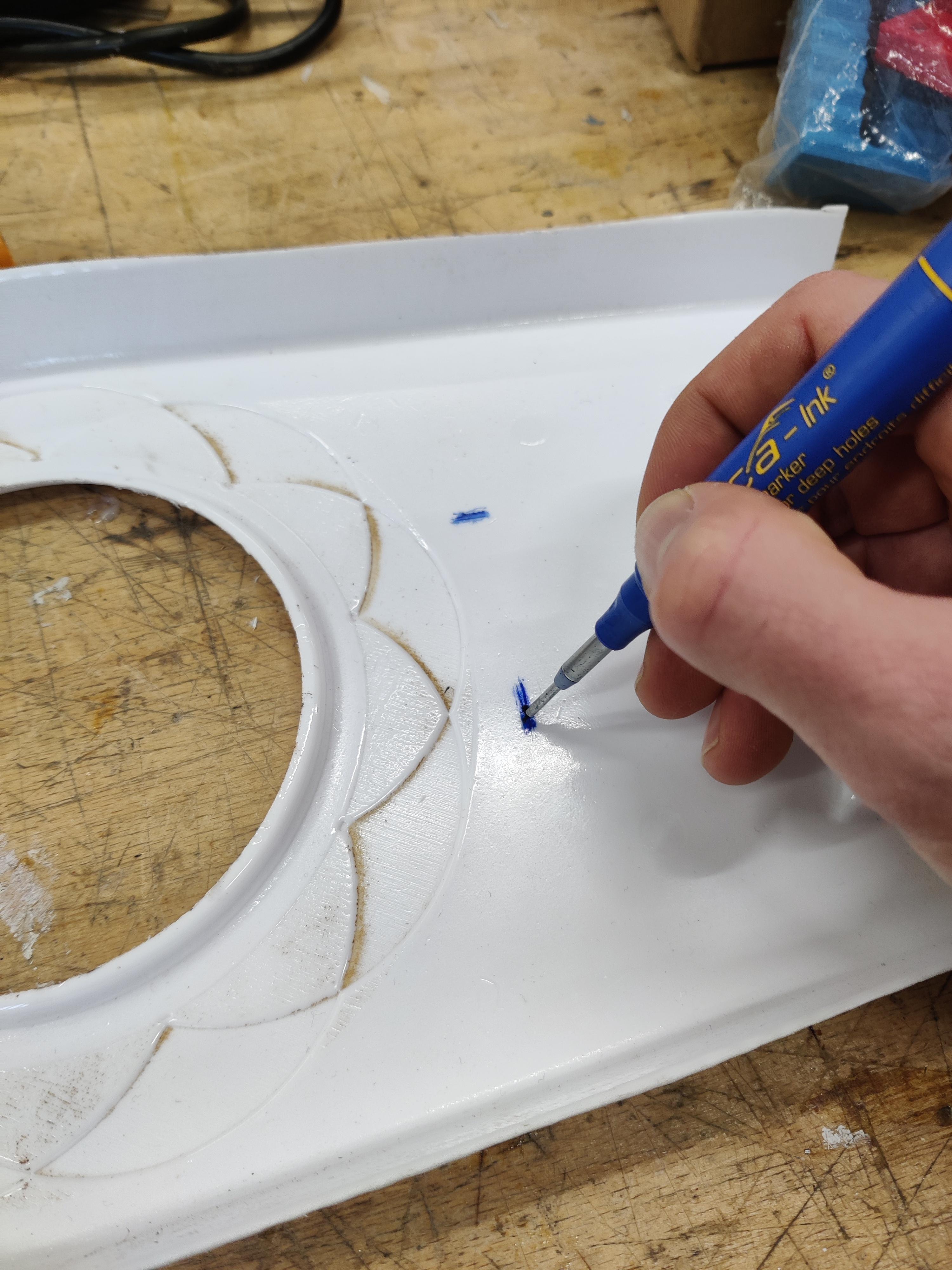
In this step, you will attach it to the bike. This requires you to install the bracket first. There are two types of brackets. One is the slim design, which sits closer to the frame, and the adjustable design. Ask the instructor for help with choosing the right bracket.
For both brackets, the final position is the same. The right side of the bracket shouldn't cover the chain sprocket if you look from the front, and when looking from above, the face of the bracket should sit between the chain sprocket and crank.
You attach the bracket with the help of four screws and the allen wrench. Place the piece with the rubber on the back of the frame tube. Then hold the other parts in front of it and insert the screw. Make sure to tighten the screws evenly and don't use too much pressure.
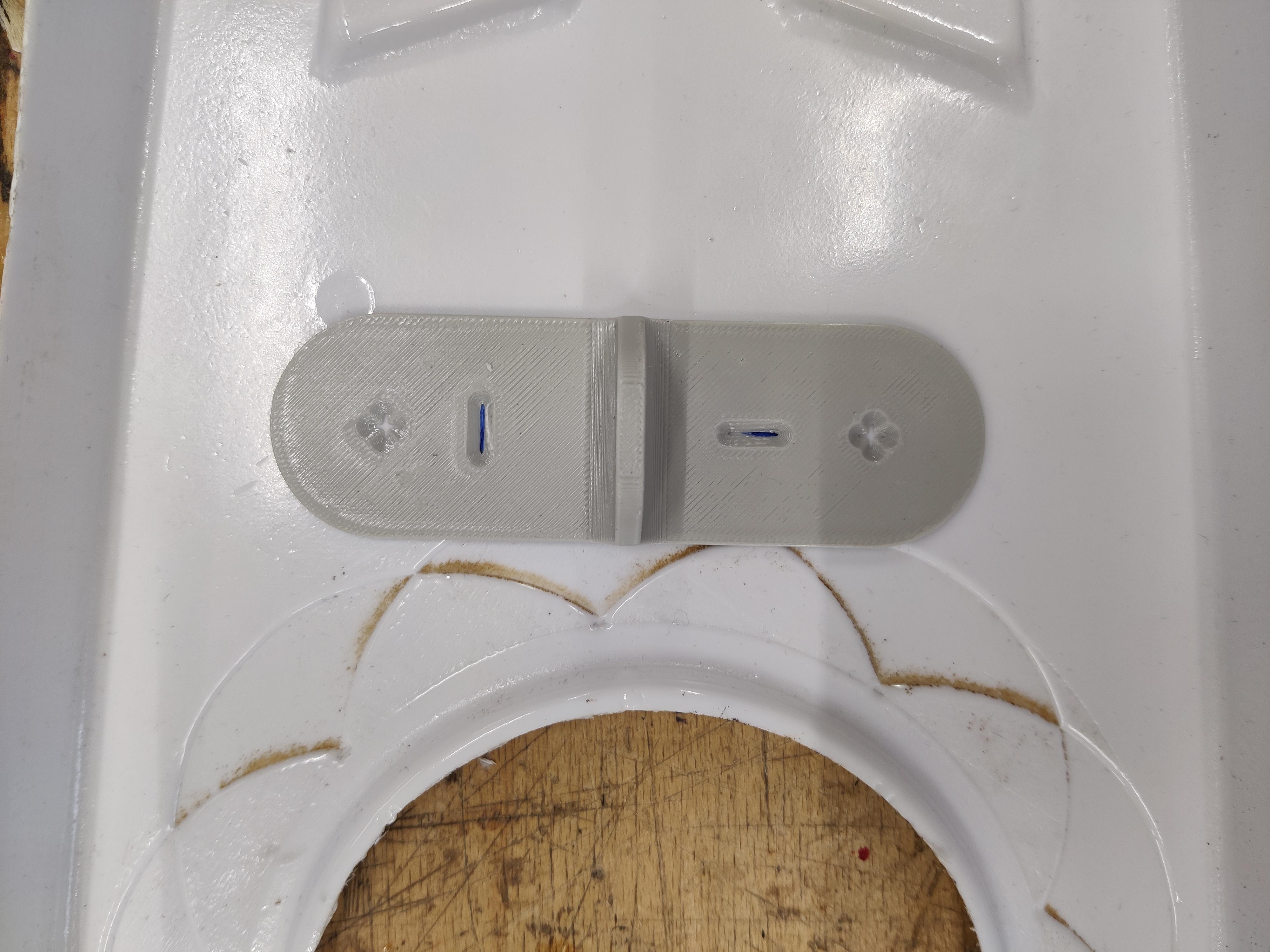
The next step is to mark the location of the holes. Put your chain guard over the pedals and hold it in the right position. Now use the scribe and make a small mark through the holes in the bracket.
Take the chainguard off and align the marks that you just made. Using the small jig, you can now transfer the location of the holes using the marking jig. Then take the drill with the 14 mm (forstner) drill and drill out the holes. You can do this on the workbench, but hold another piece of wood underneath it.
Then take your file and change the shape of the hole so that the turning nobs can fit through the hole. Making a cutout on the top and the bottom of each hole.
Now insert the two nobs and take any key and attach the chain guard to the bike by inserting both the knobs and turning them to the right.
Adjustment
If you cannot turn the pedals without touching the chainguard you need to adjust the bracket. This is different for the two bracket designs:
Slim bracket
You can adjust the distance from the bike by adding small washers in between the two parts of the bracket. Remove the two screws with the other allen wrench and place 1 or more washers over screw. Now put it back together and tighten it.
Adjustable bracket
You can adjust this bracket by loosening the screws and moving the wedge shaped piece left or right. This moves the bracket further away, or closer to the bike respectively.
Customize
Now that you have made your chainguard you can make it more unique. There are stickers and waterproof markers if you want to customize it even further.
Be Proud!
Thank you for joining the workshop! I hope you had a great time and that you have found a new form of appreciation for your bike. :)