Cocaine Buzzkill: a Video Game That Takes Aim at the Drug Epidemic
by SteveMann in Teachers > University+
273 Views, 3 Favorites, 0 Comments
Cocaine Buzzkill: a Video Game That Takes Aim at the Drug Epidemic
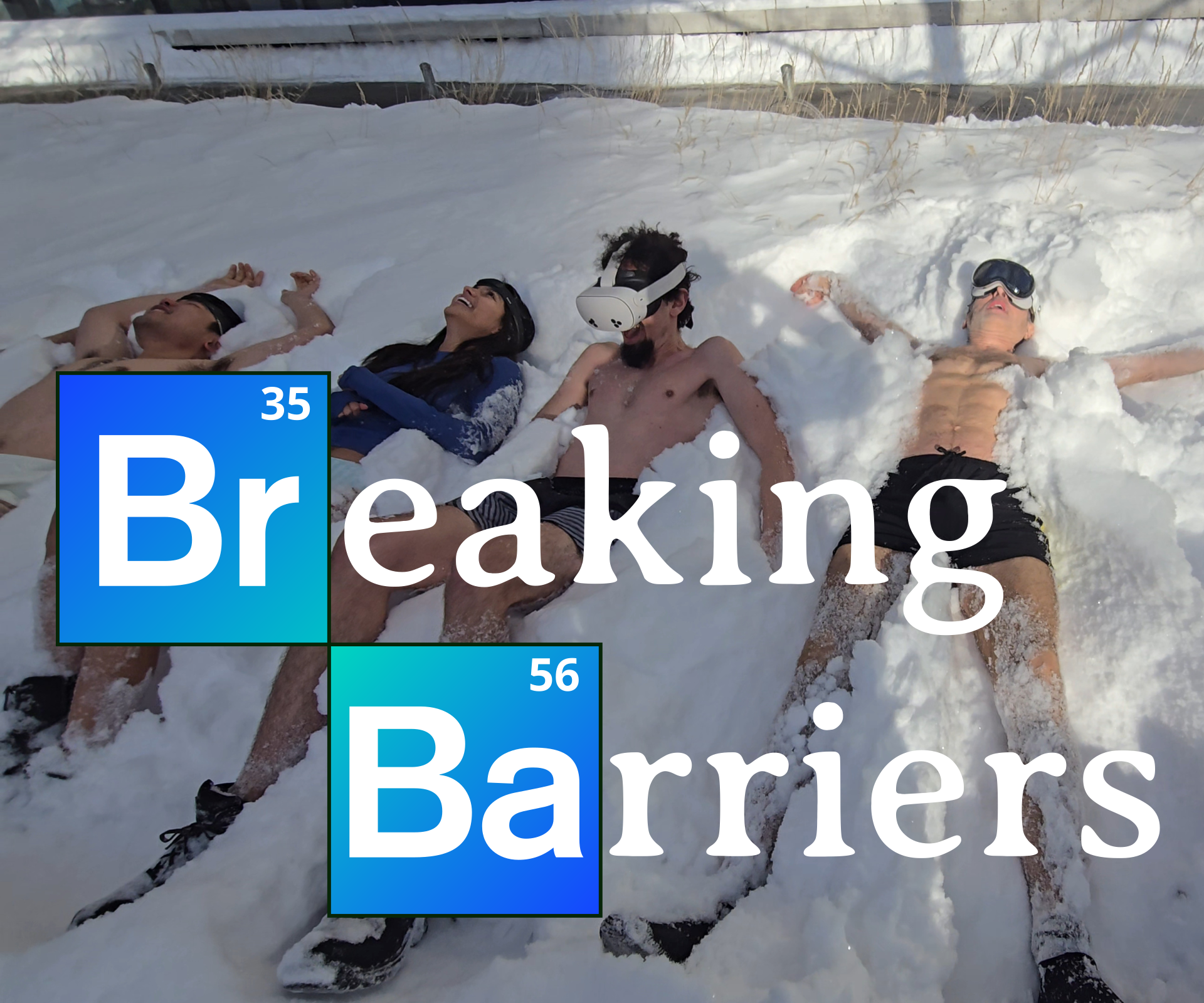
Cocaine Buzzkill™ is a video game that takes aim against the crack cocaine and fentanyl epidemic. The game objective is to throw real snowballs at a virtual crackpipe to kill the "buzz" (i.e. to cool-down and therefore extinguish) the flame of the crackpipe. The snowballs are tracked by a forehead-mounted ESP32 video camera mounted onto a Muse brain-sensing headband that senses the wearer's brain state. Another objective of the game is to encourage more people to do cold-plunges, and thus take a first-step toward reduction in cocaine usage.
Cold plunges and cocaine both significantly alter brain chemistry, specifically by inducing a massive surge in dopamine. However, the, mechanism, duration, and long-term health impact of these dopamine spikes are drastically different.
Whereas cocaine causes heart failure and early death, cold-plunges strengthen the heart and extend life-expectancy.
Cocaine causes a rapid, artificial dopamine spike, followed by a damaging crash, and long-term receptor down regulation. Cold-plunges provide a slow, sustained rise in dopamine that fosters resilience and mental clarity without the addictive, harmful crash of cocaine.
Unfortunately for people with disabilities, getting access to cold-water swimming locations can be problematic. Therefore snow produces a great way to get access to a cold-plunge, breaking down barriers to accessibility. Our goal is to gamify cold-plunging, and make it fun and exciting to get more people away outdoors away from a sit-down computer and away from crack cocaine and fentanyl. The game is like a fun party but without drugs.
Supplies
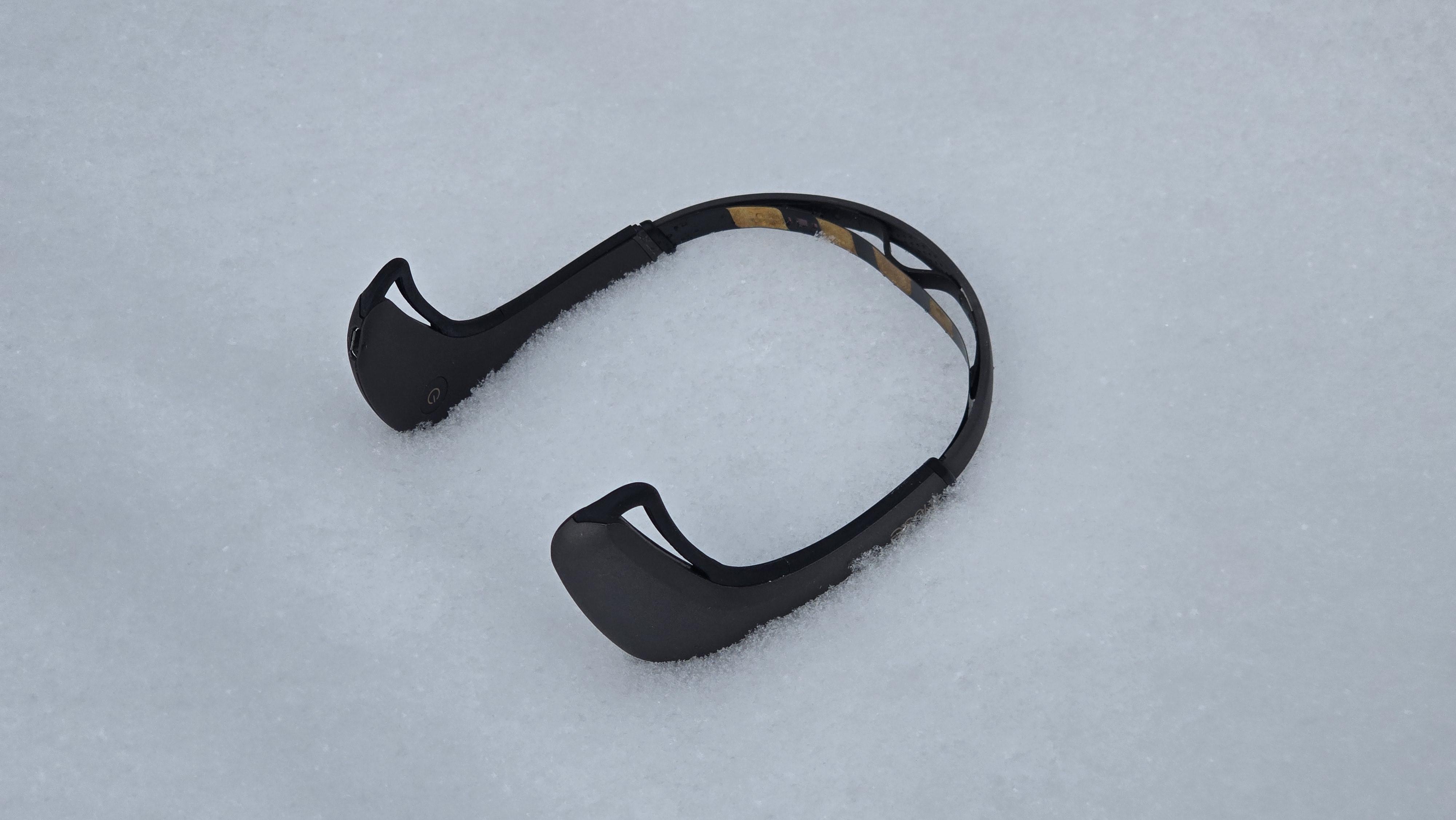
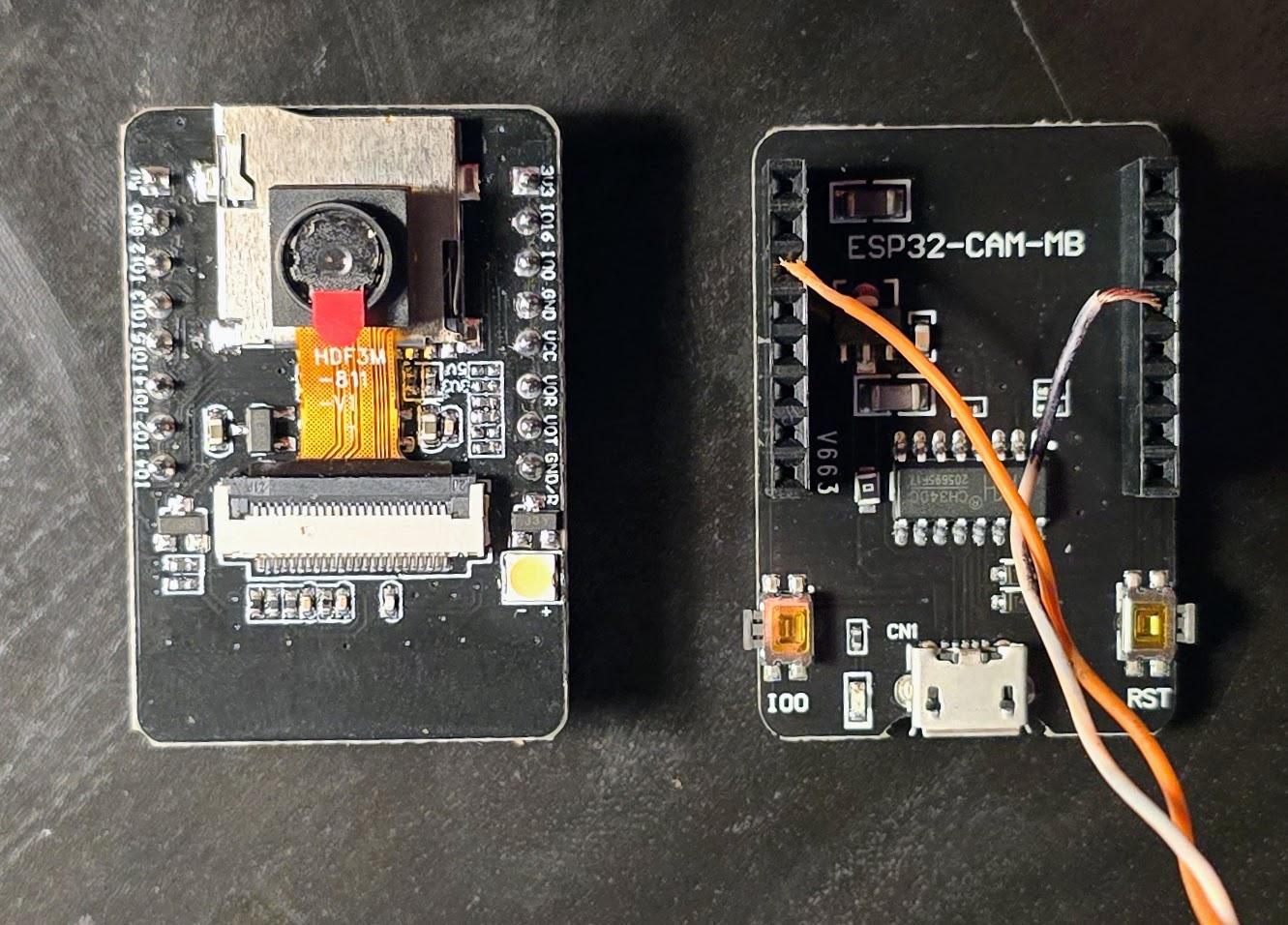
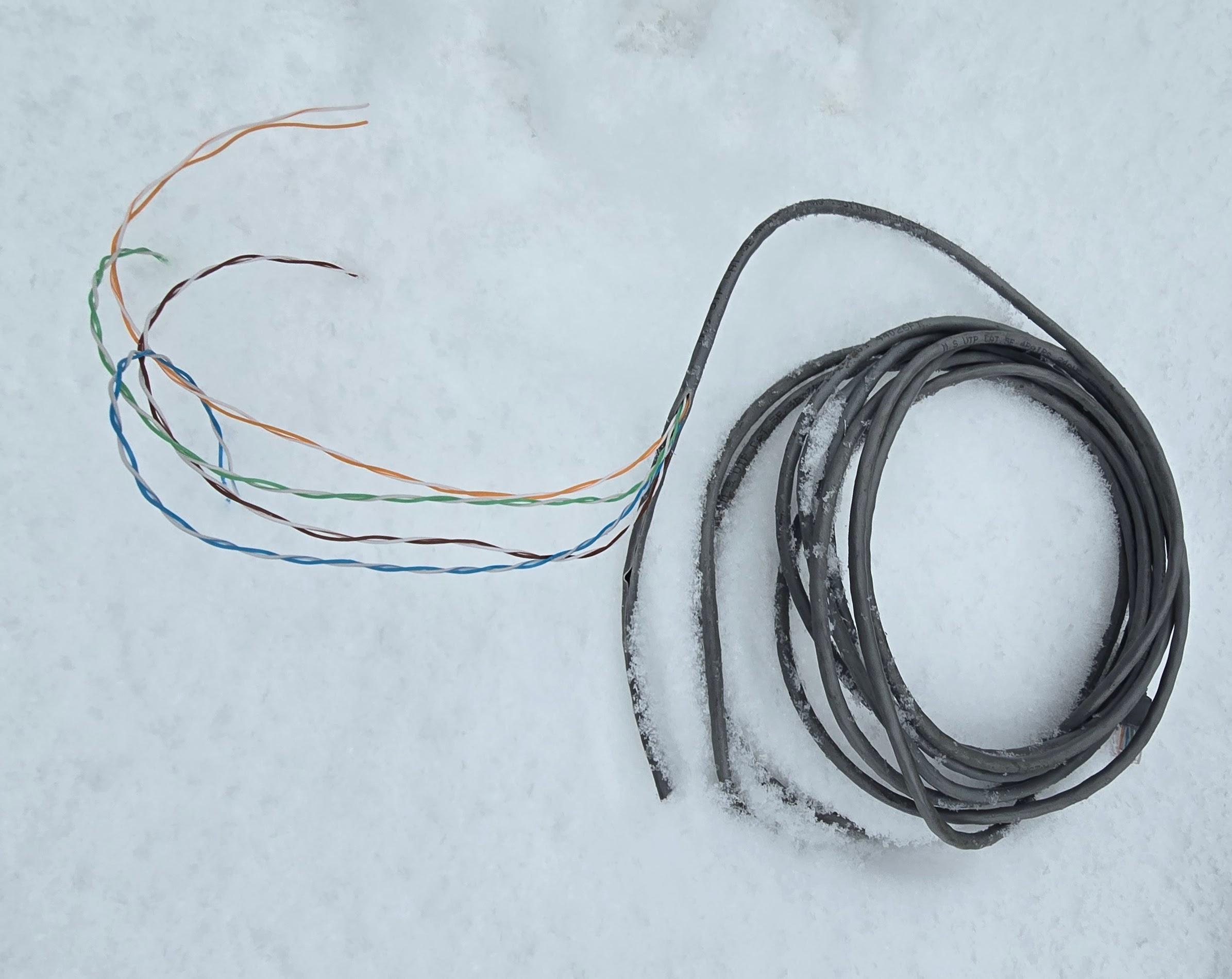
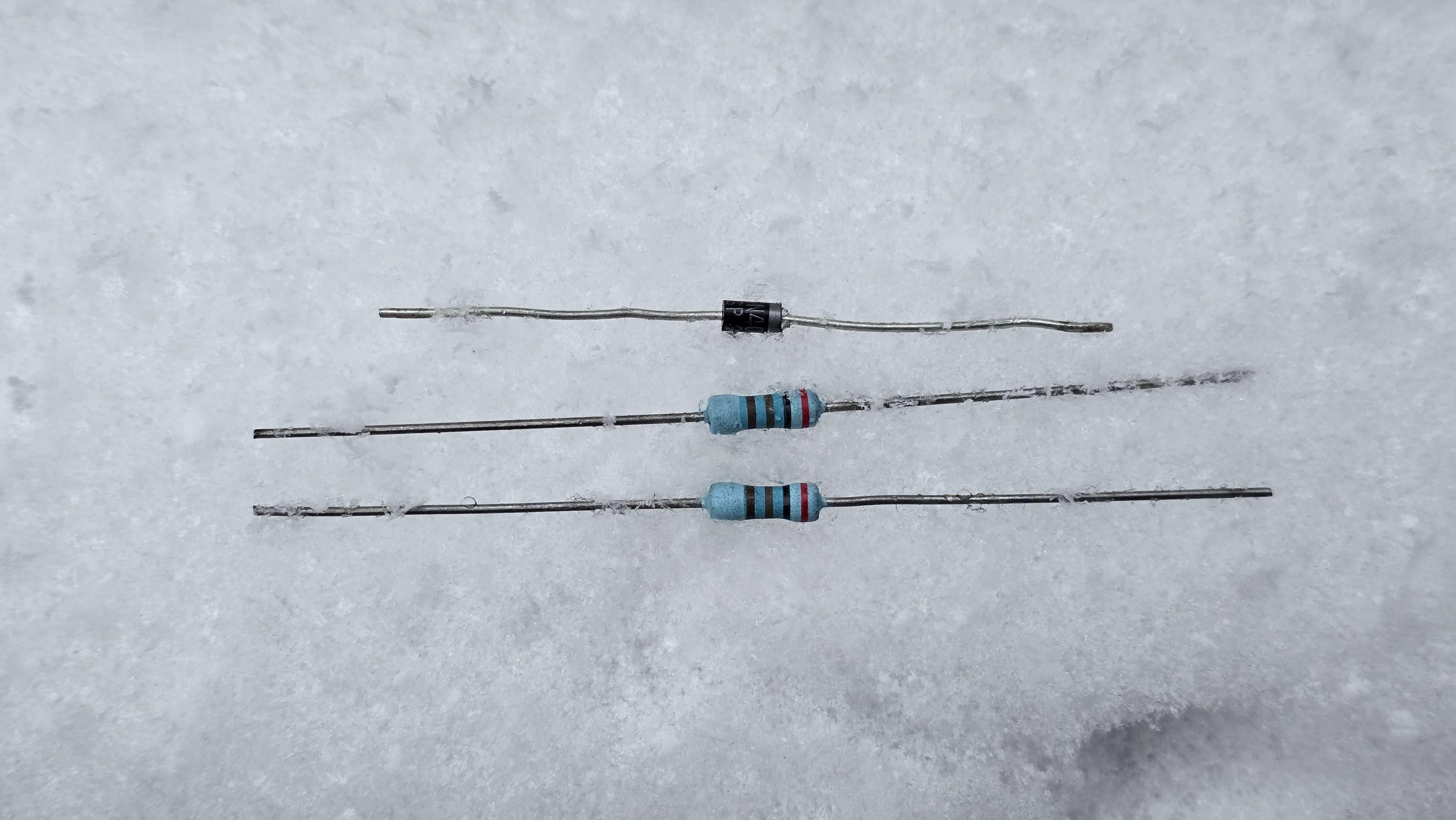
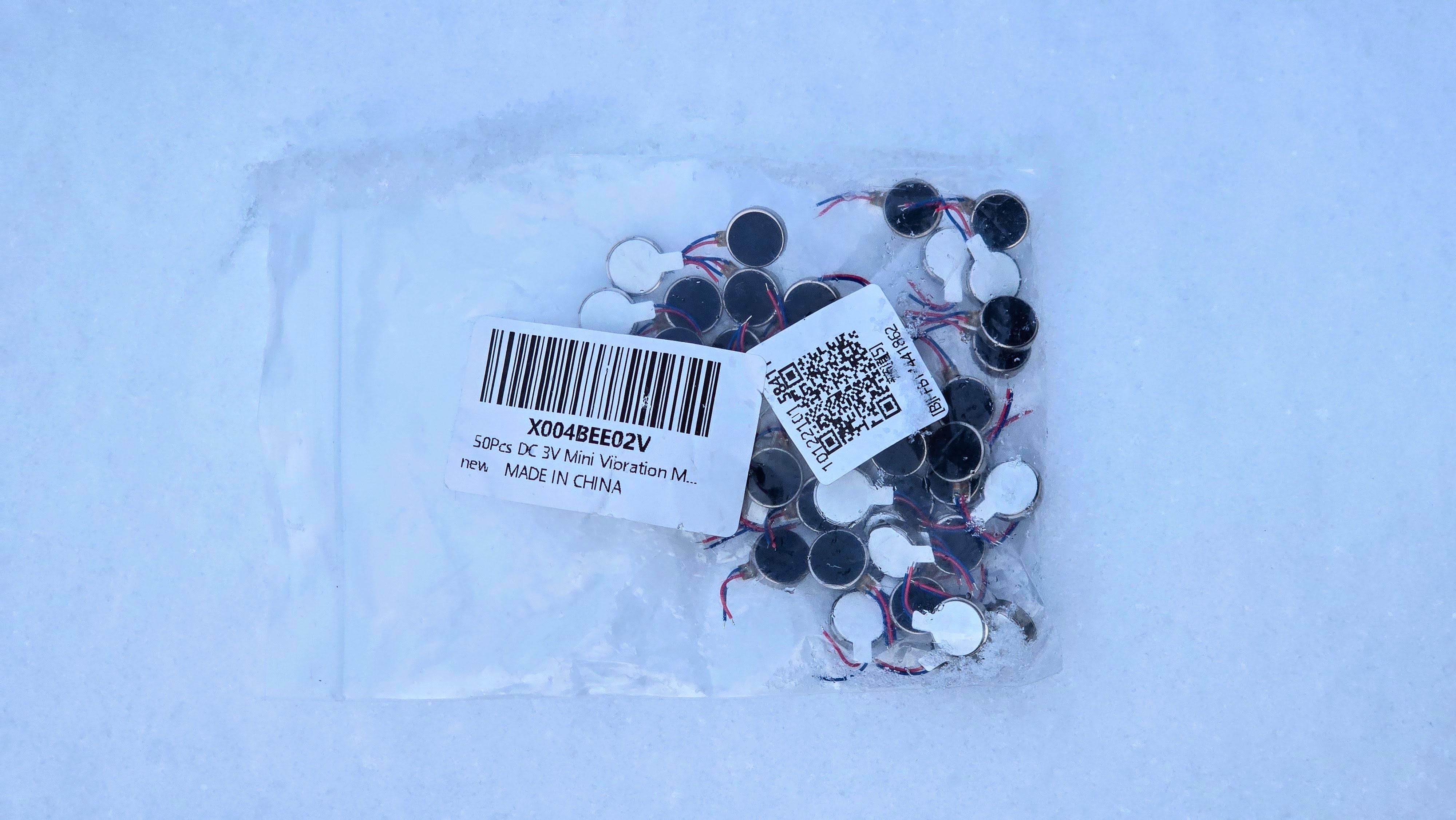
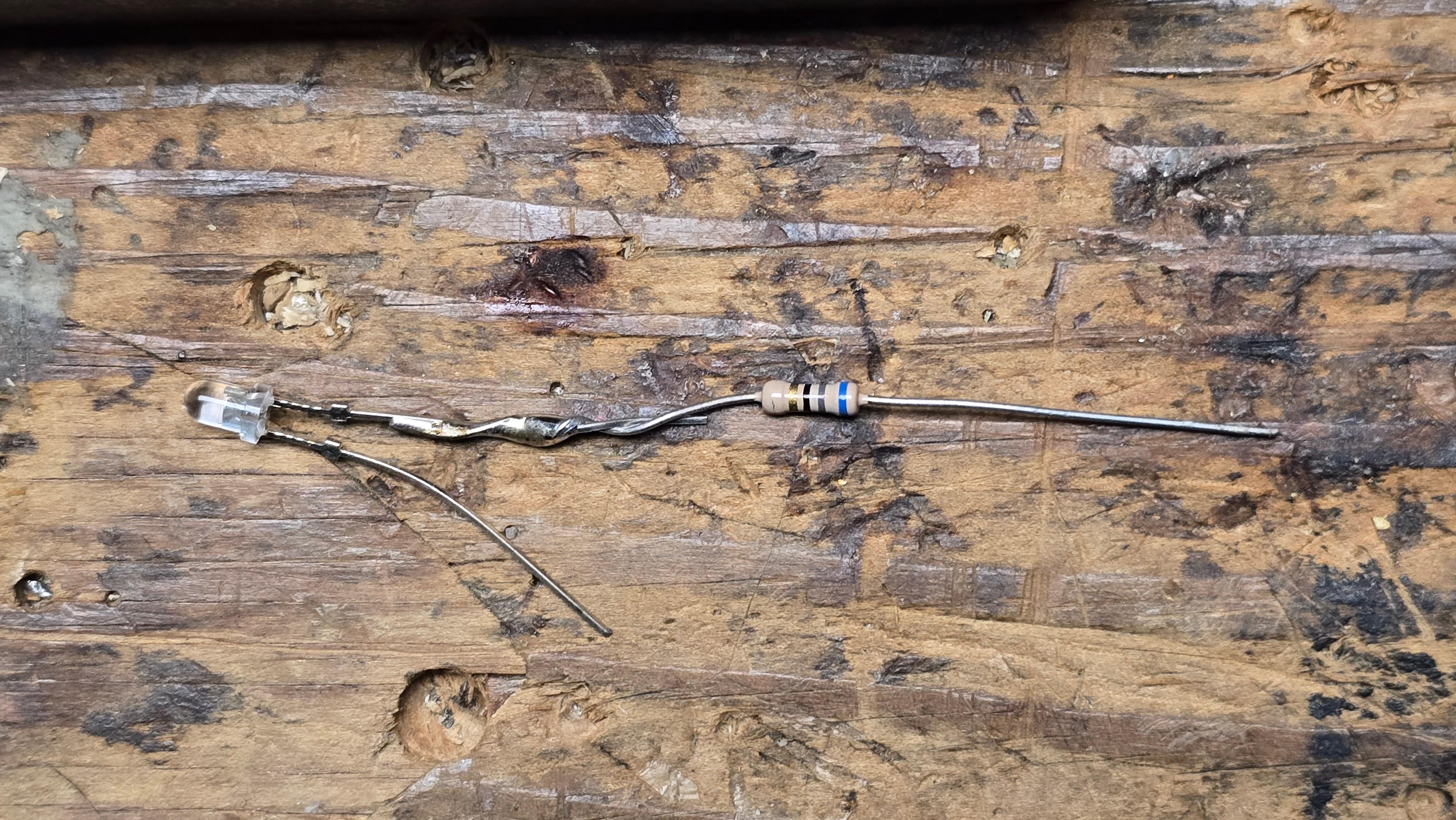
The game is played with a modified Muse brain-sensing headband coupled with an ESP32 camera board that is programmed to read brainwaves as well as track the throwing of snowballs. You'll need a Muse brain-sensing headband, some wire (here an old ethernet cable salvaged from trash is used) a vibrotactile buzzer, some resistors, a diode, and an LED.
Metaveillography Camera-test
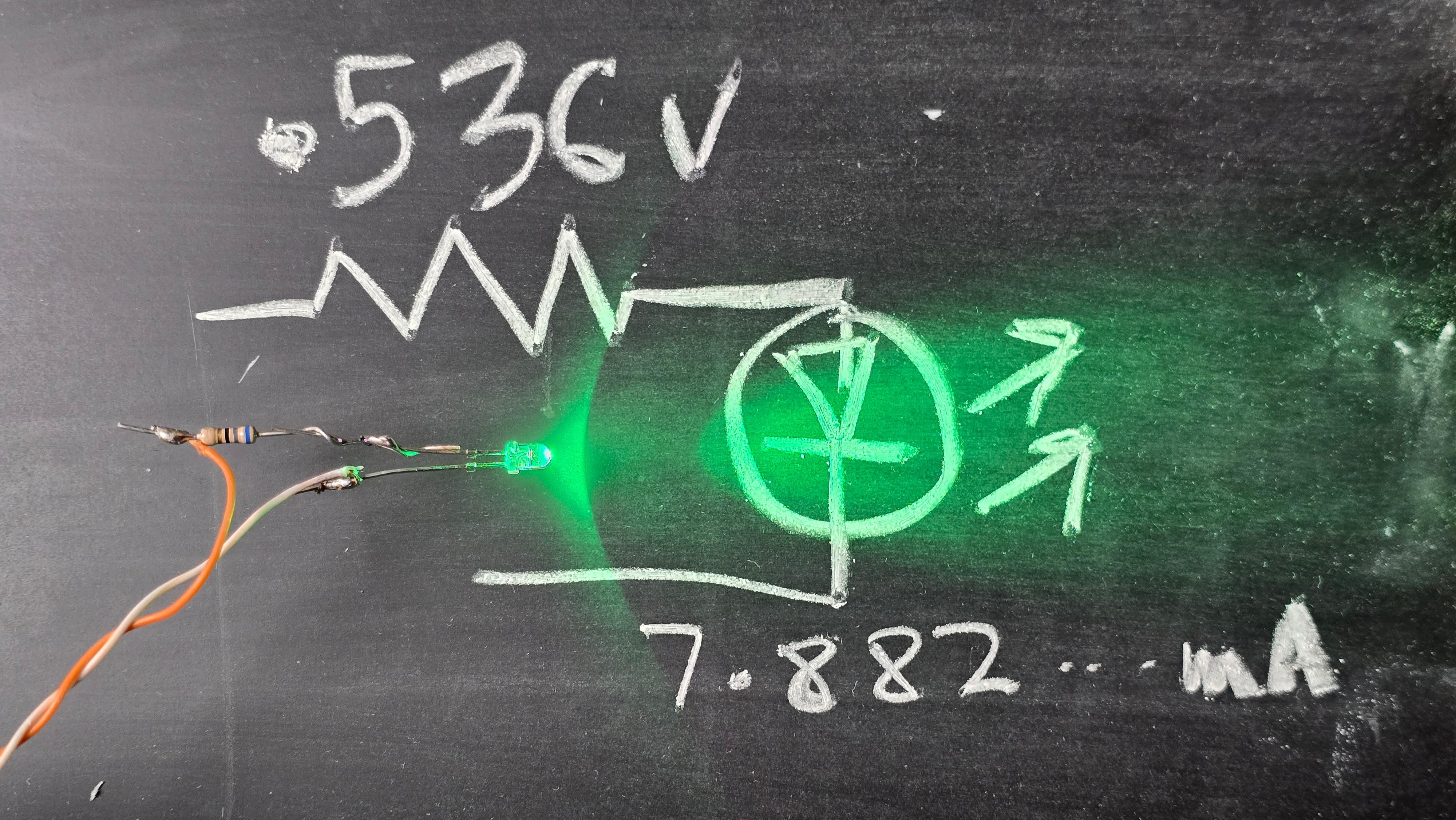
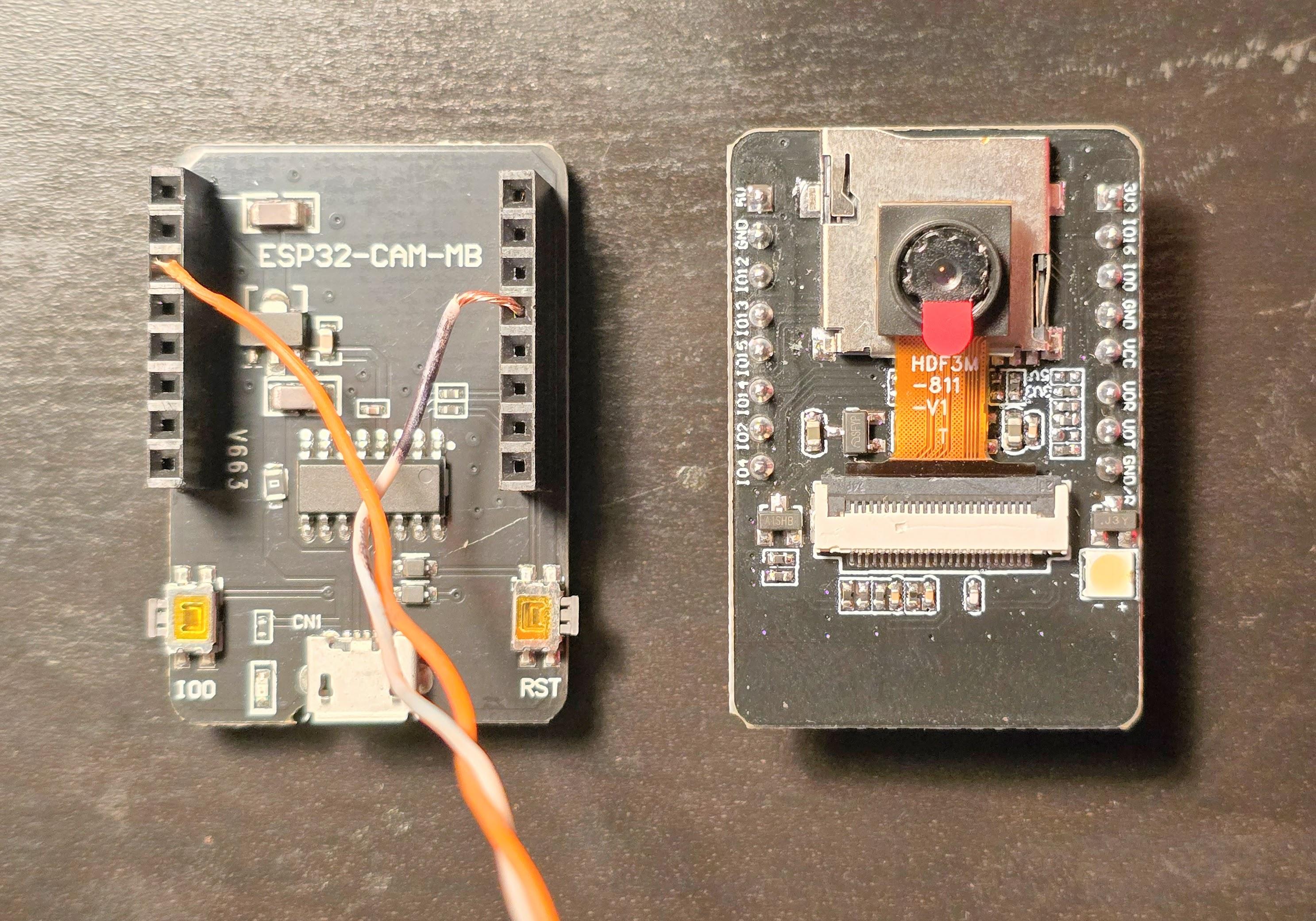



Test the camera using the metaveillography principle. This is done by creating a feedback loop, using an LED, and long-exposure photograph to test and calibrate the ESP32 camera. Connect a 68-ohm resistor in series with a bright small point-source LED. Smaller clear LEDs tend to work better. The LED and series resistor are soldered to twinlead twisted-pair multistrand wiring, plugged into the ESPcam board as shown, i.e. first separate the two boards, insert the wires as shown for GPIO12 (Pin 12) then plug the boards back together trapping the wires. In this way you don't need to solder to (and risk messing up) the board, which makes it easy for beginners to build this! Attached are some examples that Aidin and Kyle and I offer to read from the camera and PWM the LED in accordance with the total. Experiment with writing your own as well. Clamp the camera in a vice (or otherwise fixture it) in a dark room with a black background behind it. Swing the LED back and forth during a long-exposure photo to capture the metaveillograph.
See http://wearcam.org/meta/
for more background context, etc..
If you get this far, click "I Made It" and post your metaveillography results and I will be happy to comment on them and provide useful feedback. Now you're ready to go to the next steps....
Attach ESP32 Camera to Muse
.jpg)
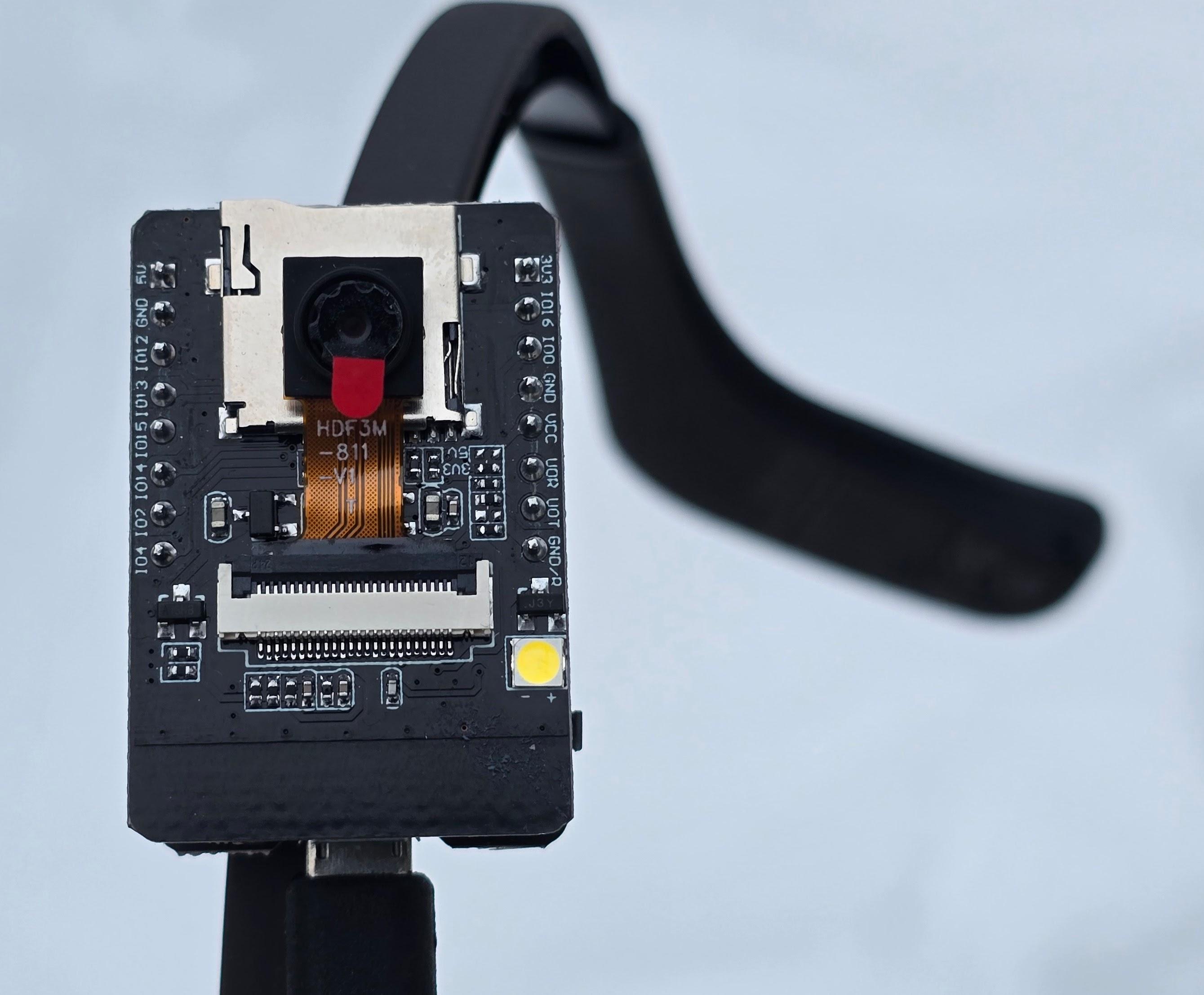
Here we have drilled some small holes in the circuit board (while the two halves were separated) drilling into the lower half so it can be wire-tied to the Muse. We then tie around the outside USB cable as well. The holes are drilled on the non-USB side of the board.
Attach the Vibra-buzzer
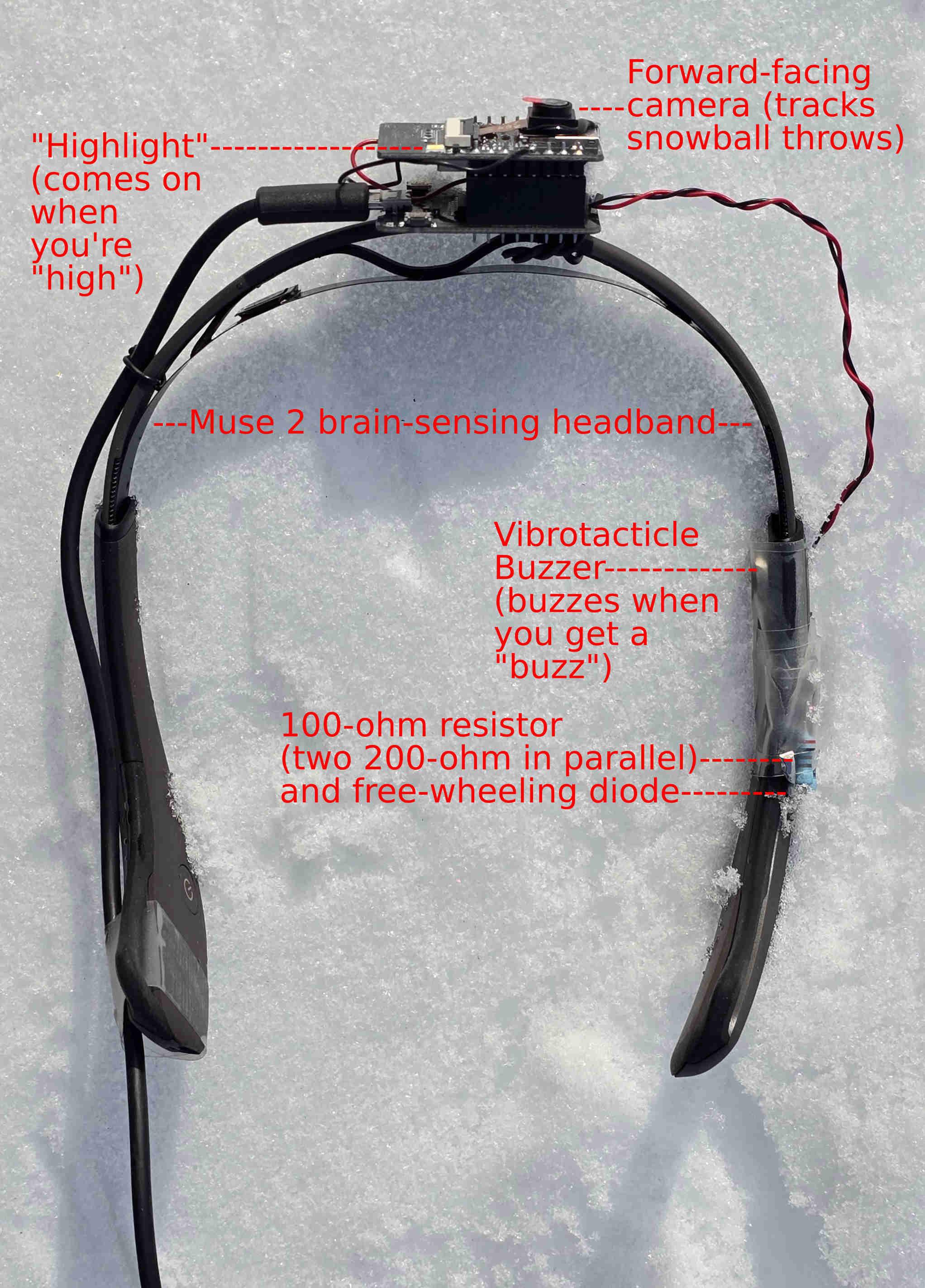
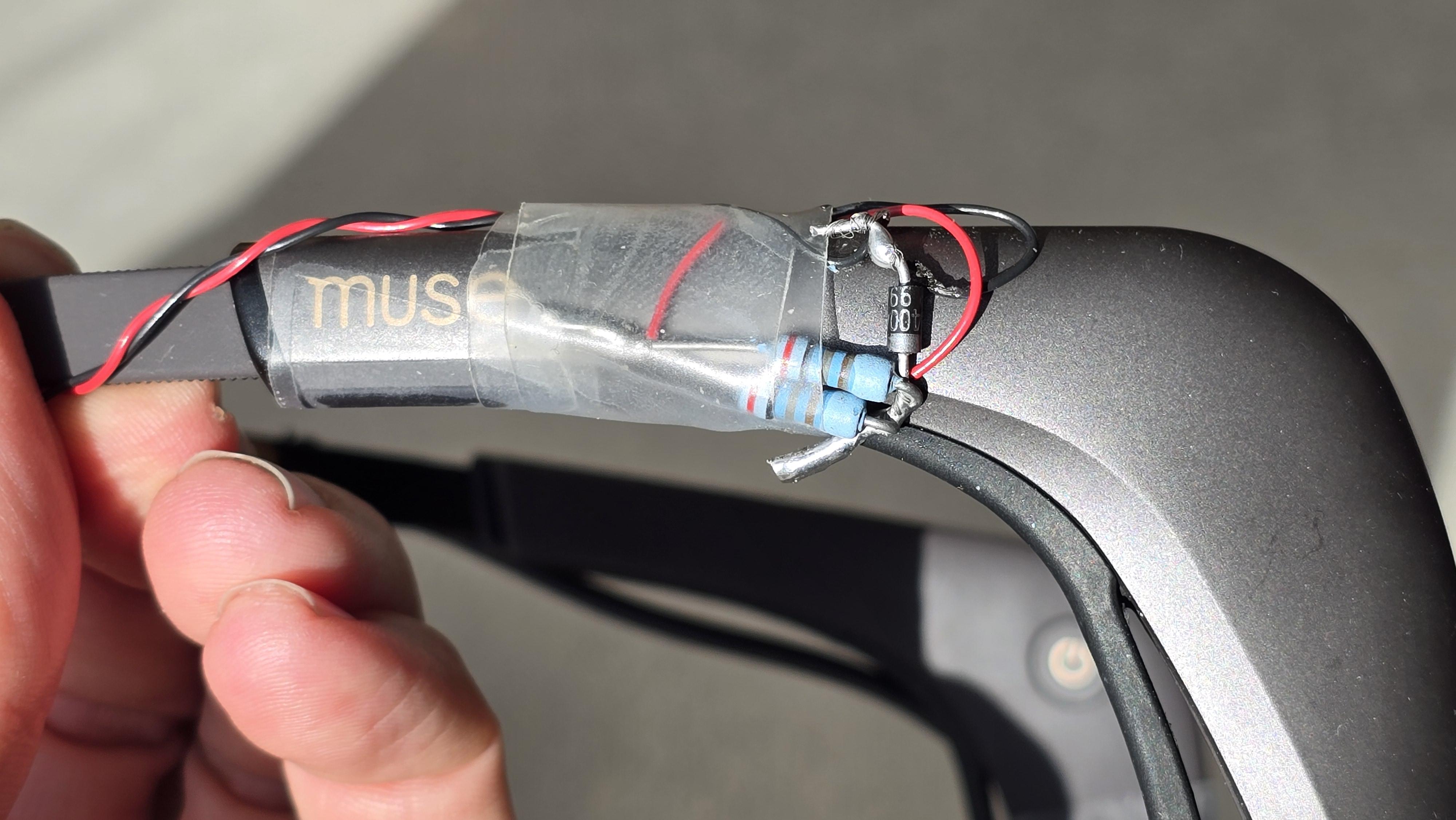
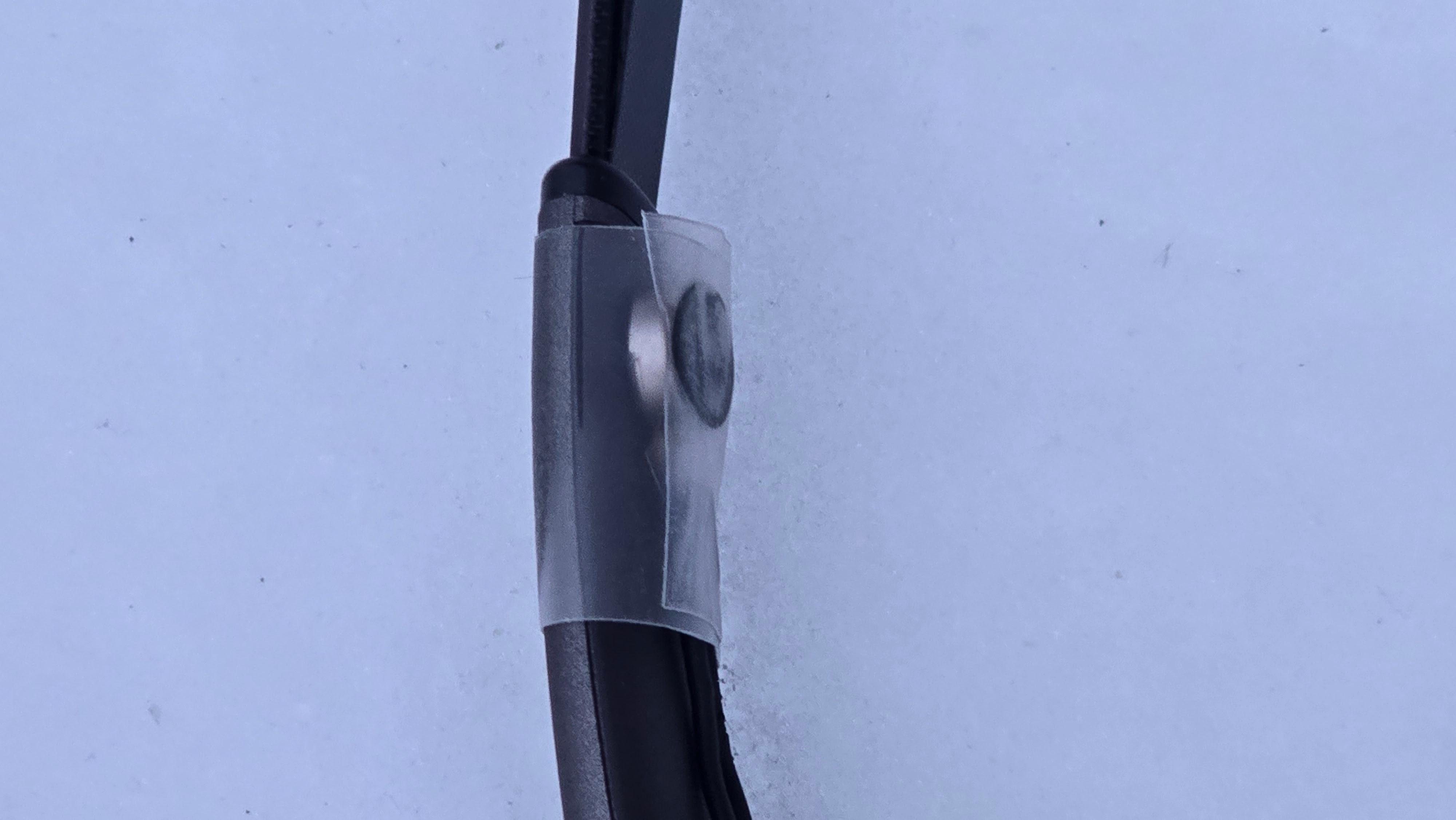
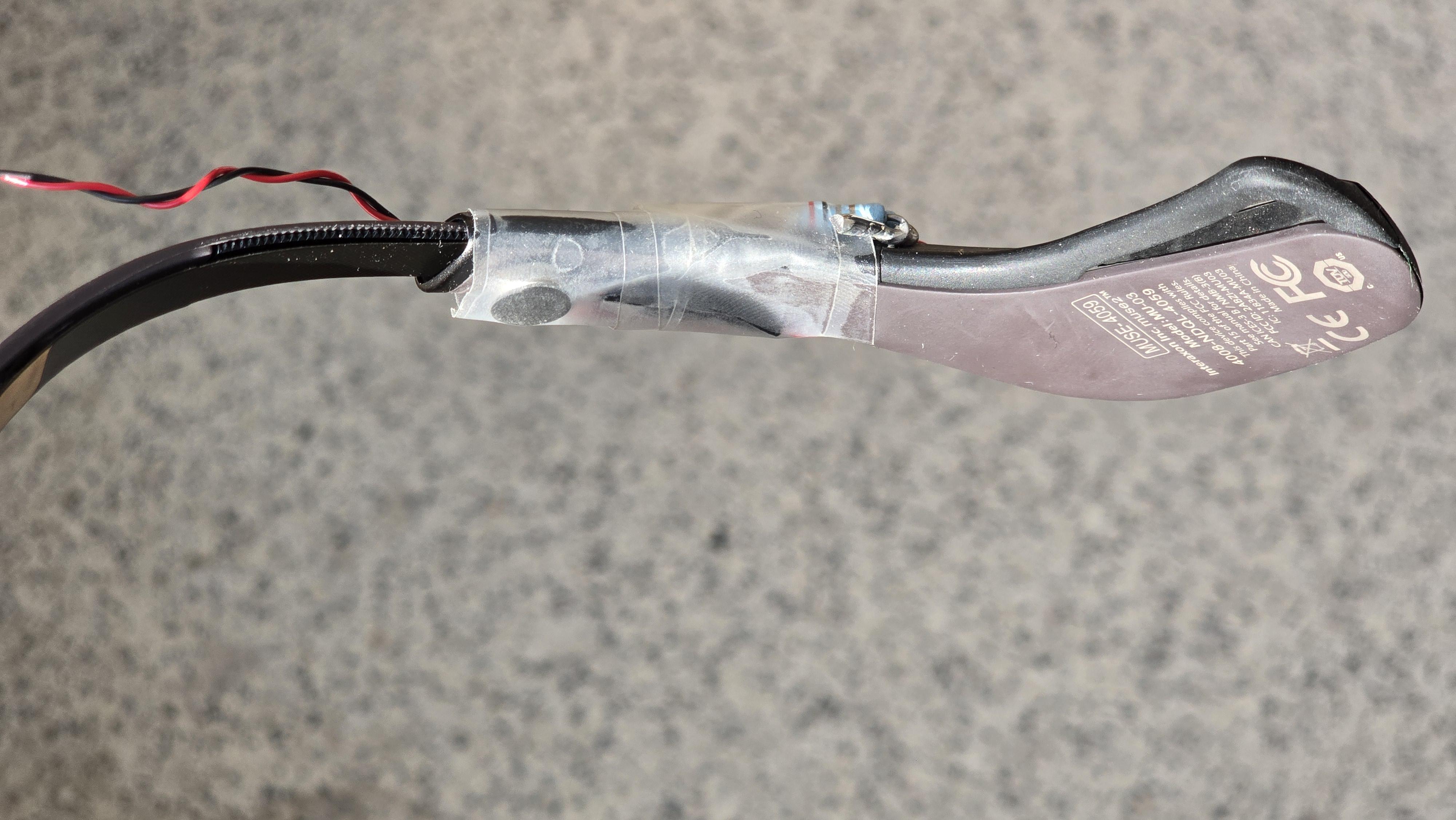


Connect about 100 ohms in series with the vibrabuzzer which is 34 ohms so the total is 134 ohms giving 37mA current limit, OK for short bursts. I used two resistors, each 200 ohms, in parallel so as to produce an extremely cool-to-the-touch on my forehead. Use also a freewheeling diode to protect from sudden collapse of magnetic field and the resulting voltage spikes.
The buzzer is programmed to buzz when you get "high" on cold-exposure, i.e. brainwaves are captured and processed using Fourier transform, or for better results, using ACT (Adaptive Chirplet Transform).
Here's some reference papers:
Bhargava, Aman, and Steve Mann. "Adaptive chirplet transform-based machine learning for p300 brainwave classification." 2020 IEEE-EMBS Conference on Biomedical Engineering and Sciences (IECBES). IEEE, 2021.
Mann, Steve, et al. "Encephalogames TM (brain/mind games): inclusive health and wellbeing for people of all abilities." 2019 IEEE Games, Entertainment, Media Conference (GEM). IEEE, 2019.
For general setup, see the labeled picture above.
Your goal is to program the buzzer so it buzzes when you get high on snow.
The buzzer is connected to GPIO12 (pin 12).
The built in LED for camera-flash is also used as a "Highlight" showing when you're high on cold exposure. By default this is GPIO4 (Pin 4).
Using Pin 4 and Pin 12 you can indicate and show when you're high and when you get a buzz from the cold exposure.
In this way players can see each others' high and it is kind of contagious in the sense that we get high together and form a biofeedback = a community of cyborgs in a shared state of collective consciousness!
Now We're Ready for Some Game Development

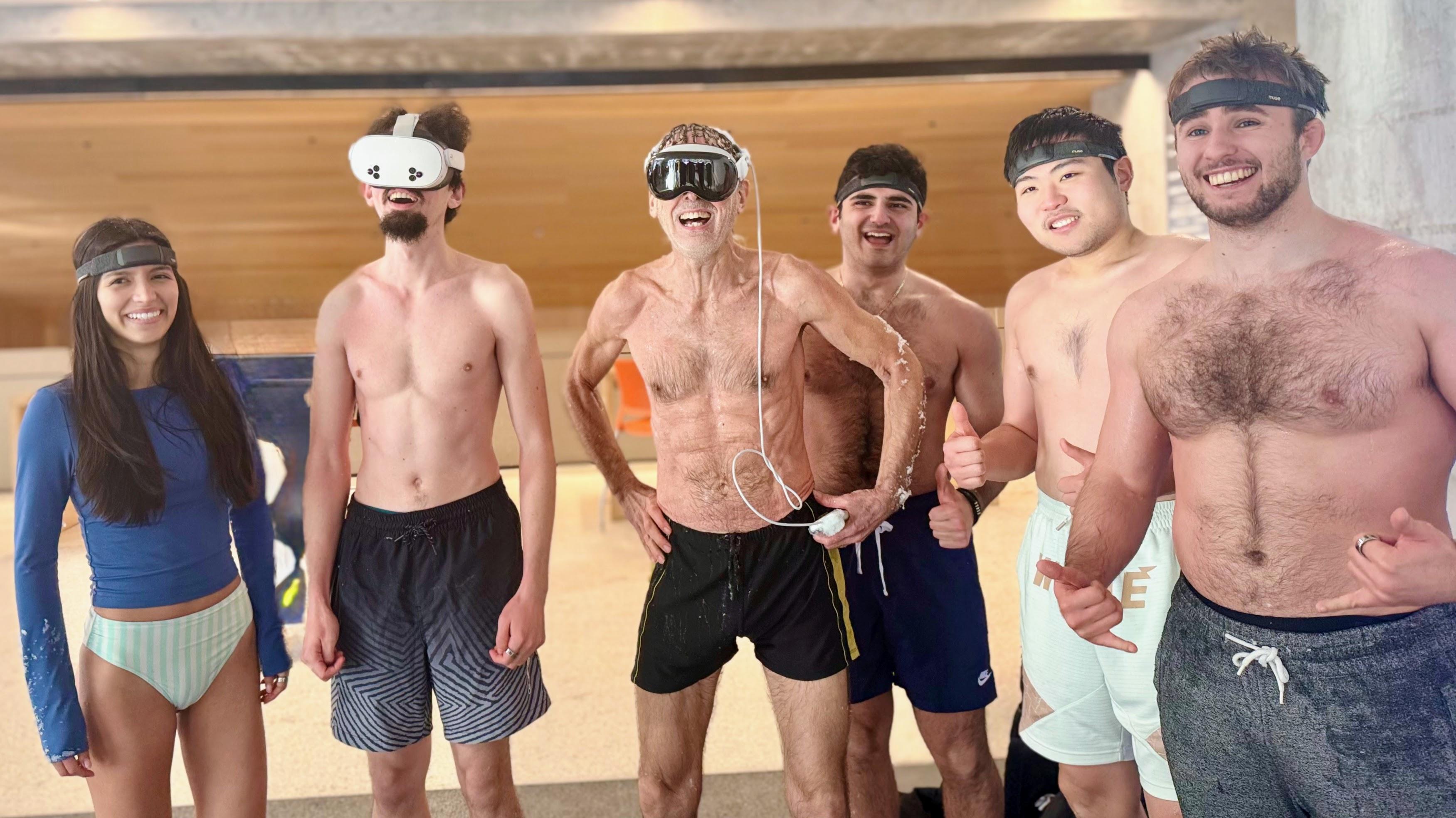


This is the time we bring in our game developers to build around this simple concept. This is an ongoing project that takes place in downtown Toronto every Wednesday at 3pm. If you want to join us in game play or game development, please let us know.
For some extra fun, pair the Muse with an XR headset into the gamespace.
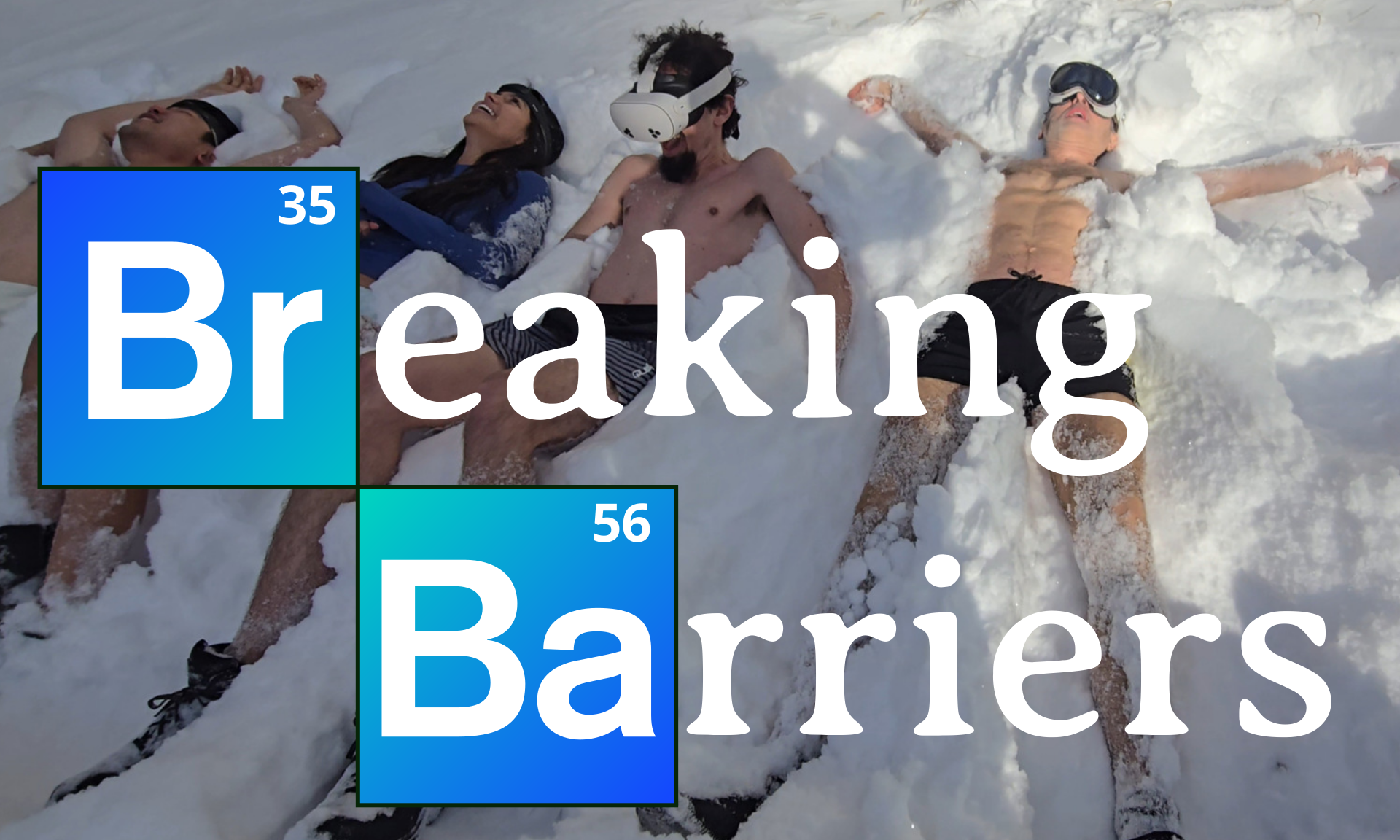
The game-play involves getting "high" on cold-exposure while throwing real snowballs tracked using the AI Thinker ESP32 camera attached to the Muse, entering the snowball trajectory into the XR game engine.
The game is ongoing, and developing over time.
Have fun, stay safe, and take a byte out of the crack cocaine industry.
With our government doing everything it can to discourage swimming, especially in winter, our State-of-Snow research on snow-based cold-plunging makes this work accessible, breaking down barriers to accessibility.