Black and White Photography at the End of the World
by BevCanTech in Design > Photography
230 Views, 2 Favorites, 0 Comments
Black and White Photography at the End of the World

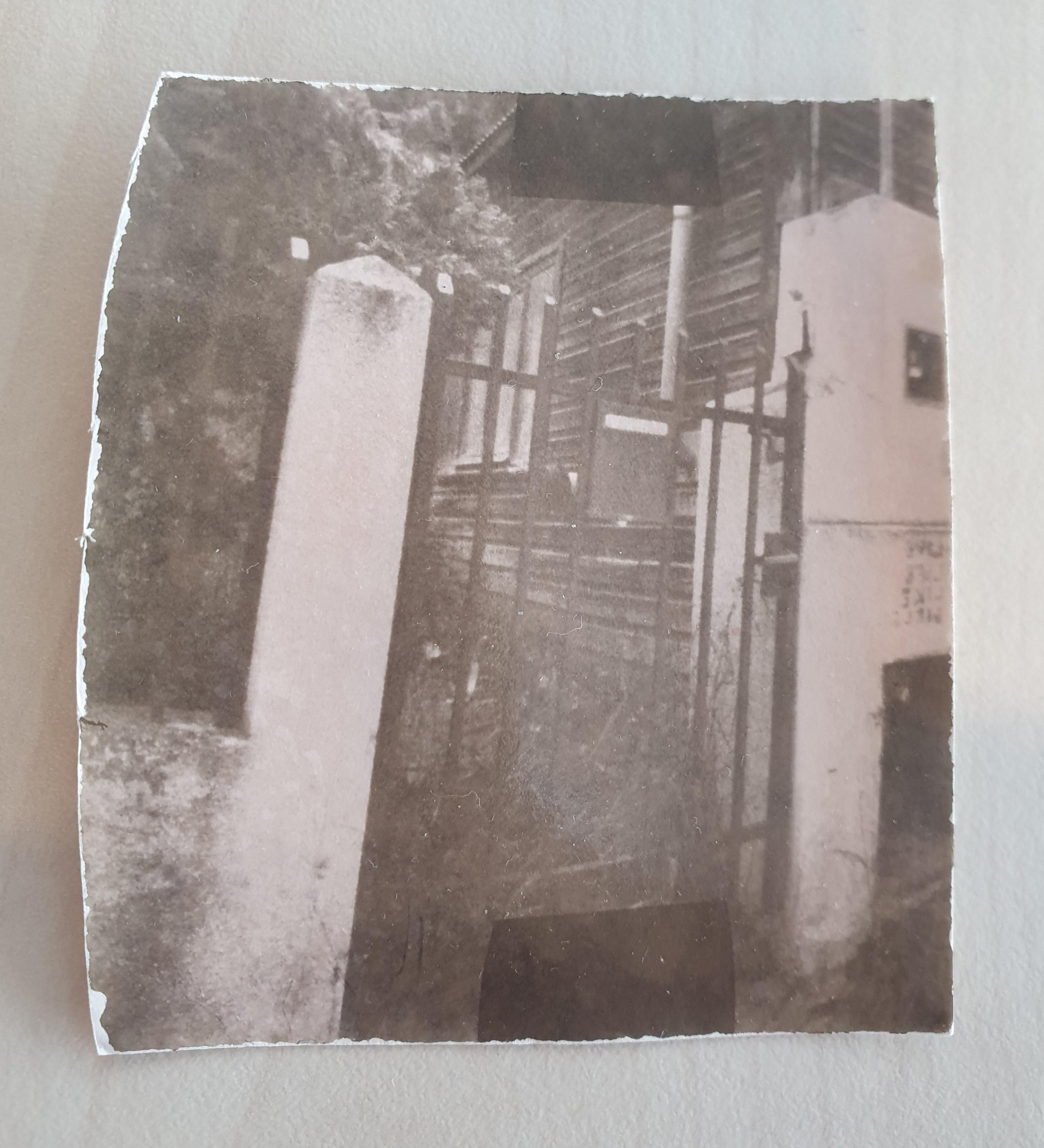
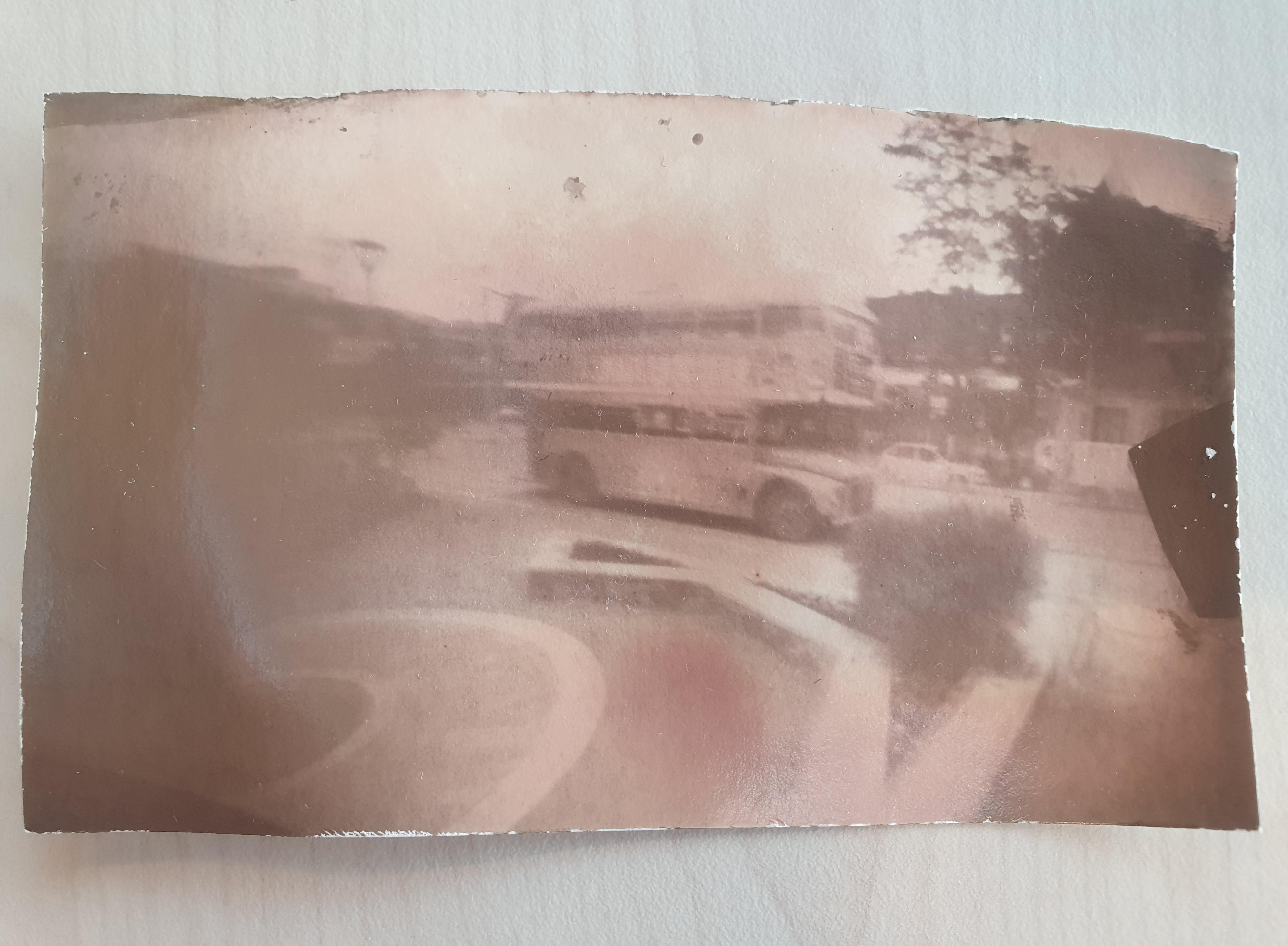
While visiting Ushuaia in Argentina - the most southerly city in the world, I set myself the challenge of taking and developing some photos with equipment and supplies found there. I had brought along some direct photography paper and planned to take some photos by creating a pin hole camera and then developing them using supplies found in the supermarket. This project shows how this can be achieved.
Supplies
Positive direct Photographic paper
Camera:
Beer Can
Black tape
Needle
Developing supplies:
Washing Soda
Vitamin C
De-humidifier packet
Black rubbish bags
Cooking Up Some Washing Soda

Caffenol in a well know photo development method and uses instant coffee, vitamin C power and washing soda mixed in water.
I went looking for some washing soda at the supermarket but couldn't find any, they did have some baking soda which I figured I could transform into washing soda by heating it up for a couple of hours. As my hotel room only had a stove top, I spread out the baking soda (NaHCO3) in a fry pan and heated it for a couple of hours. I found this kept tripping the power relay switch, requiring the heat to be turned down. As you can see in the photos the powder has slightly changed in appearance, becoming duller and slightly gritter. This indicates it has changed into washing power (Na2CO3) by losing one of its molecules.
Testing Photo Developer
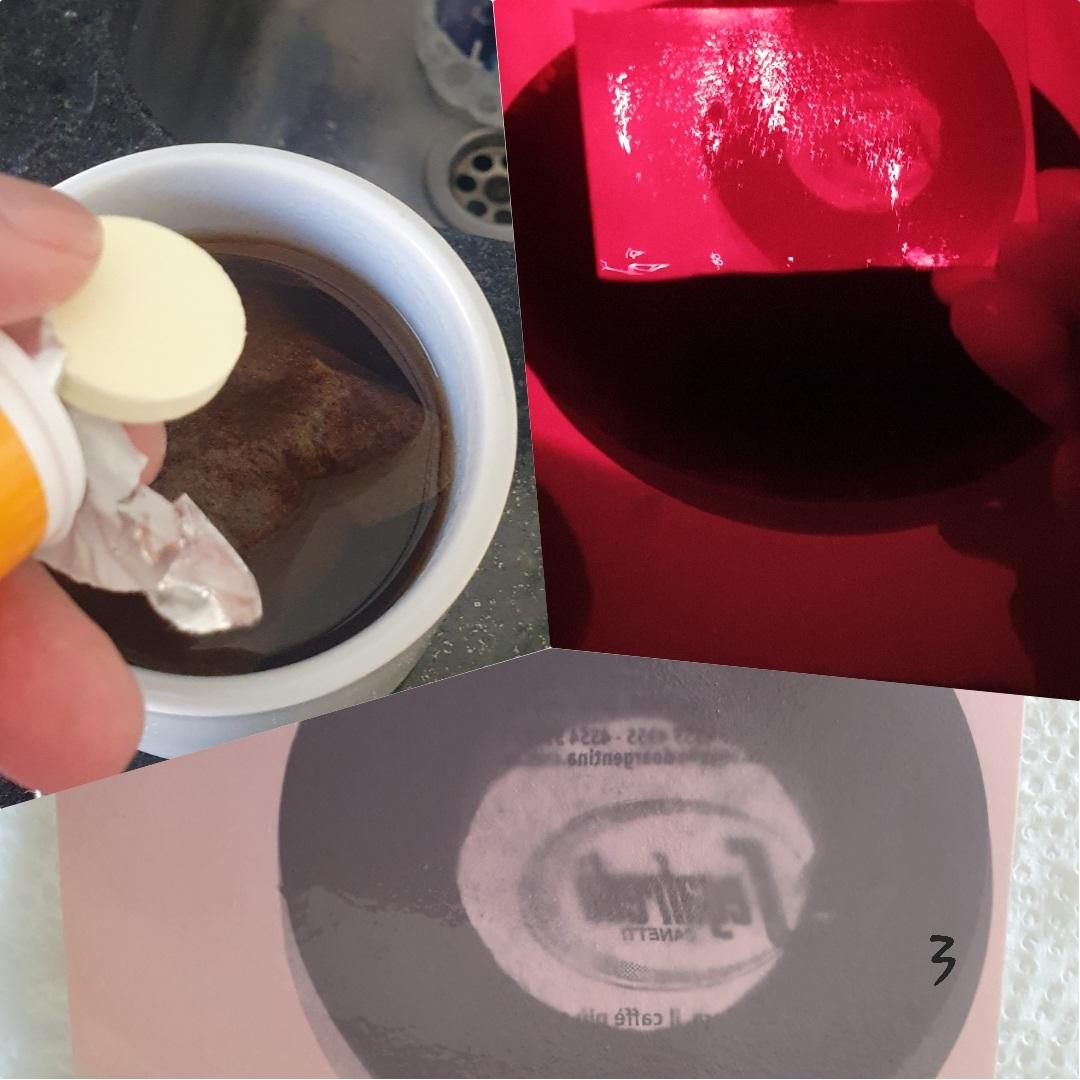
I picked up some double-strength vitamin C tablets from a chemist and mixed a couple of instant coffee sachets from my kitchen with a dissolved tablet, plus a few teaspoons of homemade washing soda in 200 ml of slightly warm water, to make a caffenol photo-developing solution.
I set up a makeshift darkroom by closing the bathroom door, sealing the gap at the bottom with a towel, and turning off the light. I wore a camping head torch with the red light on, which let me see what I was doing without affecting the photographic paper.
Since I hadn’t yet made the pinhole camera, I created an image by placing an empty sugar sachet onto a sheet of direct positive photographic paper with a roll of tape on top to hold it flat. Then I gave a quick flash of the light switch before placing the photographic paper into the developing solution. After a couple of minutes an image appeared, proving the caffenol solution could develop photos. The next day, the image had turned quite red because it hadn’t been “fixed.”
Testing a Pinhole Camera
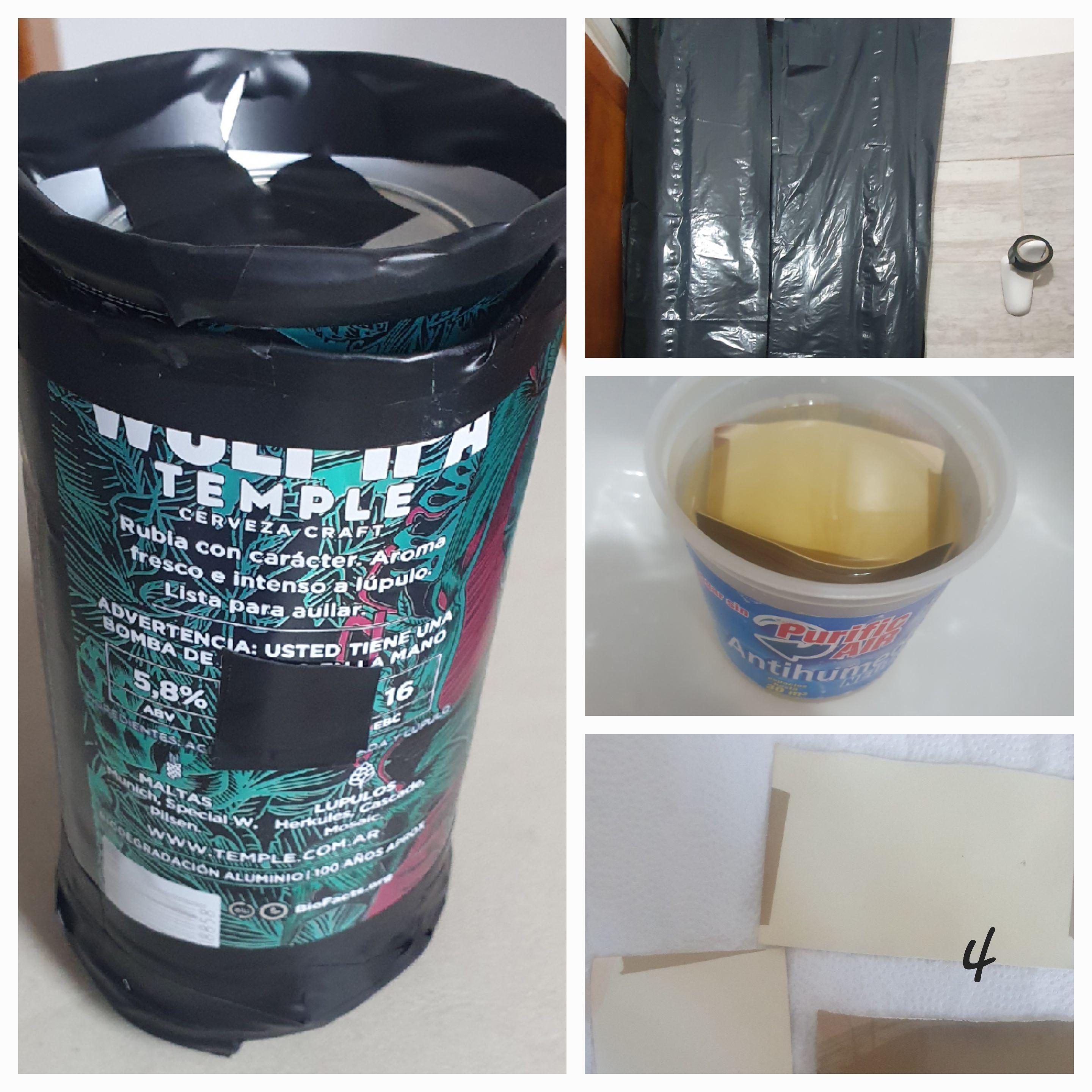
I made a pinhole camera by buying a beer can, drinking the beer, and then using a needle from the local haberdashery to poke a pinhole in the side. Two layers of black tape were placed over the outside of the pinhole to act as a shutter. Since the inside needed to be black and as I didn’t have spray paint, I cut off the top and bottom of the can and lined the interior with strips of black insulation tape, leaving the pinhole uncovered. I also put black tape inside the bottom, flipped over the top, and covered it with black tape as well. In the makeshift darkroom, I placed a sheet of direct positive photographic paper opposite the pinhole. The bottom and inverted top of the can were then reattached and sealed with a couple of layers of black insulation tape.
I took a photo while outside by uncovering the pinhole for about 40 seconds. After moving to a new hotel, I found the bathroom had a small window, so I covered it with three layers of black rubbish bags with tape to make the room lightproof. I removed the photographic paper from the beer can and developed it in the caffenol solution, but unfortunately, it came out completely white except for a couple of black edges. I rinsed the paper under running water and then placed the blank image in a mixture of de-humidifier and water, leaving it in a darkened room for a couple of hours.
I rinsed the photographic paper in running water and left it to dry. The next day, I examined the blank photograph. I was pleased with the result. Why be happy with a blank photo? Because it proved the developing process had worked. The black edges were where the tape had covered the paper inside the can. The real success was that the image remained white—the de-humidify solution had effectively “fixed” it. Since the entire image was white, I realized the pinhole camera had a flaw—either unwanted light was getting in, the pinhole was too large, or both. The beer can pinhole camera would be redesigned!
New Pinhole Camera
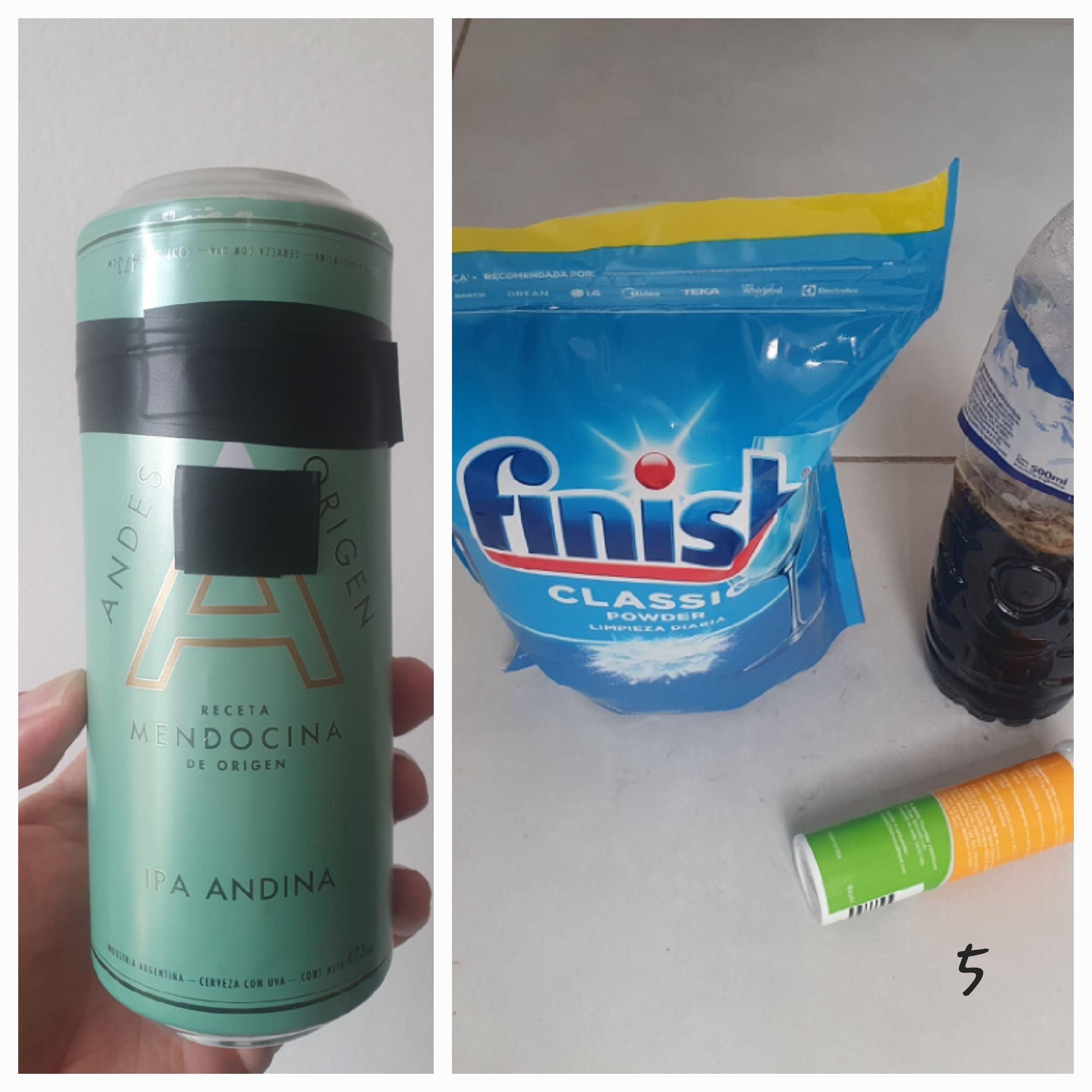
The redesigned beer can pinhole camera was made by drinking a couple of beers, then creating a tiny hole in one can using a needle pushed in only about a millimeter. A small piece of sandpaper from a local hardware store was used to smooth the underside of the pinhole and remove any burrs. The original pinhole camera was cut down the middle to form a black sheet, which was inserted into the new can, to create a dark interior and add extra stiffness. The inner top of the new can was cut away with small scissors to allow photographic paper to be inserted. A cap was crafted from the bottom of another can, with its inner side blackened using insulation tape, as was the far end of the pinhole can, applying the tape to the can by pushing it in with a stick. This ensured the inside was completely black. Two layers of black tape were placed over the outside of the pinhole to act as a shutter.
Having run out of homemade washing soda, I purchased some dishwashing machine power as the label said it was 70% Na2Co3 (washing soda). This was used with some coffee from the breakfast coffee urn (not good coffee by a long shot) and a vitamin C tablet. Some images were taken of sites in the town and developed as described previously.
Images

The first image I took using the redesigned can was of a gate across the road from where I was staying. The beer can pinhole camera was secured to a street pole using tape and the pinhole shutter tape removed for 40 seconds. The next image was of a wrecked boat in the harbor while the final one is of the most southerly roadmaster double decker bus.