Barstool Made of a Recycled Plywood Frame
by Pinnuks Silmas in Workshop > Woodworking
94 Views, 0 Favorites, 0 Comments
Barstool Made of a Recycled Plywood Frame
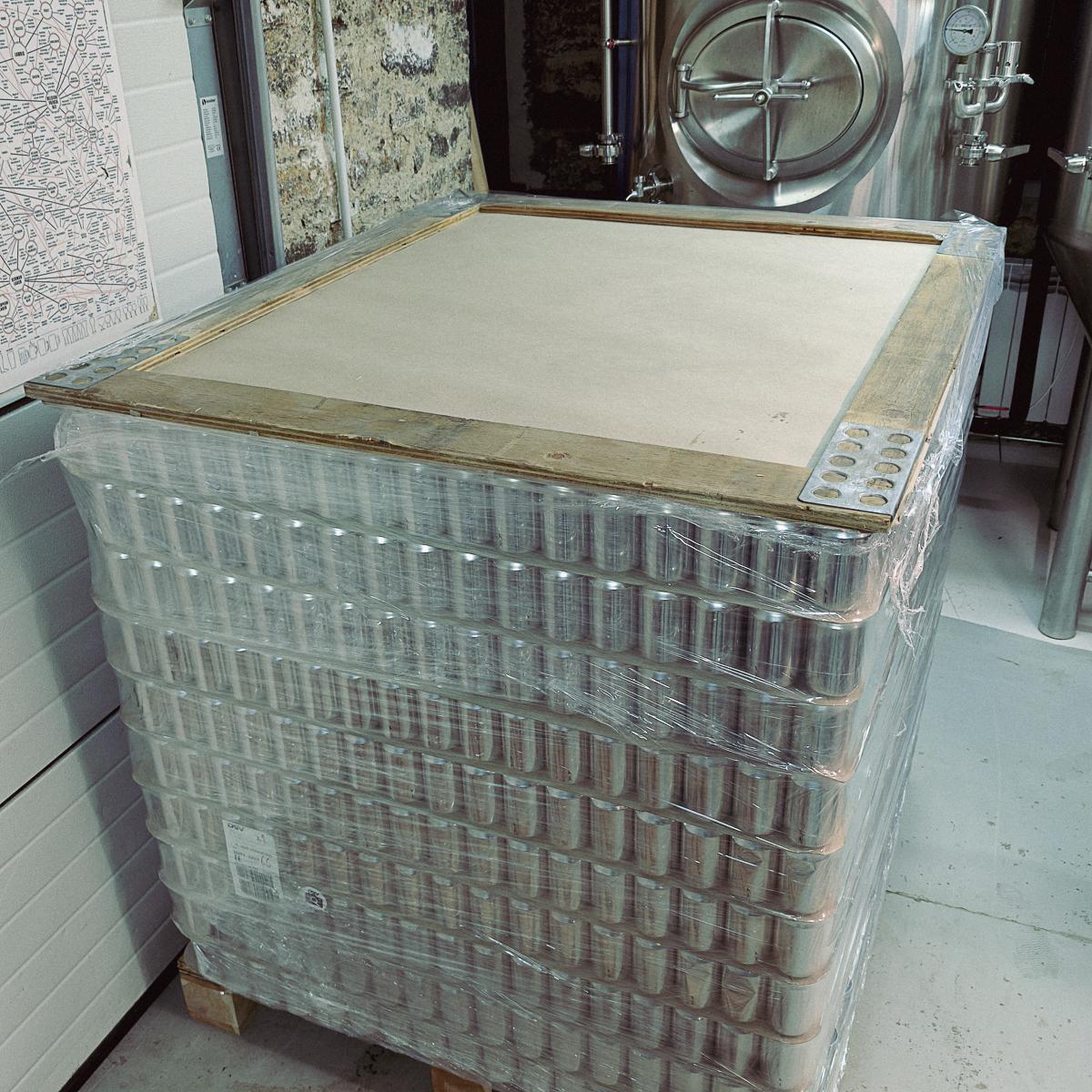

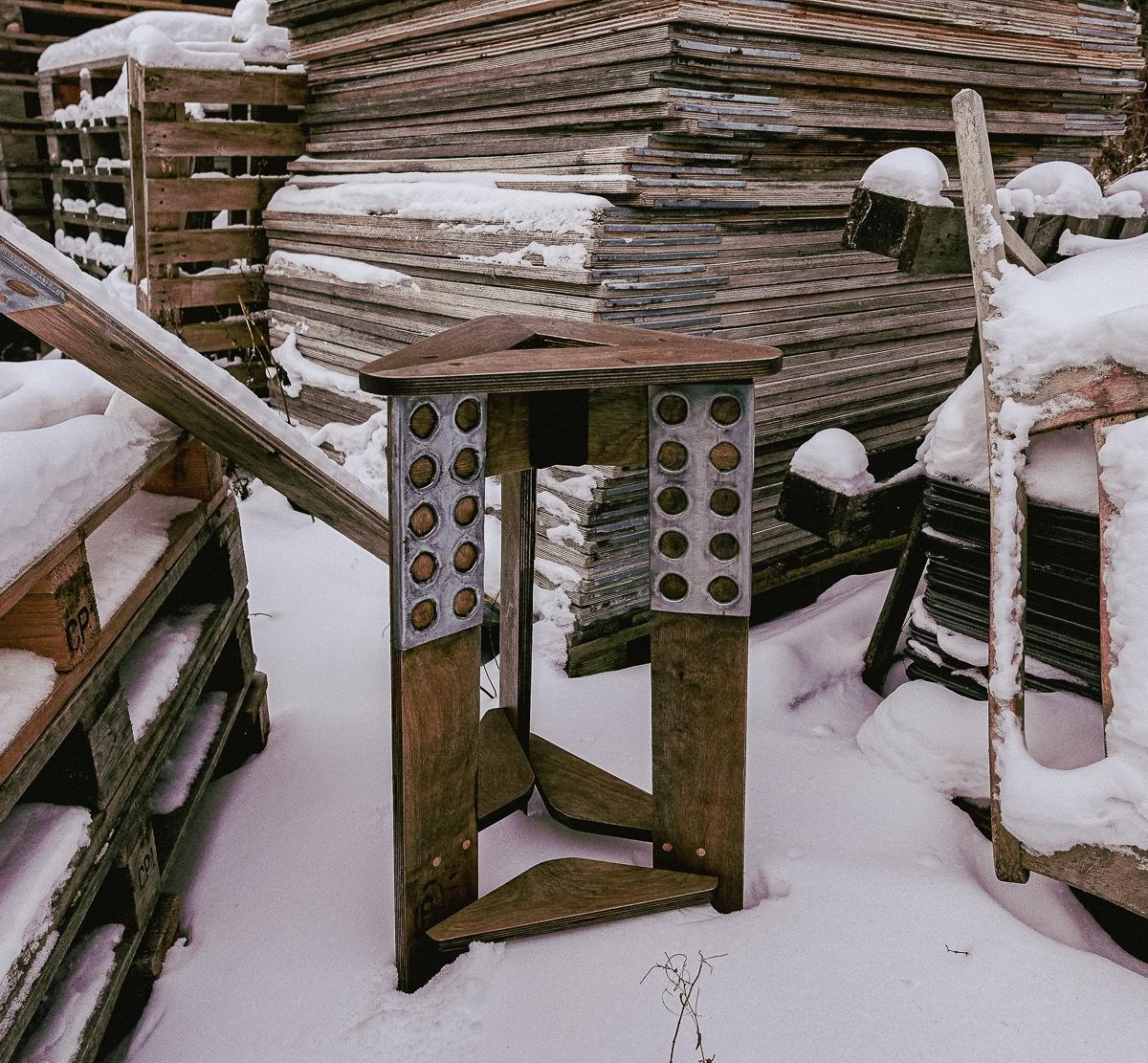
Aluminium cans used for soft drinks or beer are fragile, they are secured to the transport pallet with a plywood frame fastened with strapping. After the cans are integrated into the production process, a frame consisting of plywood strips joined together with nail plates remains. While larger manufacturers have the capacity to return these frames to circulation, small-scale producers often leave these resources sitting idle or dispose of them through incineration. The aim of this piece is to find a sustainable outlet for these frames by creating an aesthetic and functional bar stool that maximizes the use of existing materials. 1 Frame = 1 Barstool.
Supplies

- 1 Plywood frame with nail plates - your local small brewery probably has them lying around, go ask.
- Tablesaw/Handsaw
- 3D Printer
- Wood screws or wooden dowel pins with glue
- Clamps
- Random orbital sander
- Brass brush
- Oil paint with thinner for toning
- Hardwax oil for finishing
Cutting

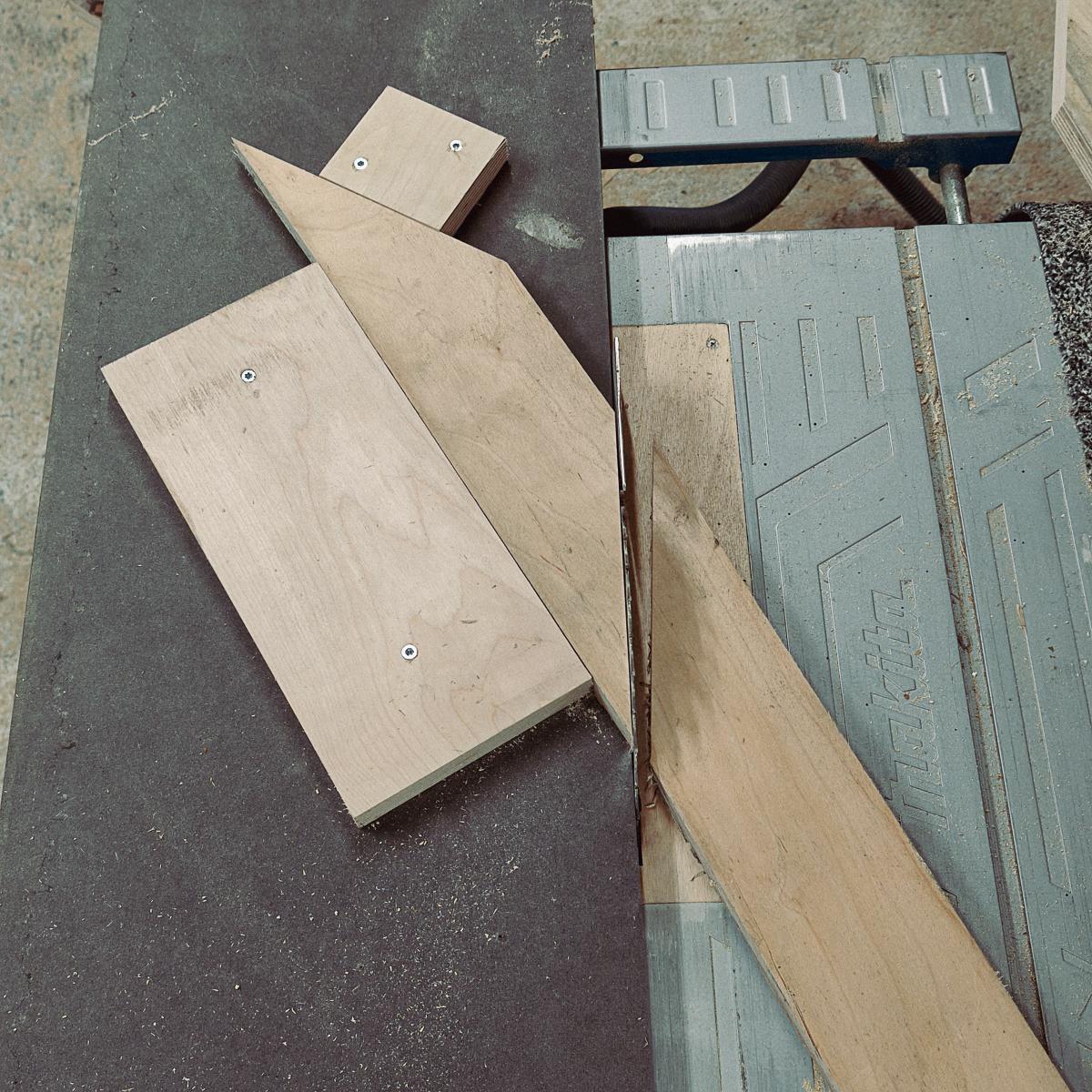

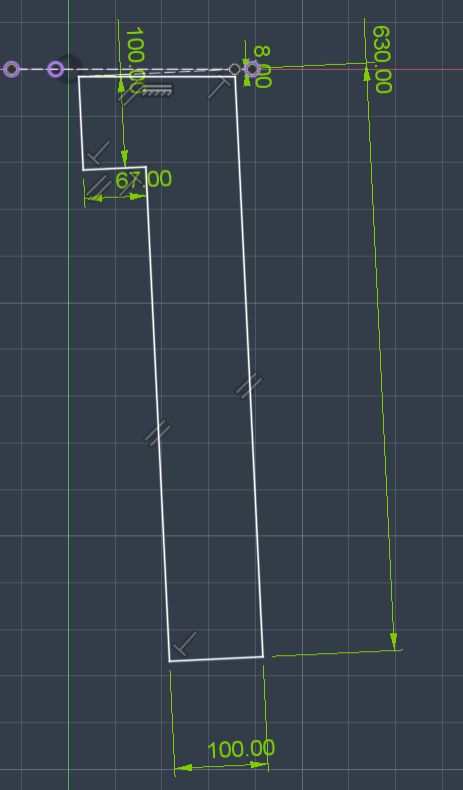
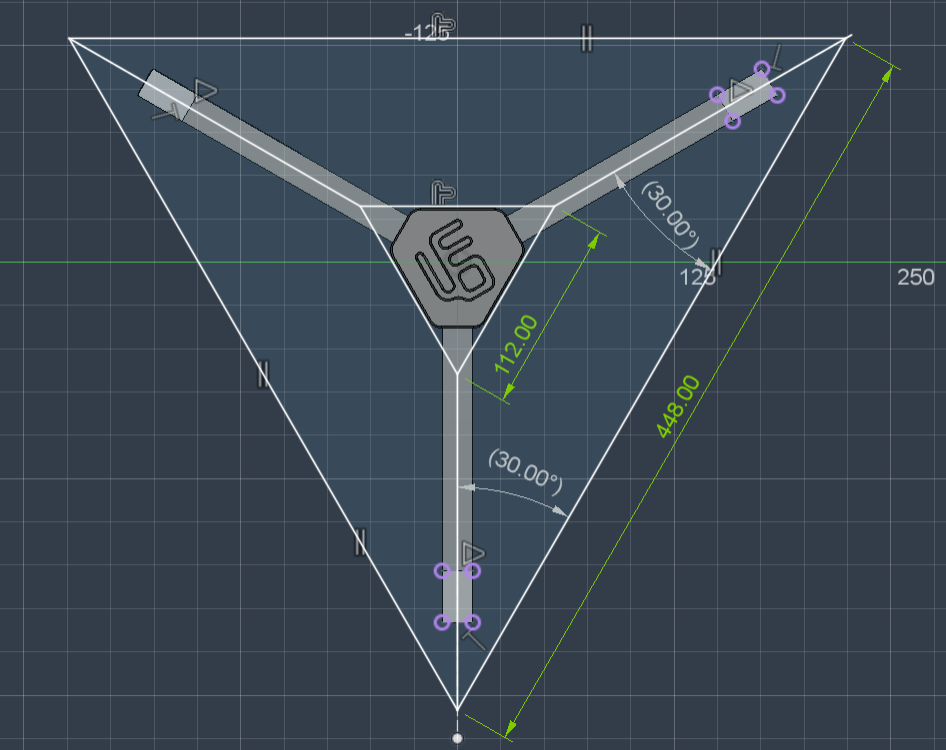
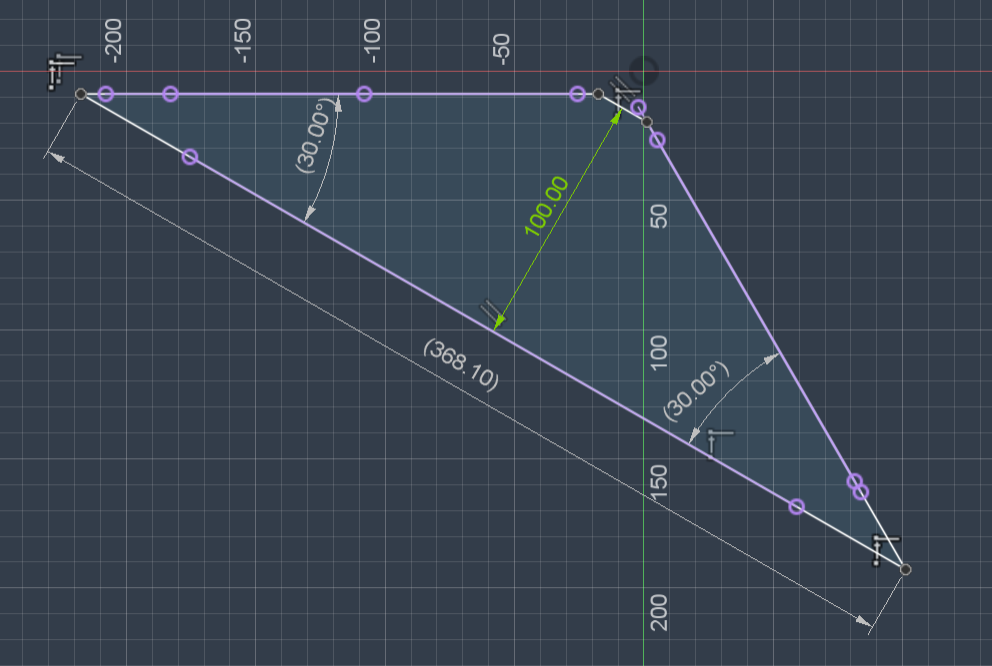
First you cut the frame apart using the saw you have at hand, resulting in three legs and leftover plywood strips. The remaining strips are used to cut rest of the components. I made a quick table saw jig for repeatable precise cuts. Main thing is that the sharp corner angle for the leg steps and seating needs to be 30 degrees, then all the parts will go together nicely. There are no hard measurements but I have included pictures for the measurements that I used. To give the chair better stability you have to cut 8mm off the chair leg outside top corner.
Gluing

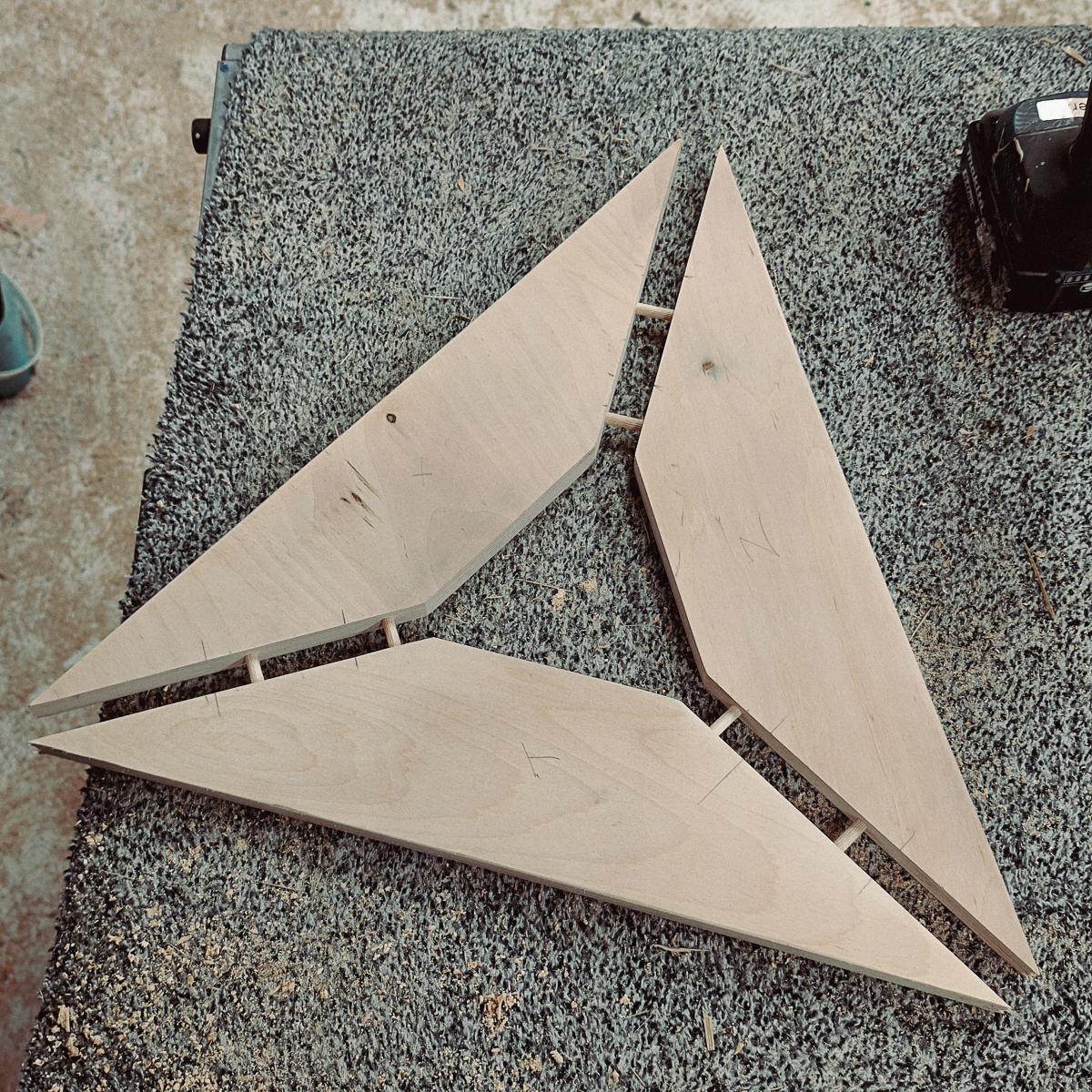
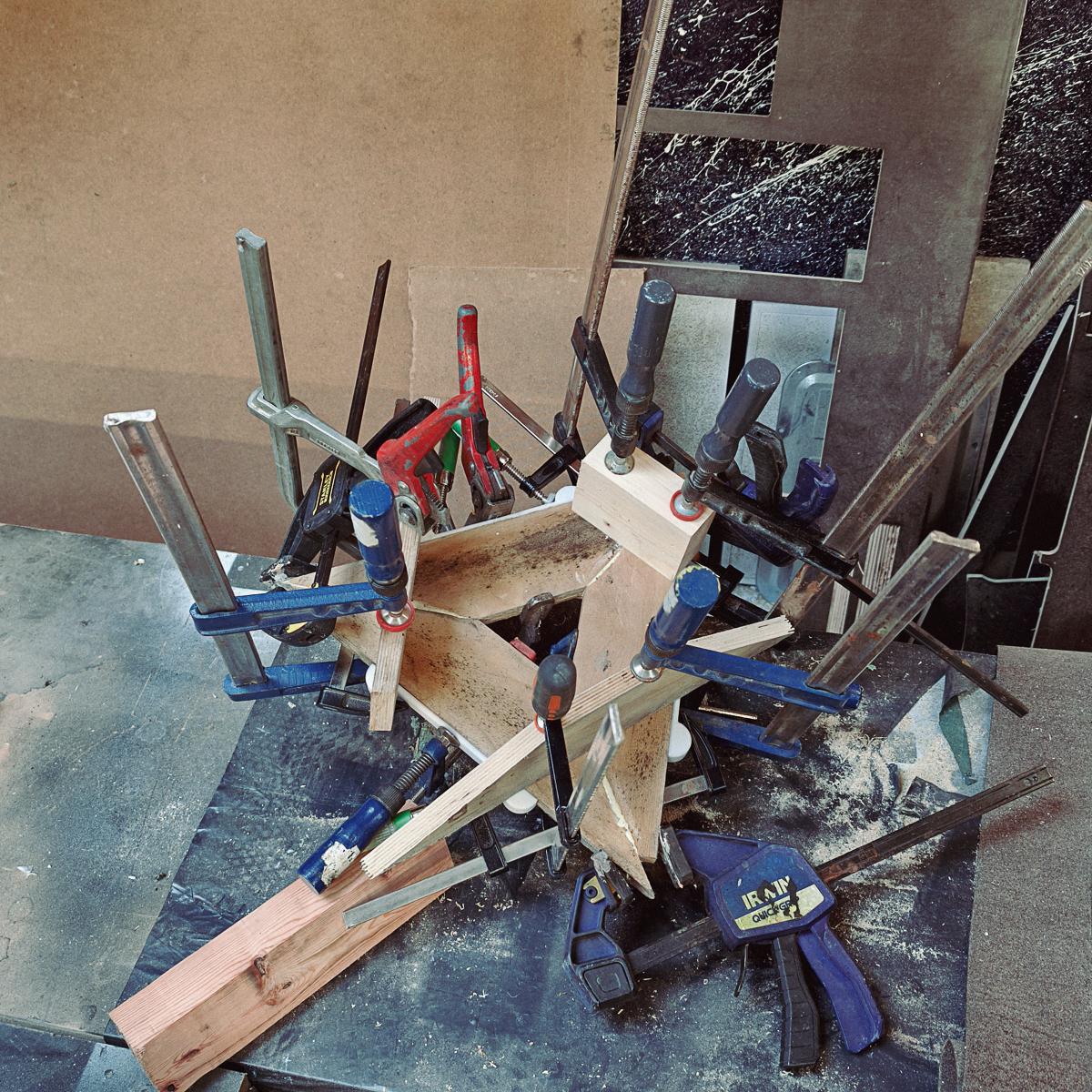
You could assemble the whole chair with screws(that's what I did with the prototype), but it will look ugly. So for the beautiful chair that you want to make, you should use dowels and glue. Drill holes for the dowels, apply glue and gently hammer the sitting base together and secure it with as many clamps as you have.
Sanding
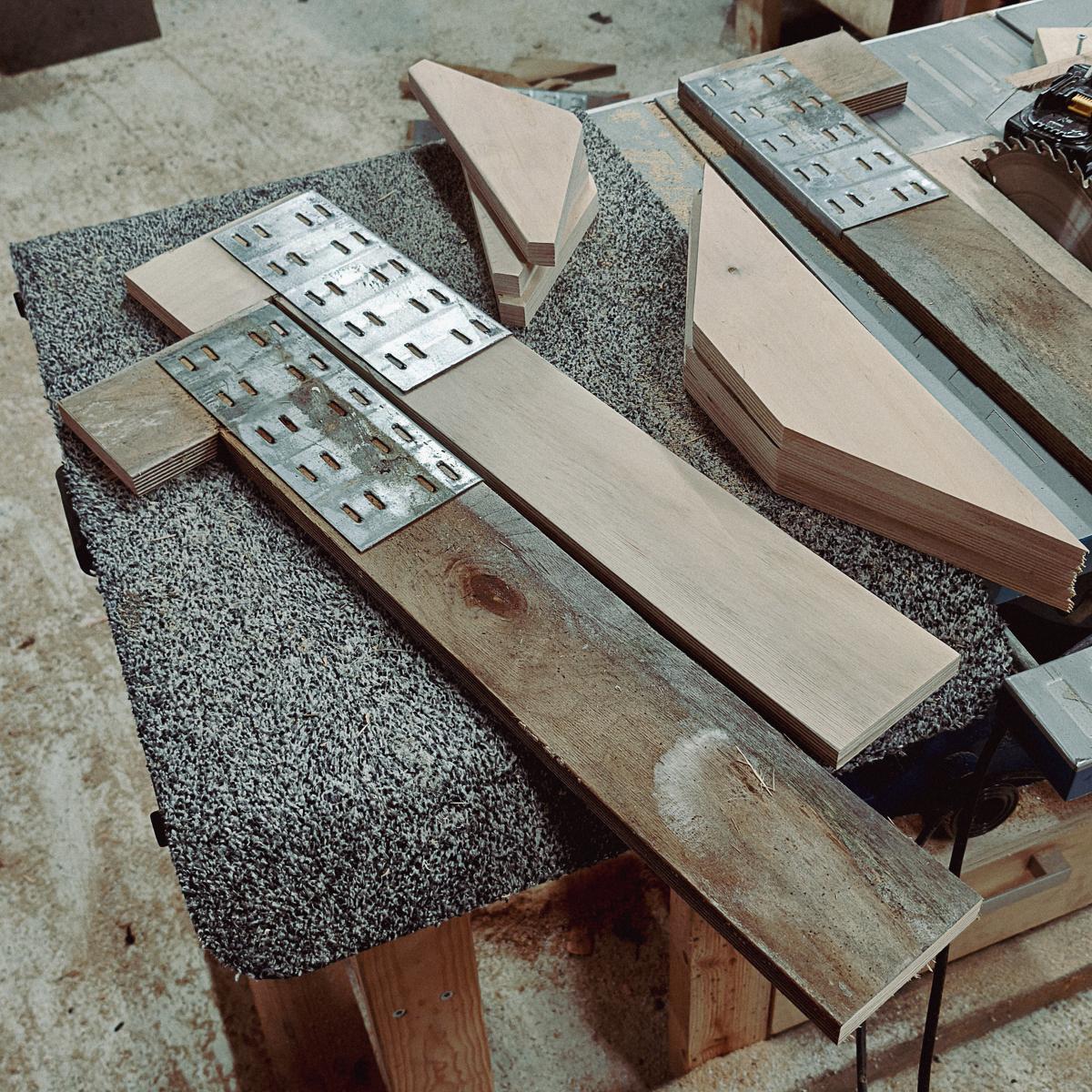
This step really depends of the condition the frame is in. If it has been stored indoors, it will need minimal sanding. In my case they have experienced rough weather conditions for long periods of time, so a lot more sanding is needed. I started with 120 grit and finished with 180 grit sandpaper, for the metal parts I used a brass brush. With the sander you give corners the desired fillet radius.
Toning

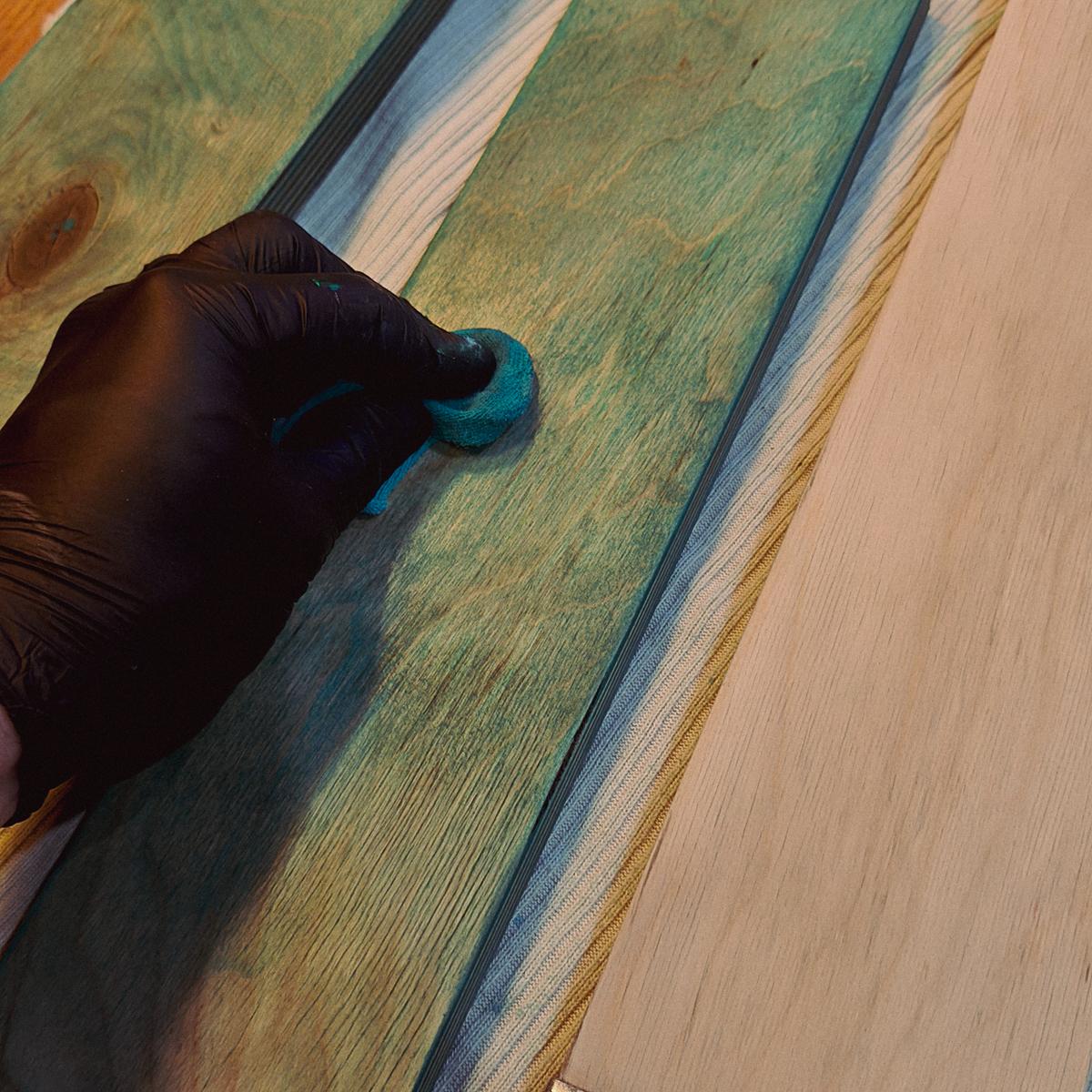

If you want natural wood, you can skip this step. I like experimenting so I took some regular oil paints and thinned them. After thorough mixing I rubbed the thinned oil paint into the plywood with an old cloth. Oil paints dry for a long time so take that into consideration.
Assembly and Finishing
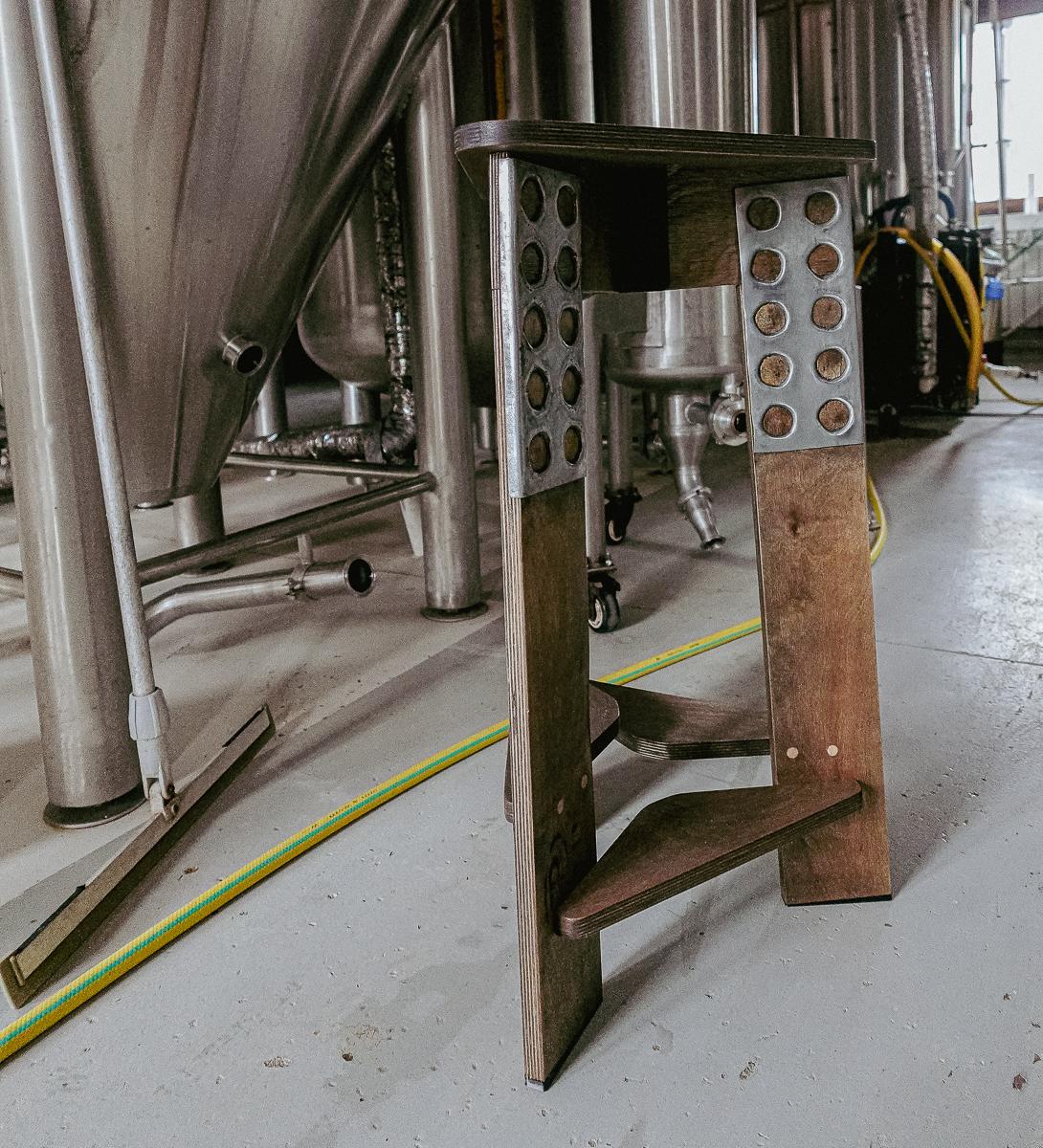
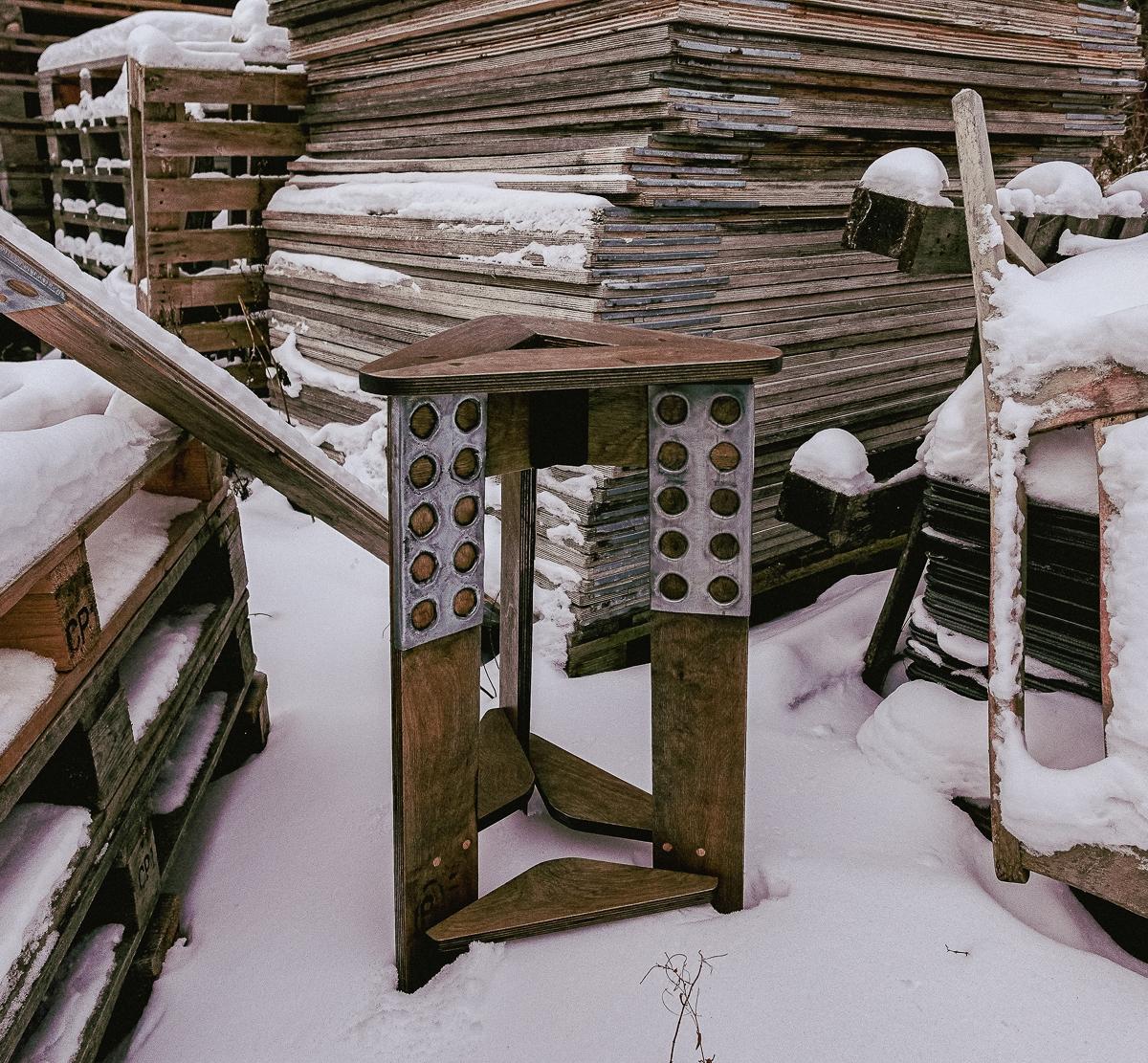
The central part of the stool features a 3D printed component that secures the legs at a precise angle for easier assembly. Additionally, a 3D-printed parts is attached to the bottom of each leg with screws, this improves the stool's stability and acts as an interface between the wood and the floor, protecting the material from moisture and wear. You have a choice for securing all of it together, depends on the aesthetics you are going for. My process looked like this. Place the legs into the 3D printed middle piece and and fasten them with short screws. Drill holes for dowels into the legs and and sitting base, glue them together, secure with clamps. Now that the structure is standing on it's own, find you desired height for the steps and fasten the steps with wood screws. I covered the screwheads with wooden plugs. When the glue has dried you can remove the clamps and finish the barstool with hardwax oil.