Almost Horsepower! Sun Scoop Tracking Solar Reflector to Steams Soil Improve Garden Production, and Dehydrates Fruit Too!
by gaiatechnician in Outside > Backyard
61 Views, 0 Favorites, 0 Comments
Almost Horsepower! Sun Scoop Tracking Solar Reflector to Steams Soil Improve Garden Production, and Dehydrates Fruit Too!
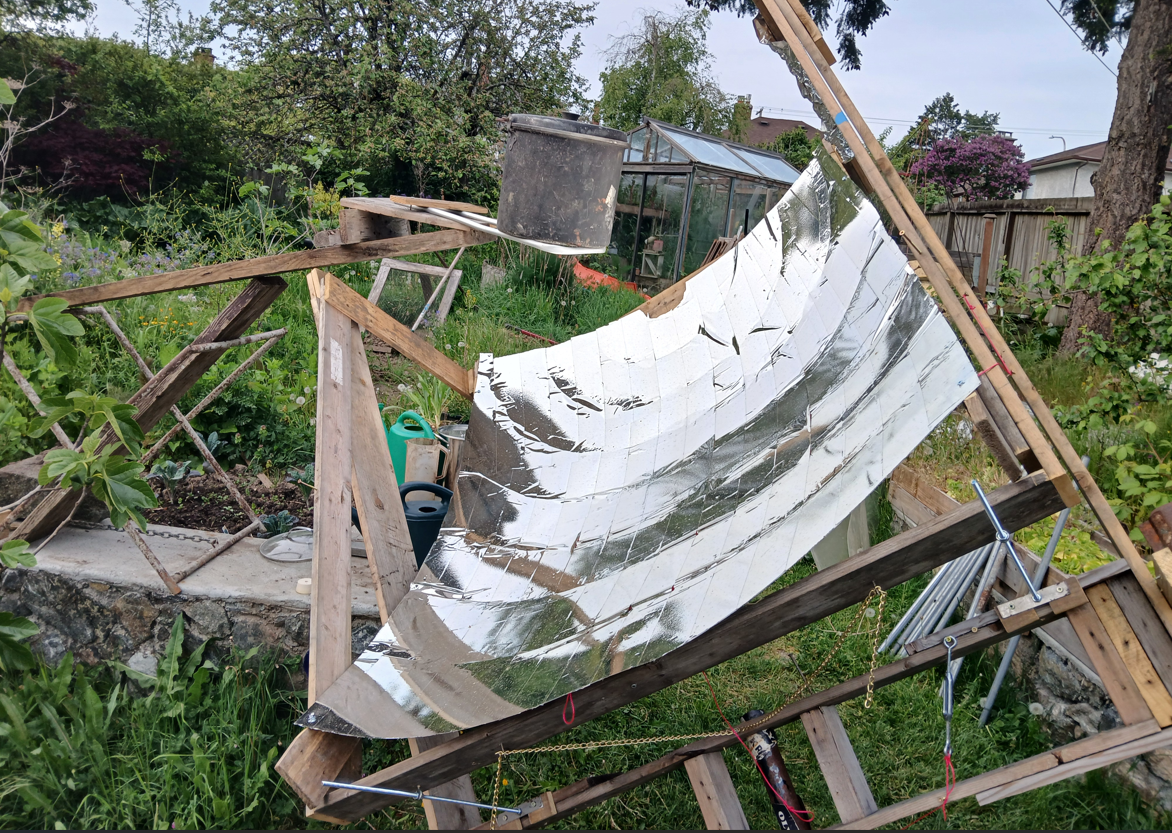
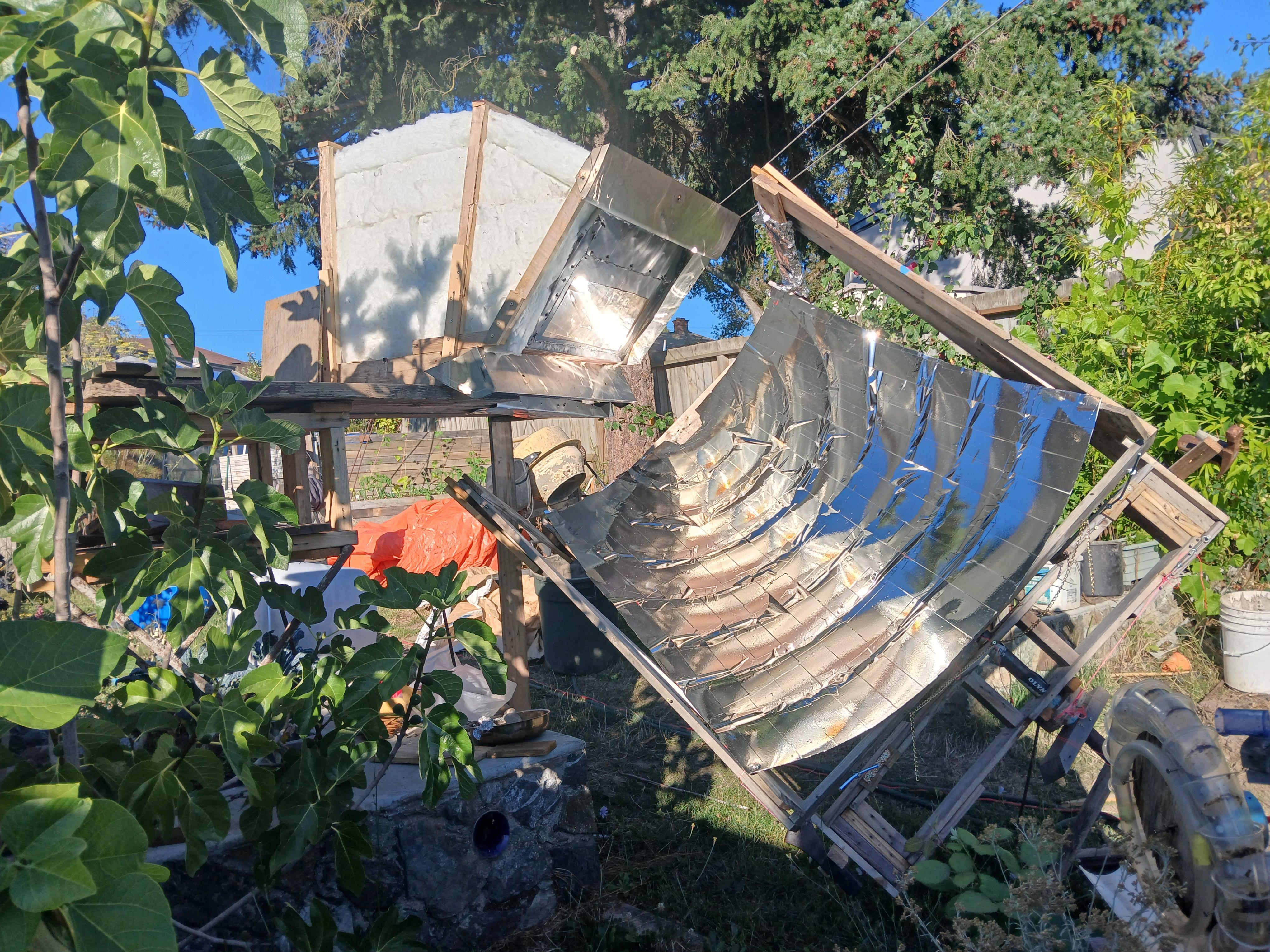
Solar concentrators are used generally as "solar cookers" But for the average person, that is poor use of the solar resource. The big issue is that this thing produces over 600 Watts of power for as long as the sun is shining! (10 Hours at my site!) What is the point of 1.5 hours of cooking? And then leaving it idle for the rest of the day? It is almost a horsepower! And it would be left idle for 7.5 hours a day. So, I found a new use! If you steam soil and compost and chopped up weeds and lawn mowings, you can steam them together and make a home made mulching and seed and potting soil. And it is really good! My 2024 test showed growth was 20% better than in ordinary soil. The sunscoop is vastly superior to my old solar concentrator, because it allows easier access to the cooking pot or dehydrating fruit. The old one was a full dish shape. With a full dish, there are problems in windy and blustery conditions. It acts like an umbrella! It blew off the the stand several times in September alone. This one is far more stable. Plus, it is a lot easier and safer to inspect material, especially when you dehydrate material. In this project, I reused the frame and timing mechanism from my previous solar cooking instructable from 2024
Supplies
saws, lumber abs sheet of plastic 4ft by 8 ft. Adhesive reflective material specially for solar cookers, Bearings.
Incremental But Very Large Production Improvements
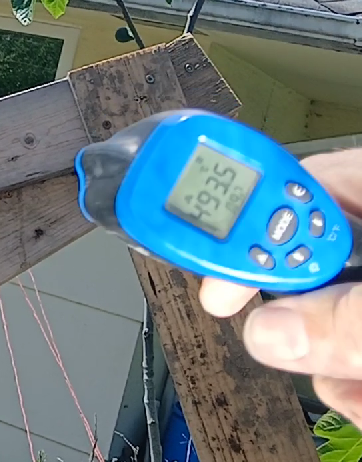
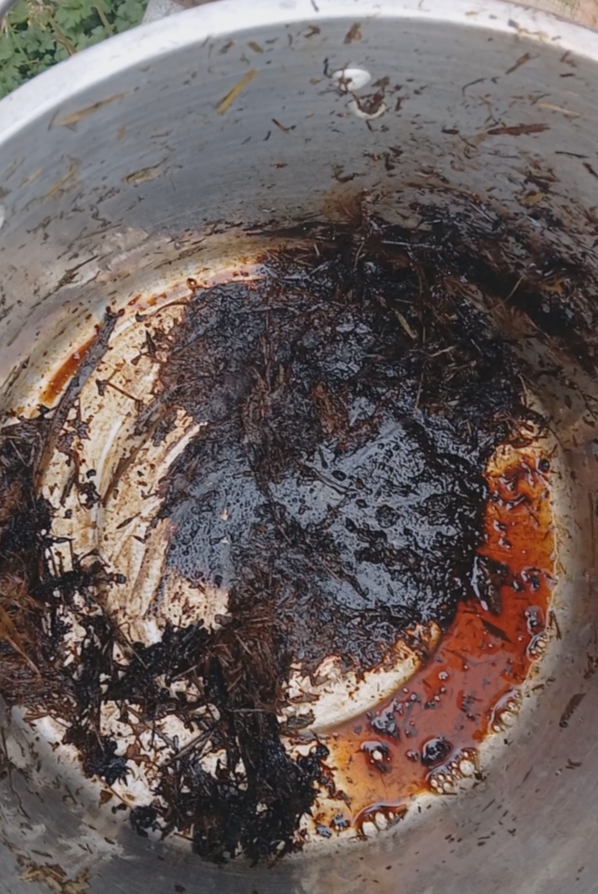
Improved solar reflector increases both the power and the ease of use. I steam 5 or 6 times more soil per day and it is done to a better standard. The biggest discovery was probably that the pot would steam far better if it had a water chamber at the bottom. With wet soil, there was boiling and splatter on the reflector to contend with, and the soil at the bottom would burn. Plus the thermometer showed crazy temperatures. (This meant that heat was radiating away a lot before it even got into the pot.) When I had about 2 liters of water in the chamber below, the temperature got to only 110 C on that thermometer and the water would boil up into the soil and steam it. I put an oven thermometer in the middle of the top of the pot, and when it got to about 95 C there, I deemed it cooked. Then I would remove the pot, take out the soil, top up the water, and add the next batch of soil to the pot. This process took about 5 minutes. It was better using the same pot rather than swapping pots. (because there was still a half to 1 liter of water in the bottom of the pot). I usually did 4 batches on a sunny day. 40 to 45 liters of soil. One issue is that the soil heats up quickly round the sides but it takes a long time to heat up to the middle in the top of the pot. We could have a smaller pot but that might miss some of the suns rays, and it would mean changing the pot more often. Every 2 to 2.5 hours was the norm with this one. I think automated soil steaming is the way to go! I have a Sun Scoop Playlist on youtube at https://www.youtube.com/watch?v=UC54r_g2fCk&list=PLkzXlmAwZTZdyYP35Jj9Vg5bz-n2-_QnW and some of the videos show the planters which have the steamed soil in them.
Dehydrating Food
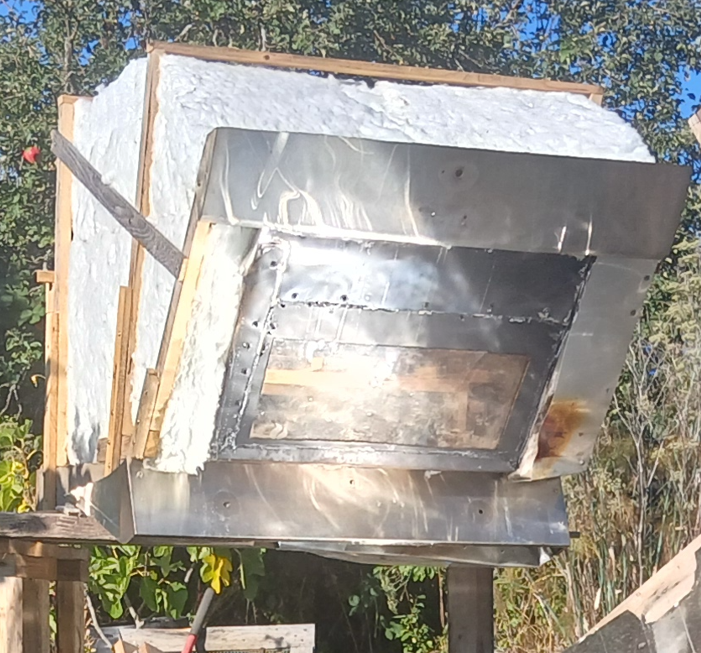
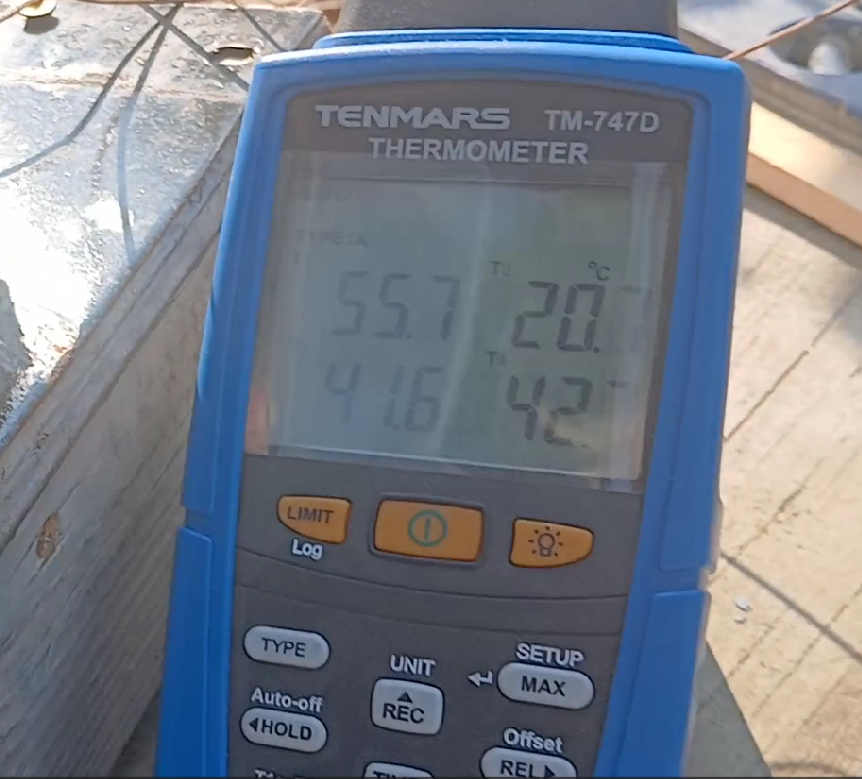
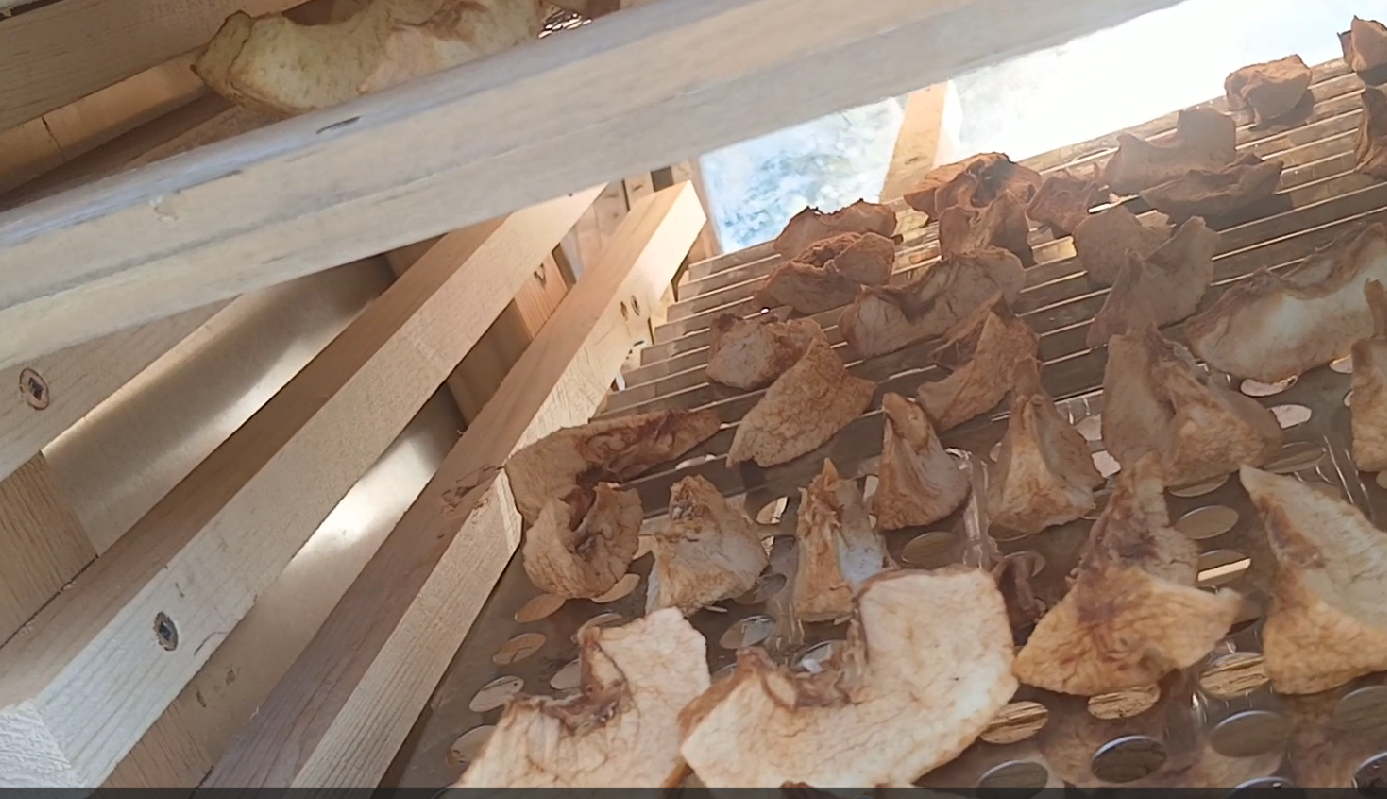
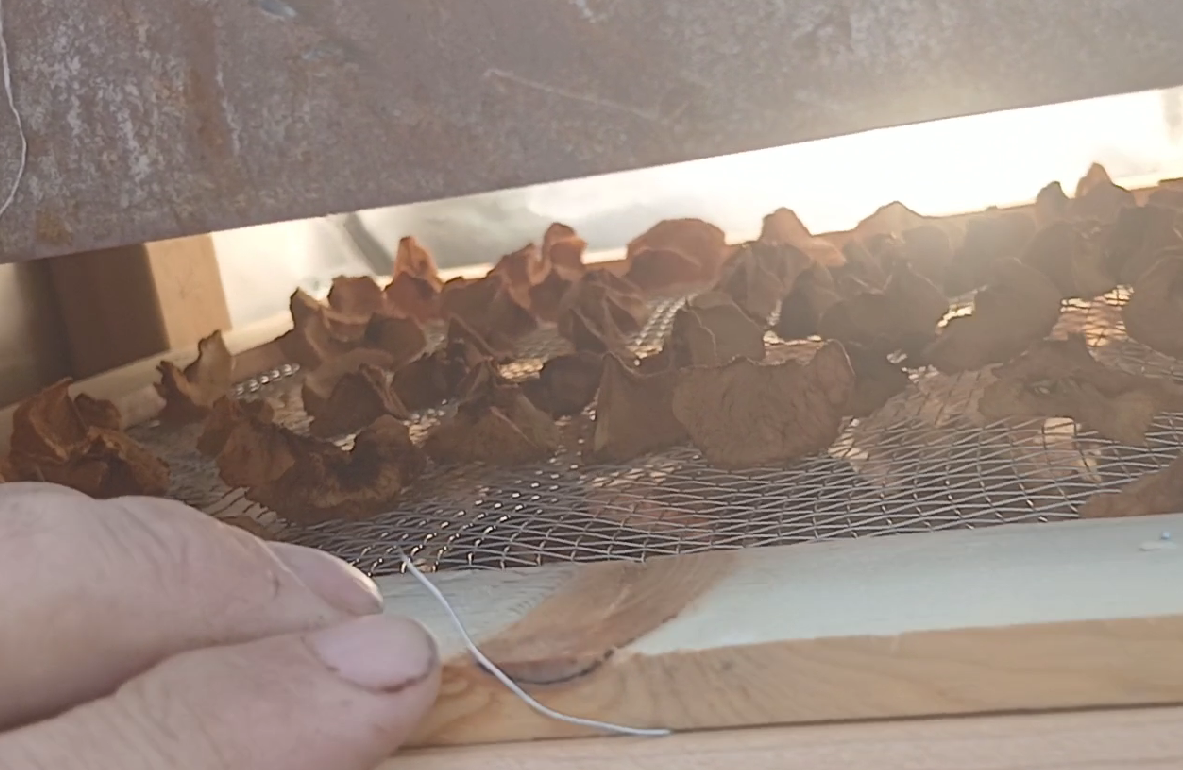
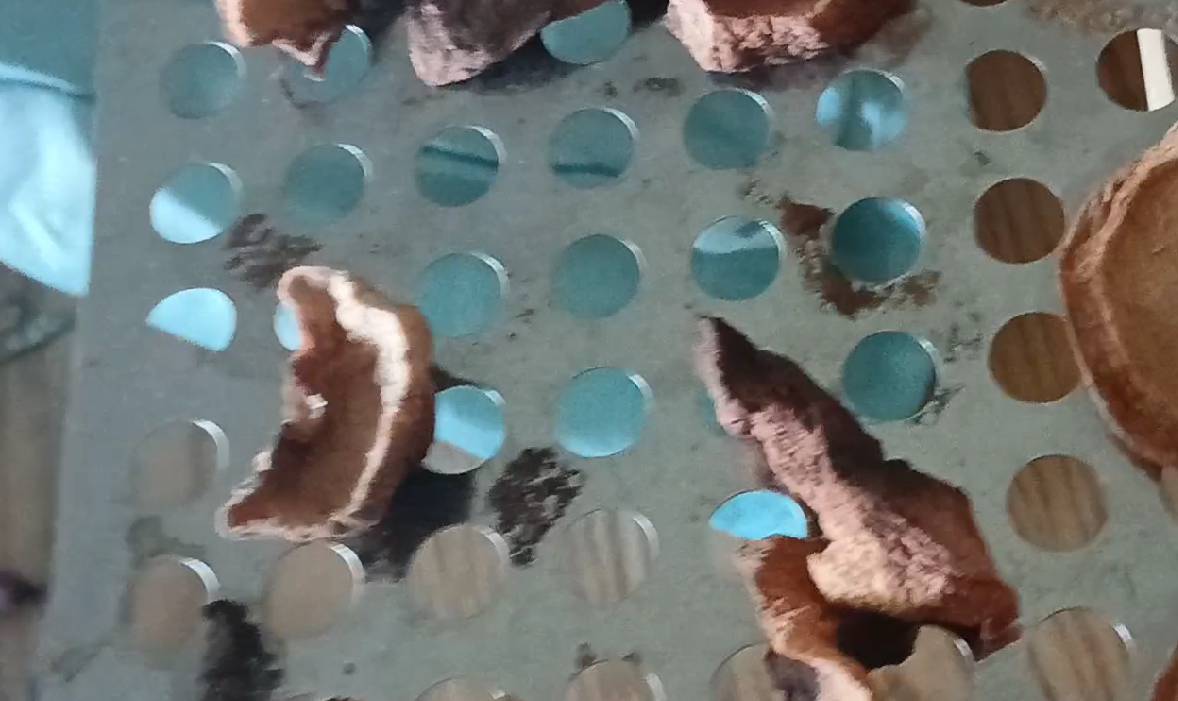
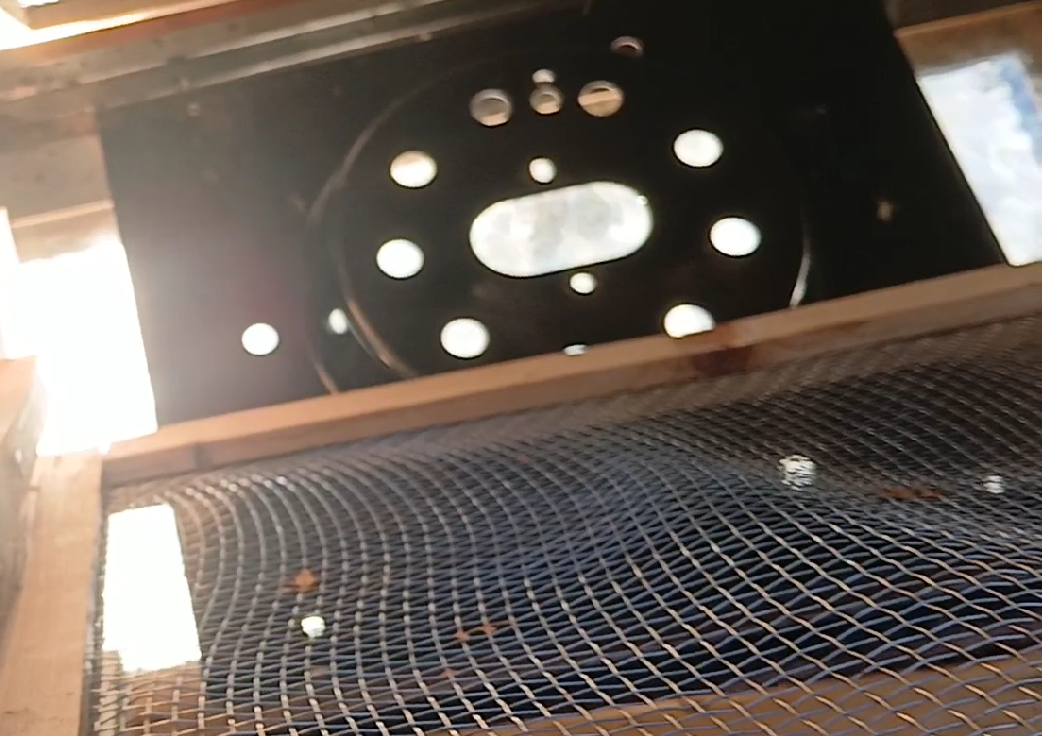
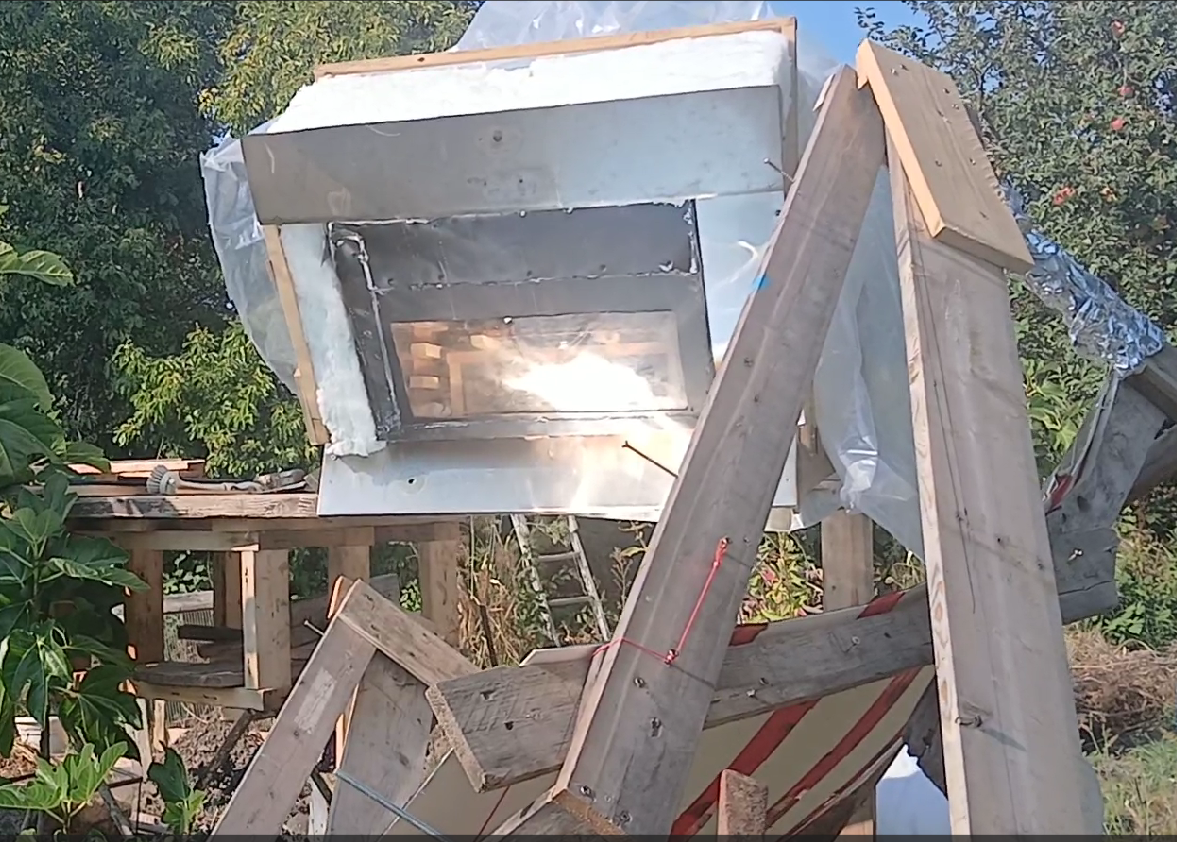
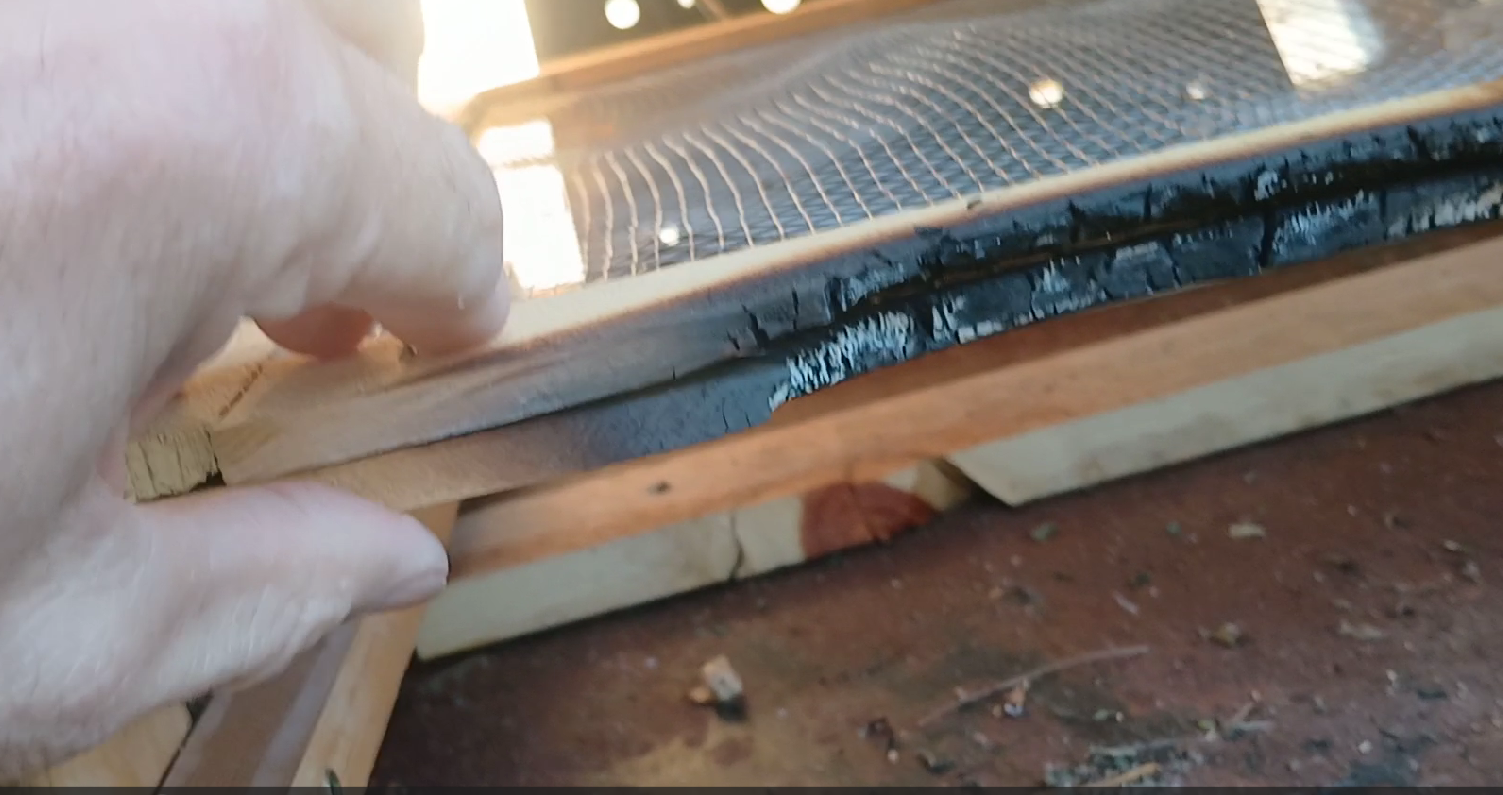
It is now a solar dehydrator too. But it needs some work due to temperature differences along the way. I made some mistakes with the dehydrator. In the pictures it doesn't have a cover so I could still adjust the design. It has a big glass window that came from an old fireplace insert. A problem at first was that light came straight in and could burn the food. I put some black metal as a light blocker and later I sprayed a cookie sheet black to make a better barrier. The thermometer has 4 leads. 1 is outside temp and 3 others give inside temperatures. I could leave apples in for a surprising long time if it was cloudy and they didn't go off. A good thing is that you can have big chunks and they dried up fine. In the dehydrating season, I didn't have time to improve the dehydrator design. I wanted to put a fan in, but it gets very hot and damp in there, so I ended up ordering a motor with a very long shaft and a separate fan blade set, and a thermostat. I will install these in the system next year.
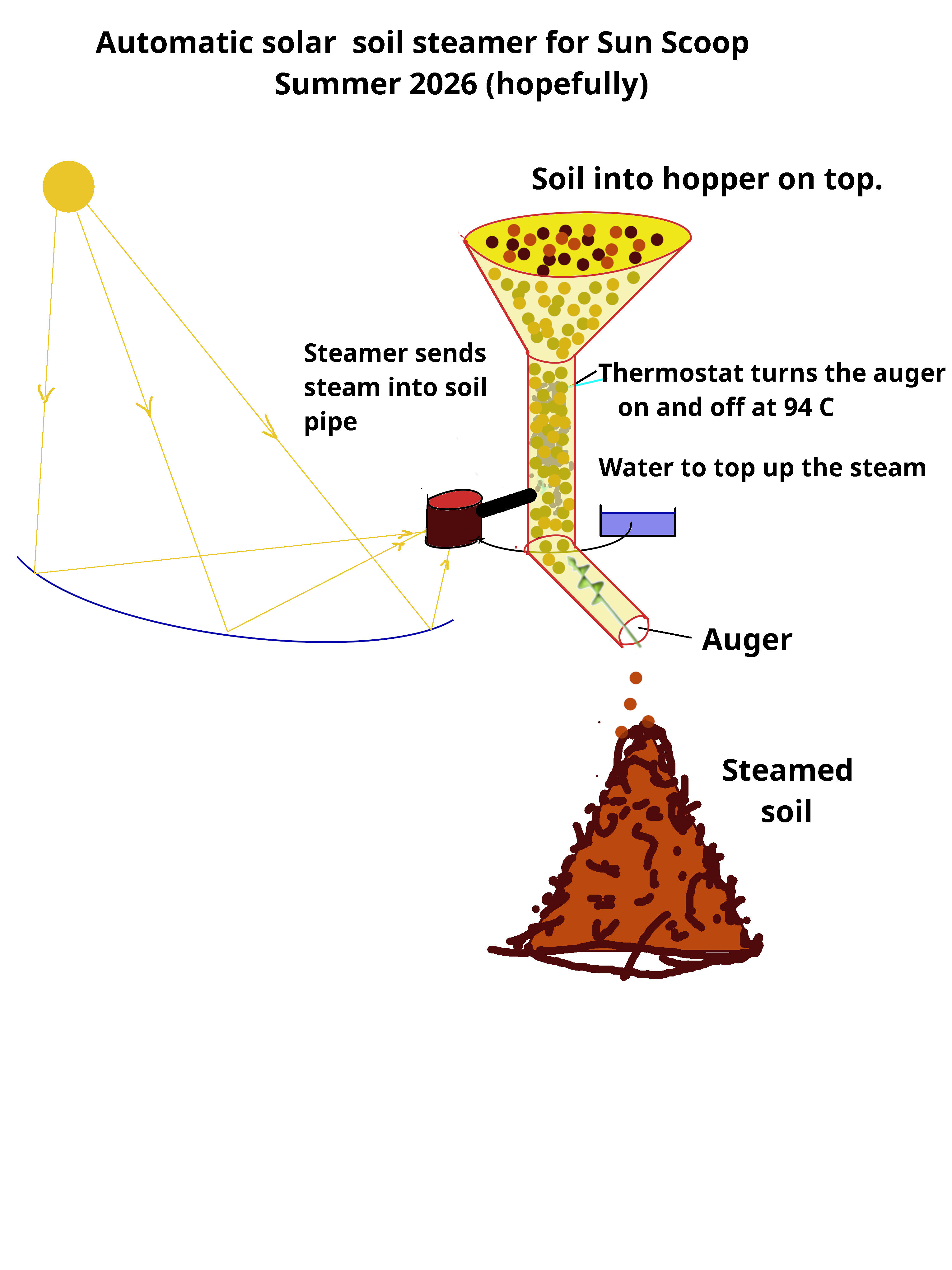
Automatic Backyard Soil Steamer! Coming Summer 2026!
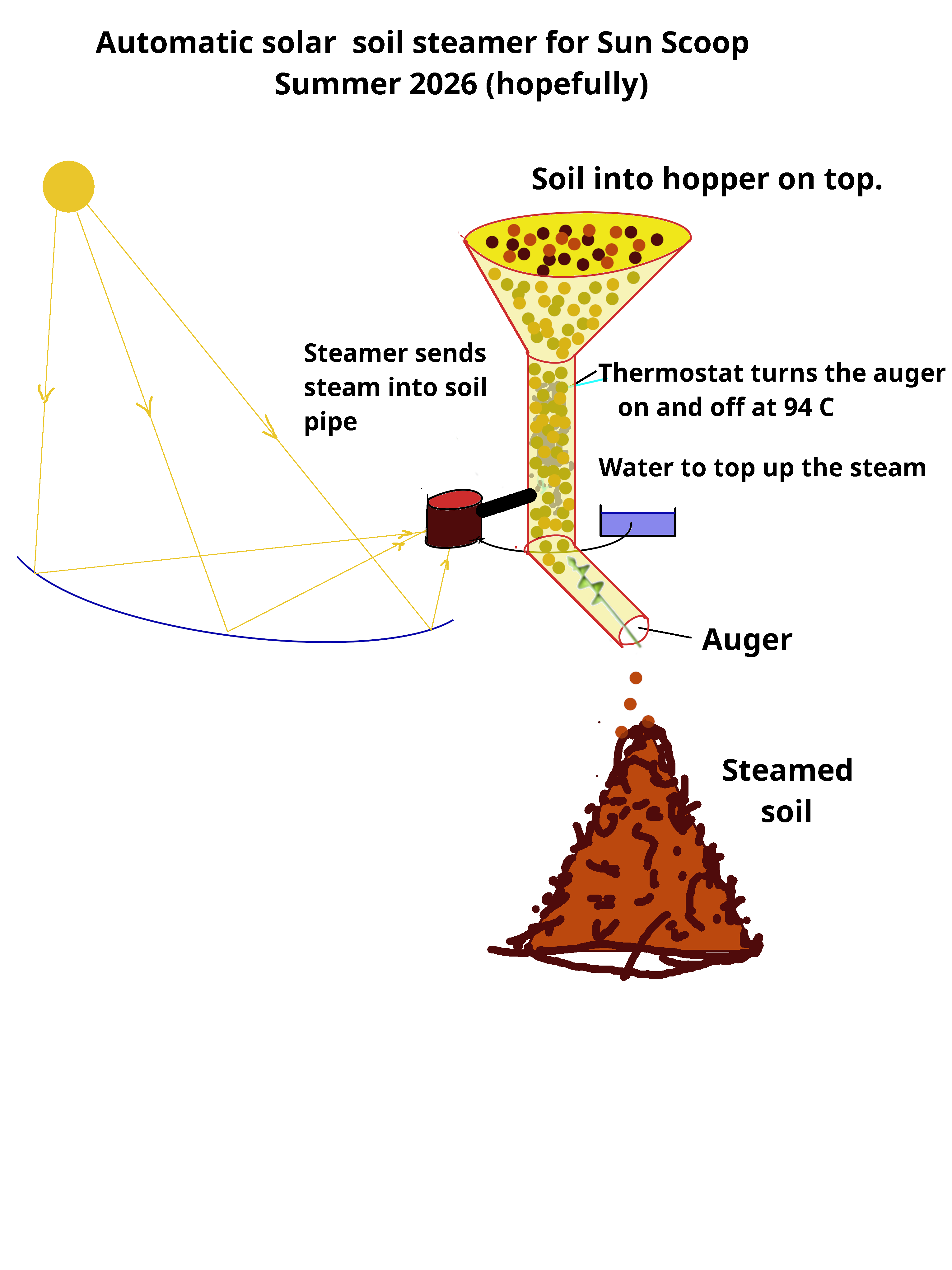
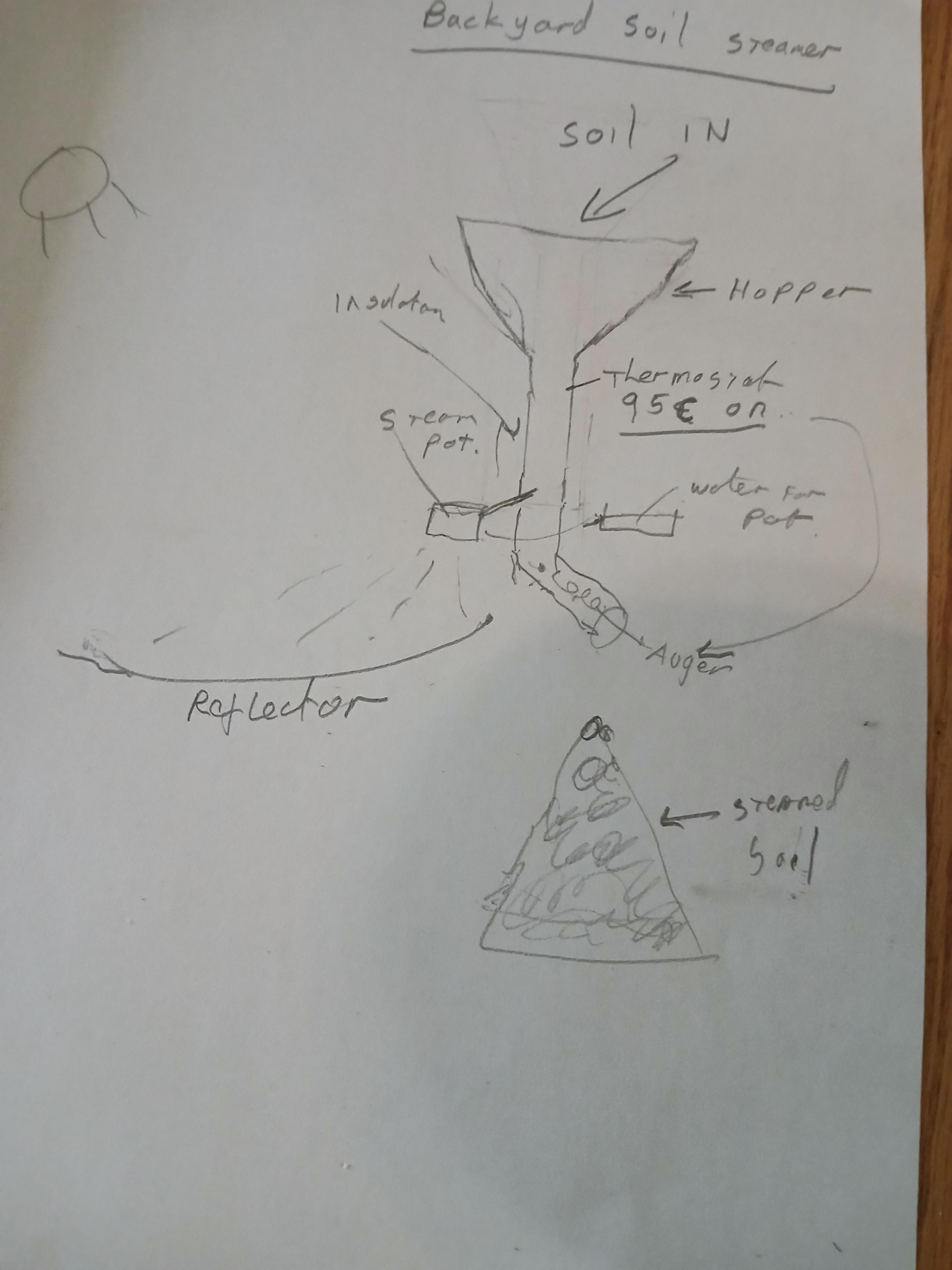
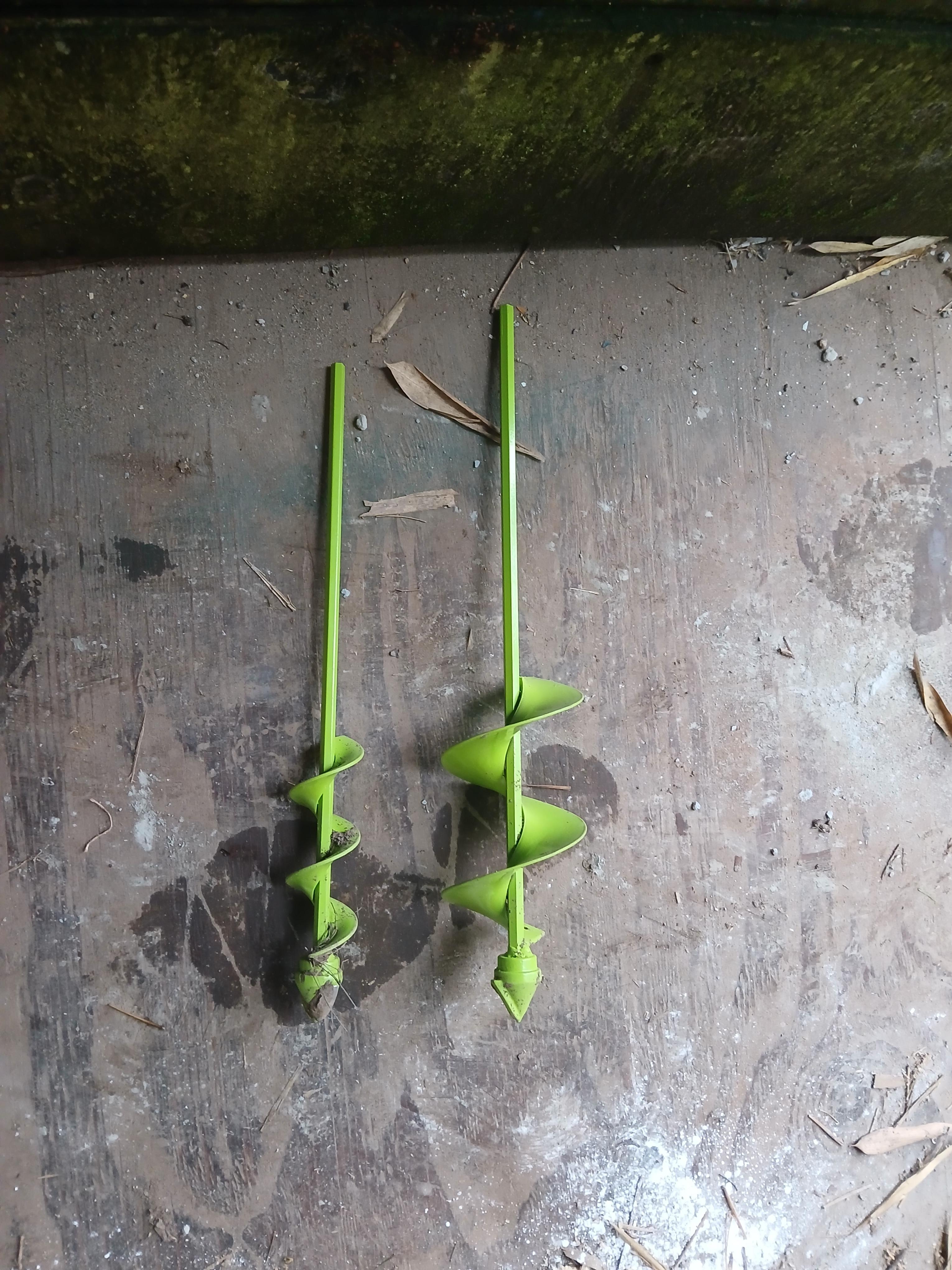
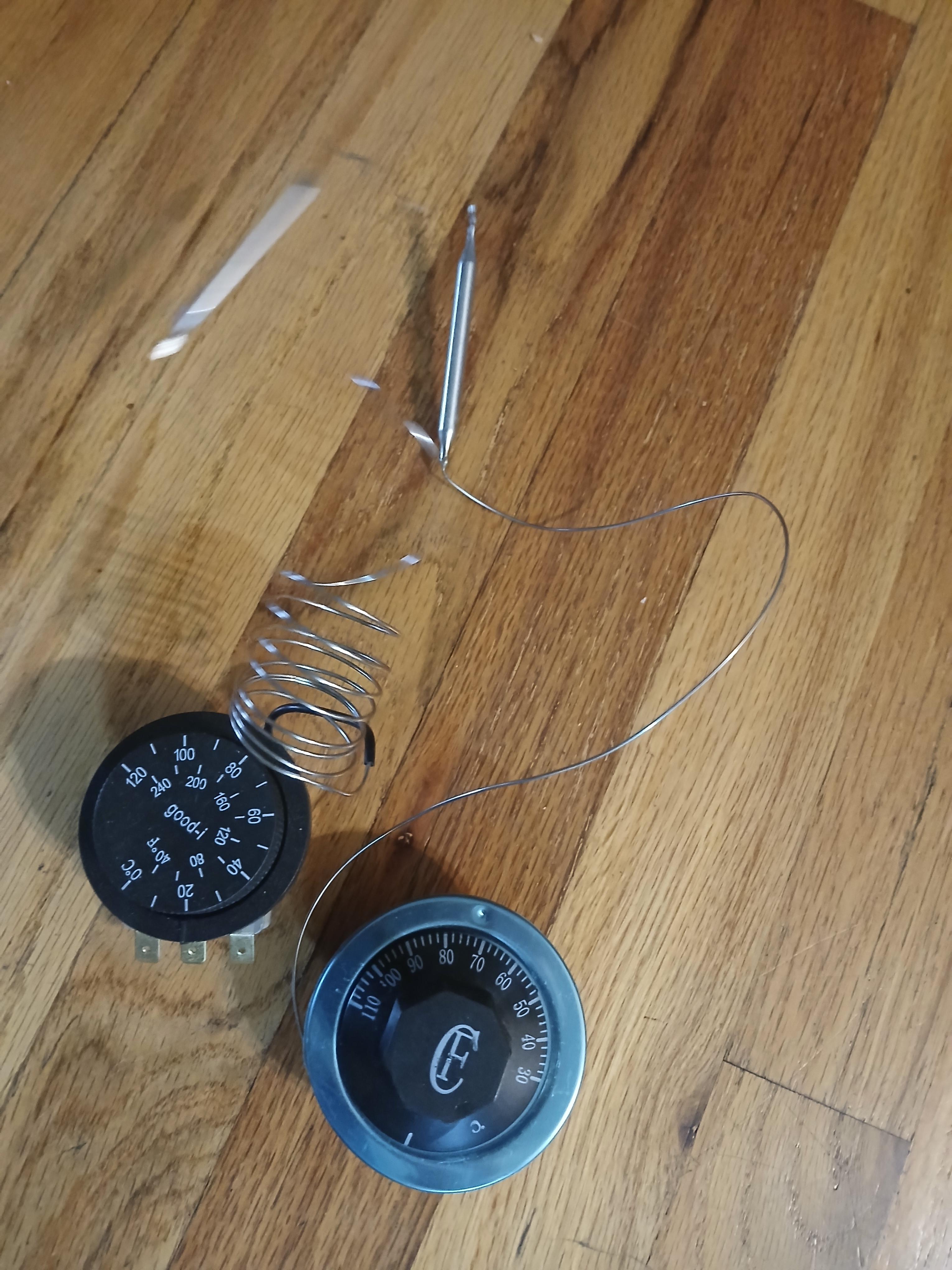
The part dish was a massive improvement because now the target is independent of the rotating dish. Because it is independent and stationary, I can now make an automatic soil steamer! This will consist of a hopper of soil, a tube that the soil travels down to reach the steamer, and an auger to remove soil when it is steamed. A thermostat will turn the auger on and off! I will have water in a container that will feed the steam producing "kettle" as it is needed! I probably need 3 inch or 4 inch diameter aluminum tube for the soil tube coming down. I will insulate it and probably I will use fiberglass batts or rock wool to do that.
Future Improvements to the Dehydrator Summer 2026
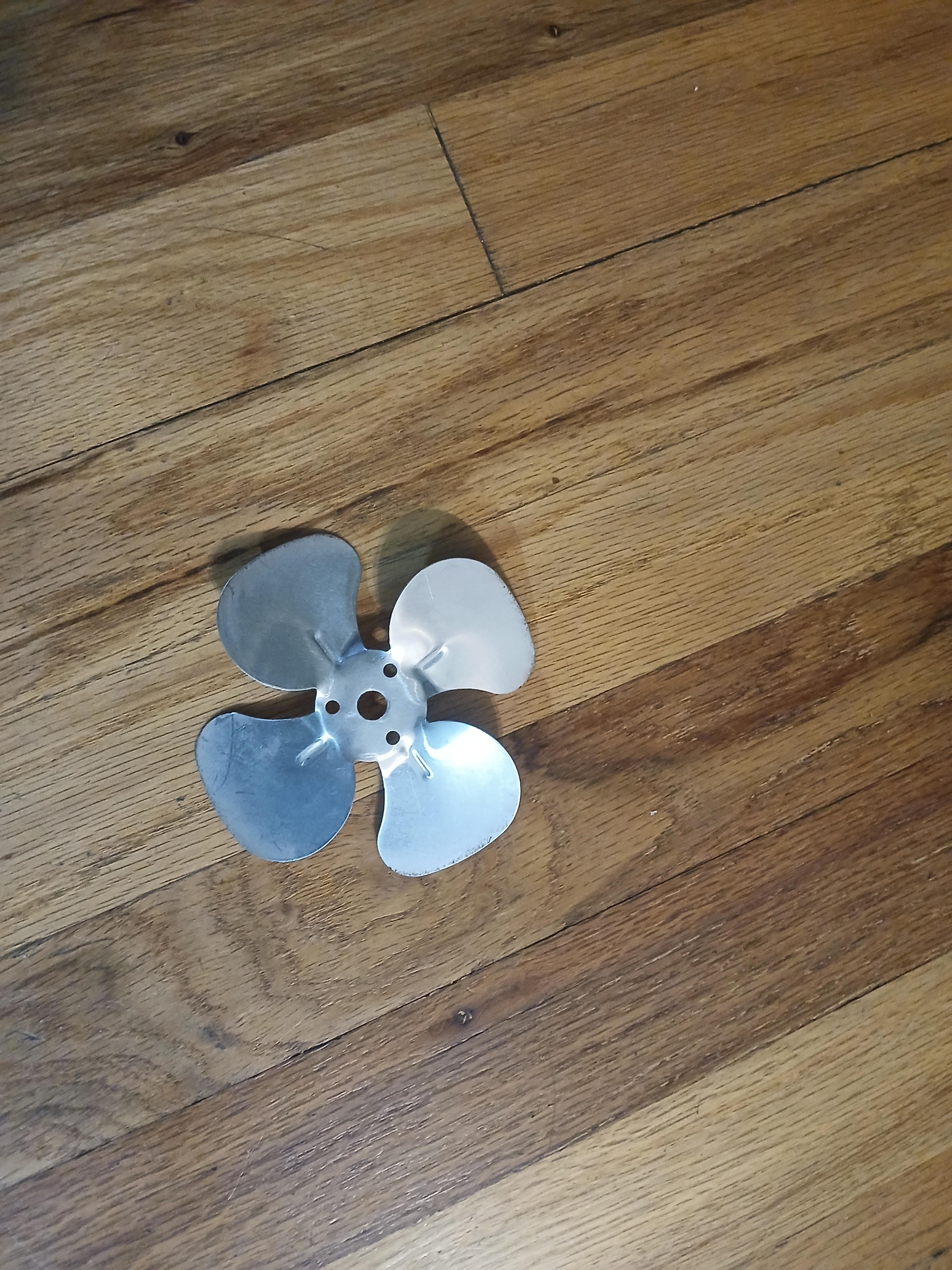
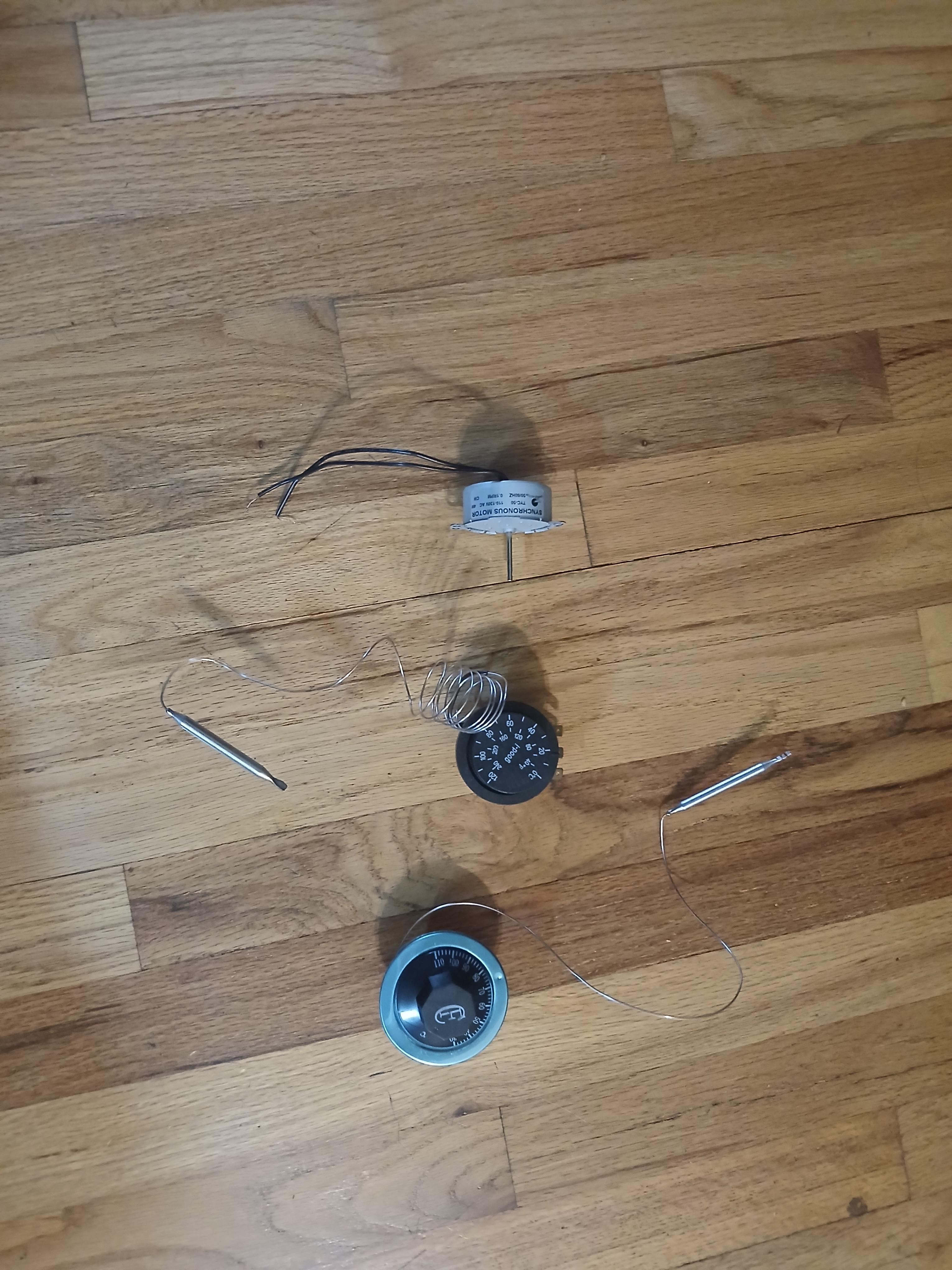
This dehydrator is very different from a typical solar dehydrator! Those passive solar dehydrators are probably only good for 4 or 5 hours of high power dehydration in a day, while this is good for 10 hours at pretty much high power. It is more like a high powered home dehydrator! So it needs a fan. and at least 1 thermostat to control the fan. The dehydrator has 3.5 inches of fiberglass batts round it as insulation and it can get to up to 70 C inside pretty easily so the motor for the fan needs to have a long shaft. I couldn't find anything like that online. So the pictures show some of what I have. I have a couple of 12 volt motors and a metal fan piece that I took from a broken usb fan. I have to put them together with the motor outside and the fan inside the dehydrator. It's a bit more work than I wanted to do but it might be ok.
Soil Steaming Is Good! for Real.
When I first started soil steaming, I got a lot of pushback. People HATE it because it kills the soil microbiota. Isn't it worth it if you get 10% or 15% or 20% more production, (without adding any fertilizer or pesticides).
Isn't it worth it to make your own potting mix in your backyard rather than transporting it 20 or 30 km?
Isn't it worth it to develop a whole new sector of the economy?
Isn't it worth it to have this local infrastructure in case of natural disasters?
Here are the benefits of soil steaming on Wikipedia https://en.wikipedia.org/wiki/Soil_steam_sterilization
From Wikipedia: "Modern soil steam sterilization was first developed in 1888 in Germany. It was first commercially used in the United States in 1893" , So soil steaming has a long history but nobody is doing it with solar heat. If people do it with solar heat, it becomes hugely environmentally friendly! Especially in back gardens, and in allotment gardens. AND it's use can expand. I use it to sterilize diseased plant material. And it goes straight back on the garden the next day!
I Forgot MUSHROOMS
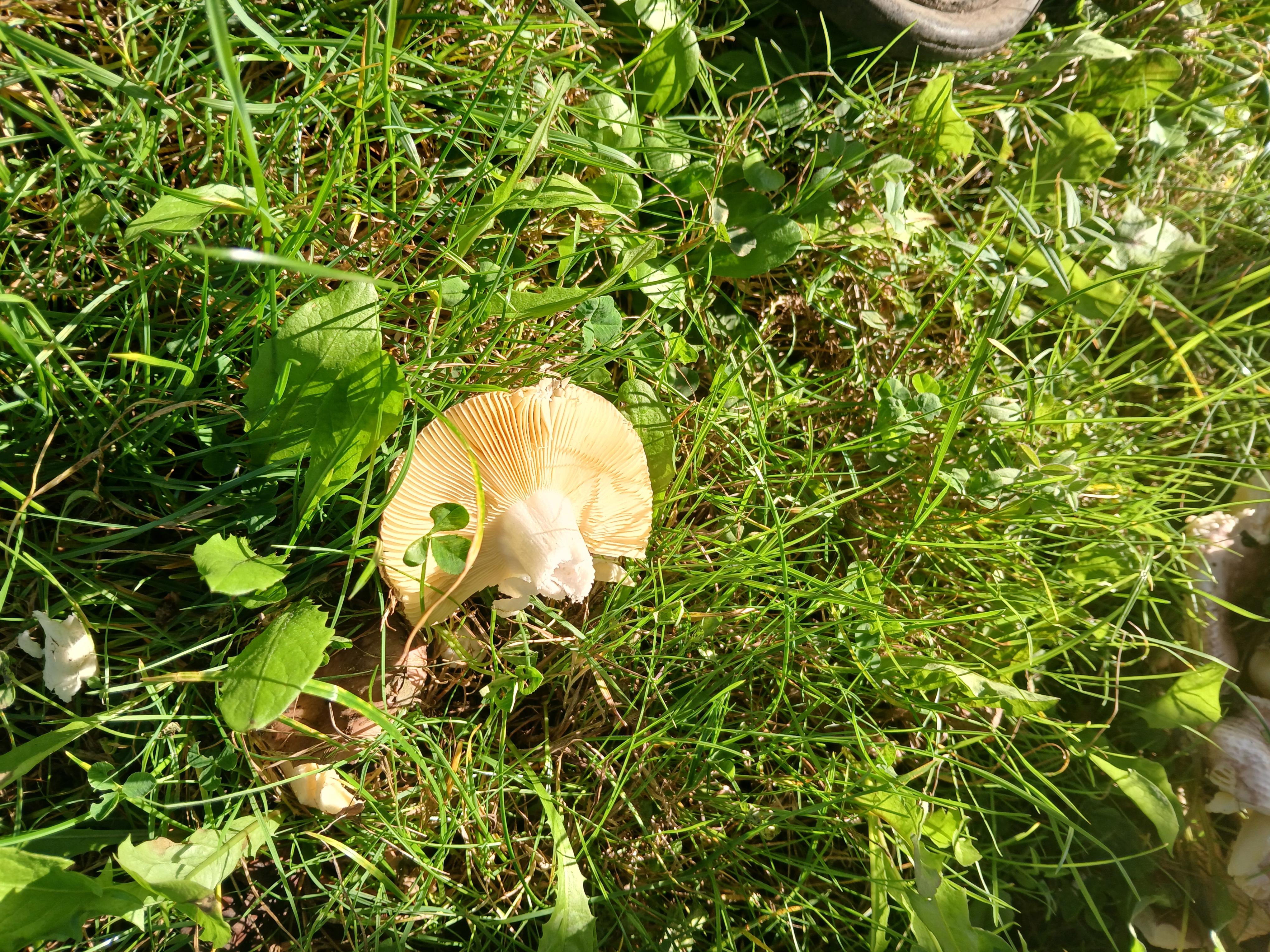
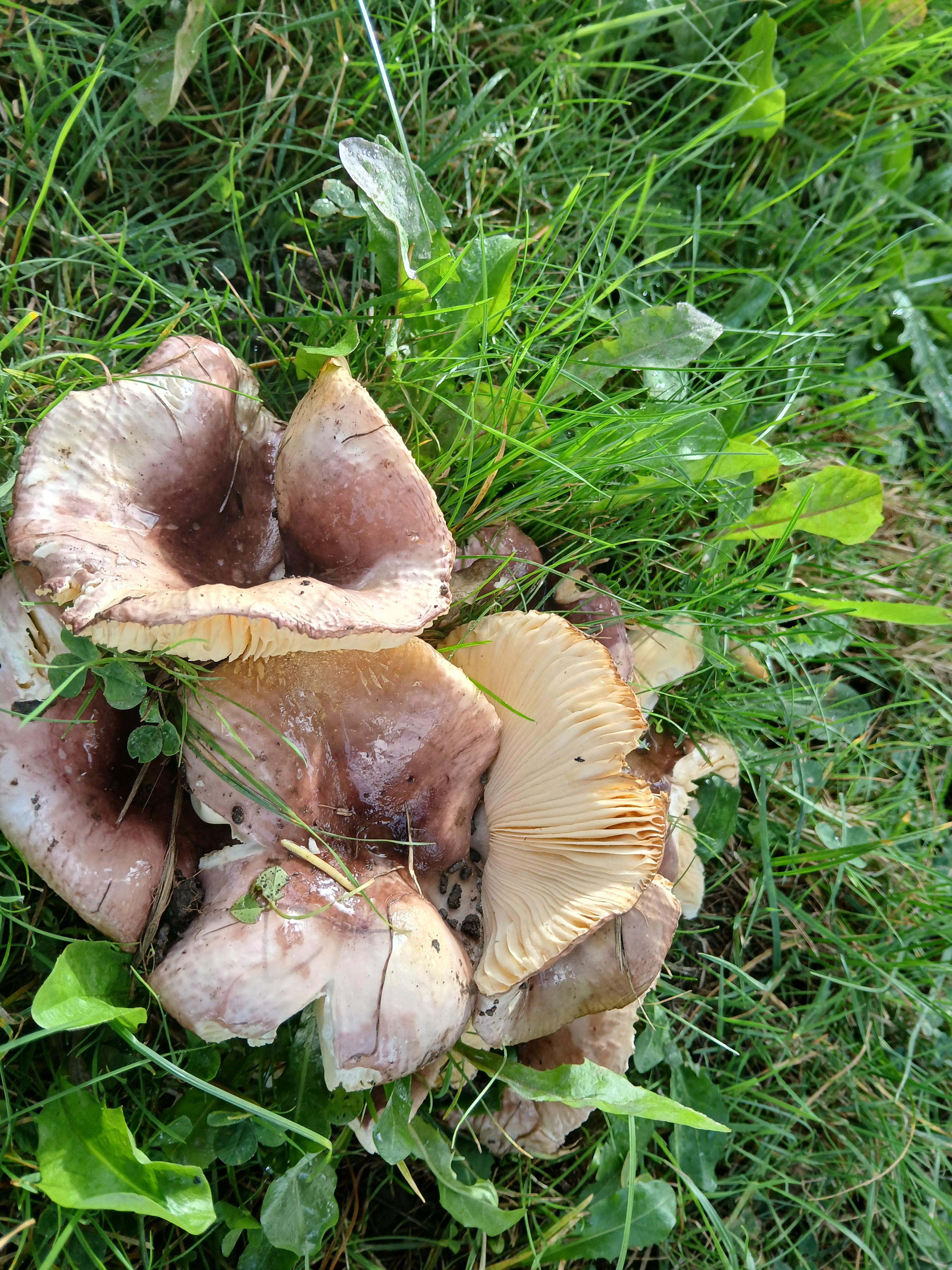
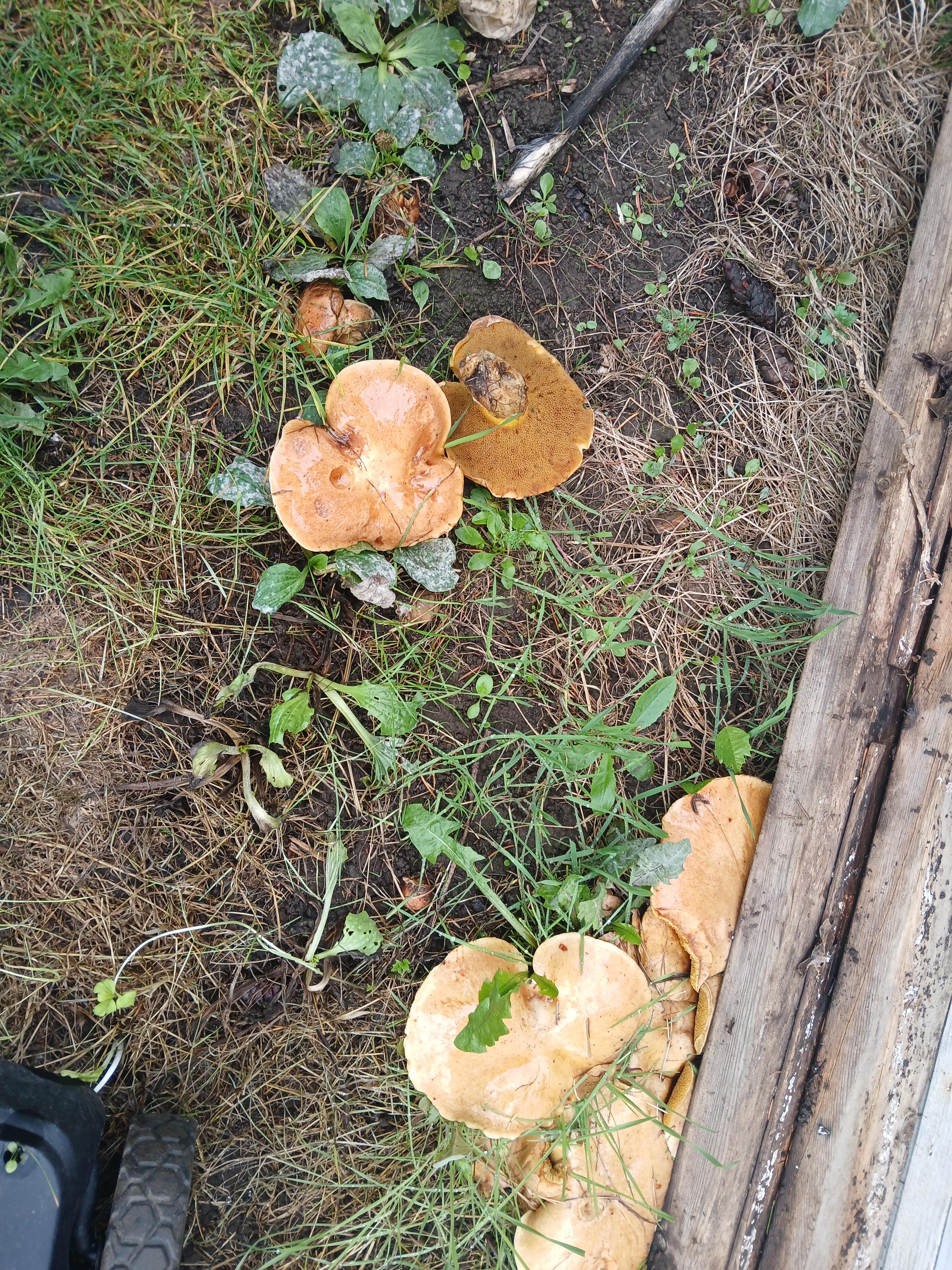
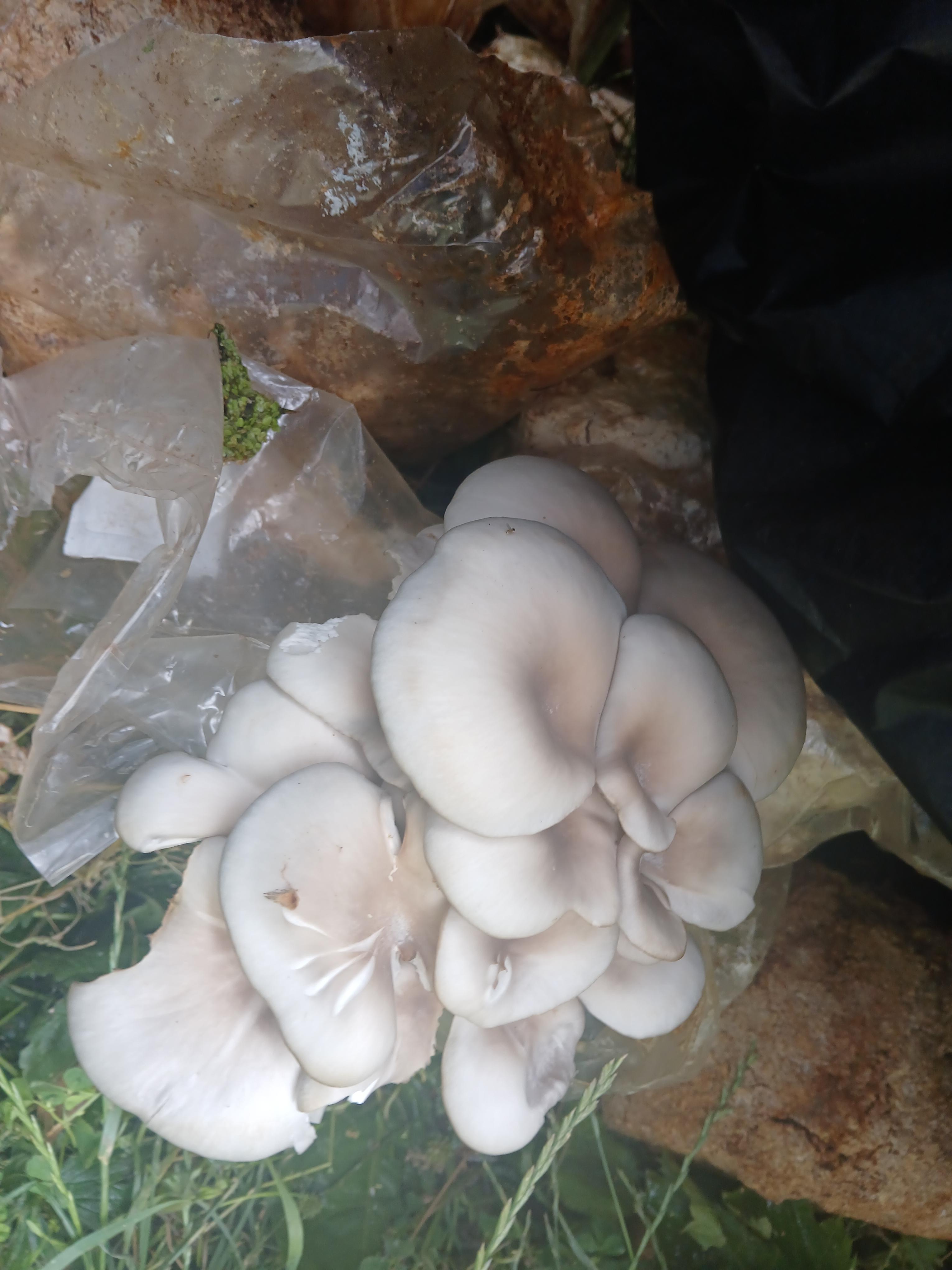
One of the most exciting uses (for me) is to sterilize media for mushrooms! When you steam soil, fungi are the first things to visibly colonize it. Usually in my case, it is ink caps (Which are edible, but I am afraid to eat them). There is another possibility too. So, you sterilize your soil, and put it in a planter are do a layer on the ground, you can inoculate it with oyster mushrooms. Some oyster mushrooms actually kill nematodes (to use as a nitrogen source).
Using Steamed Soil
If I have lots of steamed soil, I just use it directly and fill my planters with it. No weeds and no weeding for quite some time! Plus, seeding and potting soil is no longer cheap. If I don't have huge quantities of it, I use it like a mulch. I did the top of a big planter like that, and also a garden bed and a planter in my greenhouse. I dig rake and flatten the soil in the area to 3.5 inches below the finished height. If there are lots of weed roots, I might sieve the soil too, Something like half inch mesh wire works well, then add the 3.5 inches of steamed soil over top and it works well! It makes a huge difference. Weeds bring ideal places for spider mites, aphids, and slugs to build up their armies plus they cut back on air circulation. So, it isn't just weeding that you save by steaming soil!