A Mechanical Midsummer Night
by suryadessirier in Circuits > Microcontrollers
318 Views, 4 Favorites, 0 Comments
A Mechanical Midsummer Night
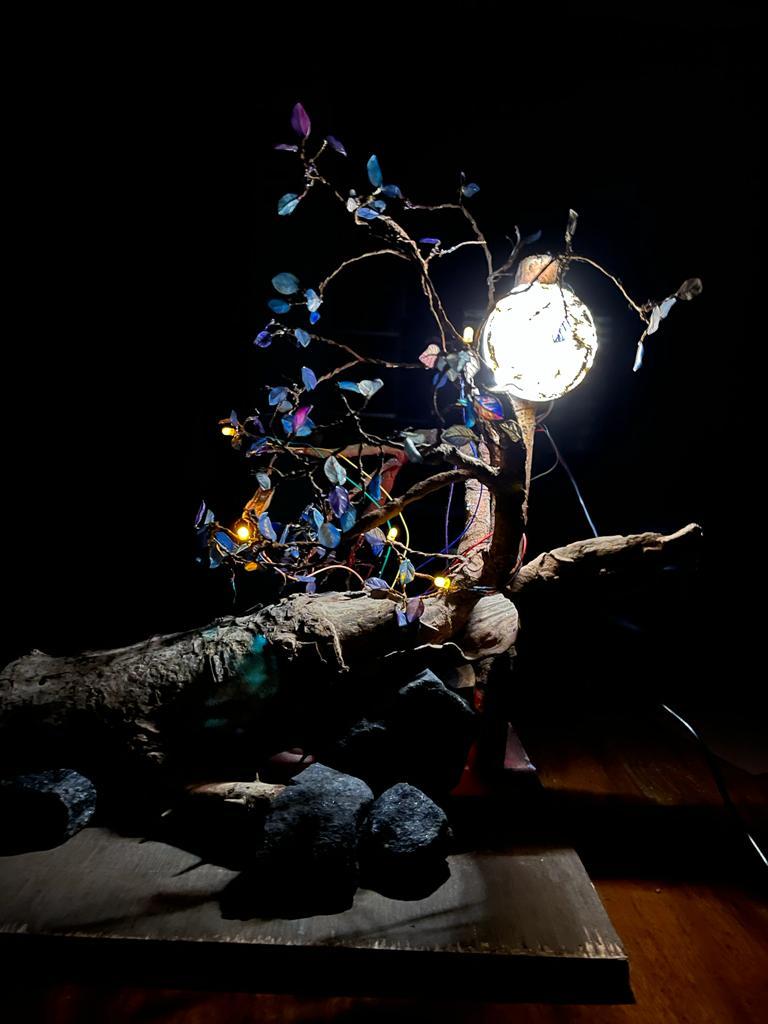
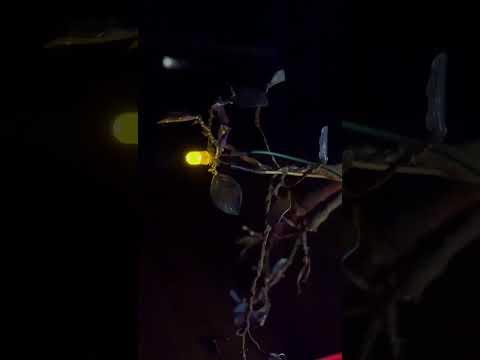
Hello everyone, I am a student just finishing high school, and I love doing crafts and working with my hands! I have a fascination for electronics as well, and I have always wanted to make something that could combine creative art and electronics. So, I took it up as a challenge, and designed a “Summer Night” that had both a creative and an electronic element. Here is what the final project looks like and sounds like:
The base of the “Summer Night” is an old, hollow tree branch that I found in my garden. This branch is extended upwards with an artificially made branch that has been structured with wire, wrapped with cotton, plaster of paris, and coated with a layer of brown paint to match the branch! To further beautify the tree, I attached colored resin leaves. The electronic part of the project consists of six ‘fireflies’ represented by LED’s (programmed with the Digispark ATTiny85 microchip), and ‘crickets’ whose sound is mimicked by two piezo buzzers. Finally, to add to the whole experience, I've attached a ‘full moon’ to the tree trunk (a powerful LED lamp).This project was extremely fun to make, but challenging as well !
Let's start building!
Supplies
Materials:
Tree:
Tree branch from garden
Metal wire (1.5mm thickness) : GoSetGet! 100pcs (Gold & Silver) Flexible Metal Wire/Craft Wire (Easy to cut!) for Flower Making, Jewelry Making, Arts & Crafts. 25 inch appox length (100) : Amazon.in: Home & Kitchen
Cotton rolls
Plaster of Paris bandage rolls Pmw - Pop - For Small Animals - 2.7 M x 10 Cm - 3 Rolls - Plaster Of Paris Bandage Cloth : Amazon.in: Health & Personal Care
Elmers glue
Paint brush
Brown Acrylic paint
Resin leaves (Mixed Lot of Hand Painted Small Dog Wood Leaf Drops. 15mm. Purple Tones. Acrylic. (60 Peices per Price) - Etsy)
Wooden board for placement of all items (dimensions)
Drill and nails
Wooden board for placement of the finished structure, allowing easier transport
Fireflies:
1 Digispark ATTiny 85
5 LED’s
10 long male to female wires
PCB board
Soldering iron
More wires for soldering
Crickets:
1 Digispark ATTiny 85
2 piezo buzzers
PCB board
Soldering iron
More wires for soldering
Moon:
Extra stick for support
LED wall light
Long cable to wall socket connection
Drill and nails
Note: Get yourself a bunch of : Male to Male, Female to Male and Female to Female wires as you will always need them !
Choose Your Branch!
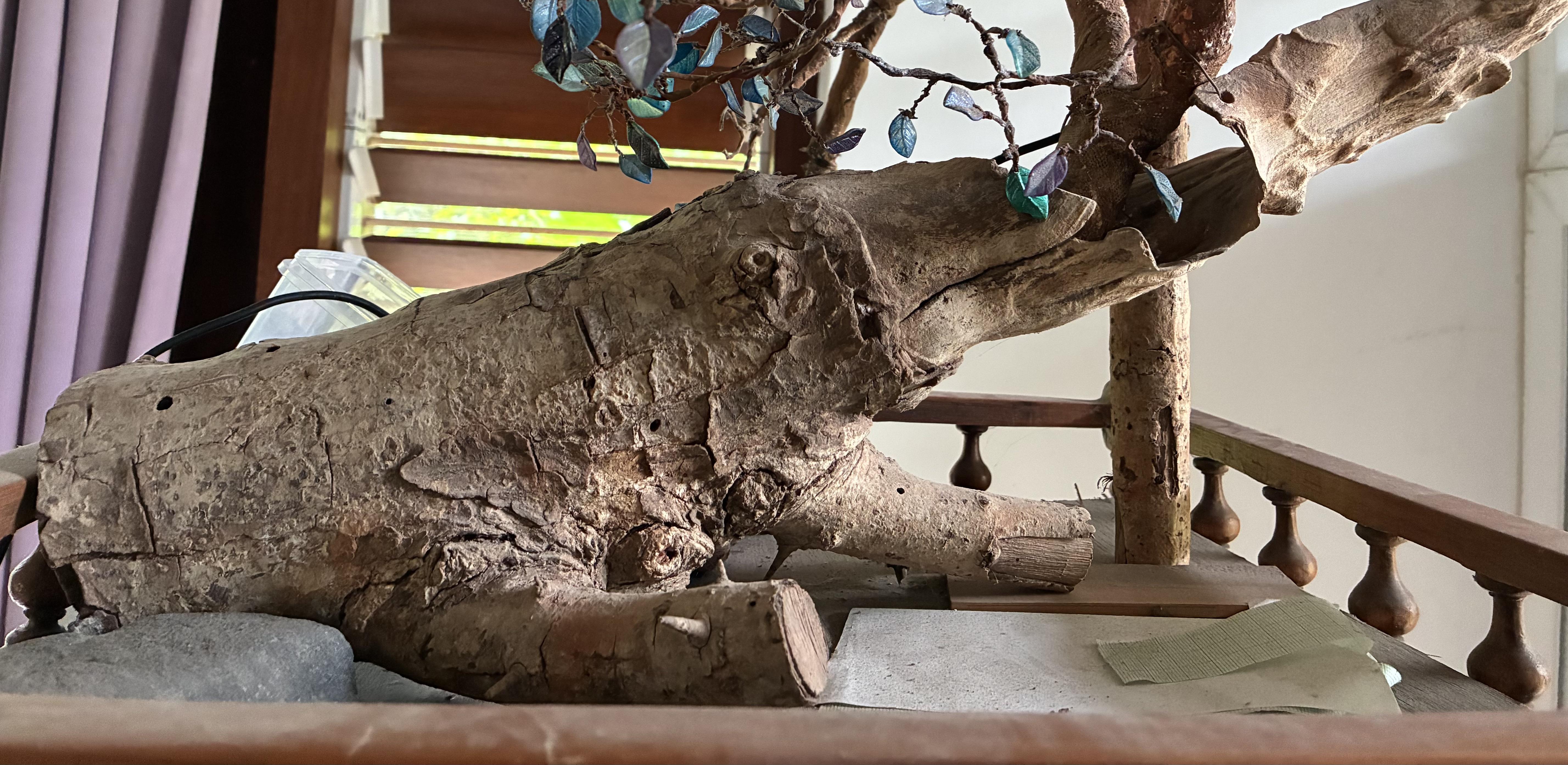
Before you start building, take a trip to the garden! Walk around and look for an antique looking tree branch that you could use as the base for this project. It does not necessarily have to be hollow, but if it is, it will facilitate the attachment of your artificial branch. Once you have chosen your branch, feel free to cut or shave it however you want to suit your taste and need. Be creative!
Make a Wire Tree
To make your wire tree extension, you will be using a large amount of metal wire. Measure out a length of metal wire equivalent to the length you want your extension to be, and fold out several such lengths on top of one another. From there, begin twisting the wires together, occasionally leaving out some strands that you will be able to twist later on to create the effect of branches. Here is the video I followed to make mine: (link: https://www.youtube.com/watch?v=urz5S4LR88Y)
Cover Tree
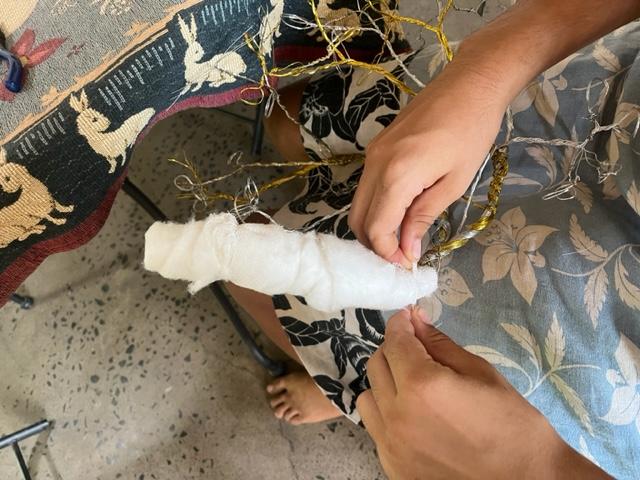
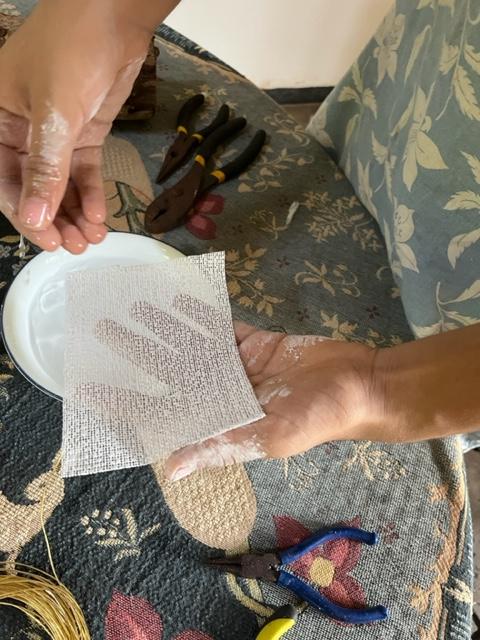

Once your wire tree structure has been made, it's time to give it thickness. Get your cotton, and wrap it around each branch of the wire tree tightly to give some texture. When you have finished one ‘coat’ of cotton, start a second, slightly looser.
At the end of the process, your wire tree should be covered with two layers of cotton. Next, cut strips of plaster of paris wire gauze bandage, dip them in a bowl of water, and attach them to the wire tree.
Add as many layers of plaster as you wish, but make sure to cover the entire tree with at least two layers, otherwise it won't be sturdy enough.
Attach Resin Leaves to Tree
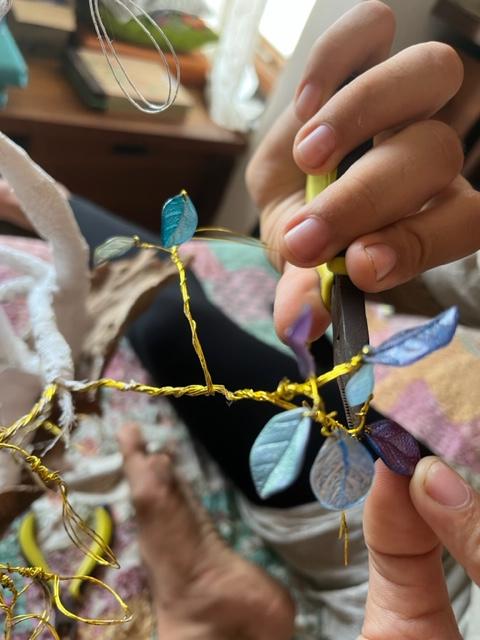
If you've followed the video to make your wire tree, you’ll notice the ends of the wires at the tips of each branch. Take your resin leaves, and one by one, attach them to some of these wires to create the impression of foliage. The resin leaves I used had premade holes. Here is the Etsy link I bought them from: (link: Mixed Lot of Hand Painted Small Dog Wood Leaf Drops. 15mm. Purple Tones. Acrylic. (60 Peices per Price) - Etsy )
Paint Tree
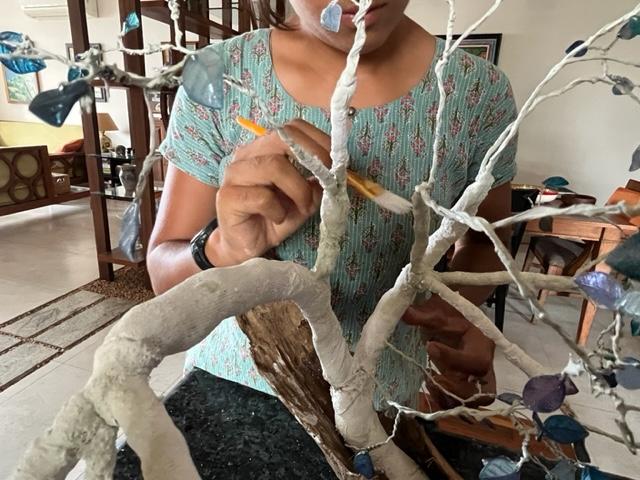
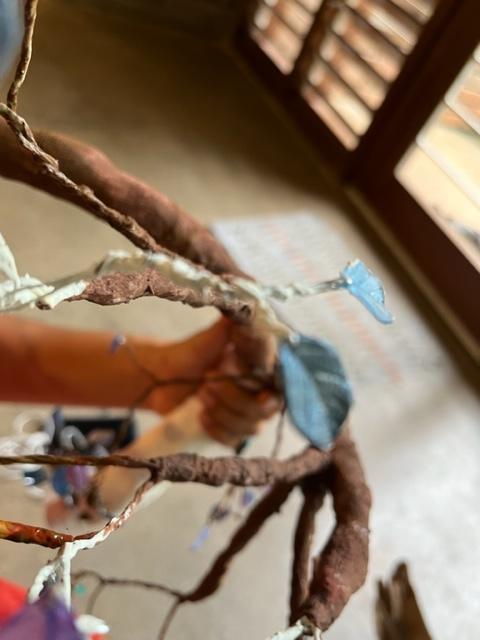

Get out your Elmers glue, dilute the glue slightly with water, and coat you're wire tree with the mixture. Wait for glue to dry and then paint the wire tree in the same color as the tree branch.
Attach Wire Tree to Branch
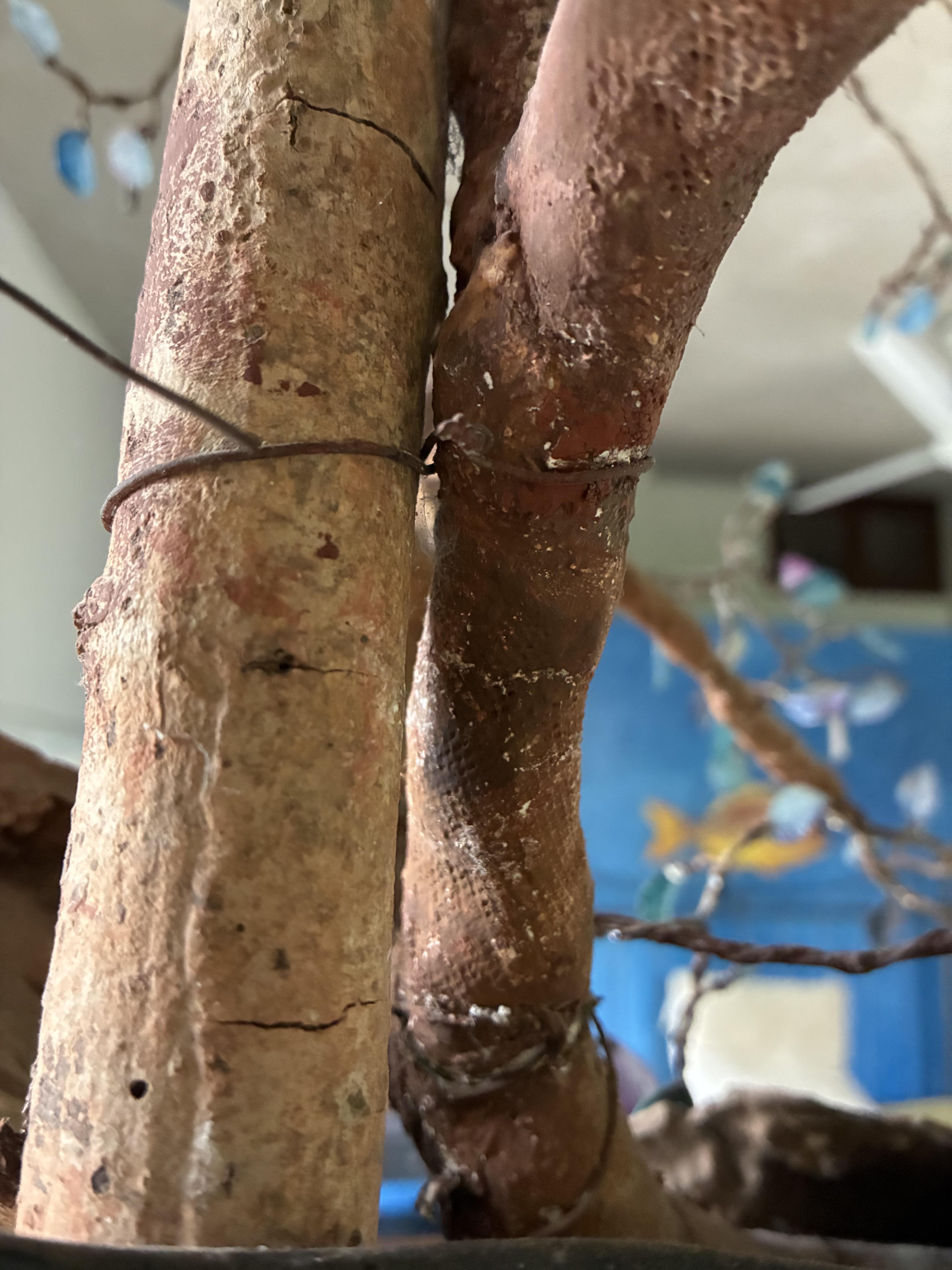
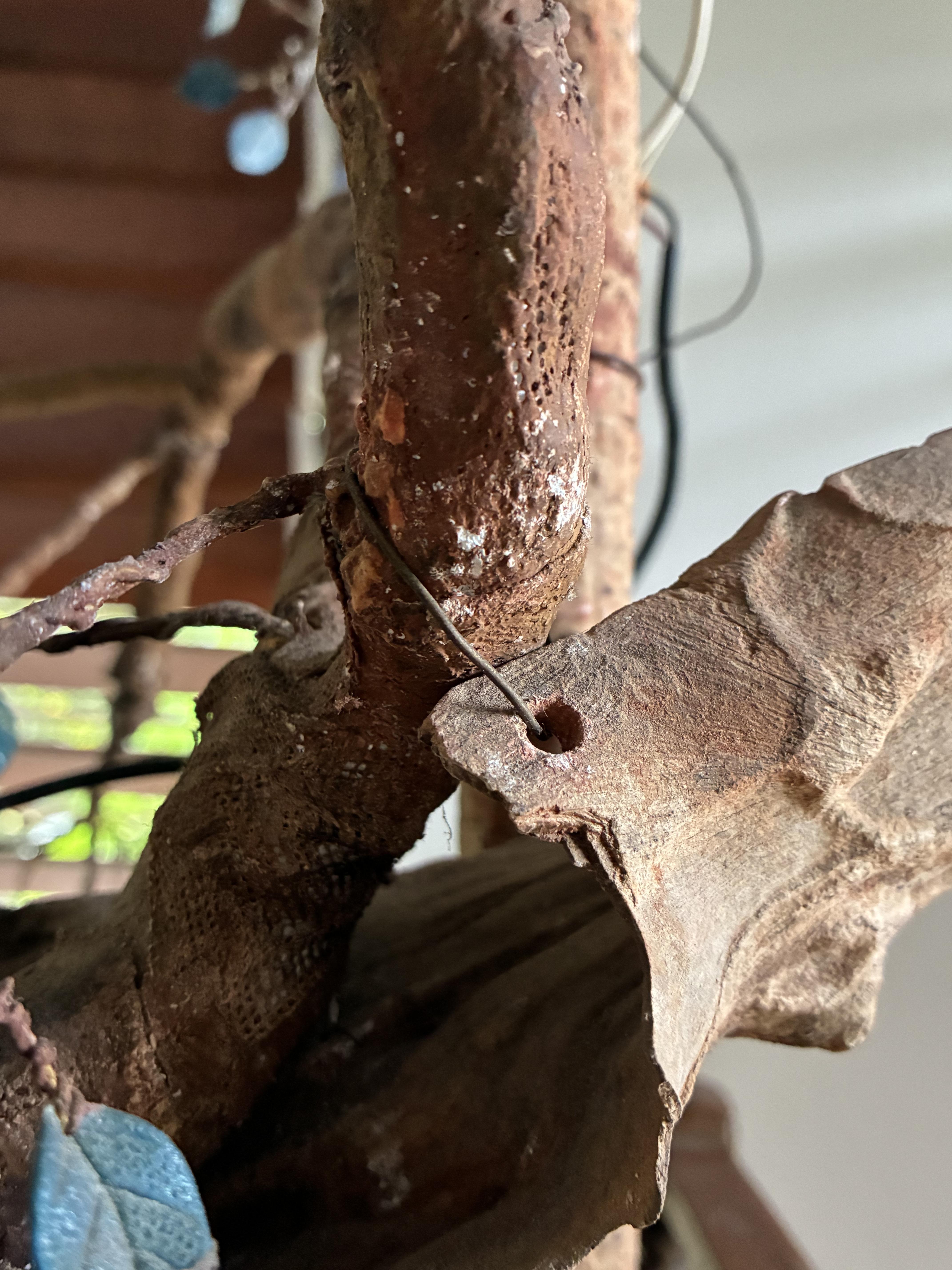
Now, it's time to attach the artificially made wire tree to the tree branch ! The way you attach the wire tree depends wholly on the shape of the branch you have chosen, so be creative with it. Since my branch was hollow, I fitted my wire tree inside, and secured it with wire to different parts of the branch.
Set Up Digispark ATTiny 85
The ATTiny 85 is the small microcontroller I used to program my fireflies and my crickets. I chose the ATTiny 85 microcontroller because, compared with the Arduino, it was significantly smaller, and could be easily hidden behind the tree. There is a process to set it up for programming the ATTiny 85 which, if you do not follow correctly, could leave you with a bunch of bugs and error messages that you won’t understand! Here is a link to a video tutorial explaining exactly how to set up the ATTiny 85 on your device. (link: How To Program A Digispark (ATTINY85) Includes Download Link!)
Fireflies
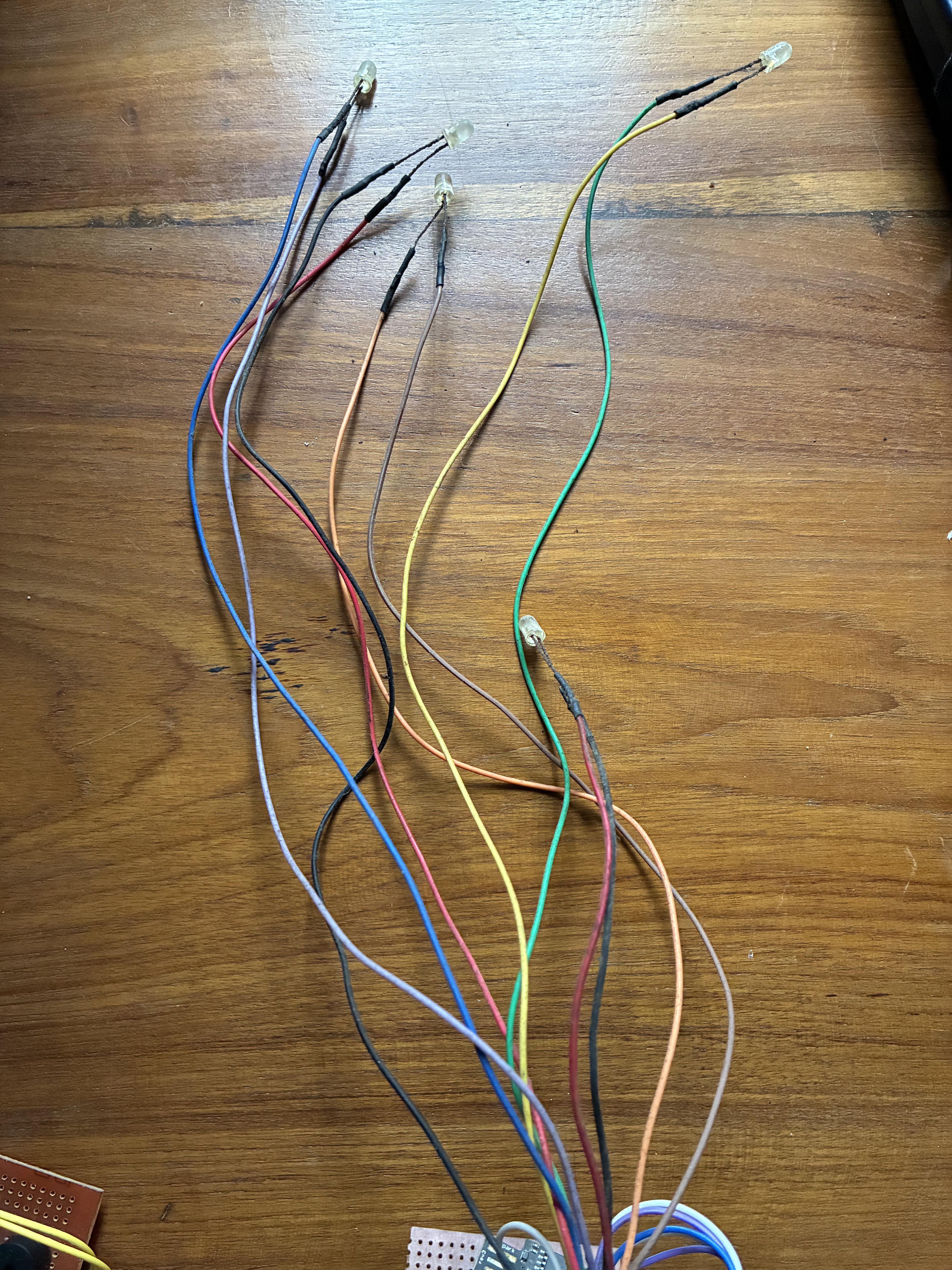

The first thing to do, when working on the fireflies, is to sort out the hardware. Take 5 LED’s, and solder a long male to female jumper wire to each lead as shown above.
Now, it’s time to solder an IC that will make the wire connections to the ATTiny 85 easier to handle. Above is the circuit diagram that shows you how to do it.
Here is what you will need:
Item list:
1 ATTiny 85
5 LED’s with long soldered wires
5 220 Ohm resistors
3 five-hole PCB headers
1 two-hole PCB header
Jumper wires
Extra wire for soldering
Copy paste the following code into your Arduino IDE, and upload it to your first ATTiny.
Crickets
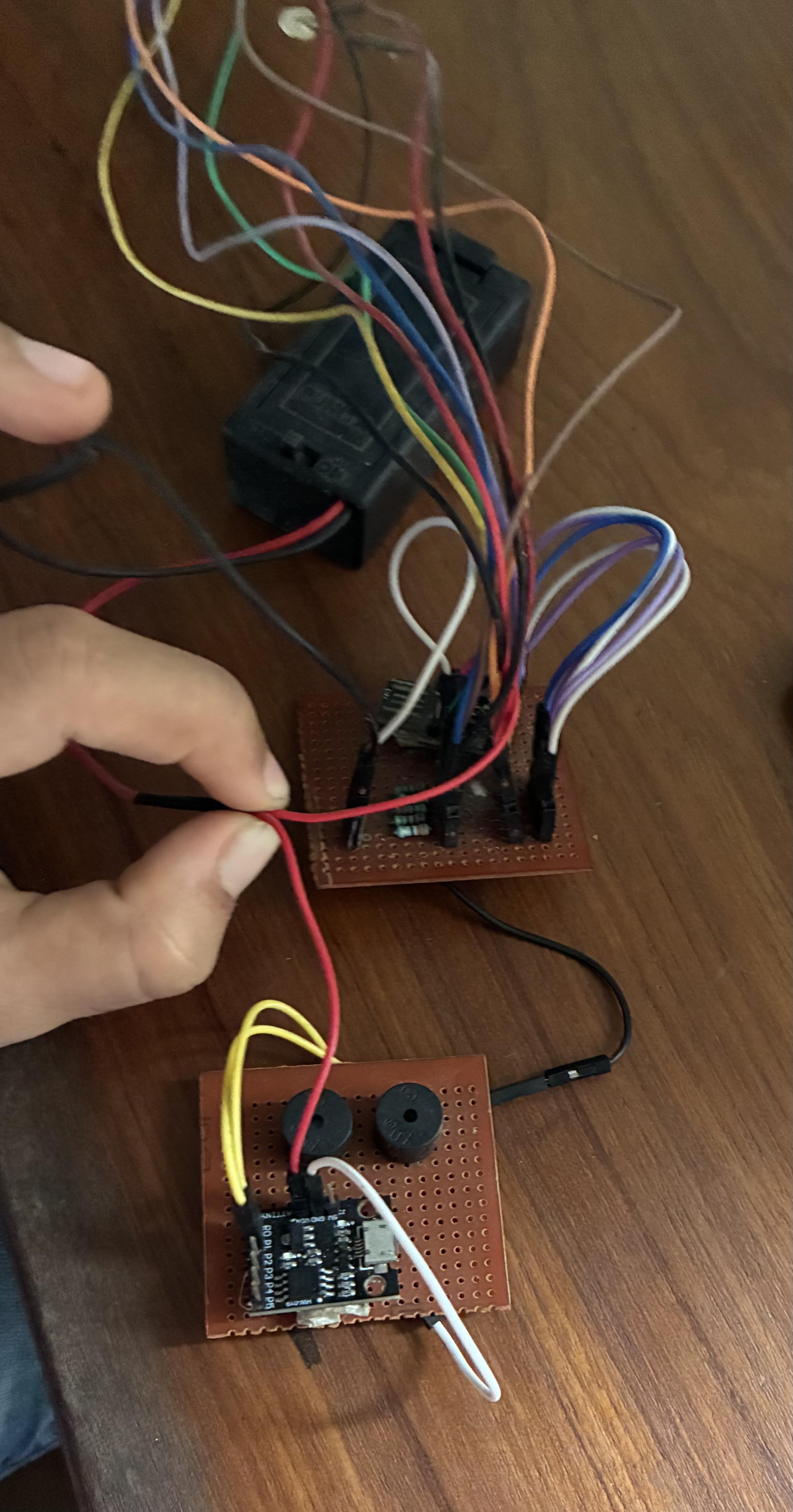


Get your second ATTiny85 microcontroller, and set it up, as you did the first one (step ?). Then, create another IC that connects two Piezo buzzers together. The diagram Above shows the circuit to follow.
Here is what you will need:
Item list:
1 ATTiny 85
2 Piezo buzzers
Jumper wires
Extra wires for soldering
Copy paste the following code into your Arduino IDE, and upload it to your second ATTiny.
Note the second diagram above, showing how the two IC circuits interact, with the power source and an on and off switch.
Assemble All the Parts Made Onto a Wooden Board
It's time to assemble all the different parts together and fix the ensemble to a wooden board to make it one structure that is more easily carried around.
To attach the tree to the wooden board, drill a hole in the board and into the bottom of the tree branch and use a wood screw to secure the 2 parts together. You will insert the screw through the board first, then screw it into the tree branch. Now, place all your circuitry into an open topped plastic box. Fix the six fireflies into the tree wherever you like with a thin copper wire, or simply by fitting them into a branch that keeps them secure.
Moon
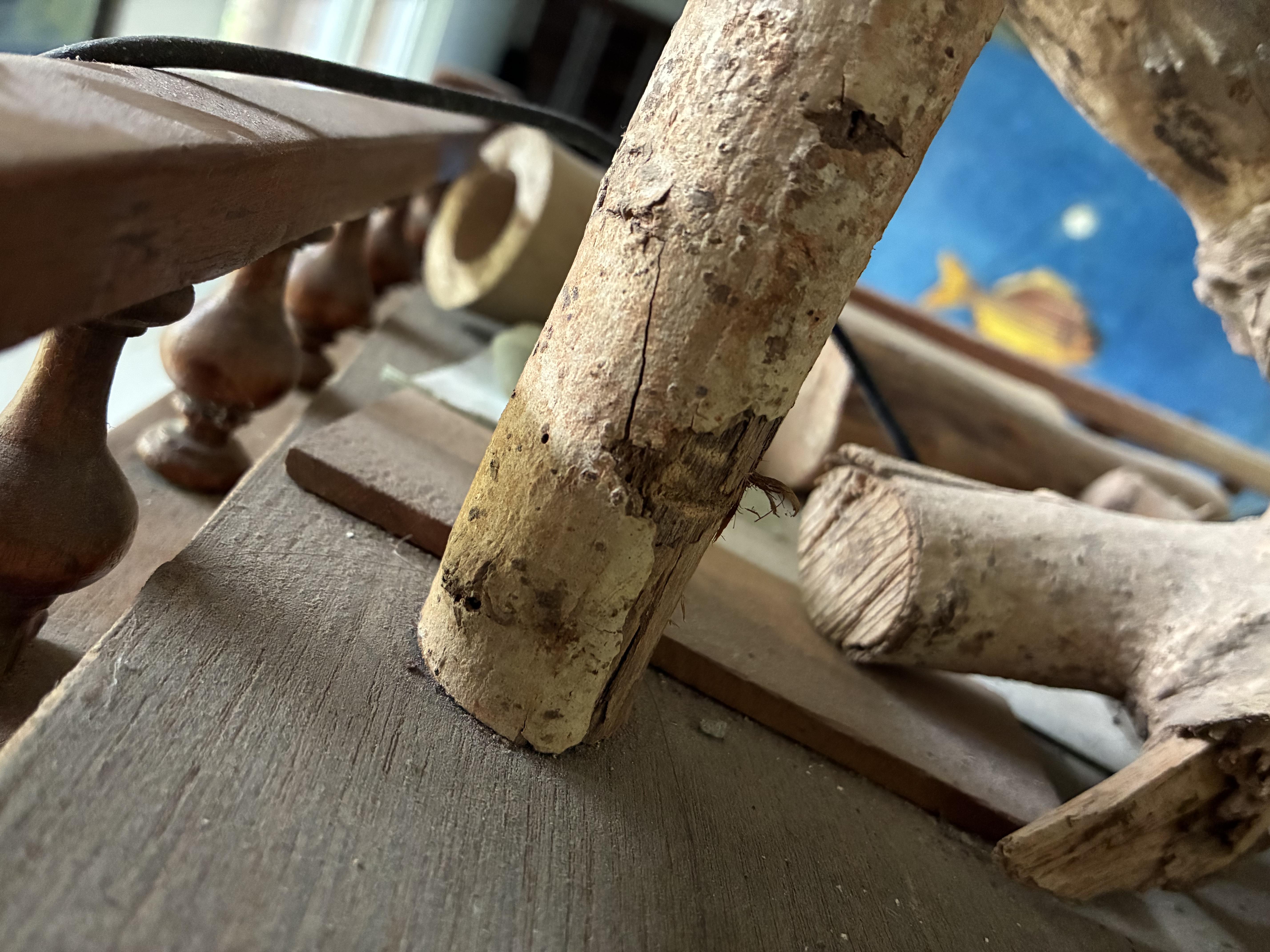
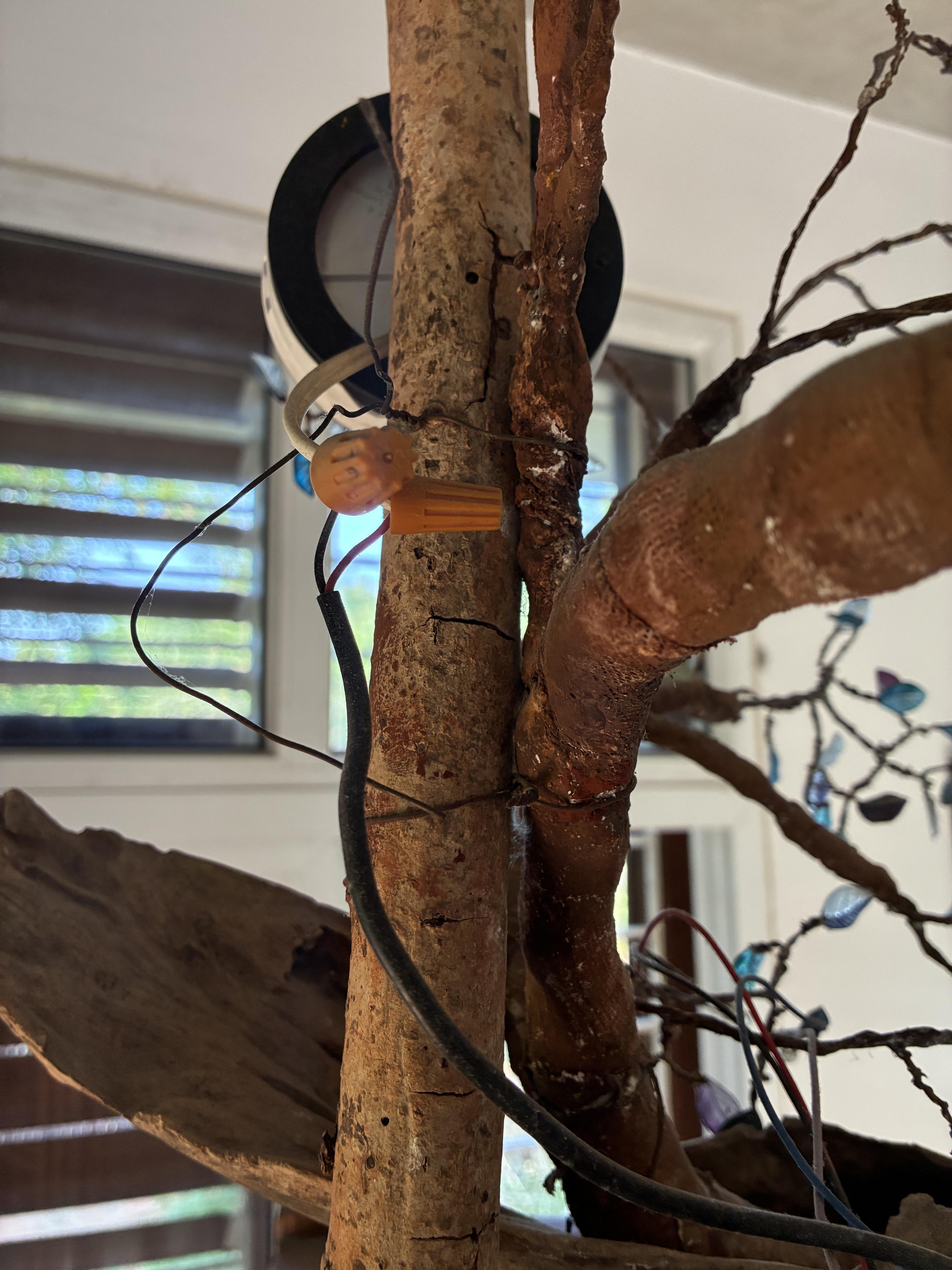
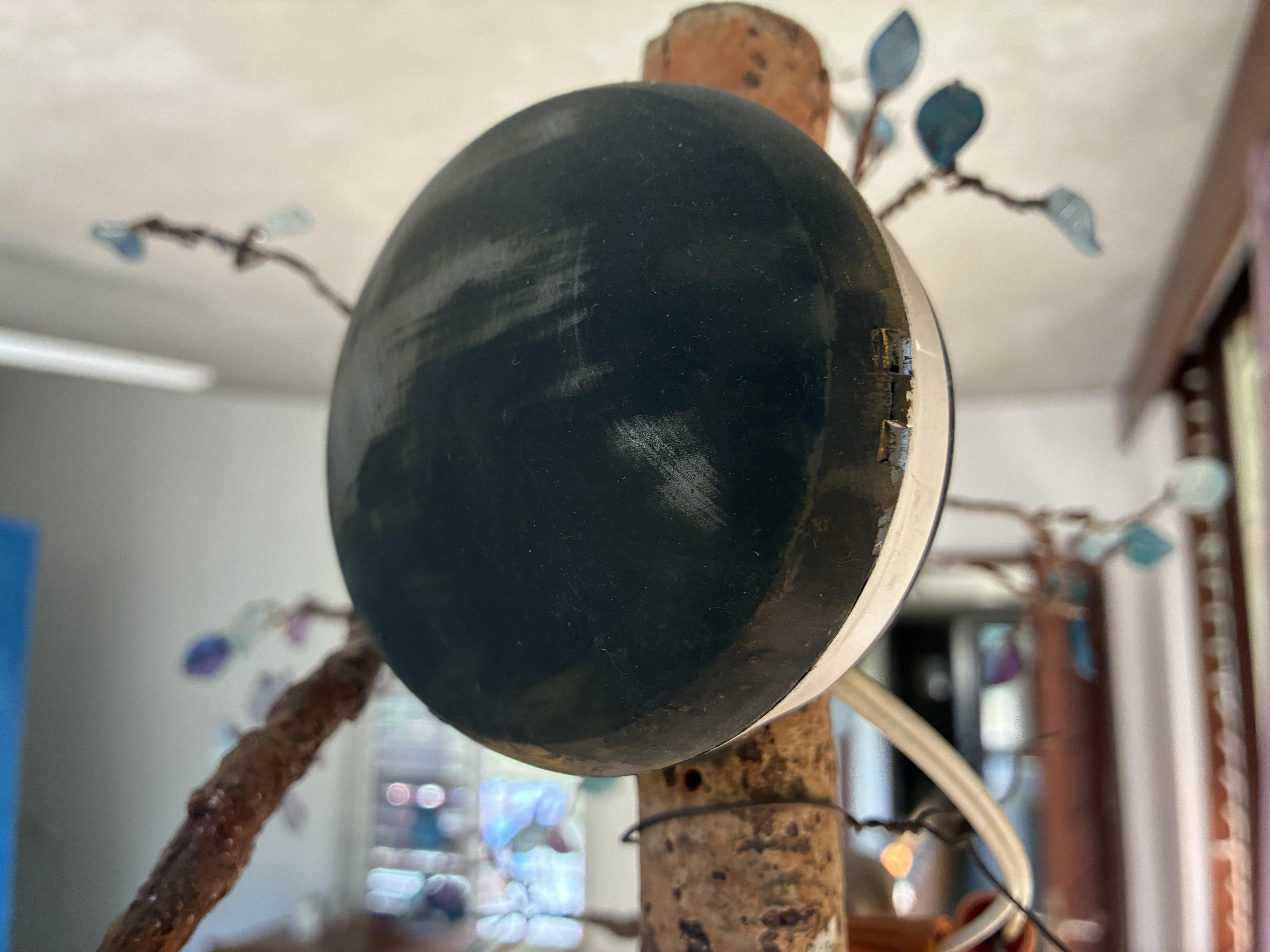
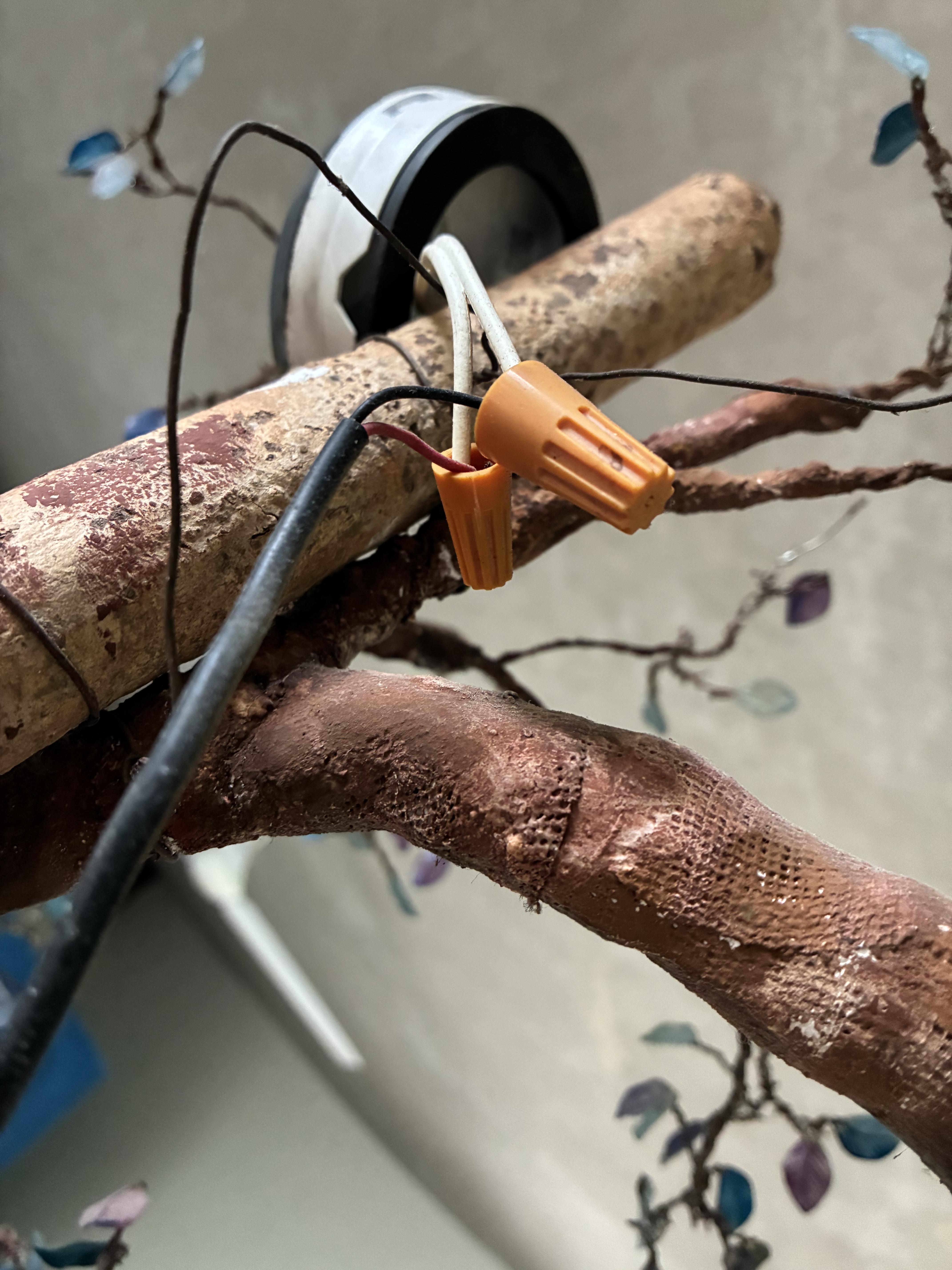
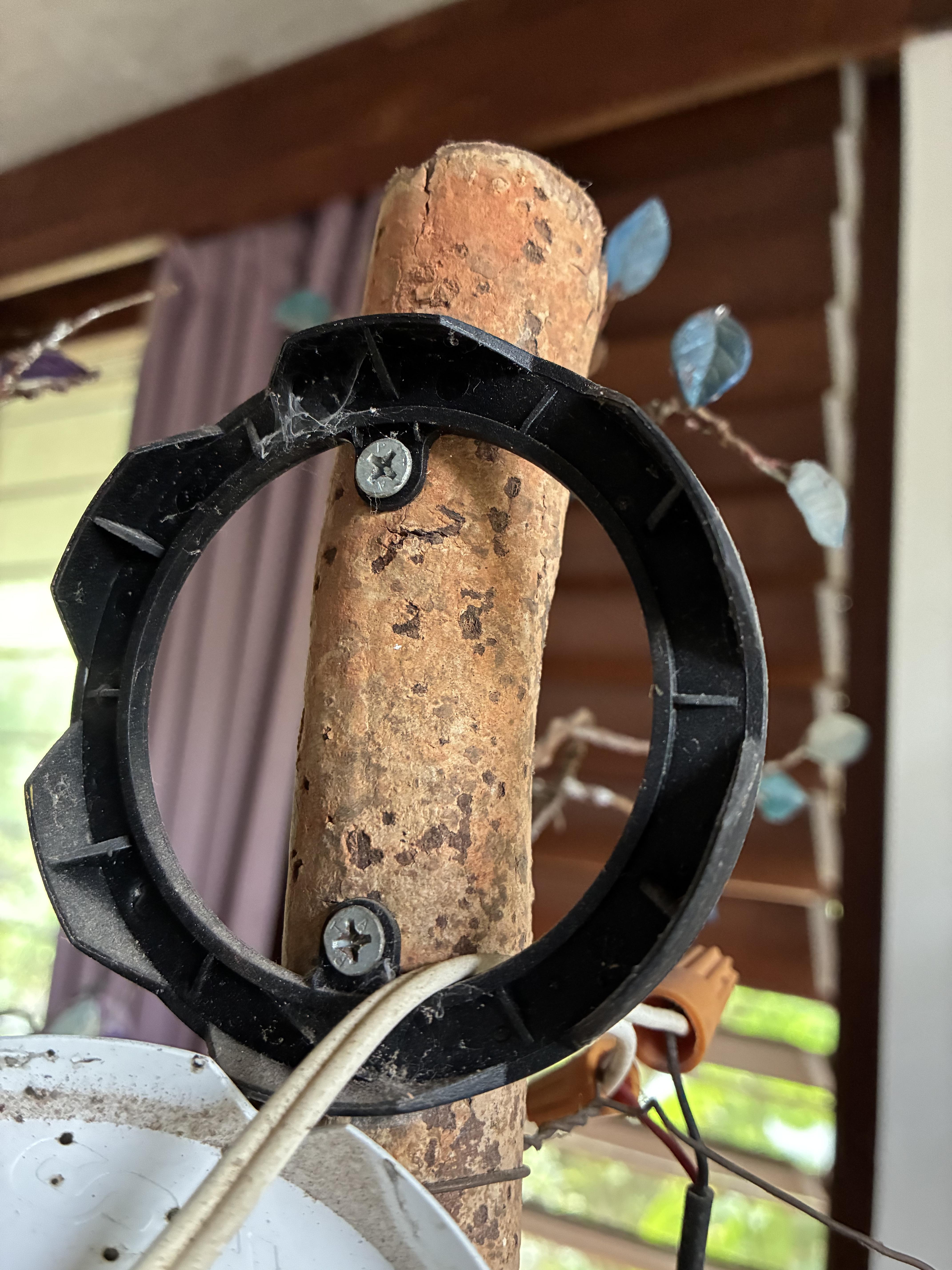
Time to add the last element! Drill a thick(ish) branch into the wooden board (from behind again), behind and slightly to the side of the main tree (but this totally depends on the structure of your tree. Feel free to experiment!) .
Take your LED wall light, and paint it completely black with a thin coat of acrylic paint. Turn the light on in a dark room and check the brightness. If the light is too bright and blind you, paint another coat of black. If it is too dim, wipe off some black paint. Once you are satisfied with the brightness, hook your LED wall light to the screw on the branch. Take your wire with a wall socket connection, and strip the side without the socket connection. Get the positive and negative wires inside, and attach them to the LED wall light’s positive and negative wires respectively.
Attach the smaller tree branch to the wooden board similarly to how it was done for the tree branch.
Attach your LED wall light to the smaller tree branch. This will depend on the LED light you choose. Most often some screws need to be place so the light can be fixed to the wall (here the small tree branch).
Testing the Finished Project!
Once all the assembly is complete, go into a dark room, turn on the small switch that controls the fireflies and crickets, and plug the moon’s connector into a wall socket. Enjoy the summer night experience!