A Child's Temptation

My project is about testing children's moral behavior and decisions when given the perfect opportunity to cheat, and seeing if age is related.
Question

Can the environment and situation have an effect on children’s attitudes and decisions? Does age have anything to do with it?
What will make children cheat? How appealing is the reward to compel the child to cheat? What is the role of stress? Do certain situations encourage a child to cheat?
Background Information

Children usually will do some "unethical" things for their own desires especially ones aged around 10-12, usually, because they are not raised to be honest or have been influenced by older people. Children are also eager to learn and curious, so sometimes when a child cheats, they are trying to find an easy way to overcome the difficult obstacles that come with learning.
Source:
Hypothesis

If given the right opportunity, then, most of the children will probably cheat and peek inside the box, maybe because they will feel pressure, lack of confidence, or even just the desire for the prize. And, presumably, the older category will have fewer children cheating perhaps because they might have some morals and principles and know that cheating is wrong.
Variables
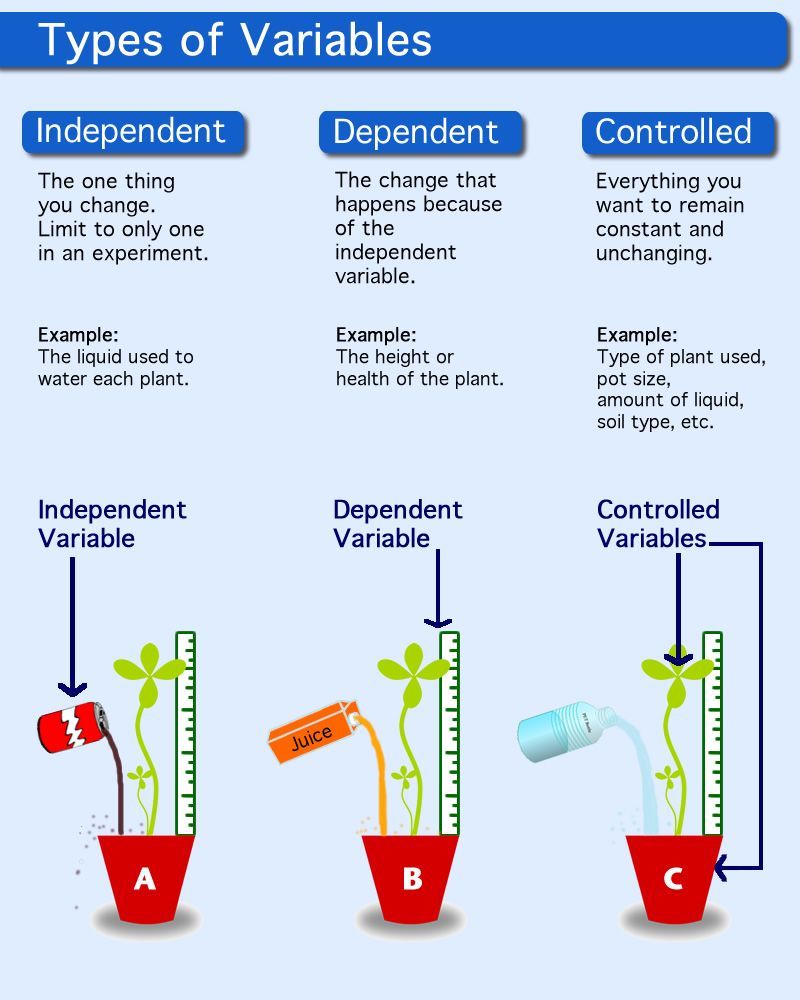
Independent Variable: Age of the children and my presence in the room since both of these things is what I am testing and rely completely on themselves
Dependent Variable: The child's temptation or action of peeking inside the box, because it depends on both the age of the child and whether or not I am in the room which are independent variables, and the dependant variable relies on the independent
Controlled Variable: The place I am leaving the children in, the amount of time they are alone, and the prize, since all these variables are controlled by me and need to stay the constant and unchanging for every child to make sure I get the right results.
Materials

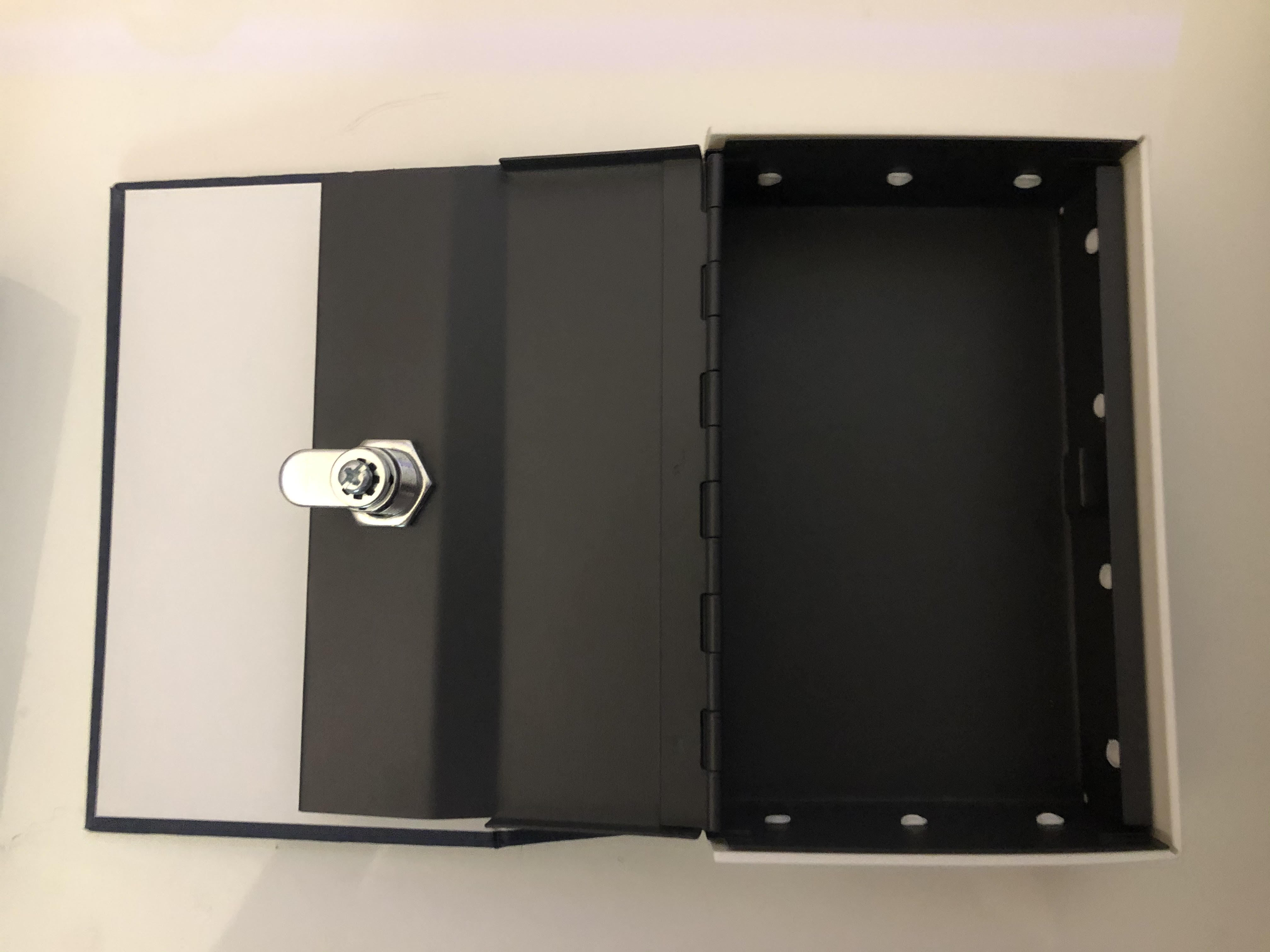
All the things needed for this experiment are the following:
- Empty closable box
- Cash
- A camera
- A timer on my phone
And a room to test the children in
Procedure

- Set up a camera inside the room where it cannot be seen
- Place a certain amount of cash inside a box and close it
- Put the box on a table and invite a child in
- Explain to the child that if he could correctly guess the amount of cash inside the box he will get to keep the money
- Leave the room with some kind of excuse
- Come back after exactly 5 minutes
- Rewatch the camera footage and see if the child peeked inside
- Depending on the answer, ask the child the reason behind his decision
You can repeat the steps for every child.
Patterns

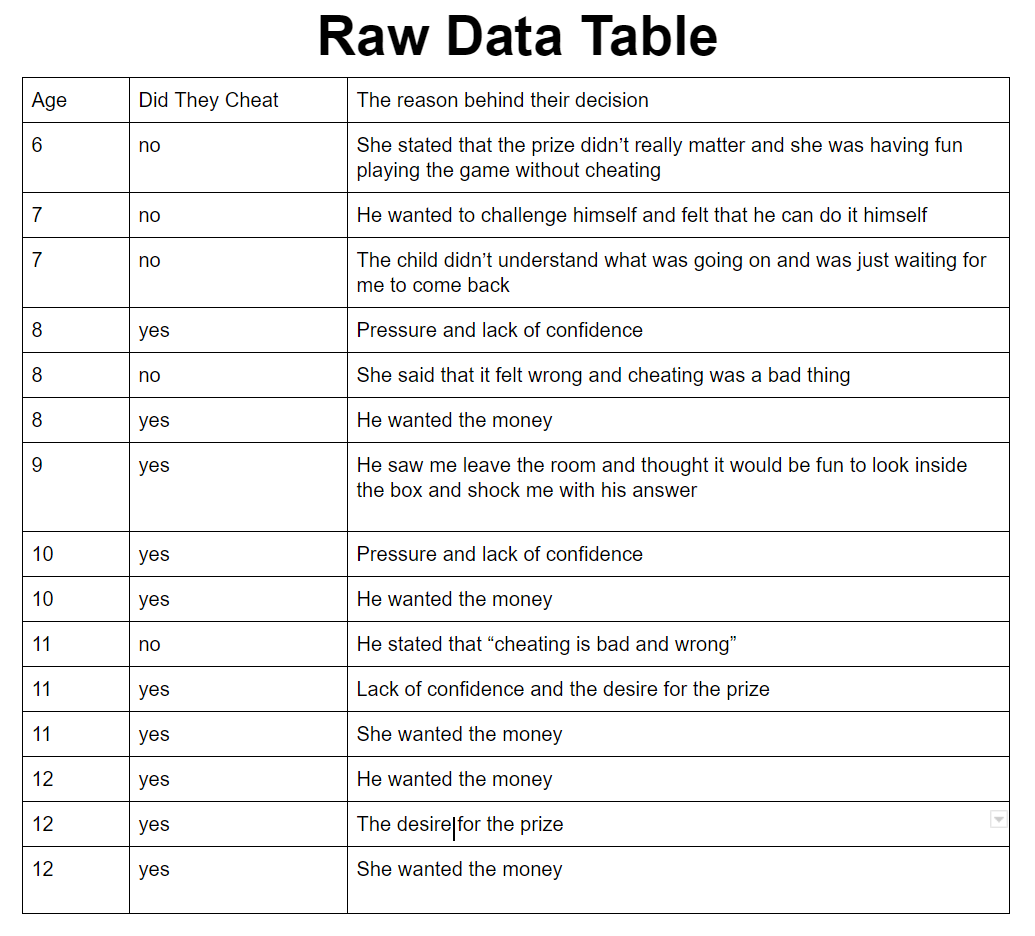
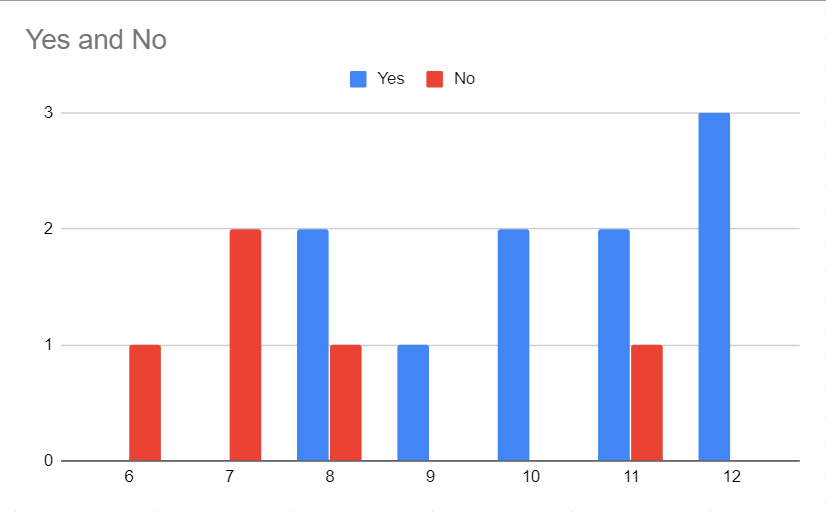
Based on the data, there was a pattern in the relationship between age and whether or not the children peeked inside the box since as the children who were tested got older around the age of 9 and above, more appeared to understand the concept of money and chose to cheat. (8 of the children who were above the age of 9 cheated while 1 did not)
Another pattern was that based on the graph and data, it is clear that the kids above the age of 10 mostly cheated because of the money, this could be because older kids tend to value money more and know its worth more than younger kids.
Evaluating the Hypothesis

The hypothesis was partially correct since the majority of the children did cheat and peek inside the box, but what was wrong about it was that the older category will have fewer cheaters, which turned out the opposite and the younger kids were the most honest and did not cheat, this could be because of the fact that younger kids don't really understand the importance of money or the concept of cheating in general, and older kids usually value money more.
Evaluating the Method

There were some limitations in the experiment like the fact that there were only 15 children that got tested which may have affected the accuracy of the results, or that the age range was a little small (6-12) which may have made the experiment less accurate. Lastly, most children, especially under the age 10, may not fully grasp the value of money, meaning that they may not have been motivated to try to win the prize, which had a big effect on the final result. The good thing is that the controlled variables like the place and time were not changed during the whole experiment which helped me get better and more accurate results. Moreover, there was a wide range of ages between 6 to 12 and at least one child from each age group which also improved the experiment's validity.
Improving the Experiment

There were multiple limitations in this experiment and can be improved in many ways:
- increase age range to improve result accuracy
- test more children to have detailed results since I only tested 15 children
- change the prize to something more appealing or valuable to children because money could have been worthless to some of them.
- it is possible to give the children more time alone since some children will take longer to decide
Picture Citation
1. https://www.pinterest.com/pin/465489311487686665/
2.https://www.shutterstock.com/?kw=shutterstock&gcli...
3.https://www.verywellfamily.com/reasons-why-cheatin...
4.https://www.pinterest.com/pin/48976714674514913/
6.https://blogin.co/blog/how-to-write-excellent-proc...
9.https://www.pinterest.com/pin/446067538071582683/
10.https://depositphotos.com/281333612/stock-illustra...